Coffee Pods: The Complete Guide (2026)
Pods, capsules, ESE, Nespresso, Dolce Gusto - the format confusion costs people money. This guide untangles it.
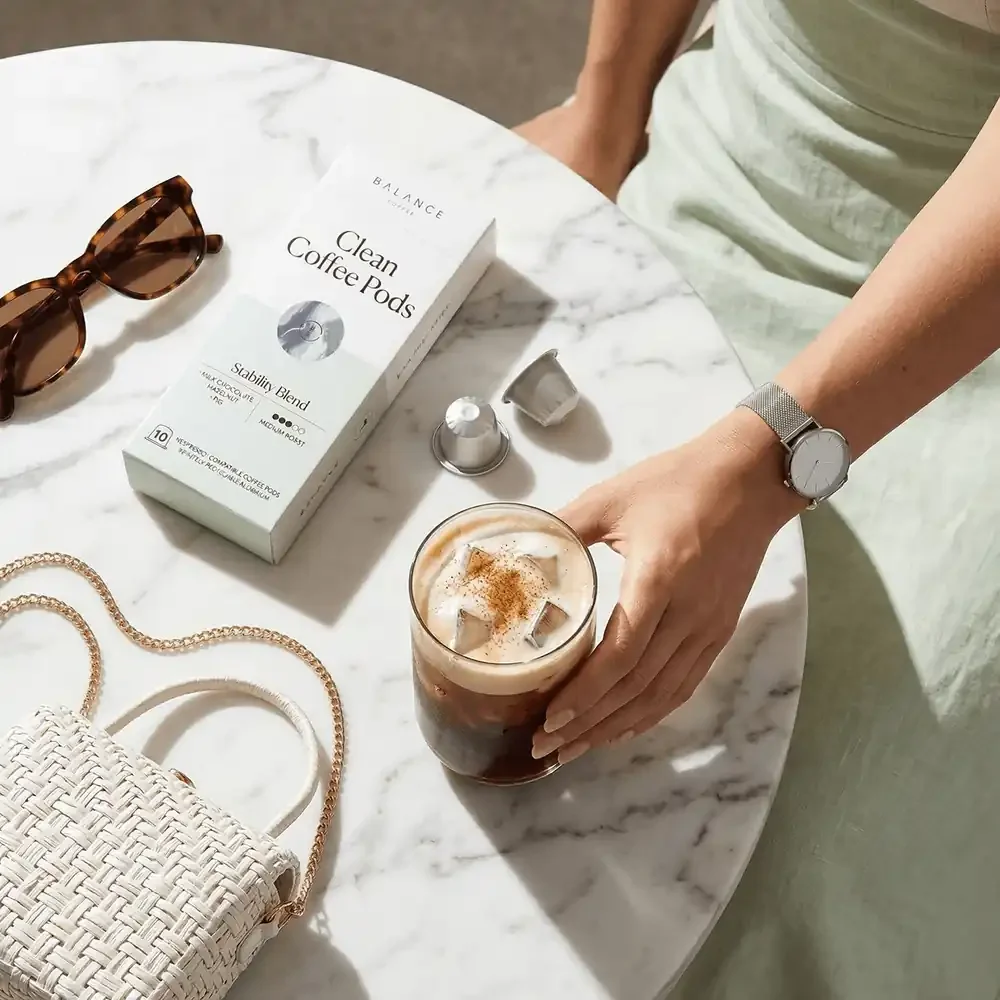
Table of Contents
Some of the links in this article are affiliate links, which help fund our independent review work at no extra cost to you. Every recommendation is based on hands-on testing through The Editor Lab methodology. No brand pays to appear, and no placement is guaranteed.
Why trust this guide
I have spent 15 years in the coffee industry. A decade of that was with Sanremo, where I worked with commercial espresso systems across Europe before launching Balance Coffee in 2019. Since then I have visited over 60 roasteries, tested hundreds of products, and built an independent lab testing programme that screens for mycotoxins, mould, heavy metals, and pesticide residues.
I wrote this guide because the coffee pod market is full of marketing claims and very short on transparency. Most 'guides' are thinly disguised product pages. This one is not. It covers every pod machine available in the UK, the health evidence most brands would rather you did not read, and the sustainability data behind the compostable vs aluminium debate.
If you want to skip straight to recommendations, here are our tested guides: best Nespresso pods and capsules in the UK, best organic coffee pods, and best espresso pods.
What are coffee pods?
A coffee pod is a pre-measured portion of ground coffee sealed inside a single-serve container designed to work with a specific brewing machine. Drop the pod in, press a button, and the machine forces hot water through the coffee under pressure (typically 15-19 bar) or via centrifugal force. A drink in under a minute.
The concept started in 1986 when Nespresso patented its first aluminium capsule system. For years, Nespresso had the market to itself. Then the key patents expired in 2012, and the market opened up overnight. Dozens of roasters could suddenly produce compatible capsules, and entirely new pod machines launched to compete.
Today, the UK pod market is enormous. Industry data from the British Coffee Association estimates over 1.5 billion capsules are sold annually in this country alone. Roughly one in four UK households now owns a pod machine, according to Mintel research, and that number is still climbing.
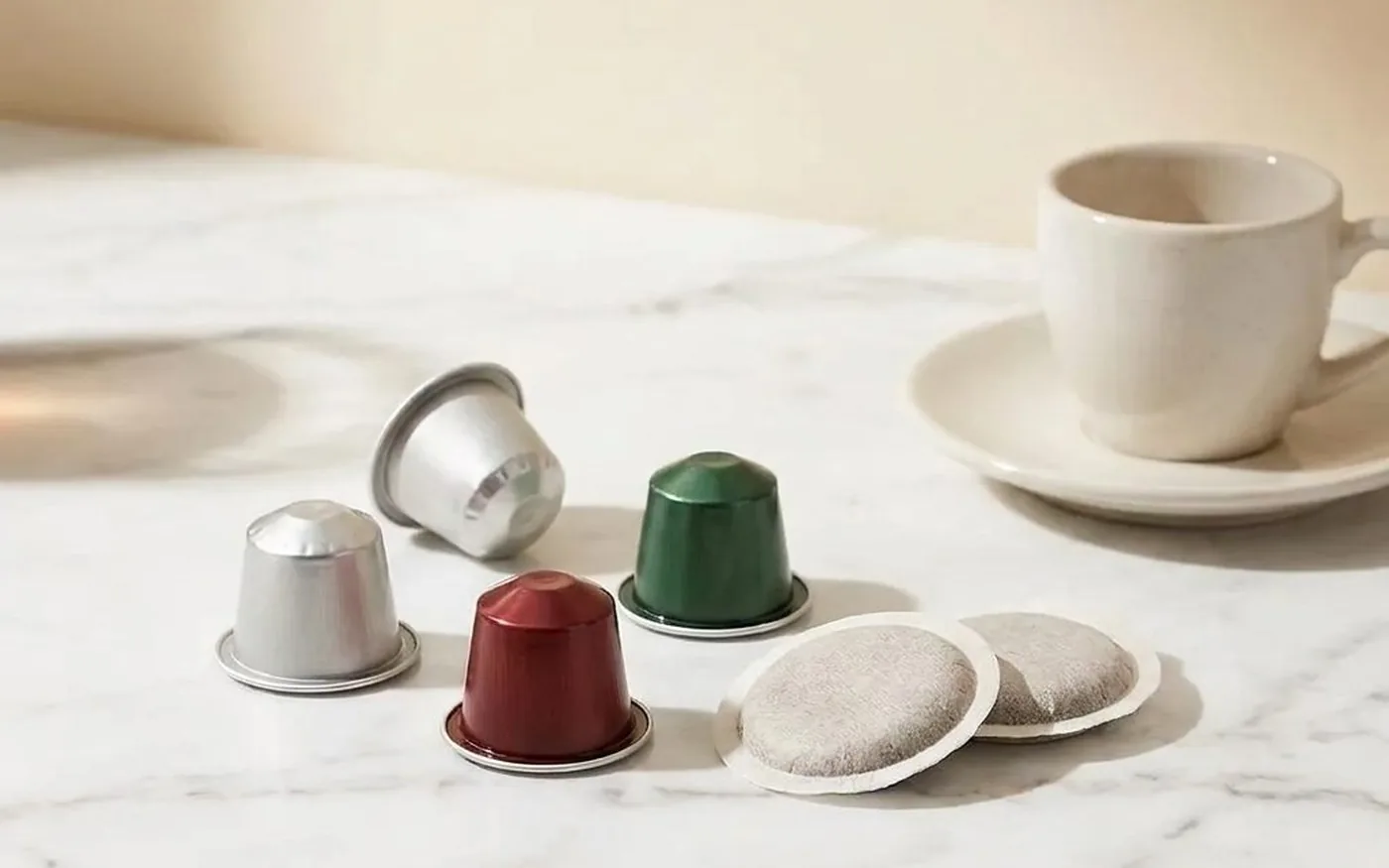
Before going further, it is worth clearing up the terminology. Strictly speaking, a 'pod' refers to a flat, paper-wrapped disc of coffee (like an ESE pod), while a 'capsule' refers to a sealed plastic or aluminium container. In practice, almost everyone uses the words interchangeably, and we will do the same throughout this guide. If you want the full breakdown, we have covered the technical difference between pods and capsules separately.
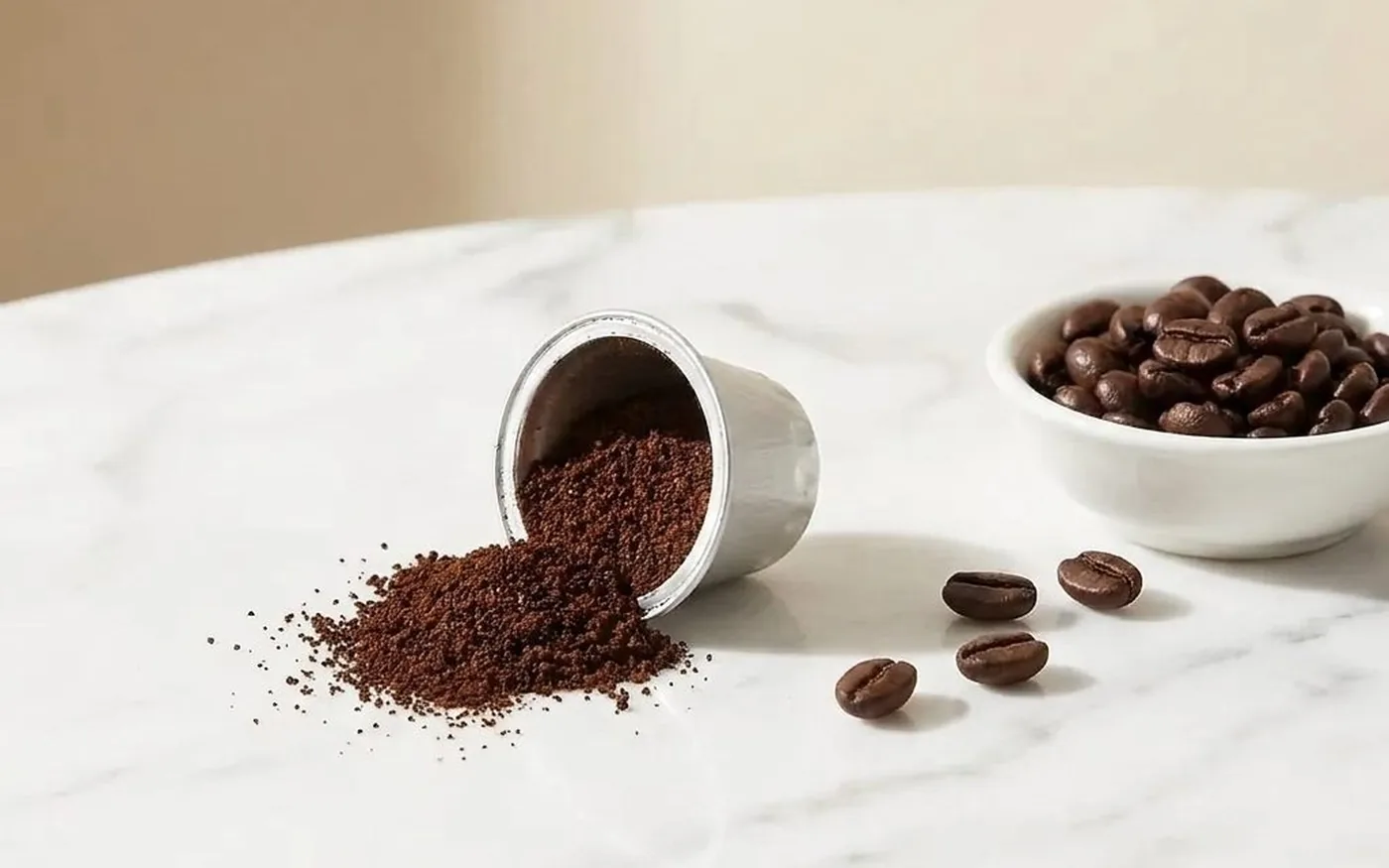
What is physically inside a pod is simple: ground coffee and a gas barrier. Most quality pods are nitrogen-flushed after filling, which pushes out oxygen and slows staling. The shell material, whether aluminium, bioplastic, or paper, exists to maintain that seal. What varies hugely between brands is the coffee itself. That is where things get interesting.
Pod machines: which one should you pick?
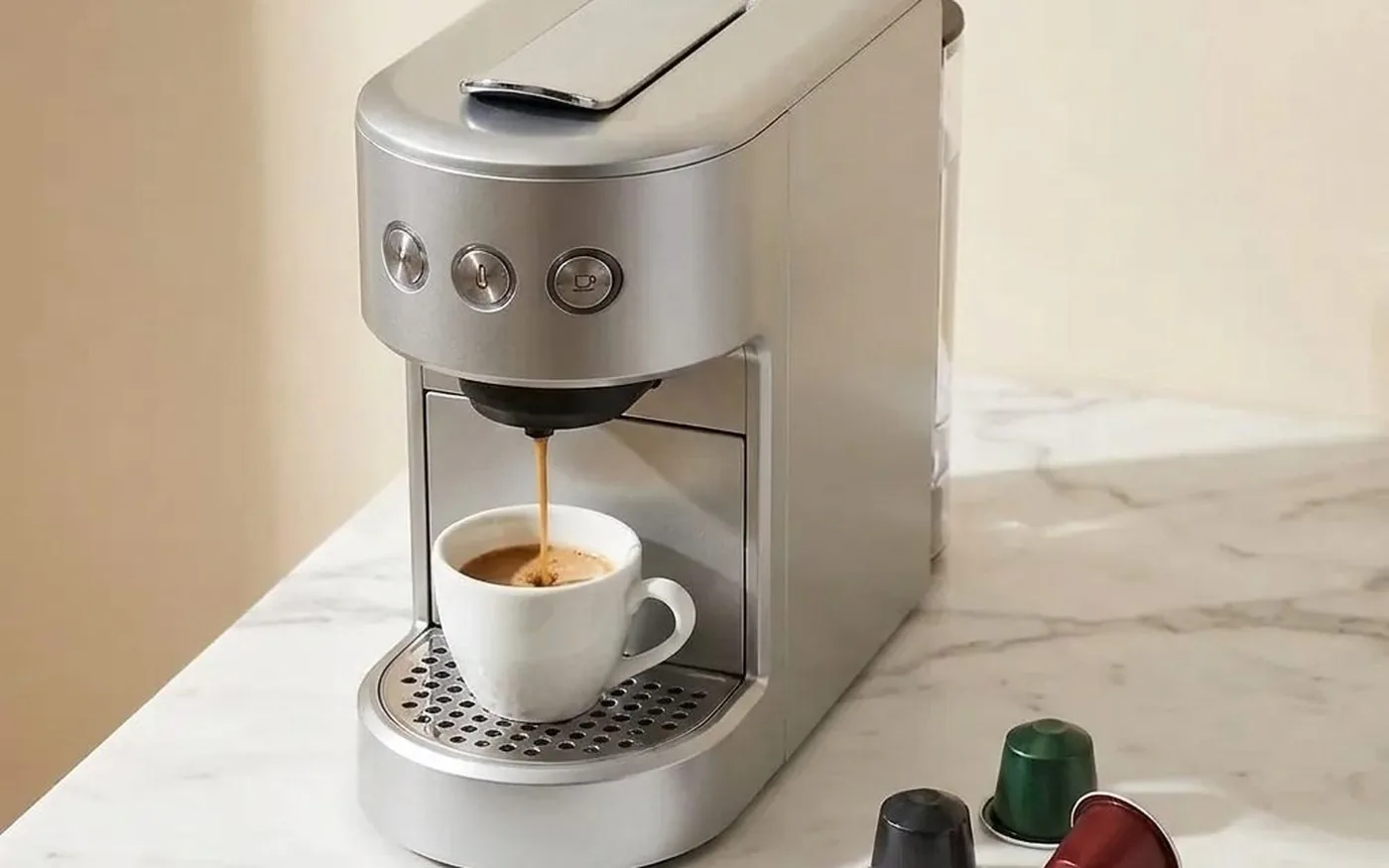
There are six pod machines widely available in the UK. They are not interchangeable, and picking your machine locks you into a specific capsule format. Here are the three that matter most for UK buyers, followed by the alternatives.
Nespresso Original - best for coffee quality and choice
The dominant machine in the UK and the only one with a truly open ecosystem. Over 50 brands produce compatible capsules, from supermarket own-brand to single-origin speciality roasters. Machines like the Essenza Mini (most affordable) and Creatista (integrated milk frother) use a 19-bar pump to produce espresso-style shots with crema. I have tested over forty compatible pods in the past two years. The quality range is staggering. I remember opening Assembly's seasonal Rwandan capsule last spring and getting a hit of blackcurrant and jasmine before the machine had even finished. That is what an open ecosystem gives you.
Our top tested pods for Nespresso Original: see the full rankings in our best Nespresso pods and capsules in the UK guide, or jump to best organic coffee pods and best espresso pods for filtered picks.
Nespresso Vertuo - best for multiple cup sizes
Vertuo machines spin capsules at 7,000 RPM using centrifugal force, with barcodes setting the exact brew parameters. Five cup sizes, from 40ml espresso to 535ml alto. The catch: Nespresso controls the capsule supply entirely. No independent roasters, no speciality producers. If you want variety from different roasters, this is a frustrating limitation. If you want one machine that handles espresso through to a large mug with consistent results, it delivers.
Dolce Gusto - best for drink variety on a budget
The widest range of drink types of any pod machine: espresso, milk drinks, hot chocolate, chai, iced coffee, and tea. Machines start from £40. The trade-off is coffee quality. Plastic capsules produce flatter flavour than aluminium, and almost no speciality roasters produce for this format. Best for households that want one machine for everything, not for anyone chasing coffee quality specifically.
Also available
Tassimo uses barcode-controlled T-Discs for fully automated multi-drink brewing. Affordable machines, but a completely closed ecosystem with no third-party pods. Lavazza A Modo Mio offers a narrower range with a compostable capsule option as standard. ESE (Easy Serving Espresso) uses flat paper pods with zero packaging waste, best for anyone who already owns a compatible semi-automatic machine.
What is inside your coffee pod?
The shell material gets most of the attention, but the coffee inside the pod matters far more to both your health and your experience.
The Specialty Coffee Association grades coffee on a 100-point scale. Anything scoring 80 or above is 'speciality grade', meaning hand-sorted, defect-free, and traceable to a specific farm. Below 80 is 'commercial grade'. Most supermarket pods use commercial grade coffee. Most independent roasters use speciality grade coffee. The price difference is typically 15-25p per pod, or roughly £55-90 per year for a daily drinker.
Roast profiles matter too. Light roasts preserve origin character (fruit, floral, citrus). Dark roasts push toward smoky, full-bodied flavour where the roast dominates. Intensity numbers (Nespresso's 1-12 scale) measure body and bitterness, not caffeine. A pod rated 11 is not stronger than a 5. It just tastes bolder.
Freshness is the variable most people overlook. Coffee begins losing volatile aromatics immediately after roasting. Pods slow this through nitrogen flushing, but they do not stop it. Look for brands that print roast dates, not just 'best before' dates. The freshest pods come from subscription models where roasters pack to order rather than warehousing stock.
Contaminants: the part most brands skip
This is the section you will not find in other pod guides. Coffee is susceptible to mycotoxins, heavy metals, and pesticide residues at multiple supply chain points. Independent testing by Clean Label Project found detectable levels of mycotoxins and mould in several major brands. The EU sets limits for ochratoxin A at 5 micrograms per kilogram, but most brands do not test for it. There is no legal requirement.
A small but growing number of UK roasters now run independent lab testing before releasing batches. Balance Coffee was among the first in the UK to publish lab results as standard. It is not a legal requirement. It should be. Its Clean Pods are lab-tested, fully recyclable aluminium, and Nespresso-compatible, with code JOURNAL for readers.
Are coffee pods bad for you?
Coffee pods are not bad for you at normal consumption levels, regardless of whether the shell is aluminium or compostable bioplastic. The more meaningful health variable is the quality and purity of the coffee inside the pod, not the material around it.
Aluminium pod safety
The concern is that aluminium might leach into coffee during brewing. The evidence is reassuring. The European Food Safety Authority (EFSA) has reviewed aluminium exposure from food contact materials extensively, and the levels that could theoretically migrate from an aluminium coffee capsule during a 25-second extraction are well below the tolerable weekly intake. Most quality aluminium pods also have a food-grade lacquer coating on the interior surface that prevents direct contact between the coffee and the metal.
A 2020 study published in PMC measured aluminium levels in coffee brewed from capsules and found concentrations comparable to traditionally brewed coffee. The capsule material did not meaningfully increase aluminium content in the cup.
Compostable pod materials
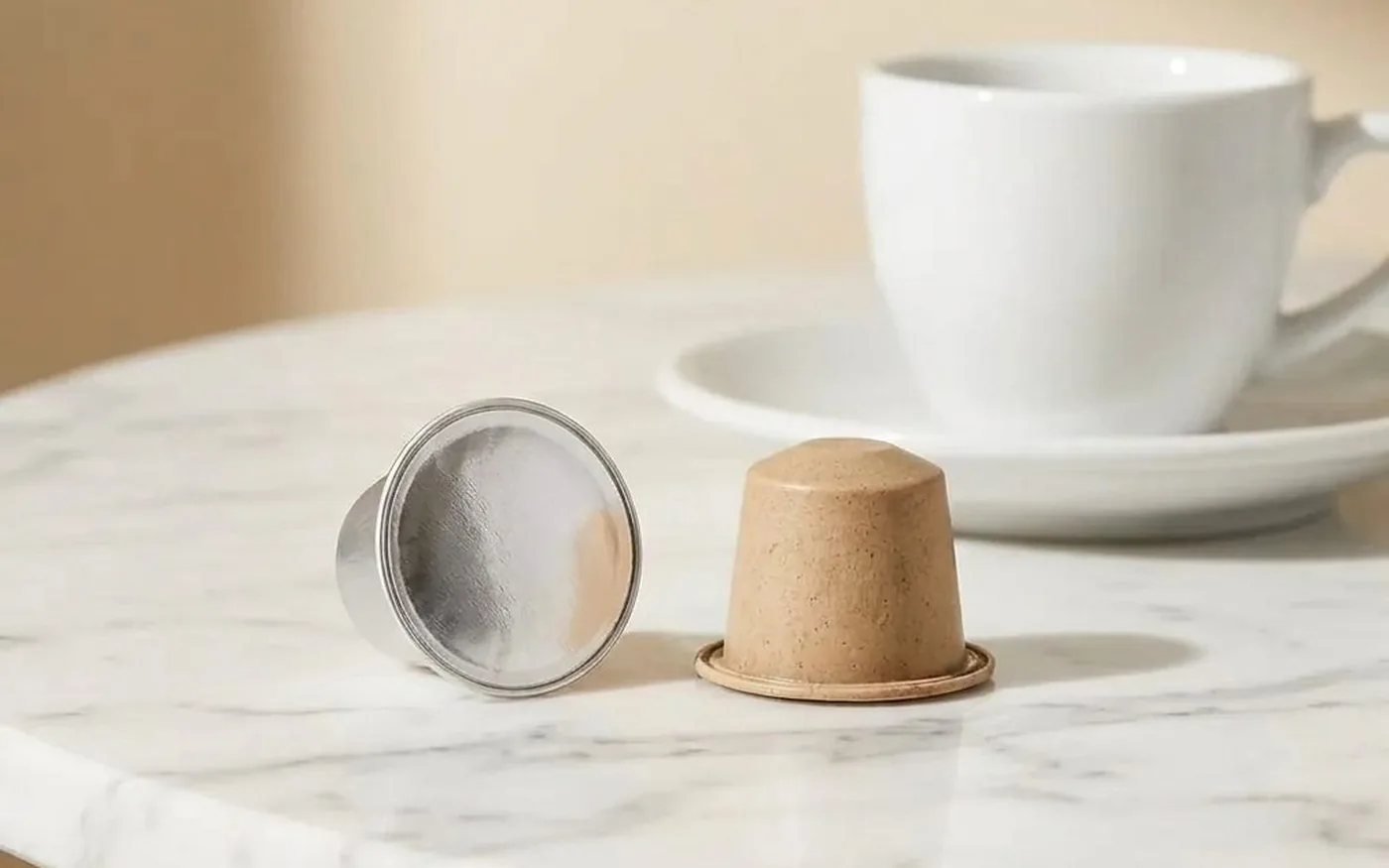
Compostable pods are usually made from bioplastics (PLA, PHA) or plant-based materials like cornstarch and sugarcane fibre. The concern is chemical migration: when hot water passes through a bioplastic pod, could compounds from the material leach into the coffee?
The research is less settled than for aluminium. Some bioplastic compounds break down more readily under heat, and not all compostable pod manufacturers test for migration under real brewing conditions (90-95°C water, 15-19 bar pressure). This does not mean compostable pods are unsafe. It means the evidence base is thinner, and consumers should look for brands that test migration, not just compostability certification.
There is also a quality trade-off worth knowing about. Research shows that compostable pod materials provide a significantly weaker oxygen barrier than aluminium. That matters because oxygen is what degrades coffee. The result is measurably lower antioxidant and polyphenol levels in the brewed cup, and a flatter, less vibrant flavour profile. The coffee stales faster inside the pod, even before you open the box. If you have ever wondered why a compostable pod tastes less punchy than its aluminium equivalent from the same roaster, the material is likely the reason.
The bigger risk: what is in the coffee
Here is the honest take. The pod material is unlikely to harm you at normal consumption levels, regardless of whether it is aluminium or bioplastic. The more meaningful health variable is the quality and purity of the coffee inside the pod.
If you want to minimise risk, focus on three things: buy from roasters who test for contaminants (not just certifications), choose organic coffee pods where possible (organic certification at least covers farming practices), and prioritise freshness (nitrogen-flushed pods from roasters who print roast dates).
For the full deep dive, including the specific studies and what the data actually shows, see our dedicated article: are coffee pods bad for you?
Sustainability: aluminium vs compostable vs reusable
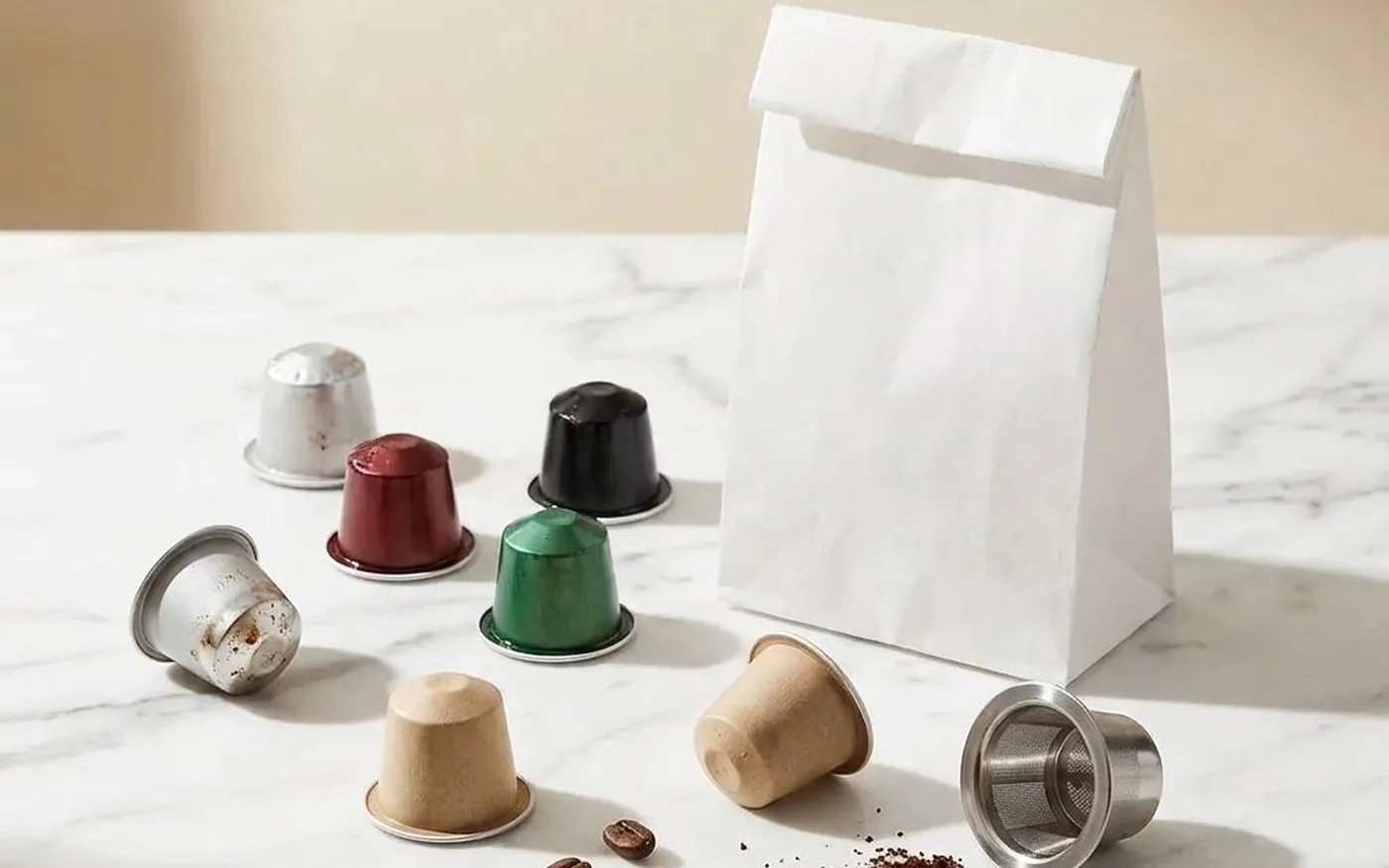
Aluminium coffee pods are the most recyclable option when disposed of through the Podback scheme, while compostable pods require industrial composting facilities that most UK councils do not yet provide. Reusable steel pods produce the least waste but sacrifice the convenience that makes pods appealing. Here are the headline findings.
Aluminium pods are infinitely recyclable, but most kerbside programmes cannot sort them. The Podback scheme solves this, with free collection bags now available at over 400 UK retailers and targeting 50% kerbside coverage by end of 2026. The aluminium story is decent, but only if you actually recycle. An aluminium pod in landfill takes centuries to degrade.
Compostable pods sound like the obvious choice, but WRAP data shows less than 11% of packaging labelled 'compostable' actually reaches industrial composting facilities. The rest behaves like plastic in landfill. There is also a crucial distinction between 'home compostable' and 'industrially compostable' that many brands blur. Look for the seedling logo with 'OK compost HOME' if you want pods that break down in your garden.
Reusable pods (stainless steel or BPA-free plastic) produce the least waste but require grinding, filling, and cleaning. Closer to making espresso from scratch than to one-button convenience.
A 2024 peer-reviewed study found that pod espresso is among the most eco-efficient preparation methods when factoring in water use, energy, and waste per cup. This does not make pods 'green'. It means the picture is more nuanced than the packaging alone suggests.
For the full data comparison, see our guide to aluminium vs compostable pods. For pods that meet higher environmental standards, see the best eco-friendly coffee pods. For practical disposal steps, we have covered how to recycle coffee pods in the UK.
What to avoid when buying coffee pods
The five biggest red flags when buying coffee pods are: no roast date printed, 'premium' branding with no SCA grade or origin data, unverified compostable claims, undisclosed plastic types, and brands with no independent reviews. These are the patterns I see repeatedly across the worst-performing pods we have tested.
Pods with no roast date. If a brand only prints a 'best before' date 18 months from now, they are hiding how old the coffee is. Fresh-roasted pods from transparent brands print the roast date. If it is missing, assume the worst.
'Premium' branding with no substance. Gold packaging and Italian-sounding names do not mean quality. Look for specifics: SCA grade, origin country, roast profile, and whether the brand publishes any testing data. If the packaging tells you more about the lifestyle than the coffee, be skeptical.
Compostable claims without certification. The word 'compostable' has no legal protection in the UK. Any brand can print it on a box. Look for the seedling logo with either 'OK compost INDUSTRIAL' or 'OK compost HOME' to verify the claim. Without certification, you are trusting marketing.
Plastic capsules in BPA-risk categories. Some cheaper pods use polypropylene or polystyrene plastics. While most are technically food-safe at normal temperatures, hot water extraction (90-95°C) pushes the boundary of what those materials are tested for. If a pod does not specify the plastic type, that is a red flag.
Brands that appear on no independent review. If the only reviews of a pod brand are on their own website, they have not been tested by anyone with no financial incentive to be generous. Independent editorial review, whether from a trusted publication or a credible review programme, is a basic quality signal.
How to choose the right coffee pods
Choosing the right coffee pods comes down to three decisions in order: pick your machine (which locks your capsule format), choose your quality level (from 17p supermarket pods to 85p lab-tested speciality), and choose your values (organic, compostable, or strongest espresso). Here is the framework.
Step 1: pick your machine
If you do not already own a pod machine, start here. The single biggest factor is whether you want a wide range of coffee options or a wide range of drink types.
Want the most coffee choice? Go Nespresso Original. The open ecosystem means you can buy from 50+ brands, including speciality roasters.
Considering a standalone espresso machine rather than pods? Our Sage Bambino vs Bambino Plus guide covers two of the most popular entry-level options.
Want coffee, tea, hot chocolate, and milk drinks from one machine? Go Dolce Gusto or Tassimo.
Want to prioritise sustainability? Our guides to the best organic coffee pods and best eco-friendly coffee pods cover which brands are leading on environmental and ethical standards across multiple machine types.
Step 2: choose your quality level
Once you have picked a machine, the next question is how much you care about what is in the pod.
Supermarket tier (17-25p per pod). Convenient and cheap. The coffee is typically commercial grade, sourced from large commodity blends, roasted months ago, and packed with no origin traceability. At this price point, you are paying for convenience, not quality. Expect flat, one-dimensional flavour with a bitter finish. Brands at this level include Aldi Alcafe, Sainsbury's own-brand, and the cheaper end of L'OR.
Mid-range tier (30-45p per pod). Better flavour consistency and slightly more transparency about sourcing. You will often see origin countries named (Brazil, Colombia) and roast profiles specified (medium, dark). These pods will not surprise you, but they will not disappoint either. Brands include Lavazza, CafePod, Starbucks by Nespresso, and the upper end of L'OR.
Speciality tier (50-70p per pod). SCA-graded coffee, often single-origin, with recent roast dates and full traceability to farm or cooperative level. Flavour profiles are distinct and varied. Some brands at this level also offer organic certification. This is where Assembly, Volcano, Extract, Colonna, and Redemption Roasters sit. The premium over mid-range is typically 15-25p per pod, which for a daily drinker adds up to roughly £5-9 per month.
Health-conscious tier (65-85p per pod). A smaller subset of speciality producers go further than flavour alone. These brands combine SCA-graded coffee with independent lab testing for mycotoxins, heavy metals, and pesticide residues, organic certification, and full roast-date transparency. If you are optimising for both taste and health, this is the tier to look at. It is a narrow field. The brands here tend to be subscription-first with direct-to-door shipping for maximum freshness. Which is, frankly, the best possible outcome for the consumer.
Step 3: choose your values
This is where it gets personal.
Want organic? Start with our best organic coffee pods guide. Organic certification ensures farming practices meet Soil Association or USDA Organic standards.
Want sustainability across all dimensions? See best eco-friendly coffee pods.
Want compostable materials specifically? See best compostable coffee pods.
Want the strongest espresso? See best espresso pods.
Subscriptions vs one-off purchases
Most speciality pod brands offer subscriptions with 10-20% discounts, but the real advantage is freshness. Pods are roasted and shipped on a fixed schedule rather than sitting on a retailer's shelf.
The maths: mid-range pods at 30-35p cost roughly £10.50 per month for a daily habit. Step up to speciality and health-conscious tiers at 65-80p, and you are looking at £19.50-24 per month. That gap is roughly the price of two flat whites. A subscription typically saves 15-20%, dropping the cost to £16-20, and the coffee arrives fresher. Most subscriptions let you pause, skip, or cancel at any time.
Coffee pods vs beans vs ground coffee
Pods are not the only way to make coffee at home, and they are not always the best way. I say this as someone who launched a pod product.
Pods win on: convenience (one button, no grinding, no mess), consistency (identical extraction every time), portion control (no waste from making too much), and speed (under 60 seconds from button to cup). For busy mornings, for offices, for anyone who wants good coffee without thinking about it, pods are hard to beat.
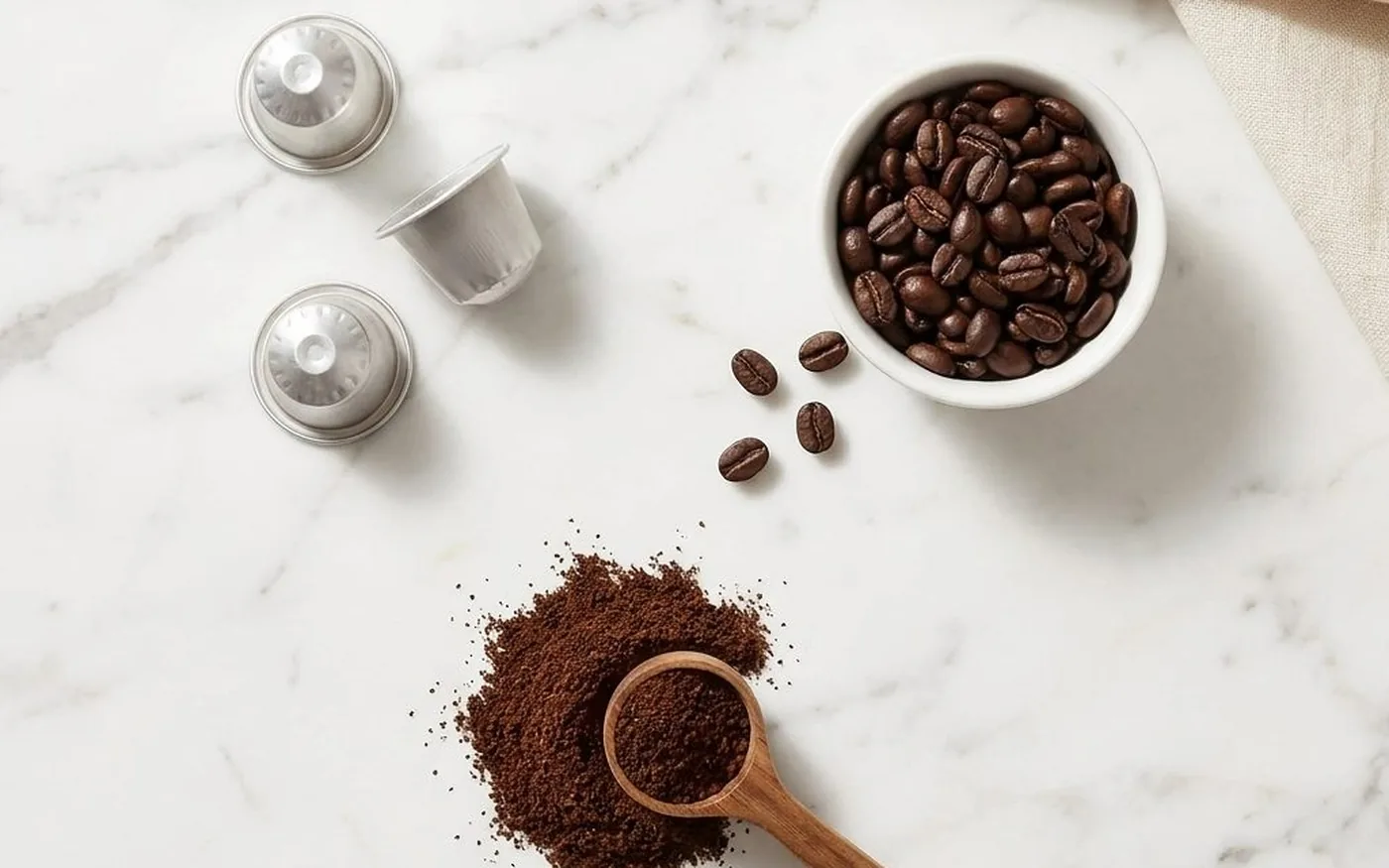
Beans win on: freshness (ground seconds before brewing preserves volatile aromatics), flavour complexity (a good grinder and manual brew method will outperform any pod), cost per cup (whole beans typically work out 30-50% cheaper than equivalent-quality pods), and variety (you are not limited to what has been packaged in capsule format). If you own a decent grinder and a V60 or AeroPress, the best cup you can make at home will always come from freshly ground whole beans. That is not marketing. It is physics. Grinding exposes surface area to extraction, and doing it seconds before brewing captures aromatic compounds that dissipate within minutes of grinding.
Ground coffee wins on: accessibility (no machine needed beyond a basic cafetiere or filter brewer) and simplicity (scoop, pour, brew). The compromise is faster staling. Once ground and exposed to air, coffee loses flavour rapidly. Pre-ground coffee in a bag has a practical flavour window of about two weeks after opening, compared to four to six weeks for whole beans stored properly.
The real question is context. Most people do not need to choose one format exclusively. In our house, I use whole beans on weekends when I have time to enjoy the process, and pods on weekday mornings when I need coffee in sixty seconds before the day starts. That is not a compromise. It is using the right tool for the moment.
If you are exploring the bean route, our guides to the best coffee beans in the UK and best organic coffee beans cover the options in full.
Final verdict
The UK coffee pod market is huge, growing, and full of choices that range from excellent to questionable.
Pick your machine based on how much variety you want. Nespresso Original gives you the widest range of coffee options. Dolce Gusto and Tassimo give you the widest range of drink types. ESE gives you the simplest, lowest-waste format.
Do not assume price equals quality. A 70p pod from a speciality roaster that lab-tests for contaminants and prints roast dates is a fundamentally different product from a 70p pod with a luxury brand name and no transparency about sourcing.
Take sustainability claims with a critical eye. 'Compostable' means nothing if your local infrastructure cannot process it. 'Recyclable' means nothing if you do not use Podback. The most sustainable pod is the one you actually dispose of correctly.
If you are ready to find the right pods for you, here is where to go next:
- Best Nespresso Pods and Capsules UK 2026 for the widest selection
- Best Organic Coffee Pods for certified clean farming
- Best Espresso Pods for the strongest shots
- Best Compostable Coffee Pods for plant-based materials
- Best Eco-Friendly Coffee Pods for the full sustainability picture
- Best Speciality Coffee Pods for SCA-graded quality
Frequently Asked Questions
Are coffee pods bad for the environment?
Can you use any pods in a Nespresso machine?
What is the difference between a pod and a capsule?
Do coffee pods expire?
Are compostable pods really compostable?
How much caffeine is in a coffee pod?
Are organic coffee pods worth it?
What are the healthiest coffee pods?
Are aluminium coffee pods safe?
Can you recycle Nespresso pods in the UK?
Related Guides
- Best Nespresso Pods for Latte, Cappuccino and Flat White
- Aluminium vs Compostable Coffee Pods: Which Is Better?
- Are Coffee Pods Bad for You? What the Evidence Says
- 6 Best Compostable Coffee Pods UK 2026 - Tested and Ranked
- Best Decaf Coffee Pods UK 2026 - 7 Tested and Ranked
- Best Espresso Pods UK: Tested and Ranked

A wellness entrepreneur and biohacker, James explores the intersection of hospitality and health - from clean fuel and recovery tools to mindful routines that build balance into daily life.