Are Coffee Pods Bad for You? What the Evidence Says
The health concerns are real. Most articles focus on the wrong ones.
Table of Contents
Some of the links in this article are affiliate links, which help fund our independent review work at no extra cost to you. Every recommendation is based on hands-on testing through The Editor Lab methodology. No brand pays to appear, and no placement is guaranteed.
Coffee pods are not bad for you at normal consumption levels. The aluminium or plastic shell of a pod does not pose a meaningful health risk based on current evidence from the European Food Safety Authority (EFSA) and peer-reviewed research. The more significant health variable is the quality and purity of the coffee inside the pod, not the material around it.
That said, the question deserves more than a one-line answer. Mycotoxins, aluminium leaching, BPA in plastics, pesticide residues, and freshness all play a role in what ends up in your cup. Below, we examine each concern individually, name the sources, and tell you where the evidence is strong and where it is thin.
Many people ask whether coffee pods pose health risks. This article is co-authored by Clemmie Rose, a registered Nutritional Therapist and member of BANT (British Association for Nutrition and Lifestyle Medicine), and James Bellis, founder of Balance Coffee and a 15-year coffee industry specialist who has built an independent lab testing programme screening for mycotoxins, mould, heavy metals, and pesticide residues.
Clemmie brings the clinical evidence. James brings the product and supply chain knowledge. Between the two perspectives, we have tried to give you the clearest possible answer to a question that generates more fear than facts.
Mycotoxins in Coffee Pods: What the Research Shows
Mycotoxins are toxic compounds produced by certain moulds that can grow on coffee beans during harvesting, processing, or storage. The one most relevant to coffee is ochratoxin A (OTA), a naturally occurring contaminant classified by the International Agency for Research on Cancer (IARC) as a Group 2B possible carcinogen.
The European Commission sets a legal limit for ochratoxin A in roasted coffee at 5 micrograms per kilogram under Commission Regulation (EC) No 1881/2006. That limit exists because OTA is present in the global coffee supply chain at low levels. The question is not whether it is there. It is how much, and whether the pod format changes anything.
A 2019 study published in Food Research International analysed mycotoxin levels across different coffee preparation methods and found that espresso-style extraction, the method used by most pod machines, transferred fewer mycotoxins to the cup than longer brewing methods like drip or French press. The shorter contact time between water and coffee, typically 20-30 seconds in a pod machine versus four to five minutes for filter, means less time for mycotoxin compounds to dissolve into the liquid.
This does not mean pod coffee is mycotoxin-free. It means the format itself is not the risk factor. The risk comes from the raw material. Commercial-grade coffee, sourced from commodity markets with less oversight during post-harvest drying and storage, is more likely to carry higher OTA levels than speciality-grade coffee from traceable farms with controlled processing.
Here is the part most brands skip. There is no legal requirement for coffee companies to test individual batches for mycotoxins. The EU regulation sets a limit, but enforcement relies on spot checks by national food safety agencies, not routine brand-level testing. A small but growing number of UK roasters now run independent lab testing before releasing batches. Balance Coffee was among the first in the UK to do this as standard, screening every batch for mycotoxins, mould, heavy metals, and pesticide residues. It is not a legal requirement. It should be.
Does Aluminium Leach into Your Coffee?
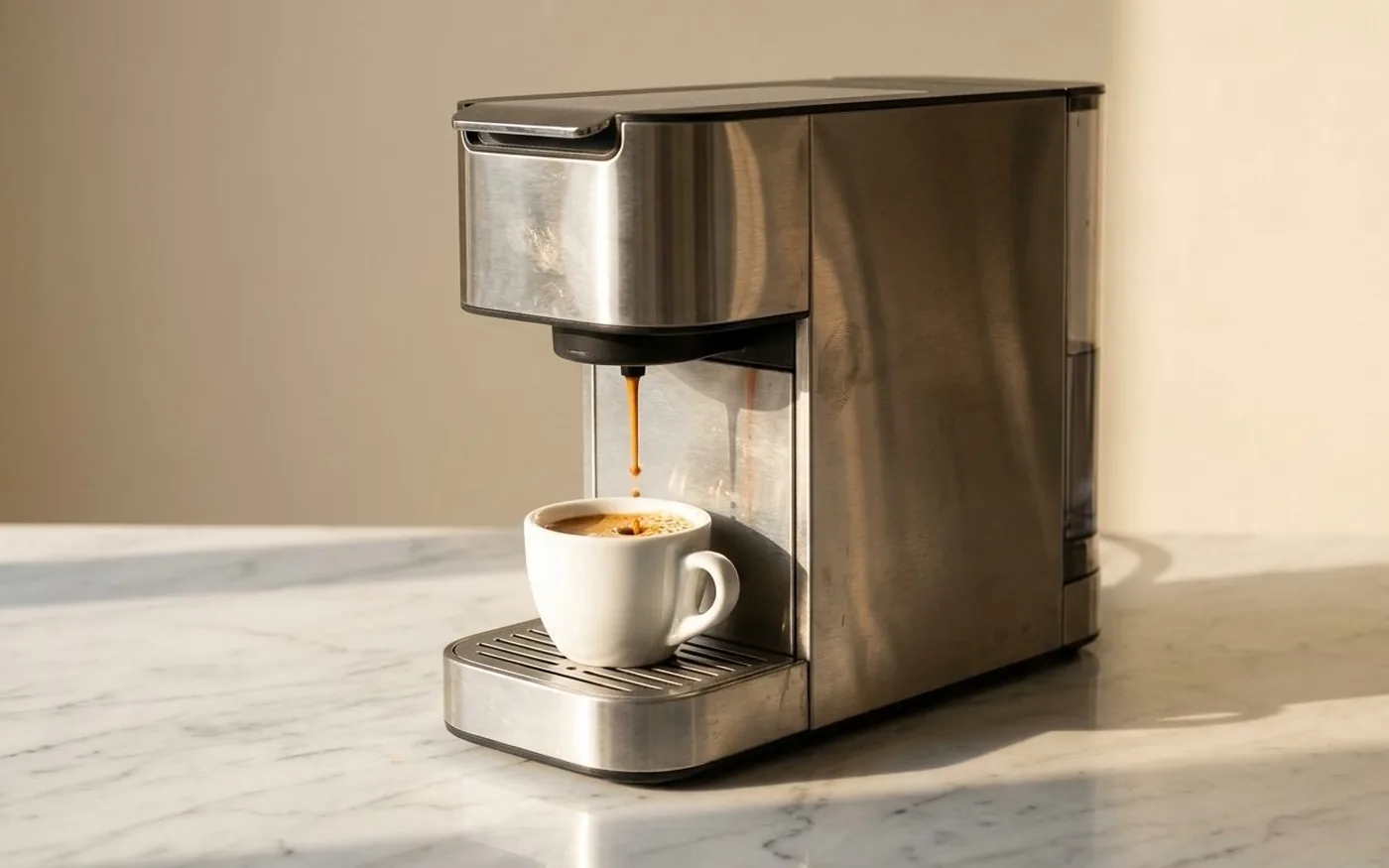
This is probably the most common concern. Aluminium is the dominant pod material for Nespresso Original capsules, and the worry is that hot water under pressure might cause aluminium to migrate into the coffee.
The evidence is reassuring. The European Food Safety Authority (EFSA) has assessed aluminium exposure from food contact materials extensively. Their position, reaffirmed in their ongoing safety evaluations, is that the tolerable weekly intake (TWI) for aluminium is 1 milligram per kilogram of body weight. For a 70kg adult, that is 70mg per week.
A 2020 study published in PMC measured aluminium concentrations in coffee brewed from aluminium capsules and compared them to traditionally brewed coffee. The findings: aluminium levels in capsule coffee were comparable to, and in some cases lower than, coffee brewed using aluminium moka pots or drip machines with aluminium components. The capsule material did not meaningfully increase aluminium content in the cup.
There are two reasons for this. First, the extraction time in a pod machine is extremely short, typically 20-30 seconds. Aluminium migration is a function of contact time, temperature, and acidity. A 25-second brew at 90-93 degrees through a sealed capsule simply does not allow significant leaching. Second, most quality aluminium pods have a food-grade lacquer coating on the interior surface. This polymer barrier prevents direct contact between the coffee and the metal shell entirely.
To put the numbers in context: even if you consumed three aluminium-pod coffees per day, every day, the aluminium contribution from the pods themselves would remain a small fraction of total dietary aluminium intake, which comes primarily from food, water, and antacid medications. The pod is, in practical terms, a negligible source.
BPA and Plastic Pods: Separating Fear from Evidence
Bisphenol A (BPA) is an industrial chemical used in certain plastics and resins. It has been linked in research to endocrine disruption, and consumer concern about BPA in food packaging is well established. The question for coffee pods is whether BPA is present in the materials and whether it migrates into hot coffee during brewing.
The answer depends on the pod type. Most major pod brands now manufacture BPA-free capsules and state this on their packaging. Nespresso's aluminium capsules do not use BPA in their construction. Dolce Gusto and Tassimo pods, which use plastic casings, have moved to BPA-free plastics in recent years.
The broader concern is chemical migration from plastic and bioplastic pod materials when exposed to hot water (90-95 degrees Celsius) and pressure (15-19 bar). Compostable pods made from PLA (polylactic acid) or other bioplastics are sometimes assumed to be automatically safer than conventional plastics. This is not necessarily the case. A 2021 study in Food Packaging and Shelf Life examined chemical migration from bioplastic food packaging under heat and found that some compounds can migrate at levels worth monitoring, though generally within EU safety limits set by Regulation (EU) No 10/2011 on plastic materials intended to come into contact with food.
The practical takeaway: if you are concerned about plastic-related chemical exposure, aluminium pods with interior lacquer coatings present the lowest migration risk based on current evidence. If you prefer compostable pods for environmental reasons, look for brands that test for chemical migration under real brewing conditions, not just compostability certification.
Pesticide Residues: Does Organic Matter?
Organic certification, whether from the Soil Association, USDA Organic, or EU Organic, guarantees the coffee was grown without synthetic pesticides, herbicides, or chemical fertilisers. That is a meaningful baseline. It covers farming practices and provides traceability through the supply chain.
What organic certification does not cover is what happens after the farm gate. Mycotoxins can develop during post-harvest drying and storage regardless of whether the coffee was organically grown. Heavy metal contamination from soil is not addressed by organic standards. And cross-contamination during processing or transport is not routinely tested.
A 2020 analysis by the European Food Safety Authority (EFSA) found that organic produce had significantly lower pesticide residue levels than conventional produce. For coffee specifically, this matters because non-organic coffee is one of the most chemically treated crops globally, with some farms using over 200 different chemical agents during cultivation.
So does organic matter? Yes, as a starting point. It reduces one category of risk meaningfully. But it is not the full picture. The most transparent brands combine organic certification with independent lab testing that screens for contaminants organic standards do not cover. If the label says organic but the roaster cannot tell you their mycotoxin or heavy metal test results, the certification is doing only half the job.
Freshness, Antioxidants, and What Pods Preserve
Coffee contains over 1,000 bioactive compounds, including chlorogenic acids, polyphenols, and antioxidants that have been linked in research to reduced inflammation, improved cardiovascular markers, and lower risk of certain chronic diseases. A 2022 meta-analysis published in the European Journal of Preventive Cardiology found that two to three cups of coffee per day was associated with a lower risk of cardiovascular disease and all-cause mortality.
The critical variable is freshness. These beneficial compounds begin degrading from the moment coffee is roasted, through a process called oxidation. Ground coffee loses volatile aromatics and bioactive compounds significantly faster than whole bean, because grinding dramatically increases the surface area exposed to oxygen.
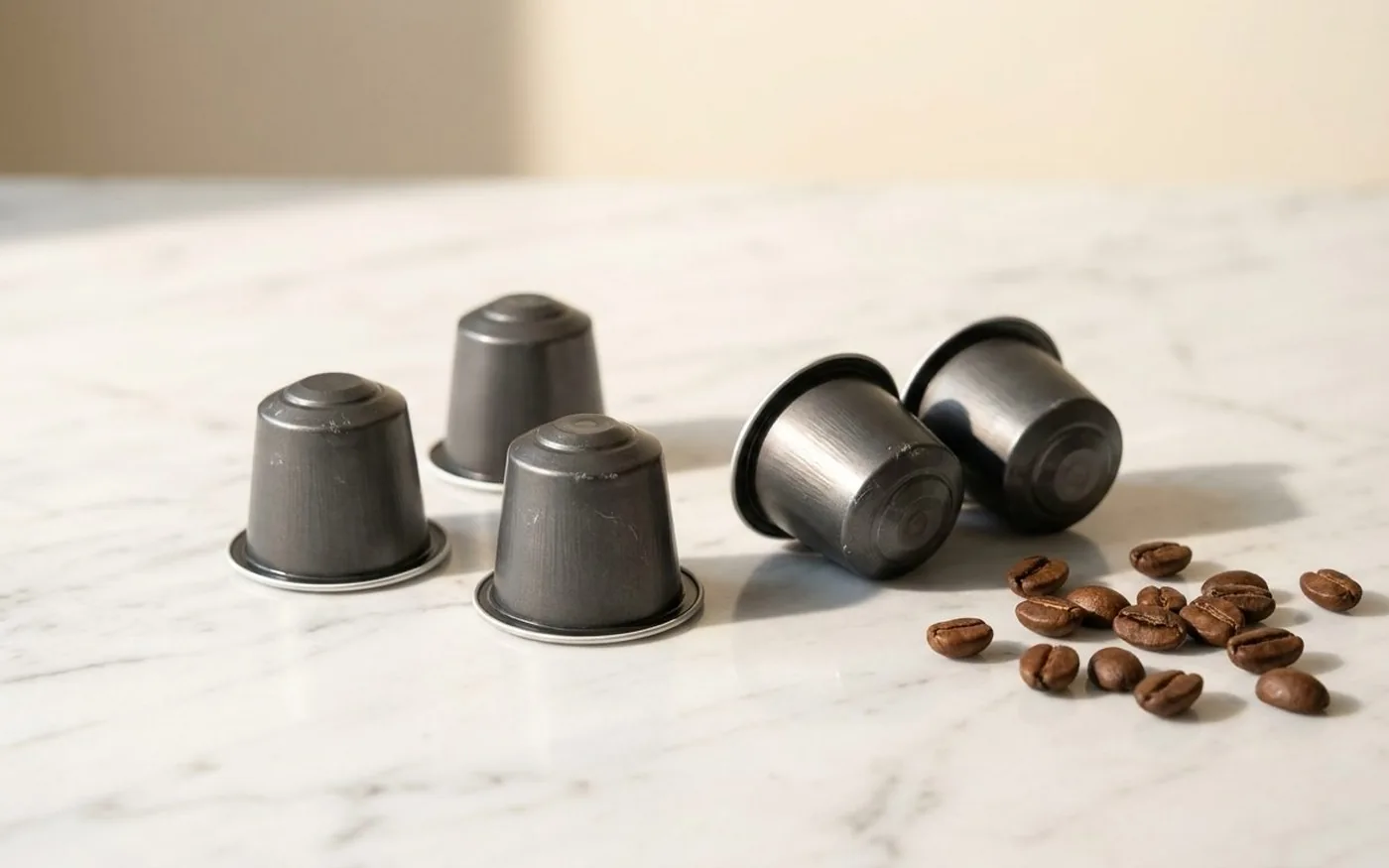
This is where the pod format has a genuine advantage. Nitrogen flushing, a process where the sealed capsule is purged with nitrogen gas to displace oxygen, slows oxidation considerably. A properly nitrogen-flushed pod maintains higher levels of chlorogenic acids and antioxidants than an open bag of pre-ground coffee stored in a kitchen cupboard.
There is a caveat. Not all pods are flushed equally. Aluminium provides a stronger oxygen barrier than compostable bioplastics. Research published in the Journal of Food Engineering has shown measurably lower antioxidant and polyphenol levels in coffee stored in compostable capsules compared to aluminium equivalents, even within the stated shelf life. The material matters for preservation, not just sustainability.
For maximum health benefit, look for pods that are nitrogen-flushed, made with aluminium or high-barrier packaging, and ideally consumed within six to eight months of the roast date, not the 'best before' date.
The Real Risk: What Most Guides Will Not Tell You
After reviewing the evidence across aluminium, plastics, mycotoxins, pesticides, and freshness, the conclusion is clear. The pod itself, the shell, the format, the brewing method, is not the health risk. The coffee inside the pod is.
Commercial-grade coffee sourced from commodity supply chains. Processed in bulk. Stored in conditions that invite mould growth. Treated with synthetic chemicals during farming. Tested only when a regulator happens to check. That is the risk profile.
Speciality-grade coffee from traceable farms. Processed with care. Stored properly. Screened by roasters who choose to test before releasing a batch. That is the lower-risk profile.
The difference between those two scenarios has nothing to do with whether the pod is aluminium or compostable, Nespresso or Dolce Gusto. It has everything to do with the transparency of the brand you are buying from.
We built Balance Coffee's lab testing programme because we could not find enough brands that tested openly. Every batch is screened for mycotoxins, mould, heavy metals, and pesticide residues before it reaches a customer. That is not a marketing claim. It is a verifiable process.
We are not the only brand doing this. But as of early 2026, the number of UK coffee pod brands that publish independent lab results as standard can be counted on one hand. For a direct brand comparison, see our grind vs balance coffee pods health test.
How to Choose Pods with Confidence
If you want to minimise health risk from coffee pods, focus on these five things:
- Choose pods from roasters who test for contaminants. Independent lab testing for mycotoxins, mould, heavy metals, and pesticide residues is the single most meaningful quality signal. If a brand does not mention testing, ask them directly.
- Buy organic where possible. Organic certification from the Soil Association or equivalent bodies eliminates synthetic pesticides from the farming stage. It is not the full picture, but it is a strong foundation. See our guide to the best organic coffee pods for tested recommendations.
- Check the roast date, not the best before date. Coffee degrades over time. Pods consumed within six to eight months of roasting retain more beneficial antioxidants and chlorogenic acids. Subscription models where roasters pack to order tend to deliver the freshest product.
- Prefer aluminium or high-barrier pods for preservation. If health benefit is your priority, aluminium's superior oxygen barrier means more bioactive compounds survive in the cup. If sustainability is your priority, weigh the aluminium vs compostable coffee pods trade-off carefully.
- Do not worry about the pod material at normal consumption. Based on current evidence from EFSA and peer-reviewed research, neither aluminium nor BPA-free plastic pods present a meaningful health risk at typical coffee consumption levels of two to four cups per day.
Our recommendation: Balance Coffee Clean Pods are the only UK pod brand with published, independent laboratory results - tested for 500+ pesticide residues, aflatoxins, ochratoxin A, mould, and heavy metals by TUV SUD Group (ACCREDIA accredited), with every category returning ALL CLEAR. If health confidence is your priority, this is the one pod we can point to with verifiable third-party evidence. Use code JOURNAL at checkout to save 20%: shop Balance Coffee Clean Pods.
Frequently Asked Questions
Are Nespresso Pods Safe to Drink?
Do Coffee Pods Contain BPA?
Do Coffee Pods Have Mycotoxins?
Are Aluminium Coffee Pods Toxic?
Are Plastic Coffee Pods Safer Than Aluminium?
Is Pod Coffee Less Healthy Than Regular Coffee?
Do Compostable Pods Contain Chemicals?
What Are the Healthiest Coffee Pods?
Are Coffee Pods Bad for the Environment?
Can I Reduce Health Risks from Coffee Pods?
Related Guides

A wellness entrepreneur and biohacker, James explores the intersection of hospitality and health - from clean fuel and recovery tools to mindful routines that build balance into daily life.