How to Recycle Coffee Pods in the UK: Complete Guide
Your council probably won't take them at the kerb. Here's what works, brand by brand.
Table of Contents
Some of the links in this article are affiliate links, which help fund our independent review work at no extra cost to you. Every recommendation is based on hands-on testing through The Editor Lab methodology. No brand pays to appear, and no placement is guaranteed.
The UK consumes an estimated 350 million coffee pods every year. The majority end up in general waste, destined for landfill or incineration. That is a significant amount of material - aluminium, plastic, organic matter - being discarded when viable recycling routes exist.
The problem is not a lack of options. It is a lack of clarity. Most pod users do not know whether their capsule is aluminium, compostable, or plastic. Even those who do often cannot find a straightforward answer about what to do with it.
Getting this right matters for two reasons. First, aluminium is infinitely recyclable. Every pod that reaches a recycling facility can be turned into new material without any loss of quality. Second, the spent coffee grounds inside every pod are a valuable organic resource - suitable for composting, soil amendment, or biogas production. Throwing a pod in the bin wastes both.
This guide breaks down the recycling process by material type, covers the major UK schemes, and flags the gaps that still exist in the system.
What Type of Coffee Pod Do You Have?
Before you can recycle a coffee pod, you need to know what it is made from. There are three main materials used in the UK market, and each has a completely different disposal route.
| Evaluation Criteria | Our Findings |
|---|---|
| Aluminium | Metallic finish, rigid, magnet does not stick |
| Podback (green bag) or Nespresso recycling | Strong - mature recycling systems |
| Compostable | Matte or papery texture, lighter weight, seedling logo |
| Podback (orange bag) or council food waste | Limited - industrial composting facilities still expanding |
| Plastic | Flexible, lightweight, plasticky sheen |
| TerraCycle or manual separation | Weak - most councils do not accept |
Aluminium Pods
Aluminium pods are the most common format for Nespresso Original-compatible capsules. Brands including Nespresso, Balance Coffee, and Lavazza use aluminium because it preserves freshness effectively and is infinitely recyclable. You can usually identify an aluminium pod by its metallic finish and rigid structure. It will feel solid, not flexible, and a magnet will not stick to it.
Compostable Pods
Compostable pods are made from plant-based materials designed to break down under specific conditions. Brands such as Grind and Halo Coffee use this format. The capsule body is typically made from PLA (polylactic acid) or similar bioplastics, sometimes with a paper filter lid. They look and feel different from aluminium - lighter, with a matte or papery texture. Most carry a seedling logo or 'industrially compostable' label.
The critical distinction: 'compostable' does not mean it will break down in your garden compost bin. Most compostable pods require industrial composting facilities operating at 55-60C to decompose within the certified timeframe. WRAP has documented that less than 11% of compostable packaging in the UK actually reaches an industrial composting facility.
Plastic Pods
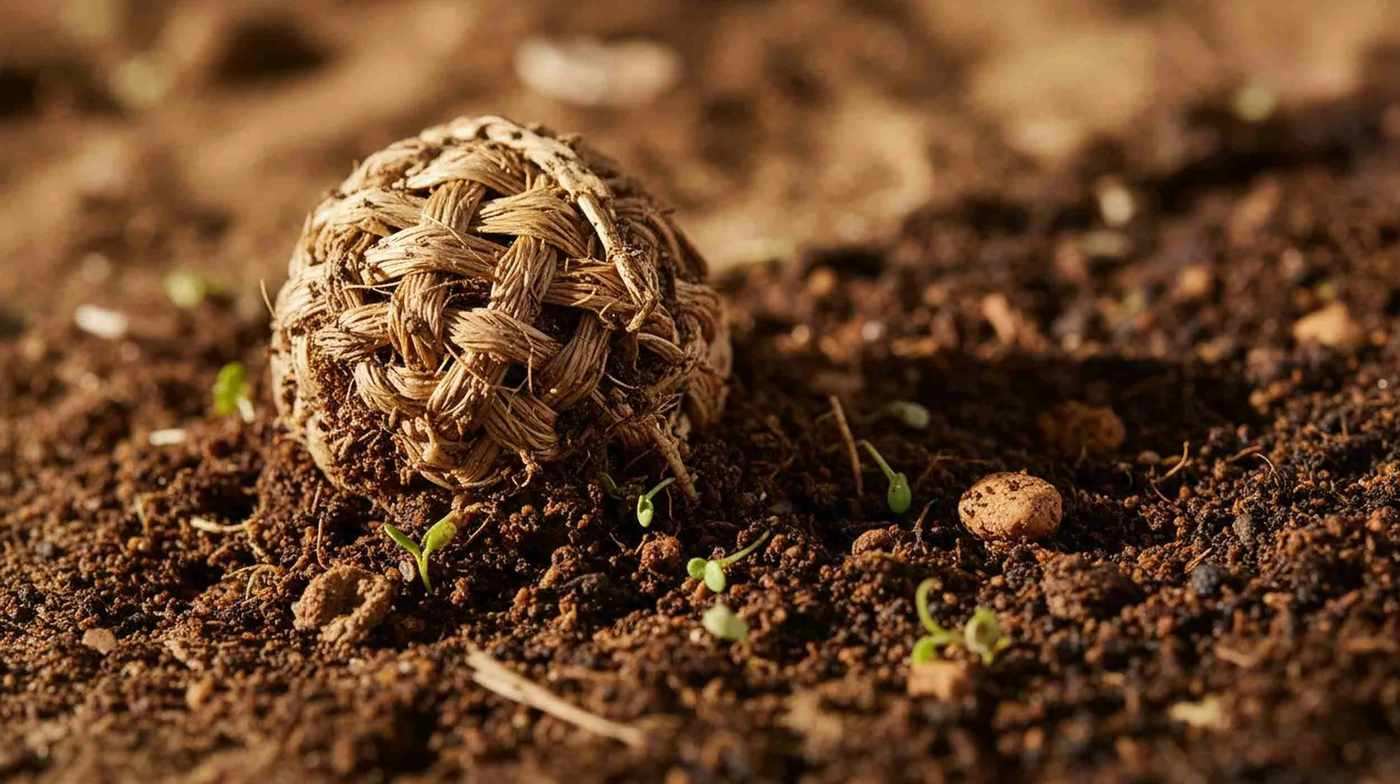
Some budget pods and certain branded capsules still use polypropylene or other plastics. These are typically the hardest to recycle. Most local councils do not accept them in kerbside recycling due to their small size and food contamination. They often fall through sorting machinery at recycling plants.
If your pod is flexible, lightweight, and has a plasticky sheen, it is likely polypropylene. Check the packaging for a recycling symbol - but even with one, kerbside acceptance varies by council.
How to Recycle Aluminium Coffee Pods
Aluminium pods have the clearest recycling pathway in the UK. There are three main routes, and the best one depends on your location and how many pods you use.
Option 1: The Podback Scheme
Podback is a UK-wide recycling scheme launched by Nestle Nespresso and JACOBS DOUWE EGBERTS in partnership with waste management companies. It accepts aluminium and compostable pods from any brand.
Here is how it works:
- Visit podback.org and enter your postcode
- Order free recycling bags (they arrive by post within a few days)
- Fill the bags with used pods - no need to rinse or separate grounds
- Seal the bag and leave it with your kerbside recycling collection, or drop it at a participating collection point
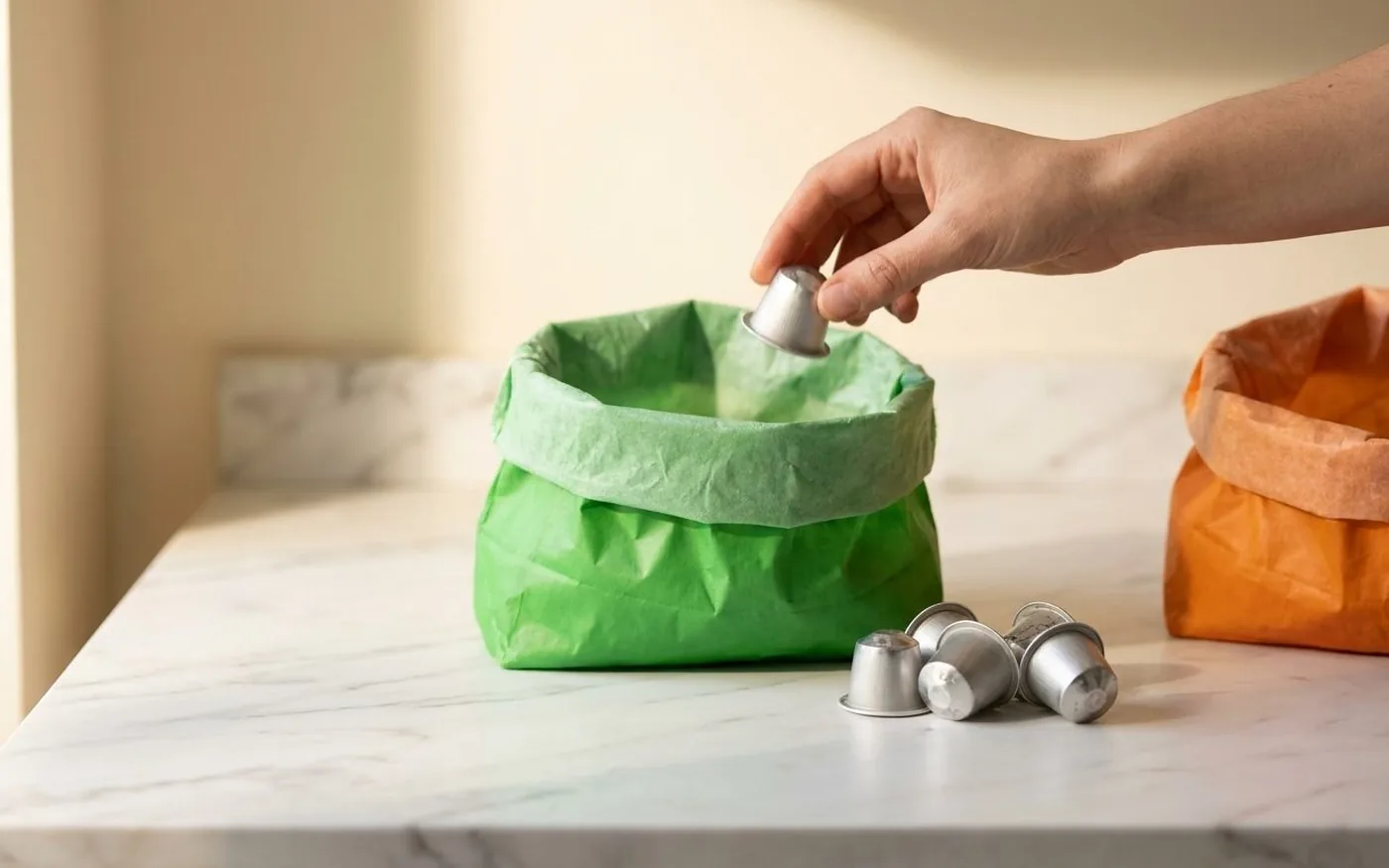
Podback is the simplest option for most people. The bags are colour-coded: green bags for aluminium pods, orange bags for compostable pods. The scheme covers the entire UK, though collection methods vary by council area. Some councils collect Podback bags alongside normal recycling. Others require a drop-off at a designated point.
Option 2: Nespresso Recycling Programme
Nespresso runs its own dedicated recycling programme for Nespresso-branded capsules, though it also accepts other aluminium pods. Options include:
- Nespresso boutique drop-off: Take used pods to any Nespresso boutique in the UK. Staff will accept them directly.
- Free recycling bag with order: Every Nespresso order can include a free recycling bag. Fill it and post it back using the prepaid label.
- Collection point network: Nespresso partners with Collect+ and other networks to provide drop-off locations at local shops and convenience stores.
Option 3: Kerbside Recycling (Limited)

A growing number of UK councils now accept aluminium coffee pods in standard kerbside recycling. The challenge is that pods are small items, and sorting facilities have historically struggled to process them. Some councils ask you to place pods inside a larger aluminium item (such as a drinks can that you then crush closed) to prevent them falling through sorting screens.
Check your local council website or the Podback postcode tool to confirm whether your area accepts pods at the kerbside.
How to Recycle Compostable Coffee Pods
Compostable pods sound like the environmentally simple option. In practice, they are the most confusing to dispose of correctly.
Industrial Composting
Most compostable coffee pods are certified to EN 13432, the European standard for industrial compostability. This means they will break down within 12 weeks - but only in an industrial composting facility operating at sustained temperatures of 55-60C with controlled moisture and aeration.
The problem: most UK councils do not accept compostable packaging in food waste or garden waste bins. Even among those that do, not all send their waste to facilities capable of processing certified compostable materials. WRAP has highlighted this infrastructure gap repeatedly, noting that confusion around composting labels remains one of the biggest barriers to proper disposal.
If your council does accept compostable pods in food waste collection, this is the best route. Check directly with your local authority before assuming.
Home Composting
Most compostable coffee pods are not certified for home composting. Home compost heaps rarely reach the sustained temperatures needed for industrial-grade compostable materials to break down. If a pod is only certified to EN 13432 (industrial), placing it in a home compost bin will likely result in a slow, incomplete decomposition.
Some brands offer pods specifically certified as home compostable (to the OK Compost HOME standard). These will break down in a well-maintained home compost heap, though the process takes longer than industrial composting - typically six months or more.
The Podback Route
Podback also accepts compostable pods. Use the orange bags (separate from the green aluminium bags). The pods are sent to appropriate composting facilities rather than recycling plants. This is currently the most reliable route for compostable pods if your council does not accept them.
How to Recycle Plastic Coffee Pods
Plastic pods present the biggest recycling challenge. If you are wondering whether the material affects health, see are coffee pods bad for you. Most are made from polypropylene (PP) or a mix of plastics, and the recycling infrastructure for small plastic items in the UK is limited.
The honest assessment: most plastic pods cannot be recycled through standard UK systems. They are too small for sorting machinery, contaminated with coffee residue, and often made from mixed materials that complicate processing.
Your options:
- TerraCycle programmes: Some brands partner with TerraCycle to offer specialist recycling for plastic pods. Check whether your pod brand participates. These programmes typically require you to collect pods and post them in batches.
- Manual separation: If you are willing to put in the effort, you can cut open plastic pods, empty the grounds into food waste or compost, rinse the plastic shell, and check if your council accepts small rigid plastics. This is labour-intensive and acceptance varies.
- Switch materials: The most practical long-term solution is to switch to aluminium or genuinely compostable pods. Aluminium has the strongest recycling infrastructure. Compostable has potential, provided the composting facilities catch up.
The Podback Scheme Explained
Podback deserves its own section because it is the single most important development in UK coffee pod recycling. Launched in 2021, it was created specifically to solve the problem of pod disposal at scale.
How Podback Works, Step by Step
- Register your postcode at podback.org to check availability and collection method in your area
- Order free bags - green for aluminium, orange for compostable. They arrive within a few working days.
- Fill the bags with used pods. No rinsing required. The grounds are separated during processing.
- Seal and leave out with your normal recycling collection, or drop at a participating location
- Pods are processed: Aluminium pods are shredded, the grounds separated and sent for composting or anaerobic digestion, and the aluminium recycled. Compostable pods are sent to industrial composting facilities.
Coverage
As of early 2026, Podback operates across the UK. Coverage is expanding as more councils integrate the scheme into their collection rounds. Where kerbside collection is not yet available, drop-off points provide an alternative.
Which Brands Support Podback?
Podback is brand-agnostic for aluminium and compostable pods. Any aluminium or compostable pod can go in the appropriate bag. Major brand supporters include Nespresso, L'OR, Tassimo, and Balance Coffee - whose aluminium Clean Pods are Nespresso Original-compatible and fully recyclable through the scheme. A growing number of independent specialty roasters also support Podback.
Nespresso Recycling Programme
Nespresso has operated its own recycling scheme in the UK for over a decade, predating Podback. The programme accepts Nespresso-branded aluminium capsules and processes them through dedicated facilities.
The key routes are:
- Boutique drop-off at any UK Nespresso store
- Prepaid recycling bags included with online orders
- Collect+ drop-off points at participating shops across the UK
Nespresso reports that its recycling capacity in the UK can process every capsule sold. The aluminium is recycled into new products (Nespresso has used recycled aluminium in items ranging from bicycles to pens), and the coffee grounds are composted or used in agriculture.
For Nespresso users, this programme is the most straightforward option. For users of other aluminium pod brands, Podback provides the equivalent service. If you use Nespresso-compatible pods from brands featured in our best Nespresso pods and capsules guide, both routes are available to you.
Can You Put Coffee Pods in Your Kerbside Recycling?
The short answer: it depends on your council and your pod material.
Aluminium pods are increasingly accepted in kerbside recycling, but not universally. The challenge is size. Standard recycling sorting facilities use screens and magnets to separate materials, and small items like coffee pods can fall through the gaps. Some councils recommend placing aluminium pods inside a larger aluminium container (a foil tray or drinks can) before putting them in the recycling bin.
Compostable pods should never go in the recycling bin. They are not recyclable - they are compostable. Placing them in recycling contaminates the stream. If your council accepts them at all, they belong in the food waste or garden waste bin, depending on local rules.
Plastic pods are almost never accepted in kerbside recycling due to size, contamination, and material complexity.
The safest universal option remains the Podback scheme, which removes the guesswork entirely.
What Happens to Recycled Coffee Pods?
Understanding the end destination helps explain why recycling pods is worth the effort.
Aluminium is shredded, cleaned, and melted down. It can be recycled indefinitely without losing quality. Recycled aluminium requires 95% less energy to produce than virgin aluminium. Your used coffee pod could become part of a new capsule, a drinks can, or an automotive component.
Coffee grounds are separated during processing and typically sent for anaerobic digestion (producing biogas and fertiliser) or composting. Some facilities use grounds directly as a soil amendment. The nitrogen content in coffee grounds makes them a genuinely useful organic resource.
Compostable pod materials break down into water, CO2, and biomass in industrial composting facilities. The resulting compost is used in agriculture and landscaping.
Plastic pods that enter specialist recycling (such as TerraCycle) are cleaned, shredded, and processed into pellets for manufacturing new plastic products. The volume reaching this stage in the UK remains low.
Five Ways to Reduce Coffee Pod Waste
Recycling is essential, but reducing waste at source is always better. Here are five practical steps.
- Choose aluminium pods. They have the strongest recycling infrastructure and are infinitely recyclable. Balance Coffee Clean Pods (use code JOURNAL for 20% off) are aluminium, Nespresso Original-compatible, and recyclable through Podback - the aluminium route is the most reliable end-of-life option available to UK coffee drinkers today.
- Sign up for Podback immediately. It takes two minutes and the bags are free. Having the bags already in your kitchen removes the friction that stops most people from recycling pods.
- Compost your grounds separately. Even if you recycle the pod itself, consider opening pods and composting the grounds directly. Coffee grounds are excellent for gardens - rich in nitrogen and beneficial for acid-loving plants.
- Buy in bulk to reduce packaging. Ordering larger quantities less frequently means fewer deliveries and less outer packaging waste.
- Check your council regularly. Kerbside acceptance of coffee pods is expanding across the UK. What your council rejected two years ago may now be accepted. Check annually.
Final Verdict
Recycling coffee pods in the UK is not as complicated as it seems, but it does require knowing what your pod is made from and which route to use. Aluminium pods have the strongest path: Podback, Nespresso, or kerbside. Compostable pods need industrial composting, and the infrastructure is still catching up. Plastic pods remain the hardest to recycle responsibly.
The single best action you can take today is to register for Podback and order the free bags. It takes two minutes, costs nothing, and removes the main barrier - which was never willingness, but convenience.
If you want to make the recycling choice once and not think about it again, Balance Coffee Clean Pods are aluminium, Podback-compatible, and independently lab-tested for purity. Use code JOURNAL for 20% off. For a full comparison of the top-rated options, see our guide to the best speciality coffee pods.
Frequently Asked Questions
Can You Recycle Nespresso Pods in the UK?
Are Compostable Coffee Pods Actually Compostable?
What is the Podback Scheme?
Can You Put Coffee Pods in the General Waste Bin?
Do You Need to Rinse Coffee Pods Before Recycling?
Are Aluminium Coffee Pods Better for the Environment Than Compostable Ones?
What Should You Do With Coffee Grounds From Pods?
Can You Recycle Dolce Gusto or Tassimo Pods?
How Can You Tell If a Coffee Pod Is Aluminium or Compostable?
Does Recycling Coffee Pods Make a Real Environmental Difference?
Related Guides

A wellness entrepreneur and biohacker, James explores the intersection of hospitality and health - from clean fuel and recovery tools to mindful routines that build balance into daily life.