Mushroom Powder: What It Is, What It Does and How to Use It
The label says mushroom powder. But which kind? A BANT nutritionist explains the two products that share a name.
Table of Contents
Some of the links in this article are affiliate links, which help fund our independent review work at no extra cost to you. Every recommendation is based on hands-on testing through The Editor Lab methodology. No brand pays to appear, and no placement is guaranteed.
Mushroom powder comes in two completely different forms, and the label rarely tells you which one you have. One is a culinary seasoning made from dried porcini or cep mushrooms. The other is a functional supplement made from species like lion's mane, reishi, or cordyceps. This article covers the second kind: what it actually is, what the evidence says it does, how to read the label, what it costs per serving, and whether powder is the right format for you.
Guidance here draws on published clinical reviews, UK consumer body assessments, and manufacturers' published product specifications, cross-checked at time of writing (August 2026). I am a qualified nutritional therapist with clinical training from CNM, registered with BANT, and I work with clients on evidence-based supplement use. Balance Coffee, which sells a pre-blended lion's mane ground coffee, is the company founded by James Bellis, who reviewed this article. It is mentioned once below as an example of the pre-blended format, not as a recommendation over any other product.
A client came to my clinic three weeks after they had started taking mushroom powder every morning. They had not bought a supplement. They had bought a seasoning blend from the spice aisle - porcini, it turned out - and stirred a teaspoon into their coffee every day, wondering why nothing was changing. If that story sounds absurd, it should not: the two products share a name, similar packaging, and sometimes the same shelf.
What Mushroom Powder Is
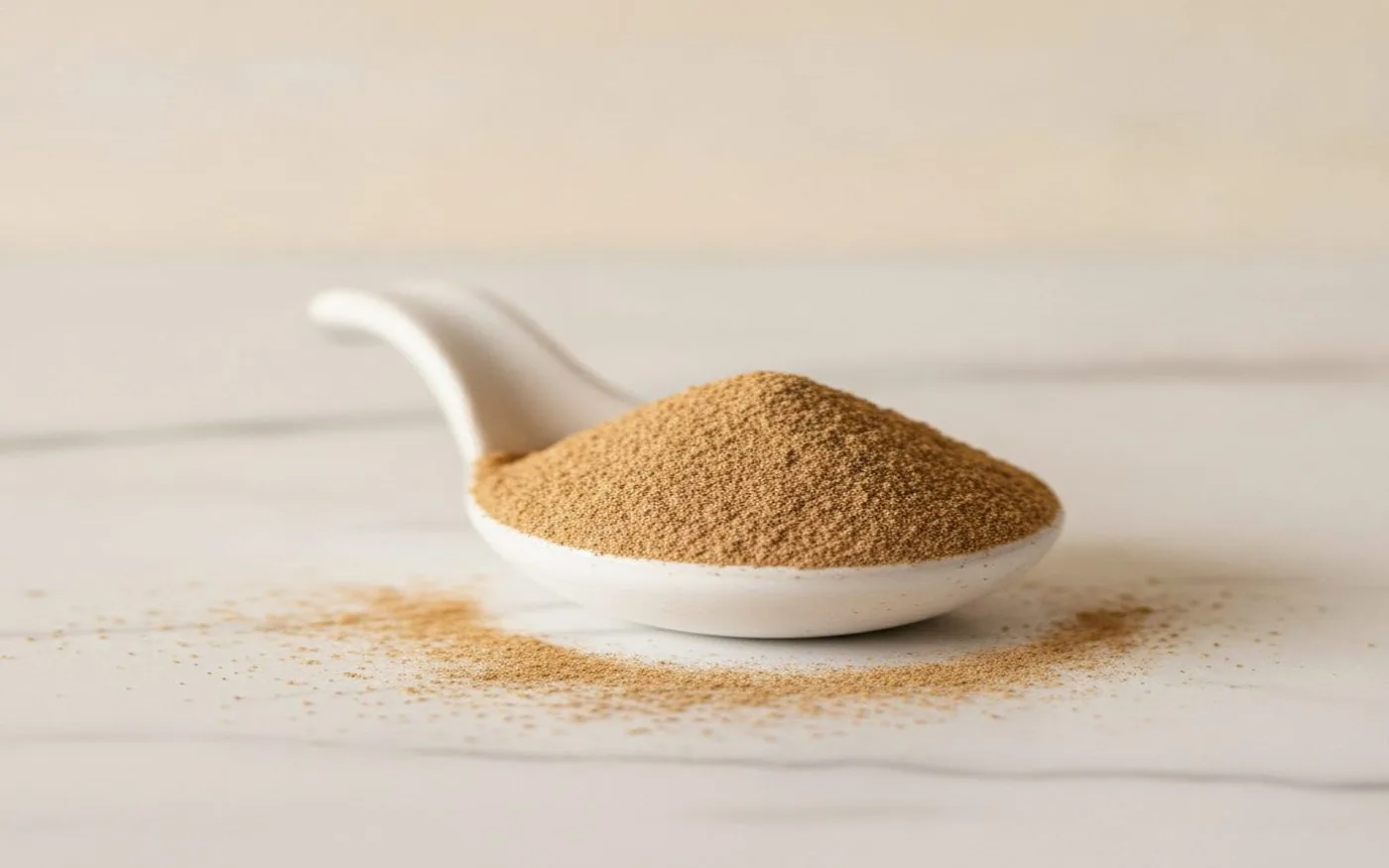
Functional mushroom powder is dried mushroom material that has been milled into a fine powder and, in better products, concentrated through an extraction process first.
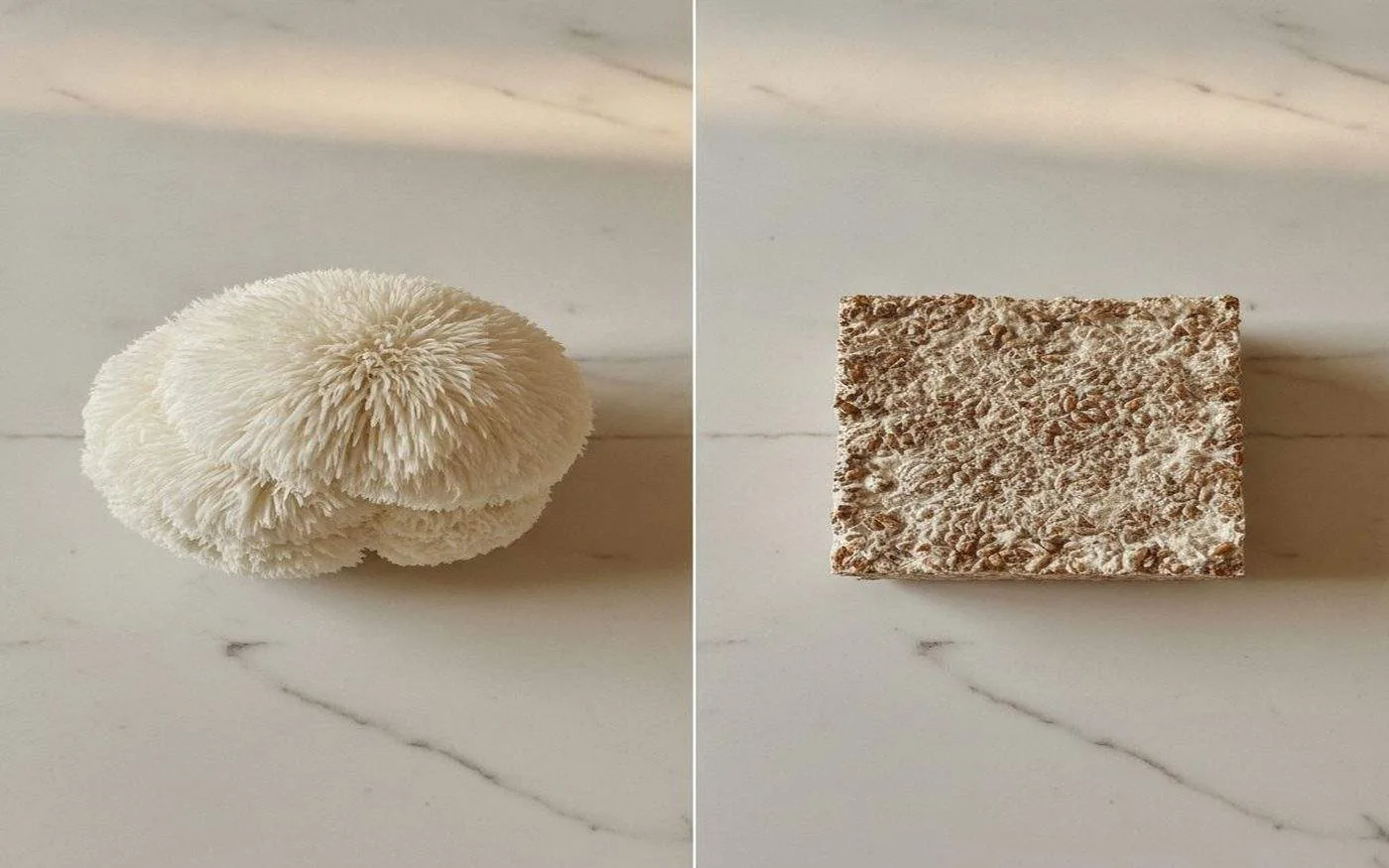
The starting material matters. A quality product begins with the fruiting body - the visible part of the mushroom that grows above the substrate, and the part that contains the highest concentration of beta-glucans, the polysaccharide compounds most associated with the category's functional properties. Some manufacturers use mycelium instead. Mycelium is the root-like network the mushroom grows from, and there is nothing wrong with it in principle. The problem is that most UK and US producers grow mycelium on grain - typically rice or oats. When you mill that grain-plus-mycelium combination, you get a powder that is partly starch. Sometimes mostly starch.
DIRTEA, which sells single-species powders, uses fruiting bodies and publishes its extraction data. That transparency is the standard to look for.
The second variable is whether the material has been extracted before drying. A raw dried fruiting body milled into powder gives you some beta-glucans. An extract - where the mushroom is concentrated using hot water, alcohol, or both - gives you a higher density of actives in a smaller serving size. A 10:1 extract means ten kilograms of raw material went into producing one kilogram of finished powder. Both can be called 'mushroom powder' on a UK label.
Culinary Mushroom Powder Is a Different Product
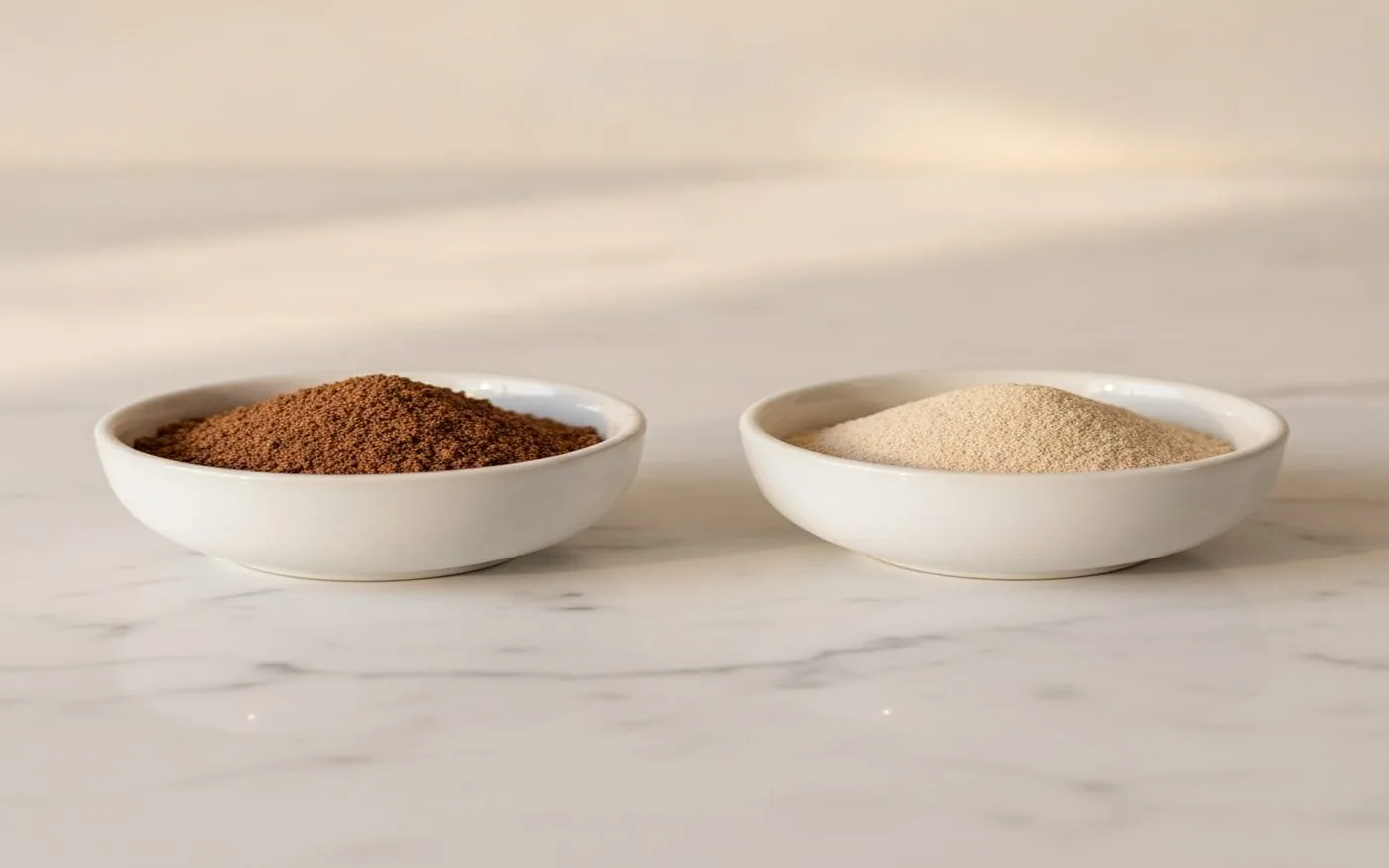
Culinary mushroom powder is dried, milled porcini, cep, shiitake, or a blend of them. It is an ingredient, not a supplement. Monterey Mushrooms' food-science resource on culinary mushroom powder notes that it contains five of the eight essential B vitamins, ergothioneine, and vitamin D when the source mushrooms have been UV-B exposed. Those are genuinely useful nutrients. But culinary mushroom powder is not dosed for cognitive or immune function, it is not extracted, and it will not give you a clinically meaningful amount of beta-glucans per teaspoon.
The two product types share shelf space in some health food shops and overlap significantly in supermarket searches. Mushroom supplement market data from UK consumer research confirms the category confusion is widespread and that a significant share of people buying functional mushroom products are not sure which format or type they have bought. Look for 'lion's mane', 'reishi', 'cordyceps', 'chaga', or 'turkey tail' on the label. If the label says 'porcini', 'cep', or 'mixed mushroom seasoning', you have the culinary product.
What Mushroom Powder Actually Does
The honest summary: lion's mane has the strongest and most recent evidence base of any species in this category. The rest carry more traditional use than human trial data, and that gap is worth naming plainly.
Lion's mane (Hericium erinaceus) is the species most studied for cognitive function and nerve support. A 2025 systematic review of clinical lion's mane research (Menon et al.) found several potential benefits reported across trials, while also noting that side effects are frequently under-reported in study designs. Documented side effects include stomach discomfort, headache, and allergic reactions. That is not a reason to avoid it - it is a reason to start with a low dose and pay attention to how your body responds.
Which?'s November 2025 assessment of functional mushrooms frames the category accurately: there is promising research, particularly for lion's mane, and genuine uncertainty about whether current supplement doses match the quantities used in studies.
Reishi is associated with relaxation, sleep quality, and stress response in traditional use. Human trial data in healthy adults is limited. If you are drawn to reishi specifically, the evidence base for it is thinner than the marketing implies.
Cordyceps is used for physical endurance and energy. The research in healthy adults is similarly early-stage, with most cited studies conducted in athletic or elderly populations rather than the average supplement buyer.
Chaga is positioned around antioxidant content and immune support. It accumulates compounds from its host tree (typically birch), which means substrate quality matters more for chaga than for most other species.
Turkey tail and maitake both carry research in immune function, much of it conducted in clinical or cancer-care contexts rather than in healthy adults. Applying those findings broadly takes them out of the population they were studied in.
The practical upshot: if you are buying mushroom powder for a general wellness benefit and you want the strongest evidence base, lean toward lion's mane. If the label mixes five or six species at low doses each, the individual active amounts may not reach meaningful levels. For the broader evidence picture on whether mushroom coffee is good for you, that article covers the functional evidence in the context of coffee-format products specifically.
How to Tell a Good Powder from a Bad One
This is the section the article exists for. Most of what is sold in this category is fine. Some of it is milled grain with a small amount of mushroom mixed in, sold at supplement prices. You can tell the difference if you know what to look for.
Fruiting Body versus Mycelium on Grain
Look for 'fruiting body' on the label. This is the most important phrase in the category. Genuine fruiting body material, properly extracted, is where the beta-glucans sit at meaningful concentrations.
If the label says 'mycelium' without specifying the substrate, or if the ingredients list includes 'myceliated rice' or 'myceliated oats', you are likely getting a product that is partly grain starch. Testers in the mushroom supplement community consistently report that myceliated grain products test low in beta-glucans - sometimes below 1% - because the active compounds are diluted by the grain they were grown on. Concentrating a low-potency mycelium-on-grain product ten times still produces a low-potency extract. The problem is the starting material, not the extraction ratio.
This is not a regulation gap that will be fixed soon. UK food supplement law does not require brands to state beta-glucan content on the label at all. Many do not.
Beta-Glucan Percentage
Beta-glucans are the polysaccharides most associated with the immune and cognitive research in this category. If a brand publishes a beta-glucan percentage, it is a useful signal - but the number needs interpretation.
Testers in the mushroom supplement community consistently report that genuine fruiting body extracts yield 20-35% beta-glucans, depending on species and extraction method. A product claiming 40%, 50%, or higher should prompt you to check the extraction method and ideally the third-party test results. It is not impossible, but it is unusual enough to investigate.
Bristol Fungarium is one UK producer that publishes its extraction method and substrate details, which is worth reading as a baseline for what transparency looks like in this category. Grass & Co also publishes beta-glucan content across its range, making it useful as a comparison reference.
The harder problem: many products give you no beta-glucan figure at all. If that is the case, the label information you are working with is limited to the species name, the form (fruiting body or mycelium), and the serving size.
Extract Ratio
A ratio like 8:1 or 10:1 on the label means eight or ten kilograms of raw material were used to make one kilogram of finished extract. In principle, a higher ratio means more concentrated actives. In practice, the ratio is only meaningful if the raw material was any good to begin with and if the actives were actually measured in the finished product.
Community testing discussion suggests that anything above 15:1 or 20:1 should come with measured beta-glucan data to back it up. At very high concentration ratios, there is an incentive to start with lower-quality material and compensate with a high-sounding number. The ratio alone is not enough; look for the supporting lab data alongside it.
Third-Party Testing and Substrate
Mushrooms are effective bioaccumulators. They absorb compounds from the substrate they grow in, including heavy metals like lead, arsenic, and cadmium. This is worth noting in the same way that best greens powders buyers check for heavy metal testing on their supplements - substrate quality and third-party heavy metal testing matter, particularly for chaga, which is harvested from wild birch.
Look for brands that publish third-party test certificates or at minimum name their substrate and growing environment. 'Organically grown' reduces pesticide load but does not automatically address heavy metals in wild-harvested species.
How Much to Take and How to Use It
There is no UK-regulated daily dose for functional mushroom powder. Most brands recommend one to three grams per serving; some concentrated extracts specify 500mg to one gram because the material is denser in actives per gram.
The beta-glucan arithmetic helps here. One practitioner in the mushroom supplement community worked through a daily routine of around nine grams of fruiting-body powder, finding it yielded roughly 1,700mg of beta-glucans at a 20% content level. That figure comes from community practice rather than a clinical guideline, but it is a useful reference point for understanding what a serving actually delivers in active terms.
The honest note on taste: lion's mane and chaga are bitter and earthy, and stirring them into water is not pleasant for most people. The 'just add it to your morning coffee' advice is accurate as far as it goes, but it undersells how much a teaspoon of chaga changes the taste of coffee. Many people switch to capsules for the same reason they buy protein powder in flavoured form rather than plain. Mixing with a small amount of honey, oat milk, or a smoothie base masks the bitterness more effectively than coffee does.
If you would rather not measure a powder into anything, pre-blended ground coffee is the low-friction version of the same idea. Balance Coffee's lion's mane mushroom coffee is an 80% coffee / 20% lion's mane ground blend - you brew it the same way as normal coffee and the dose is already built in. For a broader look at what the best lion's mane coffee options look like across the UK market, that guide covers the pre-blended format specifically. The best mushroom coffee brands UK guide is the broader version if you are comparing across all mushroom species.
Powder vs Tincture vs Capsule
Each format is a genuinely different product, not a presentation preference.
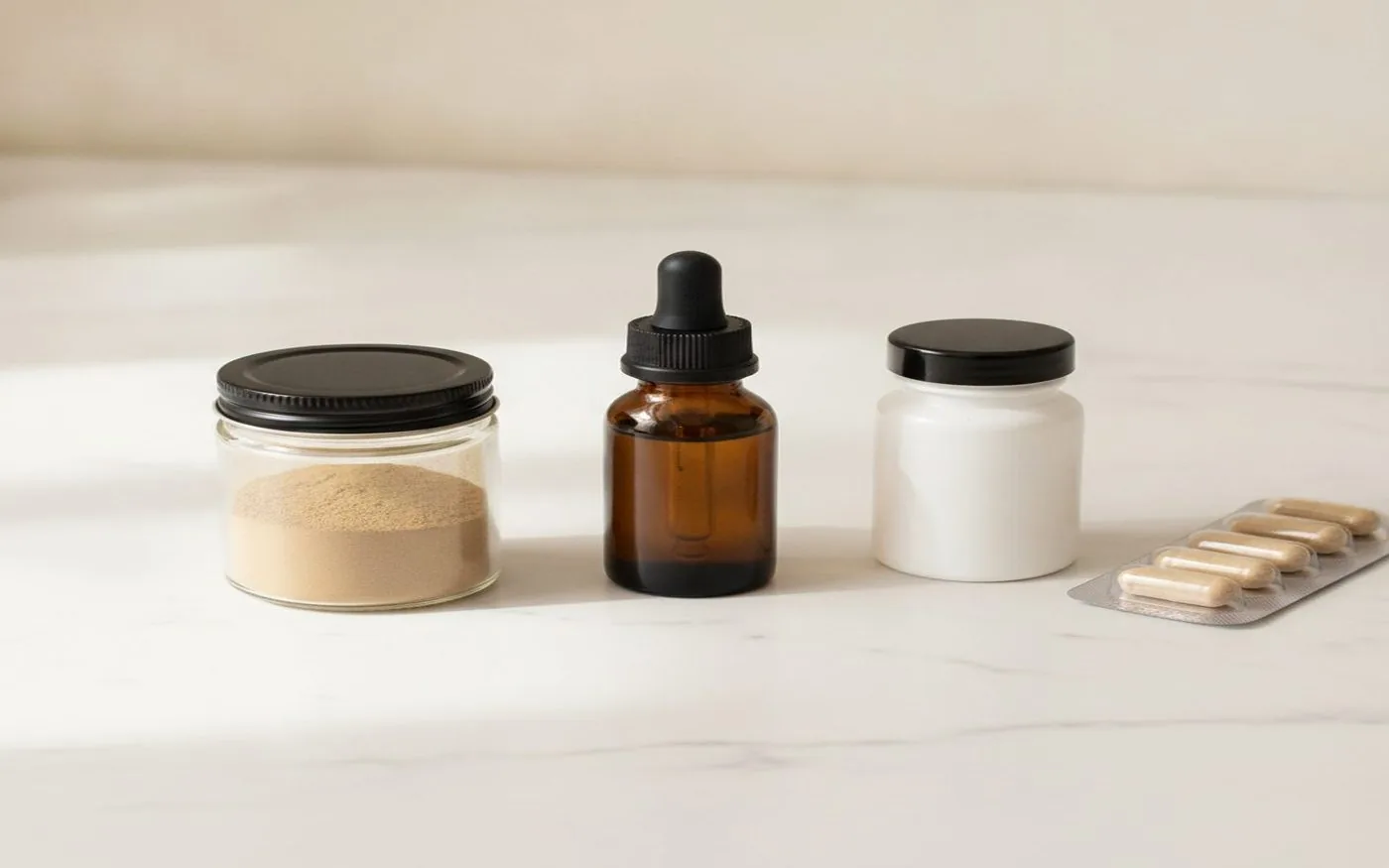
Powder gives you the largest dose for the lowest cost per serving. It is the format where you can most easily control and adjust your intake. It is also the format where label quality varies most and where mycelium-on-grain products are most common, because the filler is harder to detect in a powder than in a liquid.
Tinctures (liquid extracts) are typically dual-extracted - once with hot water to pull beta-glucans and once with alcohol to pull terpenoids. The result is a product where both major compound classes are present in a bioavailable form. Absorption from a liquid is generally faster than from powder or capsules. The cost per serving is significantly higher. For more on how tinctures compare on absorption and dose transparency, the best mushroom tincture UK guide goes into the extraction science in detail. dual extraction mushroom tincture is a dedicated article covering the process in detail.
Capsules give you the most convenience and mask the taste entirely. The active content is entirely dependent on what is inside the capsule - which means the same quality considerations about fruiting body vs mycelium apply, just less visibly.
When you are ready to compare specific brands across all three formats, the best mushroom supplement UK guide covers ranked picks across the full category.
Who Should Be Careful
Mushroom powder is generally well tolerated, but it is not for everyone.
If you have a known mushroom or mould allergy, avoid functional mushroom supplements and speak to your GP or pharmacist before trying them. Side effects documented in clinical literature include abdominal discomfort, nausea, and skin rash - particularly for lion's mane, per Memorial Sloan Kettering's integrative medicine monograph on lion's mane. These are not common, but they are worth knowing.
If you take blood-thinning medication, some mushroom species have mild anticoagulant properties and may interact with your medication. Check with your pharmacist before starting.
If you have diabetes or take diabetes medication, some species may affect blood sugar regulation. A conversation with your GP or pharmacist before starting is the right call.
Pregnancy and breastfeeding: there is insufficient safety data for functional mushroom supplements during pregnancy or while breastfeeding. Wait until after.
If you are scheduled for surgery, stop taking mushroom supplements at least two weeks beforehand and tell your surgical team what you have been taking.
Where to Buy It in the UK
Specialist health food retailers and direct-from-brand is where you find the better products. DIRTEA, Rheal, and similar UK-focused brands sell directly and through independent health food shops. Holland & Barrett stocks several functional mushroom powders, including some Rheal products.
Supermarkets: the honest note is that most supermarket mushroom powder is culinary seasoning rather than functional supplement. If you search at Tesco or ASDA, check the label carefully - you are more likely to find porcini or mixed seasoning blends than lion's mane extract.
Online marketplaces: Amazon UK stocks a wide range. Quality varies enormously. The label-reading criteria above apply more here than anywhere else.
Format Comparison Table
The table below compares the four main formats on the criteria that matter most for a buyer at the pre-purchase stage.
| Format | Absorption | Cost per Serving | Convenience | Actives Verifiable? |
|---|---|---|---|---|
| Powder - fruiting body extract | Moderate | Low (approx. £0.50-£1.50) | Medium - measure and mix | Sometimes |
| Powder - mycelium on grain | Moderate | Low | Medium | Rarely |
| Tincture - dual extract | Fast | High (approx. £1.50-£3.00) | High - drops | Usually |
| Capsule - fruiting body | Moderate | Medium (approx. £0.80-£2.00) | Very high | Sometimes |
| Pre-blended coffee | Moderate | Low (per cup) | Very high | Not usually disclosed |
Frequently Asked Questions
What is mushroom powder good for?
Functional mushroom powder is most consistently associated with cognitive support (lion's mane), relaxation and sleep quality (reishi), physical endurance (cordyceps), and antioxidant content (chaga). The human trial evidence is strongest for lion's mane. For the other species, the research is early-stage in healthy adults. It is not a substitute for medical treatment.
Can I take mushroom powder daily?
Yes, most functional mushroom powders are designed for daily use. Research on lion's mane typically involves daily supplementation over weeks or months. Start with around 500mg to one gram of extract and increase gradually if you tolerate it well. There is no consensus daily dose from a UK regulatory body; use the manufacturer's recommended serving size as your starting point.
Who should not take mushroom powder?
People with a mushroom or mould allergy should avoid it. Those on blood-thinning medication, diabetes medication, or immunosuppressants should check with their GP or pharmacist first, as some species may interact. Mushroom powder is not recommended during pregnancy or breastfeeding due to insufficient safety data. Stop supplementation at least two weeks before any scheduled surgery and inform your surgical team.
What is the best mushroom powder in the UK?
The answer depends on which species you need, whether you want a single species or a blend, and how much label transparency you require. The criteria that matter most: fruiting body rather than mycelium on grain, a published beta-glucan percentage, and third-party testing data. For ranked picks across all functional mushroom supplement formats, the best mushroom supplement UK guide covers the full comparison.
Does mushroom burn belly fat?
No. There is no credible evidence that mushroom powder targets fat storage in any specific area of the body. No food or supplement achieves spot fat reduction. Mushroom powder has a role in general wellness support; weight loss framing is not supported by the research.
What is the difference between mushroom powder and mushroom extract powder?
Mushroom powder is dried, milled mushroom material with no further processing. Mushroom extract powder has been through a concentration step - typically hot water extraction, alcohol extraction, or both - before drying. The extract process increases the density of active compounds per gram. An extract will usually show a ratio (such as 8:1 or 10:1) on the label and may carry a beta-glucan percentage.
Is mushroom powder better than a tincture or capsules?
Better depends on what you are optimising for. Powder gives you the largest dose for the lowest cost per serving and the most flexibility on intake. Tinctures offer faster absorption and are typically dual-extracted, meaning both water-soluble and alcohol-soluble compounds are present. Capsules give you convenience and no taste. For most people starting out, powder is the practical entry point because you can control the dose and cost.

A registered Nutritional Therapist and member of BANT, Clemmie blends science with a holistic approach to wellbeing.