Best Electrolytes for Keto UK 2026
On keto your kidneys dump sodium fast, which is why week one feels like flu. Here are the sugar-free electrolytes that actually fix it, and the dose to look for.
Table of Contents
Some of the links in this article are affiliate links, which help fund our independent review work at no extra cost to you. Every recommendation is based on hands-on testing through The Editor Lab methodology. No brand pays to appear, and no placement is guaranteed.
LMNT is the best electrolyte for keto — 1,000mg sodium per sachet, zero sugar, and the only product on this list built to match the sodium loss rate of the first week of ketogenic adaptation. Here is why, and five alternatives ranked by sodium dose and value.
The week-one headache, the heavy legs, the foggy morning where you genuinely cannot form a sentence — if you have been through the first days of keto, you know exactly what keto flu feels like. Most people blame the carb withdrawal. In reality, you are mostly losing minerals.
When insulin drops on a carbohydrate-restricted diet, your kidneys stop holding onto sodium. Water follows sodium. And as sodium drains, potassium and magnesium go with it. That is keto flu — not a carb problem, but an electrolyte one. The right supplement fixes it within hours. The wrong one (or none at all) can drag on for days.
We screened every pick for added sugar and net carbs, checked sodium, potassium, and magnesium per serving against EFSA and BDA reference values, and had the shortlist reviewed by our nutrition team. Only zero-added-sugar products made this list. No exceptions.
Editor's Note
About this review: I am Clemmie Rose, a registered Nutritional Therapist holding a Diploma in Nutritional Therapy from the College of Naturopathic Medicine, and a BANT member. I lead nutrition clinics through my work with The Kyros Project at Google DeepMind, and I have spent the last two years advising clients who use low-carb and fasting protocols as part of their health plans. Electrolyte loss is one of the most consistent issues I see in the first weeks of any ketogenic approach — and one of the most fixable.
Shop from the Top 3 Electrolytes for Keto
Why these three made the top spots: LMNT delivers the sodium dose most keto dieters actually need — 1,000mg per sachet, with zero sugar and a clear label. Humantra is the strongest UK-formulated option I have found: zero sugar, plant-sourced minerals, and available from Tesco to Amazon. Bulk earns the value slot because the unflavoured Complete Electrolyte Powder lets you control the dose without paying for flavouring you do not need.
Why Keto Drains Your Electrolytes
Carbohydrates trigger insulin release. Insulin, among its many jobs, signals the kidneys to retain sodium. When you cut carbs, insulin falls — and with it, the kidney's instruction to hold onto sodium.
The result: your kidneys begin excreting sodium at a significantly higher rate. Water follows, which is why the initial weight drop on keto is largely water. And as sodium leaves, two things happen in parallel. Potassium moves out of cells to maintain the sodium-potassium balance. Magnesium, which is partly excreted alongside other minerals in urine, also depletes more quickly.
You are not unwell. You are not failing at keto. You are experiencing a predictable and reversible mineral deficit. According to the NHS electrolyte guidance, electrolyte imbalances affect nerve and muscle function — which is exactly why the keto flu headache and muscle cramps feel the way they do.
The fix is not complicated: replace what you are losing, in doses that match the rate of loss. That is significantly higher on keto than it is for a standard diet. This is where standard hydration products fail the keto user. A mainstream sports drink or hydration tablet designed for general use carries 200-300mg sodium per serving. A keto dieter who has switched off insulin signalling needs closer to 1,000-2,000mg sodium across the day. The gap is large enough to make most general electrolyte products functionally useless for this use case.
Most keto-friendly picks land near 1,000mg sodium per serving; mainstream hydration sachets often carry only 200-300mg, which is why they underperform for low-carb dieters.
The overlap with electrolytes for fasting is real: intermittent fasting creates the same insulin suppression mechanism. If you are combining keto with a time-restricted eating window, the electrolyte loss compounds. The dosing section later in this guide covers how to distribute intake around your eating window.
How Much Sodium, Potassium and Magnesium You Need on Keto
The figures below are derived from EFSA's dietary reference values for sodium (adequate intake: 2,000mg/day for adults) and the British Dietetic Association's fluid and hydration guidance, adjusted for the higher excretion rate on a ketogenic diet.
| Electrolyte | Standard adult DRV | Keto-adjusted target | What underdosing causes |
|---|---|---|---|
| Sodium | 2,000mg/day (EFSA AI) | 3,000-5,000mg/day | Headache, fatigue, brain fog, cramps |
| Potassium | 3,500mg/day (EFSA AI) | 3,500-4,500mg/day | Muscle cramps, weakness, heart rhythm irregularity |
| Magnesium | 375mg/day (EFSA) | 400-500mg/day | Cramps, poor sleep, anxiety, constipation |
Sodium is the primary target. The gap between standard intake and keto need is widest here, and it is the electrolyte most directly tied to the keto flu experience. Most people can achieve 2,000mg from food on a standard diet without thinking about it (bread, processed foods, condiments). On a strict keto diet, those sources largely disappear.
Potassium is harder to supplement at high doses. UK regulatory limits mean most supplement tablets contain 100mg or less of potassium per unit. Food sources (avocado, salmon, leafy greens) do significant work here. Lo-Salt, a potassium chloride salt substitute available in most supermarkets, is a practical kitchen option.
Magnesium type matters. Not all forms are equally absorbed. Magnesium glycinate and malate have better bioavailability than magnesium oxide, which is the cheapest form and frequently the one used in underdosed products. More on this in the What to Avoid section and the FAQ. If you want to go deeper on this mineral specifically, the best magnesium supplement UK guide covers the evidence by form in detail.
The Best Sugar-Free Electrolytes for Keto, Tested
1. LMNT - Best Overall for Keto
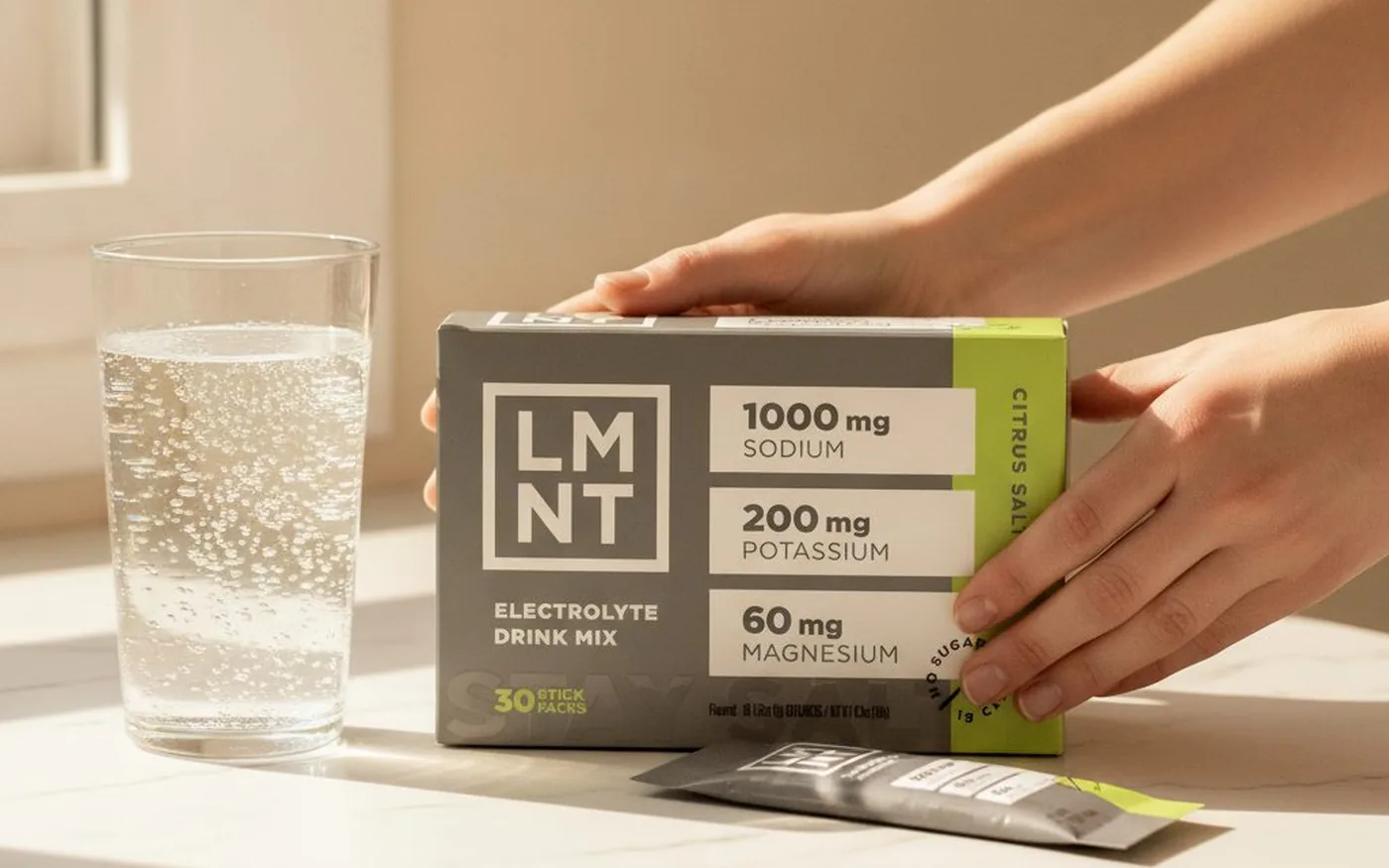
LMNT is the benchmark for a reason. Each sachet delivers 1,000mg sodium, 200mg potassium, and 60mg magnesium (as magnesium malate) — with zero sugar, zero carbs, and zero sweeteners of the artificial variety. The formula was designed specifically for people in sodium deficit: athletes, those on low-carb diets, and people in hot climates. It is the closest thing the market has to a keto-native electrolyte product.
I have recommended LMNT to clients in the first week of ketogenic protocols because the sodium dose is meaningful rather than token. Most products I reviewed for this article carry 100-300mg sodium per serving. LMNT carries 1,000mg. That difference is the entire gap between feeling fine and feeling rough by 3pm.
The drawback is price: around £2.50 per sachet, or roughly £75 per month if you are taking one daily. That is a real cost. The flavour range is good (Mango Chilli and Raspberry Salt are the ones worth trying; Chocolate Salt divides opinion), and the stevia sweetening is clean and does not carry the metallic aftertaste that some artificial sweeteners produce.
“The 1,000mg sodium hit is the reason this works for keto specifically. Flavour is secondary to the dose.”
| Evaluation Criteria | Our Findings |
|---|---|
| Full review | LMNT Recharge - coming soon |
| Best for | Strict keto, keto flu prevention, first-week protocol |
| Flagship product | LMNT Recharge (all flavours) |
| Shop | LMNT on Amazon UK |

2. Humantra - Best UK Brand
Humantra is the UK brand doing the most interesting things in this category. The formula is plant-sourced (coconut water solids and lemon mineral water as the base), zero sugar, and comes in at a more accessible price point than LMNT. The sodium per serving is lower — 200mg in the standard sachet — which makes it a good mid-keto maintenance option rather than a first-week keto-flu protocol product. At a fifth of LMNT's sodium dose, Humantra is not the product for acute keto flu; it earns its place once you are past adaptation and maintaining.
What I like about Humantra is the label transparency. The mineral breakdown is front of pack, clearly written, and the ingredient list is short. That matters to me when I am advising someone who is already navigating a restrictive dietary protocol and does not need the added friction of decoding an ingredients panel.
Available from Tesco, Healf, and Amazon UK, which makes it the most accessible UK-brand option on this list. If you are post-adaptation (past week two or three of keto) and looking for daily maintenance without a premium price tag, Humantra sits in a sensible position.
“Transparent label, genuine mineral content, and made in the UK. The 200mg sodium dose means it works best for maintenance rather than early keto — know that going in.”
| Evaluation Criteria | Our Findings |
|---|---|
| Full review | Humantra review - coming soon |
| Best for | Keto maintenance, daily hydration support, accessible UK option |
| Flagship product | Humantra Electrolyte Sachets |
| Shop | Humantra |
3. ViDrate - Best Lifestyle Pick
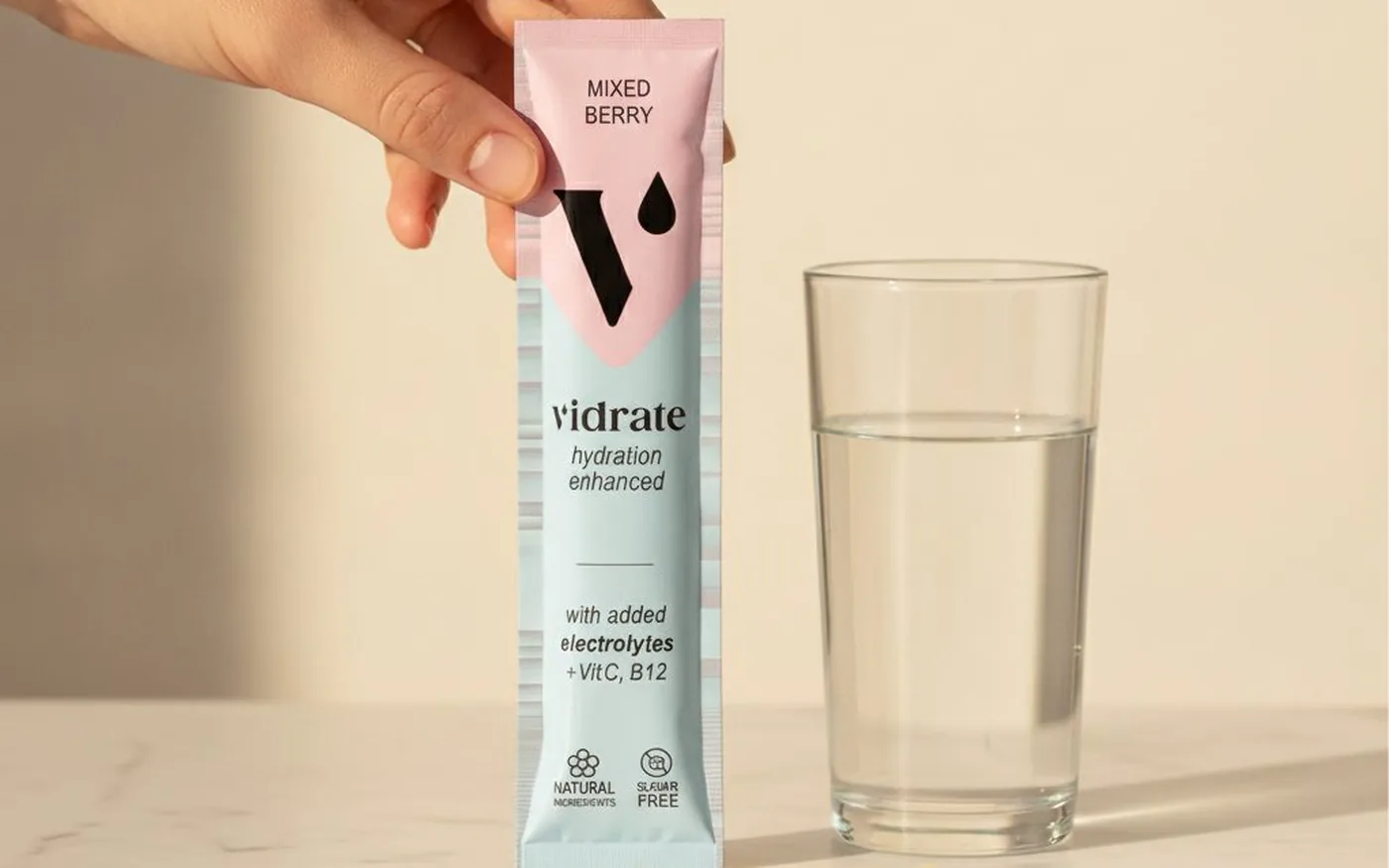
At 140mg sodium per sachet, ViDrate sits well below the keto-adequate threshold — and that is the first thing to say about it. Built for the general hydration market, zero sugar throughout the range, and genuinely good flavour; those things get it onto this list. But if you are strictly keto and managing active sodium loss, that dose will not move the needle in week one.
Where ViDrate earns its place here is for the person who is keto-curious or carb-cycling, finds the clinical feel of higher-dose electrolytes off-putting, and wants something that tastes genuinely enjoyable as a daily habit. The flavour range is one of the best in the UK zero-sugar market. Available from Boots and Amazon.
The honest note: if you are deep in keto adaptation and symptomatic, ViDrate alone will not resolve it. Pair it with sodium from food, or use it as a secondary top-up alongside a higher-dose product.
“Good flavour, zero sugar, genuinely enjoyable. The sodium dose is the trade-off — know that going in.”
| Evaluation Criteria | Our Findings |
|---|---|
| Full review | ViDrate review - coming soon |
| Best for | Low-carb or carb-cycling, daily habit, taste-first buyers |
| Flagship product | ViDrate electrolyte sachets (flavoured range) |
| Shop | ViDrate |
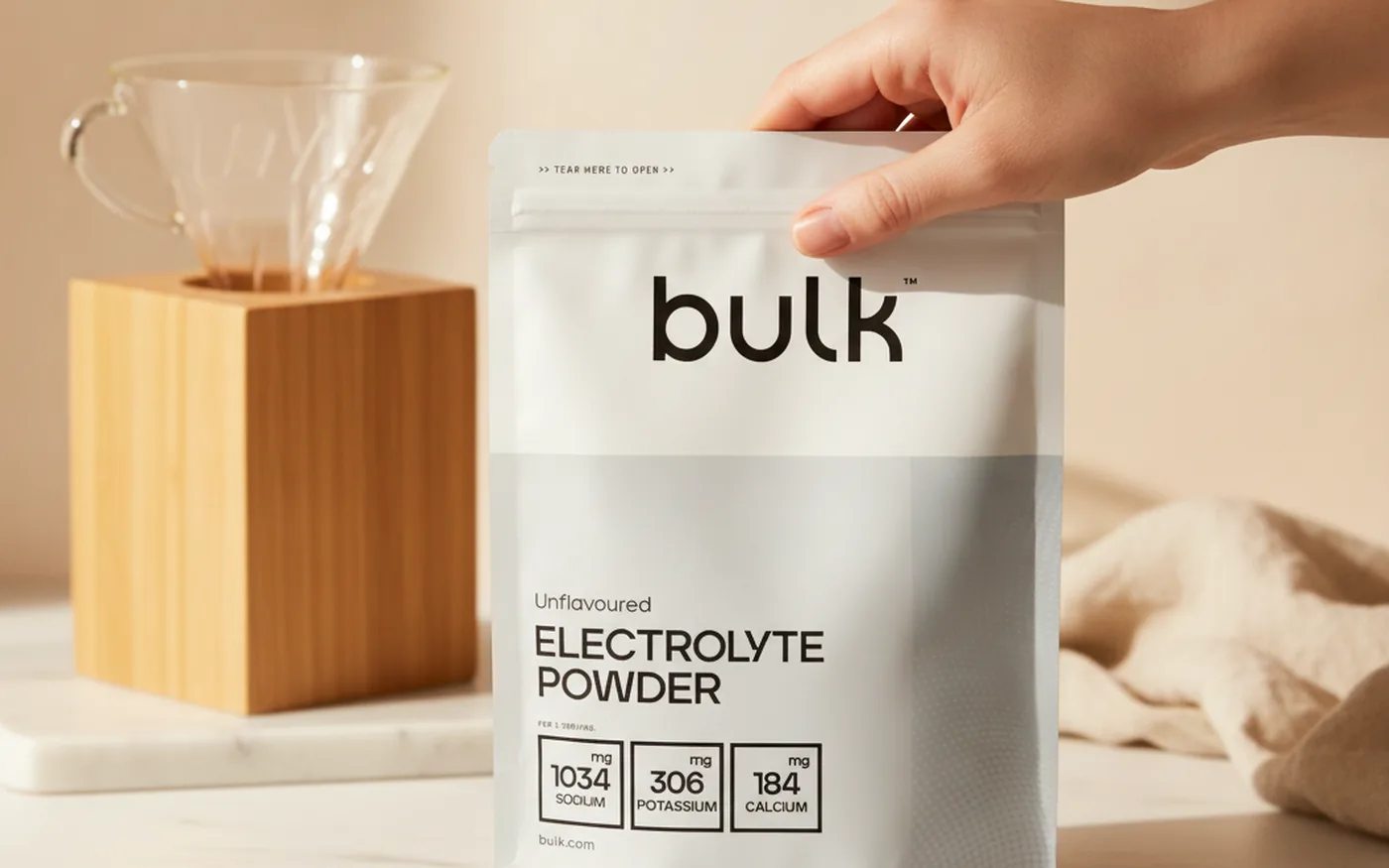
4. Bulk Complete Electrolyte Powder - Best Value
Bulk's Complete Electrolyte Powder is the no-frills option on this list, and that is exactly why it makes sense for a lot of keto users. The unflavoured version has zero sugar, zero carbs, and delivers a meaningful mineral payload: sodium, potassium, magnesium, calcium, and chloride in one scoop. At around 40p per serving, it is the cheapest way to hit your daily electrolyte targets without cutting corners on formula completeness.
The trade-off is format. This is a powder you scoop and mix, not a pre-portioned sachet. That means more faff, but also more flexibility — you can adjust the dose to your own intake targets rather than being locked into one pre-fixed serving. For the person who is tracking macros and electrolytes with any precision, that flexibility is valuable.
The unflavoured version mixes cleanly into water or a protein shake without changing the taste. If you are pairing your keto protocol with a plant-based protein shake or a creatine supplement, this stacks without friction.
“The value case is clear. The format asks a little more of you than a sachet — but the flexibility and the price point make that trade worth making.”

| Evaluation Criteria | Our Findings |
|---|---|
| Full review | Bulk Complete Electrolyte Powder review - coming soon |
| Best for | Value buyers, macro-trackers who want flexible dosing |
| Flagship product | Bulk Complete Electrolyte Powder (unflavoured) |
| Shop | Bulk |
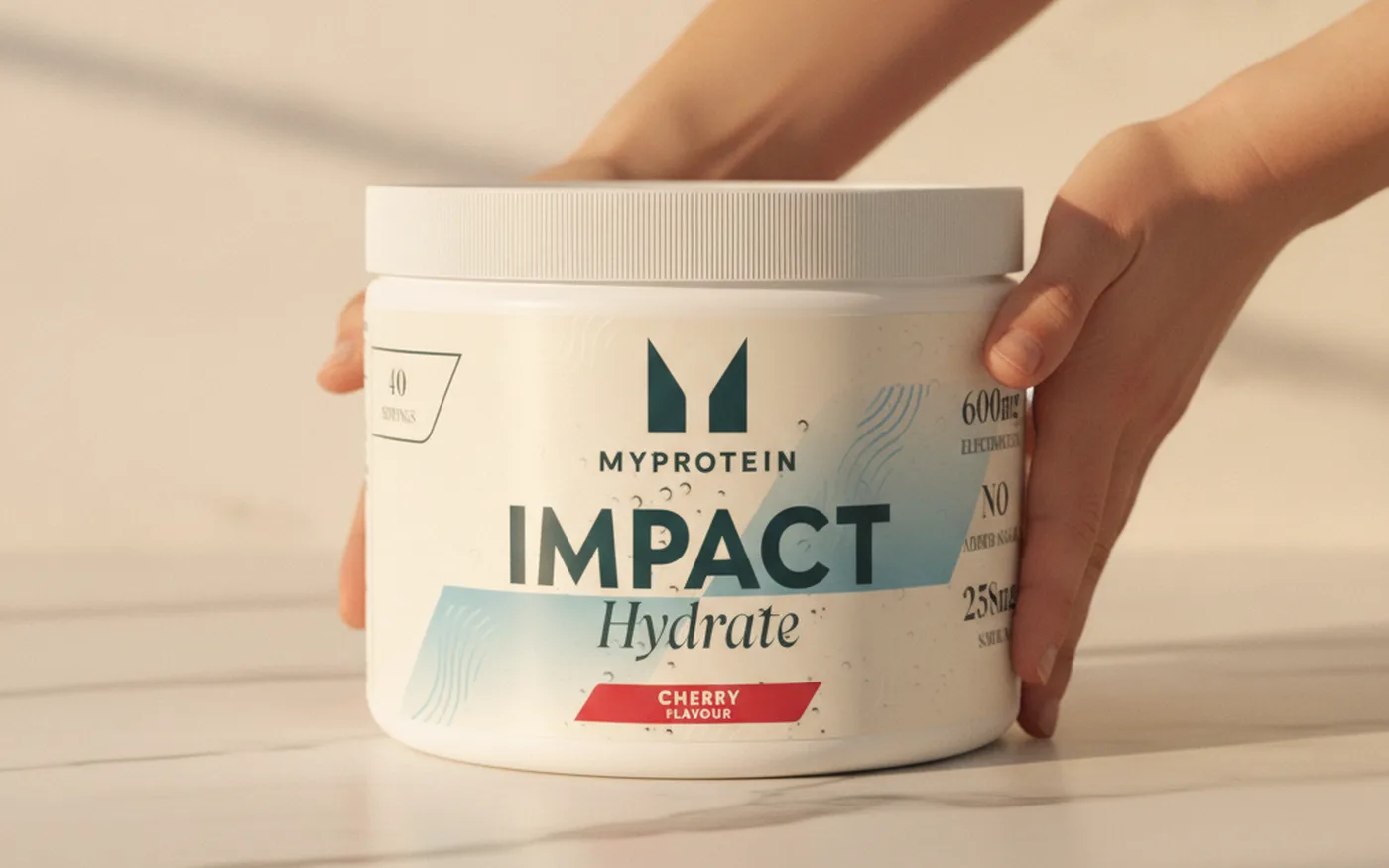
5. Myprotein Impact Hydrate - Best Budget
Myprotein's Impact Hydrate is a budget entry that passes the core test for this article: zero added sugar. The formula delivers 600mg total electrolytes per serving (sodium, potassium, magnesium, calcium, and chloride combined) — the specific sodium figure is not disclosed separately on the label, which is a transparency gap flagged during the formulation audit. The magnesium content is also lower than LMNT, and the form is not declared on the packaging.
For the buyer who needs something inexpensive and widely available (Myprotein ships fast and stocks well), this is a usable option. It will not match LMNT for sodium density on the most demanding keto-flu days, but as a day-to-day maintenance supplement it is a reasonable budget call.
Flavours include Watermelon, Raspberry, and Tropical. All are sweetened with sucralose, which some users find affects gut tolerance at higher volumes. If you are sensitive to artificial sweeteners, Humantra or LMNT's stevia-sweetened versions are cleaner choices.
“It does the job at the right price. The magnesium transparency gap and sucralose sweetening are the reasons it finishes fifth.”
| Evaluation Criteria | Our Findings |
|---|---|
| Full review | Myprotein Impact Hydrate review - coming soon |
| Best for | Budget-conscious buyers, moderate keto maintenance |
| Flagship product | Myprotein Impact Hydrate |
| Shop | Myprotein |

6. DIY Electrolyte Mix - The Honest Keto Option
No brand required for this one. The cheapest and most dose-flexible electrolyte approach for keto is a kitchen-table DIY mix:
- 1/4 tsp table salt (sodium chloride) = approximately 600mg sodium
- 1/4 tsp Lo-Salt (potassium chloride, available in most UK supermarkets) = approximately 400mg potassium
- 300-400mg magnesium glycinate capsule (opened and dissolved)
Mixed into 500ml of water with a squeeze of lemon, this covers the three core electrolytes at keto-adequate doses for under 20p per serving. It is not glamorous. It does not come in a sachet with a Mango Chilli label. But the numbers are solid, the cost is minimal, and you know exactly what is in it.
The limitation is palatability. Salt and Lo-Salt dissolved in water without flavouring tastes like what it is. If that is going to put you off doing it consistently, spending £2.50 on an LMNT sachet is better than inconsistently using a DIY approach. A full guide to building your own version is in our make your own electrolyte drink guide.
“The numbers are as good as anything on this list. The trade-off is entirely palatability — if you can live with that, the cost and dose-control are unmatched.”
Full Comparison Table
| Brand | Sodium/serving | Potassium/serving | Magnesium/serving | Sugar | Price/serving | Keto rating |
|---|---|---|---|---|---|---|
| LMNT Recharge | 1,000mg | 200mg | 60mg (malate) | Zero | from £2.50 | Excellent |
| Humantra | 200mg | 150mg | 50mg | Zero | from £1.50 | Good (maintenance) |
| ViDrate | 140mg | 60mg | 20mg | Zero | from £0.99 | Good (lifestyle) |
| Bulk Complete | 400mg* | 150mg* | 100mg* | Zero | from £0.40 | Very good (value) |
| Myprotein Impact | NR* | 120mg | ~30mg (form NR) | Zero | from £0.50 | Good (budget) |
| DIY mix | ~600mg | ~400mg | 300-400mg | Zero | from £0.20 | Excellent (effort) |

*Bulk serving size is adjustable — figures shown for 1-scoop standard serve. NR = not reported separately. Myprotein Impact Hydrate declares 600mg total electrolytes per serving (all minerals combined); individual sodium figure not disclosed on label.
What to Avoid in a Keto Electrolyte
Hidden Sugar and Maltodextrin
This is the first filter, and the one that eliminated most products from this list. Many mainstream sports hydration products — Lucozade Sport sachets, Nuun Active, SIS GO Hydro — contain glucose, sucrose, or dextrose. Even small amounts break ketosis for some individuals and spike insulin, defeating the purpose. Look for 'total carbohydrates' on the UK nutrition label: zero is the target. Anything above 1g per serving deserves scrutiny.
Maltodextrin is a starch-derived thickener with a glycaemic index higher than table sugar (around 110-136 vs 65 for table sugar). It appears in many powdered supplements under the guise of a 'carrier' or 'bulking agent'. It is a hard disqualifier for keto use.
Underdosed Magnesium
A product claiming to support electrolyte balance while carrying 20mg magnesium per serving is not fixing your magnesium status. The EFSA adequate intake for adults is 375mg/day from all sources. If you are already eating a nutrient-dense keto diet (leafy greens, nuts, seeds), food is doing some of that work — but a supplement delivering 20mg is not making a meaningful contribution.
Worse: the cheapest form of magnesium (magnesium oxide) has an absorption rate of around 4%. A product listing 50mg magnesium oxide is delivering roughly 2mg of usable magnesium. If you care about the best magnesium supplement UK options for actual absorption, look for glycinate or malate on the label. Those forms absorb reliably. Oxide is filler.
Artificial Sweeteners and Gut Sensitivity

Sucralose and acesulfame-K are the most common sweeteners in this category. Both are considered safe by EFSA at normal intake levels. However, some research suggests sucralose may alter gut microbiome composition at repeated high doses — a concern worth flagging for anyone whose keto protocol is partly motivated by gut health or metabolic health goals.
If you are sensitive to artificial sweeteners or have been tracking gut symptoms alongside your keto transition, the cleaner choices are stevia-sweetened (LMNT) or unsweetened (Bulk unflavoured). The DIY option is your safest route on this particular dimension.
How to Dose Through the Day
On a Standard Keto Protocol

Spread your electrolyte intake across three windows rather than front-loading a single large dose:
- Morning (wake, before food): 500-700mg sodium. This is when sodium is lowest after overnight fasting.
- Midday: 500mg sodium with or after your first main meal.
- Afternoon or pre-workout: 300-500mg sodium, especially on active days or in warm weather.
This pattern keeps serum sodium steadier across the day and avoids the gastrointestinal discomfort that large single doses can cause.
On Fasting Days or Time-Restricted Eating
The question I am asked most often by clients doing keto plus intermittent fasting: do electrolytes break a fast?
Plain electrolytes with zero sugar and zero calories do not trigger a meaningful insulin response and do not break a fast in the metabolic sense. Water, plain salt, and electrolyte sachets with no carbohydrates or protein are compatible with most fasting protocols. This is worth confirming with your own approach — some strict religious or therapeutic fasting protocols define 'fasting' differently — but from a metabolic standpoint, zero-calorie electrolytes during a fasting window are well within standard guidance.
The practical advice: take your main electrolyte dose during your fasting window, before your eating window opens. You are more sodium-depleted in the fast, and the minerals will be absorbed and used during the eating window when you are also taking in food-sourced nutrients.
If you are using a creatine supplement alongside keto, note that creatine works best with consistent hydration — another reason to keep electrolytes topped up rather than spiking them episodically.
What to Avoid (Summary Checklist)
Before buying any electrolyte product for keto, run through this:

- Added sugar or glucose: Zero on the label. Not 'low sugar'. Zero.
- Maltodextrin in the ingredient list: This disqualifies a product regardless of what the front-of-pack says.
- Magnesium under 50mg as glycinate or malate (or 100mg+ as oxide): Not a meaningful dose.
- Proprietary blends with no individual mineral disclosure: If they will not tell you how much of each mineral is in the product, that is an answer in itself.
- Potassium-only or sodium-only formulas: Keto depletes all three. A single-mineral product is incomplete.
Final Verdict
The keto flu is a solvable problem. What makes it worse is inadequate sodium — not carb withdrawal, not willpower, not keto being wrong for you. The products on this list all pass the zero-sugar filter that mainstream hydration options fail. The one you need depends on where you are in the protocol.
First week of keto: LMNT, taken once daily, gives you the 1,000mg sodium hit that most brands cannot match. The price is high, but the first two weeks are when electrolytes matter most.
Maintenance: Humantra at its UK price point is the sensible ongoing option. The lower sodium is appropriate once you are adapted. If budget is the constraint, Bulk's unflavoured powder is the most honest value play on the market.
Cost-minimising: The DIY mix works. Salt, Lo-Salt, and a magnesium capsule. It lacks the convenience and palatability of a sachet, but the mineral profile is as good or better than most commercial options.
One thing worth noting: this guide covers no Balance Coffee products, because Balance Coffee sells coffee — not electrolytes. This guide has nothing to push except the products ranked above, filtered only on evidence and use-case fit.
For a broader overview of the category, the best electrolytes UK guide covers the full field across formats and buyer types without the keto filter. If hydration on a GLP-1 medication is the context, the electrolytes on Mounjaro guide is the more relevant starting point.
Frequently Asked Questions
How long does keto flu last?
Keto flu symptoms - headache, fatigue, brain fog, muscle cramps, and irritability - typically peak on days two to four and resolve by day seven for most people. The timeline depends on how fast you deplete glycogen stores and how quickly you replace electrolytes. Aggressive sodium and magnesium replacement in the first 48 hours shortens the window. If symptoms persist beyond ten days, see a GP.
Can you get enough electrolytes from food on keto?
For potassium and magnesium, a well-constructed keto diet (avocado, salmon, leafy greens, nuts) gets you part of the way. For sodium, almost certainly not - the high-sodium foods that normally supply daily sodium (bread, processed meals, sauces) are eliminated on keto. Most keto dieters need supplemental sodium, especially in the first four to six weeks, and often long-term if they exercise or live somewhere warm.
Are electrolytes safe to take while fasting?
Zero-sugar, zero-calorie electrolyte products are compatible with most fasting protocols from a metabolic standpoint. They do not trigger a meaningful insulin response and do not interrupt fat oxidation or autophagy the way protein or carbohydrate intake does. If following a medically supervised fast, check the specifics with your clinician. For standard intermittent fasting alongside keto, electrolytes during the fasting window are standard, recommended practice.
How much salt should you have per day on keto?
EFSA's adequate intake for sodium is 2,000mg per day on a standard diet. On keto, clinical literature commonly cites 3,000-5,000mg per day, depending on activity level, sweat rate, and whether you are adapting or maintaining. That is roughly one to two teaspoons of salt across the day, from food and supplements combined - well above general public health guidance aimed at processed-food diets.
What type of magnesium is best for keto?
Magnesium glycinate and magnesium malate are the best-absorbed forms. Glycinate helps most if poor sleep or muscle cramps are your main symptom, thanks to glycine's calming effect. Malate is well-tolerated and supports energy metabolism via the Krebs cycle, useful if fatigue dominates. Magnesium oxide is cheap and common in budget supplements, but its absorption is around 4% - functionally ineffective at typical doses. Avoid it on keto.
Do you need potassium supplements on keto?
Most adults do not need to supplement potassium directly if eating potassium-rich whole foods. Avocado, cooked salmon, spinach, and leafy greens can reach the EFSA adequate intake of 3,500mg/day from food alone on a well-built keto diet. UK rules also cap potassium tablets at 100mg per unit, making food the faster route. Lo-Salt (potassium chloride) used in cooking is a cheap, practical, food-based alternative for persistent cramps.
Why does keto cause electrolyte loss in the first place?
Cutting carbs drops insulin, and insulin normally signals the kidneys to retain sodium. With insulin low, the kidneys excrete sodium at a much higher rate, and water follows it out - which is why the initial keto weight drop is mostly water. Standard hydration products, built for a 200-300mg sodium need, do not replace what a keto dieter is actually losing, which is why keto flu develops.
What ingredients should you avoid in a keto electrolyte product?
The first filter is added sugar or any glucose, sucrose, dextrose, or maltodextrin on the ingredients list - check 'total carbohydrates' on the UK label and look for zero. Many mainstream sports drinks, including Lucozade Sport, Nuun Active, and SIS GO Hydro, contain these and can break ketosis or spike insulin even in small amounts, defeating the purpose of a keto-specific electrolyte product.
Are artificial sweeteners in electrolyte drinks safe on keto?
Sucralose and acesulfame-K are the most common sweeteners in keto electrolyte products, and both are considered safe by EFSA at normal intake levels. Some research suggests sucralose may alter gut microbiome composition at repeated high doses, which is worth flagging if your keto protocol is partly motivated by gut or metabolic health. If you are sensitive to artificial sweeteners, an unflavoured or DIY option avoids the issue entirely.
What is the best way to dose electrolytes through the day?
Spread intake across three windows rather than one large dose: 500-700mg sodium on waking, when sodium is lowest after an overnight fast; 500mg at midday with or after your first meal; and 300-500mg in the afternoon or pre-workout, especially on active or warm days. This pattern keeps serum sodium steadier and avoids the gastrointestinal discomfort a single large dose can cause.

A registered Nutritional Therapist and member of BANT, Clemmie blends science with a holistic approach to wellbeing.