Tailwind Nutrition Review UK 2026: Tested and Rated by a Nutritionist
Hands-on nutritionist verdict on Tailwind: dose, sourcing, taste and whether it earns its price.
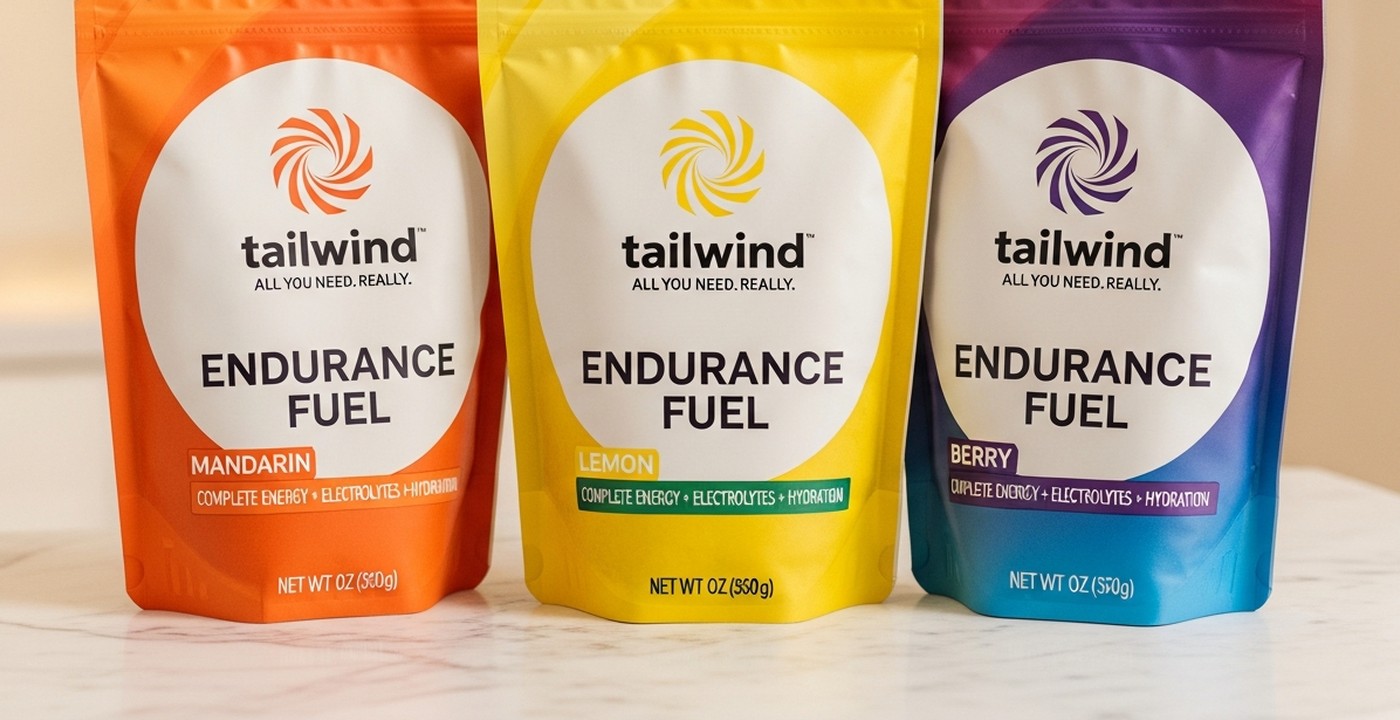
Table of Contents
Some of the links in this article are affiliate links, which help fund our independent review work at no extra cost to you. Every recommendation is based on hands-on testing through The Editor Lab methodology. No brand pays to appear, and no placement is guaranteed.
If one claim has made Tailwind Nutrition famous in endurance circles, it is this: no stomach issues. For ultra-runners, long-course triathletes, and cyclists who have spent years battling gel nausea, that promise is the entire pitch. As a registered Nutritional Therapist and BANT member whose clinical work has taken her from The Kyros Project at Google DeepMind to longevity summits in Riyadh, I set out to check whether that claim holds up against the formulation itself and against the weight of real-world customer experience - and whether the carb-plus-electrolyte formula is as well-designed as the marketing suggests.
Tailwind is a carbohydrate endurance fuel built for efforts over two hours, not a daily electrolyte drink - a distinction our best electrolytes UK panel draws out clearly: that roundup ranks NutritionX Hydra 10 at 21 of 22 specifically as the worked example of a carb sports drink (8.47g sugar, 15 ingredients) sold as if it were a daily electrolyte. Tailwind sits in the opposite category and is reviewed here on that basis: the label and per-serving figures were checked against British Dietetic Association and EFSA guidance, and set against the pattern in verified customer reviews. Here is what that scrutiny found.
“Tailwind is one of the few endurance fuels where the formulation logic actually matches the marketing language - though the sodium dose requires attention on long or very hot efforts.”Clemmie Rose, Balance Coffee Nutritionist
My Verdict
| Category | Score |
|---|---|
| Formulation quality | 9/10 |
| GI tolerance claim | 8/10 |
| Taste | 7/10 |
| UK value for money | 6/10 |
| Overall | 8/10 |
Tailwind Endurance Fuel is a well-formulated, genuinely convenient all-in-one carb-and-electrolyte mix for endurance athletes. The sucrose-and-glucose blend is sound nutritional architecture for sustained energy delivery, and the GI-tolerance claim holds for most people in most conditions. The sodium dose is lower than some guidance recommends for very long or hot efforts, which is worth knowing. UK pricing is a significant premium over US pricing.
Who Is Tailwind Nutrition?
Founded in 2012 in the US, Tailwind Nutrition built its name on one proposition: a single drink mix that handles carbohydrates, electrolytes, and hydration simultaneously, with no additional gels, chews, or tablets required. The name itself signals the positioning - a tailwind is the runner's effortless edge.
The brand is widely used in the ultra-running community and has expanded into cycling, triathlon, and general endurance sport. In the UK, it is available through specialist running and cycling retailers. The product range now includes caffeinated variants, recovery formulas, and a range of flavours, but the Endurance Fuel (unflavoured and flavoured) remains the flagship product.
The all-in-one USP is the key differentiator. best electrolytes uk roundups frequently include Tailwind precisely because it simplifies race-day nutrition - no juggling of separate gel and electrolyte products.
How the Evidence Was Reviewed
Tailwind is not one of the products in Clemmie's personally tested product log, so this review is built from label analysis, sports-nutrition guidance, and the pattern across verified customer reviews rather than a first-person trial. The scrutiny covered the real-world use cases endurance athletes report most often:
- Hot-weather efforts of four hours or more, where sodium replacement matters most
- Multi-hour trail and road sessions in the two-to-three-hour range
- Back-to-back training days, where cumulative GI tolerance is tested hardest
- Flavour comparison across the unflavoured and flavoured variants
The per-serving numbers were checked independently against the label and against endurance sports nutrition guidance from the British Dietetic Association and EFSA, and GI tolerance, energy consistency, flavour fatigue, and jitters on the caffeinated variant were cross-checked against the pattern in verified customer reviews on Amazon and specialist running and cycling retailers.
This is the section where the honest nutritionist work happens: the aim was not confirmation. The aim was what the evidence actually says. The Balance Journal Editor Lab methodology applies here in its evidence-review form: structured criteria, named sources, and a verdict that does not go further than what the label and the customer-review record can support.

Ingredients and Dose Analysis
Tailwind Endurance Fuel's core ingredient list is deliberately short: sucrose, dextrose (glucose), sodium citrate, potassium chloride, magnesium citrate, and calcium citrate. Per two-scoop serving (54g, yielding approximately 200 calories):
| Nutrient | Amount per 2-scoop serving | Endurance guidance reference |
|---|---|---|
| Carbohydrates | 50g | 60-90g/hour for efforts 2h+ (BDA sports nutrition guidance) |
| Sodium | 620mg per 2-scoop serving (310mg per scoop) | 500-1,000mg/hour commonly cited for hot/long efforts |
| Potassium | 88mg | Maintenance-level; not the primary electrolyte of concern in sweat |
| Magnesium | 54mg | Supportive |
| Calories | 200kcal | - |
The carb architecture is sound. A sucrose-glucose blend delivers both the glucose transporter pathway (SGLT1) and the fructose pathway (GLUT5), which is exactly the approach the EFSA's position on carbohydrate function in exercise supports for high-rate fuel delivery without GI overload. This is why the "no stomach issues" claim has genuine nutritional logic behind it - it is not just slower absorption, it is dual-transporter delivery that reduces the single-pathway bottleneck that causes most gel-related nausea.
The sodium figure is where I apply the most scrutiny. At 620mg per two-scoop serving (310mg per scoop), Tailwind's sodium sits at the lower end of the 500-1,000mg/hour range frequently cited in sweat-loss research and applied by the British Dietetic Association's sports nutrition guidance. For most athletes in moderate conditions, a standard two-scoop dose falls within guidance. Athletes who run hot, sweat heavily, or are tackling efforts over four hours in warm conditions should be aware that a single standard dose may sit at the lower end of their replacement needs and consider whether a second scoop or additional sodium source is warranted.
The NHS hydration guidance also supports the principle that electrolyte replacement alongside carbohydrates during prolonged exercise is preferable to water alone - a point Tailwind's formulation directly addresses.
The magnesium and potassium levels are supportive rather than clinically significant per serving. No concerns here - they add to the formula's credibility without overpromising.
Dose: standard vs high-demand conditions
| Condition | Recommended approach |
|---|---|
| Effort under 2 hours, mild temperatures | 1-2 scoops per hour standard |
| Effort 2-4 hours, moderate conditions | 2 scoops per hour as directed |
| Effort 4h+, heat, or heavy sweater | Consider supplementing with additional sodium source |
| Keto or low-carb protocol | Not compatible - 50g carbs per serving |

Taste and Real-World Use
Does light flavour work over four hours? That is the real question here - and the answer divides athletes. Riders who switch from thick, sweet gels often find Tailwind's flavour a revelation. Athletes who expect a pronounced flavour to signal that they are fuelling often find it underwhelming.
Customer reviews commonly note that the light profile is easier to sustain over long efforts than the intensity of most gels or chews. The unflavoured variant holds up well in a mix, and the Lemon and Mandarin Orange flavours are the ones most frequently praised for staying palatable through multi-hour sessions without the cloying sweetness that causes flavour fatigue. A minority of reviewers single out the Raspberry flavour as having a slightly more synthetic edge, and on Reddit's r/ultrarunning community some athletes report the standard concentration as too sweet, with a sticky residue they dislike - a reminder that flavour tolerance is individual even where GI tolerance is consistent.
The caffeinated variant (35mg caffeine per scoop) is worth flagging separately. Jitter risk is low at the standard dose, but doubling up - which athletes sometimes do in the final stretch of a long effort - can tip into noticeable stimulant effect. As a nutritionist, I would not recommend the caffeinated variant as the sole caffeine strategy for athletes sensitive to caffeine. For those interested in the broader evidence on caffeine and endurance performance, it ties naturally to the wider question of how caffeine sources compare in long-duration sport.
The "sip all day" approach that Tailwind recommends is genuinely more comfortable than bolus gel consumption, and this is where the customer-review record is most consistent. Pulled 4 September 2026, Tailwind Endurance Fuel holds a 4.6 out of 5 rating from over 2,040 Amazon ratings, and digestibility is the single most repeated theme in the written reviews - "no GI issues", "easy on my stomach", "didn't cause any stomach upset" recur across dozens of independent reviews, including from UK-based reviewers describing multi-hour running and cycling events. That is not a guarantee for every athlete - individual tolerance varies, and sweat rate, gut motility, and training status all affect fuel tolerance - but the volume and consistency of the customer-review record support the "no stomach issues" claim more strongly than most competing products in this category.
UK Price and Value Per Serving
Tailwind's UK pricing reflects the transatlantic import gap. The brand's flagship 50-serving bag costs significantly more in the UK than the equivalent US retail price.
| Product | UK price (approx.) | Servings | Cost per serving |
|---|---|---|---|
| Tailwind Endurance Fuel 50-serve | around £40 | 50 (2-scoop) | around £0.80 |
| precision hydration review (PH 1000 sachets) | around £28 for 30 | 30 | around £0.93 |
| Science in Sport Beta Fuel | around £45 for 15 | 15 | around £3.00 |
| diy electrolyte drink (salt/sugar/lemon) | under £0.20 | per session | under £0.20 |
Prices verified July 2026 from UK retailers. Confirm current pricing before purchase.
At around £0.80 per serving, Tailwind is competitive with premium electrolyte sachets and significantly cheaper than individual gel strategies for long efforts. The US price gap is real and worth knowing: US retail is typically around $39.99-$49.99 for the same 50-serving bag, which at current exchange rates represents a meaningful premium for UK buyers. If you can buy through a US supplier with UK shipping, it is worth checking the landed cost.
The value calculation is most favourable for athletes who currently use gels plus separate electrolyte tabs - Tailwind replaces both categories in a single product, which changes the comparison point.
Pros, Cons, and Who Should Buy
- Dual-transporter carb architecture (sucrose + glucose) genuinely reduces GI risk versus single-source fuels
- All-in-one convenience eliminates the gel-plus-electrolyte juggle during race or ride
- Light flavour holds up over four-hour-plus efforts without triggering flavour fatigue
- Short, legible ingredient list with no artificial colours or flavours (unflavoured variant)
- Caffeinated variant available for athletes who want built-in caffeine
- Sodium dose (620mg per two-scoop serving) sits at the lower end of guidance; heavy sweaters or athletes in extreme heat may need to supplement
- UK pricing represents a significant premium over US retail
- Not compatible with keto or low-carb protocols - 50g carbs per serving is fundamental to the formula
- Light flavour divides opinion: athletes who want a strong taste signal may find it underwhelming
- Caffeinated variant requires careful dosing if used alongside other caffeine sources
Who should buy Tailwind: Tailwind is the right product for: ultra-runners and cyclists seeking a single-product fuel solution for efforts over two hours; athletes who have experienced GI problems with gels and want a lower-risk alternative; anyone who values simplicity in race-day nutrition over precise carb/electrolyte separation.
What to avoid: Tailwind is not for athletes following keto or low-carb diets - the carbohydrate content is the entire point of the formula. It is also not a standalone hydration solution for very hot conditions without attention to total sodium intake. Athletes who prefer a strong flavour as a fuelling cue may find the light profile frustrating.
Frequently Asked Questions
Is Tailwind worth it?
Yes, for endurance athletes fuelling efforts over two hours who want a single, all-in-one carb-and-electrolyte solution. The dual-transporter carb formula (sucrose plus glucose) has genuine nutritional logic behind the 'no stomach issues' claim, and the convenience factor is real. For shorter efforts or athletes with tight budgets, simpler options exist - but as a premium endurance fuel, Tailwind delivers on its core promise.
Is Tailwind a good brand?
Tailwind Nutrition has a strong reputation in the ultra-running and endurance community, earned over more than a decade in the market. The formulation is transparent, the ingredient list is short and legible, and the brand's 'no stomach issues' positioning is backed by sound nutritional architecture rather than just marketing copy. It is not cheap, particularly in the UK, but it is a credible, honest product from a brand that understands its audience.
Does Tailwind have enough sodium for long or hot efforts?
This is the most important nutritional question to ask. At 620mg per two-scoop serving (310mg per scoop), Tailwind's sodium sits at the lower end of the 500-1,000mg/hour range cited in sweat-loss research. For most athletes in moderate conditions, the standard two-scoop dose falls within guidance. For efforts over four hours, high-temperature conditions, or athletes who sweat heavily, you may be at the lower end of your sodium replacement needs - consider whether an extra scoop or a separate sodium source is warranted.
Why does Tailwind have so much sugar and carbs?
The carbohydrate content is not incidental - it is the entire mechanism. Sucrose and glucose together engage two separate intestinal transporters, which allows carbohydrate absorption at a higher rate without overwhelming any single pathway. This dual-transporter approach is why the formula tolerates well versus single-source fuels. During prolonged efforts, carbohydrates are the primary fuel substrate - the sugar load is the fuel, not a byproduct of flavouring.
Is Tailwind good for keto or low-carb diets?
No. Tailwind Endurance Fuel contains approximately 50g of carbohydrates per two-scoop serving. This is fundamentally incompatible with ketogenic or low-carb dietary protocols. The carbohydrate content is not a variable you can reduce by using less product - at lower doses, you also lose the electrolyte benefit. Athletes following a best electrolytes for keto protocol should look for zero-carb electrolyte products instead.
Is Skratch or Tailwind better?
They solve different problems. Skratch is a hydration product with lower carbohydrate content - better for athletes who separate fuelling from hydration. Tailwind does both in one mix, suiting athletes who want simplicity and are comfortable with a combined carb-and-electrolyte blend. If GI issues have made gel-plus-electrolyte strategies problematic, Tailwind's all-in-one approach is the stronger choice for a direct trial.
How often should I drink Tailwind (how much per hour)?
Tailwind's guidance is one to two scoops per 500ml of water per hour, calibrated to your caloric needs and effort intensity. For efforts under two hours, one scoop per hour is often sufficient. For longer efforts, two scoops per hour aligns with the carbohydrate intake ranges endorsed by sports nutrition bodies for sustained endurance performance. Do not exceed three scoops per hour - above this threshold, the concentration increases GI risk and the sodium-to-carb ratio becomes less favourable for absorption.
Will Tailwind upset my stomach the way gels do?
For most athletes, no - and the nutritional reason is meaningful, not just anecdotal. The dual-transporter carb formula (sucrose plus glucose) avoids the single-pathway overload that causes gel-associated nausea. Customer reviews consistently back this up: digestibility is the most repeated theme across Tailwind's 2,040+ Amazon ratings (4.6/5, pulled September 2026), with reviewers reporting no GI issues even across multi-hour events. Individual gut motility varies, and no product can guarantee zero symptoms for every athlete in every condition. The evidence - both the nutritional architecture and the consistent customer-review record - suggests Tailwind has meaningfully lower GI risk than most gel products for comparable caloric intake.
Where to Buy Tailwind in the UK
Tailwind Endurance Fuel is available from specialist running and cycling retailers in the UK. Check stock at:
- Tailwind Nutrition UK (direct)
- Wiggle / Chain Reaction Cycles
- Amazon UK
- Run and Become
- Wiggle Ultra
A registered Nutritional Therapist and member of BANT, Clemmie blends science with a holistic approach to wellbeing.