The Ultimate Guide to Electrolytes
Does coffee dehydrate you, and do you really need electrolytes - or is it just repackaged salt? An honest UK guide with a DIY recipe and a vetted shortlist.
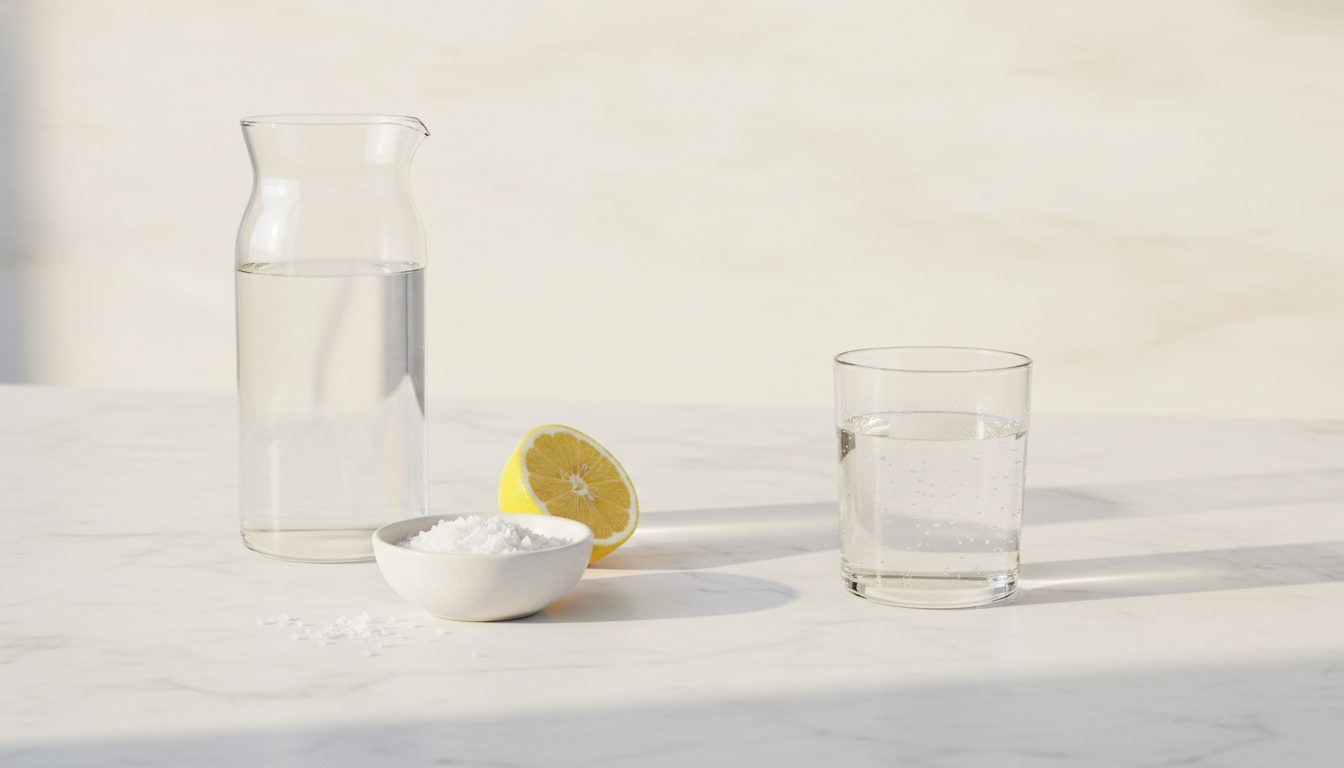
Table of Contents
Some of the links in this article are affiliate links, which help fund our independent review work at no extra cost to you. Every recommendation is based on hands-on testing through The Editor Lab methodology. No brand pays to appear, and no placement is guaranteed.
The electrolyte market grew by over 35% in the UK in 2024. You probably noticed. They are in every gym bag, every coffee shop fridge, and now apparently in the hands of people who walk from their desk to a meeting and back.
The question nobody seems to be asking: who actually needs them?
I have been advising clients at my private practice, through the wellness supplements space, at the Kyros Project at Google DeepMind, and at The Wellness Clinic at Harrods for several years. In that time, the question I am asked most often about electrolytes is not "which one should I buy." It is "do I actually need this at all?" That is the question this guide exists to answer. We checked every hydration and sodium claim against the NHS, the British Dietetic Association, and EFSA reference values, costed the DIY option against branded powders ourselves, and had it reviewed by our nutrition team.
Some of you do need them. Some of you are spending £40 a month on a problem you do not have. This guide tells you which one you are.
What Electrolytes Are and What They Do
Electrolytes are minerals that carry an electrical charge when dissolved in water. Your body uses that charge to do everything from fire a nerve impulse to contract a muscle to regulate how much water stays inside your cells.
The NHS electrolyte test page lists the key ones: sodium, potassium, chloride, magnesium, calcium, phosphate, and bicarbonate. The four that matter most for the supplement conversation are sodium, potassium, magnesium, and calcium. For a full ingredient breakdown of what these compounds actually look like in a hydration powder, see our dedicated guide.
| Electrolyte | Primary role | Main food sources |
|---|---|---|
| Sodium | Fluid balance, nerve signalling, blood pressure | Table salt, bread, cured meats, cheese |
| Potassium | Muscle contraction, heart rhythm, blood pressure counterbalance | Bananas, avocado, potatoes, leafy greens |
| Magnesium | Energy production, muscle recovery, sleep regulation | Nuts, seeds, dark chocolate, legumes |
| Calcium | Bone strength, nerve signalling, blood clotting | Dairy, fortified plant milks, tinned fish with bones |
You lose electrolytes primarily through sweat, urine, and (in significant illness) vomiting and diarrhoea. The amounts matter. A 30-minute walk in mild British weather and a desk job all week? Your food covers it, almost certainly without your help. Run a half marathon in July heat? Different story entirely.
The supplement industry would prefer you did not notice the difference between those two scenarios.
Do You Actually Need to Supplement?
This is the question at the centre of everything. The honest answer depends entirely on your circumstances, so here are the use cases that actually change the answer.
Endurance athletes and high-intensity training
If you are training for 90 minutes or more, particularly in heat, or losing significant sweat volume, supplementing makes sense. The British Dietetic Association's fluid and hydration fact sheet confirms that sodium is the electrolyte most depleted by sweat and the one most likely to affect performance. Sports electrolytes with 500-1,000mg sodium per litre of fluid are appropriate here, not as a daily baseline habit.
For sessions under 60 minutes at moderate intensity: water is sufficient. The evidence does not support supplementing short-duration, low-sweat exercise.
People on ketogenic or low-carbohydrate diets
If you are in the early stages of a ketogenic or fasted eating pattern, electrolytes are not marketing. They are physiology. When carbohydrate intake drops sharply, insulin levels fall and the kidneys begin excreting more sodium and potassium. The result (headaches, fatigue, muscle cramps, brain fog) is what the community calls 'keto flu.' It is a real electrolyte deficit, not a detox symptom. Supplementing sodium (500-1,000mg per day), potassium, and magnesium during the adaptation phase typically resolves it within 48 hours.
Once adapted (usually 3-6 weeks), most people eating a whole-food ketogenic diet can reduce supplementation significantly. Vegetables are high in potassium; meat and fish cover sodium. The need is front-loaded.
People on GLP-1 medication (Mounjaro, Wegovy, Saxenda)
This is the fastest-growing question in my clinic right now. GLP-1 receptor agonists like Mounjaro (tirzepatide) and Wegovy (semaglutide) work partly by significantly reducing appetite. When food intake drops substantially, so does dietary electrolyte intake. Add in any GI side effects (nausea, vomiting, diarrhoea are common in the early weeks) and you have a genuine depletion risk.
The evidence base specific to GLP-1 and electrolytes is still building, but the mechanism is clear: lower food intake and GI losses mean lower electrolyte intake and higher electrolyte losses. If you are on a GLP-1 and eating significantly less than usual, particularly if you are experiencing side effects, speaking to your prescriber or a registered nutritional therapist about targeted supplementation is sensible. A product with sodium, potassium, and magnesium at moderate doses (not LMNT's 1,000mg sodium per serving) is the format to consider.
During and after illness
This is the textbook use case. Vomiting, diarrhoea, high fever, or significant fluid loss from any cause creates real electrolyte depletion quickly. Oral rehydration solutions (ORS) like Dioralyte are pharmaceutical-grade and the appropriate format here, not sports powders. They contain a specific glucose-to-sodium ratio that optimises intestinal fluid absorption. For illness, choose the pharmacy aisle, not the gym supplement shelf.
Coffee drinkers
There is a persistent belief that coffee dehydrates you and depletes your electrolytes. See the dedicated section below, but briefly: the evidence does not support dramatic hydration concern for moderate coffee intake. Your morning americano is not the problem.
Desk workers and general population
For most people sitting at a desk in a temperate climate, eating a reasonably balanced diet, and exercising moderately: you do not need an electrolyte supplement. The food already provides it. The British Dietetic Association recommends 6-8 glasses of fluid daily from any source, and a normal mixed diet covers electrolyte requirements for the general population without supplementation.
For most people at a desk, a daily £1.30 electrolyte sachet solves a problem you do not have.
The Coffee Question: Does Caffeine Dehydrate You?
This one comes up constantly, partly because Balance Coffee - founded by James Bellis, who reviewed this article - sells coffee rather than electrolytes, so this guide has no product to push, and partly because the "coffee dehydrates you" belief is genuinely widespread.
The short answer is: not meaningfully, at moderate intake.
A well-designed randomised controlled trial by Killer et al., published in PLOS ONE in 2014, found no evidence of dehydration with moderate daily coffee intake when comparing coffee to water in regular coffee drinkers. Participants drinking 4 cups a day showed equivalent hydration markers to those drinking only water.
Coffee is a mild diuretic: it does cause you to produce slightly more urine in the short term. But the volume of fluid in the coffee more than compensates for the mild diuretic effect, and regular coffee drinkers develop a partial tolerance to the diuretic effect over time.
What this means practically: two to four cups of coffee a day do not warrant electrolyte supplementation. If you are running a marathon and drinking strong pre-workout espresso in hot weather, the picture gets more complicated. For the daily flat white? You are fine. Drink water alongside it if you like, but you are not creating a deficit that needs correcting with a supplement.
The best greens powders question comes up alongside coffee in a similar framing: "am I offsetting the bad with the good?" The honest answer is the same in both directions. Coffee is not meaningfully bad for hydration. Greens powders are not specifically compensating for coffee. Both are reasonably good habits. Neither cancels the other out.
Powders vs Drinks vs DIY: An Honest Cost Breakdown
The supplement industry would prefer you bought the branded sachet at £1.30-£2.50 per serving. Here is what you actually get for that money and what you can make for less.
The DIY electrolyte drink recipe:
- 500ml water
- 1/4 teaspoon table salt (approx 500mg sodium)
- 1/4 teaspoon Lo-Salt (potassium chloride, approx 400mg potassium)
- A squeeze of lemon or lime (flavour, trace vitamin C)
- Optional: 1/4 teaspoon magnesium glycinate powder (approx 100mg elemental magnesium)
Total cost: under 10 pence per serving, if you buy the ingredients in bulk. A 250g tub of Lo-Salt costs around £1.80 at most UK supermarkets.
What a DIY mix does not give you: precise magnesium dosing without buying magnesium powder separately, consistent flavour, travel convenience, or the functional ingredients some premium brands add (taurine, B vitamins, adaptogenic herbs). If you value any of those, the branded option earns its price.
Per-serving sodium comparison (UK market, June 2026):
| Product | Sodium per serving | Potassium per serving | Price per serving |
|---|---|---|---|
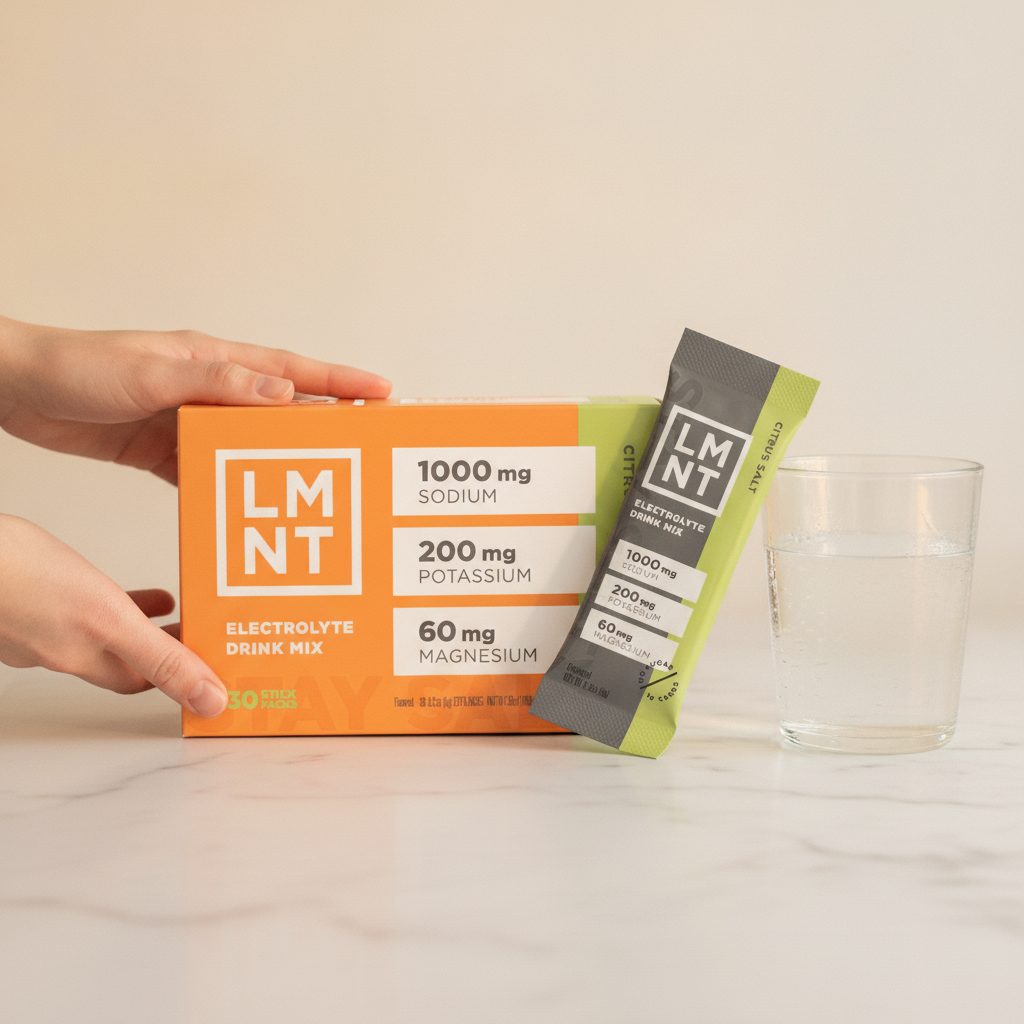
| LMNT | 1,000mg | 200mg | from £2.00 |
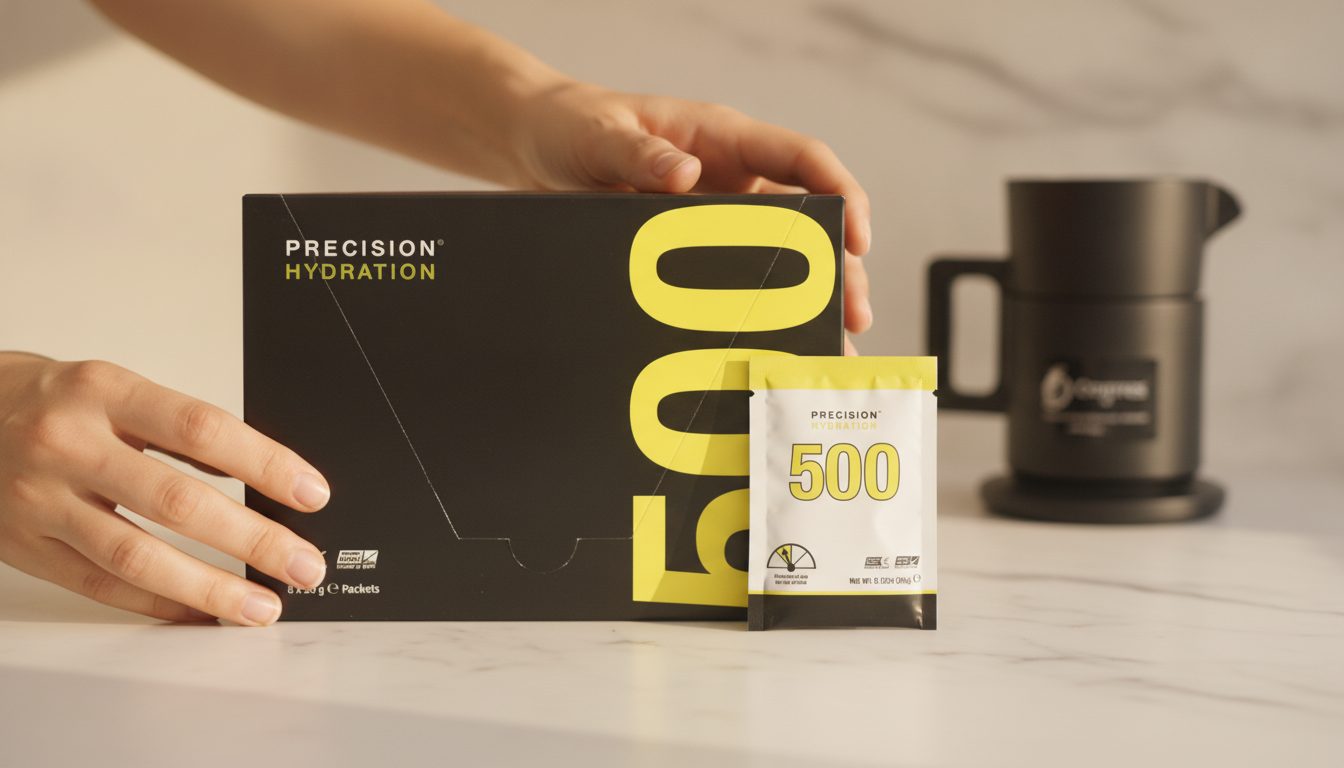
| Precision Fuel & Hydration PF 1500 | 1,500mg | 150mg | from £1.80 |
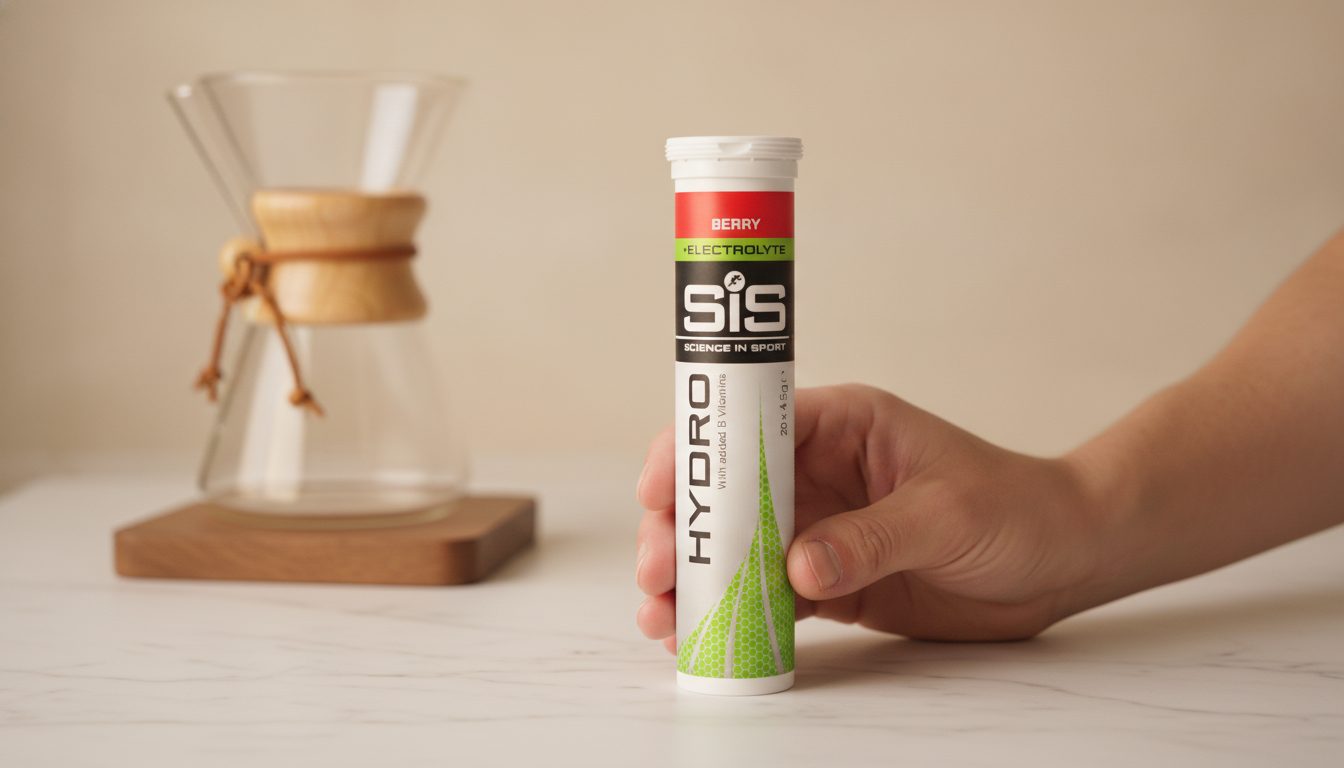
| SiS GO Hydro | 490mg | 150mg | from £0.80 |
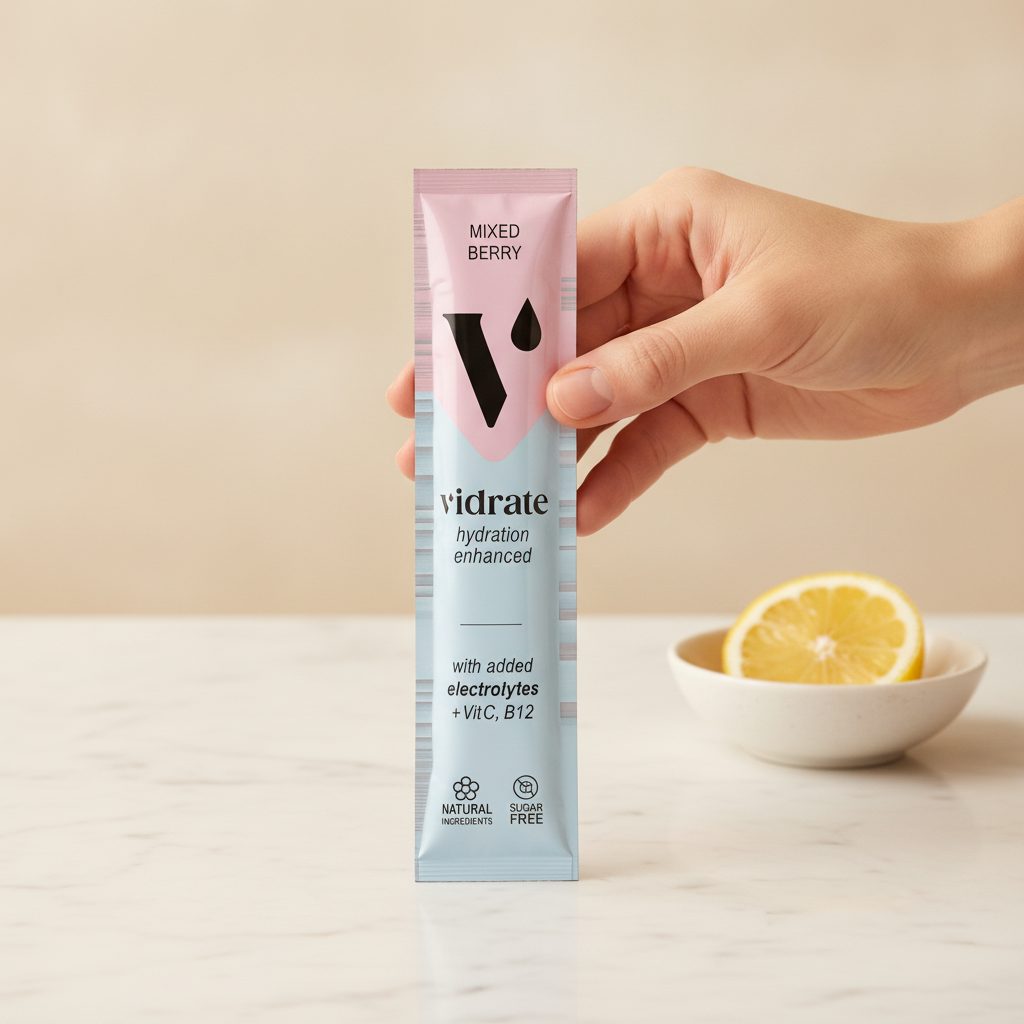
| ViDrate | 330mg | 100mg | from £1.00 |
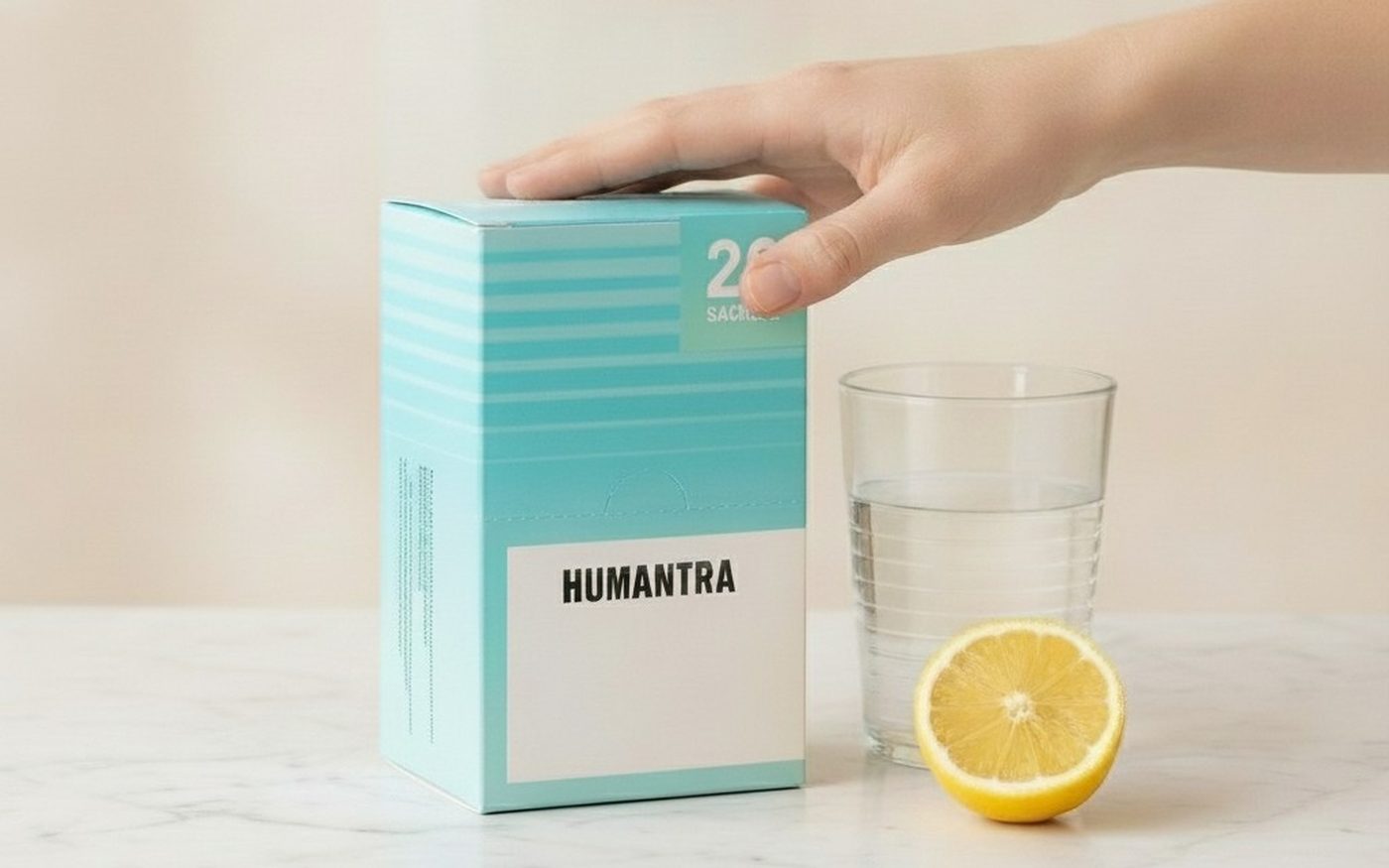
| Humantra | 280mg | 110mg | from £1.10 |
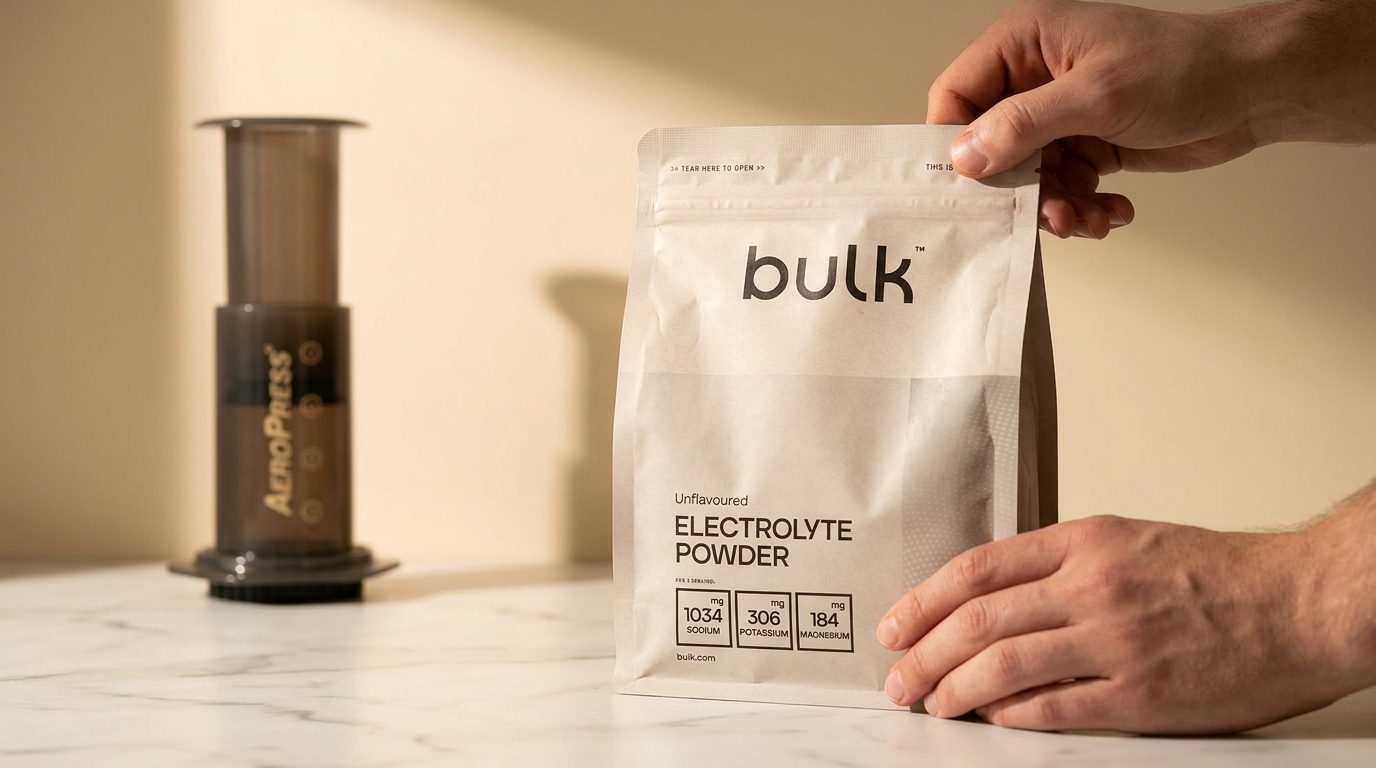
| Bulk Electrolyte Powder | 240mg | 190mg | from £0.45 |
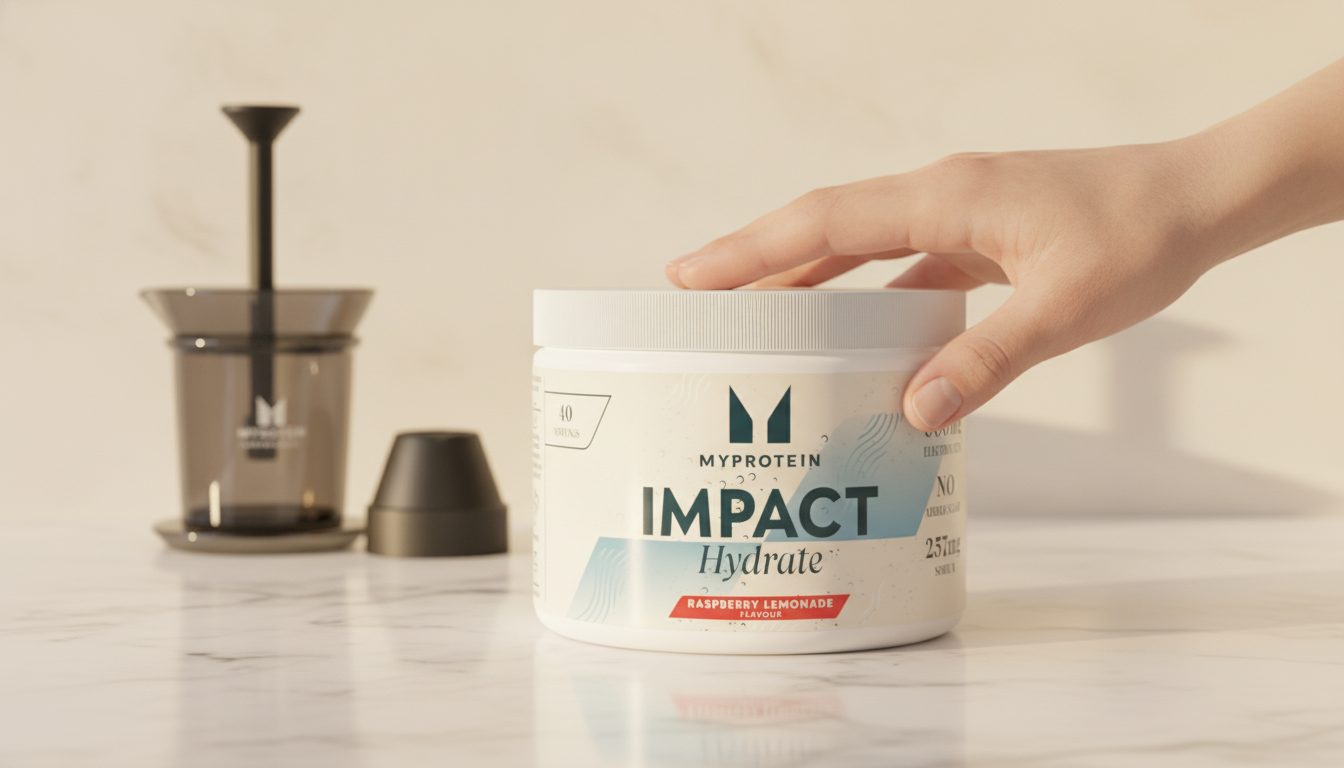
| Myprotein Electrolyte Powder | 230mg | 180mg | from £0.40 |
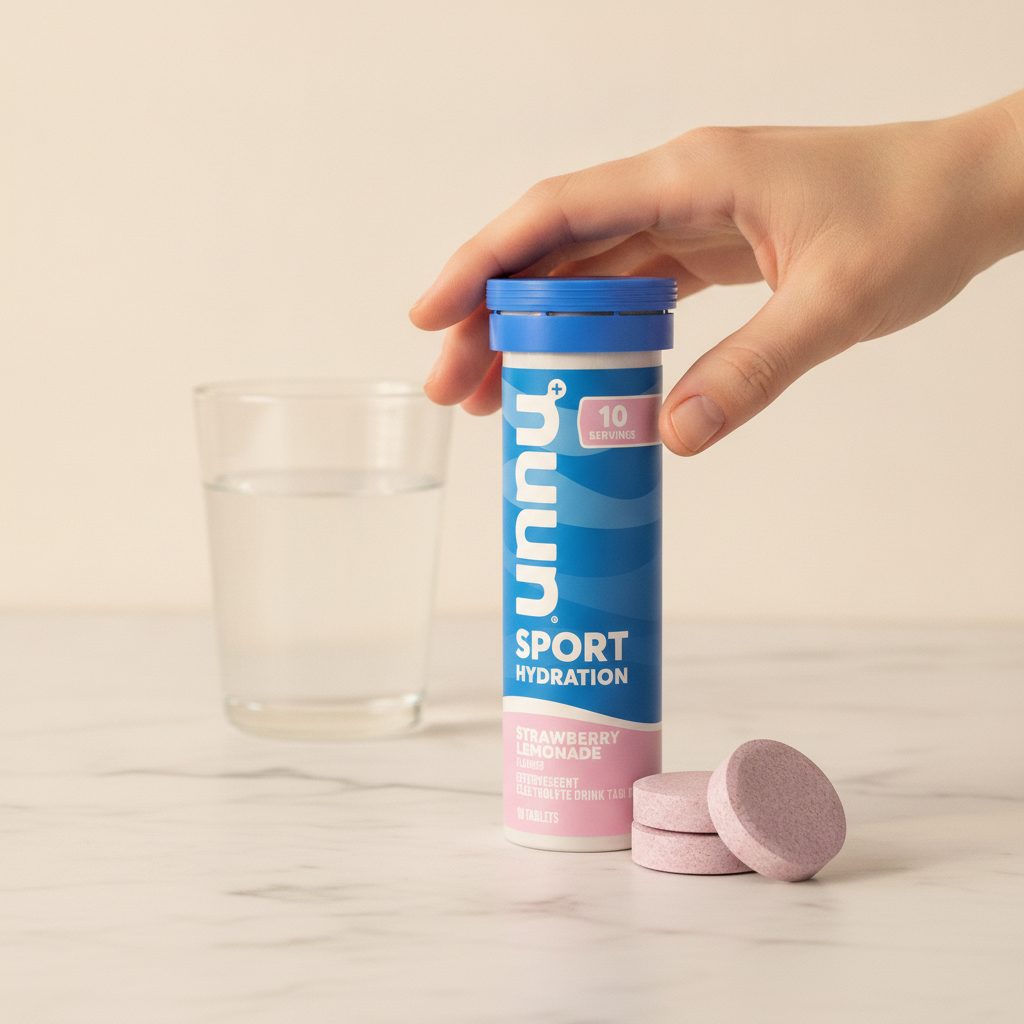
| Nuun Hydration tablets | 300mg | 150mg | from £0.70 |
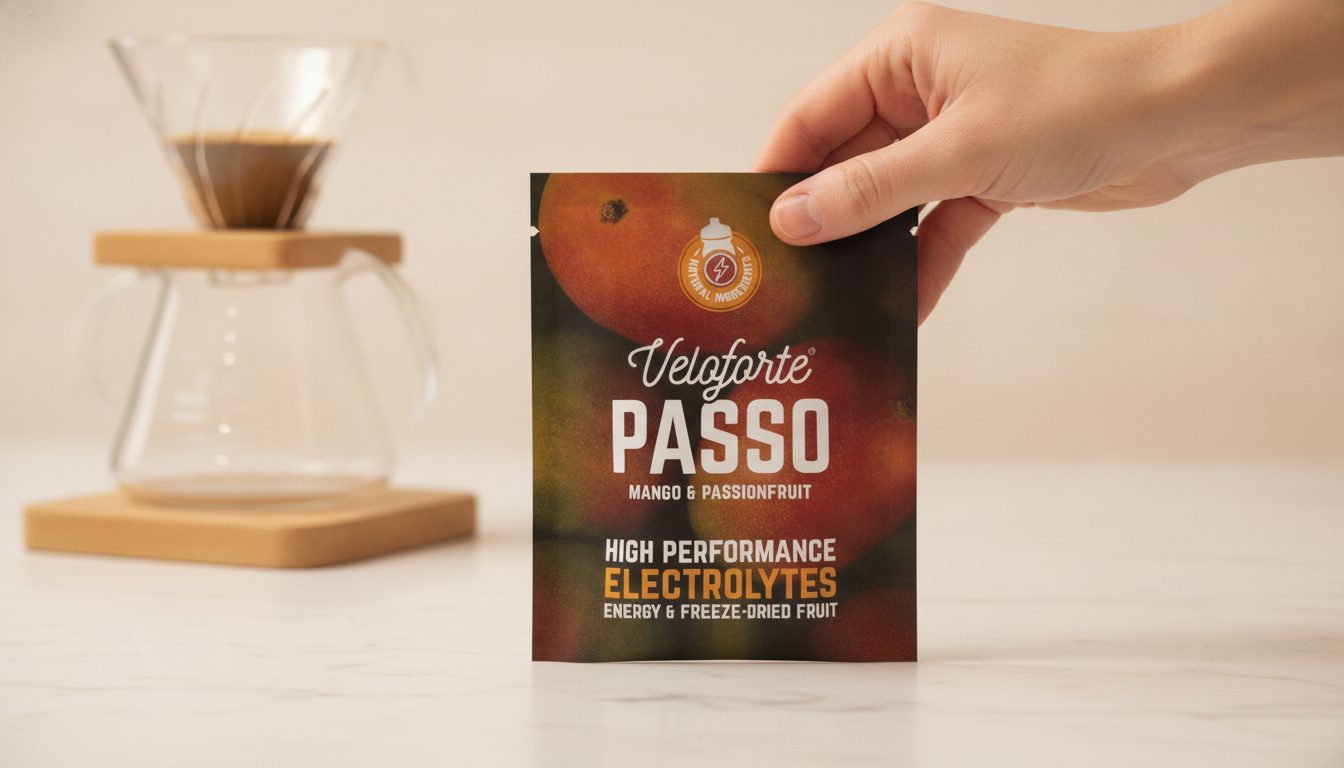
| Veloforte Vivo | 375mg | 150mg | from £1.40 |
| DIY mix (table salt + Lo-Salt) | 500mg | 400mg | under £0.10 |
LMNT's 1,000mg sodium per serving is appropriate for marathon training and excessive for a Tuesday. More is not better here. It is physiology, not marketing.
When to pay for the branded format: you need precise magnesium alongside sodium and potassium; you travel frequently and need sachets; the flavour makes you actually drink enough fluid (compliance matters); you are in a clinical context (GLP-1, keto adaptation) where the measured doses are the point.
When the DIY route wins: you are a moderate exerciser supplementing as a precaution; cost is a consideration; you already buy Lo-Salt and magnesium for other uses.
Is Daily Use Safe? The Sodium Question
Most electrolyte marketing glosses over sodium. Let me not do that.
The EFSA dietary reference values for sodium set an adequate intake of 2,000mg sodium per day for adults. UK adults currently consume an average of 8.4g salt (~3,360mg sodium) per day from diet alone (NHS data), well above the recommended maximum of 6g salt (~2,400mg sodium).
Adding a daily high-sodium electrolyte supplement on top of an already sodium-heavy diet is not neutral. For healthy adults with normal kidney function exercising intensely in heat, the extra sodium is processed without issue. For people with hypertension, heart failure, kidney disease, or any condition that affects fluid regulation, adding 1,000mg sodium per day from a supplement is something to discuss with a GP or registered dietitian first.
The precautionary position is sensible: if you do not have a clear physiological need for electrolyte supplementation (endurance sport, keto adaptation, GLP-1 side effects, illness), the additional sodium load from daily supplementation is not risk-free and not necessary. Choose a lower-sodium product (240-400mg per serving) if you are supplementing for general wellness rather than a specific physiological context.
Magnesium is the electrolyte where genuine deficiency is most common in the UK population, more so than sodium. It is worth checking whether your diet covers the recommended 300mg (men) or 270mg (women) daily from food before reaching for any electrolyte supplement.
How to Choose an Electrolyte Product
If you have worked through the use cases above and decided a product is right for you, here is what to look for.
Prioritise the ratio, not the marketing claim. Look at the sodium per serving first. Match it to your use case: 500-1,000mg for endurance sessions lasting 90+ minutes; 200-400mg for general wellness or moderate activity; 1,000mg+ only if prescribed or advised by a sports dietitian for extreme endurance events.
Check the potassium and magnesium, not just sodium. Many budget products skimp on potassium. Aim for at least 100mg potassium per serving. Magnesium above 50mg elemental per serving is a bonus for recovery.
Avoid artificial sweeteners if gut sensitivity is a concern. Some research links sucralose and acesulfame potassium to altered gut microbiome composition; the evidence is not conclusive, but if you are taking electrolytes for GI recovery or are sensitive to artificial sweeteners, choose a stevia-sweetened or naturally flavoured product.
UK-available shortlist for the most common use cases:
- Endurance sport (90+ min, high sweat): SiS GO Hydro or Precision Fuel & Hydration PF 500/1500
- Keto adaptation: LMNT or a DIY mix with Lo-Salt + magnesium
- GLP-1 (Mounjaro/Wegovy) support: Humantra or ViDrate (moderate sodium, easily tolerated)
- General wellness or moderate exercise: Bulk, Myprotein, or the DIY mix
- Illness / acute rehydration: Dioralyte (pharmacy aisle), not sports supplements
A full ranked comparison with scores, third-party testing data, and affiliate links is in our dedicated best electrolytes UK guide, which publishes alongside the children of this cluster.
Reference Tables and DIY Recipe Card
Electrolyte Function Reference
| Electrolyte | Primary function | UK recommended intake (adults) | Top food sources |
|---|---|---|---|
| Sodium | Fluid balance, nerve and muscle function | Max 6g salt/day (~2,400mg sodium; EFSA adequate intake 2,000mg sodium/day) | Table salt, bread, cheese, processed meats |
| Potassium | Muscle contraction, blood pressure, heart rhythm | 3,500mg/day (NHS) | Bananas, avocado, potatoes, spinach, white beans |
| Magnesium | Energy metabolism, muscle recovery, sleep, bone health | 300mg/day (men), 270mg/day (women) | Pumpkin seeds, almonds, dark chocolate, spinach |
| Calcium | Bone mineralisation, nerve signalling, blood clotting | 700mg/day (adults) | Dairy, fortified plant milks, tinned sardines with bones |
Sources: NHS electrolyte test reference; EFSA sodium dietary reference values; MedlinePlus electrolytes overview
DIY Electrolyte Drink Recipe Card
Makes: 500ml | Cost: under £0.10 per serving
Ingredients:
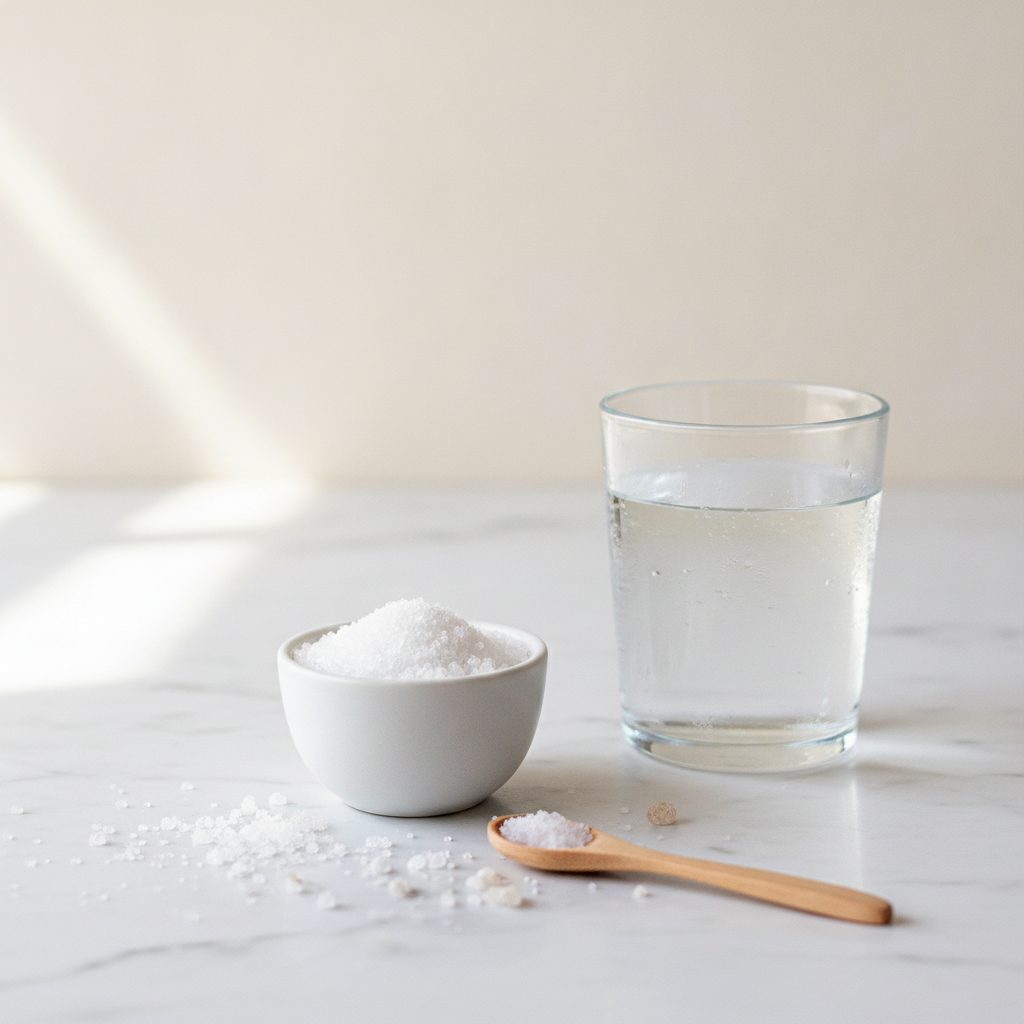
- 500ml cold water
- 1/4 tsp table salt (approx 500mg sodium)
- 1/4 tsp Lo-Salt (potassium chloride substitute, approx 400mg potassium) - available in most UK supermarkets
- Juice of 1/2 lemon or lime (flavour + trace vitamin C)
- Optional: 1/4 tsp magnesium glycinate powder (approx 100mg elemental magnesium)
- Optional: a few drops of liquid stevia if you prefer a mild sweetness
Method: Combine all ingredients in a glass or bottle. Stir or shake until the salt dissolves fully. Drink within 24 hours if stored in the fridge.
- Lo-Salt is available at Tesco, Sainsbury's, and Waitrose for approximately £1.80 per 350g tub. One tub provides around 300 servings.
- This recipe delivers a sodium-to-potassium ratio similar to most mid-range branded electrolyte powders.
- For acute illness, use a pharmacy oral rehydration salt (ORS) such as Dioralyte rather than this recipe. The glucose-to-sodium ratio in ORS products is calibrated for intestinal absorption during GI illness.

Per-Serving Comparison (UK market, June 2026)
| Product | Sodium | Potassium | Magnesium | Price/serving | Sugar-free |
|---|---|---|---|---|---|
| LMNT | 1,000mg | 200mg | 60mg | from £2.00 | Yes |
| Precision Fuel & Hydration PF 1500 | 1,500mg | 150mg | 0mg | from £1.80 | Yes |
| SiS GO Hydro | 490mg | 150mg | 0mg | from £0.80 | Yes |
| Veloforte Vivo | 375mg | 150mg | 56mg | from £1.40 | Yes (natural) |
| Nuun Hydration | 300mg | 150mg | 25mg | from £0.70 | Yes |
| ViDrate | 330mg | 100mg | 37mg | from £1.00 | Yes |
| Humantra | 280mg | 110mg | 32mg | from £1.10 | Yes |
| Bulk Electrolyte Powder | 240mg | 190mg | 56mg | from £0.45 | Yes |
| Myprotein Electrolyte Powder | 230mg | 180mg | 40mg | from £0.40 | Yes |
| DIY mix | 500mg | 400mg | 100mg (with Mg) | under £0.10 | Yes |
Prices verified June 2026 from brand websites and major UK retailers. Prices subject to change.

Frequently Asked Questions
Do you actually need to take electrolytes every day?
Most people do not. For a healthy adult eating a balanced diet and exercising moderately, food covers electrolyte requirements without supplementation. Daily electrolyte supplements are justified for people doing sustained endurance training, those in the early stages of ketogenic eating or fasting, and people on GLP-1 medications experiencing reduced appetite or GI side effects. For everyone else, water and a varied diet are sufficient.
What are the main electrolytes and what do they do?
The four that matter most are sodium (fluid balance and nerve signalling), potassium (muscle contraction and blood pressure), magnesium (energy production and muscle recovery), and calcium (bone structure and nerve function). You lose all four through sweat, though sodium is lost in the greatest quantity. Magnesium is often the more clinically relevant gap in the UK diet, where deficiency is common.
Are electrolyte powders safe to drink daily?
For healthy adults with normal kidney function, low-to-moderate sodium electrolyte products are generally safe for daily use. The real concern is cumulative sodium: UK adults already average 8.4g salt (about 3,360mg sodium) a day from food, so adding 1,000mg on top is not neutral for everyone. If you have hypertension, kidney disease, or heart failure, check with your GP first. Choose under 400mg sodium per serving for general wellness use.
Do you need electrolytes on keto or while fasting?
Yes, during the adaptation phase. When carbohydrate intake drops sharply, insulin falls and the kidneys excrete more sodium and potassium - the physiological mechanism behind keto flu: headaches, fatigue, cramps. Supplementing sodium (500-1,000mg), potassium, and magnesium during the first three to six weeks reliably reduces these symptoms. Once fat-adapted on a whole-food ketogenic diet, dietary sources often cover requirements and supplementation can reduce.
Should you take electrolytes on Mounjaro or other GLP-1 medication?
GLP-1 medications significantly reduce appetite, and many people get GI side effects (nausea, reduced food intake), particularly in the early weeks. Both lower electrolyte levels. The evidence specific to GLP-1 and electrolyte supplementation is still developing, but the mechanism supports targeted use if your food intake is substantially reduced. A moderate-sodium product (200-400mg per serving) alongside adequate fluids is a reasonable start - check doses with your prescriber.
Does coffee dehydrate you or deplete your electrolytes?
Not meaningfully at moderate intake. A 2014 randomised controlled trial (Killer et al., PLOS ONE) found no evidence of dehydration in regular coffee drinkers having four cups a day versus water alone. Coffee is a mild diuretic, but the fluid it delivers compensates, and habitual drinkers develop partial tolerance to the diuretic effect. Two to four cups daily do not warrant electrolyte supplementation for hydration.
What drinks are high in electrolytes?
Natural sources include coconut water (high potassium, lower sodium), dairy milk (calcium, potassium, sodium), and vegetable juices (variable, often high potassium). Among formulated drinks, Precision Fuel & Hydration, LMNT, and SiS GO Hydro carry the highest sodium per serving in the UK market. For a whole-food approach without supplements, avocado, bananas, leafy greens, dairy or fortified plant alternatives, and normal dietary sodium cover most people's needs.
How do you make your own electrolyte drink at home?
Mix 500ml of water with 1/4 teaspoon of table salt (around 500mg sodium), 1/4 teaspoon of Lo-Salt potassium chloride substitute (around 400mg potassium), and a squeeze of lemon or lime. Add 1/4 teaspoon of magnesium glycinate powder if you have it. This gives a comparable sodium and potassium profile to most mid-range electrolyte products at under 10 pence a serving. Full recipe sourcing is in the reference section below.
How long do you need to exercise before you need electrolytes?
Under an hour of moderate exercise, water alone is usually enough for most people, since sweat losses are small and normal food covers the sodium lost. Past 60-90 minutes, especially in heat or with heavy sweating, electrolyte replacement becomes more useful, because sodium losses start to outpace what a typical diet replaces during the session itself.
What are the signs of an electrolyte imbalance?
Common signs include muscle cramps, fatigue, headache, dizziness, and heart palpitations, though these overlap with plain dehydration and are easy to misattribute. More sodium-specific signs are confusion and swelling; low potassium can cause muscle weakness or an irregular heartbeat. Persistent or severe symptoms, especially palpitations or confusion, warrant a GP visit rather than self-treating with a supplement.

A registered Nutritional Therapist and member of BANT, Clemmie blends science with a holistic approach to wellbeing.