Three bad tins is the average before someone lands here. "I've been trying to make lattes with various culinary grade matchas, but they all turned out to be gray and bitter," one Reddit user wrote in r/MatchaEverything, and that sentence is the entire reason best matcha is such a difficult thing to search for in the US: the category has no household name, prices run from ten dollars to a hundred for tins that photograph identically, and the words "ceremonial" and "premium" appear on almost everything regardless of what is actually inside.
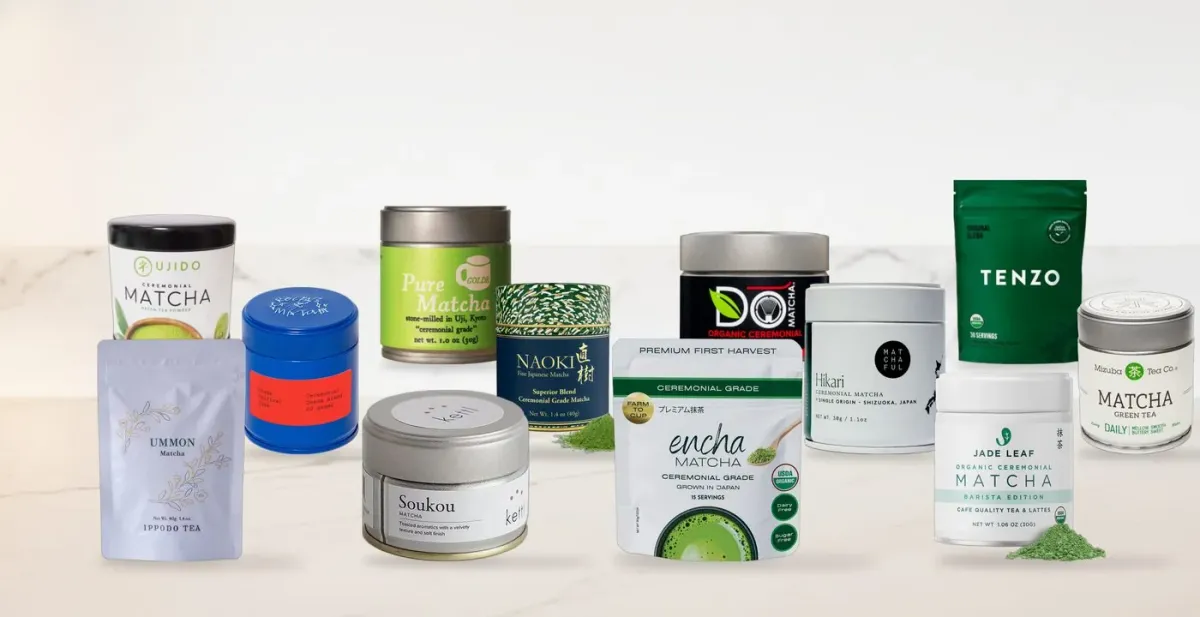
The best matcha for most US buyers in 2026 is Kettl, a Los Angeles importer that traces its stone-milled matcha to named growers in Uji and Kagoshima. Ippodo Tea earns the traditionalist's pick as a three-hundred-year-old Kyoto house, and Encha is the strongest organic option, having tested and passed California's strict Prop 65 lead limit. Every recommendation below is ranked on sourcing, grade, verified buyer reviews and true cost per gram, not tin size.
This guide ranks twelve brands shipped inside the United States, each checked against its own US store this month for price, pack size and stock. We assessed all twelve the same way, per the Editor Lab methodology below. If you are reading from the UK, our UK matcha rankings cover the brands and pricing that apply there instead.
“Editor's Insight: 12 US brands ranked on sourcing, grade, reviews, cost/gram vs own store this month. 2 of 12 affiliates - never moved a ranking.”
A beautiful tin and honestly good matcha are not reliably the same thing, and closing that gap is the point of this guide. I am Snita Pandoria, Head of Editorial at Balance Journal, and food and drink is the lane I have worked for fifteen years, first on my own site, Herfavfood, and now here. My reviewing rule has never changed in that time: name the price honestly, then say plainly whether the product is worth it.
For this ranking, I worked through twelve US matcha brands side by side on sourcing, grade, buyer reviews and price per gram. Herfavfood has taken me through more than thirty countries of food and drink coverage, and the pattern here is one I recognise: the gap between the cheapest passable tin and the best one is real, but nowhere near as wide as the price gap suggests.
One note on Balance Coffee, since Balance Journal covers it elsewhere on the site: Balance Coffee, the coffee company founded by James Bellis, does not currently sell matcha, so no Balance Coffee product appears anywhere in this ranking, and no affiliate relationship below changed a single position.
Here is what actual buyers said, good and bad, pulled directly from each brand's public reviews rather than tidied up for this article.
“Although I love this product, it's hard to purchase it when the shipping cost is almost the same as the cost of the matcha itself.”
Phoebe S., Jade Leaf Matcha on-site reviews
Those eight reviews cover four different brands and two of our own affiliate partners among them, Jade Leaf and Encha, and none of the criticism has been softened or removed. A ranking that only shows you the flattering quotes is not a ranking you should trust.
The three brands above separate themselves from the other nine on the same three things: traceable leaf, a stone-milled grind, and a paper trail behind the claims on the tin. Kettl and Ippodo both source single-cultivar leaf from named Uji-region farms rather than a blended lot, so you know which hillside your tin actually came from. Encha earns its slot for testing its matcha against California's Prop 65 lead limit and passing, a bar most of this category never even mentions.
The Best Matcha Brands in the US, Ranked
Detailed Reviews: 12 US Brands Ranked
1. Kettl - Best Overall
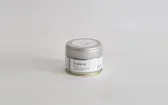
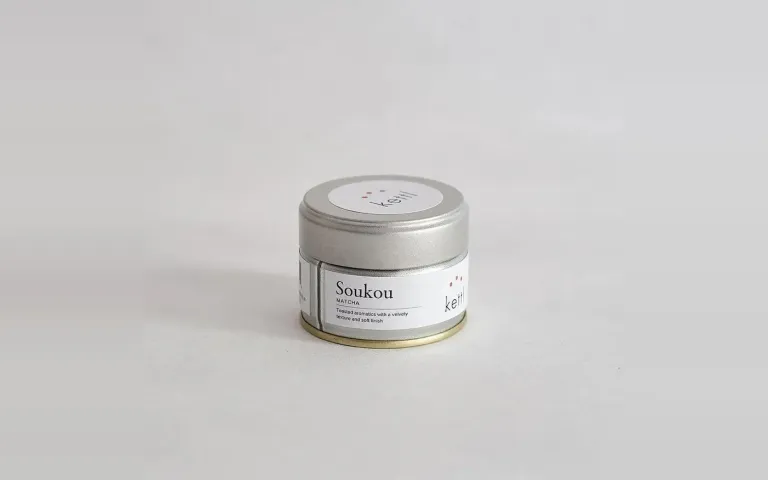
Kettl traces every tin to a named grower in Uji or Kagoshima. Hakusan (40g) is in stock at $45.00; Soukou (20g) at $26.00, $1.30 per gram, is the one we would point you toward first, though as of today it is sold out on Kettl's own store - worth a stock alert if you want that specific tin.
If you already own a bamboo whisk from a cheaper brand, it works fine here: nothing about Kettl demands new equipment, only patience with the two-gram measure. While Soukou is out of stock, Hakusan is the tin we would point you toward instead, in stock now at the price above.
“Kettl is the tin I point readers to when they want matcha that is properly good rather than well marketed.”
Evaluation Criteria
Our Findings
Full review
Kettl Review (brief in progress)
Best for
Buyers who want single-farm traceability without a Kyoto tea house price
Flagship product
Soukou Matcha (20g), $26.00, our recommended everyday tin - currently sold out on Kettl's own store; Hakusan Matcha (40g), $45.00, in stock
Shop
Shop Kettl, Soukou from $26.00 (sold out) or Hakusan from $45.00 (in stock)
2. Ippodo Tea (USA) - Best Traditional Kyoto Matcha
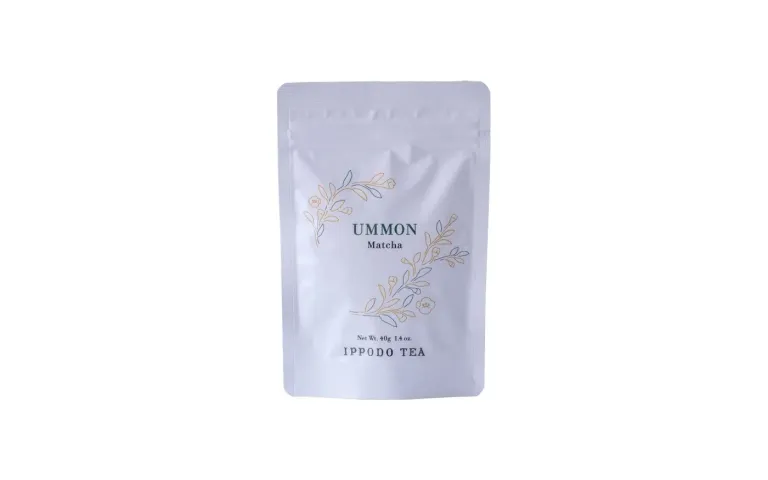
Operating out of Kyoto since 1717, Ippodo is the reference point every other brand here is compared to. Ummon is the mid-tier blend ranked here. At $81.00 for 40g, just over $2.00 per gram, it is the most expensive tin here: the premium reference point, not your everyday tin.
Ippodo sells tiers below Ummon, and if the price here stops you, its entry blends come from the same house at a noticeably lower cost per gram. What you are actually paying for at this tier is consistency: three centuries of the same cultivars and the same stone mills. Keep it in a cool, dark cupboard rather than the fridge door, where temperature swings dull the colour faster than anywhere else.
“Ippodo is the category's original template - it should be, given three centuries to get the process right.”
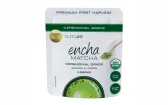
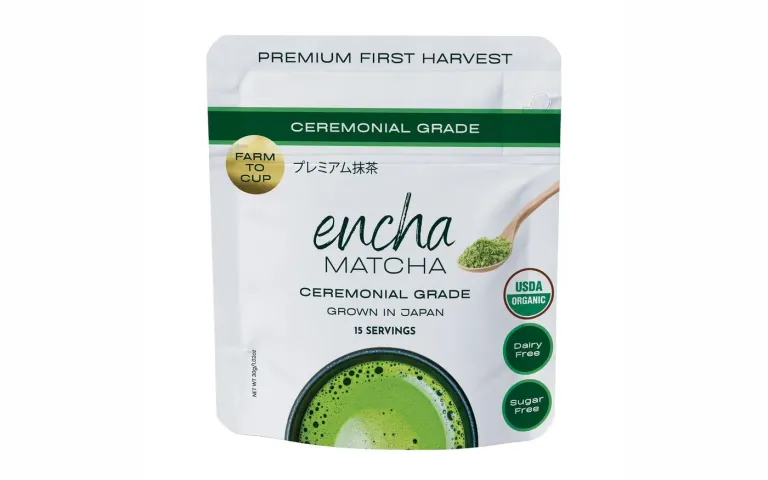
A lead limit of 0.5 parts per million is what California's Prop 65 sets for food sold in the state, and Encha can tell you, plainly, it tested its matcha against that number and passed, rather than printing a certification logo and hoping you do not ask. It is also USDA Organic certified. At $19.99 for 30g, $0.67 per gram, it undercuts almost everything here; its own reviews above show popular sizes go out of stock for months.
That stock problem is worth weighing against the price: if you rely on Encha as your everyday tin, order before you run out rather than after, since the popular size has gone dark for months at a time this year. The organic certification and the Prop 65 result are not the same claim, and Encha is one of the few brands here that bothers to hold both rather than leaning on one to imply the other.
“Encha earns its place on tested evidence: checked against California's Prop 65 lead limit and confirmed compliant, undercutting rivals proving less.”
Evaluation Criteria
Our Findings
Full review
Encha Review (brief in progress)
Best for
Buyers who want an organic, lab-tested matcha at a fair price
4. Jade Leaf Matcha - Best Value for Everyday Lattes
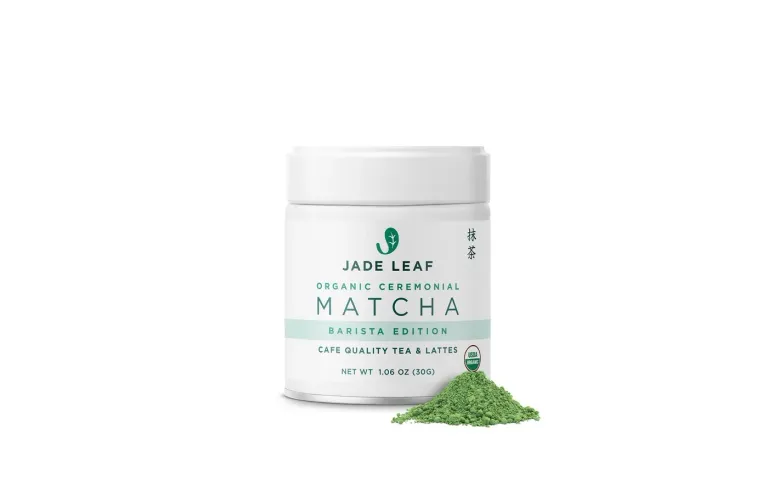
Jade Leaf's Barista Edition has one job: disappearing into your milk without turning grey or bitter. Its own reviews, quoted above, flag batch inconsistency and shipping costs that can rival the tin's price. Order the 30g at $22.99, $0.77 per gram; its ten percent affiliate commission never moved this fourth-place ranking.
The batch inconsistency in the reviews above is worth knowing before you commit. If shipping cost is the sticking point for you, buying two tins at once spreads that flat fee over double the matcha, which is the only workaround available on a brand this size. Jade Leaf remains one of the easiest tins on this list to find on US shelves as well as online, which matters if you would rather not wait for delivery.
“Jade Leaf is built for the one job a latte matcha needs to do: sit under milk at a price you can afford to drink daily.”
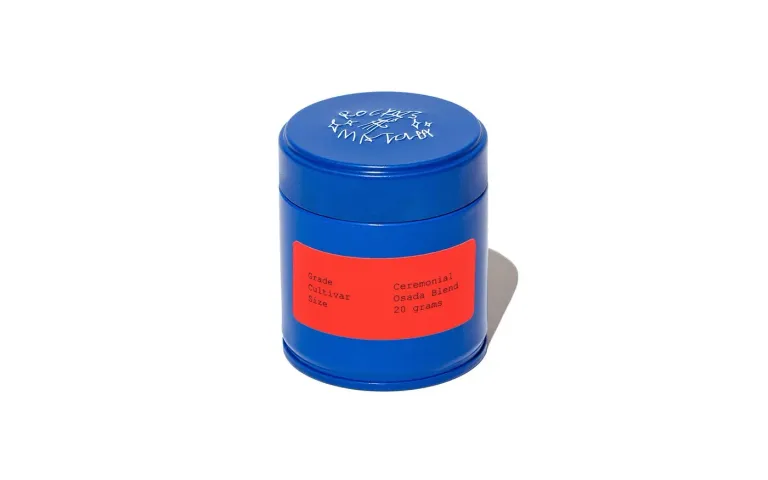
Type "best matcha" into Google and Rocky's Matcha turns up in the organic results before some bigger names here, which tells you something. The Osada Ceremonial Blend is the tin to look for. The honest problem is availability: the 100g tin has been out of stock all year, and the 20g, now $20.00 rather than $15.00, works out at $1.00 per gram. If you find the 100g in stock, buy it.
That price rise from $15.00 to $20.00 on the 20g tin tracks the wider shortage rather than a quality change. Set a stock alert on the 100g size if you want the better per-gram price, since it tends to reappear briefly before selling out again within days.
“Rocky's is well regarded, but a restock problem makes it a poor choice for anyone who wants the same tin every month.”
Evaluation Criteria
Our Findings
Full review
Rocky's Matcha Review (brief in progress)
Best for
Buyers who can tolerate a restock wait for a single-cultivar matcha
Flagship product
Osada Ceremonial Blend Matcha (20g), $20.00; 100g size currently out of stock
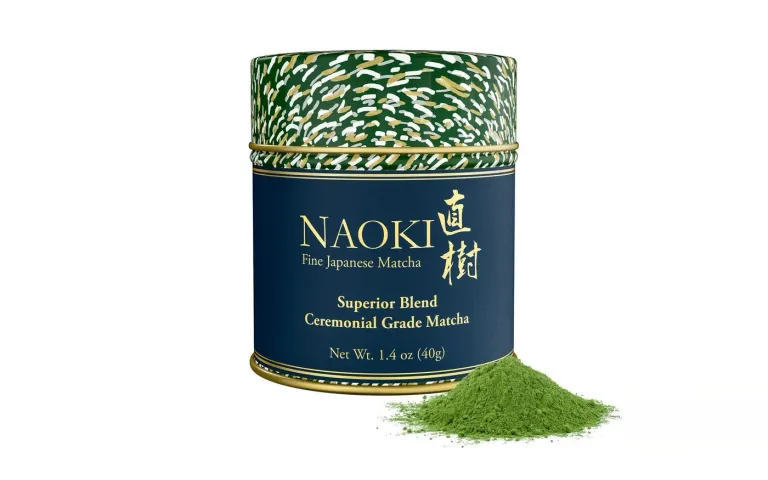
Naoki's Superior Blend is where we would send you if you have only had supermarket culinary-grade matcha, without Ippodo money. At $24.99 for roughly forty grams, it costs $0.63 per gram. One buyer, quoted above, noted the barista blend can look duller than Naoki's other lines, worth knowing before you order.
Stick with the Superior Blend rather than the barista line if colour matters to you, since the duller shade the reviewer above flagged is specific to that one product, not the range as a whole. If you want a matcha your household can drink daily without a second thought about cost, this is the tin we would restock first.
“Naoki's Superior Blend is the honest bridge between supermarket matcha and the real thing, priced so a first attempt doesn't feel like a gamble.”
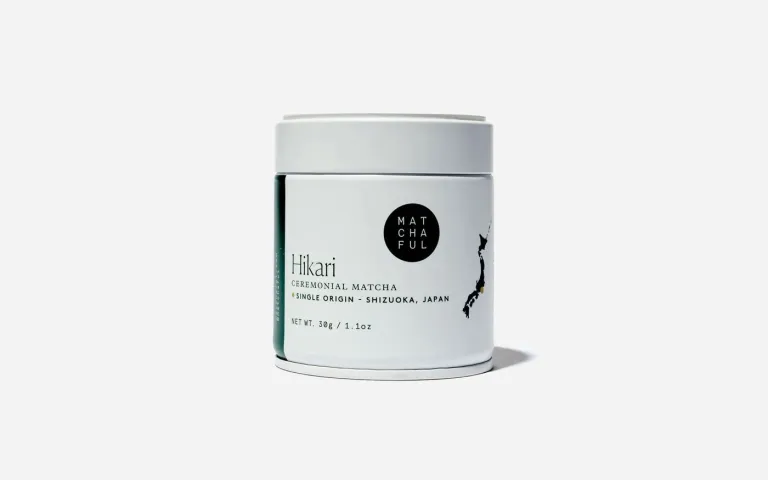
Every tin of Matchaful's Hikari comes from one named farm and one harvest, not several lots blended for consistency, which is why it can vary tin to tin: some buyers want that, others find it inconsistent. At $79.00 for 100g, $0.79 per gram, it is cheaper than several house blends further up this list, Ippodo among them.
If tin-to-tin variation bothers you, buy two tins from the same production run rather than restocking months apart, since Matchaful lists the harvest date on the label and it is worth checking before you order. What you get in exchange for that variation is a single traceable farm, not a blended lot standing in for one; few brands on this list can say the same. We would point new matcha drinkers elsewhere first and save Hikari for once you already know what you like.
“Single-origin matcha rewards the buyer who wants to taste a harvest rather than a formula, and Hikari delivers without Ippodo money.”
Evaluation Criteria
Our Findings
Full review
Matchaful Review (brief in progress)
Best for
Buyers who want an actual single-origin matcha rather than a blended house style
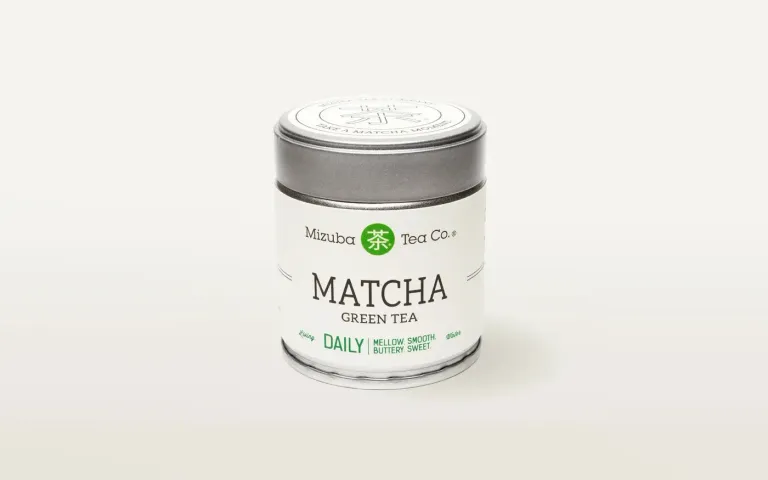
A Portland, Oregon importer working directly with Uji growers, Mizuba built Daily Matcha to be exactly that: an everyday tin for volume use. At $25.00 for 40g, $0.63 per gram, it is tied for one of the cheaper tins here despite none of Ippodo or Kettl's name recognition, and it reaches you from a US base shipping worldwide.
Mizuba is worth a look if you want the direct-import model Kettl built its name on, at closer to a third of the price. Being US-based cuts the shipping delay other imported tins on this list carry, so if you are restocking in a hurry, this is one of the faster options.
“Mizuba's Daily Matcha is unpretentious, proof a small US importer working direct with Uji growers can compete with the big names on sourcing.”
Evaluation Criteria
Our Findings
Full review
Mizuba Tea Co Review (brief in progress)
Best for
Everyday drinkers who want direct-import quality without a premium price
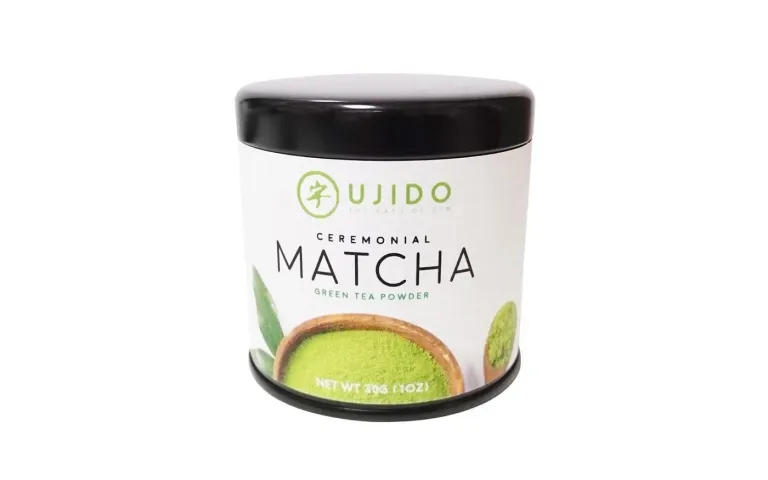
Ujido keeps coming up by name in matcha forums, and its price per gram explains why. At $24.99 for roughly fifty-seven grams, $0.44 per gram, it is the cheapest here. It is not single-cultivar matcha, but for a daily tin, it is the best value here by a real margin.
At this price, buy the larger size if your household drinks matcha daily; the per-gram saving only grows the more you use. If you are new to matcha and unsure whether you will keep drinking it, Ujido is the low-risk way to find out.
“Ujido proves the cheapest tin here does not have to be worst: ceremonial-grade at half the per-gram price of most brands.”
Evaluation Criteria
Our Findings
Full review
Ujido Review (brief in progress)
Best for
Budget-conscious daily drinkers who still want a properly ceremonial-grade profile
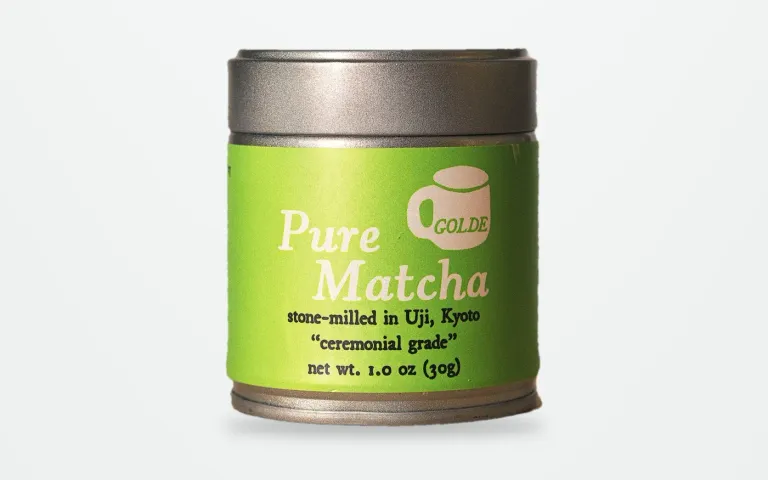
Already deep in Golde's wellness ecosystem and want a matcha that matches it? Pure Matcha is a latte-first blend, made to sit under your oat milk rather than be drunk straight. At $39.00 for 30g, $1.30 per gram, that is the same price as Kettl's everyday Soukou, for an accessible daily powder, not a premium single-cultivar tea. That is a design-led price, not a leaf-quality one, worth knowing before you compare it to Ujido or Jade Leaf.
Golde positions Pure Matcha for milk rather than drinking straight, so skip it if you want a tin that also works as a bowl of usucha. You are paying in part for the packaging and the brand's wider wellness range sitting next to it on a shelf, and that is a fair trade only if those other products already matter to you. For the same latte job at a third of the price, Ujido or Jade Leaf do it with less ceremony.
“Golde is built for milk, but the price sits in Kyoto tea house territory for an everyday latte blend, worth knowing.”
Evaluation Criteria
Our Findings
Full review
Golde Review (brief in progress)
Best for
Buyers already inside Golde's wellness ecosystem who want a matching matcha
11. DoMatcha - Best for a Traditional Koicha-Style Bowl
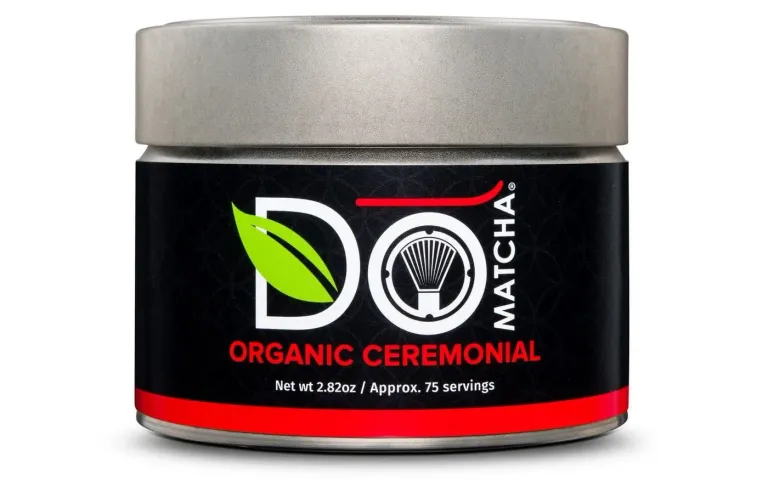
Want a thick, traditional koicha-style bowl rather than a latte? DoMatcha's Ceremonial Organic is pitched at exactly that bowl, and it is USDA Organic. Worth stating plainly, since the packaging will not tell you: DoMatcha ships in USD from a .com domain, but the company is Canadian. That reaches you in the US without friction, but it is not the American brand its branding implies. At $33.24 for roughly twenty-eight grams, that works out at $1.17 per gram.
Because DoMatcha is Canadian rather than American despite its US-facing store, you should not expect the same day-to-day restocking rhythm US-based importers on this list keep; order a little ahead of running out rather than after. As a koicha-style tin, it is not the one to reach for if you want something mellow under your milk; Golde and Tenzo are built for that job. At $1.17 per gram it sits mid-table on price, not the bargain you might expect from a lesser-known name.
“DoMatcha is the tin to reach for when you want a thick, koicha-style bowl, even if the packaging implies an American company it actually isn't.”
Evaluation Criteria
Our Findings
Full review
DoMatcha Review (brief in progress)
Best for
Buyers who want a traditional, thick koicha-style bowl rather than a latte matcha
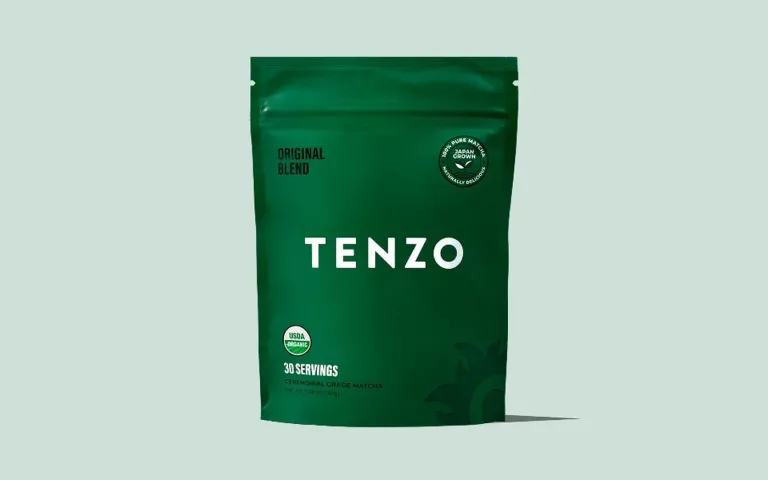
Tenzo built its brand around convenience: the Original Blend is priced and packaged for your daily latte rather than a slow, deliberate bowl. Since we first scoped this ranking, Tenzo has moved from gram weight to serving counts, thirty servings for $19.99, roughly sixty-seven cents a serving, a fair everyday price. That makes it the one brand here you cannot place on the gram-for-gram ladder, worth knowing before you subscribe.
The switch to servings instead of grams makes Tenzo the easiest tin on this list to budget against if you drink one cup a day and want a fixed monthly cost rather than a per-gram calculation. It will not satisfy you if you want to weigh out a precise two grams for a stronger cup, since the pre-measured scoop is built for convenience over control. Tenzo is built for drinking under milk, which is where it earns its Best Subscription pick.
“Tenzo's serving pricing works out fairly at roughly sixty-seven cents a cup, but it's the one brand you can't line up gram for gram here.”
Evaluation Criteria
Our Findings
Full review
Tenzo Review (brief in progress)
Best for
Subscription drinkers who want a consistent daily latte matcha
Shade-grown tea is where true matcha begins: growers cover the bushes with cloth for weeks, cutting sunlight to the leaf. That stress pushes more chlorophyll and more L-theanine, the calming amino acid behind matcha's alertness. Skip the shade cloth, and the cup turns flatter and greyer.
First-harvest, or ichibancha, leaf comes from the season's earliest spring picking. It is sweeter and less astringent, and it is the leaf every premium tin here, Kettl and Ippodo included, is built from.
Stone-milling uses granite mills turning slowly enough that the leaf never heats up, producing a fine, silky powder that dissolves fast.
Single cultivar versus blend is worth understanding before you buy. A single-cultivar matcha, like Matchaful's Hikari, tastes distinctly of its one harvest. A blended matcha, most tins here, mixes cultivars for a consistent flavour.
Uji and Nishio are the two Japanese regions supplying most US matcha. Uji, near Kyoto, is the historic origin and the source for Kettl, Ippodo and others here. Nishio, in Aichi prefecture, tends grassier.
Water temperature decides whether a good tin actually tastes good in your cup. Anything above roughly 175°F scalds the amino acids that give matcha its sweetness and pulls extra bitterness out instead, which is why any matcha tastes worse brewed with boiling water straight off the kettle.
Storage after opening matters more than you would expect from a product that looks like it keeps forever. Matcha oxidises once the tin is open, fading from vivid green toward khaki within four to six weeks at room temperature, so a sealed, opaque container kept away from direct light slows that fade. The fridge only helps if your tin is fully airtight, since moisture does more damage to matcha than warmth does.
How We Assessed
Every tin here was priced directly from the brand's own US store, so the price shown is what you would pay today. Each brand was assessed on sourcing and farm traceability, grade, independent testing claims and verified buyer reviews.
Where buyer reviews and the brand's own guidance show how a tin suits drinking straight or as a latte, we say so, because a tin that impresses one way can disappoint the other. Price per gram was checked this month against each brand's own store.
A note for you on the evidence behind matcha's reputation as a wellness drink, since several of the brands above lean on it in their own marketing: the National Center for Complementary and Integrative Health notes green tea, and by extension matcha, contains catechins studied for antioxidant activity, while the evidence for specific health claims remains limited. We have not made medical claims anywhere in this guide, and if a tin's marketing promises more than that, treat it as a reason to look closer rather than a reason to buy.
Ceremonial, Culinary and Latte Grade Explained
Ceremonial grade matcha is the highest-quality tier, made from the youngest first-harvest leaves, stone-milled fine enough to drink with water alone. The fact worth remembering: "ceremonial grade" is not a regulated term in the US. Any brand can print it on any tin, and nobody checks.
Compare that to USDA Organic, a legally defined certification listed in the USDA's own organic rules and regulations, enforceable rather than whatever a brand decides it should mean.
Culinary grade matcha comes from later-harvest leaves, built to hold flavour against milk, sugar or baking heat.
Latte grade matcha is a newer, brand-invented tier for milk drinks, mellow enough not to fight the dairy or oat milk. Golde's Pure Matcha and Tenzo's Original Blend sit in this tier.
None of that stops a brand from marketing culinary-grade leaf as ceremonial, since nobody checks the claim before the tin ships. Price is the clearest tell you have: first-harvest, stone-milled ceremonial matcha rarely clears the market below roughly $0.60 per gram, worth remembering the next time a ten-dollar tin calls itself ceremonial.
For a deeper look at how ceremonial and culinary matcha are not interchangeable, our dedicated ceremonial versus culinary matcha guide covers the distinction in full.
How to Tell Good Matcha From Bad Before You Drink It
You can tell most of what you need to know about a matcha before you put it in your mouth, which matters given how many reviews above describe a grey, bitter latte discovered only after the tin was opened.
Colour is the fastest signal: vivid, almost fluorescent green. Dull or yellowish usually means older leaf or poor storage.
Grind fineness matters more than most buyers expect. Rub a pinch between your fingers; true stone-milled matcha feels like fine cosmetic powder, silky rather than gritty.
Aroma on opening should be sweet and grassy, never musty. A flat smell means the tin has been open too long.
Clumping during whisking signals coarse grinding; a well-milled matcha breaks apart almost immediately under a whisk.
The float test: sprinkle matcha onto room-temperature water without stirring. Fine powder sits briefly before slowly sinking; coarse powder clumps and sinks unevenly straight away.
Packaging tells you more than the label copy does. Good matcha ships in an opaque, resealable tin or foil pouch, never a clear jar or bag that lets light reach the leaf; if you can see the powder through the packaging on a store shelf, assume it has already started to fade before it even reaches your cupboard.
What Matcha Should Cost per Gram
Here is the price-per-gram ladder built from every tin in this ranking, checked directly against each brand's own store this month, cheapest to priciest.
Ujido leads at $0.44 per gram, followed by Mizuba and Naoki around $0.63, then Encha at $0.67, Jade Leaf at $0.77 and Matchaful at $0.79. From there it climbs: Rocky's at $1.00, Kettl's Hakusan at $1.13, DoMatcha at $1.17, Kettl's Soukou and Golde at $1.30, and Ippodo's Ummon at the top, just over $2.00. Tenzo sits outside this ladder, since it no longer publishes a gram weight.
Ippodo is the more refined tea. It is not five times more refined.
That $0.60 to $1.00 band is not a hard rule you should apply blindly, since Matchaful and Rocky's both sit inside it while offering meaningfully different things: one a single-origin harvest, the other a blend fighting a stock shortage. Use it as a sanity check on a brand you have not tried before, not a substitute for reading the individual review it belongs to above.
Where to Buy Matcha in the US Without Getting a Reseller
Many Amazon retailers do not say whether they are the actual brand or a reseller, a real worry with imported Japanese matcha.
Buying directly from a brand's own website guarantees you the freshness, stock and customer service a third-party listing cannot promise. Every brand here sells directly from its own US store, the link used throughout this article.
Amazon listings for Japanese matcha are often run by third-party sellers, sometimes a real reseller, sometimes old stock. If you do buy through Amazon, confirm the seller is the brand itself, and treat a price well below the brand's site as a signal to look closer, not a bargain.
A few signals separate a legitimate reseller from a risky one: check that the listing photographs match the current tin design on the brand's own site, confirm the seller name shown at your checkout matches the brand rather than a generic storefront, and read the most recent reviews specifically for complaints about staleness or tampering, not just star ratings. None of this takes more than the two minutes you would spend comparing prices anyway.
Which Matcha to Buy for How You Actually Drink It
If you drink it straight, prioritise Kettl, Ippodo or Rocky's Matcha; all three are positioned for drinking without milk.
If you are building a daily latte habit, Jade Leaf, Ujido or Golde fit best, and Ujido gives you the lowest price per gram here.
If you want it iced, Encha or Naoki make more sense than Ippodo, since ice mutes the subtlety you pay for in a premium tin.
If you are baking with it, reach for a culinary-grade tin, since the flavour needs to survive oven heat and sugar.
If you are buying for a shared household or as a gift, Naoki or Jade Leaf sit at a friendly price point.
If you are new to matcha entirely, start with Ujido or Naoki rather than Ippodo or Matchaful; a cheaper, more forgiving tin tells you whether you like matcha at all before you spend more to find out which style you prefer.
Matcha Maiden shows up constantly in US matcha discussions, but it is an Australian, AUD-priced brand with no US storefront, so it is not practically buyable here. We checked again this month and that remains true: no US-facing store, no USD pricing, and a shipping estimate from Australia that makes it a poor fit for this ranking's checked-this-month standard.
Ito En, the large Japanese beverage corporation, passes every purchasability check and sells matcha cheaply, but our standard for this category is specialty-grade, independent or craft matcha houses. If mainstream grocery-store matcha is what you actually want, Ito En is a reasonable starting point; it simply is not competing in the same category as the twelve brands ranked above.
Matcha.com, also known as Matcha Kari, is a credible US contender held in reserve rather than ranked this time; its affiliate page names no commission rate, so we could not confirm the terms. We will revisit it once those terms are published, since the product itself looks competitive enough to deserve a fair place on this list.
If you came here from our UK rankings, several brands there, Bird and Blend, OMGtea, KIKI Health, Clearspring, Teapigs, Vivid and Kenko among them, are UK-only stores with no US equivalent.
Full Comparison Table: All 12 Brands
Brand
Origin/Style
Grade
Pack Size
Price (USD)
Price/Gram
Where to Buy (US)
Kettl
Uji/Kagoshima, single-farm
Ceremonial
20g (Soukou) / 40g (Hakusan)
$26.00 / $45.00
$1.30 / $1.13
kettl.co
Ippodo Tea (USA)
Kyoto, house blend
Ceremonial
40g
$81.00
$2.03
ippodotea.com
Encha
Uji, USDA Organic
Ceremonial
30g
$19.99
$0.67
encha.com
Jade Leaf Matcha
Blend, USDA Organic
Ceremonial (barista)
30g
$22.99
$0.77
jadeleafmatcha.com
Rocky's Matcha
Single-cultivar blend
Ceremonial
20g
$20.00
$1.00
rockysmatcha.com
Naoki Matcha
Blend
Ceremonial
1.4oz (approx. 40g)
$24.99
$0.63
naokimatcha.com
Matchaful
Single-origin
Ceremonial
100g
$79.00
$0.79
matchaful.com
Mizuba Tea Co
Uji, direct import
Ceremonial (everyday)
40g
$25.00
$0.63
mizubatea.com
Ujido
Blend
Ceremonial
2oz (approx. 57g)
$24.99
$0.44
ujido.com
Golde
Blend
Latte grade
30g
$39.00
$1.30
golde.co
DoMatcha
Blend, USDA Organic
Ceremonial
1oz (approx. 28g)
$33.24
$1.17
domatcha.com
Tenzo
Blend
Latte grade
30 servings
$19.99
Not published by gram
tenzotea.co
Prices and stock verified directly against each brand's US store in September 2026.
Frequently Asked Questions
What is the highest quality matcha?
By the measures that matter to you, farm traceability, grade, buyer reviews and price, Kettl and Ippodo Tea sit at the top of this ranking. Kettl gives you single-farm sourcing at a more accessible price, while Ippodo remains the traditional Kyoto reference point most other brands on this list are compared against.
Which brand is best for matcha?
Kettl is our overall pick for most US buyers: it gives you single-farm quality at a price that does not require a special occasion. Ippodo suits you if you want the traditional Kyoto house experience, and Encha is the strongest choice for anyone prioritising organic certification and tested safety.
How can you tell if matcha is high quality?
Look before you brew. High-quality matcha is vivid, almost fluorescent green, never dull or yellowish, and feels silky rather than gritty between your fingers. It should smell sweet and grassy on opening, break apart easily under a whisk, and produce a fine, lasting foam.
What type of matcha is healthiest?
If you want the type carrying the highest concentration of L-theanine and chlorophyll, choose shade-grown, first-harvest ceremonial matcha, since shading raises both compounds as the plant compensates for lower light. The National Center for Complementary and Integrative Health notes the evidence for specific health outcomes remains limited, so let your own quality and taste preference decide, not an unproven claim.
Is it OK to drink matcha every day?
For most healthy adults, yes, and that includes you if you already drink coffee without issue. A typical two-gram serving carries roughly 60 to 80mg of caffeine, well below the 400mg a day that regulators generally treat as a safe ceiling for healthy adults. If you are pregnant, caffeine-sensitive or managing a heart condition, check with your doctor before adding matcha to your routine.
What's the downside of matcha?
The main downsides you should weigh are caffeine sensitivity and heavy metal exposure risk from tea grown in contaminated soil, which is exactly why Encha testing and passing California's Prop 65 lead limit matters to your choice of tin.
How much should good ceremonial matcha cost per gram in the US?
Based on this ranking, properly good ceremonial matcha runs from around $0.60 to $1.00 per gram. Below that, expect compromises in colour or grind. Above roughly $1.30, you are usually paying for single-farm traceability or brand positioning, not a proportionally better cup.
Should I buy matcha from the brand's own website or from Amazon?
Buy from the brand's own website whenever possible. It guarantees confirmed stock, freshness and a real customer service line if something goes wrong, none of which a third-party listing can promise. If you do buy through Amazon, confirm the seller is the brand itself, not a reseller.
What is the best matcha drink to buy?
If you are comparing a bottled cafe-style matcha latte to making your own, the powder wins on cost every time. A bottled latte runs $4 to $6 per serving, against roughly $0.50 to $1.00 per home-brewed cup with any of our top picks. Golde or Jade Leaf replicate that cafe latte easily at home.
What type of matcha tastes the best?
That depends on what you compare it to. First-harvest, single-cultivar matcha like Matchaful's Hikari or Rocky's Osada blend is built for drinking straight as usucha, where first-harvest leaf is valued for sweetness. Blended, later-harvest matcha like Jade Leaf or Ujido suits milk better, built to hold flavour against dairy or oat milk rather than stand alone.


Terri, Jade Leaf Matcha on-site reviews