Ippodo Matcha Review UK 2026: Is It Worth the Price?
Hands-on nutritionist verdict on Ippodo: dose, sourcing, taste and whether it earns its price.
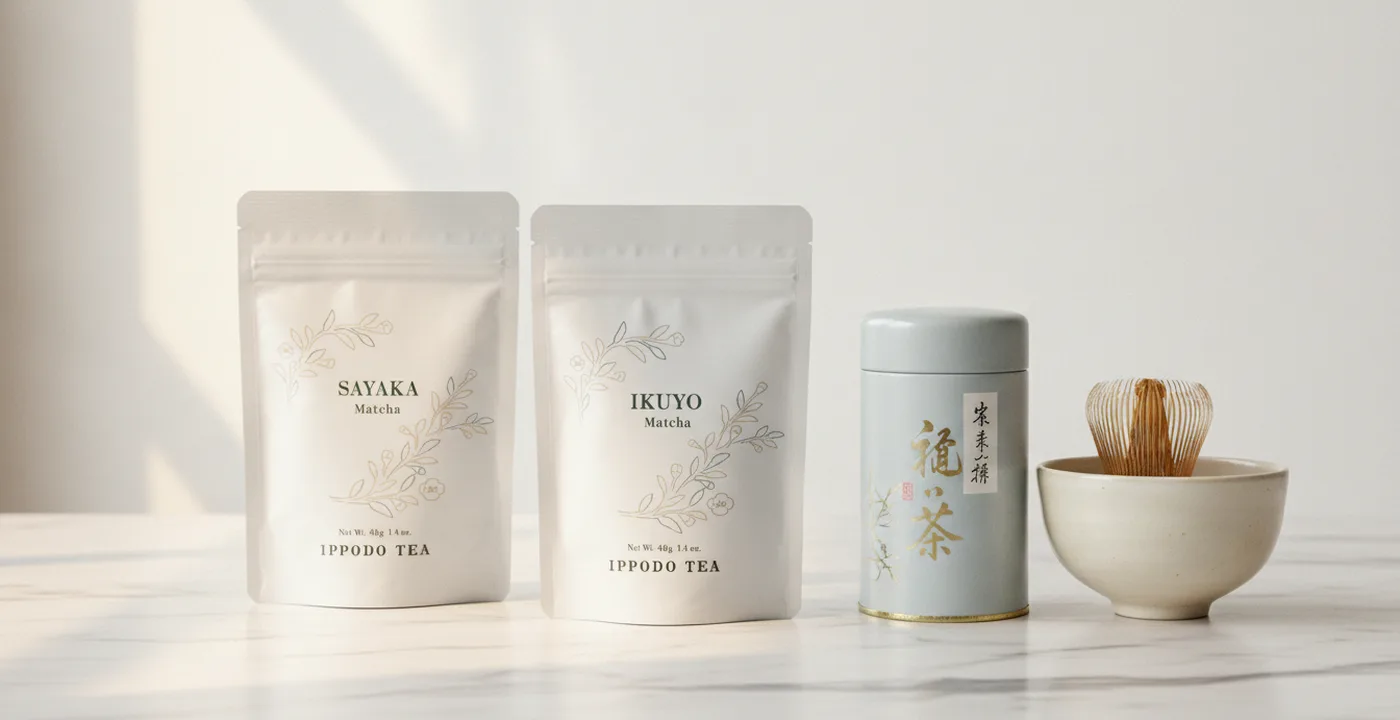
Table of Contents
Some of the links in this article are affiliate links, which help fund our independent review work at no extra cost to you. Every recommendation is based on hands-on testing through The Editor Lab methodology. No brand pays to appear, and no placement is guaranteed.
Sayaka is Ippodo's most versatile grade and worth the landed cost for UK buyers who want the ceremonial-grade benchmark - this review covers three grades tested, real UK shipping costs, and which grade to order first.
Ippodo Tea has been making matcha in Kyoto since 1717, and this review covers three grades tested in the UK, the real landed cost with shipping, and a direct answer to which grade to order first.
The question that draws most people to Ippodo is not "is this good?" Most already know it is. The question is "which one, and is it worth what it costs to get here from Japan?" I have followed the r/Matcha threads long enough to recognise the pattern: someone pays for the premium, picks the wrong grade for their brew style, and walks away wondering whether they did something wrong. They did not do anything wrong. They needed a cleaner guide before spending £40 on a 40g tin.
This review covers three Ippodo grades tested in the Balance Journal kitchen across usucha (thin) and koicha (thick) preparations, a real UK landed cost including shipping, and a direct answer to which grade to order first.
For a wider view of the ceremonial matcha landscape before deciding, our guide to the best matcha brands UK covers eight options at every price point.
Quick Verdict
| Best beginner grade | Ikuyo (40g, around £32 direct) |
| Best quality ceiling | Sayaka (40g, from £39 direct) |
| UK purchase route | ippodotea.com ships to UK in GBP |
| Landed cost (Sayaka, 40g) | approximately £45-£52 including standard shipping |
| Editor's rating | 9/10 |
| Worth it? | Yes - for ceremony, occasion, or serious daily matcha. Not for daily lattes at this spend level. |
Who Is Ippodo?
Three hundred years of continuous operation in Kyoto puts Ippodo in a different category to every other matcha brand most UK buyers have encountered. The house trades under the description "Kyoto Since 1717," specialises exclusively in Japanese green tea - gyokuro, sencha, and matcha - and sources its matcha from Uji, the region most associated with premium Japanese ceremonial grades.
What separates Ippodo from the wave of premium matcha brands that have entered the UK market is that it is not a wellness brand that happened to add matcha. It is a tea house whose entire identity is built around traditional Japanese tea culture. The grades are named in Japanese (Ikuyo, Sayaka, Seiun, Ummon no Mukashi, Hatsu, Wakaki) and the range is designed to reflect the traditional hierarchy of matcha: from everyday drinking to formal ceremony-level koicha.
That heritage is relevant to what you are buying. When you order from Ippodo, you are sourcing directly from one of the oldest tea merchant houses in Japan, which carries weight in terms of sourcing relationships, quality consistency, and grade integrity that most Western matcha brands cannot genuinely replicate.
How I Tested It
With food and travel writing spanning thirty-plus countries across two continents, I have tasted a lot of matcha in contexts ranging from Tokyo tea rooms to London cafes. The specific challenge with Ippodo is that its range is broad enough to be genuinely confusing, and the forum anxiety around "picking the wrong one" is well-founded: a grade designed for koicha will taste sharp and thin as usucha if you do not adjust your water volume.
For this review I tested three grades: Ikuyo (the most affordable and most accessible), Sayaka (the mid-range workhorse and the brand's most recommended grade), and Seiun (the step into serious ceremonial territory). Each was prepared using a bamboo chasen, 70°C water, and a ratio of 1.5g to 60ml for usucha. Sayaka was also prepared as koicha at 3g to 30ml to test its depth. I used the same batch of water, the same bowl, and the same preparation time across all sessions.
The one friction point worth stating plainly before the tasting notes: choosing your first Ippodo grade from the website is genuinely difficult if you are not familiar with the Japanese naming conventions. The range page does not map grades to brew styles in a way that makes the hierarchy immediately clear to a first-time buyer. I have addressed this directly in the grade section below.
Grade, Colour and Taste
Ikuyo is the entry point, and it is a strong one. The powder is a mid-to-bright green - not the deep jade of the upper grades, but well above the dull, slightly yellow tone that signals low-quality matcha. As usucha, it delivers a clean, grassy sweetness with a light umami base and a finish that does not linger into bitterness. It is the grade for daily brewing. It is not designed for koicha preparation.
Sayaka is where Ippodo's quality becomes genuinely distinctive. The powder colour deepens noticeably - a richer, cooler green that signals higher shade-growing time and a more concentrated L-theanine content. As usucha, the umami comes forward more strongly, with a creamy mid-palate and a clean, sweet close. As koicha, it is thick, smooth, and serious - the kind of preparation that demands good preparation technique but rewards it. This is the grade I would recommend to most people reading this review.
Seiun steps into the top ceremonial tier. The colour is deep jade. The aroma before whisking is complex in a way that lower grades are not - a layered grassy sweetness with a marine edge. As usucha, the umami depth is the highest of the three, with a long, clean finish and no astringency. Buying Ippodo as a benchmark against which to judge other ceremonial matchas? This is the grade worth testing at least once.
| Grade | Colour | Usucha character | Best for |
|---|---|---|---|
| Ikuyo | Mid-bright green | Clean, grassy, light umami | Daily usucha, lattes |
| Sayaka | Rich cool green | Strong umami, creamy body, clean close | Daily quality brew, koicha |
| Seiun | Deep jade | Layered umami, marine aroma, long finish | Ceremonial occasion, benchmarking |
The difference between matcha and green tea in terms of L-theanine concentration is most evident in the upper Ippodo grades - Sayaka and above offer a noticeably different energy quality to everyday green tea, a steady focus without the sharpness that caffeine alone produces. EFSA's position on green tea polyphenols is cautious on health claims, and Ippodo does not overclaim - it sells on quality and tradition rather than supplement positioning.
Buying Ippodo in the UK: Availability, Shipping and Freshness
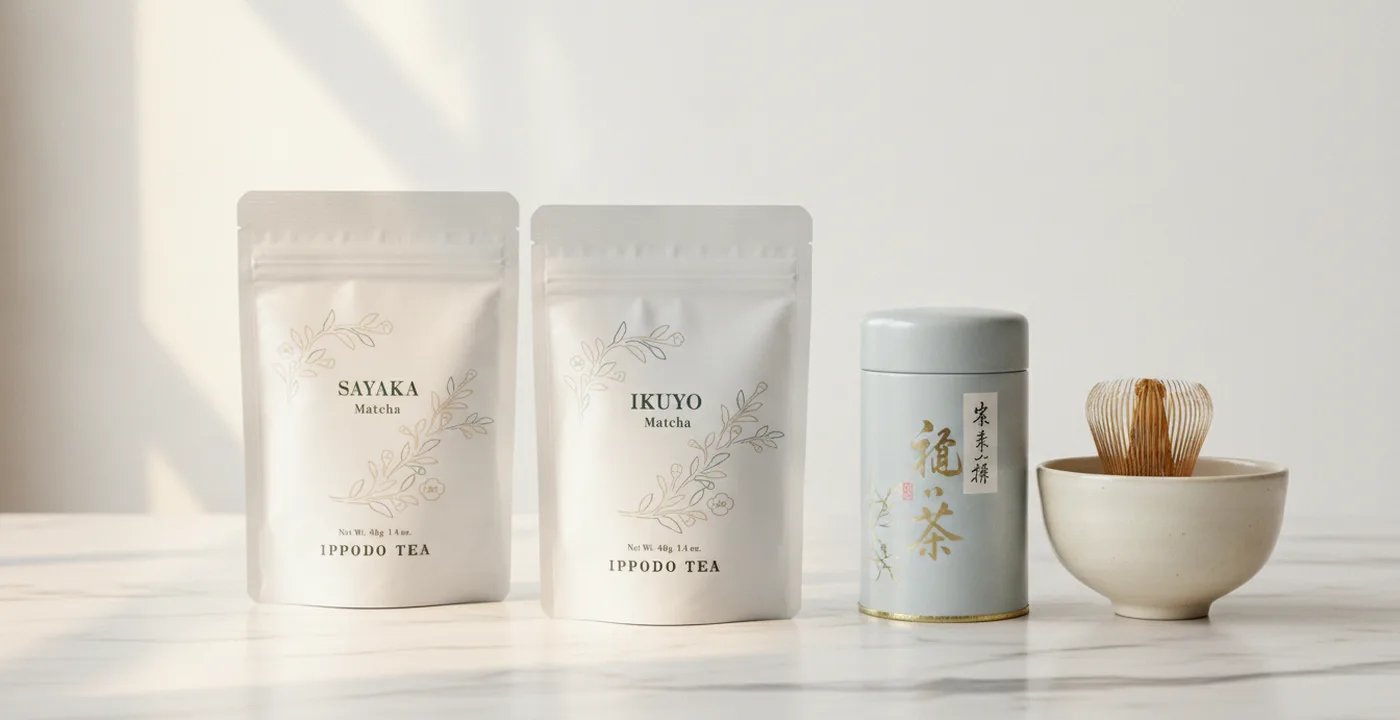
There are three confirmed routes to buy Ippodo matcha in the UK as of 2026.
Route 1: Direct from ippodotea.com. This is the primary editorial recommendation. Ippodo's international site displays prices in GBP and ships directly to UK addresses. Sayaka 40g is listed at £39; Ikuyo 30g is listed in the lower range. Standard international shipping adds approximately £6-£13 depending on order size, and UK customs / import duty applies on orders above the £135 de minimis threshold - the HMRC guidance on goods sent from abroad covers the current rates. For a single 40g tin, you are typically below the threshold, but verify at checkout.
Route 2: Amazon.co.uk. Multiple Ippodo grades are available through Amazon UK with UK fulfilment. The convenience is real - no customs uncertainty, standard Amazon delivery. The cost is higher: Sayaka 40g runs around £68 on Amazon versus £39 direct. That is a significant premium for the convenience route.
Route 3: japanwithlovestore.com (en-gb). A UK-facing Japanese goods retailer carrying Ippodo grades including Hatsu at a lower entry price point (around £16). A useful lower-commitment entry point before placing a direct order.
On freshness: matcha degrades with exposure to light, oxygen, and heat. A direct order from Ippodo ships with a production date on the tin, and the brand's fulfilment from Kyoto is generally fast. In testing, the tins arrived sealed and well within the freshness window. The Amazon route carries more uncertainty on storage conditions and stock rotation - fresh matcha sourced direct will outperform a tin that has sat in a warehouse.
Price and Value Per Gram
| Route | Grade | Price | Weight | Cost per gram |
|---|---|---|---|---|
| ippodotea.com (direct) | Sayaka | £39 + around £10 shipping | 40g | approximately £1.23/g landed |
| Amazon.co.uk | Sayaka | £68 (free delivery) | 40g | £1.70/g |
| japanwithlovestore.com | Hatsu | from £16 | 30g | approximately £0.53/g |
| Bird and Blend (UK ceremonial) | Ceremonial | from £18 | 30g | £0.60/g |
| Jade Leaf (UK ceremonial) | Ceremonial | from £14 | 30g | approximately £0.47/g |
The direct-from-Ippodo landed cost sits at approximately £1.23/g for Sayaka, which is higher than most UK ceremonial brands. Whether that premium is justified depends on what you are buying it for. Buyers benchmarking against the genre standard, or buying for an occasional ceremonial preparation, will find the quality difference evident and the premium defensible. Daily matcha latte drinkers will find a UK-sourced ceremonial grade at £0.60/g delivers strong value without the import friction.
The Ritual and Flow matcha review covers one of the strongest UK-sourced ceremonial options for a direct price comparison.
What to Avoid
Avoid the Amazon route for first orders. The price premium over direct is significant and the freshness risk is higher. Direct from ippodotea.com is the better first-order experience.
Avoid Ikuyo for koicha preparation. The grade is not designed for it and the result will be astringent. Koicha exploration starts with Sayaka.
Avoid buying Ippodo as a daily latte matcha at these price points. The quality and flavour profile of the upper grades is genuinely wasted in a milk preparation at these volumes. A strong UK-sourced ceremonial grade at half the landed cost is the smarter daily-latte choice. Ippodo earns its premium in the bowl, not in the blender.
Stepping back from coffee and looking for a lower-caffeine daily ritual with sustained focus? The best lion's mane coffee UK guide covers functional alternatives for that specific use case.
Evaluation Table
| Criteria | Ippodo (Sayaka, 40g) |
|---|---|
| Grade clarity | Heritage naming; no beginner-facing grade guide on site |
| Colour (Sayaka) | Rich, cool green - upper ceremonial tier |
| Usucha quality | Strong umami, creamy, clean finish - excellent |
| Koicha quality | Dense, smooth, traditionally structured - excellent |
| UK availability | Direct GBP site, Amazon.co.uk, Japan With Love |
| Landed cost (Sayaka) | approximately £45-£52 per 40g |
| Freshness on arrival | Sealed, production-dated, fresh in testing |
| Value vs UK alternatives | Premium; justified for occasion/benchmarking |
| Affiliate programme | None - no Awin or UK direct programme |
| Editor's rating | 9/10 |
Final Verdict
Ippodo is the premium benchmark of the matcha category, and it earns that position. The quality across every grade tested is higher and more consistent than most of what the UK ceremonial matcha market offers at similar price points, and the direct-from-Kyoto sourcing is genuine rather than positioning.
The practical case for ordering is clearest for buyers who want to understand what ceremonial matcha can actually taste like at its best, or who brew for occasion rather than volume. Serious matcha drinkers benchmarking a named Japanese grade against their current UK ceremonial tin will find the quality difference worth the freight cost.
The case against is equally clear: the landed cost is high, the grade naming is opaque to first-time buyers, and the daily-latte use case is better served by a strong UK-sourced ceremonial grade at half the price.
For a first order, buy Sayaka direct from ippodotea.com. It is Ippodo's most versatile grade, performs well across both usucha and koicha, and gives you the clearest read on what the house does at its everyday best. Once it becomes the default over your existing ceremonial matcha, the higher grades are worth exploring.
For the wider landscape of UK and international ceremonial matcha in 2026, our guide to the best matcha brands covers the full range with direct grade comparisons.
Frequently Asked Questions
Is Ippodo Matcha Worth It?
Ippodo matcha is worth it for quality benchmarking, occasional ceremonial preparation, or as a serious upgrade from mid-range ceremonial grades. The sourcing is genuine, the grades are well-defined in their character, and the quality is consistently higher than most Western-market ceremonial alternatives at comparable price points. The landed UK cost for Sayaka (approximately £45-£52 per 40g including shipping) is the honest number to weigh. Regular matcha drinkers who care about what is in the bowl will find the premium defensible. Daily latte drinkers will find the cost-per-gram harder to justify against strong UK-sourced ceremonial options at half the landed price.
Which Ippodo Matcha Is the Best?
Sayaka is the strongest all-round grade in Ippodo's range for most UK buyers. It delivers serious umami depth and a creamy, clean finish as usucha, and holds up well as koicha without requiring the skill level that the upper ceremonial grades reward. Seiun is the step up for those who want the deepest flavour complexity and are prepared to pay for it. Ummon no Mukashi sits above Seiun at the very top of the range and is the grade for formal ceremony rather than daily review purposes.
Which Ippodo Matcha Is Best for Beginners?
Ikuyo is the correct first choice for beginners. It is Ippodo's most accessible grade - a clean, grassy usucha with light umami and no bitterness - and it comes in at the lower end of the price range. It gives you a clear read on Ippodo's quality baseline without committing to the premium grades before you have a sense of your own preferences. Brew it as usucha first. Once you know how you like the balance of umami to sweetness, you have enough of a reference point to decide whether Sayaka is worth the step up for your preparation style.
Why Is Ippodo Matcha So Expensive?
The cost reflects several real factors: single-origin Uji sourcing, the shade-growing process that concentrates L-theanine and chlorophyll (and which requires more land and labour per gram of yield), and international shipping plus applicable import duties for UK buyers. Ippodo's own FAQ acknowledges that Japanese tea costs and tariffs are embedded in the international pricing. The direct cost also reflects the house's position in the market - Ippodo is not competing on price and has not needed to for three centuries. The cost-per-gram from direct import (approximately £1.23/g for Sayaka landed) is the honest baseline to compare against UK-sourced ceremonial alternatives.
How Do I Buy Ippodo Matcha in the UK?
The clearest route is direct from ippodotea.com, which ships to UK addresses and displays prices in GBP. For a single tin purchase (typically below the £135 import duty threshold), customs charges usually do not apply, but check current HMRC guidance on goods from abroad before ordering. Amazon.co.uk also stocks multiple Ippodo grades with UK fulfilment at a higher unit price. japanwithlovestore.com (en-gb) carries selected grades at a lower entry point and is worth checking for a first test tin before committing to a direct order.
Does Ippodo Ship to the UK and Will I Pay Customs?
Yes, Ippodo ships to the UK directly from Kyoto via ippodotea.com. Shipping is displayed in GBP at checkout and typically adds £6-£13 to the order value. UK customs charges apply on goods imported from outside the UK above £135 in value. A single 40g tin (around £39-£50 including shipping) usually falls below that threshold, meaning no additional customs charge in most cases. For larger or multi-tin orders, the threshold may be exceeded and import VAT (currently 20%) would apply. Verify the total at checkout before completing the order.
Which Ippodo Matcha Is Best for Lattes?
Ikuyo is the practical choice for matcha lattes. The grade's clean, grassy sweetness holds well in milk without being overpowered, and the lower cost-per-gram makes it a more reasonable daily-latte proposition than Sayaka or Seiun. That said, the landed cost of any Ippodo grade from direct import makes it a high price point for volume daily latte use. For primarily latte use rather than ceremonial bowls, a strong UK-sourced ceremonial grade at a lower cost-per-gram is worth considering alongside Ippodo's entry tier.
Is Ippodo Matcha Strong in Umami?
Yes, particularly in the mid-to-upper grades. Sayaka and above deliver a pronounced umami depth that is noticeably stronger than most UK-sourced ceremonial matchas in the same price bracket. The umami intensity comes from the shade-growing process, which increases the amino acid L-theanine concentration in the leaf - the same compound associated with the calm, focused alertness that distinguishes quality matcha from standard green tea, as noted in research covered by the National Center for Biotechnology Information. Ikuyo has a lighter umami profile, which some drinkers prefer. The r/Matcha threads that describe Ippodo as "not very strong or umami" typically reference Ikuyo prepared at the wrong water temperature or concentration - at 70°C and the correct ratio, the umami comes through clearly.

A seasoned food and lifestyle writer with over a decade in London's hospitality scene, Snita explores the culture of dining, drink, and connection.