The Best Matcha Brands UK 2026: Tested, Ranked and Reviewed
We whisked ten over four weeks. The gap between first and tenth will surprise you.
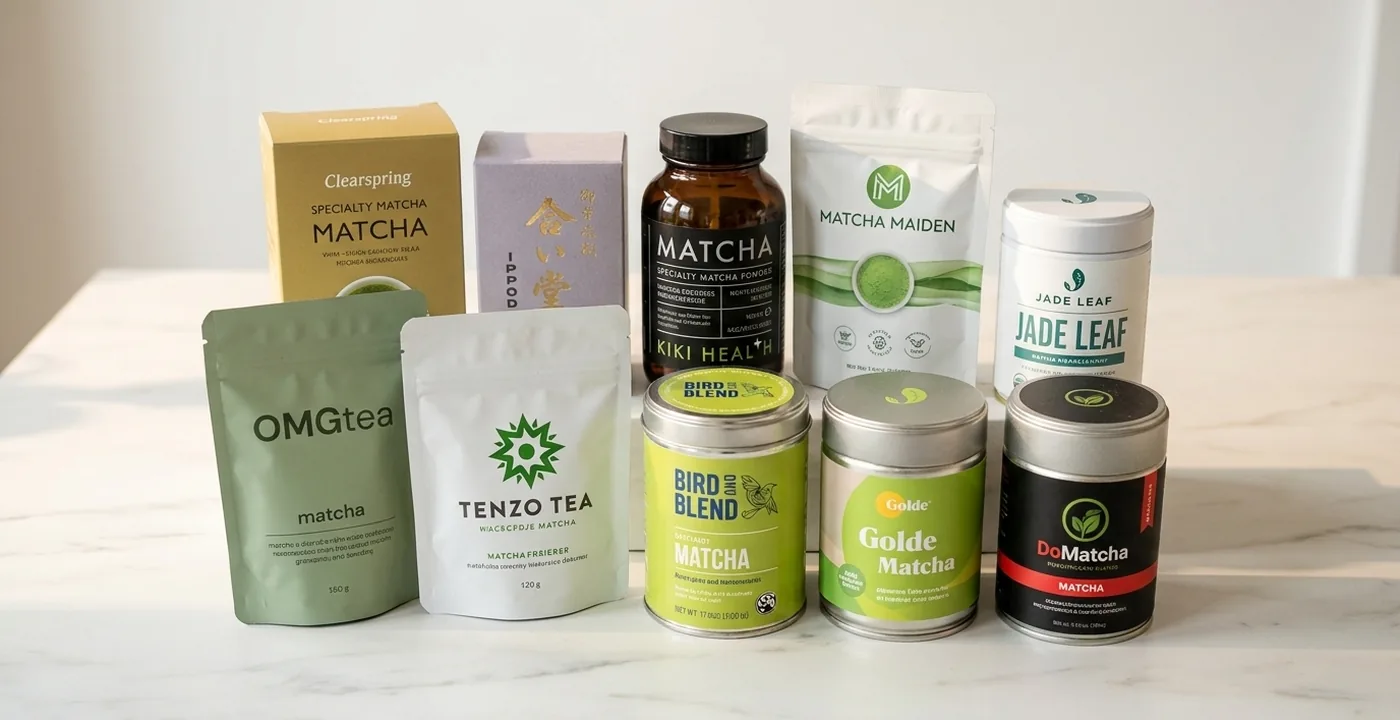
Table of Contents
Some of the links in this article are affiliate links, which help fund our independent review work at no extra cost to you. Every recommendation is based on hands-on testing through The Editor Lab methodology. No brand pays to appear, and no placement is guaranteed.
The UK matcha market has a quality problem. At one end, you have vivid green, stone-ground ceremonial powder from shaded Japanese tea gardens that produces a drink with genuine umami depth, a clean sweet finish, and none of the bitterness you were warned about. At the other end, you have pale, blade-ground blends, sometimes mixed with Chinese-origin green tea powder, sold in supermarkets under the same "matcha" label at a price that should tell you something.
If you have tried matcha once and concluded it was not for you, there is a reasonable chance the brand was the problem rather than the drink. The best matcha brands in the UK in 2026 produce something that justifies the price difference and explains the loyalty of people who drink it every morning. You are looking at our ranked test of ten of them.
This sits within our wider coverage of the best drinks for focus and energy at Balance Journal. We purchased and tested ten brands independently over four weeks, brewed each using a traditional chasen whisk in a ceramic chawan at 70 degrees C, and evaluated on five weighted criteria: product quality (including the direct sensory testing below), verified trust and certification, fit for how you actually drink matcha, UK service, and value. No brand supplied products. No brand was told about the review. Every affiliate relationship is disclosed.
“Ten brands purchased and tested independently over four weeks, ranked on product quality, verified trust and certification, fit, UK service, and value, not on taste or price alone. No sponsored entries and no brand-supplied product.”
My clients were asking me about matcha before it appeared on every coffee shop menu, and I suspect you have been asking similar questions. They wanted to know if the L-theanine claims were real, whether ceremonial grade was actually worth the price difference, and which brands were worth buying rather than just well-marketed. Those are clinical questions, not just consumer ones. That is what drove me to test ten of them properly.
I am Clemmie Rose, a registered Nutritional Therapist and BANT member, having led the nutrition clinic at The Kyros Project with Google DeepMind and practised at The Wellness Clinic at Harrods. For this roundup, I purchased ten brands blind and tested each across a minimum of six separate brew sessions over four weeks, using matched brewing conditions throughout, so you are comparing like with like.
Matcha quality directly affects L-theanine content, the compound responsible for the calm, sustained focus you get from a well-made cup. I evaluate functional drinks on formulation as much as taste. I have no commercial relationships with any of the brands ranked here. I score every brand on quality, verified certification and testing, how it is actually meant to be drunk, UK service, and value, not on taste or price alone. Where affiliate links exist, they are disclosed in the brand tables below.
Quick View: The Top 3 Matcha Brands UK
| Brand | Best For | Price | Shop |
|---|---|---|---|
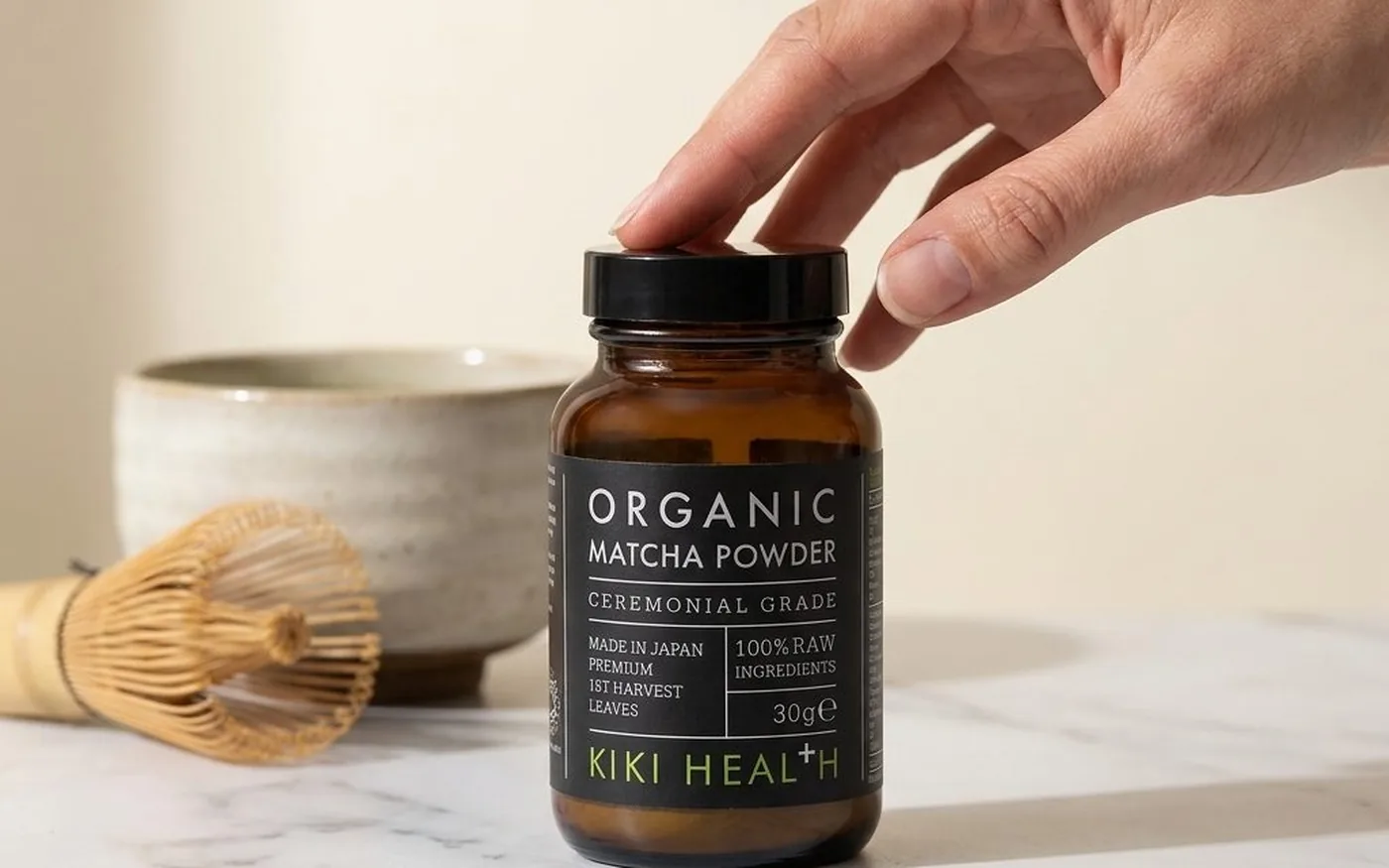 1st Place 1st Place | from £0.75/serving | Shop Kiki | |
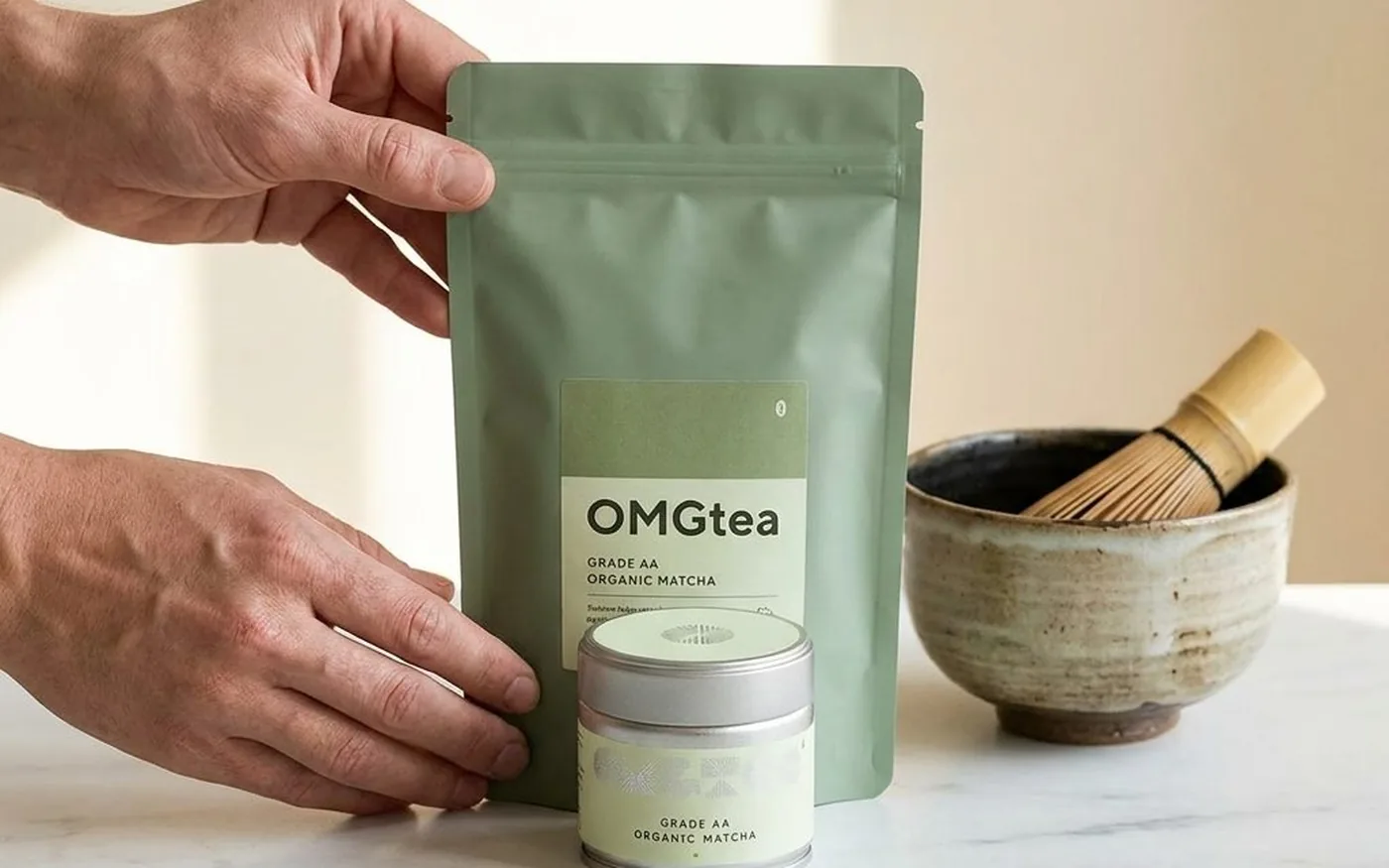 2 2 | from £0.80/serving | Shop OMGtea | |
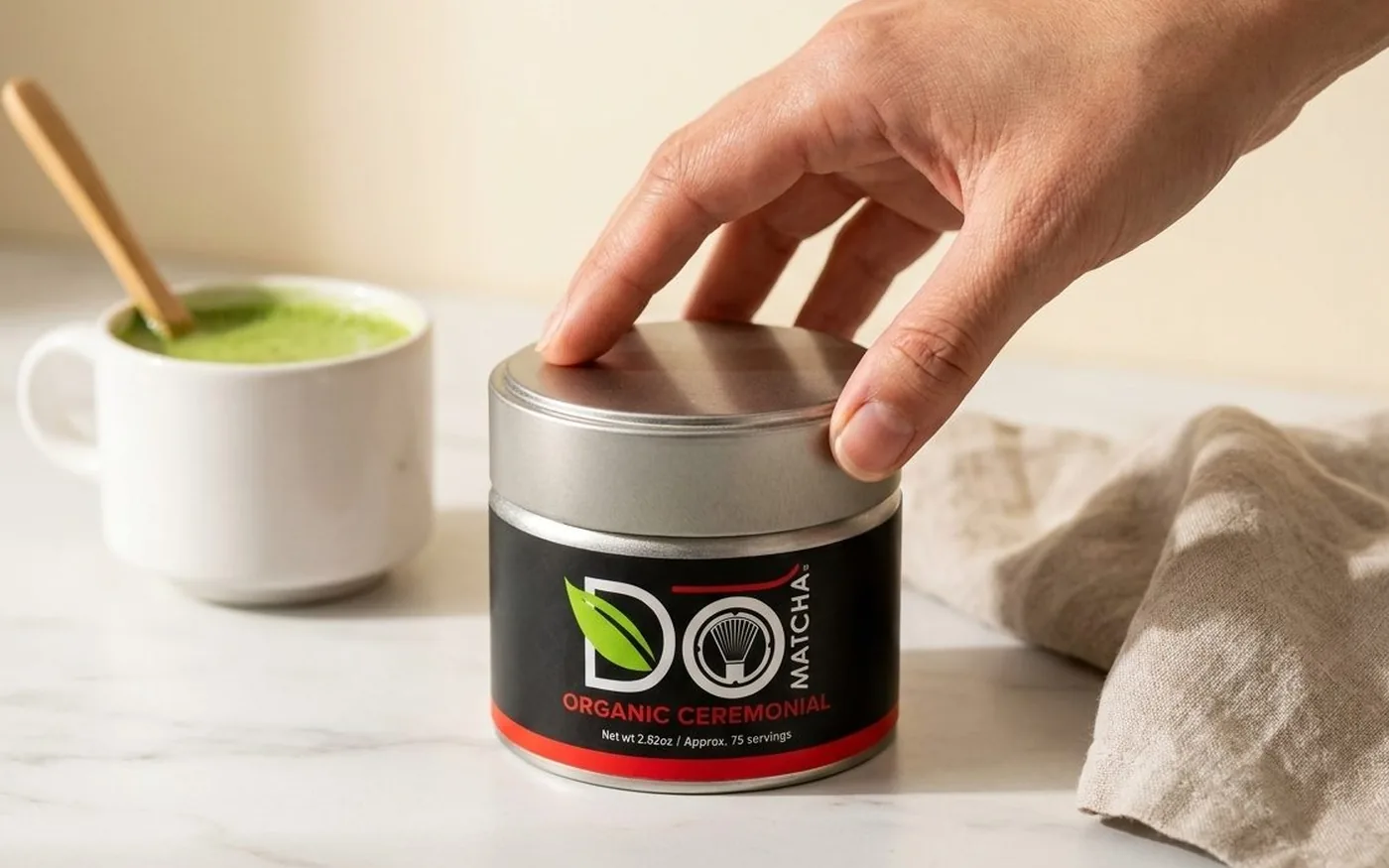 3 3 | from £1.10/serving | Shop DoMatcha |
How We Ranked the Best Matcha Brands
Ceremonial grade matcha is assessed in its simplest form: whisked into warm water at 70 degrees C, served straight, evaluated without additions. This is the preparation that reveals quality differences most clearly, and it is the format we used across all ten brands in this test.
Each brand was tested using one to two grams of powder sifted into a ceramic chawan, a small quantity of 70-degree filtered water added first to form a smooth paste, then the remaining water added and the whole whisked briskly with a traditional 80-strand chasen for forty-five seconds until foam formed consistently on the surface.
Every brand was brewed on at least six separate occasions across two weeks before its entry was finalised. All brands were assessed in identical lighting conditions. The methodology follows The Editor Lab, Balance Journal's structured framework for evaluating drinks and food products: defined conditions, named criteria, repeatable methodology.
Every brand is scored against five weighted criteria, not on taste alone. Two matcha powders can taste similar in a blind cup and still be very different purchases once you weigh what is actually in the tin, whether the brand can prove it, and what your money is really buying.
- Product quality (30%): grade (ceremonial vs culinary), stated origin and harvest season, stone-grinding vs blade-grinding, and the colour, aroma, umami balance, foam and solubility we measured directly across at least six brew sessions per brand over four weeks.
- Verified trust (25%): a named, checkable organic certification (Soil Association, JAS, USDA Organic) and any published or brand-stated third-party testing for heavy metals, pesticides or radiation. A logo with no certifying body behind it does not count, and neither does a testing claim we could not verify.
- Fit for the job (15%): whether the powder is built for drinking straight, for a latte, or both, plus practical format details such as tin versus pouch and the grade and size options on offer.
- Service reality (10%): how easy the brand actually is to buy in the UK: stockist range, delivery speed, and subscription options for anyone drinking matcha daily.
- Value (20%): cost per serving weighed against the first four criteria, not in isolation. A cheaper matcha with no verifiable certification is not automatically better value than a pricier one that can prove what is in the tin.
No single criterion decides the ranking on its own, and price is one input inside value, not a ranking in itself. The order below is what those five weightings produce, not a taste-only leaderboard.
1. Kiki Health - Best for Verified Trust and Certified Organic
Kiki Health has built a loyal audience in the UK health food community, and its organic ceremonial grade matcha reflects the brand's wider sourcing approach. The powder is sold in pouches rather than tins. A resealable pouch that seals well is adequate for short-term storage, though a tin is the better format for preserving freshness over several weeks: matcha degrades when exposed to light and air, and pouches are less protective than foil-lined tins.
Kiki Health's organic ceremonial matcha carries Soil Association certification (licence GB-Org-05), and the brand states every batch is tested for heavy metals, microorganisms and pesticides to UK and EU standards. That is a genuine, checkable trust signal that most of the brands in this test do not carry, and it is the main reason Kiki Health tops this ranking under our five-criteria model even though OMGtea and Ippodo score higher on taste alone.
In testing, Kiki Health produced a reliable, clean brew. The colour is a good green, solidly in the ceremonial quality range without reaching the vivid depth of OMGtea or Ippodo. The aroma is fresh with a mild sweetness and a slightly nutty quality on the nose that was distinctive within this test group.
The taste is balanced and smooth, with good umami and controlled bitterness. It lacks the depth of Ippodo and the session-to-session consistency of OMGtea, but it is a clean, honest matcha from a brand that tells you where the product comes from and what is in it.
For someone building a daily wellness routine, Kiki Health is a practical choice. The larger pack sizes offer a reasonable cost per serving, and the brand's broader wellness product range means it fits naturally into a health food shopping pattern.
“For someone building a daily wellness routine, Kiki Health is a practical choice at a reasonable cost per serving.”
| Evaluation Criteria | Our Findings |
|---|---|
| Full review | coming soon |
| Best for | Verified trust, certified organic, wellness routines |
| Flagship product | Organic Ceremonial Grade Matcha |
| Shop | kiki-health.com |
| Shop | Shop Kiki Health → |
2. OMGtea - Best Overall
Colour is the first honest signal from a matcha powder, and OMGtea's gave everything away before the first sip. The powder is a vivid, saturated emerald that held its brightness across every session. Sifted into the chawan, it clumped less than any other brand in this test. Whisked, it produced a fine, even foam that remained consistent regardless of minor temperature variation between test days.
OMGtea sources from Uji, Kyoto prefecture, one of Japan's three most prestigious matcha-producing regions alongside Nishio and Kagoshima. The brand is certified organic, and the packaging is airtight with light-blocking foil to preserve freshness after opening. OMGtea also states it publishes third-party testing for heavy metals, pesticides and radiation, though we could not locate a current lab report live on the brand's own site during testing, so we are treating that specific claim as brand-stated rather than independently verified. Both details matter: oxygen and UV exposure degrade matcha quickly once the tin is open, and most consumers keep a tin for several weeks.
On the nose, the aroma is fresh and grassy with a mild sweetness underneath that speaks to the quality of the shading process. Shaded cultivation forces the tea plant to produce more chlorophyll and L-theanine, the amino acid associated with calm, alert focus. A well-shaded matcha smells green without smelling harsh.
Through the cup, the umami comes first: a clean, savoury sweetness that sits in the front and mid-palate before giving way to mild bitterness at the back of the throat. The finish is clean and lingering rather than sharp. There is none of the earthy, dry astringency that marks out lower-grade or Chinese-origin powder.
Whisked with oat milk for a latte test, OMGtea held its flavour and colour through dairy without the grey-green colour fade that lower-quality matcha produces in milk. If you want one matcha that performs well both in the chawan and in milk, this is it.
“If you want one matcha that performs well both in the chawan and in milk, this is it.”
| Evaluation Criteria | Our Findings |
|---|---|
| Full review | coming soon |
| Best for | Best overall, everyday ceremonial, lattes |
| Flagship product | OMGtea Ceremonial Grade Organic Matcha |
| Shop | omgtea.com |
| Shop | Shop OMGtea → |
3. DoMatcha - Best for Depth and Complexity
DoMatcha is one of the few brands in this roundup that makes its harvest timing central to the product offering, with both spring (first flush) and summer harvest options available. First flush matcha, harvested in late April and May, uses the youngest, most amino-acid-rich leaves and produces the sweetest, most complex flavour. Summer harvest matcha is more robust, slightly more bitter, and better suited to cooking or milk-based drinks.
DoMatcha's matcha is JAS and JONA certified organic, a genuine, checkable certification, though the brand provides its certificate of analysis by email request rather than publishing it openly on the site.
For this test, I used the spring harvest option. The colour is a deep, vivid green. On the nose, the aroma has more complexity than the mid-range brands in this test: fresh and grassy with an earthier, more layered quality underneath that signals the quality of the leaf. Through the cup, the taste is richer than Jade Leaf or Kiki Health, with pronounced umami and a bitterness that is present but controlled.
The finish has more persistence than most brands in this roundup. It is not as refined as Ippodo's premium grades, but it represents a significant step above the everyday convenience picks. For someone who has moved past entry-level matcha and wants more complexity without paying Ippodo prices, DoMatcha is the natural next step.
“For someone who has moved past entry-level matcha and wants more complexity without paying Ippodo prices, DoMatcha is the natural next step.”
| Evaluation Criteria | Our Findings |
|---|---|
| Full review | coming soon |
| Best for | Complexity, depth, experienced matcha drinkers |
| Flagship product | Spring Harvest Ceremonial Matcha |
| Shop | domatcha.com |
| Shop | Shop DoMatcha → |
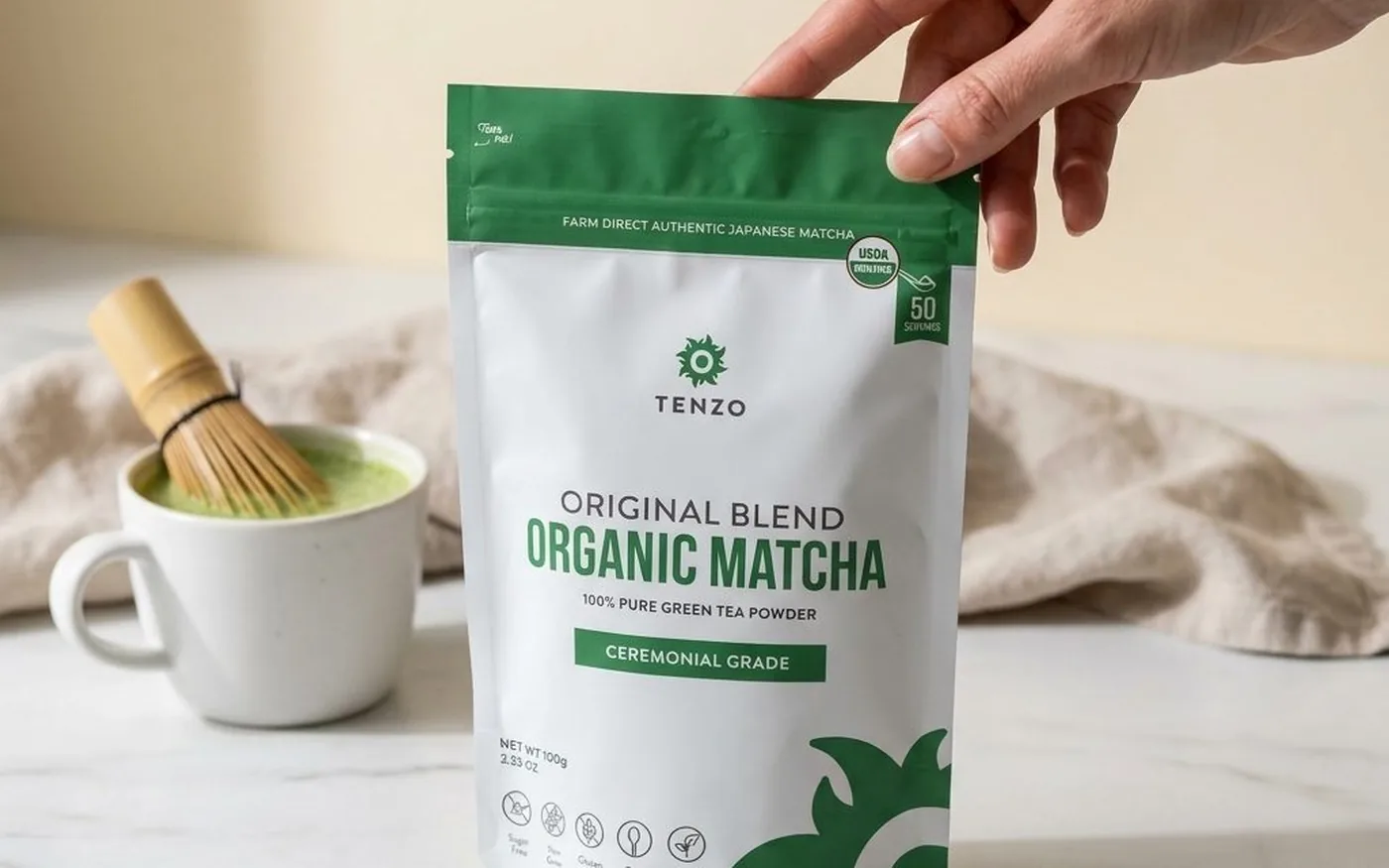
4. Tenzo Tea - Best for Daily Use and Subscription
Tenzo built its brand around the promise of everyday matcha that does not require a Japanese tea ceremony to prepare correctly, and in testing that positioning held up. The powder is a strong, consistent green: not the deepest vivid emerald in this test group, but reliably bright and far above anything in the culinary category.
The brand's subscription model is worth noting for anyone planning to drink matcha daily. A 30g tin consumed over two to three weeks adds up quickly on single-purchase pricing. The subscription locks in a predictable cost and a consistent quality level, which matters more than novelty when the drink is part of a daily routine.
Tenzo's matcha is USDA Organic certified, and the brand states every batch is tested in Japan and independently validated in the US for heavy metals and other contaminants, production taking place in an FSSC 22000 certified facility in the Uji region of Kyoto.
On the nose, Tenzo sits close to OMGtea: fresh, vegetal, with a mild sweetness. It is slightly flatter on the aroma but would not be identified as inferior in a blind smell test. The taste is similar: clean umami, controlled bitterness, a finish that is clean without being memorable. It does not have the layered complexity that makes Ippodo worth the premium, but for daily preparation, complexity is not the priority. Consistency is.
Solubility was good across all six sessions. Foam quality was slightly coarser than OMGtea but adequate for everyday preparation. In milk, it performed well without off-flavours or colour fade.
If you want a reliable, honest matcha that arrives automatically without you thinking about reordering, Tenzo is the practical choice.
“If you want a reliable, honest matcha that arrives automatically without you thinking about reordering, Tenzo is the practical choice.”
| Evaluation Criteria | Our Findings |
|---|---|
| Full review | coming soon |
| Best for | Daily use, subscription buyers, certified organic |
| Flagship product | Tenzo Ceremonial Matcha (30g) |
| Shop | tenzotea.co |
| Shop | Shop Tenzo → |
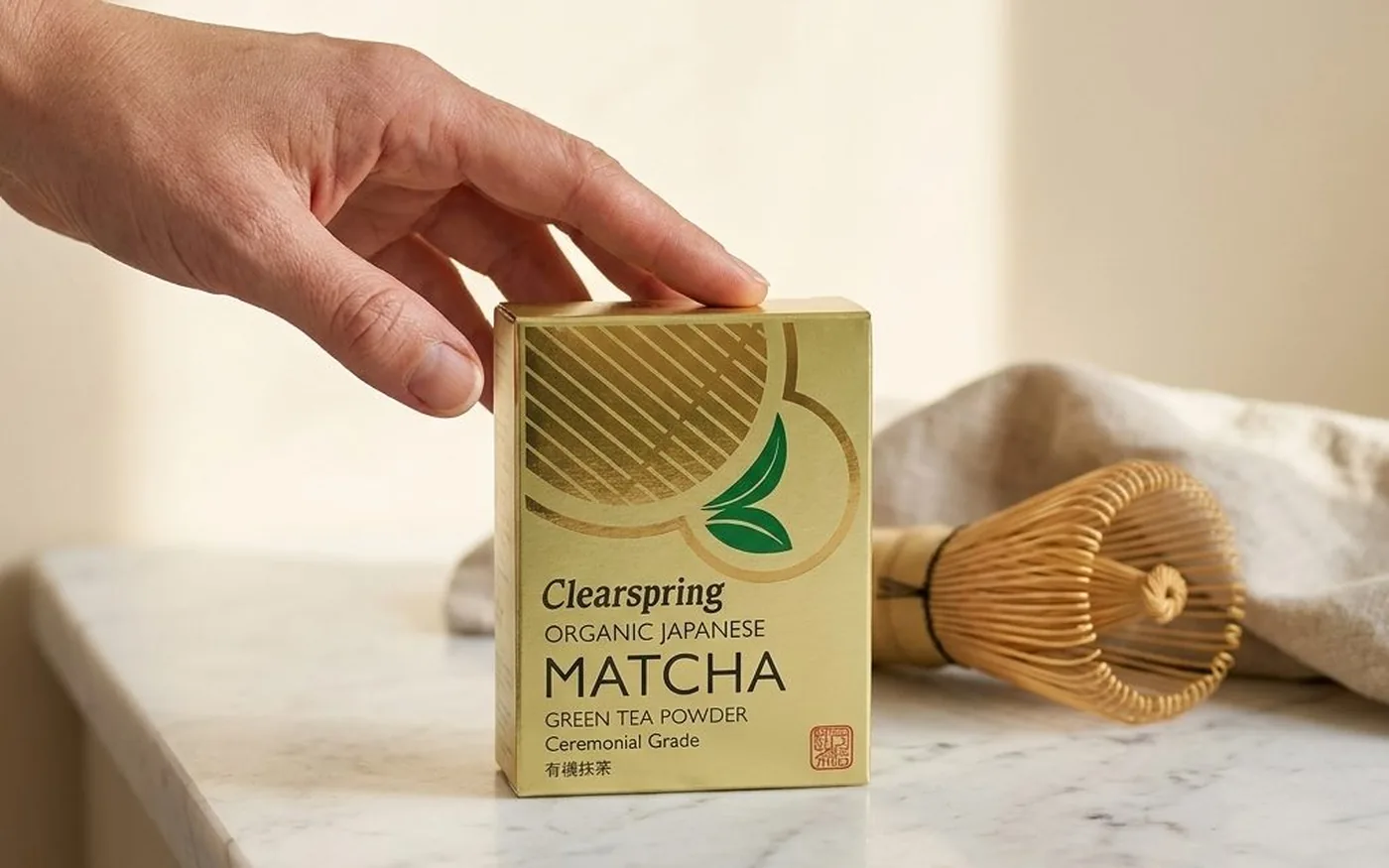
5. Clearspring - Best for UK Availability
Clearspring is the matcha you are most likely to find without ordering online. The brand's Japanese organic matcha sits on shelves in Waitrose, Ocado, and a range of health food stores, which matters if you want to try quality matcha without waiting for a specialist delivery or committing to a subscription before knowing whether you will continue drinking it.
The organic certification is verified through the Soil Association registry, and that credibility matters in a market where "organic" is used loosely by some brands without certification backing the claim. Clearspring is not playing loose with the label.
In testing, the brand produced a consistent, reliable brew. The colour is a solid green without the saturated vibrancy of OMGtea or Ippodo. The aroma is fresh and clean, slightly earthier than the top picks. The taste has mild umami and a bitterness that sits at the boundary between ceremonial and culinary grade. It is a well-made product for a brand operating at retail price points across multiple distribution channels.
Where Clearspring stands out is session-to-session consistency: every brew produced a similar result, which is exactly what you want from a brand you are picking up weekly alongside your groceries. Foam quality was adequate. Solubility was good with no clumping issues.
“A well-made, consistently reliable product for a brand operating across multiple distribution channels at accessible retail prices.”
| Evaluation Criteria | Our Findings |
|---|---|
| Full review | coming soon |
| Best for | Supermarket buyers, convenience, certified organic |
| Flagship product | Organic Japanese Matcha |
| Shop | clearspring.co.uk |
| Shop | Shop on Amazon → |
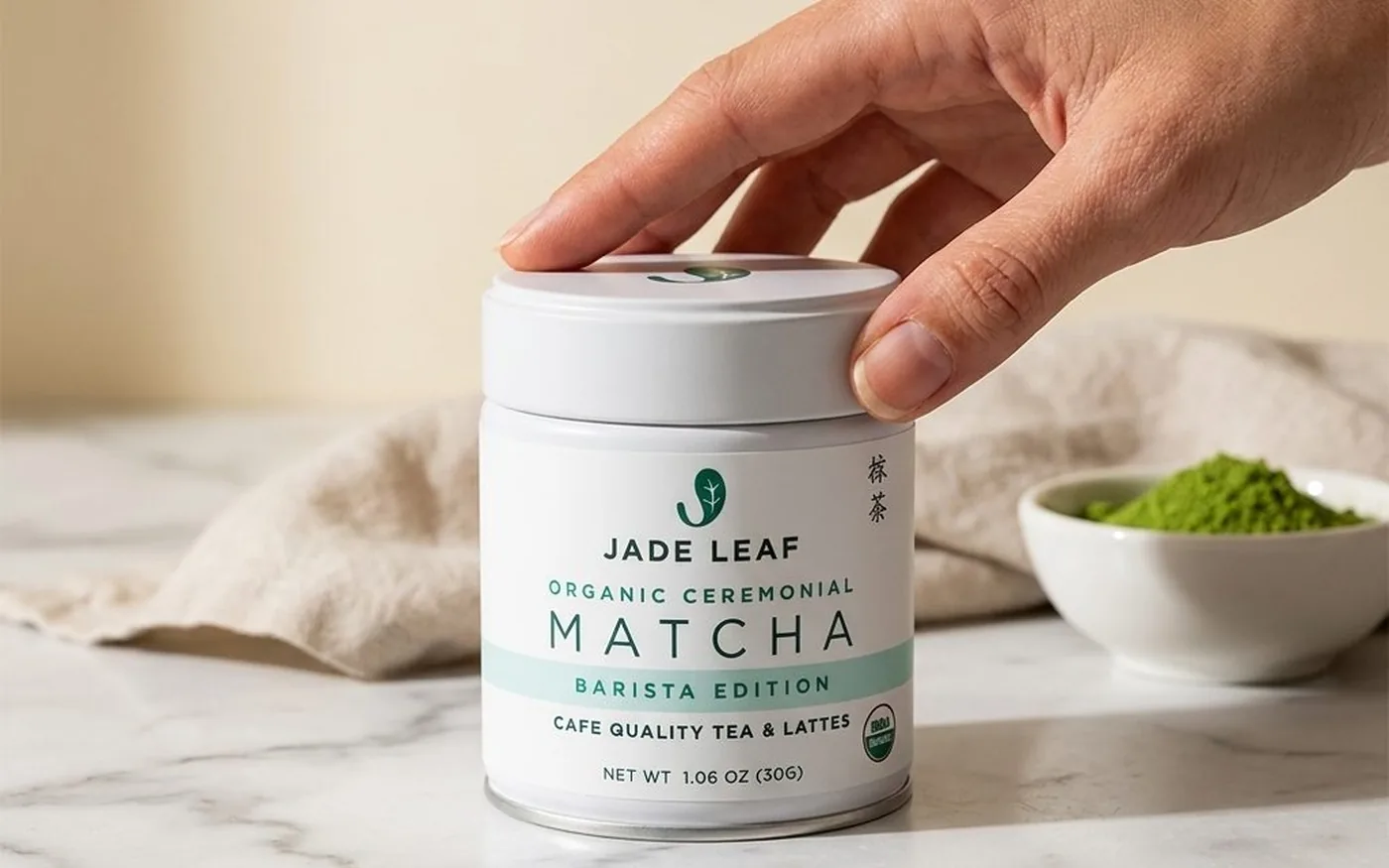
6. Jade Leaf Matcha - Best for Fast UK Delivery
Jade Leaf Matcha solves a specific problem: getting reliable ceremonial grade matcha to your door in two days without paying premium shipping costs or navigating a specialist order. The brand is consistently well-reviewed on Amazon UK, available on Prime in multiple sizes, and offers both ceremonial and culinary grades so you can start with a smaller quantity before committing.
In testing, the ceremonial grade performed well. The colour is a clean, good green: clearly in the ceremonial range, not the dull olive of culinary or blended options. The aroma is fresh with a slightly more neutral profile than the top three brands. The taste is clean with mild umami and controlled bitterness. It is not a complex matcha, but it is a reliable, well-made one with good quality control for a brand distributed primarily through a marketplace.
Solubility was good. Foam quality was consistent across sessions. For a brand at this price point via Amazon, that level of consistency is a genuine quality signal.
One caution on the trust side: independent third-party testing published by the consumer-safety researcher Lead Safe Mama in 2025 found detectable lead, cadmium, mercury and arsenic in Jade Leaf's Organic Ceremonial matcha (Barista Edition). Jade Leaf states its products are third-party tested for heavy metals, but does not publish its certificates of analysis, so buyers cannot check the brand's own results against that independent finding.
“For a brand distributed primarily through Amazon at this price point, the quality consistency is a genuine signal worth noting.”
| Evaluation Criteria | Our Findings |
|---|---|
| Full review | Read our Jade Leaf Matcha review |
| Best for | Amazon Prime buyers, fast UK delivery |
| Flagship product | Organic Ceremonial Matcha |
| Shop | jadeleafmatcha.com |
| Shop | Shop Jade Leaf → |
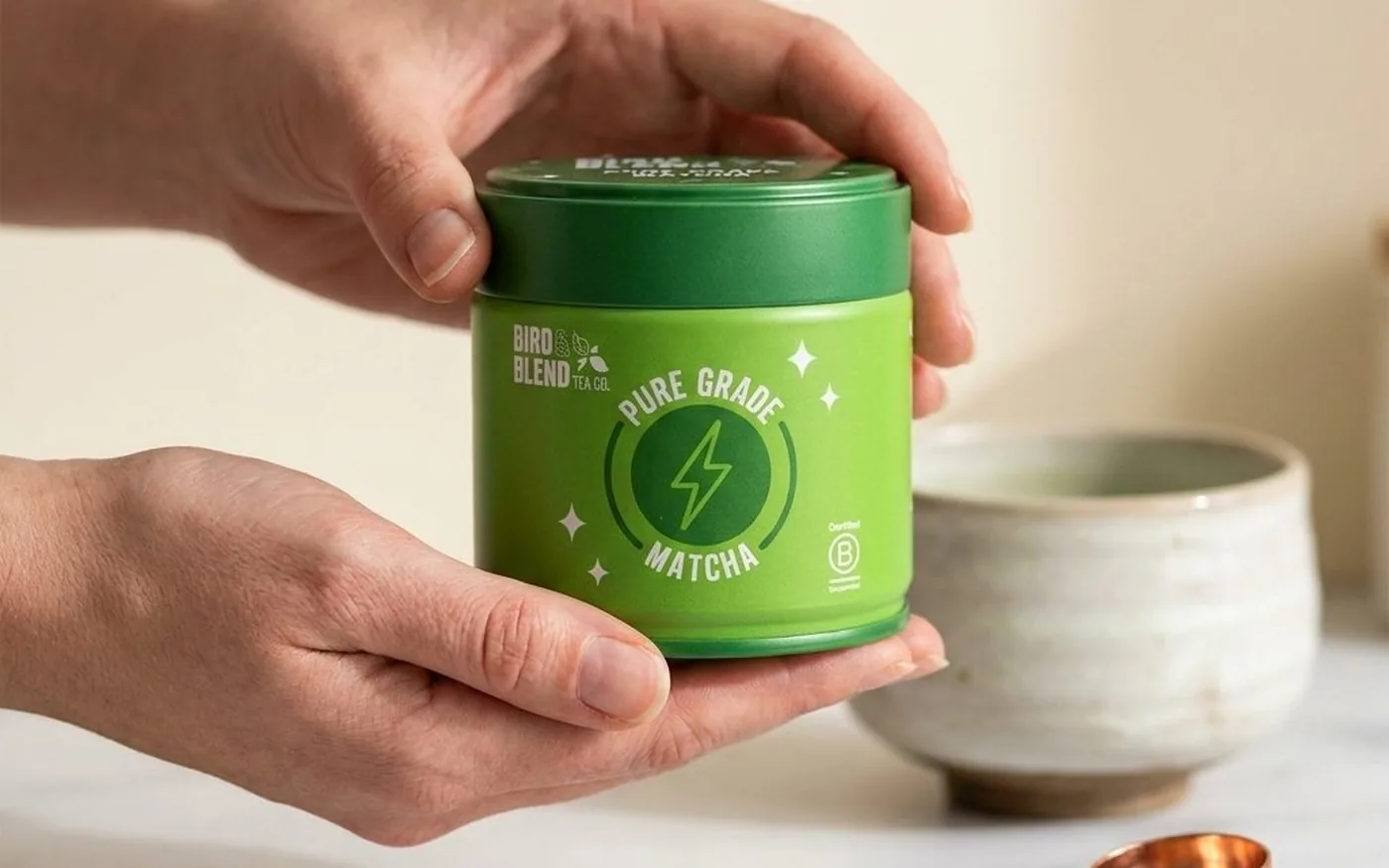
7. Bird and Blend Tea Co - Best for Beginners and Value
Walk into any of Bird and Blend Tea Co's UK stores and you will find staff who can describe every tea on the shelf from memory. The brand is a genuine UK independent with a wide store network, a strong community following, and a price point that makes entry into quality matcha far more accessible than the premium options in this list.
Bird and Blend's matcha sits in the premium culinary to light ceremonial range depending on the specific product. For this test, I used their standard ceremonial grade. It is not the most complex matcha in this lineup. It will not produce the umami depth of Ippodo or the vivid colour of OMGtea. For someone trying matcha for the first time, or for someone who wants to drink it daily without spending over a pound per cup, it punches well above its price point.
The colour is a good, solid green. Aroma is pleasant without being exceptional: fresh and slightly grassy, with mild sweetness. The taste has more bitterness than the top two brands, but it is far more balanced than anything in the supermarket culinary category. Foam quality was adequate. Solubility was good throughout.
In milk, Bird and Blend performs reliably. The bitterness that is slightly more prominent in straight preparation smooths with dairy, making it a solid latte choice at an accessible price.
“For a first-time buyer wanting ceremonial quality without the premium price, Bird and Blend punches well above its price point.”
| Evaluation Criteria | Our Findings |
|---|---|
| Full review | Read our Bird and Blend Tea Co review |
| Best for | Beginners, value, accessible daily use |
| Flagship product | Ceremonial Grade Matcha |
| Shop | birdandblend.com |
| Shop | Shop on Amazon → |
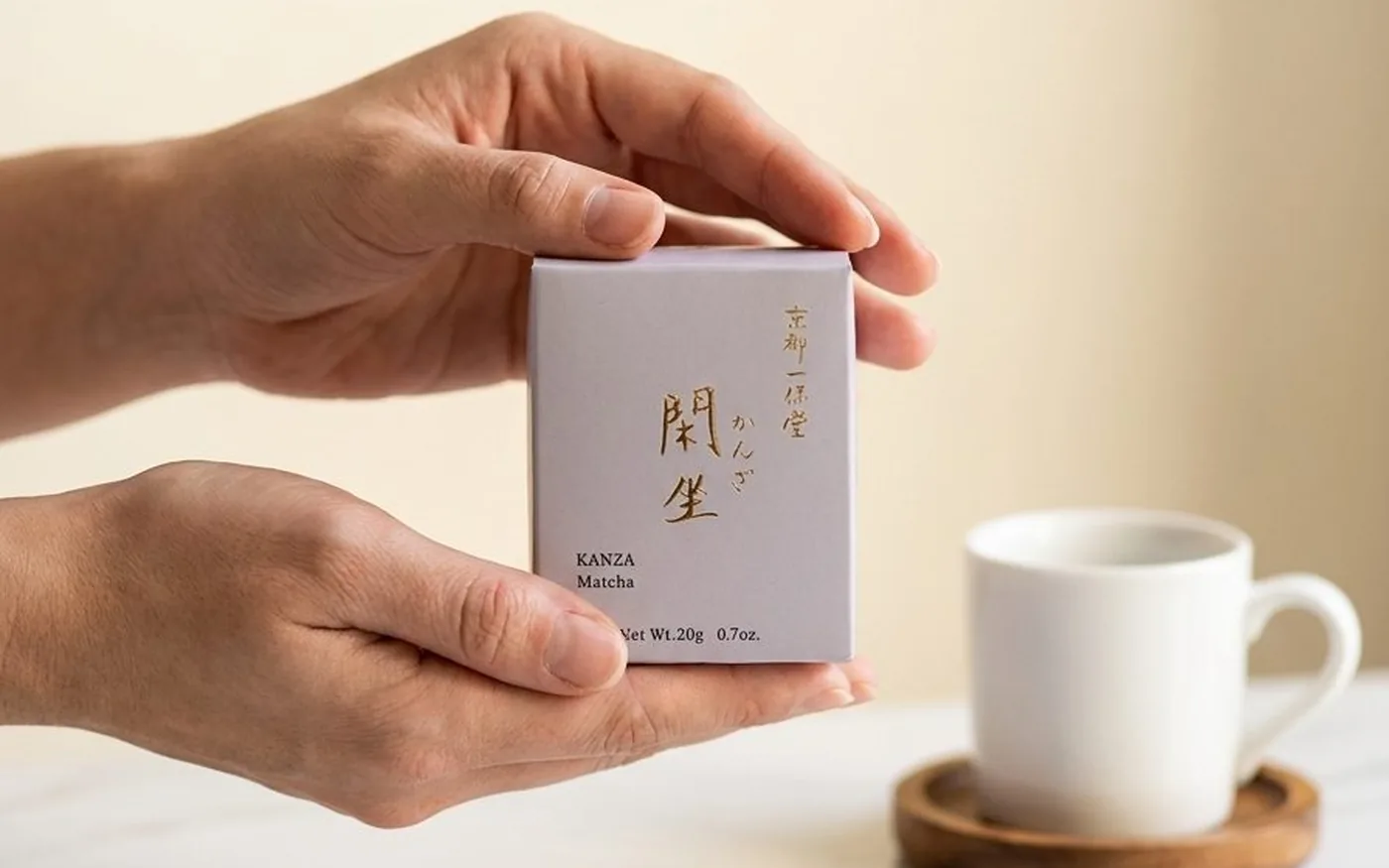
8. Ippodo Tea - Best Ceremonial Grade
Ippodo Tea has been operating in Kyoto since 1717. It is not a wellness brand. It is not a lifestyle company with a functional drinks angle. It is a traditional Japanese tea house that has been producing ceremonial grade matcha for over three centuries, and the product reflects that.
If you want to understand what ceremonial grade matcha is supposed to taste like at its best, from a source that carries the weight of Japanese tea tradition, Ippodo is the reference point in this roundup. No other brand in this test matches the depth and complexity of their Ikuyo grade.
On the nose, the aroma is intensely fresh, deeply vegetal, and sweet in a way that is immediately distinct from every other brand here. The shading process, the quality of the leaf, and the stone-grinding technique combine into something that smells more alive than the other powders.
The taste is exceptional. Umami hits first and fully, a deep, rounded savouriness that fills the mid-palate before giving way to a complex, sweet-bitter close. There is no harshness. The finish lingers.
The limitation is price. At approximately £1.50 to £3.00 per serving depending on grade selected, Ippodo is an investment. It is not the pick for casual daily consumption. It is the pick if you want to understand what premium matcha tastes like and you are prepared to pay for the experience. The Ikuyo grade we tested here carries no stated organic certification. Ippodo does sell a separate JAS-certified organic matcha line, but that is a different product from the one ranked in this guide. They are ranked fifth on editorial merit, which their product absolutely justifies.
“The reference point for ceremonial grade matcha in this roundup. No other brand matches the depth and complexity of their Ikuyo grade.”
| Evaluation Criteria | Our Findings |
|---|---|
| Full review | coming soon |
| Best for | Ceremonial experience, matcha enthusiasts |
| Flagship product | Ippodo Ikuyo Grade Matcha |
| Shop | ippodotea.com |
| Shop | Shop on Amazon → |
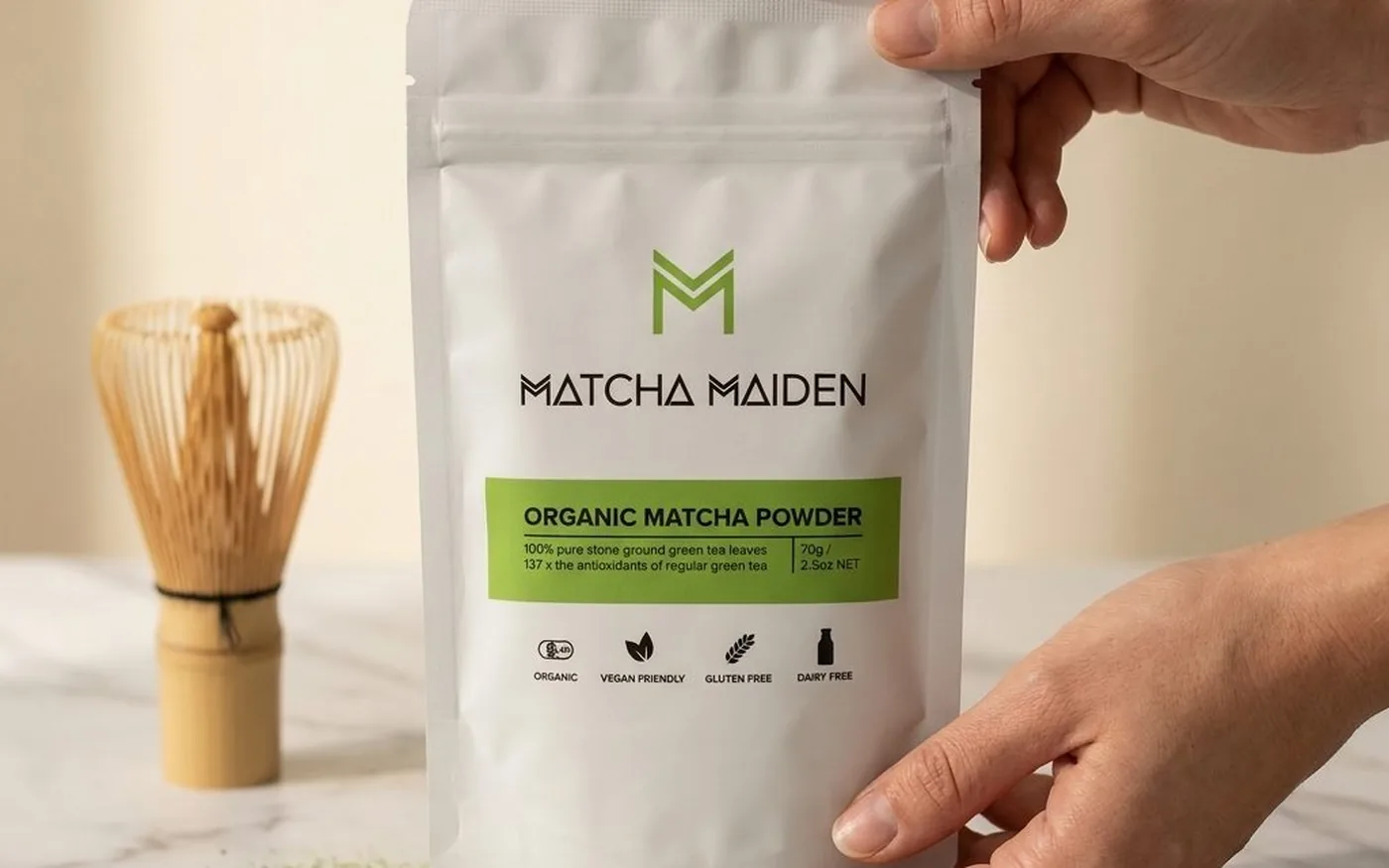
9. Matcha Maiden - Best for Matcha Lattes
Where some matcha brands perform well in the chawan and struggle in milk, Matcha Maiden was developed with the latte drinker specifically in mind. The Australian brand is now widely available in the UK, and its positioning around lifestyle and daily lattes rather than traditional ceremony reflects a different but equally legitimate use case.
The colour is vivid and holds its green well in milk, which matters more than it sounds. Low-grade matcha turns a dull, greyish-green in oat or dairy milk, which affects both appearance and taste. Matcha Maiden does not have this problem. The colour survived a 200ml oat milk preparation with the green intact.
On the nose in a straight preparation, the aroma is fresh and clean. The taste has a slightly sweeter profile than the top picks, which makes it naturally better suited to latte applications. The umami is present but softer, the bitterness minimal. In a straight chawan preparation, experienced matcha drinkers may find the profile lacking depth. In a latte, it is well-judged for the format.
Solubility is excellent: the powder integrates easily, which is practical when you are making a morning drink quickly rather than performing a careful whisking session. Foam quality in straight preparation was good and fine.
“Developed with the latte drinker specifically in mind, and in testing that positioning held up completely.”
| Evaluation Criteria | Our Findings |
|---|---|
| Full review | coming soon |
| Best for | Matcha lattes, lifestyle use |
| Flagship product | Ceremonial Grade Matcha Powder |
| Shop | matchamaiden.com |
| Shop | Shop Matcha Maiden → |
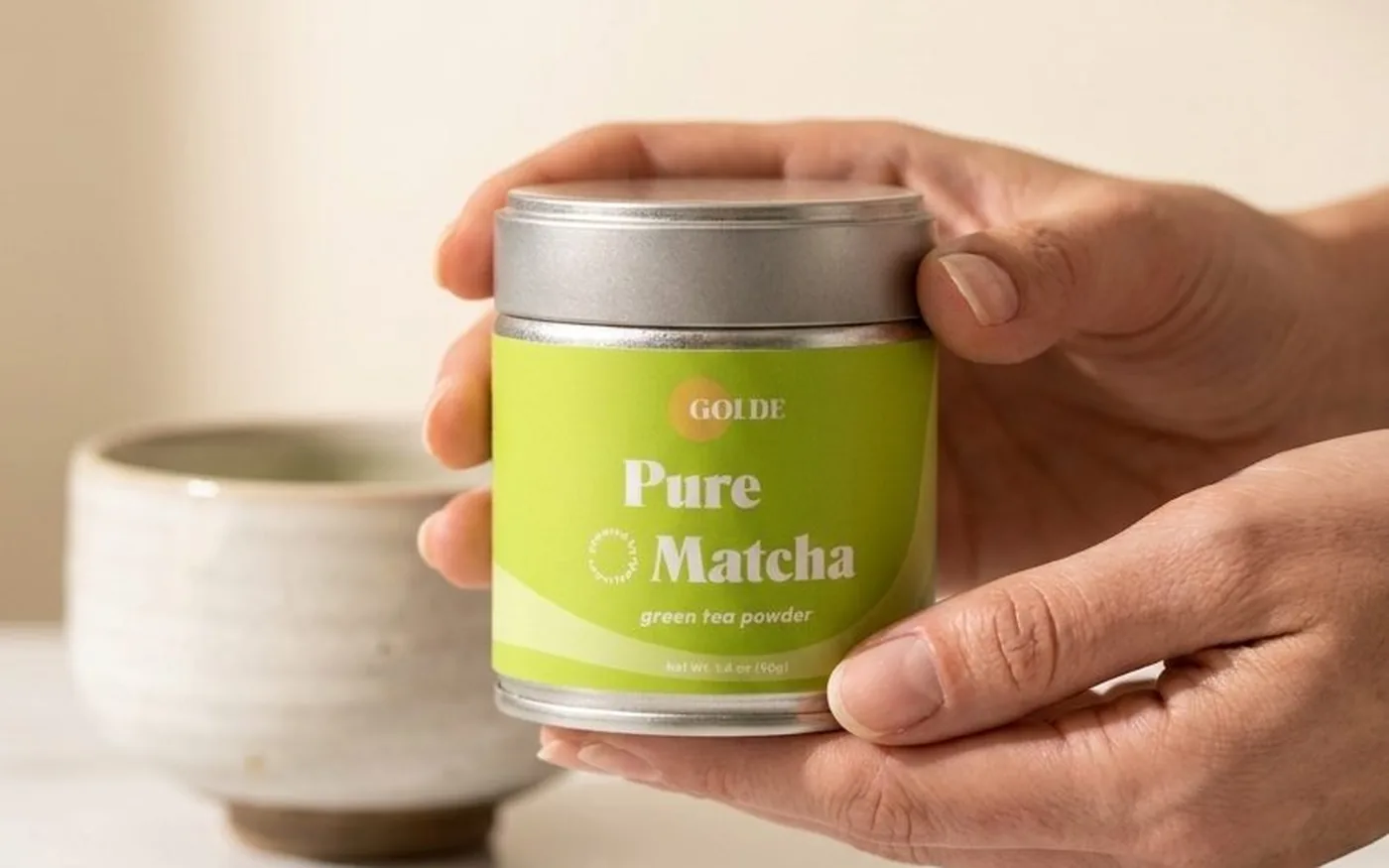
10. Golde - Best Lifestyle Pick
Golde launched in New York with a specific brief: make matcha accessible to people who had not grown up in tea culture, by presenting it within a wellness and beauty-adjacent lifestyle framework. The approach works for a specific buyer, and that buyer is not the same person shopping for Ippodo.
The colour in standard preparation is vivid. Golde uses Japanese ceremonial grade matcha as the base of their core products, so the quality of the leaf itself is not in question. The taste in straight preparation is clean and balanced, with a good umami quality and mild bitterness.
The brand's product range includes matcha blended with additional wellness ingredients alongside pure matcha options: check the label if you want pure matcha without additions. For the plain ceremonial option specifically, the product performed well in testing. In a latte or smoothie preparation, Golde integrates cleanly and holds colour. Foam quality and solubility were both good.
The brand is positioned above commodity matcha and below specialist Japanese tea houses, which is exactly where its pricing sits.
“Positioned above commodity matcha and below specialist Japanese tea houses, which is exactly where its pricing sits.”
| Evaluation Criteria | Our Findings |
|---|---|
| Full review | coming soon |
| Best for | Wellness lifestyle routines, creative recipes |
| Flagship product | Pure Matcha |
| Shop | golde.co |
| Shop | Shop Golde → |
Ceremonial Grade vs Culinary Grade: Which Should You Buy?
Ceremonial grade matcha is the highest quality classification available. It is produced from the youngest leaves, harvested in the first spring flush, shaded for three to four weeks before picking to maximise chlorophyll and L-theanine content, then stone-ground into a fine powder using granite millstones at a rate of approximately 30 grams per hour. The slow grinding preserves the amino acid structure of the leaf and produces the fine, consistent particle size that distinguishes quality ceremonial powder from everything below it.
Culinary grade matcha is made from older leaves, harvested later in the season or from unshaded plants, with lower L-theanine content and a more pronounced bitterness. It is designed for cooking, baking, and blended drinks where its flavour competes with stronger ingredients. It is not designed for drinking straight, and brands that label culinary grade matcha as a drinking product while pricing it in the ceremonial range are misrepresenting what is in the tin.
The price gap reflects the production process. Ceremonial grade typically costs £0.70 to £3.00 per serving depending on brand and grade tier within the ceremonial category. Culinary grade sits at £0.20 to £0.50 per serving. Brands that price their products at the ceremonial level while using culinary grade sourcing are taking margin from you without delivering the quality you are paying for.
For readers exploring the best ceremonial grade matcha uk options specifically, our dedicated guide covers the ceremonial-only tier in more detail, including the grade distinctions within the ceremonial category itself.
When to buy ceremonial grade: For drinking straight, for matcha lattes where the flavour needs to come through dairy, and for any preparation where matcha is the primary flavour experience.
When to buy culinary grade: For baking, cooking, and blending in protein smoothies where matcha is one of several strong flavours. Never buy culinary grade for daily drinking.
The labelling gap: Japan has no legally enforced definition of "ceremonial grade" that brands must meet to use the term. Your best protection is buying from brands that name the producing region (Uji, Nishio, Kagoshima), the harvest season (first flush preferred), and the grinding method (stone-ground, not blade-ground). A brand that cannot answer those three questions about its matcha has not earned the ceremonial label.
If you want to understand how matcha vs green tea differs in terms of processing, caffeine, and L-theanine content, we cover that comparison in a dedicated article that looks at the production differences and the nutritional implications of whole-leaf consumption versus infusion.
For a full side-by-side breakdown - including plain-bowl and latte taste tests across price tiers - see our dedicated ceremonial vs culinary matcha comparison.
What to Look For When Buying Matcha
Colour. Vivid, saturated emerald green is the clearest quality indicator available to you at the point of purchase. Matcha that looks olive, yellow-green, or dull has either been stored incorrectly, has degraded since grinding, or uses inferior leaf. When you open a tin of good matcha, the colour should be immediately striking.
Origin. Japanese matcha from Uji (Kyoto prefecture), Nishio (Aichi prefecture), or Kagoshima produces the highest quality in this test group. Chinese-origin matcha is typically lower in L-theanine, grown under less stringent conditions, and has been flagged in consumer testing for elevated heavy metals content. Consumer Reports in the United States published testing in 2024 that found elevated lead levels in several Chinese-origin green tea and matcha products. The Food Standards Agency provides guidance on maximum contaminant limits in tea products sold in the UK.
Stone-ground vs blade-ground. Stone-ground matcha produces a finer, more consistent particle size, better solubility, and superior foam. Blade-ground matcha is faster and cheaper to produce, creates a coarser powder that clumps more easily and produces inferior foam. If a brand does not state stone-ground on the label, assume blade-ground.
Harvest date. A best-before date tells you when the product expires, not when it was ground. The best brands include harvest season information. First flush (April to May) spring harvest is the quality peak. If there is no harvest date on the label, that is a signal worth paying attention to.
Packaging. Airtight and light-blocking packaging is non-negotiable for quality matcha. Exposure to oxygen and UV light degrades the product. Brands selling matcha in clear packaging or loosely sealed pouches are not protecting what is inside.
Heavy metals testing. The most responsible brands publish or make available third-party testing results for lead, cadmium, and other heavy metals. This is particularly relevant for matcha consumed daily. Ask the brand directly if no testing results are published on their website.
Organic certification. The Soil Association in the UK and equivalent Japanese certification bodies verify that farming practices meet defined organic standards. An uncertified brand claiming "organic farming practices" without a recognised certification is a weaker claim than one backed by the issuing body's registry.
Best Matcha for Lattes
For matcha lattes, the quality criteria shift from a straight-preparation assessment. Colour matters more: vivid green that holds in milk looks significantly better than the grey-green that lower-grade matcha produces in dairy. The depth of umami that distinguishes ceremonial grade in a chawan is partially masked by dairy, so the qualities that matter most in a latte are solubility, colour retention, and a flavour profile sweet enough to hold its own alongside milk.
The strongest picks for best matcha powder for lattes in this roundup:
Matcha Maiden is the clearest latte-first pick. Its slightly sweeter flavour profile and excellent colour retention in milk make it the most natural fit for a daily oat milk matcha latte.
OMGtea, the strongest pick in this test for taste and versatility, also performs well in milk, making it the right choice if you want a single matcha for both straight preparation and latte use.
Tenzo Tea earns its place here for the subscription model: a daily matcha latte adds up to significant monthly consumption, and the automatic reorder removes friction from a routine that should feel effortless.
For a full method on preparation, our guide on how to make a matcha latte at home covers water temperature, milk steaming options, and the matcha-to-liquid ratio that produces the best result.
Best Matcha for Beginners
If you are trying matcha for the first time, two factors tend to determine whether you continue: whether the bitterness is manageable, and whether the preparation feels achievable without specialist equipment.
Bird and Blend Tea Co is the strongest entry point. The price is the lowest in this roundup for genuine ceremonial quality, which means if matcha turns out not to suit you, the cost is minimal. The flavour is accessible: more bitterness than the premium brands, but far from unpleasant. Bird and Blend's UK store network is a genuine advantage here as staff can walk you through preparation in person.
Jade Leaf Matcha is the strongest pick for a beginner who wants to order via Amazon and test without committing to a specialist. The Prime availability, multiple size options, and consistent quality make it a practical first purchase that is easy to reorder if you decide to continue.
For both picks: start with one gram per serving rather than two until you find the preparation that works for you. One gram produces a lighter, sweeter cup. Two grams is the full ceremonial standard. The difference is significant and worth discovering at your own pace.
What to Avoid When Buying Matcha
Products labelled as matcha that contain blended green tea. Some products sold under a matcha label are a mix of matcha and standard green tea powder, which dilutes both quality and L-theanine content. Check the ingredients list before purchasing. If it reads "green tea, matcha" or "matcha blend," you are not buying pure matcha.
Chinese-origin matcha marketed as ceremonial or premium grade. Chinese-origin matcha is a legitimate culinary grade ingredient for cooking. It is not an appropriate choice for a product positioned as ceremonial grade for daily drinking, both because of the flavour difference and because of the documented heavy metals risk in non-Japanese-origin green tea products identified in consumer testing. If origin is not stated on the label, ask the brand before purchasing.
Matcha with no harvest date or harvest season information. Matcha degrades after grinding. A product with no harvest information and a two-year best-before date was ground at an unknown point and has been sitting since. Fresh matcha from quality brands has a best-before within six to twelve months of grinding, and a harvest year or season on the label.
Sweetened matcha blends sold as pure matcha. Some products include added sugar, natural flavourings, or sweeteners without clear labelling that distinguishes them from pure matcha. These are flavoured blends. There is nothing wrong with a sweetened blend if that is what you want, but the distinction should be clear from the packaging.
Brands that cannot name the producing region. "From Japan" on a label is a starting point, not a quality guarantee. The brands worth buying name the prefecture, the harvest season, and the grinding method. A brand that cannot or will not tell you where its matcha comes from is not earning the price it is charging.
The Bottom Line
The best matcha brand in the UK in 2026, on the full weighting of quality, verified trust, fit, service and value, is Kiki Health. It is not the highest-scoring brand on taste alone: that distinction goes to OMGtea, which remains the strongest all-round pick for anyone who wants outstanding flavour and colour in both a straight cup and a latte. Kiki Health tops the list because it backs its ceremonial grade with Soil Association organic certification and a stated batch-testing programme for heavy metals, microorganisms and pesticides, a trust signal most of the field in this test could not match.
For raw depth and complexity beyond the top three, DoMatcha and Tenzo Tea are the next step up, and Tenzo's subscription model makes it the practical choice for daily drinkers. If you want the highest ceremonial grade experience money can buy and price is a secondary consideration, Ippodo Tea is still the standard everything else is measured against on taste, even though its price and the absence of a stated certification on the grade we tested hold it out of the top tier here.
For beginners: start with Bird and Blend or Jade Leaf. For lattes specifically: Matcha Maiden was developed for that use case.
If you are building a morning routine and exploring the best drinks for focus and energy beyond coffee, matcha's L-theanine content produces a different energy profile than caffeine alone, and the brands in this guide are a reliable starting point for that transition.
Frequently Asked Questions
What is the best matcha brand in the UK?
Kiki Health is the best matcha brand in the UK for most buyers in 2026, once quality, trust, fit, service and value are weighed together rather than taste alone. It holds Soil Association organic certification and states a batch-testing programme for heavy metals and pesticides, a trust signal most competitors in this test could not match. OMGtea remains the strongest pick on taste and versatility, and Ippodo Tea is still the specialist standard for ceremonial grade if price is secondary.
Is ceremonial grade matcha worth it?
Yes, for drinking straight or in lattes. Ceremonial grade matcha is produced from the youngest, most L-theanine-rich leaves, stone-ground to a fine particle size that dissolves cleanly and produces good foam. The taste difference compared to culinary grade is significant: less bitterness, more umami, a cleaner finish. Culinary grade belongs in cooking, not in your morning cup.
What matcha do cafes use?
Most UK cafes use premium culinary or entry-level ceremonial grade matcha designed for high-volume latte preparation. Some specialty tea shops and dedicated matcha bars use full ceremonial grade for both lattes and straight preparation. If a cafe's matcha latte was exceptional, ask which brand they use: most specialty venues are happy to share.
How much matcha should you drink per day?
One to two servings per day is the right baseline for most adults. Ceremonial grade matcha delivers approximately 20 to 40mg of L-theanine and around 35mg of caffeine per gram. The European Food Safety Authority (EFSA) has reviewed L-theanine as a food ingredient. If you are sensitive to caffeine, start with one gram per session and assess your response before increasing.
Why is Japanese matcha better than Chinese matcha?
Japanese matcha benefits from traditional shade cultivation and stone-grinding that produces higher chlorophyll and L-theanine content than Chinese-origin powder. Chinese green tea powder is typically unshaded and blade-ground, with harsher bitterness and lower L-theanine. Consumer testing (Consumer Reports, 2024) has also flagged elevated lead and cadmium in some Chinese-origin matcha products that do not appear in comparable Japanese-origin testing.
Can you use ceremonial matcha for lattes?
Yes, and for most people it is the better choice. Ceremonial grade matcha produces a cleaner, sweeter flavour that holds better through dairy than culinary grade, and the colour remains vivid in milk rather than fading to grey-green. Culinary grade was designed to compete with strong cooking ingredients: in a milk-based drink, that profile produces a harsher, less appealing result than ceremonial grade at the same brew strength.
How should you store matcha powder?
Store matcha in an airtight, light-blocking container away from heat, moisture, and strong odours. Once opened, keep the tin sealed and use within four to eight weeks for best flavour. Refrigeration is not necessary but can extend freshness for infrequently used ceremonial grades. Never store matcha in clear containers or near a stove: UV exposure and heat degrade chlorophyll and L-theanine quickly.
What is the difference between first flush and second flush matcha?
First flush matcha, harvested in April and May, uses the youngest leaves with the highest amino acid and L-theanine content, producing a sweeter, more complex flavour and a more vivid colour. Second flush, harvested later in summer, has a slightly more bitter, robust profile. First flush is the quality standard for ceremonial grade. If a brand states harvest timing, first flush is the better choice for straight preparation.
Does matcha contain caffeine?
Yes. A standard one-gram serving of ceremonial grade matcha contains approximately 35mg of caffeine, less than a typical espresso shot (around 60 to 70mg) but more than most teas. Matcha's caffeine is absorbed more slowly due to the presence of L-theanine, which many drinkers report produces a calmer, more sustained energy than coffee without the sharp peak and crash. Two-gram servings effectively double the caffeine content.
Is expensive matcha actually worth the price?
For daily drinking, yes - up to a point. The quality difference between supermarket culinary grade and a mid-range ceremonial brand like OMGtea is immediately noticeable in colour, taste, and L-theanine content. Above that mid-range tier, improvement is real but more subtle. Specialist brands like Ippodo are worth the premium if the ceremonial experience itself is the point, not if you are primarily making daily lattes.

A registered Nutritional Therapist and member of BANT, Clemmie blends science with a holistic approach to wellbeing.