What Are Mycotoxins in Coffee? The Complete UK Guide (2026)

Coffee & Wellness Writer
The science behind mycotoxins in coffee, including what UK and EU limits actually mean for your daily cup.
Table of Contents
Some of the links in this article are affiliate links, which help fund our independent review work at no extra cost to you. Every recommendation is based on hands-on testing through The Editor Lab methodology. No brand pays to appear, and no placement is guaranteed.
Mycotoxins are toxic compounds produced by moulds. They form on coffee beans during growing, harvesting, and storage, and they survive into your cup unless the supply chain actively controls for them. Roasting reduces them but does not eliminate them. Regulation limits them but does not prevent them. Understanding both matters.
I founded Balance Coffee in 2020 after discovering that mainstream commercial coffee frequently contains mycotoxins, mould residue, and pesticide residues that producers are not required to disclose to consumers. What I found when I started looking into the science has shaped how we source, test, and certify every batch we produce. This guide covers the actual research, the regulatory picture in the UK and EU, and what it means for what you drink every day.
What Are Mycotoxins? A Plain-English Definition
Mycotoxins are toxic chemical compounds produced by certain species of mould. They are not the mould itself - they are the metabolic byproducts moulds release as they grow on organic material. On coffee, the moulds that matter most are species of Aspergillus and Penicillium, which colonise green beans during humid growing seasons, wet fermentation, and post-harvest drying and storage.
The World Health Organisation classifies mycotoxins as a significant public health concern in food and feed globally. They occur across dozens of agricultural commodities - cereals, nuts, dried fruits, spices - and coffee is one of the most widely monitored because of its global consumption volume.
The key property that makes mycotoxins a genuine concern rather than a theoretical one is their thermal stability. Unlike the mould that produces them, mycotoxins do not simply burn off during roasting. A percentage survives to the final cup, which is why the science focuses on managing contamination at source, not eliminating it at roast.
What protects consumers is a combination of regulatory maximum limits, established at the European and UK level, and the fact that the quantities present in commercial coffee rarely approach those limits - though the picture is more complicated when you drill into specific formats and processing methods.
The Two Mycotoxins Found in Coffee: Ochratoxin A and Aflatoxin B1
| Mycotoxin | Source mould | Primary health concern | UK limit (roasted coffee) | EU limit (roasted coffee, since Jan 2023) | Typical range in retail coffee |
|---|---|---|---|---|---|
| Ochratoxin A | Aspergillus ochraceus, Penicillium verrucosum | Nephrotoxic (kidney damage), IARC Group 2B possible carcinogen | 10 micrograms/kg | 3 micrograms/kg | 0.5-2.5 micrograms/kg |
| Aflatoxin B1 | Aspergillus flavus, Aspergillus parasiticus | Hepatotoxic (liver damage), IARC Group 1 confirmed carcinogen | 4 micrograms/kg (total aflatoxins) | 4 micrograms/kg (total aflatoxins) | Typically below detection in roasted coffee |
Ochratoxin A is the mycotoxin you are most likely to encounter at measurable levels in retail coffee. It is produced primarily by Aspergillus ochraceus and Penicillium verrucosum, moulds that thrive in humid post-harvest conditions. OTA is nephrotoxic - it damages kidney function with repeated exposure at high doses. The International Agency for Research on Cancer classifies it as Group 2B: possibly carcinogenic to humans. That classification means there is evidence from animal studies but the human evidence is not conclusive.
Aflatoxin B1 carries a more serious classification: IARC Group 1, a confirmed human carcinogen. The good news for coffee drinkers is that aflatoxins are far less commonly detected in roasted coffee than in raw agricultural commodities. The heat of roasting degrades AFB1 substantially. It is the green bean stage - before roasting - that carries the higher risk, which is why origin sourcing and storage conditions matter so much.
How Mycotoxins Get Into Coffee: From Bean to Cup
Mycotoxin contamination begins at the farm and progresses through every stage where moisture meets organic material without adequate temperature control.
Growing conditions. Coffee grows in tropical climates where heat and humidity are constants. Regions experiencing weather volatility - heavier rainfall, extended humid seasons - produce green beans that carry a higher baseline mould burden. Brazil and Vietnam, the world's two largest producing nations, have seen documented increases in OTA-relevant humidity conditions in recent growing seasons, which is a live concern in the green coffee supply chain.
Harvesting method. Strip-picked and mechanically harvested beans spend longer on the ground or in collection vessels before processing begins. This extended contact with soil and ambient moisture creates conditions for mould growth before the beans ever reach a processing facility.
Processing method. The way a cherry is processed after picking has a measurable effect on mycotoxin levels. Dry-processed (natural) coffees - where the whole cherry dries with the fruit pulp intact - show higher aflatoxin levels in published studies than wet-processed (washed) coffees, where the pulp is removed immediately. The Specialty Coffee Association's green coffee grading standards flag mould defects as primary defects precisely because they affect cup quality and food safety simultaneously.
Drying and storage. The post-processing drying stage is where most OTA contamination occurs. Under-dried beans (moisture content above 12-13%) held in humid conditions provide a substrate for Aspergillus and Penicillium. This is not a developing-world infrastructure problem specifically - it applies equally to green coffee sitting in a port warehouse in Rotterdam or a UK distribution facility during a wet summer.
Roasting. Roasting reduces OTA but does not eliminate it. Published research shows that roasting at standard commercial temperatures reduces ochratoxin A by approximately 69-96% of its original concentration. However, the remaining 4-31% survives into your cup. The reduction varies significantly based on roast temperature, roast duration, and initial contamination level - which is why roasting alone cannot be the control point.
Brewing. Between 80-100% of remaining OTA transfers from the ground coffee into the brewed liquid. The extraction efficiency of mycotoxins is high. Your brewing method does not meaningfully protect you from what was in the bean.
Are Mycotoxins in Coffee Actually Dangerous? What the Research Says
The direct answer: at the levels present in regulated commercial coffee in the UK and EU, the current evidence does not support acute health risk from mycotoxins for the vast majority of adults drinking a typical quantity of coffee.
The more honest answer: the research has not established a fully safe lower threshold for OTA exposure, and heavy daily coffee consumption from poorly regulated sources does add to overall dietary OTA burden.
EFSA originally set a tolerable weekly intake (TWI) for OTA of 120 nanograms per kilogram of bodyweight in 2006. In its 2020 reassessment, EFSA concluded that this 2006 TWI is no longer considered valid. The 2020 opinion found the available toxicological data insufficient to derive a new health-based guidance value and flagged a potential health concern via a margin-of-exposure approach instead. This means there is no current EU or UK numerical tolerable weekly intake in force for OTA. What exists is a set of maximum limits in food, combined with ongoing dietary exposure monitoring.
A cup of coffee brewed from beans containing the UK maximum limit (10 micrograms/kg) and extracted at 80% efficiency delivers approximately 100-150 nanograms per cup. The picture for beans at typical retail concentrations (0.5-2.5 micrograms/kg) is substantially lower: approximately 6-32 nanograms per cup. Without a current numerical guidance value, the safety question is framed as a margin-of-exposure comparison to animal study thresholds - and at typical consumption levels, the margin remains wide for healthy adults. That said, the 2020 EFSA assessment flagged that exposure through the combined dietary OTA burden - not coffee alone - warrants continued monitoring.
The complexity enters at three points. First, OTA is a cumulative toxin: coffee contributes to a total dietary OTA load that includes cereals, wine, dried fruit, and spices. If your overall diet carries significant OTA burden, coffee's contribution is additive. Second, people with kidney disease or compromised renal function face elevated risk from OTA exposure at any level, because the kidneys are the primary target organ. Third, and most relevant to the UK market, mycotoxin regulations apply to commercial supply chains subject to inspection - they do not apply to unregulated direct imports or grey-market sourcing.
Roasting chemistry also produces another compound worth mentioning: acrylamide, a Maillard reaction byproduct with a Group 2A IARC classification. That is a separate conversation from mycotoxins, but it is part of the broader picture of what happens to coffee chemistry under heat. Darker roasts produce less acrylamide than lighter roasts, which is the reverse of the mycotoxin picture.
UK and EU Regulatory Limits: What You Are Actually Drinking
Coffee sold in the UK and EU is subject to maximum limits for mycotoxin contamination under retained EU Regulation (EC) 1881/2006, which the UK Food Standards Agency continues to enforce post-Brexit.
| Coffee format | UK OTA limit (retained Reg. EC 1881/2006) | EU OTA limit (Commission Reg. EU 2022/1370, in force Jan 2023) | Total aflatoxins limit (UK and EU) |
|---|---|---|---|
| Roasted coffee (ground or whole bean) | 10 micrograms/kg | 3 micrograms/kg | 4 micrograms/kg |
| Soluble (instant) coffee | 10 micrograms/kg | 5 micrograms/kg | 4 micrograms/kg |
| Green (unroasted) coffee | 15 micrograms/kg | 15 micrograms/kg | 15 micrograms/kg |
Two points stand out in this table. The UK retained the pre-2023 EU limit of 10 micrograms/kg for roasted coffee under Regulation (EC) 1881/2006. The EU tightened its own standard substantially with Commission Regulation (EU) 2022/1370, which came into force on 1 January 2023 and set a 3 micrograms/kg OTA limit for roasted coffee and 5 micrograms/kg for instant - making EU limits now materially stricter than the UK equivalent. Because this guide is written for UK consumers, the operative limit for roasted coffee is 10 micrograms/kg, but UK-based consumers buying coffee imported directly from EU-regulated supply chains will typically be benefiting from the tighter EU standard in practice. Green coffee has the highest allowable limit because it is an intermediate ingredient, not a retail product, but roasters who work with high-contamination green stocks carry that burden into their final product.
Monitoring is carried out by the FSA and port authorities on commercial imports. The EU Rapid Alert System for Food and Feed (RASFF) publishes notifications when shipments fail these limits, and coffee is a regular subject of those notifications, particularly from certain West African and South-East Asian origins.
Which Coffees Have the Highest Mycotoxin Risk?
Not all coffee formats carry equal risk. Here is the picture by category:
| Format | OTA risk level | Reason |
|---|---|---|
| Whole bean arabica, washed, specialty grade | Lowest | Rigorous green sourcing, lower OTA baseline, roast reduces further |
| Whole bean robusta | Higher than arabica | Often wet-processed in humid conditions, higher OTA in published studies |
| Ground coffee (pre-ground) | Low-to-moderate | Depends on bean quality; no additional risk from grinding itself |
| Instant (soluble) coffee | Highest regulated | UK limit 10 micrograms/kg (same as roasted); EU post-2023 limit 5 micrograms/kg vs 3 for roasted; monitoring data confirms higher average levels in all jurisdictions |
| Decaf, solvent-processed | Moderate | Solvent extraction may concentrate OTA in some processes |
| Decaf, Swiss Water method | Lower than solvent | Water-only process appears to reduce OTA alongside caffeine |
| Capsules / pods | Depends on bean quality | Format does not change the contamination level of the coffee inside |
| Mushroom coffee blends | Variable | Mycotoxin risk applies to the coffee fraction; mushroom substrate carries separate but low mould risk |
Instant coffee is the standout risk format in monitoring data. The UK maximum limit for instant coffee is the same as for roasted coffee (10 micrograms/kg), but the EU post-2023 limit for instant (5 micrograms/kg) is higher than for roasted coffee (3 micrograms/kg) - acknowledging the historical monitoring picture. EFSA monitoring data consistently shows higher average OTA concentrations in soluble coffee than in roasted whole bean or ground coffee regardless of the applicable limit. The production process - multiple rounds of concentration and spray-drying at temperatures that vary by manufacturer - does not reliably reduce OTA in the way that dry roasting does.
Robusta vs arabica: Robusta beans contain roughly twice the ochratoxin A levels of arabica on average, based on published literature. Robusta is predominantly used in commodity blends and instant coffee, which partly explains the instant coffee picture above.
Decaf and mushroom coffee deserve a specific note. Decaf coffee processed via the Swiss Water method shows lower mycotoxin levels than solvent-decaffeinated alternatives in comparative studies. The Swiss Water process uses water and activated carbon to extract caffeine - it appears to carry some OTA out with the caffeine, though this is a secondary benefit rather than a stated design goal.
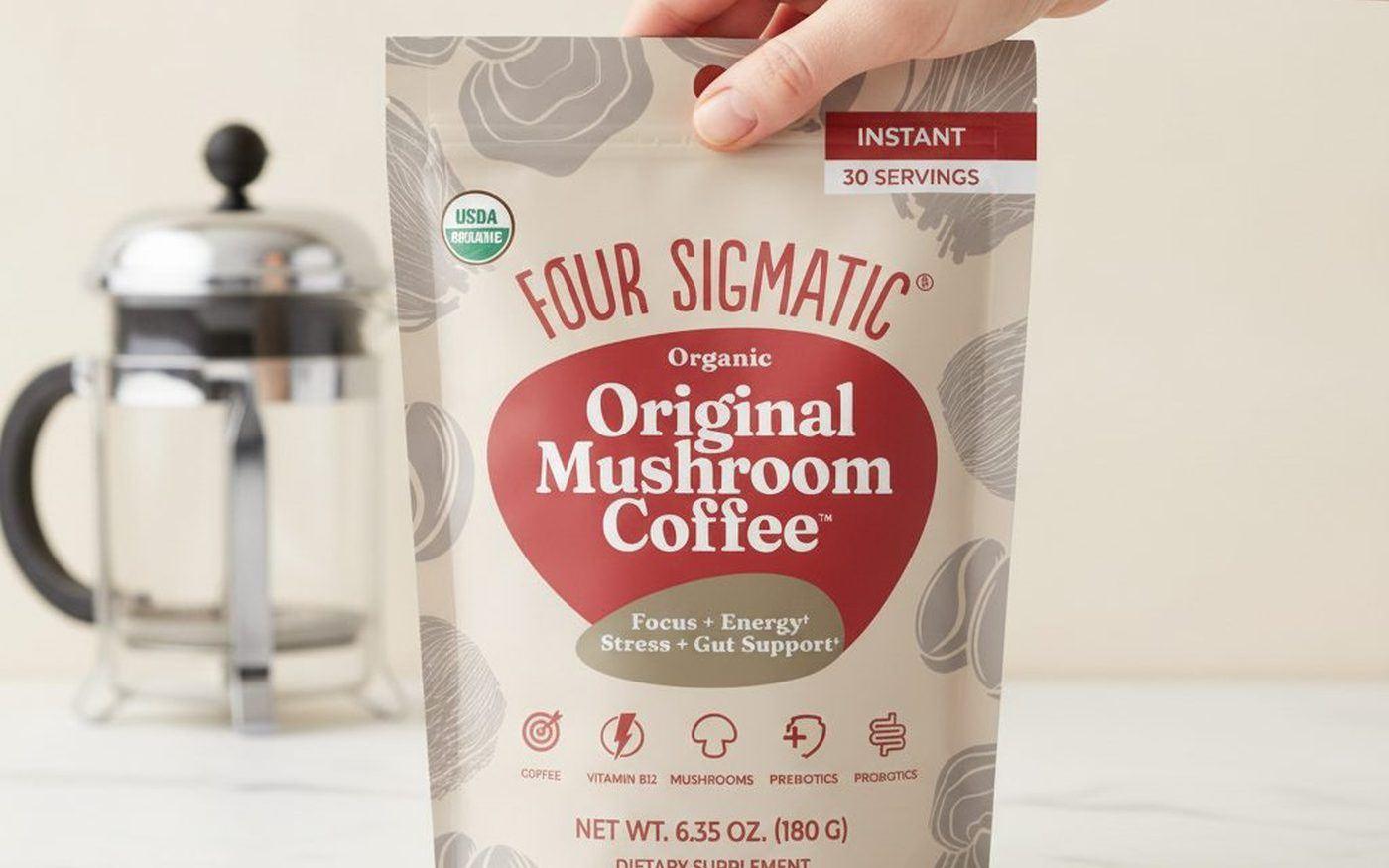
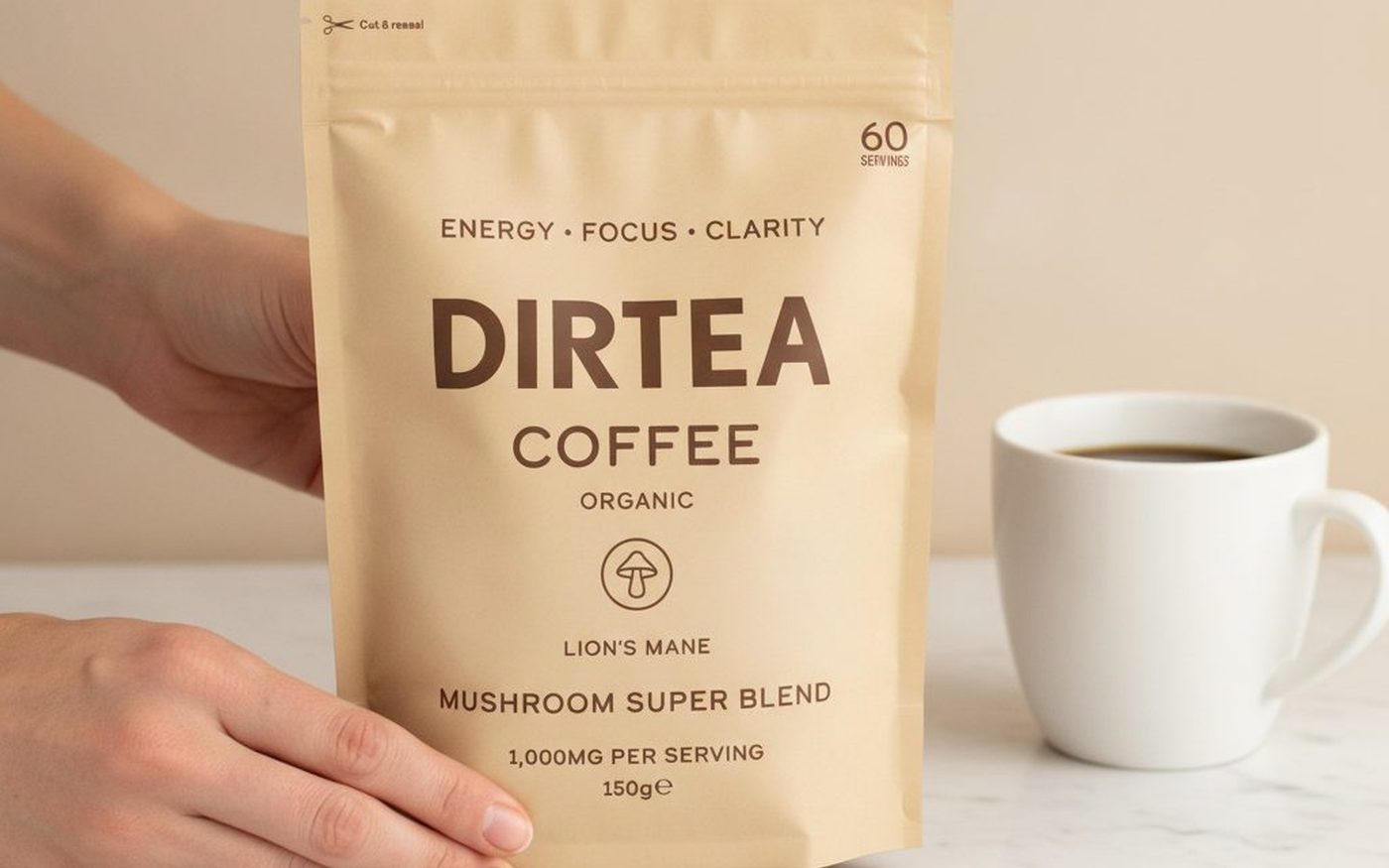
Mushroom coffee, including brands like Four Sigmatic and Dirtea, raises the question of whether the mushroom substrate adds mycotoxin risk on top of the coffee fraction. The answer is nuanced: functional mushrooms like lion's mane and chaga can harbour their own mould burden if grown or dried without adequate controls, but reputable brands (Four Sigmatic and Dirtea both publish independent third-party lab results covering mycotoxins and heavy metals) test the mushroom fraction separately. If a mushroom coffee brand does not publish those certificates, treat the product the same way you would any unverified coffee.
Specialty coffee pods carry the same risk profile as the coffee inside them - the capsule format is not a mycotoxin vector in itself. What matters is the quality of the coffee used to fill them.
How to Avoid Mycotoxins in Your Coffee: 5 Practical Steps
You cannot eliminate mycotoxins from your coffee entirely, but you can meaningfully reduce your exposure through sourcing choices.
- "Buy specialty grade arabica. The specialty coffee grading system (SCA Q-grader protocol) requires zero primary defects, which includes mould defects. Specialty-certified green coffee has lower OTA levels on average than commodity-grade coffee because the selection and sorting process physically removes beans with visible mould damage. This is not a guarantee - mycotoxins are invisible and can be present in visually clean beans - but specialty sourcing is the single most reliable proxy for lower contamination risk. Organic-certified specialty beans combine this advantage with verified pesticide controls."
- "Choose washed over natural processed where contamination is a priority. Wet-processed (washed) coffees consistently show lower aflatoxin levels in published comparative studies. If you are managing high dietary OTA burden for health reasons, this is a meaningful distinction to make. Health-conscious buyers reducing all dietary irritants may also find our low-acid coffee guide useful alongside this."
- Avoid instant coffee as your primary daily format. Monitoring data consistently shows higher average OTA concentrations in soluble coffee than in roasted whole bean or ground specialty coffee. The EU post-2023 limit for instant coffee (5 micrograms/kg) is higher than for roasted (3 micrograms/kg), reflecting this pattern. Instant coffee carries materially higher OTA risk in practice regardless of the applicable regulatory limit.
- Buy from roasters who publish third-party lab certificates. Independent lab testing for OTA, AFB1, pesticides, and heavy metals is the only way to verify what is actually in a specific coffee batch. Looking for a published Certificate of Analysis (COA) from an accredited lab - not the roaster's own claim - is the standard to apply. Healthy coffee buying guides increasingly use lab-test transparency as a ranking criterion for this reason.
- Store your coffee correctly. If you buy whole beans and grind at home, store them in an airtight container at room temperature, away from heat and humidity. This sounds obvious but matters: ground coffee left in a humid environment after opening can develop mould growth, adding to the contamination burden of an already-purchased product.
The Lab-Testing Standard: What 'Mycotoxin-Free' Actually Means
'Mycotoxin-free' as a marketing term is not regulated in the UK or EU. Any brand can use it. What separates a genuine claim from a marketing badge is the presence of a third-party Certificate of Analysis from an accredited laboratory, testing for specific compounds at specific detection limits, with a named testing facility and a dated certificate.
The UK labs most commonly used for coffee mycotoxin testing include Eurofins, Cardiff Scientific Services, and a handful of ISO-accredited independent labs. A credible COA will name the compound tested (ochratoxin A, aflatoxin B1, B2, G1, G2), the detection method (typically HPLC-MS/MS), the detection limit (often 0.2-0.5 micrograms/kg), and the result in micrograms per kilogram.
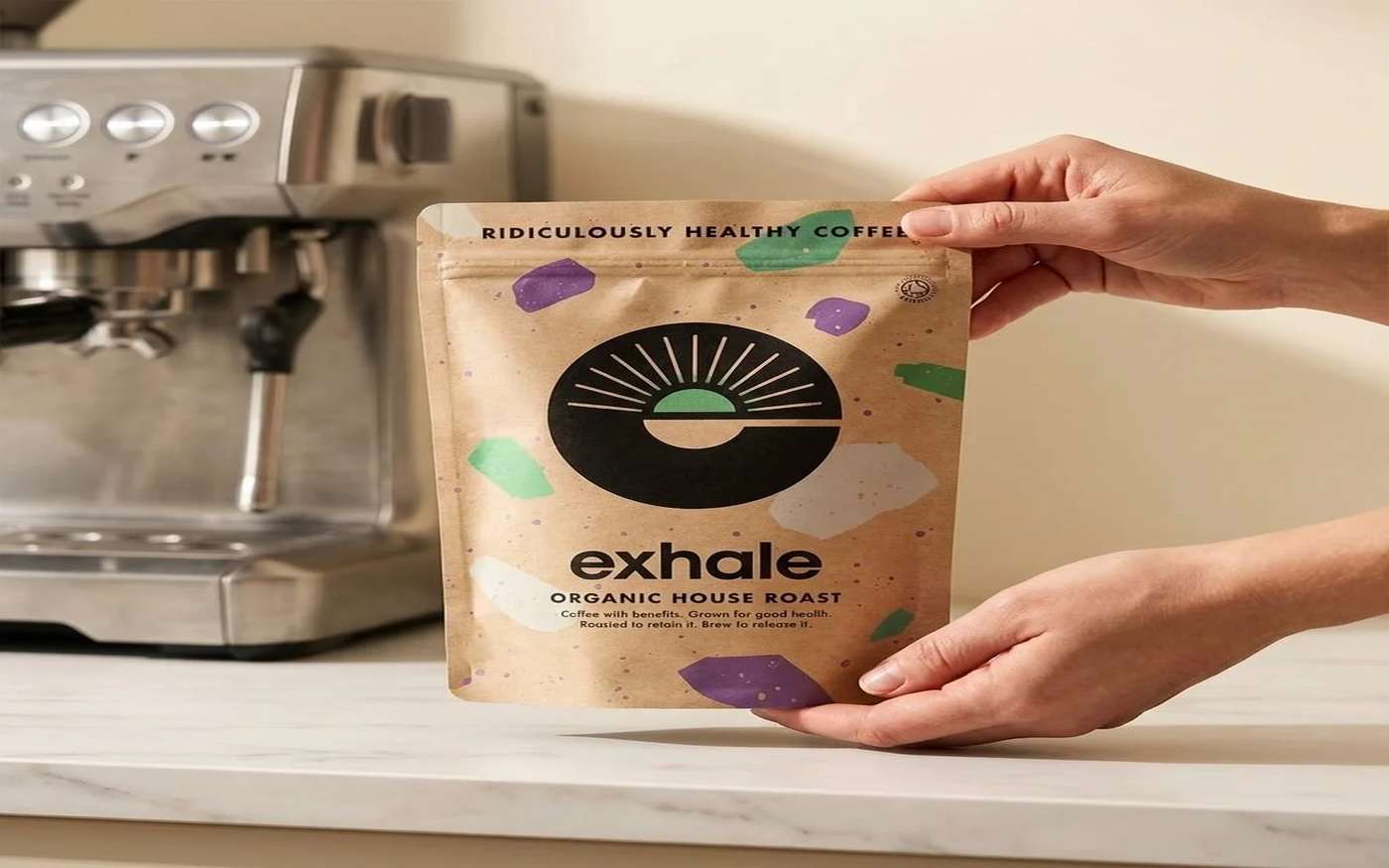
Exhale Coffee publishes full batch-level lab certificates covering mycotoxins, pesticides, and heavy metals. They were among the first UK specialty roasters to make this a visible commitment rather than a back-office process, and they remain the clearest example of what the standard looks like in practice. Their results are accessible from every product page. If you want to see what a credible COA looks like before evaluating other brands, Exhale Coffee is the reference point.
Full disclosure: Balance Journal is published by the team behind Balance Coffee. Our beans are independently lab-tested for ochratoxin A, aflatoxin B1, pesticides, and heavy metals - certificates are available on every product page. We are one of a small group of UK roasters doing this; the others worth knowing are listed in our guide to the best mycotoxin-free coffee brands. If you want to explore our range, Balance Coffee readers get 20% off with code JOURNAL.
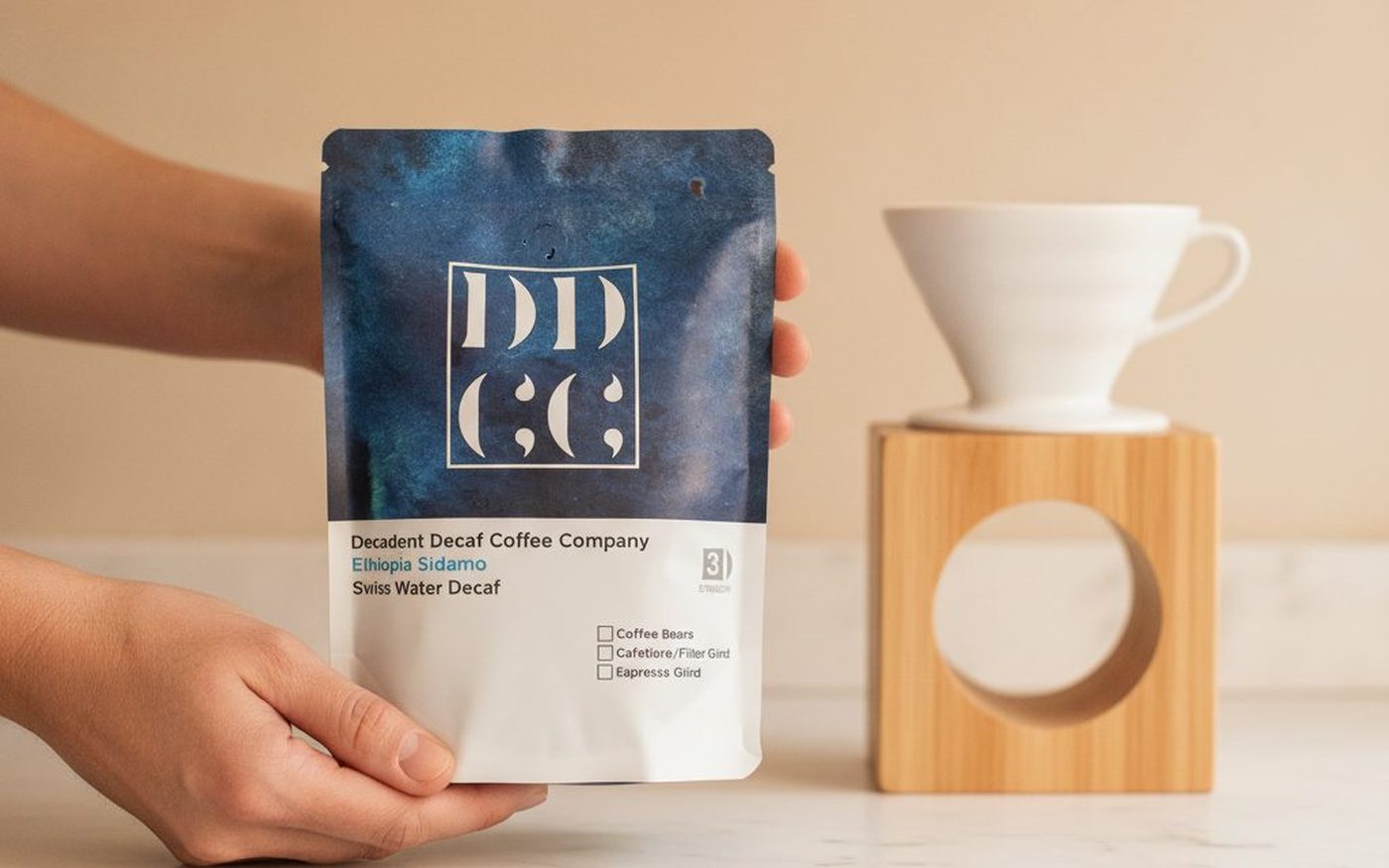
For coffee that specifically addresses mycotoxin risk at the decaf level, Decadent Decaf uses Swiss Water processing and publishes evidence of the method, which as noted above shows lower OTA levels than solvent-based alternatives.
The Bulletproof Controversy: Is Dave Asprey Right?
Dave Asprey launched Bulletproof Coffee in the early 2010s with a central claim: that conventional coffee is contaminated with mycotoxins at levels that cause 'brain fog, mould-related fatigue, and cognitive decline', and that Bulletproof's proprietary testing process removes this risk. The claim generated enormous reach and seeded the entire 'clean coffee' category.
The steelman version of Asprey's position is this: mycotoxins are real, they are present in coffee at measurable levels, and the regulatory framework sets maximum limits that protect against acute harm rather than optimising for minimal exposure. That is not wrong.
Where the science diverges from the Bulletproof framing is in the severity and specificity of the claimed effects. The peer-reviewed literature does not support the proposition that typical exposure levels from commercial coffee cause cognitive effects, fatigue, or 'brain fog' in healthy adults. The dose-response data from EFSA and WHO shows the health concern is kidney function with chronic high-level exposure, not the neurological symptoms Asprey described. And the suggestion that Bulletproof's proprietary process achieves contamination levels meaningfully below those of other quality-certified specialty coffees is not independently verified.
What Asprey did get right: he forced a conversation that the specialty coffee industry had quietly avoided. The demand for published lab certificates - now a growing practice among UK specialty roasters - owes something to the commercial pressure the Bulletproof narrative created. The mechanism he described was overstated; the general direction of travel (transparency, testing, sourcing controls) was correct.
Asprey's original Bulletproof Coffee claim is still available for those who want to read the original position. The more balanced read is that mycotoxin contamination in coffee is a genuine supply chain issue - not a crisis, not a myth, and not something that requires a proprietary solution.
The Named Mycotoxins: Ochratoxin A and Aflatoxin B1 at a Glance
For reference, the two mycotoxins that matter in coffee:
Ochratoxin A is produced by Aspergillus ochraceus and Penicillium verrucosum. It is the more commonly detected mycotoxin in retail coffee, particularly in robusta and instant formats. The IARC classifies it Group 2B. EFSA's 2006 tolerable weekly intake (120 nanograms per kilogram of bodyweight) was withdrawn in the 2020 reassessment; EFSA now uses a margin-of-exposure approach and has flagged that no safe numerical threshold can currently be derived. The UK maximum limit for roasted coffee is 10 micrograms/kg. Roasting reduces OTA by 69-96%. It is not destroyed by brewing temperatures.
Aflatoxin B1 is produced by Aspergillus flavus and Aspergillus parasiticus. It carries IARC Group 1 classification - a confirmed human carcinogen. It is more rarely detected in roasted coffee than in green beans because roasting degrades it substantially. The risk is highest in unroasted green coffee and in commodity-grade sourcing from origins with poor post-harvest control.
Both compounds are monitored under UK-retained EU Regulation (EC) 1881/2006. Both are subject to import controls. Neither is unique to coffee - they appear across the agricultural food supply - but coffee is one of the most intensively monitored commodities because of its consumption volume.
Frequently Asked Questions
Are mycotoxins in coffee dangerous to drink?
At levels found in regulated UK commercial coffee, current evidence does not support an acute health risk for most adults. The UK maximum limit is 10 micrograms/kg for roasted coffee. EFSA's 2020 reassessment withdrew its earlier safe-intake threshold and now uses a margin-of-exposure approach instead. The genuine concern is cumulative dietary OTA exposure for people with kidney disease or already high OTA intake from other foods.
Does all coffee contain mycotoxins?
Trace levels of mycotoxins, particularly ochratoxin A, are present in a large proportion of commercially available coffee. Published monitoring data from EFSA and the UK FSA show that most retail coffee contains OTA at levels well below the regulatory maximum. Specialty grade arabica, washed-process coffees, and coffees with published third-party lab results consistently show lower concentrations than commodity-grade robusta and instant coffee.
Which coffee is mycotoxin-free?
No coffee is guaranteed to contain zero mycotoxins. The term 'mycotoxin-free' as a marketing claim is not regulated in the UK. The meaningful standard is third-party lab certification from an accredited UK laboratory, naming the specific compounds tested and the results in micrograms per kilogram. Exhale Coffee publishes batch-level certificates. Our guide to mycotoxin-free coffee brands covers the main UK options with lab evidence.
How do you avoid or prevent mycotoxins in coffee?
The five most effective steps are: buy specialty grade arabica (lower OTA baseline), choose washed-process over natural-process beans where possible, avoid instant coffee as your primary daily format (monitoring data consistently shows higher OTA concentrations than roasted coffee), buy from roasters who publish third-party Certificates of Analysis, and store beans airtight at room temperature to prevent post-purchase mould growth. You cannot eliminate mycotoxins, but you can reduce exposure meaningfully.
Does roasting destroy mycotoxins in coffee?
Roasting reduces ochratoxin A by roughly 69-96% of its original concentration in the green bean, and aflatoxin B1 is also significantly degraded. But between 4% and 31% of OTA survives into the final cup, depending on roast temperature and duration. Roasting is a reduction step, not an elimination step, which is why pre-roast contamination levels and sourcing controls still matter for the finished cup.
Is decaf coffee higher in mycotoxins than regular coffee?
It depends on the decaffeination method. Swiss Water process decaf shows lower ochratoxin A levels than solvent-decaffeinated coffee in comparative studies, because the water and activated-carbon process appears to carry some OTA out along with the caffeine. Solvent-based decaffeination does not share this effect. If mycotoxin exposure concerns you, Swiss Water-processed decaf is the safer choice.
Is mushroom coffee free from mycotoxins?
Mushroom coffee blends carry the same mycotoxin risk as the coffee fraction, plus a separate, lower risk from the mushroom substrate, since poorly dried or stored mushrooms can develop mould. Reputable UK brands like Four Sigmatic and Dirtea publish third-party lab results covering mycotoxins and heavy metals for the mushroom fraction. If a brand does not publish these certificates, apply the same scrutiny you would to any unverified coffee.
Is mould-free or mycotoxin-free coffee just a marketing gimmick?
The underlying concern is real, not invented by marketing. Ochratoxin A is genuinely present in coffee at measurable, regulated levels. Some brands overreach by overstating health effects at typical doses, or by implying their process eliminates contamination when the honest claim is reduction. The legitimate version is third-party lab certification showing OTA below a stated detection limit. An unverified 'mycotoxin-free' claim is not.
A wellness entrepreneur and biohacker, James explores the intersection of hospitality and health - from clean fuel and recovery tools to mindful routines that build balance into daily life.