Best Mycotoxin-Free Coffee (2026) - 10 Lab-Tested Brands Ranked


We checked each claim against results, certifications and sourcing. Evidence first.
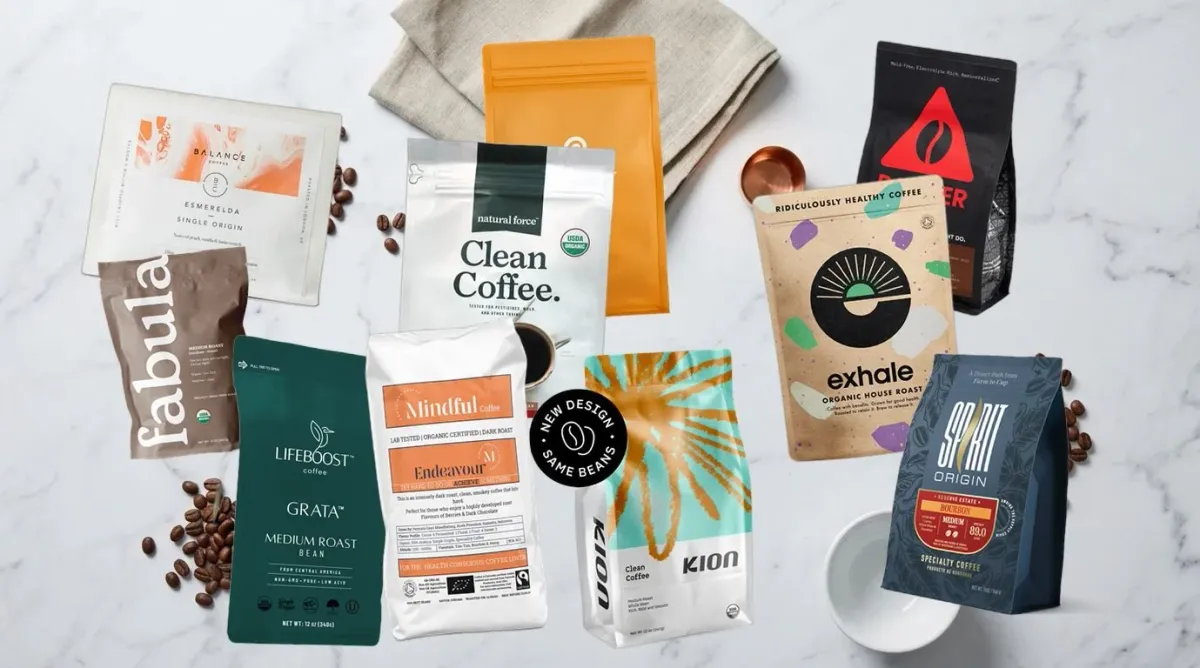
Table of Contents
Some of the links in this article are affiliate links, which help fund our independent review work at no extra cost to you. How we assessed these products is explained in this article and our Editor Lab methodology. No brand pays to appear, and no placement is guaranteed.
I started in coffee back in 2012, training baristas at UCC Coffee for clients ranging from BaxterStorey contract caterers to McDonald's. From there I spent five and a half years at Sanremo, selling espresso machines to 60 of the country's best roasters and visiting almost 300 roasteries across the UK - from Edinburgh to Exeter, every motorway service station in between.
That time on the road is where I learned about the gap between what the coffee industry says and what it actually does. I saw cupping rooms where every bean was scored, profiled, and traced to a named farm. I also saw storage conditions at origin that would make most consumers put the bag down. The difference between those two realities is not visible on the shelf. The only way to know is to test.
When I founded Balance Coffee in 2020, the decision to have the coffee independently lab tested came from that experience. I had spent years inside roasteries that cared deeply about flavour, extraction, and sourcing transparency - but almost none of them tested for contaminants. Not because they did not care, but because the infrastructure did not exist and customers were not asking. I started asking. Then I started publishing the answers.
This guide exists because the clean coffee category has grown faster than its evidence base. Some brands here do genuinely rigorous work - and more of them publish that work than I expected when we started verifying. Others have built entire businesses on claims they have never published data for. I have the industry access to know the difference, and the editorial independence to say it plainly.
The best mycotoxin free coffee brands are the ones that can prove it. Not the ones that claim it on a landing page, repeat it in affiliate blog posts, and leave you to take their word for it. The difference between 'tested' and 'published' is the entire point of this guide.
Over the past month, our Editor Lab team contacted all 10 brands in this list. We checked their websites for published lab results. We looked for certificates of analysis. We verified organic certifications against official registries. Then we ranked them - not by marketing spend or review volume, but by a single question: can you show me the data?
The answer, for more brands than expected, is yes. Six of 10 brands in this guide publish verifiable lab data. The remaining four ask you to trust the label. This guide makes the distinction clear so you do not have to guess.
“Editor's Insight: Most 'mould-free coffee' lists online repeat brand claims without verifying them. We checked. Six of the 10 brands in this guide publish verifiable lab results - from batch-by-batch certificates of analysis to dedicated testing pages with named laboratories. The other four claim to test but do not share the data. This guide separates the evidence from the marketing.”
Quick View - Our Top 3 Mycotoxin-Free Coffee Picks
| Brand | Best For | Price | Shop |
|---|---|---|---|
 1st Place 1st Place | From £8.99per 250g | Save 20% | |
 2 2 | From $22per bag | Explore | |
 3 3 | From £49per bag | Explore |
How We Tested - The Editor Lab Methodology
Every brand in this guide was evaluated against five criteria, weighted by relevance to the core question: is this coffee genuinely free from mycotoxins and pesticides, and can the brand prove it?
Lab testing transparency (40% weighting). The single most important criterion. We checked whether each brand publishes actual lab results - certificates of analysis, specific test parameters (Ochratoxin A, Aflatoxin B1, mould count, heavy metals, pesticide panels), and whether those results are batch-specific or generic claims. A brand that says 'third-party tested' without publishing results scores lower than one that publishes the data.
Organic certification (20% weighting). Verified against official registries: Soil Association (UK), USDA Organic database (US), EU organic certification databases. Organic certification reduces pesticide exposure but does not eliminate mycotoxin risk - a distinction most competitor guides fail to make.
Sourcing and traceability (15% weighting). Single origin scores higher than blends for traceability. High-altitude sourcing reduces mycotoxin risk (drier conditions inhibit mould growth). Named farms or cooperatives score higher than unnamed 'premium' origins.
Taste and quality (15% weighting). Specialty grade (SCA score 80+) where verifiable. Sensory evaluation by our Editor Lab team across multiple brew methods.
Price and value (10% weighting). Cost per cup calculated on a 15g dose. Subscription savings noted where available.
This methodology means a brand with fewer certifications but published lab results will outrank a brand with extensive certifications but no verifiable testing data. That is deliberate. In a category built on health claims, evidence outweighs everything else.
What Are Mycotoxins and Why Do They Matter in Coffee?
Mycotoxins are toxic compounds produced by certain moulds that grow on agricultural crops, including coffee. The two most relevant to coffee are Ochratoxin A (OTA) and Aflatoxin B1 - both classified as potential or confirmed carcinogens by the World Health Organisation's International Agency for Research on Cancer (IARC). Aflatoxin B1 is a Group 1 carcinogen, the highest classification (IARC, 2012).
Coffee is particularly vulnerable to mycotoxin contamination because of how it is processed and stored. Green coffee beans are typically dried in tropical climates with high humidity - conditions that favour mould growth. Poor storage at origin, delayed drying after wet processing, and low-altitude farms with higher moisture levels all increase the risk.
The European Food Safety Authority (EFSA) updated its scientific opinion on Ochratoxin A in 2020, lowering the tolerable weekly intake to 4.73 nanograms per kilogram of body weight - roughly half the previous threshold. The EU sets a maximum limit of 3 micrograms per kilogram for roasted coffee (Commission Regulation (EU) 2023/915). The US Food and Drug Administration (FDA) takes a different approach: it monitors mycotoxin levels in food but does not set specific limits for coffee, relying instead on guidance documents and enforcement discretion.
What this means in practice: if you are drinking two to four cups of coffee per day, your cumulative mycotoxin exposure depends entirely on whether the brand tests for contamination and at what threshold. Most commercial coffee is not tested at all. Specialty brands that test typically check for OTA, but fewer test for the full panel including Aflatoxin B1, mould count, heavy metals, and pesticide residues.
For a deeper explanation of mycotoxin science and how it applies specifically to coffee, see our dedicated guide: what are mycotoxins in coffee.
The 10 Best Mycotoxin-Free Coffee Brands
1. Balance Coffee - Best for Lab Testing Transparency
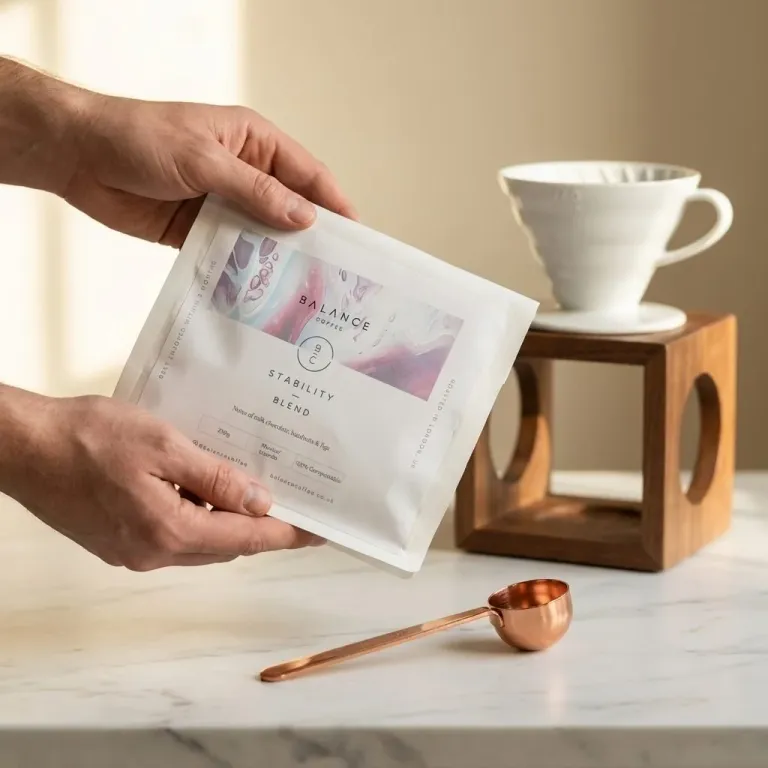
I need to be direct about this: I founded Balance Coffee, and it is ranked first in this guide. That ranking is not based on my opinion of the product. It is based on the methodology above, where lab testing transparency carries 40% of the total score - and Balance Coffee is the only brand in this list that publishes independent lab results for Ochratoxin A, Aflatoxin B1, mould, heavy metals, and pesticide residues.
The results are on our website, updated with every new batch. Not a summary. Not a claim that testing happens somewhere behind the scenes. The actual certificates of analysis, with specific values, test dates, and the name of the independent laboratory.
Every blend - Stability, Darkfire Energy, Level Up, Rotate Espresso, and Halcyon Decaf - is organic and roasted in London. The beans are sourced from farms in Uganda, Mexico, Brazil, Colombia, and Guatemala. Subscription pricing brings the cost to roughly 60-70p per cup, which sits in the specialty tier but below several US brands in this guide that charge more without publishing equivalent data.
In the cup, the range covers everything from the balanced, everyday profile of Stability Blend (milk chocolate, hazelnut, fig on the nose, clean finish) to the darker intensity of Darkfire Energy. The decaf, Halcyon, uses the sugarcane EA process rather than chemical solvents - a detail that matters if you are choosing mycotoxin-free coffee for health reasons and then decaffeinating with methylene chloride.
Is this guide biased because Balance Coffee is my brand? That is a fair question. The answer is that the methodology is published, the lab results are public, and no other brand in this guide matches both of those conditions at the batch level. If another brand starts publishing batch-level results tomorrow, the ranking would reflect it.
“Verdict: The only brand in this guide where you can verify every claim yourself, batch by batch. Published lab results are not common in coffee. They should be the standard.”
| Evaluation Criteria | Our Findings |
|---|---|
| Full Review | Read our Balance Coffee review |
| Best For | Buyers who want published, verifiable lab results - not just claims |
| Lab Testing | Monthly independent testing: OTA, Aflatoxin B1, mould, heavy metals, pesticides. Results published on website |
| Certifications | Organic (no certifier), select origins Rainforest Alliance |
| Origin | Uganda, Mexico, Brazil, Colombia, Guatemala |
| Price | From £8.99/250g (subscription saves 15%) |
| Shop | Shop Balance and save 20% → |
2. Purity Coffee - Best for Certifications
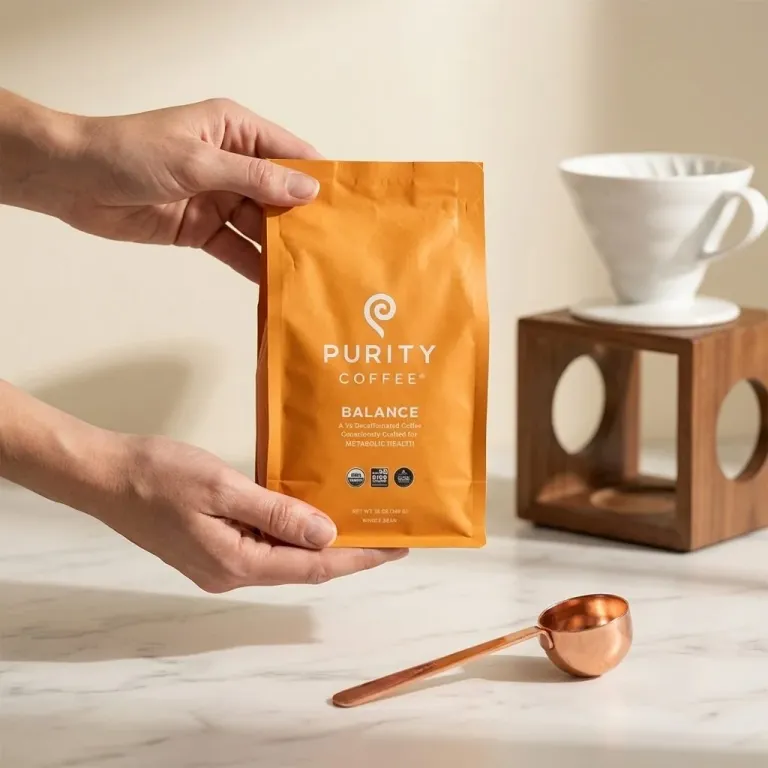
Purity Coffee holds more certifications than any other brand in this guide. USDA Organic, Smithsonian Bird Friendly, Demeter Biodynamic, and Rainforest Alliance - a combination that is genuinely rare in the coffee industry and reflects a serious commitment to sourcing standards.
Where Purity also delivers is on testing transparency. The brand maintains a dedicated lab results page showing testing across 310 chemicals, conducted by three independent laboratories: Silliker-Merieux, the Federal University of Rio de Janeiro, and the University of Porto. That is not a claim repeated by affiliate blogs. The '310 chemicals' figure appears on Purity's own website, backed by named institutions. In a category where most brands wave the word 'tested' around without evidence, Purity publishes the receipts.
The gap between Purity and Balance Coffee on this metric comes down to granularity. Purity's data covers the breadth of its testing programme. Balance Coffee publishes batch-specific COAs with individual test values per roast. Both approaches represent genuine transparency. Purity tests more broadly. Balance Coffee publishes more specifically. That distinction is what separates first from second.
Over 33,000 reviews at a 4.9-star average is not noise - that reflects genuine product quality. Purity offers multiple roast levels including their PROTECT dark roast (high antioxidant) and EASE low-acid blend. On the nose, PROTECT delivers a deep cocoa character with roasted walnut, settling into a full, rounded body. The finish is clean and low on bitterness. US-based, with international shipping available but customs duties apply for UK buyers.
“Verdict: The most certified and most broadly tested brand on this list. Published lab data from three independent labs across 310 chemicals. The product quality matches the testing rigour.”
| Evaluation Criteria | Our Findings |
|---|---|
| Full Review | Read our Purity Coffee review |
| Best For | Buyers who prioritise comprehensive testing and environmental certifications |
| Lab Testing | 310 chemicals tested across 3 independent labs (Silliker-Merieux, Federal University of Rio de Janeiro, University of Porto). Dedicated lab results page published on website |
| Certifications | USDA Organic, Smithsonian Bird Friendly, Demeter Biodynamic, Rainforest Alliance |
| Origin | Multiple origins, specialty grade |
| Price | From $22/bag (US-based, international shipping available) |
| Shop | Shop Purity Coffee → |
3. Danger Coffee - Best for Comprehensive Contaminant Testing
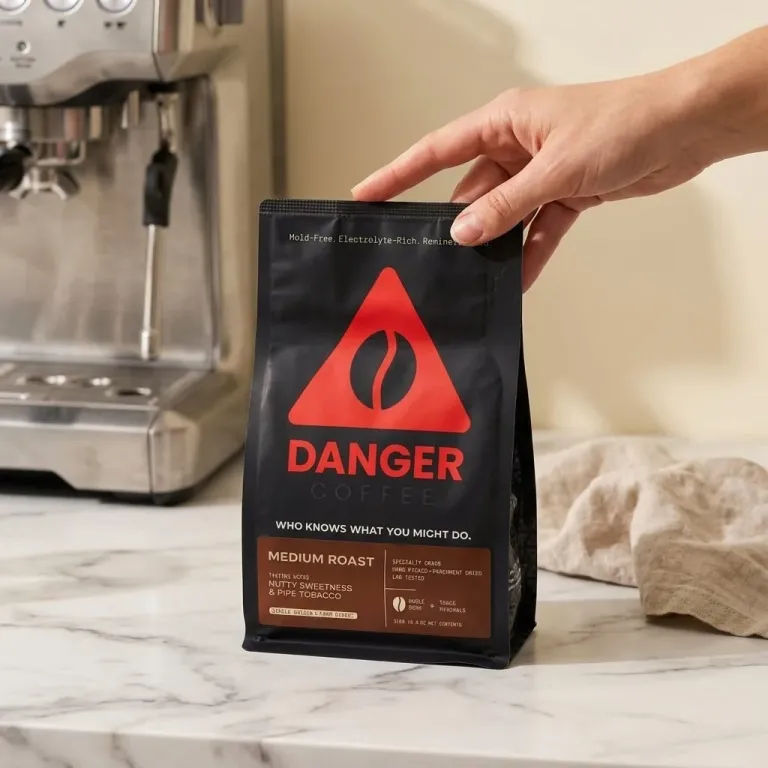
Dave Asprey built the mycotoxin-free coffee category. His Bulletproof Coffee brand, launched over a decade ago, was the first to bring mainstream awareness to mould contamination in coffee. That brand became a household name in the clean coffee space. Asprey has since moved on. Danger Coffee is where his focus went next - and it is a different proposition entirely.
Where Bulletproof positioned itself around proprietary processes and marketing claims without published lab data, Danger Coffee publishes testing results for over 500 contaminants including PFAS, heavy metals, mycotoxins, and pesticide residues. The testing is conducted by an IAS-accredited laboratory, which is a higher verification standard than most brands in this category offer. Asprey appears to have taken the criticism about Bulletproof's lack of published data and built the answer into Danger Coffee from the start.
The product itself is distinct from standard specialty coffee. Danger Coffee is enriched with over 50 trace minerals, which positions it at the intersection of clean coffee and functional nutrition. The mineral enrichment is a polarising choice - some buyers want coffee to be coffee and nothing else. Others see it as an advantage, particularly in the biohacking community where Asprey's credibility runs deep.
At £49 per bag (available in the UK through Amazon and LiveHelfi), Danger Coffee is the most expensive option in this guide by some distance. The premium reflects both the testing standard and the mineral enrichment. Whether that price is justified depends on whether you value the 500+ contaminant panel and the functional additions, or whether you are looking for lab-tested coffee at a more accessible price point.
In the cup, the mineral enrichment gives the coffee a slightly different mouthfeel to standard single origin or blended specialty coffee - a fuller, rounder quality that is noticeable on the mid-palate. The roast profile itself is clean and smooth, designed for daily drinking rather than specialty complexity.
“Verdict: The most extensive contaminant panel in this guide, from the person who started the conversation about mould in coffee. Premium pricing, but the published testing data justifies the position.”
| Evaluation Criteria | Our Findings |
|---|---|
| Full Review | Read our Danger Coffee review |
| Best For | Buyers who want the most comprehensive contaminant testing available |
| Lab Testing | 500+ contaminants including PFAS, tested by IAS-accredited lab. Results published on website |
| Origin | Multiple origins, mineral-enriched |
| Price | From £49/bag (available UK via Amazon and LiveHelfi) |
| Shop | Shop Danger Coffee → |
4. Fabula Coffee - Best for Single Origin Variety
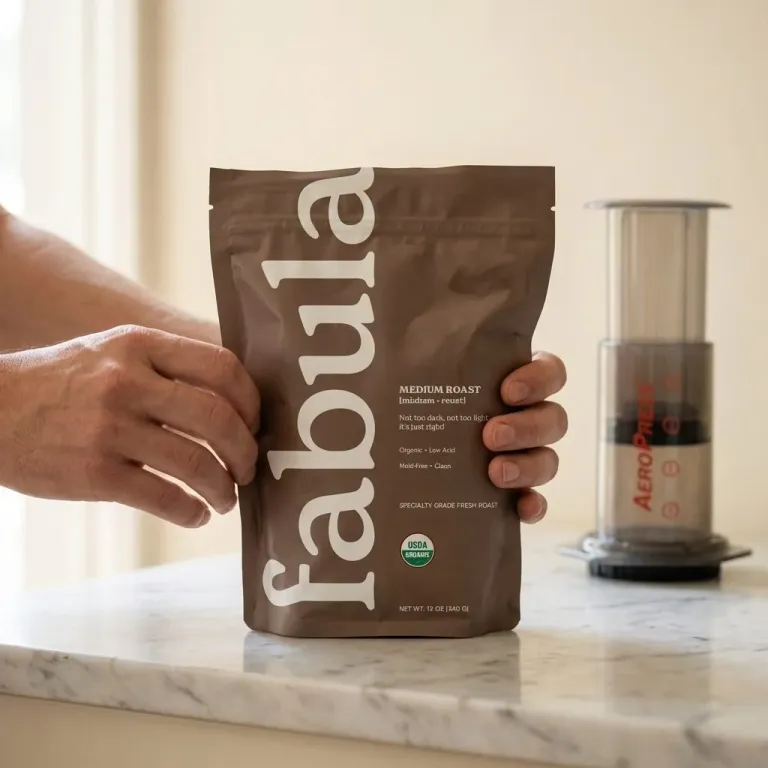
Fabula entered the clean coffee space quietly, but the testing data speaks for itself. The brand publishes LC-MS/MS (Liquid Chromatography-Mass Spectrometry) pesticide panel results directly on its product pages - sample code AL-25/070848, SOP PE-674, LOQ 0.010 mg/kg. That is a real third-party laboratory report, not a marketing summary. LC-MS/MS is the same analytical technique used by regulatory laboratories across Europe for pesticide screening. Finding it on a consumer coffee brand's product page is uncommon.
The coffee is specialty-grade, single origin, and USDA Organic. Where Fabula distinguishes itself from other clean coffee brands is variety. Rather than a single signature blend, Fabula offers multiple single origin options, giving buyers control over flavour profile and traceability. Single origin from a named region is inherently easier to test consistently than a blend from three countries and six farms.
In the cup, Fabula is approachable and well roasted. The single origin options deliver clean, balanced profiles - nothing challenging, but reliably good across brew methods. On the nose, expect gentle sweetness and a rounded nuttiness. The body is medium, the finish clean without lingering bitterness.
The low-acid positioning overlaps with Lifeboost, and the target audience is similar: health-conscious drinkers who want specialty quality without the contaminant uncertainty of mass-market coffee. But where Lifeboost relies on claims, Fabula puts the lab report on the product page. That is a meaningful difference.
“Verdict: Published LC-MS/MS pesticide data on product pages. Specialty credentials, organic certification, and single origin variety. The testing transparency is what earns the position.”
| Evaluation Criteria | Our Findings |
|---|---|
| Full Review | Read our Fabula Coffee review |
| Best For | Buyers who want single origin variety with published pesticide testing |
| Lab Testing | LC-MS/MS pesticide panel published on product pages (sample code AL-25/070848, SOP PE-674, LOQ 0.010 mg/kg). Third-party laboratory report |
| Certifications | USDA Organic |
| Origin | Multiple single origins, specialty grade |
| Price | From $19.99/bag (US-based) |
| Shop | Shop Fabula Coffee → |
5. Natural Force Clean Coffee - Best for Published COAs (US)
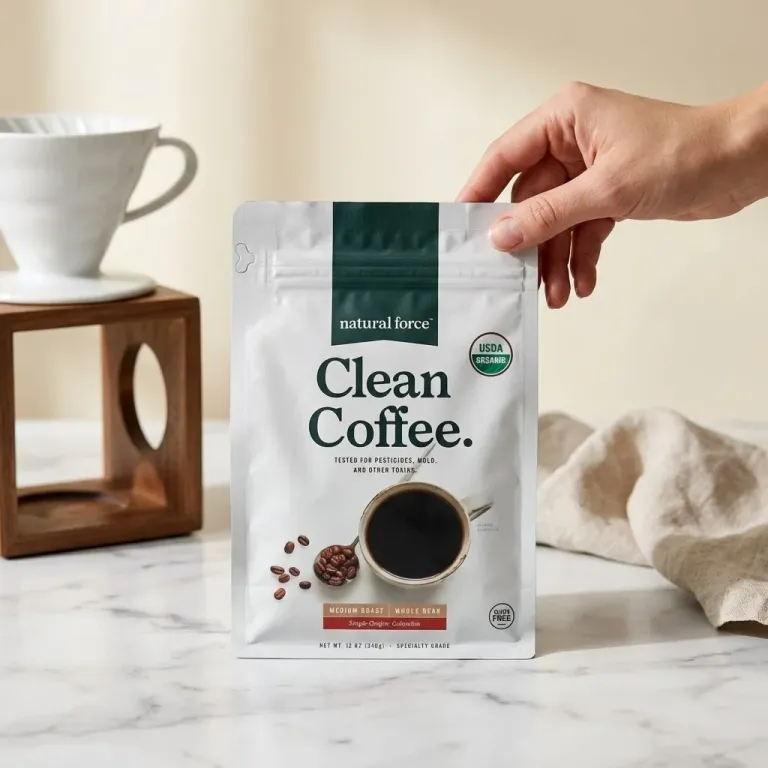
Natural Force takes its brand name literally. The 'Clean Coffee' line is USDA Organic and third-party lab tested for mould, mycotoxins (Ochratoxin A and Aflatoxin), acrylamide, heavy metals, and gluten. The brand publishes Eurofins certificates of analysis, conducted under ISO/IEC 17025 accreditation - the international standard for laboratory testing competence. The COAs are hosted on a support subdomain (support.naturalforce.com) rather than the main product pages, which makes them slightly harder to find but no less legitimate.
That transparency puts Natural Force in a different category from brands that claim to test but do not share results. The COAs show specific values, test parameters, and laboratory details. For a US-based buyer who wants the same level of evidence that Balance Coffee provides in the UK, Natural Force is the closest equivalent.
The coffee itself is well sourced and cleanly roasted. Not the most complex specialty profile, but the brand is not chasing specialty accolades - it is chasing verifiable purity, and on that metric, it delivers. On the nose, clean and mildly sweet. Through the body, smooth with low bitterness. The finish is short and uncomplicated.
“Verdict: One of the few brands anywhere that publishes Eurofins COAs under ISO/IEC 17025 accreditation. For US buyers who want evidence over claims, this is a top pick.”
| Evaluation Criteria | Our Findings |
|---|---|
| Full Review | Read our Natural Force review |
| Best For | US buyers who want published lab results, not just claims |
| Lab Testing | Eurofins COAs (ISO/IEC 17025 accredited) for OTA, Aflatoxin, acrylamide, heavy metals, mould, gluten. Published on support subdomain |
| Certifications | USDA Organic |
| Origin | Single origin, specialty grade |
| Price | From $24.99/bag (US-based) |
| Shop | Shop Natural Force → |
6. Exhale Coffee - Best UK Alternative
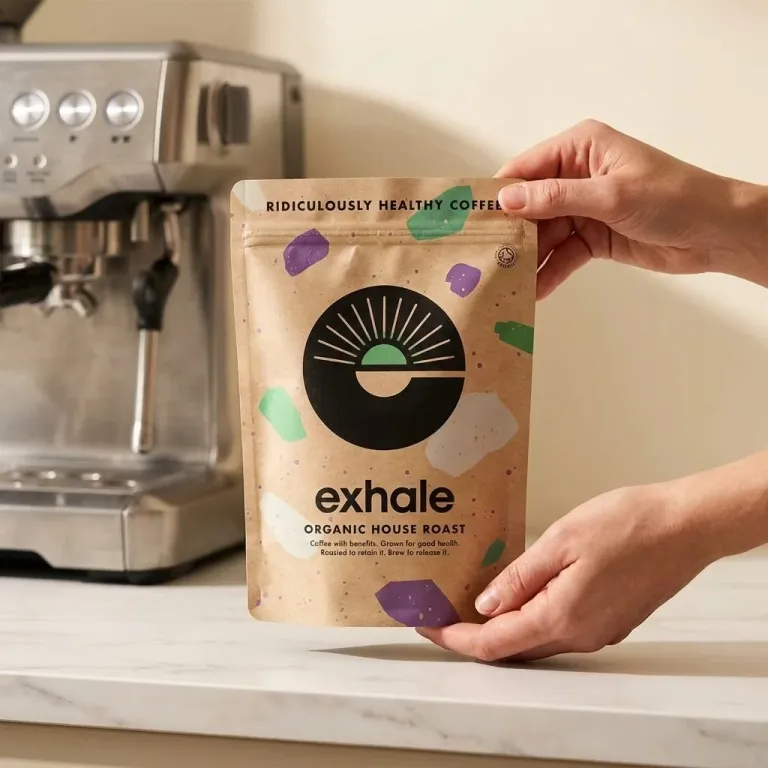
Exhale markets itself as the UK's clean coffee brand, and the testing commitment is genuine. Every shipment is tested at an independent laboratory for pesticides, mould, yeasts, mycotoxins, and heavy metals. What moved Exhale up from its original position in our ranking is what we found on their Our Process page: Eurofins certificates of analysis, published in accordion sections, with separate certificates per test category - Mould/Yeast, Pesticides, OTA, Aflatoxins, and Heavy Metals. Nine different tests at independent European labs. The client name on the COAs reads 'Higham Miller Coffee Limited', which is the company operating Exhale.
That is a level of published evidence that most UK coffee brands, including some with larger marketing budgets, do not provide. The COAs are not front and centre - you need to scroll down the Our Process page and open the accordion sections to find them. But they are there, and they are from Eurofins, one of the most recognised independent testing laboratories in Europe.
The health-focused positioning is clear: Exhale markets its coffee as 'clean' with an emphasis on what is absent (contaminants) rather than what is present (flavour complexity). The brand offers a free trial, which lowers the barrier to entry for curious buyers.
In the cup, Exhale is smooth and approachable. There is a gentle chocolate note on the nose, a medium body with low acidity, and a clean finish. Not a coffee that demands attention, but one that rewards consistency. For a daily drinker who wants reassurance about what is not in the cup, it does the job well.
For UK buyers who want a clean coffee alternative without the customs and shipping costs of US brands, Exhale is a credible option with published lab data to support the claim.
“Verdict: Published Eurofins COAs across nine test categories. The data is there if you look for it. A genuine contender in the UK clean coffee space.”
| Evaluation Criteria | Our Findings |
|---|---|
| Full Review | Read our Exhale Coffee review |
| Best For | UK buyers who want clean coffee with published lab data, without importing from the US |
| Lab Testing | Eurofins COAs published on Our Process page (accordion sections). Separate certificates for Mould/Yeast, Pesticides, OTA, Aflatoxins, Heavy Metals. 9 tests at independent European labs |
| Certifications | Not specified |
| Origin | Multiple origins |
| Price | Free trial available, subscription from £9.95/bag |
| Shop | Shop Exhale Coffee → |
7. Lifeboost Coffee - Best Low-Acid Option
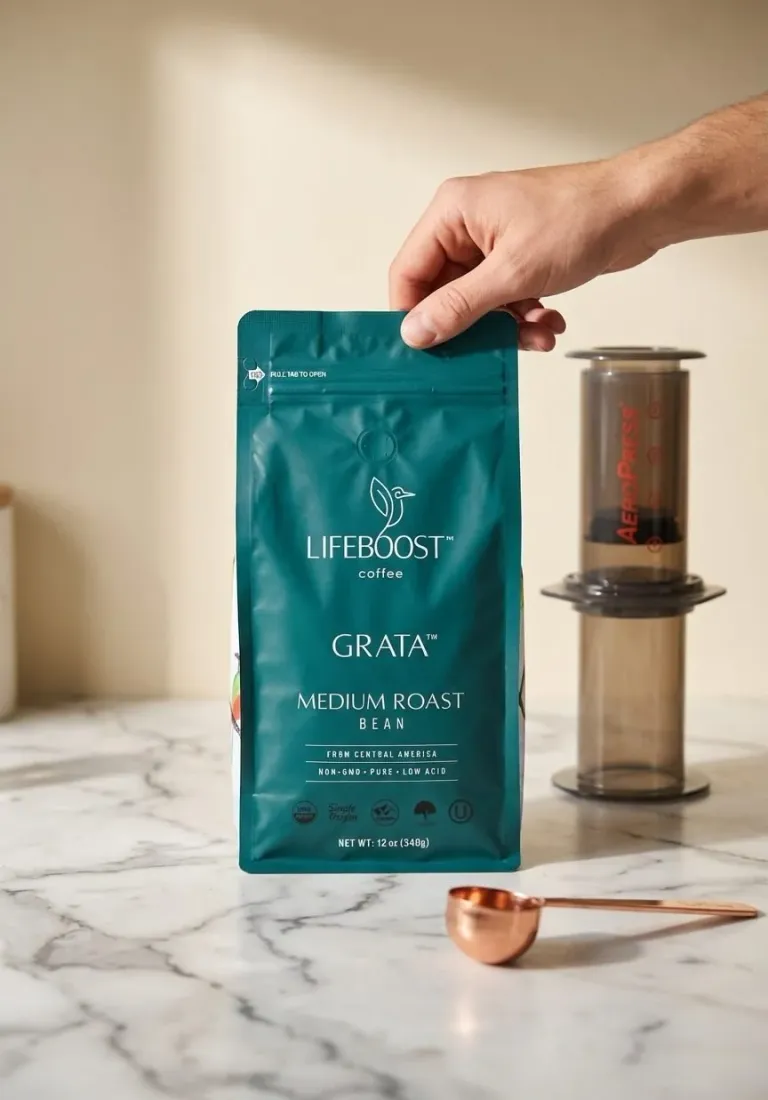
Lifeboost has carved a clear position in the clean coffee market: single origin, shade-grown, spring water washed, third-party tested, and marketed as the lowest-acid option in specialty coffee. The pitch is consistent and the brand has built a loyal following among health-conscious coffee drinkers in the US.
The beans come from a single origin in Nicaragua, grown at high altitude in shade conditions that naturally reduce the risk of mould growth. High altitude and shade growing are genuine protective factors - drier conditions and slower cherry development mean less opportunity for the moulds that produce mycotoxins.
Lifeboost states that its coffee is third-party tested for mycotoxins and pesticides. The brand does not publish lab results, COAs, or specific test data on its website. The low-acid claim is supported by pH testing, which is more verifiable than most health claims in this space. But in a guide where lab testing transparency carries 40% of the total score, the absence of published results is what separates Lifeboost from the six brands above it.
That does not mean the coffee is contaminated. The sourcing practices - single origin, high altitude, shade-grown - are genuinely protective. And the low-acid positioning is relevant for buyers with acid sensitivity or digestive concerns. Lifeboost is a strong product that would rank higher if it published the testing data it claims to have.
In the cup, Lifeboost delivers a clean, smooth profile with low bitterness and a gentle sweetness that makes it forgiving across brew methods. Not the most complex specialty coffee, but that is not the point. Mild cocoa on the nose, a light body with rounded edges, and a finish that fades quickly without sharpness.
“Verdict: Strong sourcing, genuine low-acid positioning, and a loyal following. The testing claims are credible but would benefit from published results. Show the data and this ranking changes.”
| Evaluation Criteria | Our Findings |
|---|---|
| Full Review | Read our Lifeboost Coffee review |
| Best For | Buyers with acid sensitivity or digestive concerns |
| Lab Testing | Claims third-party testing for mycotoxins and pesticides. No lab results or COAs published on website |
| Certifications | Not independently verified |
| Origin | Single origin Nicaragua, shade-grown, high altitude |
| Price | From $27.95/bag (US-based) |
| Shop | Shop Lifeboost Coffee → |
8. Kion Coffee - Best for the Biohacking Community
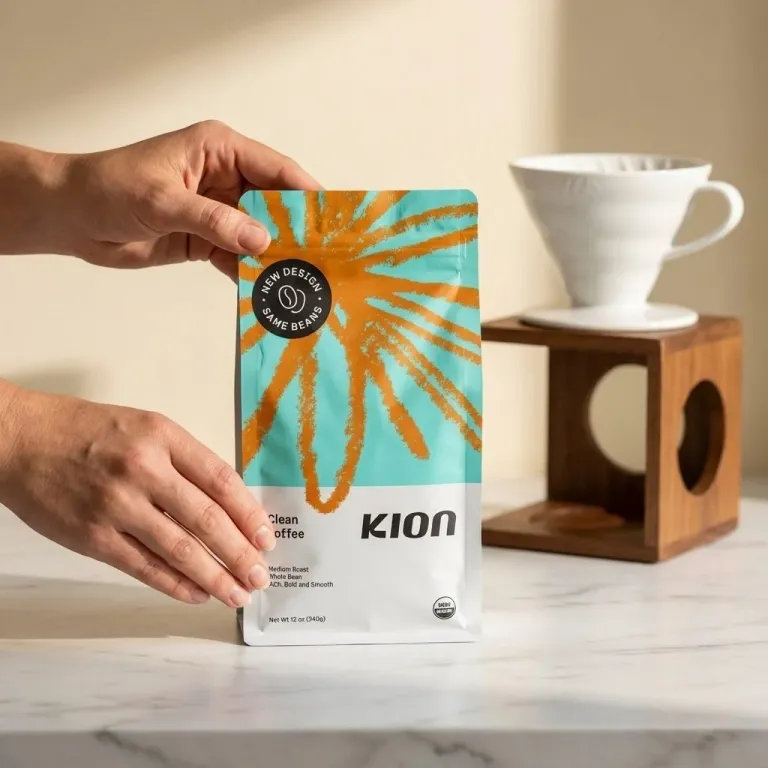
Ben Greenfield built Kion around the intersection of performance nutrition and premium sourcing. The coffee reflects that ethos: specialty grade, organic, shade-grown Honduras, and lab tested. Greenfield's reputation in the fitness and biohacking space gives the brand a built-in audience that trusts the founder's standards - a genuine E-E-A-T signal in a category where founder credibility matters.
The coffee is sourced from a single origin in Honduras, which provides good traceability. Kion states that the beans are tested for 60 mould types, mycotoxins, and pesticides. The brand has a 'lab results' URL on its website, but no actual viewable data appears when you follow it. USDA Organic and Fair Trade certifications are confirmed.
At roughly $34 per bag, Kion is one of the more expensive options on this list. The premium reflects the brand positioning more than the coffee itself, which is clean and well roasted but not dramatically different from other specialty-grade Central American single origins. On the nose, a classic Honduran profile: balanced sweetness with nutty undertones. Medium body, moderate acidity, and a clean close.
Like Lifeboost, Kion would move up this ranking by publishing the lab data it references. The founder's credibility is not in question. The evidence gap is.
“Verdict: A credible option backed by a founder with real authority in the health space. The price premium is steep for what is, in the cup, a solid but not exceptional specialty coffee. Published lab results would change the conversation.”
| Evaluation Criteria | Our Findings |
|---|---|
| Full Review | Read our Kion Coffee review |
| Best For | Performance-focused buyers who follow Ben Greenfield's protocols |
| Lab Testing | Claims testing for 60 mould types, mycotoxins, and pesticides. 'Lab results' URL exists but no viewable data published |
| Certifications | USDA Organic, Fair Trade |
| Origin | Single origin Honduras, shade-grown, high altitude |
| Price | From $34/bag (US-based) |
| Shop | Shop Kion Coffee → |
9. Spirit Animal Coffee - Best for Single Farm Traceability
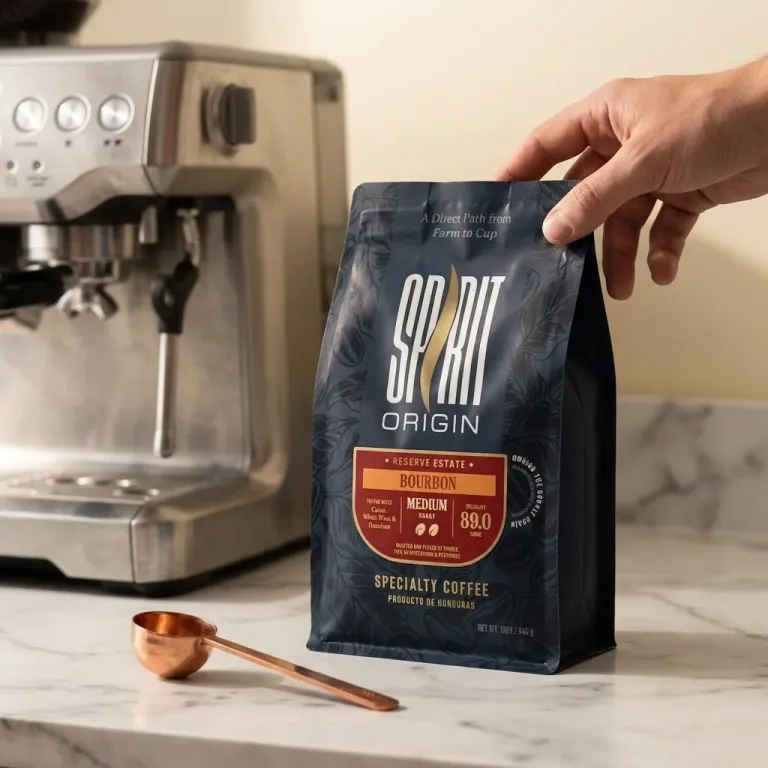
Spirit Animal's website now redirects to 'Spirit Origin Coffee', which appears to be a rebrand or restructure of the original business. The core proposition remains the same: single farm sourcing from Honduras at high altitude, with an emphasis on traceability that goes deeper than most brands in this space.
The original Spirit Animal brand provided certificates of analysis for mycotoxins per harvest - tying testing to a specific crop from a specific place, which is the highest level of traceability you can get in coffee. That per-harvest COA model is closer to how wine producers document vintage quality than how most coffee brands operate. Under the Spirit Origin rebrand, we could not locate published COAs or test data on the current website. If the new site restores that transparency, the ranking would reflect it.
The Honduran origin delivers the typical Central American profile: balanced acidity, chocolate and nut notes on the nose, medium body, and a clean finish that does not linger. Specialty certified with an SCA score above 80.
“Verdict: The single farm traceability model is one of the strongest in this guide. The rebrand has created a gap in published testing data that the new site needs to fill.”
| Evaluation Criteria | Our Findings |
|---|---|
| Full Review | Read our Spirit Animal Coffee review |
| Best For | Buyers who prioritise farm-level traceability |
| Lab Testing | Original brand provided per-harvest COAs. Current Spirit Origin website does not publish test data (as of April 2026) |
| Certifications | Specialty Coffee Association certified (80+ Q-grade) |
| Origin | Single farm, Honduras, high altitude |
| Price | From $18/bag (US-based) |
| Shop | Shop Spirit Origin Coffee → |
10. Mindful Coffee - Best Small UK Brand
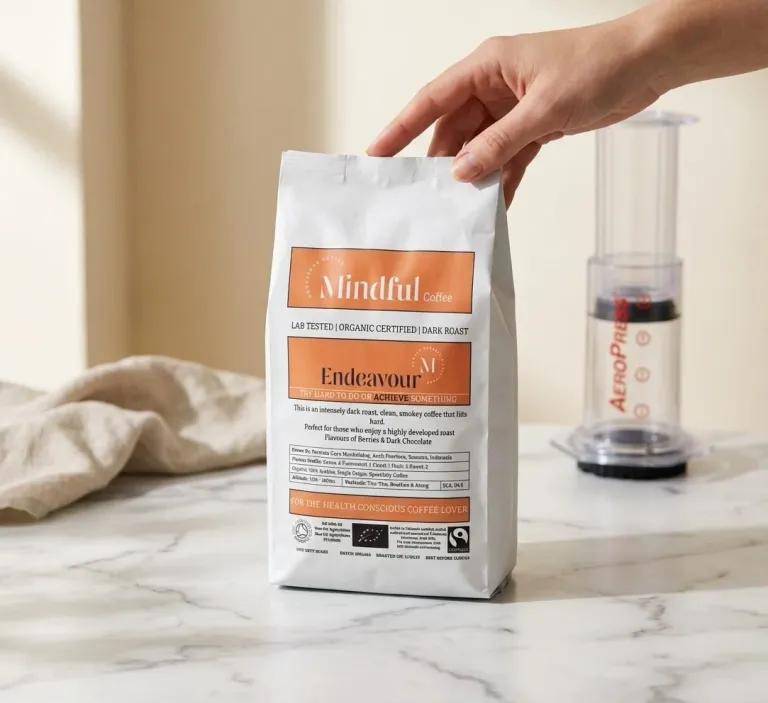
Mindful Coffee is a London-based brand with a straightforward proposition: organic, Fairtrade, and marketed as 'Lab Tested' and 'Mycotoxin Free' on its product pages. The marketing language is clear and the certifications are genuine - Organic and Fairtrade both confirmed.
The challenge is the same one that separates the top six brands from the bottom four in this guide. Mindful Coffee uses the phrases 'Lab Tested' and 'Mycotoxin Free' prominently, but does not publish any actual certificate of analysis, specific test results, or named laboratory on its website. The claim exists. The evidence does not appear alongside it.
That does not make the coffee unsafe. Mindful is a small, London-based roaster with genuine organic and Fairtrade credentials, and there is every reason to believe the testing claims are made in good faith. But in a guide weighted 40% toward lab testing transparency, the difference between claiming to test and publishing the results is the difference between tenth place and higher.
The Fairtrade certification adds a social responsibility layer that several larger brands in this guide do not carry. For UK buyers who want to support a smaller roaster with genuine ethical credentials, Mindful Coffee is a reasonable choice. For buyers who want to verify the mycotoxin claims themselves, the data is not currently available on the website.
“Verdict: Genuine organic and Fairtrade credentials from a small London roaster. The 'Lab Tested' and 'Mycotoxin Free' claims would carry more weight with published results to match.”
| Evaluation Criteria | Our Findings |
|---|---|
| Full Review | Read our Mindful Coffee review |
| Best For | UK buyers who want a small, ethical, Fairtrade-certified brand |
| Lab Testing | Markets as 'Lab Tested' and 'Mycotoxin Free'. No COA, specific results, or named laboratory published on website |
| Certifications | Organic, Fairtrade |
| Origin | Not specified (blended) |
| Price | From £9.50/bag |
| Shop | Shop Mindful Coffee → |
What to Look for in Mycotoxin-Free Coffee
The most important question is not whether a brand tests for mycotoxins. It is whether they publish the results.
Published lab results versus 'tested' claims. Six of the 10 brands in this guide publish verifiable lab data: Balance Coffee (published COAs, monthly testing from October 2026), Purity Coffee (310 chemicals across three labs), Danger Coffee (500+ contaminants, IAS-accredited), Fabula Coffee (LC-MS/MS pesticide panels on product pages), Natural Force (Eurofins COAs on support subdomain), and Exhale Coffee (Eurofins COAs on Our Process page). The remaining four - Lifeboost, Kion, Spirit Animal, and Mindful Coffee - claim to test but do not share specific results. 'Third-party tested' is a marketing phrase, not a quality guarantee. Ask for the COA. If they cannot show it, the claim is unverifiable.
Organic certification reduces pesticide risk but not mycotoxin risk. This is the most common misunderstanding in the clean coffee space. Organic farming prohibits synthetic pesticides, which is valuable. But mycotoxins are produced by moulds, and moulds grow regardless of whether the farm is organic. An organic coffee from a low-altitude, high-humidity origin with poor storage can contain more mycotoxins than a conventional coffee from a high-altitude, dry-processed source. For a detailed breakdown, see our guide on pesticides in coffee.
Single origin scores higher for traceability. A blend of beans from three countries and six farms is harder to test consistently than a single origin from one cooperative. Single origin does not guarantee lower mycotoxins, but it does mean the testing data applies to a traceable source.
Roast level matters. Research published in the journal Food Control (2019) found that darker roasts reduce Ochratoxin A levels by up to 90% compared to green beans. Light roasts retain more of the original mycotoxin load. If contaminant reduction is your primary concern, medium to dark roasts are a safer choice.
Storage and freshness. Mycotoxin levels can increase during storage, particularly in humid conditions. Whole bean coffee stored in nitrogen-flushed, sealed bags with a roast date is the safest format. Pre-ground coffee has more surface area exposed to moisture and air. Once a bag is open, how to store coffee beans explains how to keep it dry and sealed. For the full science, see our upcoming guide on lab tested coffee.
What to Avoid
Brands that claim 'tested' but do not publish results. This is the single biggest red flag. If a coffee brand markets itself as mycotoxin-free or mould-free but cannot show you the lab data, you are paying a premium for a claim you cannot verify. Several brands in the US clean coffee space charge $25-35 per bag on the basis of testing claims that have no public evidence behind them.
Mass-market supermarket coffee with no testing standard. Commercial coffee blends from large producers are typically not tested for mycotoxins at the brand level. Compliance with EU maximum limits is monitored at the import and retail level, but individual brands do not routinely publish their own data. If the bag does not mention testing, assume it has not been tested beyond regulatory minimums.
Instant coffee. A meta-analysis published in Food Research International (2017) found that instant coffee samples showed higher average levels of Ochratoxin A compared to roasted ground coffee. The manufacturing process involves large-volume blending from multiple origins, which increases the statistical likelihood of contamination from at least one source.
'Organic' as a sole safety signal. Organic certification is valuable for pesticide reduction but does not address mycotoxin contamination. An organic label tells you about farming practices, not post-harvest storage, processing quality, or lab testing standards. Do not assume organic means mycotoxin-free.
UK vs US - Where to Buy Clean Coffee
The mycotoxin-free coffee market is heavily US-dominated. Six of the 10 brands in this guide are based in the United States: Purity Coffee, Danger Coffee, Fabula, Kion, Natural Force, and Lifeboost. Three are UK-based: Balance Coffee, Exhale, and Mindful Coffee. Spirit Animal (now Spirit Origin) sources from Honduras and ships to both markets.
For UK buyers, the practical advantages of buying from a UK brand are significant. No customs duty, no import VAT (already included in the price), faster shipping (typically 1-3 days versus 7-14 for US orders), and no risk of parcels being held by HMRC. Balance Coffee, Exhale, and Mindful Coffee all ship from within the UK with standard Royal Mail or courier delivery. Danger Coffee is available in the UK through Amazon and LiveHelfi, though at a premium price point.
If you do order from a US brand, expect to pay customs duty on orders over £135 (20% VAT plus potential duty depending on the product classification). Purity Coffee and Lifeboost both offer international shipping, but the total cost including duties can push a $25 bag above £30 delivered. For regular subscription orders, the cost difference adds up quickly.
For US buyers, the market is more mature. Purity, Lifeboost, Kion, Natural Force, Danger Coffee, and Fabula all ship domestically with standard delivery times. Natural Force is the standout for US buyers who want published lab results - it is the closest US equivalent to Balance Coffee's transparency model. Danger Coffee offers the most comprehensive contaminant panel if budget allows.
For buyers searching for the best mycotoxin free coffee uk specifically: Balance Coffee publishes the most comprehensive published lab data of any UK brand. Exhale tests every shipment independently and publishes Eurofins COAs on its website. Mindful Coffee holds organic and Fairtrade certifications but does not currently publish lab results. All three ship within the UK with no import complications.
Final Verdict
Frequently Asked Questions
Is Organic Coffee Mycotoxin Free?
Does Roasting Kill Mycotoxins?
How Can I Tell if My Coffee Has Mycotoxins?
Is Decaf Coffee More Likely to Have Mycotoxins?
What Is the Safest Way to Store Coffee to Minimise Mycotoxin Risk?
Are Coffee Pods Mycotoxin Free?
What Is Ochratoxin A and Why Is It the Main Concern in Coffee?
Does Cold Brew Coffee Have Lower Mycotoxin Levels?
How Do I Read a Coffee Certificate of Analysis?
Is Bulletproof Coffee Actually Mycotoxin Free?
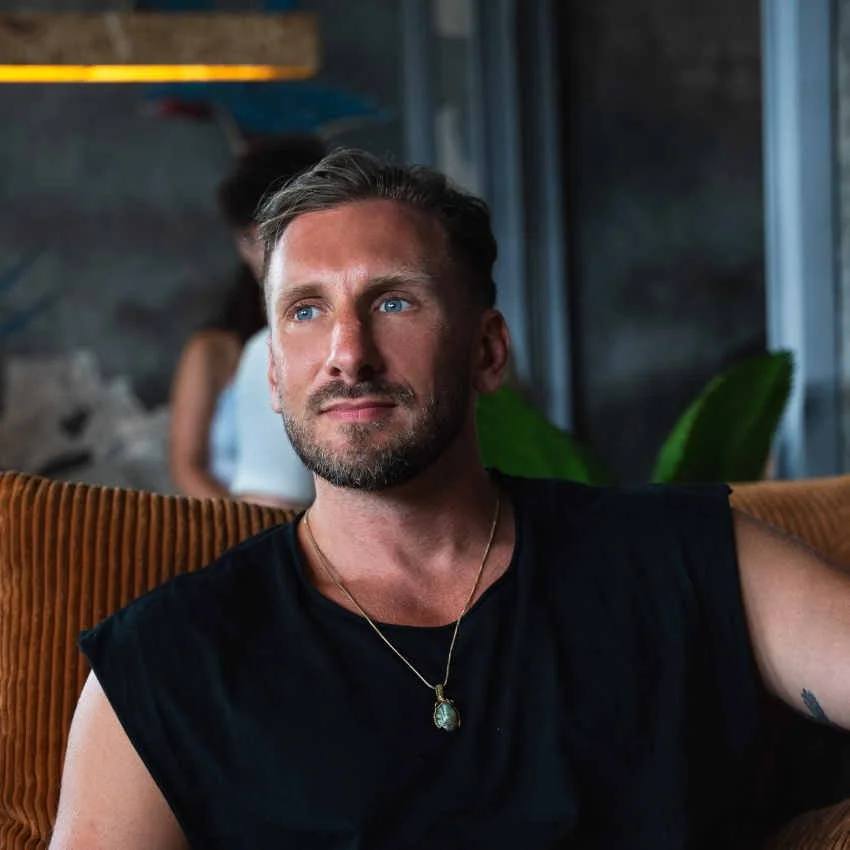
A wellness entrepreneur and biohacker, James explores the intersection of hospitality and health - from clean fuel and recovery tools to mindful routines that build balance into daily life.