DIY Electrolyte Drink
I tested a DIY mix for a week. It costs 5p per serving and matches most branded sachets on the numbers that matter.
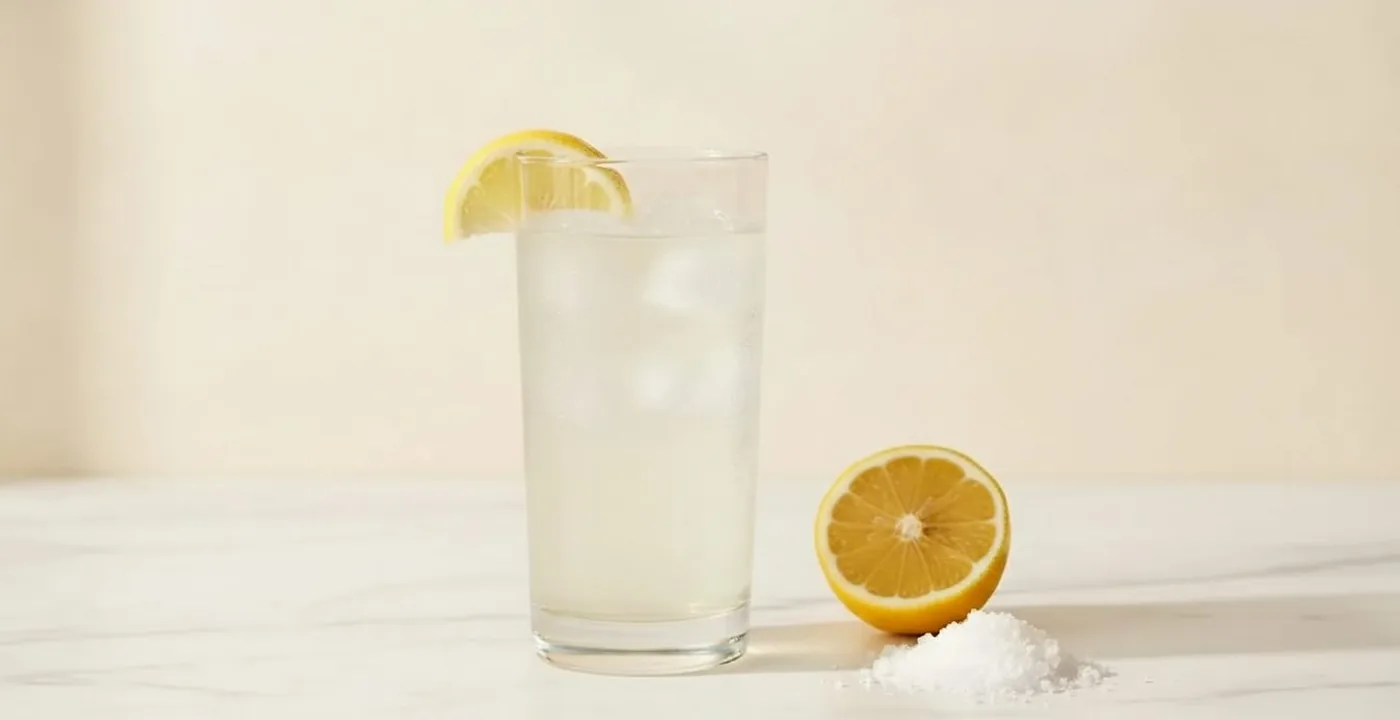
Table of Contents
Some of the links in this article are affiliate links, which help fund our independent review work at no extra cost to you. Every recommendation is based on hands-on testing through The Editor Lab methodology. No brand pays to appear, and no placement is guaranteed.
A DIY electrolyte drink takes four ingredients - table salt, Lo Salt, magnesium citrate, and water - and costs a few pence per serving. A branded electrolyte sachet is mostly salt, a pinch of potassium, and a small amount of magnesium. Open one, look at the label, and the list of ingredients is shorter than you expect. I know this because I spent a week in June 2026 mixing my own batches and measuring them against three commercial products on my kitchen counter. This article gives you the exact recipe, the real milligram numbers, and an honest comparison to what you would pay for a branded sachet.
One methodological note before you mix anything: every quantity below is checked against EFSA and NHS sodium and potassium references and reviewed by our nutrition team. This is a hydration recipe, not a medical rehydration solution. For illness, diarrhoea, or vomiting, you need NHS oral rehydration salts, not this.
What Is Actually in an Electrolyte Drink
Before you can make a good one, you need to understand what you are replacing. The three electrolytes that matter most for hydration are sodium, potassium, and magnesium. They work together to regulate fluid balance in and around your cells, support muscle contraction, and maintain nerve signalling.
Sodium is the primary driver. When you sweat, sodium is the electrolyte you lose most of, and it is the one that determines how well your body retains fluid. Without adequate sodium, water passes through your gut quickly and does not hydrate your tissues properly. The EFSA adequate intake for sodium is 2,000mg per day for adults, with significant daily losses through sweat during exercise.
Potassium works alongside sodium to maintain the electrical gradient across your cell membranes - the mechanism that drives muscle contractions and heartbeat. Most people do not sweat potassium at the same rate as sodium, but replacing it matters during longer sessions or hot weather. Table salt does not contain potassium, which is why Lo Salt (a potassium chloride blend) is part of this recipe rather than just using standard table salt.
Why do so many commercial products list magnesium at the bottom of the ingredients in near-invisible quantities? Because it is bitter in high doses and hard to make palatable, so most manufacturers use token amounts to tick a box. Magnesium supports energy production, muscle recovery, and sleep quality - and it is the electrolyte most commonly under-dosed in branded sachets. The daily adequate intake set by EFSA is 350mg for adult men and 300mg for adult women.
The answer to the common question - can you just add salt to water? - is that salt water gives you sodium, but it gives you nothing else. For general daily hydration that is usually fine. For anything involving sustained exercise or significant sweating, you want all three.
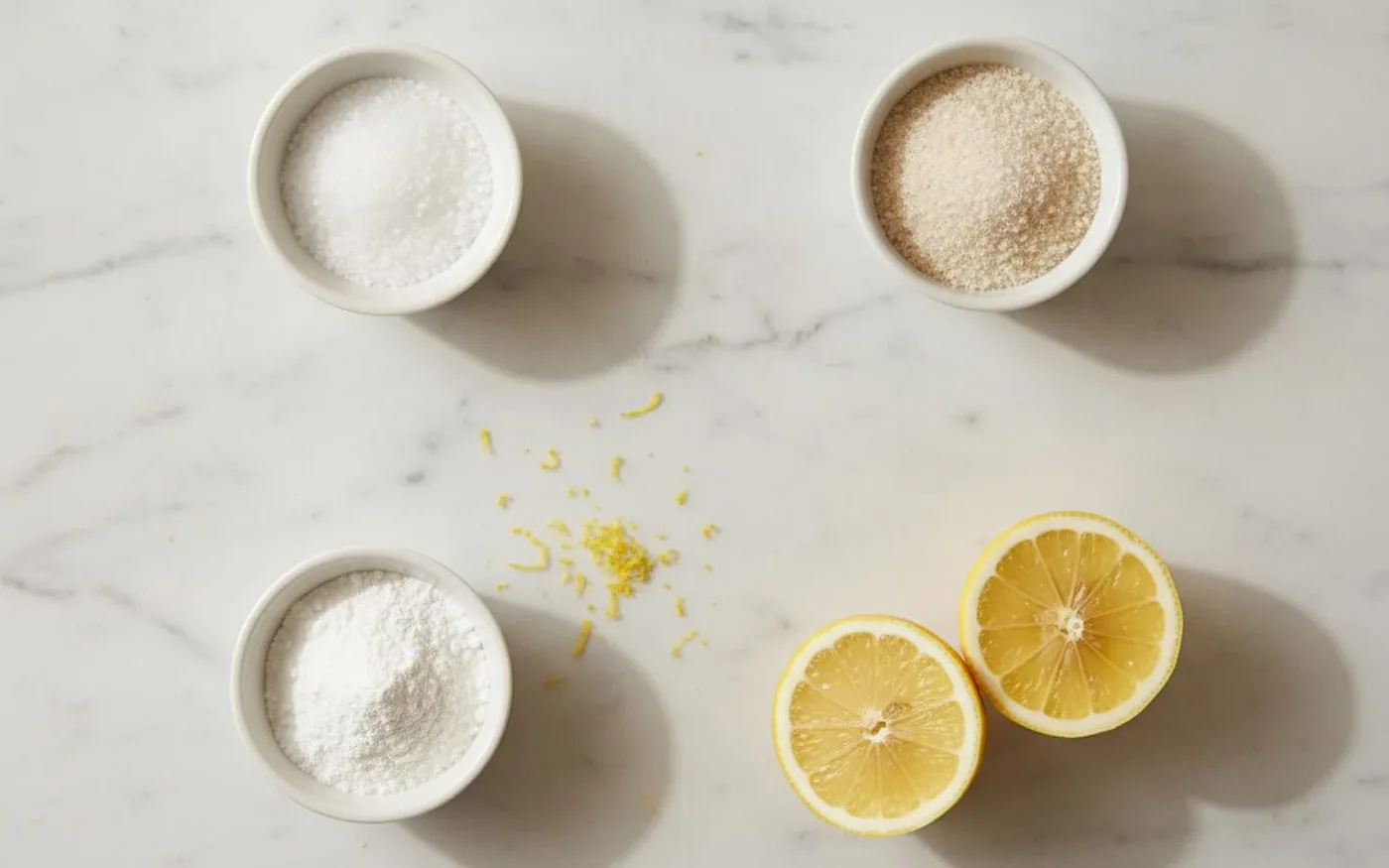
The Basic DIY Electrolyte Recipe
This is the recipe I use after training sessions and on hot days. It takes 90 seconds to make. The quantities below are calibrated to give you sodium and potassium levels that broadly match a mid-range branded sachet, without the added sugar or artificial sweeteners most commercial products contain.
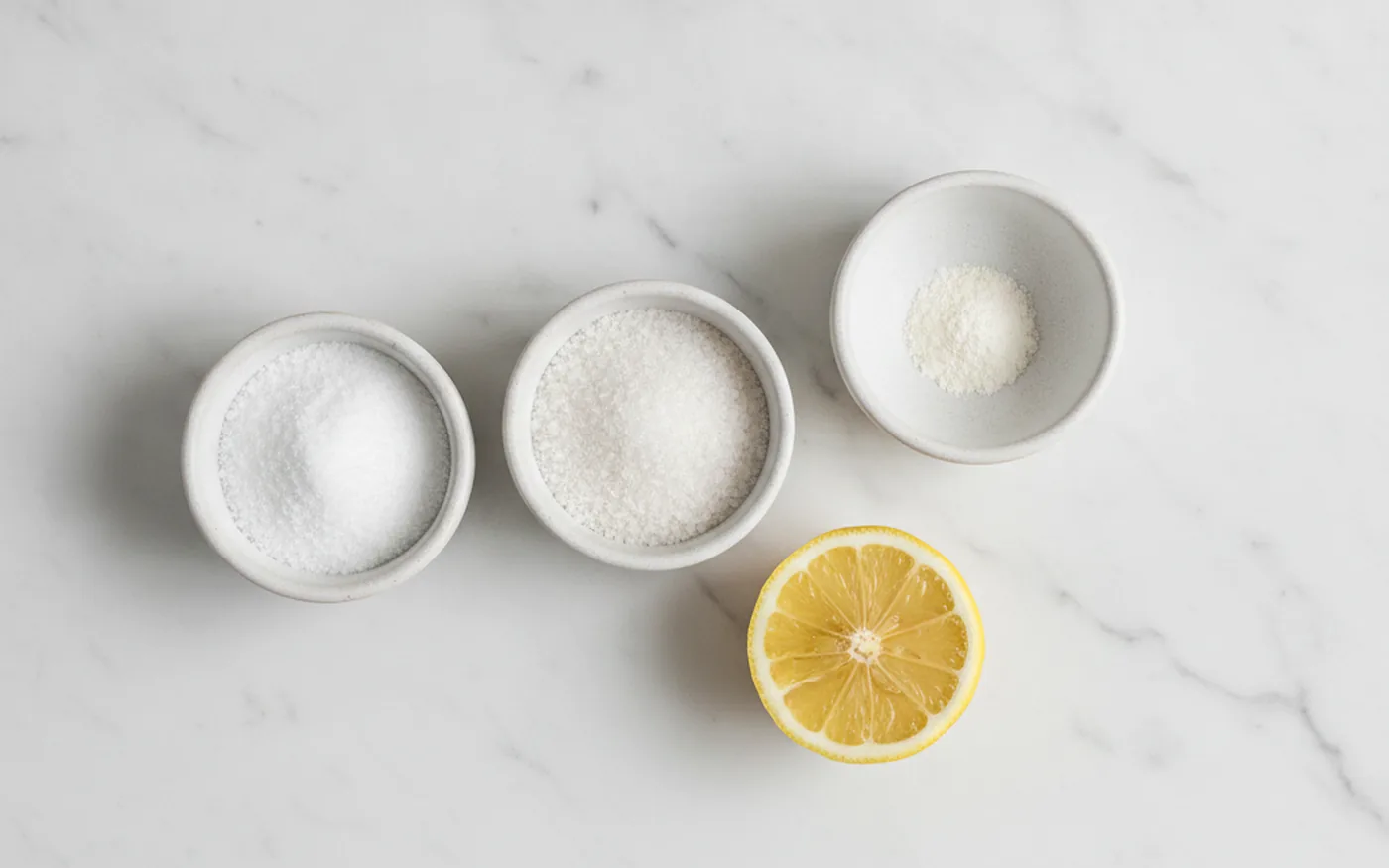
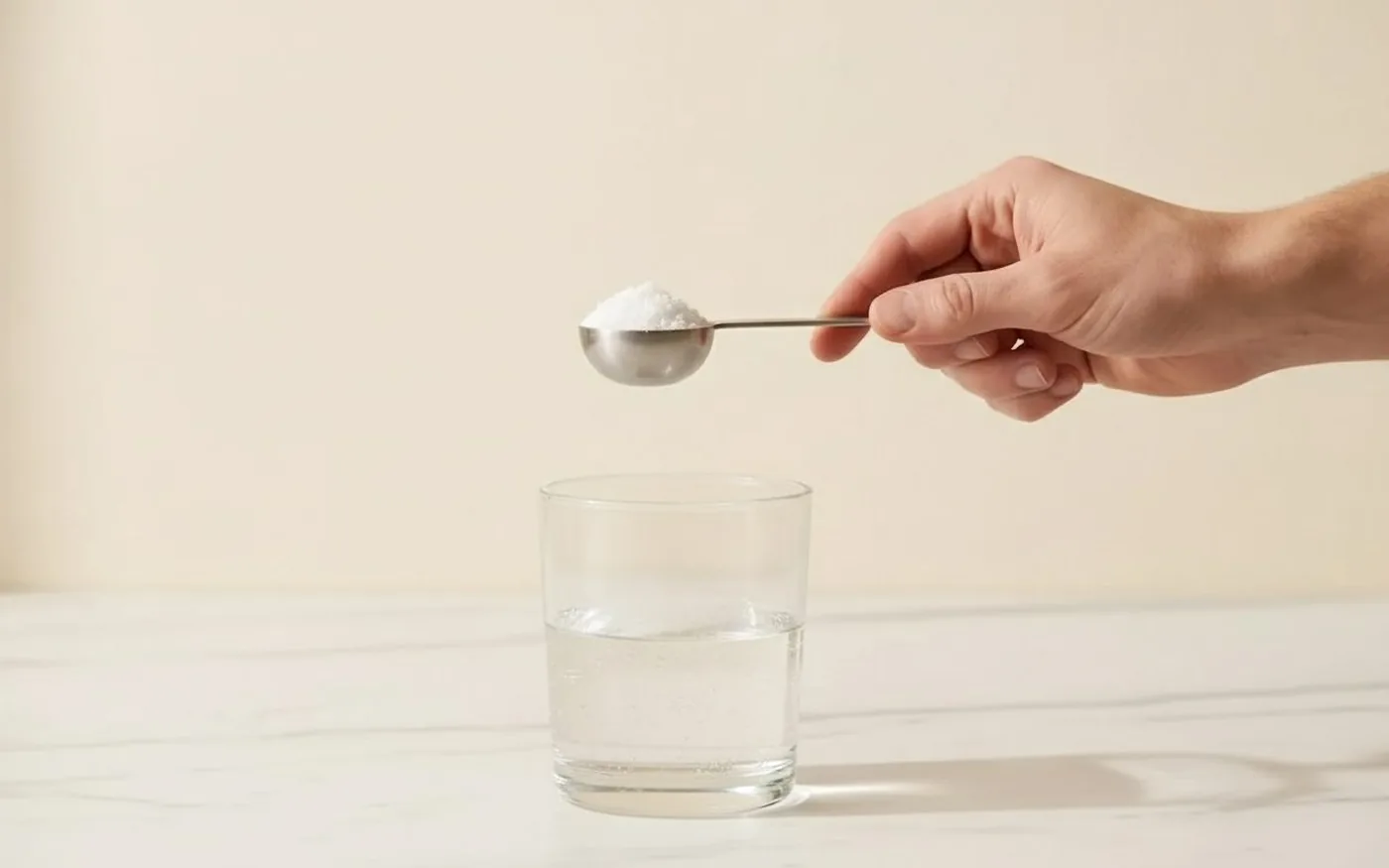
Ingredients (makes one 500ml serving):
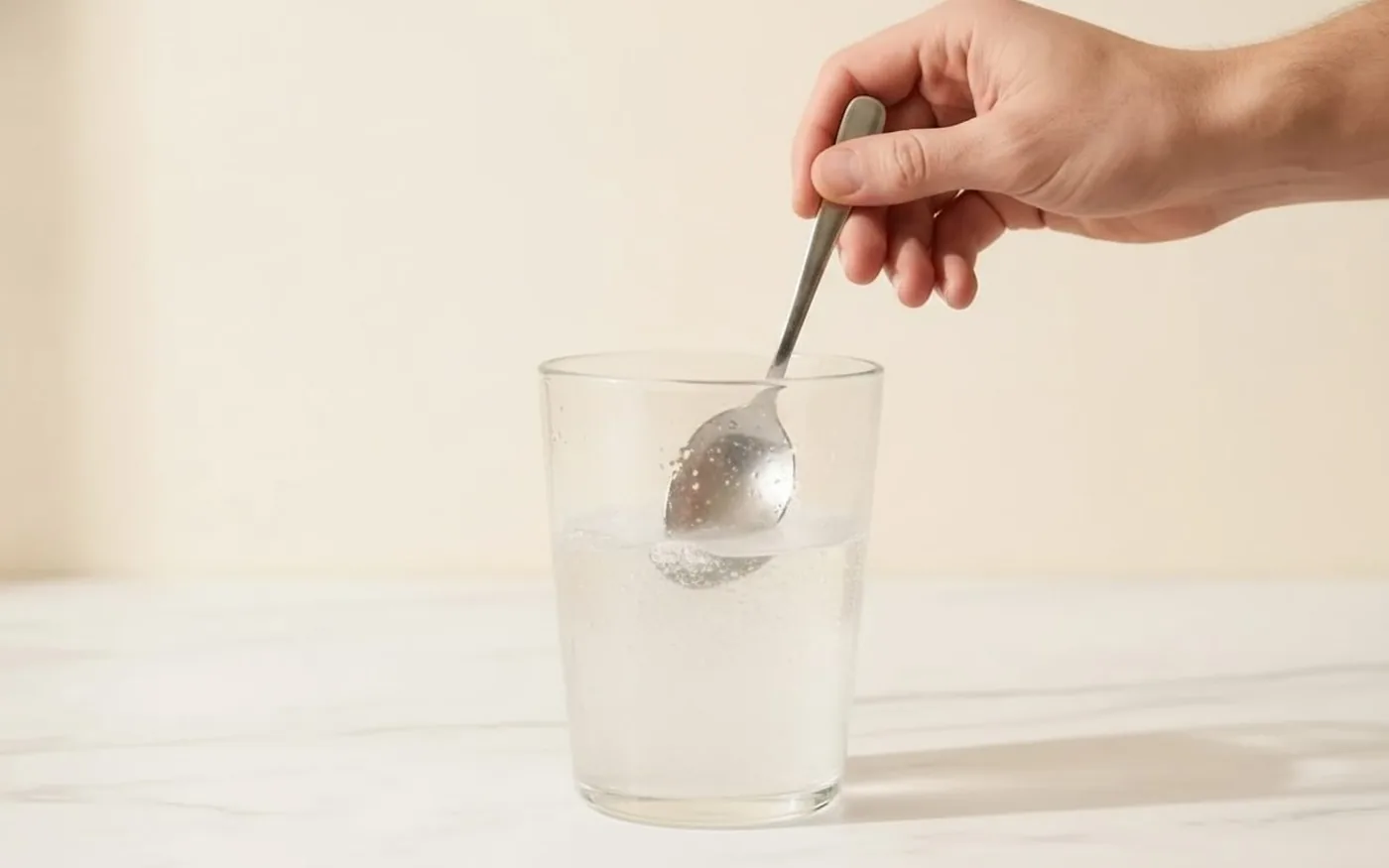
- 500ml water (cold or room temperature)
- 1/4 teaspoon table salt (sodium chloride) - approximately 580mg sodium
- 1/4 teaspoon Lo Salt or any potassium salt (potassium chloride blend) - approximately 330mg potassium
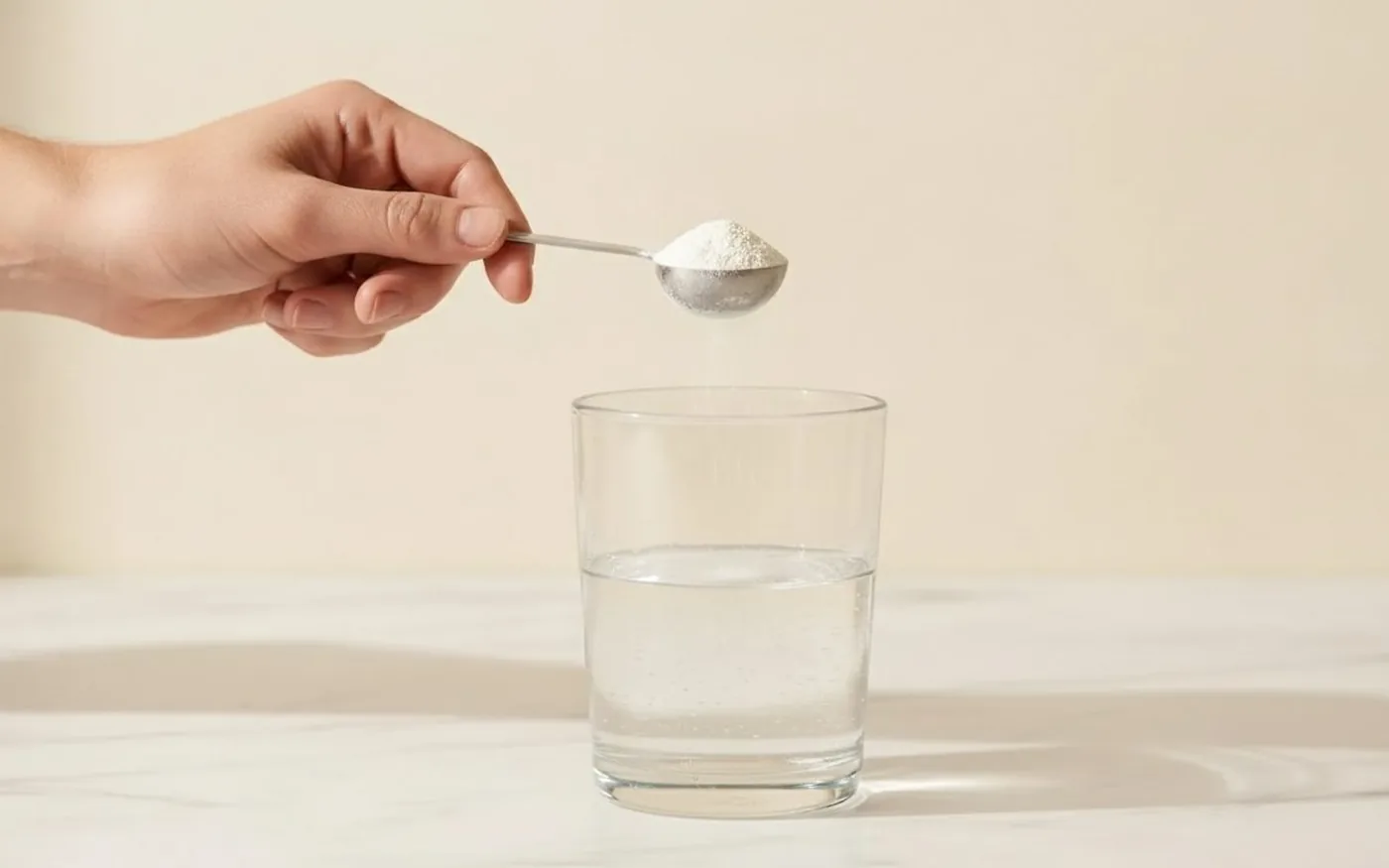
- A small pinch (roughly 1/8 teaspoon) of magnesium citrate powder - approximately 50-75mg elemental magnesium
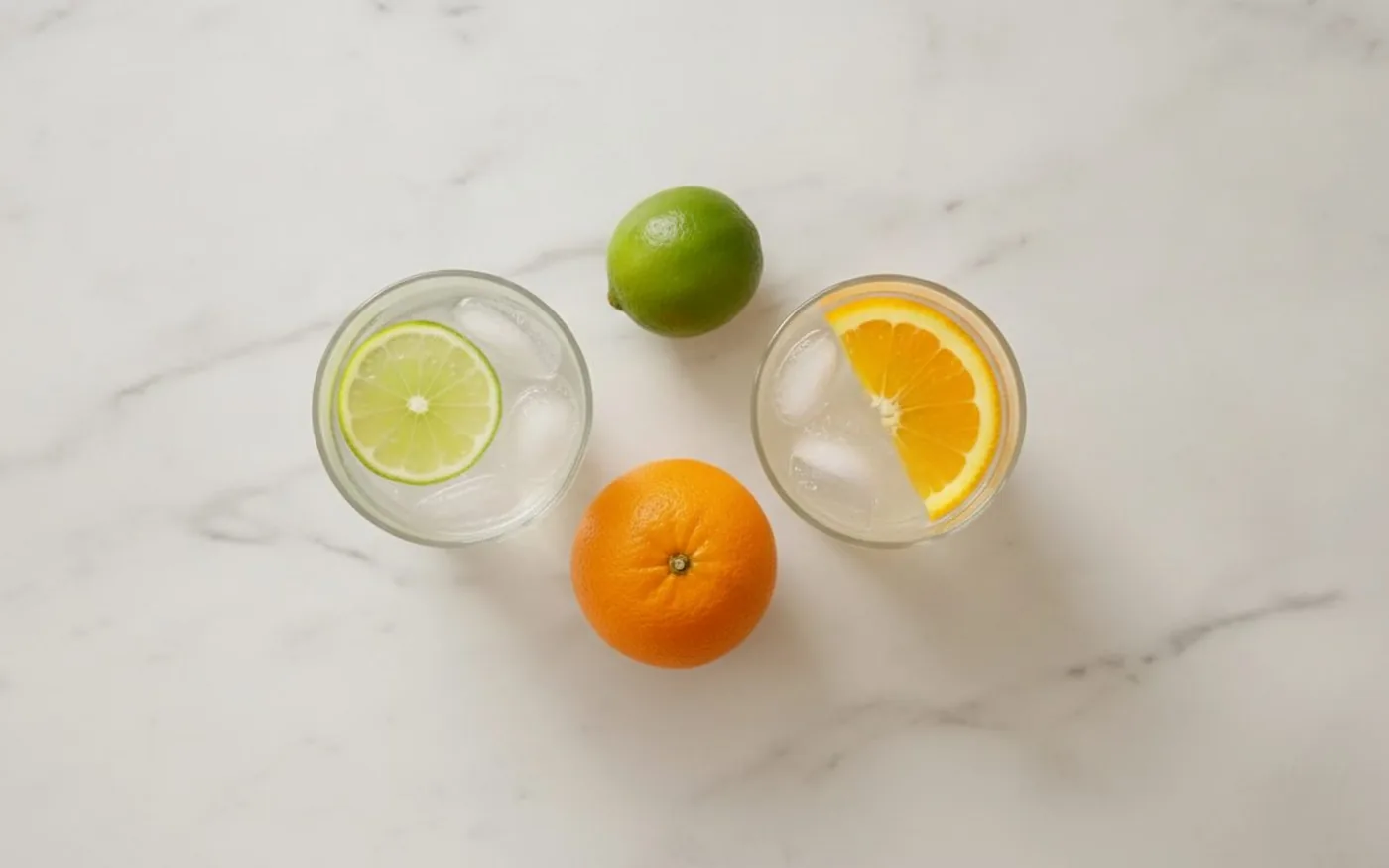
- Juice of half a lemon or lime (optional, improves taste and adds a small amount of natural citrate)
- A small pinch of sugar or a squeeze of honey (optional - helps with palatability and slightly aids glucose-mediated sodium absorption)
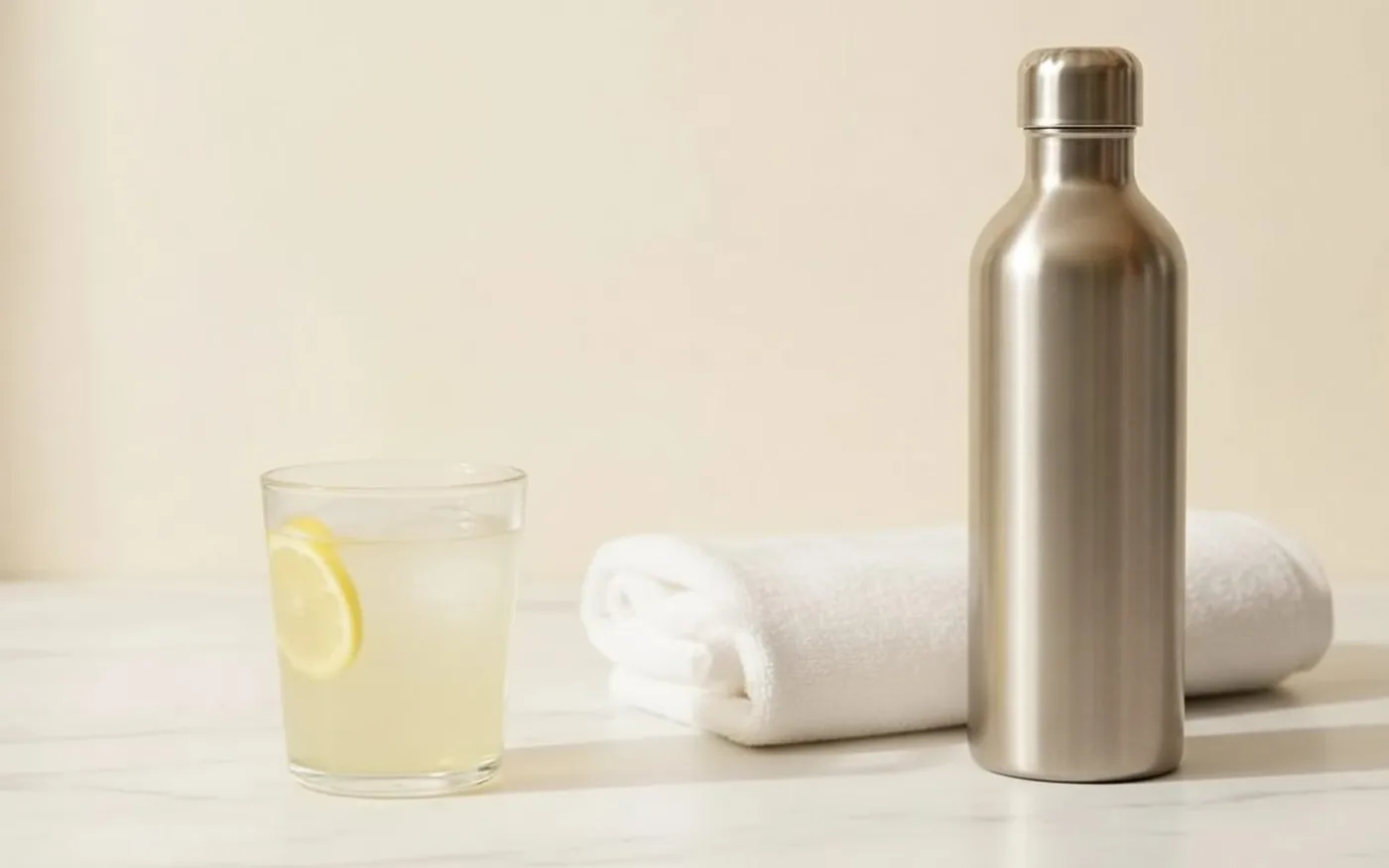
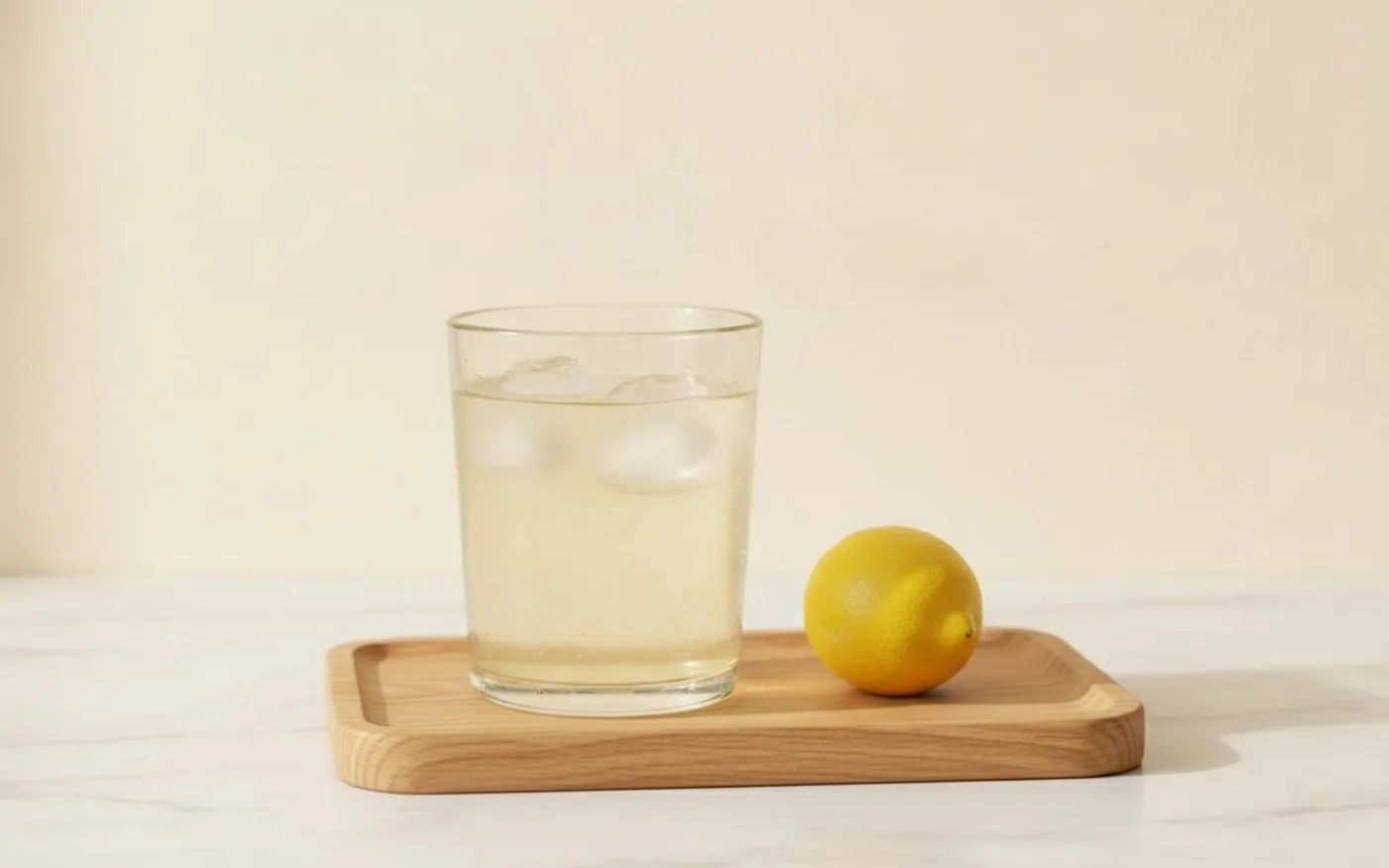
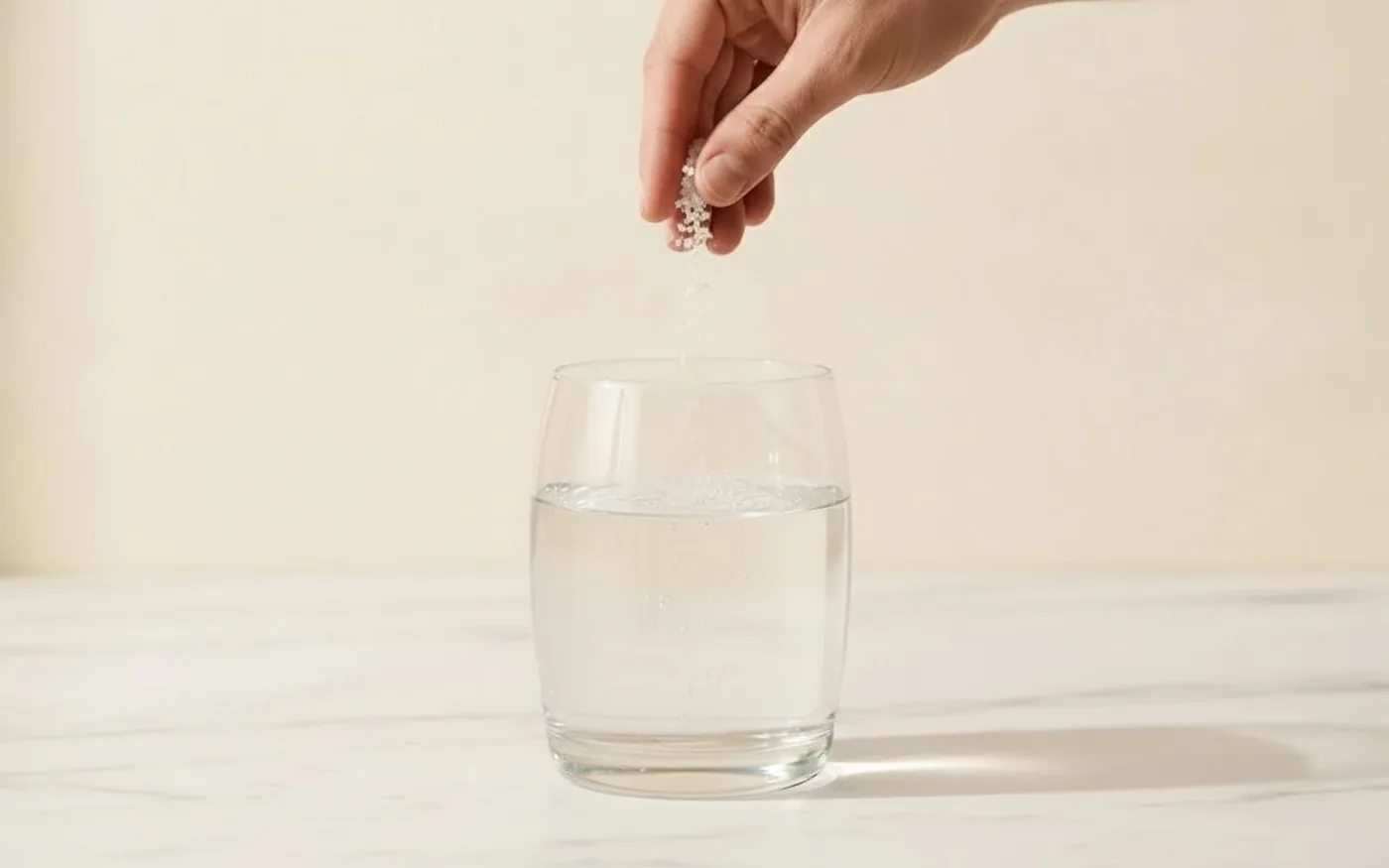
Method: Combine everything in a glass or bottle, stir or shake for 20 seconds, drink within a few hours. That is the complete DIY electrolyte drink.
Recipe card (extractable answer): To make a DIY electrolyte drink, add 1/4 tsp table salt (580mg sodium), 1/4 tsp Lo Salt (330mg potassium), a small pinch of magnesium citrate powder (around 50-75mg magnesium), and the juice of half a lemon to 500ml of cold water. Stir well and drink within a few hours of making. This mix roughly matches the sodium and potassium of a mid-range branded sachet for a few pence per serving.
Where to find the ingredients: Table salt is in every kitchen. Lo Salt is in most large supermarkets, typically near the standard salt. If you want the magnesium element, look for magnesium citrate powder or magnesium glycinate powder from any reputable supplement supplier - these are gentler on digestion than magnesium oxide. Any best magnesium supplement uk guide will cover the form differences in more detail.
The Numbers - How the DIY Mix Compares to LMNT and a Branded Sachet
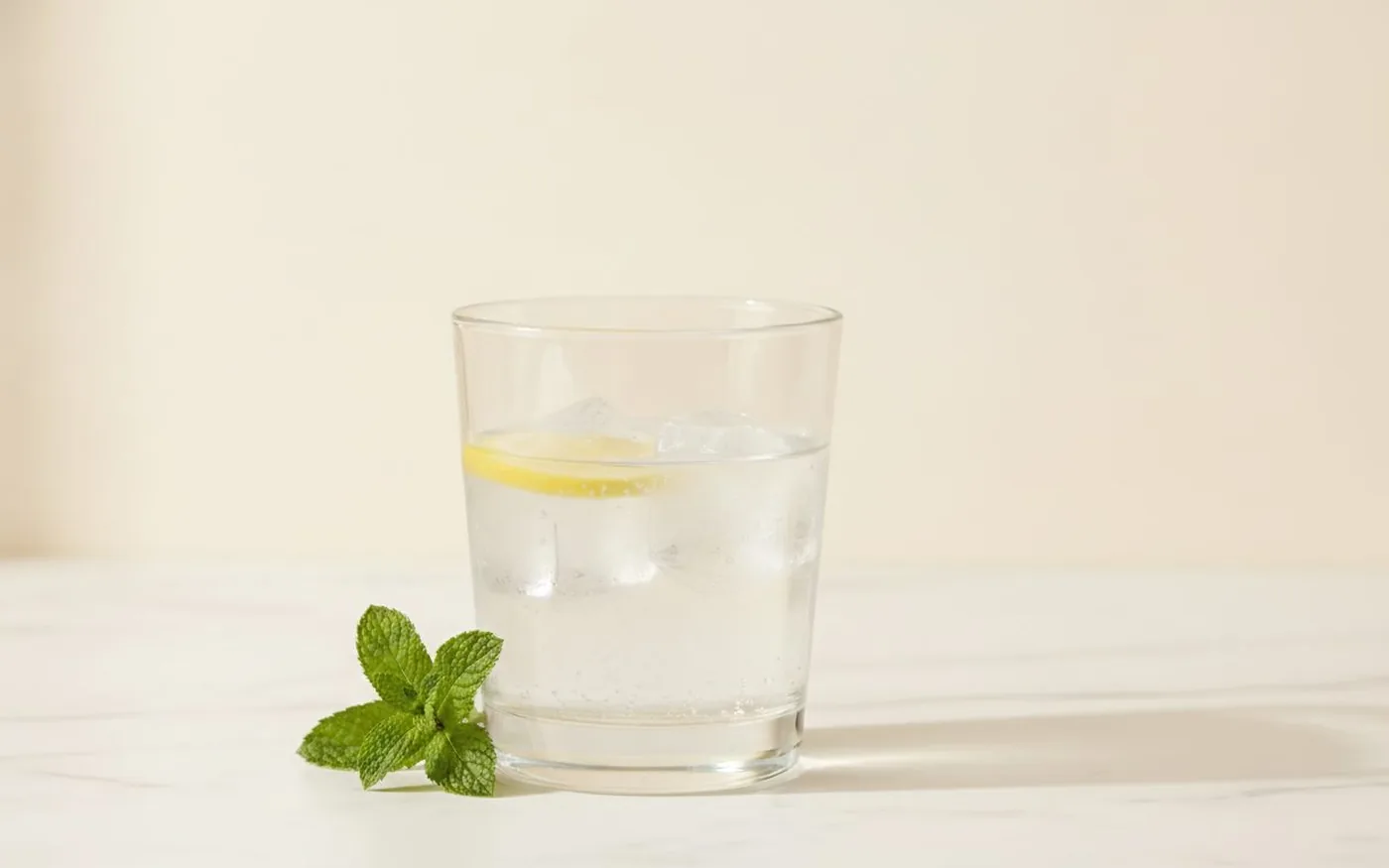
This is the comparison that makes the DIY approach genuinely interesting. Here is how your homemade mix stacks up against two market-leading branded options and a standard high-street sachet.
| DIY Mix (this recipe) | LMNT (one sachet) | High-street electrolyte sachet | |
|---|---|---|---|
| Sodium | approx. 580mg | 1,000mg | approx. 450mg |
| Potassium | approx. 330mg | 200mg | approx. 100mg |
| Magnesium | approx. 50-75mg | 60mg | approx. 10-30mg |
| Chloride | Present | Present | Present |
| Added sugar | Optional (trace) | None | Usually 5-10g |
| Artificial sweeteners | None | Stevia | Often present |
| Cost per serving | 3-8p | Around £2.00-2.50 | 60p-£1.50 |
| Flavour | Citrus (mild) | Wide range | Variable |
A few observations from this table. LMNT is sodium-dominant by design - it was formulated for ketogenic and very low-carbohydrate diets where sodium loss is higher. If you are following a standard diet, 1,000mg of sodium in a single drink is more than most people need from a hydration top-up. The DIY mix is better balanced for general use.
The high-street sachet comparison is instructive on cost: you are paying mostly for the packaging, flavouring, and branding. The ingredient costs are minimal. This is not a criticism - convenience has genuine value, and the flavour profile of a good commercial sachet is hard to replicate at home. But the nutritional difference is smaller than the price difference suggests.
Where branded products do have an edge: measured magnesium doses, consistent palatability, and portability. If you are training five times a week and want to carry sachets to the gym, a good commercial option makes sense. The DIY route is better suited to home use or anyone who wants to understand exactly what they are consuming.
If you want to compare ready-made options rather than make your own, our guide to the best electrolytes UK covers the leading products across different use cases.
Variations
The base recipe is a starting point. Here are the adjustments that work for specific situations.
For keto or higher-sodium needs: If you are following a keto or very low-carbohydrate approach, your sodium requirements are higher. The kidneys excrete more sodium when carbohydrate intake drops, especially in the first few weeks. Increase the table salt to 1/2 teaspoon (approximately 1,160mg sodium) and keep the Lo Salt at 1/4 teaspoon. Skip the sugar. This brings your DIY mix closer to LMNT's formulation for that use case.
For kids: This recipe is not suitable for children as a standard hydration drink, and it is not an oral rehydration solution. If your child has gastroenteritis, diarrhoea, or vomiting, use NHS-recommended oral rehydration salts (such as Dioralyte, available in most pharmacies) rather than a homemade version. The NHS guidance on dehydration is clear on this: homemade salt-sugar solutions carry a risk of incorrect proportions that commercially formulated ORS products eliminate. For general hydration in healthy children, water is usually sufficient.
Without sugar: The recipe works fine without sugar or honey. The small amount of glucose in the optional sweetener slightly aids sodium absorption via the sodium-glucose co-transporter in the gut wall, but for general daily hydration the effect is negligible. Skip it if you are monitoring sugar intake.
As a powder: If you want to batch-prepare a dry powder for convenience, mix the dry ingredients (salt, Lo Salt, magnesium citrate) in a 2:2:1 ratio by volume and store in a small jar. Use 1/2 teaspoon of the powder blend per 500ml of water. This is your DIY electrolyte powder equivalent - shake it into a water bottle before training, add citrus at home if you have it. Keep the jar dry and sealed.
When a Branded Powder Is Worth It
I am a nutritionist who makes her own electrolyte mix, and I still keep a box of commercial sachets in my sports bag. There are situations where they are the better choice.
Travel and convenience. A pre-measured sachet is weightless, does not leak, and takes no preparation. If you are running a half marathon, hiking abroad, or doing a morning gym class before work, the friction of measuring three ingredients at 6am is a real consideration. The best commercial products are not expensive enough for this convenience to be unreasonable.
Taste. This is the honest answer most DIY recipes skip. The DIY mix is functional but not delicious. Commercial products invest heavily in flavour development, and the difference is noticeable if you are trying to drink 500ml post-workout when you are not thirsty. If taste is the barrier to actually drinking enough, a product you enjoy is better than a formula you tolerate.
Measured magnesium. The pinch of magnesium citrate in the DIY recipe gives you roughly 50-75mg, but it is not a precise dose. If you are specifically trying to address a magnesium deficit (and many people in the UK are under-consuming magnesium from diet alone - see our guide to the best greens powders for context on baseline micronutrient gaps), a commercial product with a stated magnesium dose per sachet is more reliable for that purpose.
When not to DIY: If you have a heart condition, kidney disease, or are taking medication that affects potassium or sodium balance, do not adjust your electrolyte intake without speaking to your GP or dietitian. The quantities in this recipe are safe for healthy adults but the Lo Salt potassium content can interact with certain medications.
Safety - How Much Salt Is Too Much
The recipe above contains roughly 580mg of sodium from table salt, plus a small additional amount from the Lo Salt blend. Total sodium in one serving is approximately 700-800mg. This is well within safe daily use for most healthy adults. The NHS recommends adults consume no more than 6g of salt per day (approximately 2,400mg sodium). One serving of this recipe represents around 30% of that.
The risk people most commonly ask about in relation to electrolyte drinks is hyponatremia - a condition where sodium levels in the blood drop too low. This can happen when someone drinks large volumes of plain water during endurance exercise without replacing sodium. The DIY recipe here does the opposite: it adds sodium. Hyponatremia from salt over-consumption is extremely rare in healthy people following this recipe at normal quantities.
Do not scale the recipe up indiscriminately. If you are drinking multiple servings per day, the sodium adds up. On heavy training days, two servings (1 before and 1 after exercise) is reasonable. On rest days, one serving or none is appropriate for most people. The British Dietetic Association's fluid guidance confirms that electrolyte drinks are most useful around exercise and in hot weather, not as a daily replacement for water.
The NHS oral rehydration salts distinction (hard gate): This recipe is a hydration drink for healthy adults. It is not an oral rehydration solution (ORS). If you are unwell with vomiting, diarrhoea, or significant fluid loss from illness, NHS oral rehydration salts are formulated to precise WHO standards for rapid rehydration. Do not substitute this recipe in that context. Use Dioralyte or the NHS's own guidance.
Frequently Asked Questions
How do you make a DIY electrolyte drink?
Combine 1/4 tsp table salt (580mg sodium), 1/4 tsp Lo Salt (330mg potassium), a small pinch of magnesium citrate powder (50-75mg magnesium), and the juice of half a lemon in 500ml of cold water. Stir for 20 seconds. This roughly matches a mid-range branded sachet at a cost of a few pence per serving.
Is homemade electrolyte drink as good as store bought?
On sodium and potassium, the DIY mix is comparable to most branded sachets. Commercial products have the edge on taste, precise magnesium dosing, and portability. For home use with full control over ingredients, the DIY version works just as well and costs significantly less. If you train frequently and want sachets on the go, a branded option is more practical.
Is it safe to drink electrolytes every day?
For most healthy adults, daily use is safe and appropriate around exercise or in warm weather. The sodium in this recipe is around 30% of the NHS recommended daily maximum and sits comfortably within a balanced diet. If you have kidney disease, heart failure, or take medication affecting sodium or potassium balance, speak to your GP first.
Can children have a homemade electrolyte drink?
No. This recipe is not suitable for children and is not an oral rehydration solution. For a healthy child, water is the right choice. If your child is unwell with vomiting or diarrhoea, use NHS-recommended oral rehydration salts such as Dioralyte, which are formulated to WHO standards. Homemade alternatives carry a real risk of incorrect proportions.
Should I use sea salt or table salt?
Either works. The sodium content per quarter teaspoon is essentially identical. Sea salt contains very small amounts of trace minerals, but in such tiny quantities per serving they make no nutritional difference. Table salt in the UK is typically iodised, which has a small added benefit. For this recipe, the quantity is what matters, not the source.
How long does a homemade electrolyte drink keep?
Make it fresh and drink it the same day. If you need to store it, it keeps in the fridge in a sealed container for up to 24 hours. Beyond that, the citrus degrades and flavour drops off. If you want to prep ahead, batch the dry ingredients (salt, Lo Salt, magnesium) in a jar - the powder keeps indefinitely.

A registered Nutritional Therapist and member of BANT, Clemmie blends science with a holistic approach to wellbeing.