Electrolyte Drink Ingredients: What's Actually in Your Hydration Powder
A nutritional therapist breaks down electrolyte drink ingredients - sodium, potassium, magnesium, sweeteners, and fillers. Find out if yours is under-dosed.

Table of Contents
Some of the links in this article are affiliate links, which help fund our independent review work at no extra cost to you. Every recommendation is based on hands-on testing through The Editor Lab methodology. No brand pays to appear, and no placement is guaranteed.
Most people pick up an electrolyte drink because they want to feel better - more hydrated, more energised, less foggy. Then they flip the tub over and see a list of ingredients that reads like a chemistry exam. The main ingredients in electrolyte drinks are sodium, potassium, magnesium, and chloride, alongside sweeteners, fillers, and additives.
I get it. As a Nutritional Therapist (dipNT) working with clients at the Kyros Project (Google DeepMind's nutrition programme) and at Harrods Wellness Clinic, I have sat with clients who have been buying a £30 electrolyte powder for months, genuinely believing they are doing something good for themselves. When we actually look at the label together, the sodium content is 53mg per serving. For context, that is about what you would get in two crackers. It is not doing what they think it is doing.
This guide is the one I wish existed when those clients first came to me. I am going to walk through every ingredient you are likely to find in an electrolyte powder - what each one does, what dose actually matters, and which UK brands are transparent about it. All per-serving values in this article were taken from brand labels verified in 2026 and assessed against EFSA and NHS reference intakes. And if you are someone who cares about what goes into your body from the first thing in the morning, you might want to read our guide to mycotoxin-free coffee too - clean in, clean out.
The Main Electrolytes Explained
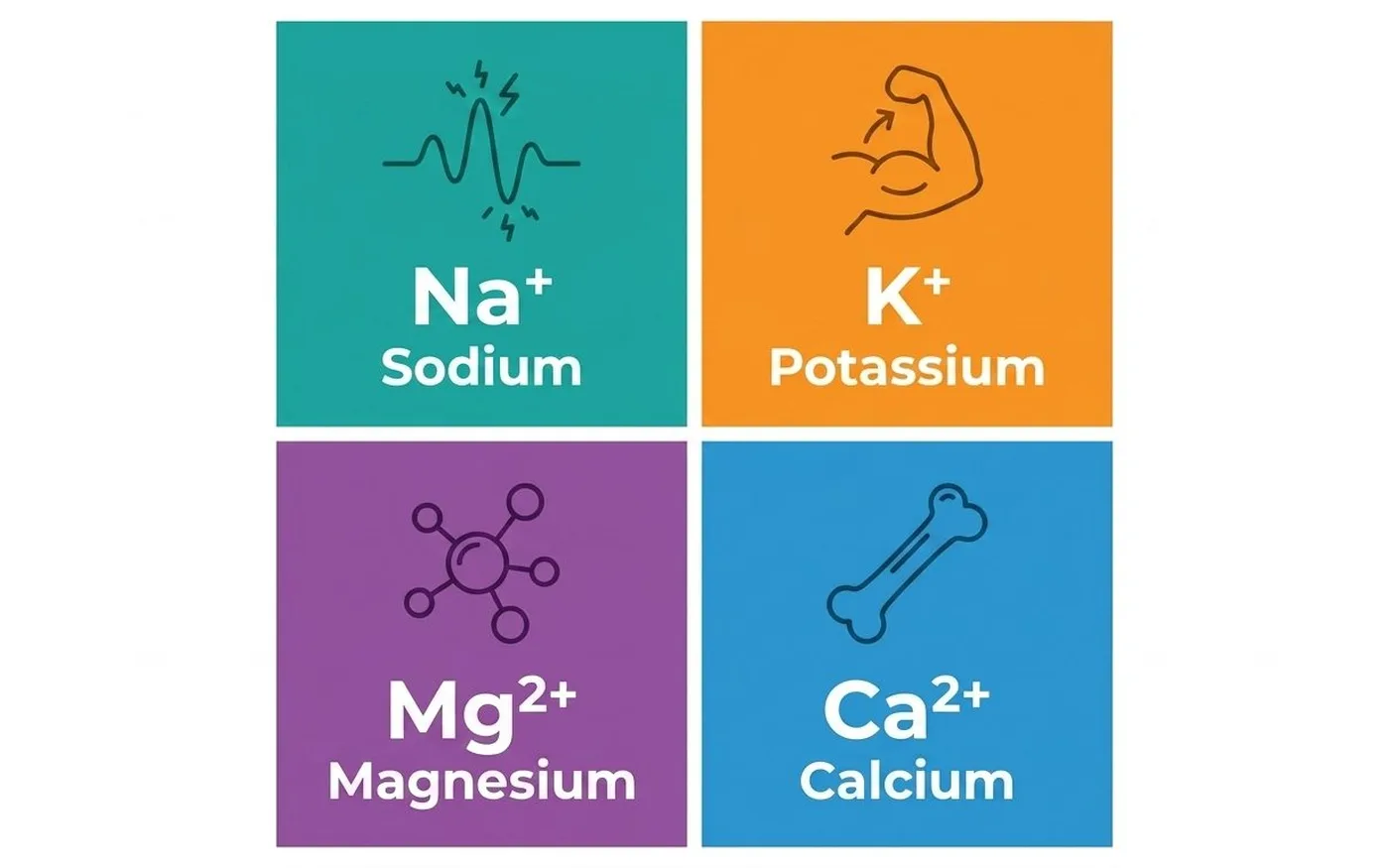
The word 'electrolyte' simply means a mineral that carries an electrical charge when dissolved in fluid. Your body needs these charged particles to move water into cells, trigger muscle contractions, fire nerve signals, and regulate your heartbeat.
The four you will see most often on labels are sodium, potassium, magnesium, and chloride. Each one has a distinct job, and the ratio between them matters more than any individual dose.
Sodium is the primary electrolyte in your blood plasma. It pulls water into cells via osmosis and is the main mineral lost when you sweat. Without enough sodium, water cannot get where it needs to go - which is why plain water alone does not hydrate you as efficiently after significant fluid loss.
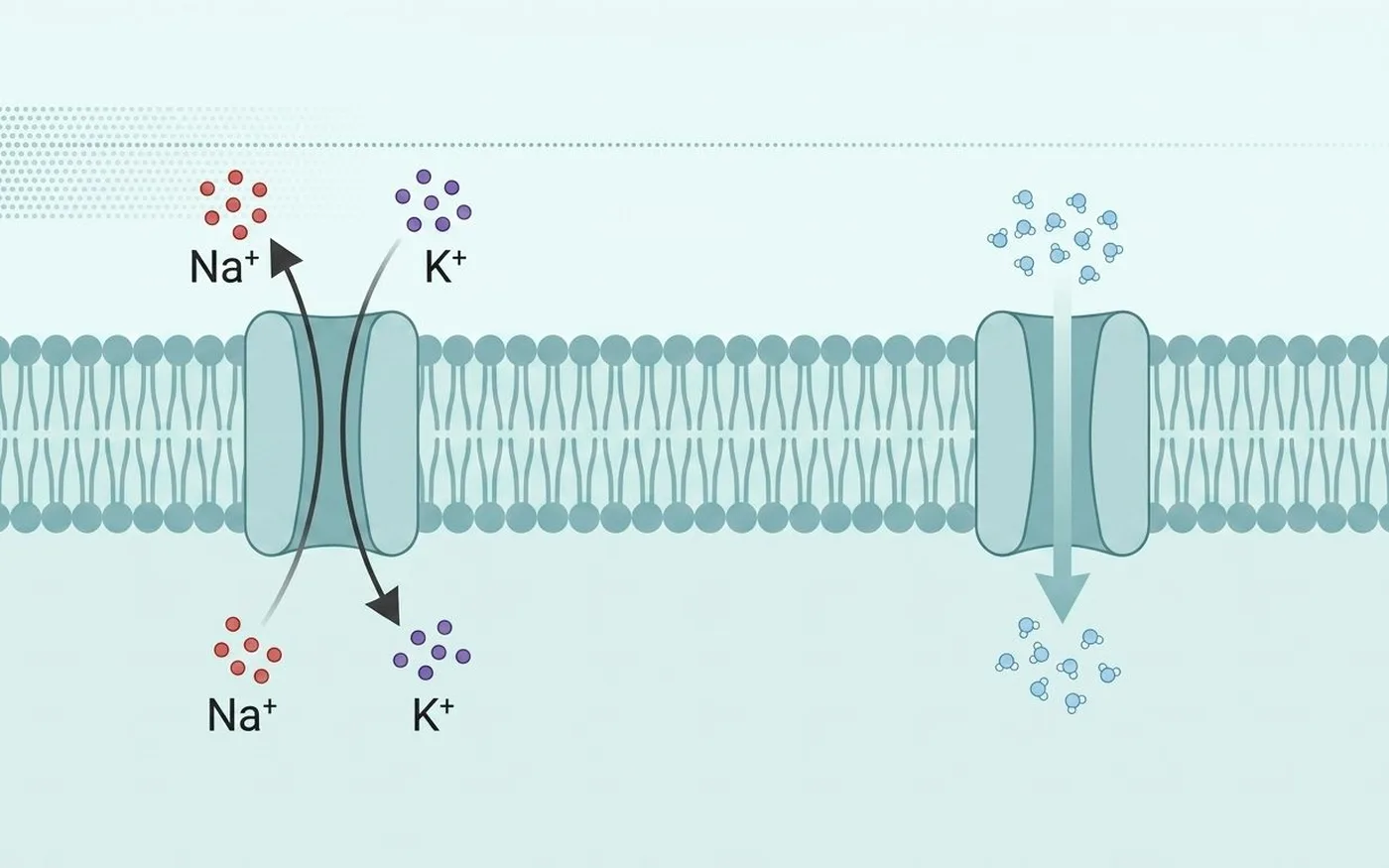
Potassium lives mostly inside your cells and works in opposition to sodium. The sodium-potassium pump - a protein in every cell membrane - keeps the internal and external balance of these two minerals in constant regulation. When potassium falls, muscle cramps and fatigue follow. The NHS reference intake for potassium is 3,500mg per day, and most people in the UK fall short.
Magnesium is involved in over 300 enzymatic reactions in the body, according to the British Nutrition Foundation. It supports muscle relaxation, sleep quality, energy metabolism, and insulin sensitivity. It is also one of the most commonly deficient minerals in the UK diet.
Chloride pairs with sodium in the extracellular fluid and is a key component of stomach acid. You rarely see it listed prominently on labels because it tends to come along with sodium - sodium chloride is table salt. It is easy to overlook, but a genuinely complete electrolyte formula will include it.
Sodium and the Sodium-to-Potassium Ratio
This is where most electrolyte products fall apart, and it is the number I check first on any new label.
Sodium is the rate-limiting ingredient in effective hydration. If the sodium content is too low, the other electrolytes have limited impact - your cells simply cannot absorb fluid efficiently enough without adequate sodium to drive the process. The EFSA dietary reference values set adequate intake for sodium at 2,000mg per day for adults, and sports science research consistently points to 300-1,000mg per serving as the functional range for electrolyte drinks used around exercise or significant sweat loss.
LMNT's Recharge drink mix, the benchmark I use in the clinic for fully dosed products, contains 1,000mg sodium per serving. That is at the top of the functional range and intentional - it was formulated for people who are sweating hard or eating a lower-carbohydrate diet where sodium excretion increases.
Most mainstream products sit well below this. SiS GO Hydro tablets contain approximately 300mg sodium, which is at the lower boundary of the functional range - still clinically meaningful, but designed for lighter hydration needs. High5 Zero tablets come in at roughly 200-250mg sodium, which is adequate for moderate activity in cool conditions.
Then there is Phizz. Phizz Daily 3-in-1 tablets contain approximately 53mg of elemental sodium equivalent. At that level, you are not meaningfully supplementing electrolytes. You are adding a trace of minerals to a flavoured effervescent. That distinction matters if you are paying for it expecting a functional hydration product.
On the sodium-to-potassium ratio: the EFSA reference values suggest adults need roughly 2,000mg sodium and 3,500mg potassium daily, which gives you a theoretical ratio of around 1:1.75 in favour of potassium. In practice, a good electrolyte drink does not try to replace your full daily intake in one serving - it targets the acute loss from sweat, which runs sodium-heavy. A ratio of roughly 4:1 or 5:1 sodium to potassium per serving is commonly used in sports science formulations. What matters is that both are present in meaningful amounts, not trace doses. If you follow a ketogenic diet, sodium needs are elevated further due to lower insulin driving more sodium excretion via the kidneys - a full breakdown is in our guide to electrolytes for keto.
Magnesium and Chloride: The Overlooked Pair
Magnesium is the ingredient that separates a thoughtfully formulated electrolyte drink from a repackaged sports water.
Most people are already low in magnesium. UK dietary surveys consistently show median intakes below the 300mg daily reference value for adults. Supplementing via an electrolyte drink does not replace dietary magnesium, but it can contribute meaningfully to daily intake if the dose is right.
Clinically, I look for at least 40-60mg magnesium per serving to be worth mentioning on a label. Below that, it is present in name only. LMNT contains 60mg magnesium malate per serving - malate being a form with higher bioavailability and gentler effects on digestion than oxide or sulphate. High5 Zero contains 56mg magnesium, which puts it in a genuinely useful range. SiS GO Hydro contains just 8.1mg - present, but not functional at that level.
The form matters as much as the dose. Magnesium glycinate and magnesium malate absorb well and are less likely to cause the loose stools associated with magnesium oxide or citrate in sensitive individuals. If you see magnesium oxide listed as the main form in an electrolyte drink, it is typically a cost-cutting decision rather than a formulation one.
Chloride is rarely listed separately on electrolyte labels because it travels with sodium. If a product contains meaningful sodium as sodium chloride, chloride is already present. Where it becomes relevant is in sodium-light products that use sodium citrate or sodium bicarbonate as the sodium source - in those cases, chloride may genuinely be missing. It is a small point but worth knowing if you are comparing formulations closely.
Sweeteners: Stevia vs Monk Fruit vs Sucralose vs Sugar
The sweetener choice in an electrolyte drink tells you a lot about a brand's priorities. It is also the section of the label most likely to contain something worth questioning.
Stevia is extracted from the Stevia rebaudiana leaf and is the sweetener I see most often in cleaner formulations. It is around 200-300 times sweeter than sugar, so effective amounts are tiny. At typical use levels, stevia is considered safe and does not raise blood glucose. Some people find it has a bitter aftertaste at higher concentrations - this is a formulation quality issue, not a health one. If you are sensitive to it, it is worth trying a smaller serving first.
Monk fruit extract (luo han guo) is derived from a small melon-like fruit and has been used in traditional Chinese medicine for centuries. Like stevia, it does not affect blood glucose. It tends to produce a cleaner flavour than stevia with less aftertaste, which is why it is increasingly used in premium formulations. LMNT uses a blend of stevia and monk fruit in most of its flavours.
Sucralose is a chlorinated sugar derivative - it is significantly sweeter than sugar, calorie-free, and widely regarded as safe by food regulators at normal intake levels. My concern with sucralose is not acute toxicity but long-term gut microbiome impact. Some emerging research suggests that regular sucralose consumption may alter gut microbiome composition, though this remains an active area of investigation and the evidence is not yet conclusive. For an occasional drink, it is not something I would lose sleep over. As a daily habit, I would choose a product sweetened with stevia or monk fruit instead.
Sugar in electrolyte drinks is not automatically the villain it is often made out to be. Glucose actively co-transports sodium across the intestinal wall - this is the basis of oral rehydration solutions used in clinical and emergency medicine. If you are exercising for more than 90 minutes, a small amount of glucose (around 6g per serving) can genuinely enhance sodium and fluid absorption. The problem arises when a product uses sugar primarily as a palatability tool and ends up delivering 20-30g per serving with minimal electrolytes alongside it. At that point, you are drinking a sports drink, not a hydration supplement. Check whether the sugar is accompanied by meaningful sodium.
Maltodextrin deserves its own paragraph. It is a highly processed starch derivative with a glycaemic index higher than table sugar. In electrolyte products, it functions as a cheap bulking agent - it adds weight to the sachet, improves mixability, and hits a price point. It is not inherently dangerous in small amounts, but if it appears in the first three ingredients on a label, it means the product is built around bulk rather than electrolyte concentration. That is not the product you are paying premium prices for.
Fillers and Additives: What Is Harmless vs What to Avoid
Citric acid - almost universally present as a preservative and flavour enhancer. At the levels used in electrolyte drinks, it is harmless.
Natural flavours - this is a broad legal category that can include a wide range of flavouring compounds. 'Natural' does not mean transparent. It is not a red flag on its own, but if a product combines 'natural flavours' with a vague ingredient list and does not disclose per-mg electrolyte content, the two together suggest a brand that is not prioritising transparency.
Silicon dioxide - an anti-caking agent used to keep powders from clumping. Present in trace amounts, widely considered safe.
Magnesium stearate - another flow agent used in tablet and capsule manufacturing. Again, harmless at the levels used, but worth knowing it is not contributing to your electrolyte intake.
Artificial colours - no electrolyte drink needs added colour. A product that includes artificial dyes is adding them for visual appeal, not function. It is a minor point, but it is the kind of formulation decision that tells you whether the brand is optimising for the consumer or the shelf.
- Maltodextrin as a primary ingredient (filler over function)
- Artificial sweeteners like acesulfame potassium (Ace-K) paired with sucralose (double synthetic sweetener load)
- Under-dosed sodium below 100mg with no transparency about why
- Proprietary blends that list ingredients without per-serving mg disclosure
The clean standard is simple: you should be able to look at a label and know exactly how much of each electrolyte you are getting. If the label only gives you a 'mineral blend' weight without breaking it down, that is a deliberate choice. Brands that are proud of their formulations disclose the numbers.
What a 'Clean' Electrolyte Drink Actually Looks Like
“A clean electrolyte drink contains a meaningful dose of sodium (300mg minimum, 600-1,000mg for active use), a disclosed potassium and magnesium content, no artificial colours, and sweeteners that are either absent, naturally derived, or glucose where clinically appropriate. Every ingredient serves a function.”
Let me put the UK market brands in context with that standard:
| Brand | Product | Sodium per serving | Potassium | Magnesium | Full mg disclosure? |
|---|---|---|---|---|---|
| LMNT | Recharge | 1,000mg | 200mg | 60mg (malate) | Yes - fully transparent |
| SiS | GO Hydro tablet | ~300mg | 65mg | 8.1mg | Partial |
| High5 | Zero tablet | ~200-250mg | 70mg | 56mg | Yes |
| Phizz | Daily 3-in-1 tablet | ~53mg | Not disclosed per mg | Not disclosed per mg | Partial/not meaningful |
LMNT is the clean benchmark. The sodium dose is functional, the magnesium form is chosen for bioavailability, and the label tells you everything. High5 Zero is transparent and hits a useful magnesium dose, though the sodium is on the lower end for active use. SiS GO Hydro is a solid entry-level product but the magnesium dose is too low to be meaningful. Phizz presents the clearest example of under-dosing: at 53mg sodium, it cannot meaningfully support hydration in any context beyond a sedentary day where diet is already salt-adequate. For a full tested ranking of UK products, see our guide to the best electrolytes UK.
A clean electrolyte drink does not require a long ingredient list. The best ones are short. Sodium source (sodium chloride or sodium citrate), potassium source (potassium chloride), magnesium source (glycinate or malate preferred), a natural sweetener or none, natural flavour, citric acid. That is genuinely all you need. Anything beyond that should have a clear functional reason to be there.
Frequently Asked Questions
What are the main electrolytes in an electrolyte drink?
The four main electrolytes found in quality hydration products are sodium, potassium, magnesium, and chloride. Sodium is the most critical - it drives fluid into cells and is the primary mineral lost in sweat. Potassium works in opposition to sodium inside cells to regulate fluid balance and muscle function. Magnesium supports energy production, muscle relaxation, and sleep. Chloride pairs with sodium in extracellular fluid.
Why do electrolyte drinks have sugar in them?
Glucose co-transports sodium across the intestinal wall, which speeds up fluid absorption - this is the science behind oral rehydration therapy. A small amount of glucose (around 6g per serving) can improve hydration efficiency during prolonged exercise. The problem is when sugar is used primarily for taste, delivering 20-30g per serving with minimal electrolytes alongside it. Check that any sugar content is accompanied by meaningful sodium.
What is the best sodium to potassium ratio in an electrolyte drink?
A useful guideline is roughly 4:1 or 5:1 sodium to potassium per serving for activity-focused products, reflecting sweat's sodium-heavy composition. Both minerals need to be present in meaningful amounts - sodium below 300mg and potassium below 50mg per serving suggests the product is not functional. Daily reference intakes are 2,000mg sodium and 3,500mg potassium, but a single serving does not need to meet those figures.
Is maltodextrin in electrolyte drinks bad for you?
Maltodextrin is not dangerous in small amounts, but it has a glycaemic index higher than table sugar and acts primarily as a cheap bulking agent. It adds weight to the sachet - it does not benefit you. If maltodextrin appears in the first three ingredients on the label, the product is built around volume rather than electrolyte concentration. For daily use, choose a product that leaves it out.
Are cheap electrolyte drinks under-dosed on sodium?
Yes, many are. Sodium is the most important electrolyte in a hydration product, and also one of the most variable. Budget products frequently contain 50-150mg per serving, well below the 300-1,000mg functional range supported by sports science research. Phizz contains approximately 53mg sodium - a trace amount, not a meaningful dose. Always check the label for per-serving mg figures rather than assuming price reflects formulation quality.
What electrolyte ingredients should I avoid?
Look out for: maltodextrin as a primary ingredient (filler, not function), acesulfame potassium paired with sucralose (double synthetic sweetener load), artificial colours (cosmetic only), and proprietary blends that list total mineral weight without per-serving mg breakdowns. Lack of per-serving mg disclosure is itself a red flag. Brands that are confident in their formulations publish the numbers - those that do not usually have a reason.
Is it safe to drink electrolytes every day?
For most healthy adults, yes. Daily use makes sense if you exercise regularly, follow a lower-carbohydrate diet, live in a hot climate, or drink significant amounts of plain water. People with kidney disease, hypertension, or heart conditions should check with their GP before supplementing regularly, as the sodium content in some products (1,000mg per serving) may not suit all health profiles. At standard doses, daily use is well supported.
What does a clean electrolyte drink actually contain?
A clean electrolyte drink has a short ingredient list: sodium (at least 300mg per serving), a disclosed potassium source, a bioavailable magnesium form (glycinate or malate preferred) at 40mg or more, and a natural sweetener or none. Citric acid and natural flavour are standard. Every ingredient should serve a function - if you cannot identify why something is there, it is probably a filler.

A registered Nutritional Therapist and member of BANT, Clemmie blends science with a holistic approach to wellbeing.