Best Electrolyte Powder UK

Qualified Nutritionist
Six UK electrolyte powders tested by a registered Nutritional Therapist. Ranked by sodium dose, not packaging.
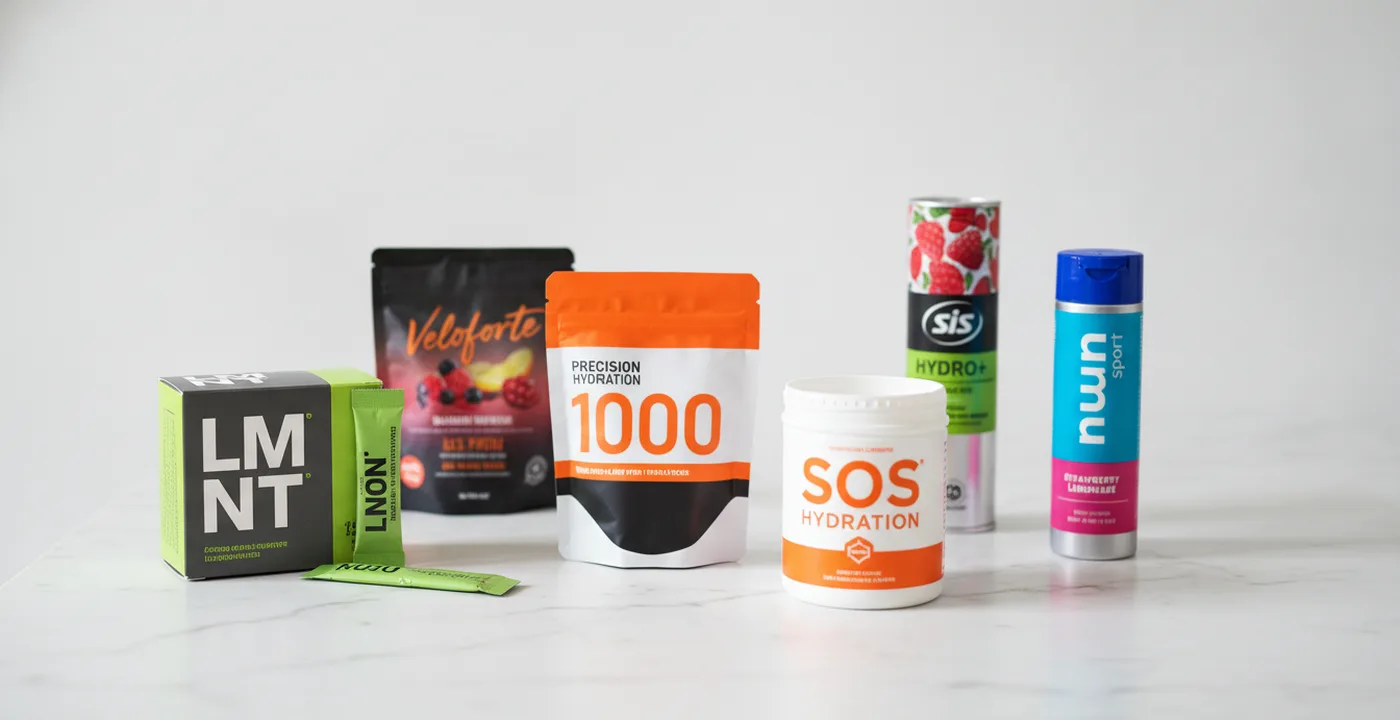
Table of Contents
Some of the links in this article are affiliate links, which help fund our independent review work at no extra cost to you. Every recommendation is based on hands-on testing through The Editor Lab methodology. No brand pays to appear, and no placement is guaranteed.
Every week a client messages me about their hydration routine. They have bought a premium electrolyte tub, they are taking it daily, and they still feel flat and crampy. When we look at the label together, the sodium content is often under 200mg per serving. That is not a hydration supplement. That is slightly salty water at three times the price.
The market for the best electrolyte powder UK is full of products that look impressive on the shelf but fail on the one thing that matters: effective electrolyte dosing. I tested six powders across four weeks, comparing them on sodium per serving, sugar and sweetener load, and price-per-serving - the three numbers that actually tell you whether a powder is worth buying. You can read more about what makes a well-formulated electrolyte in our full electrolytes guide.
“Six electrolyte powders. Ranked by sodium dose, sugar content, and price-per-serving. Not by how good the packaging looks.”
Clemmie Rose is a registered Nutritional Therapist and BANT member, having run nutrition clinics at The Wellness Clinic at Harrods and led the nutrition programme at The Kyros Project with Google DeepMind. She has reviewed supplements and functional nutrition products for Balance Journal since 2025, with a clinical focus on formulation quality and effective dosing.
How she tested: Each powder was used daily for at least five days, mixed to the label-specified dilution. Sodium, potassium, magnesium, and sugar content were taken from label data. Price-per-serving was calculated from the current UK retail price divided by serving count (as of July 2026). Products were not tested in a laboratory; label data was used as supplied by each brand.
Shop from the Top 3 Electrolyte Powders
These three lead on sodium dose, formulation transparency, and price-per-serving. LMNT is the premium choice for anyone who sweats heavily or follows a ketogenic diet. Precision Hydration earns its place for athletes who need clinically validated sodium levels. SOS is the value pick for daily hydration without a daily premium price.
What separates a properly formulated electrolyte powder from a glorified sports drink is the sodium number. Effective hydration research (referenced in the Gatorade Sports Science Institute's published work on athlete sodium needs) points to 300-1,000mg sodium per serving as the functional range. Products sitting below 200mg are not meaningfully replacing what you lose through sweat.
Top 6 Best Electrolyte Powders UK: Detailed Reviews
1. LMNT - Best for High-Sodium Hydration and Keto
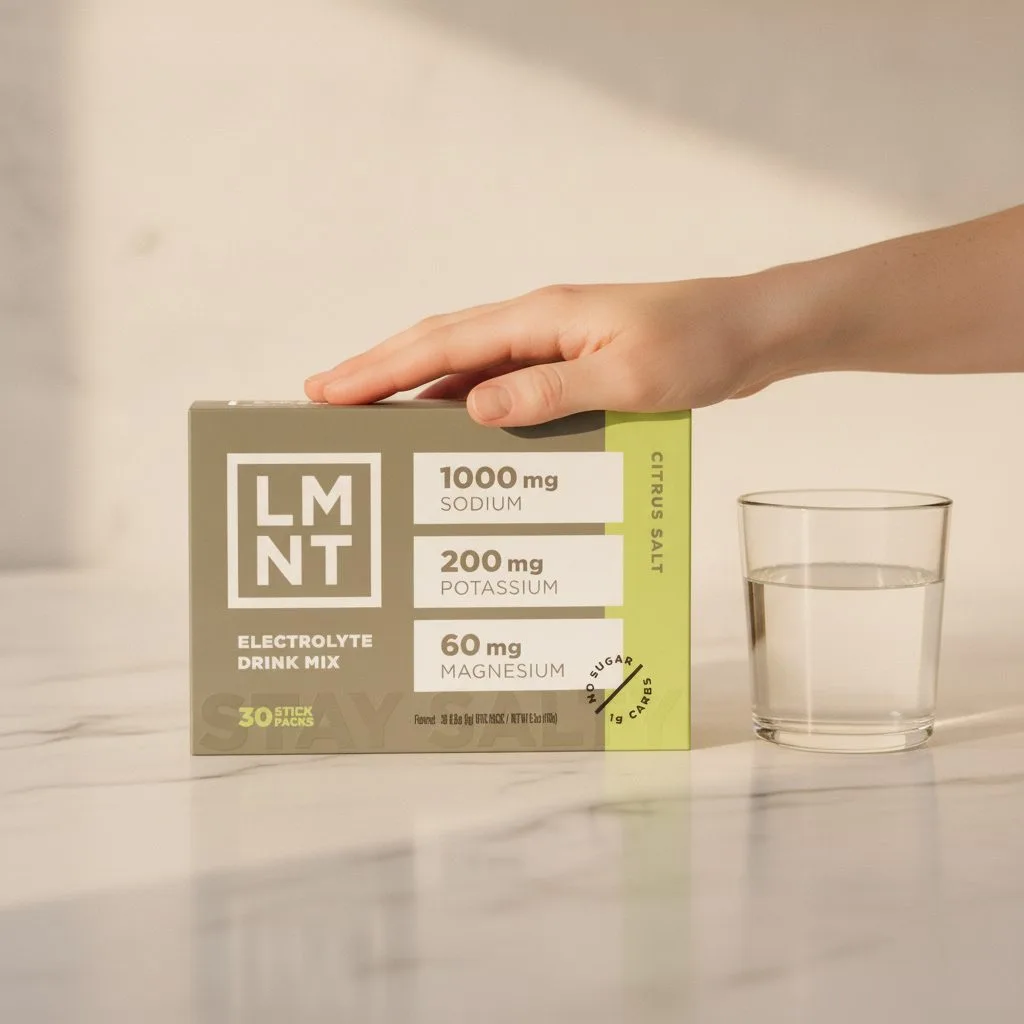
LMNT has been the powder the keto and endurance communities reach for since it launched. It contains 1,000mg sodium, 200mg potassium, and 60mg magnesium per sachet - zero sugar, zero maltodextrin, and no proprietary blends hiding behind undisclosed amounts. The label shows you exactly what you are getting.
The taste is unmistakably salty. If you have grown up on mainstream sports drinks, it takes a few days to adjust. By day three of testing, the saltiness reads as satisfying rather than overpowering - your body genuinely recognises what it needs. I tested the Watermelon Salt flavour, which uses natural fruit flavouring and stevia; there is a faint sweetness that cuts the saltiness without being cloying.
The honest friction point here is price. At around £2.50 per sachet in the UK, you are paying a premium. If you drink two a day around training, that is £35 per month. Compare that to SOS or Nuun at under £1 per serving, and the value argument depends entirely on whether your activity level genuinely demands 1,000mg sodium. For heavy exercisers, heat-environment workers, or people following best electrolytes for keto, it is justifiable. For light daily hydration, it is significant overkill.
“LMNT does not try to be everything. It is built for people who need real sodium replenishment, and it delivers exactly that.”
| Evaluation Criteria | Our Findings |
|---|---|
| Full review | LMNT Review UK |
| Best for | Keto, high-sweat training, endurance sport |
| Flagship product | LMNT Zero-Sugar Electrolyte Drink Mix (1000mg sodium) |
| Shop | drinklmnt.com/en-gb |
2. Precision Hydration PH 1500 - Best for Athletes
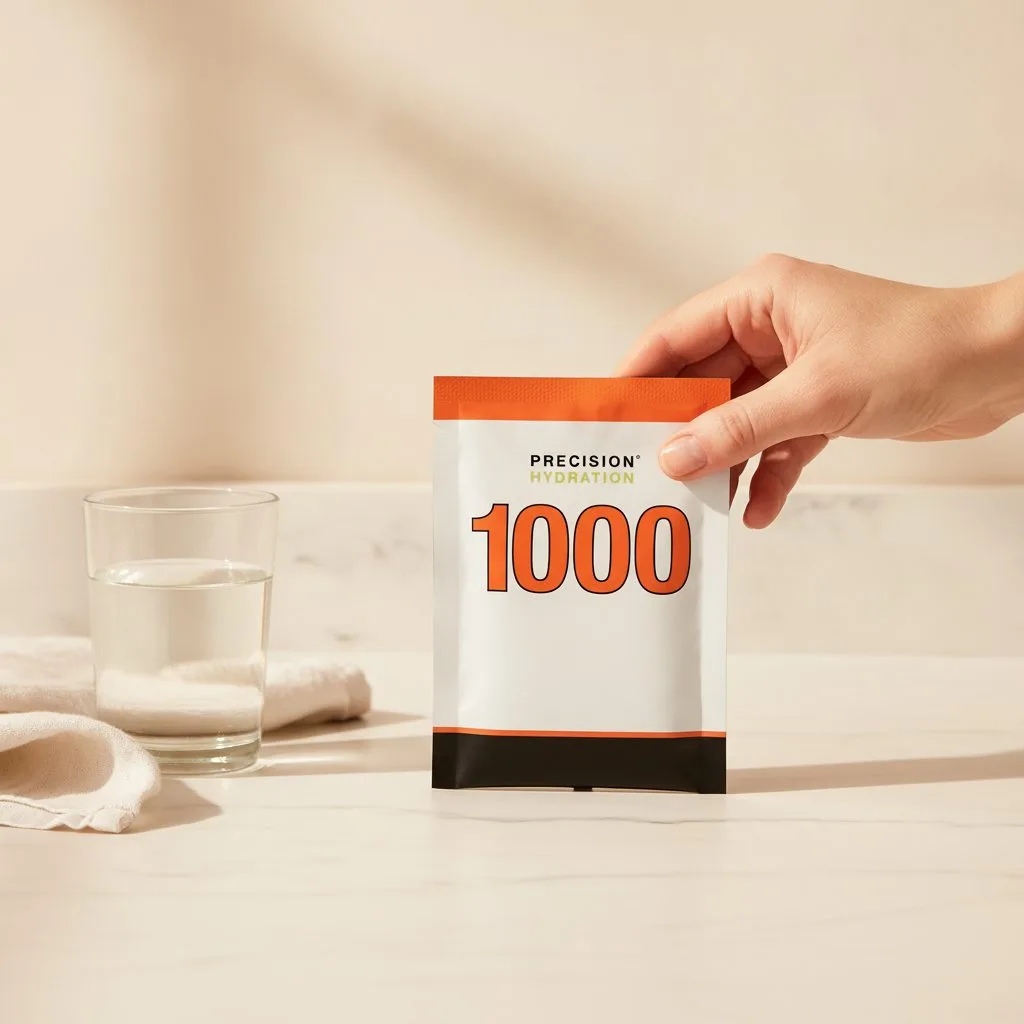
Precision Hydration was built by sports scientist Andy Blow after he noticed that athletes with high sweat sodium concentrations were the ones cramping, regardless of how much they drank. The PH 1500 is formulated to deliver 1,500mg sodium per litre - around 750mg in a standard 500ml serving - alongside potassium and magnesium. It is designed for people who genuinely sweat at volume, not for casual daily use.
What distinguishes PH from the rest of the field is the science behind the product. Andy Blow's work on sweat sodium testing is the basis of the formulation strategy, and the brand publishes its rationale openly. You can read the methodology behind sodium dose selection on the Precision Hydration website before you spend a penny.
The flavour is mild and slightly salty. It mixes without residue in cold water. I tested it alongside a 90-minute strength session and a longer 5km run; the recovery feeling was noticeably different to a morning of no electrolytes. That said, the 1,500mg/L concentration delivering around 750mg per standard 500ml serving is above what most people need for non-exercise use, so use it session-specific rather than all day. See our in-depth SiS Hydro review if you want to compare the Precision Hydration approach with Science in Sport's isotonic format.
Price per serving sits around £1.80 from the brand direct, which represents good value given the sodium concentration.
“The most clinically serious formulation on this list. If you are an athlete who cramps, start here.”
| Evaluation Criteria | Our Findings |
|---|---|
| Full review | Precision Hydration Review - coming soon |
| Best for | Athletes, endurance sport, high-sweat training sessions |
| Flagship product | PH 1500 Electrolyte Drink Mix (1,500mg/L sodium, ~750mg per 500ml) |
| Shop | precisionhydration.com |
3. SOS Hydration - Best Value for Daily Hydration
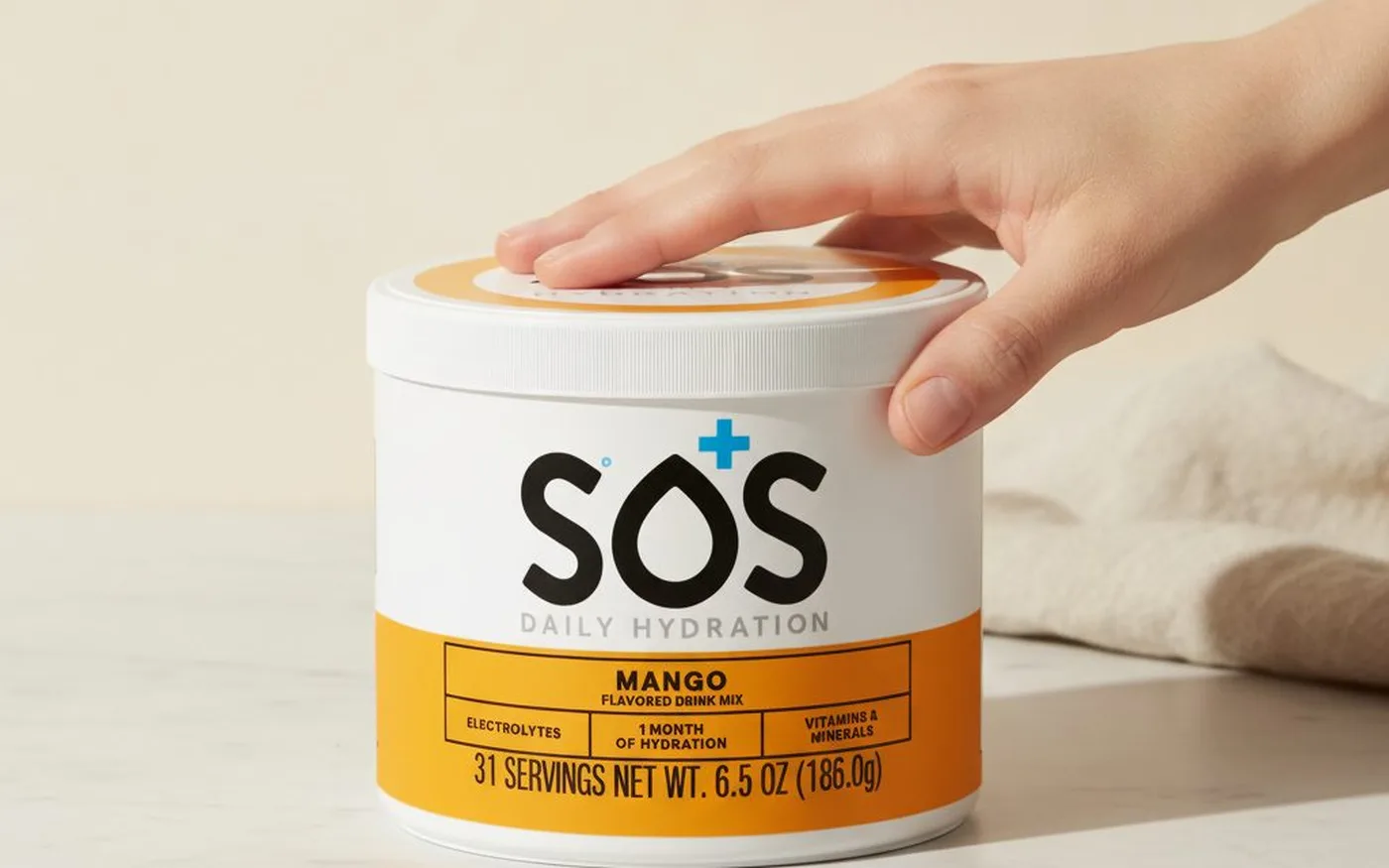
SOS positions itself as a daily hydration supplement rather than a performance product, and at under £1 per serving it is the most accessible option on this list. Each sachet contains 330mg sodium, 70mg potassium, 11mg magnesium, and glucose - the glucose is functional here, not filler. A small amount of glucose improves sodium absorption via the sodium-glucose co-transporter mechanism in the gut, which is why oral rehydration solutions (like those recommended by the NHS for rehydration) include both.
SOS is sold in stick sachets at soshydration.co.uk and on Amazon UK. At roughly 90 pence per serving based on the standard 20-sachet box (as of July 2026), it is the clearest value proposition for someone who wants a properly dosed powder without premium pricing.
“You do not need to spend £2.50 per serving to hydrate properly. SOS proves that.”
| Evaluation Criteria | Our Findings |
|---|---|
| Full review | SOS Hydration Review - coming soon |
| Best for | Daily hydration, value buyers, everyday active use |
| Flagship product | SOS Daily Hydration (330mg sodium) |
| Shop | soshydration.co.uk |
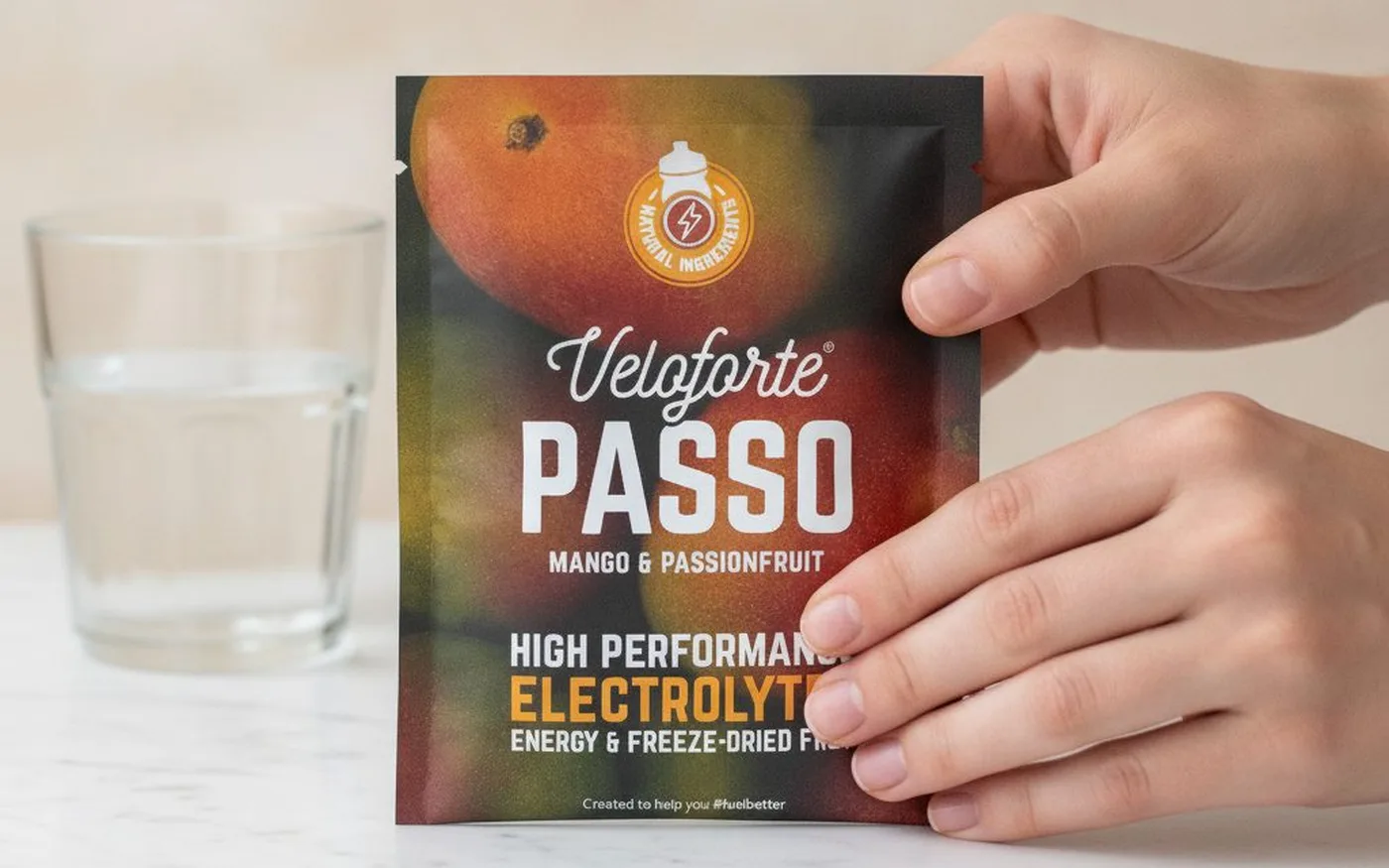
4. Veloforte - Best Natural Formulation
Veloforte takes a different approach to electrolytes: natural ingredients as the primary design constraint, with functional dosing as a close second. Their electrolyte powder uses sea minerals, natural fruit powders, and coconut water powder to deliver 380mg sodium, 150mg potassium, and 39mg magnesium per serving - all without artificial sweeteners, synthetic flavourings, or colours.
The taste is the most genuinely pleasant of the six tested. If you are sensitive to the artificial sweetener aftertaste common in zero-sugar powders, Veloforte is the option to try first. The lemon and sea salt flavour dissolves cleanly and has a light, natural citrus note that does not overpower.
The caveat is that sodium at 380mg is in the moderate range - it is fine for most people doing moderate exercise or daily hydration, but it will not replace losses in a heavy endurance session or a long hot run. Think of it as a daily maintenance option rather than a hard-session recovery product. It is also priced toward the mid-premium range at around £1.50-1.80 per serving.
“The most thoughtfully formulated natural option here. Buy it if clean ingredients matter as much as the numbers.”
| Evaluation Criteria | Our Findings |
|---|---|
| Full review | Veloforte Review - coming soon |
| Best for | Natural formulation, everyday cycling and running hydration |
| Flagship product | Veloforte Electrolyte Powder (380mg sodium, natural ingredients) |
| Shop | veloforte.com |
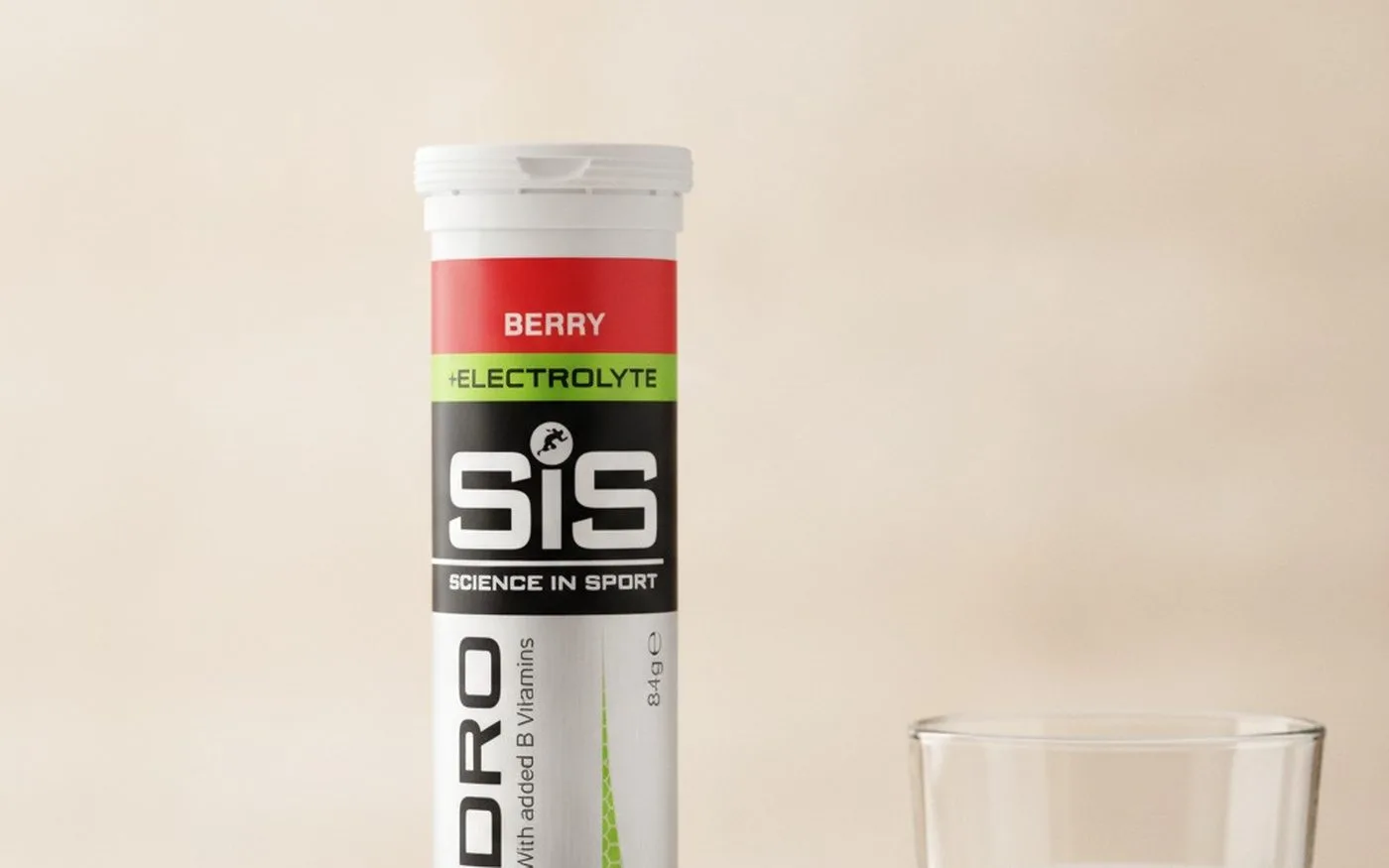
5. Science in Sport Hydro+ - Best Isotonic Option
Science in Sport designed Hydro+ as an isotonic electrolyte product - meaning the osmolality matches blood plasma, which in theory optimises absorption rate. Each serving contains around 300mg sodium alongside potassium and magnesium, with a low-calorie formulation that uses sucralose as the sweetener.
SiS is widely available at Decathlon, Amazon UK, and sportswear retailers, which makes it one of the most accessible electrolyte formats on this list. The price per serving is competitive at roughly £0.60-0.80 for the bulk pack options.
The sucralose is worth flagging for anyone managing gut health. Emerging research (summarised in the EFSA's dietary reference values framework) on sweetener safety remains broadly permissive at normal intake levels, but some people find sucralose affects their gut comfort. If that is you, Veloforte or LMNT are the cleaner alternatives. For everyone else, SiS Hydro+ is a reliable, well-priced option.
“Solid, accessible, and genuinely well-priced. The right call if you are at the start of building a hydration habit.”
| Evaluation Criteria | Our Findings |
|---|---|
| Full review | SiS Hydro Review |
| Best for | Everyday isotonic hydration, budget-conscious buyers |
| Flagship product | SiS Hydro+ Electrolyte Powder (300mg sodium, isotonic) |
| Shop | scienceinsport.com |
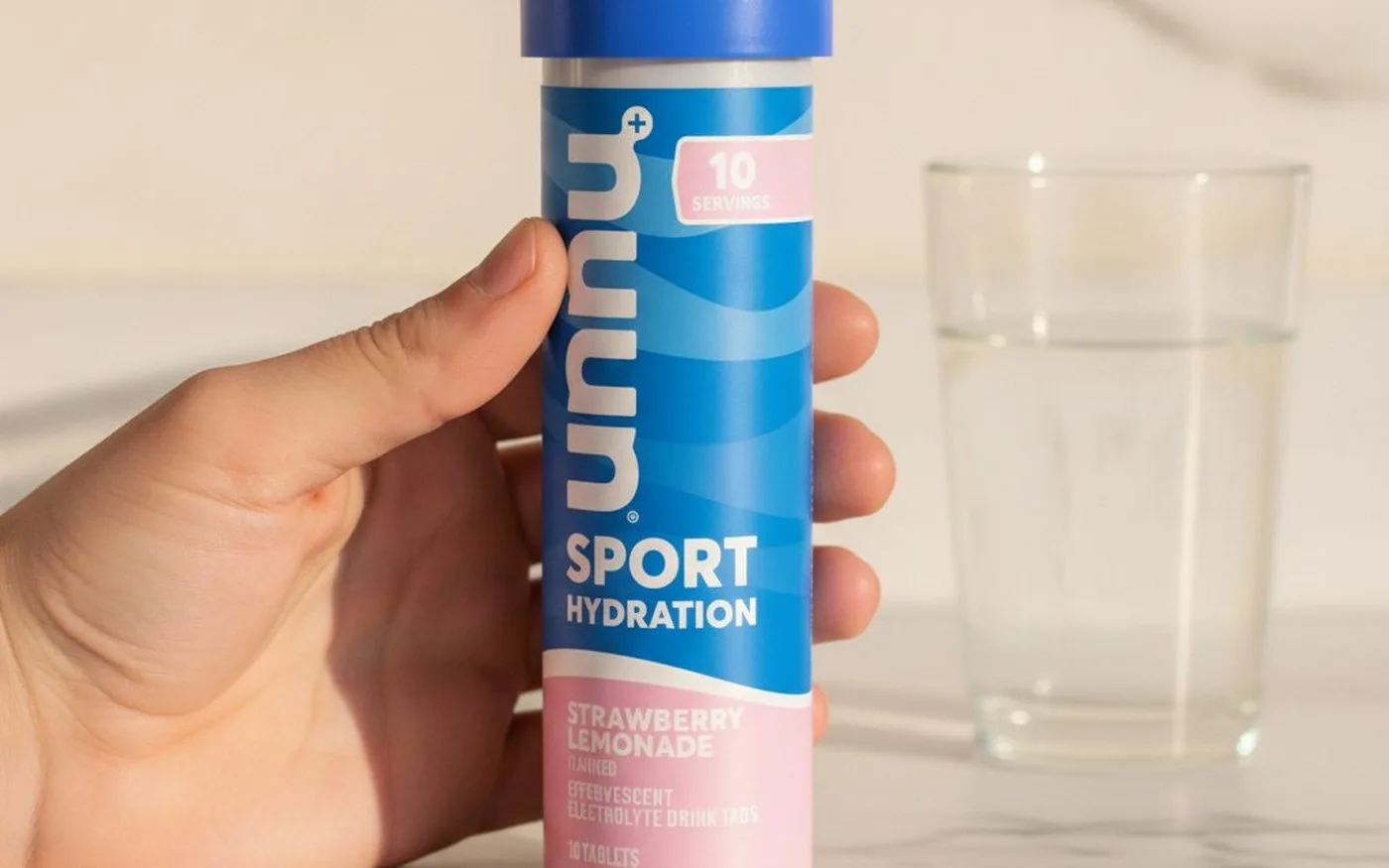
6. Nuun Sport - Best for Broader Mineral Profile
Nuun made their name with effervescent tablets, but their Sport Hydration Powder brings the same formulation principles to a stick-pack powder format. Each serving delivers around 300mg sodium, 150mg potassium, 25mg magnesium, and 13mg calcium - a broader mineral profile than most competitors. The formulation is sweetener-based (stevia) with around 1g of dextrose, keeping sugar effectively at trace levels.
One thing I respect about Nuun is the calcium inclusion. Most electrolyte powders focus on the sodium-potassium-magnesium trio and overlook calcium, which plays a role in muscle contraction alongside the better-known minerals. The dose (13mg) is not going to make a meaningful difference to overall calcium status, but it reflects a more complete mineral thinking.
At around £1.00-1.20 per serving, Nuun sits between the value picks and the premium options. Widely available on Amazon UK and at running retailers. If you want a lighter, less salty daily option with a broader mineral profile, this is worth considering alongside SOS.
“More mineral breadth than most. A calm, everyday option that does not over-promise.”
| Evaluation Criteria | Our Findings |
|---|---|
| Full review | Nuun Sport Review - coming soon |
| Best for | Broader mineral profile, everyday light-to-moderate activity |
| Flagship product | Nuun Sport Hydration Powder (300mg sodium, calcium included) |
| Shop | nuunlife.com |
What to Look for in an Electrolyte Powder (and What to Avoid)
The biggest gap in most electrolyte products is not the formula - it is the sodium dose. Sodium is the primary electrolyte lost in sweat. Research from sports science (including published guidelines on athlete hydration needs) consistently points to 300-1,000mg sodium per serving as the functional range for active replenishment.
Anything below 200mg per serving is not meaningfully replacing electrolyte losses. Yet a significant number of powders on the UK market - particularly the prettier, more lifestyle-positioned ones - sit in the 50-150mg range. They are essentially flavoured water with a vitamin C hit. Not worthless, but not a hydration supplement in any clinical sense.
Sugar content matters, but not in the way marketing suggests. Some electrolyte powders contain 20-30g of sugar per serving. That is not electrolyte powder territory - that is a sports drink in powder form. Avoid anything where sugar or maltodextrin is the first or second ingredient. At the same time, zero-sugar is not automatically better. A small glucose component (5-12g) genuinely improves sodium absorption via the sodium-glucose co-transporter, which is why clinical rehydration solutions use it. The problem is powders that use 25g of glucose while keeping sodium at 100mg - the sugar is there for taste, not function.
Price-per-serving is the honest unit. A 30-sachet box at £30 is £1 per serving. A 500g tub at £40 with 60 servings is 67p per serving. Compare always on per-serving cost, not headline price.
Sweeteners and gut sensitivity. If you are managing gut health issues, stevia or erythritol are generally better tolerated than sucralose or acesulfame-K. Veloforte and Nuun (stevia-based) are the cleaner choices for anyone with known sweetener sensitivities.
Best Electrolyte Powder for Your Use Case
If you are not sure which format matches your situation, this section maps the options to four specific contexts.
Best electrolyte powder for keto: LMNT. The 1,000mg sodium replaces what a ketogenic diet genuinely depletes - your kidneys excrete more sodium on low-carb, and the deficit builds quickly. The zero-sugar formula means no glucose disrupting ketosis. We have a full guide to the best electrolytes for keto if you want more depth on the mechanism.
Best electrolyte powder for athletes and heavy training: Precision Hydration PH 1500. The 1,500mg/L sodium concentration (around 750mg per standard 500ml serving) is designed precisely for people who lose high-sodium sweat. If you are a salty sweater (salt rings on clothing after exercise is the giveaway), the standard 300mg options will not keep pace.
Best electrolyte powder for daily hydration: SOS Hydration or Nuun Sport. Both are correctly dosed for everyday maintenance hydration, competitively priced, and easy to use. SOS has the slight edge on value; Nuun has the broader mineral profile.
Best electrolyte powder UK on a budget: SOS Hydration at around 90p per serving. You are getting 330mg sodium and functional glucose at a price that makes daily use sustainable.
How Much Sodium Do You Actually Need
This is the question that matters most, and it does not have one answer. Sodium needs vary significantly by individual - sweat rate, sweat sodium concentration, activity level, ambient temperature, and diet all factor in.
As a practical framework: if you are sedentary or lightly active, 300-500mg sodium per serving is appropriate for general daily hydration support. If you are training at moderate intensity or sweating in heat, 500-1,000mg is a better target. If you are doing endurance sport, heavy manual work in heat, or following a ketogenic diet, 1,000mg+ is where the clinical evidence points.
What you do not need to worry about is the upper end causing harm at normal intake levels. A healthy adult can handle 1,500-2,000mg of additional sodium daily from electrolyte supplements without approaching the NHS's maximum daily sodium recommendation (which covers total dietary sodium, not supplement sodium alone). The caveat: if you have hypertension, kidney disease, or are managing a condition affecting sodium regulation, speak to your GP before using high-sodium supplements.
How We Tested
Each powder was used for a minimum of five consecutive days, mixed to the label-specified serving size and dilution. Testing periods covered both exercise days (at least two sessions per powder) and rest days. Notes were taken on dissolving behaviour, taste at standard dilution, aftertaste, and subjective energy and cramping experience over the period.
Sodium, potassium, magnesium, calcium, sugar, and sweetener content were taken from the current product label (as of July 2026). Price-per-serving was calculated from the current UK retail price divided by the number of servings in the standard retail unit. All prices are correct as of July 2026 and subject to change.
Products are ranked on: (1) effective sodium dose relative to use case, (2) formulation transparency and ingredient quality, (3) price-per-serving value, and (4) taste and usability. Affiliate relationships do not influence rankings. No products were gifted or sponsored for this review.
Full Comparison Table
| Brand | Sodium per serving | Sugar | Sweetener | Price per serving | Best for |
|---|---|---|---|---|---|
| LMNT | 1,000mg | 0g | Stevia | from £2.50 | Keto, high-sweat, endurance |
| Precision Hydration PH 1500 | ~750mg per 500ml (1,500mg/L) | 0g | None listed | from £1.80 | Athletes, cramping |
| SOS Hydration | 330mg | See label | None | from £0.90 | Daily value hydration |
| Veloforte | 380mg | Natural (fruit) | None | from £1.50 | Natural formulation |
| Science in Sport Hydro+ | 300mg | Low | Sucralose | from £0.70 | Budget, isotonic |
| Nuun Sport Powder | 300mg | 1g dextrose | Stevia | from £1.00 | Broader minerals, everyday |
Prices as of July 2026. Verify at retailer.
What to Avoid
Under-dosed sodium products. Any powder with less than 200mg sodium per serving that does not explicitly state it is for light daily top-up only. If the front label leads with vitamins or health claims rather than electrolyte content, check the sodium number. It is probably low.
Sugar-heavy formulas disguised as electrolyte powders. If glucose or maltodextrin appears in the first two ingredients and sodium is listed fourth or later, you are buying a sports drink in powder form, not a hydration supplement. The sugar-to-sodium ratio tells you which is actually doing the work.
Proprietary blends. Any formula that lists electrolytes as a 'blend' without individual mg amounts is hiding the dose. Transparency on label = transparency in formulation. Brands that are proud of their numbers show them. If you cannot find the sodium mg per serving in under five seconds on the label, that is a design choice.
Final Verdict
The honest answer on the best electrolyte powder UK is that it depends on what you are asking the powder to do. There is no single right answer - there is a right answer for your sweat rate, your diet, your training load, and your budget.
If you sweat heavily, train seriously, or follow a ketogenic diet: LMNT or Precision Hydration. Pay the premium. The sodium dose is earning its cost. Read our full LMNT review UK before you buy.
If you want good daily hydration at a sensible price: SOS Hydration. The formulation is genuinely solid, not a budget compromise. For a wider comparison across tablets, capsules, and powder formats, see our best electrolytes UK guide.
If clean ingredients matter alongside performance: Veloforte. Natural formulation with respectable sodium.
If you want to go deeper on the category - formats, mechanisms, and the science of why electrolytes matter - the electrolytes guide covers everything the comparison table does not.
Frequently Asked Questions
What is the highest rated electrolyte powder in the UK?
LMNT consistently ranks at the top of independent electrolyte powder reviews because of its transparent, high-sodium formulation. With 1,000mg sodium, 200mg potassium, and 60mg magnesium per sachet, zero sugar, and no hidden blends, it meets the full criteria for genuine replenishment. It is the most evidence-aligned option for keto followers, endurance athletes, and heavy sweaters. The premium price is the only honest drawback. For lighter daily use, SOS Hydration delivers the best value at a properly dosed level.
Can I drink electrolyte powder every day?
Yes, for most healthy adults daily use is fine when the product is correctly dosed. A 300-500mg sodium electrolyte powder taken daily alongside adequate fluid intake supports normal hydration without overloading your sodium balance. Higher-sodium products like LMNT (1,000mg) are appropriate for daily use if your activity level or diet (keto, fasting) increases sodium loss. If you have hypertension, kidney disease, or are on medication affecting fluid balance, check with your GP before making any electrolyte product part of your daily routine.
Is it safe to drink electrolyte powder every day?
For healthy adults without underlying kidney or cardiovascular conditions, yes. Daily electrolyte supplementation at moderate doses (300-500mg sodium) is safe and is broadly supported by sports nutrition research and clinical practice guidelines. The upper daily sodium recommendation from health authorities covers total dietary sodium; a 500mg supplement represents a fraction of typical daily intake from food. The main risk is at very high sodium doses (3,000mg+) for people with sodium-sensitive hypertension. If any of those conditions apply, speak to a clinician first.
Should I take electrolytes when fasting?
Yes, and it is one of the best-evidenced use cases for electrolyte supplementation. During fasting, insulin levels drop, which signals the kidneys to excrete more sodium - a process that also pulls potassium and magnesium with it. Without replenishment, this is a common cause of headaches, fatigue, and muscle cramps during fasted periods. A zero-sugar electrolyte powder (LMNT or Precision Hydration) during a fast maintains electrolyte balance without breaking a fast with meaningful calories. Avoid glucose-containing options if you are fasting for metabolic reasons.
Should I take electrolytes while on Wegovy or a GLP-1?
This is an increasingly relevant question. GLP-1 receptor agonists like Wegovy reduce appetite significantly, which often means reduced food intake and therefore reduced dietary sodium, potassium, and magnesium. Combined with any nausea-related fluid loss in the early weeks, the case for electrolyte supplementation during GLP-1 treatment is strong. A moderate-sodium powder (300-500mg per serving) taken daily is a reasonable, low-risk approach. Discuss with your prescribing clinician what is appropriate given your full health picture, including any blood pressure considerations.
What is the healthiest electrolyte drink?
The healthiest electrolyte powder is the one with transparent dosing, no unnecessary additives, and sodium in the functional range for your use case. LMNT is the cleanest high-sodium option (zero sugar, no artificial sweeteners beyond stevia). Veloforte is the cleanest natural formulation. SOS offers functional glucose alongside sodium for those who want both. 'Healthiest' is not one formula - it is the product that delivers effective sodium replenishment without surplus sugar, artificial additives, or undisclosed ingredient amounts. Avoid any powder where sodium content is not clearly stated in mg.
How much sodium should an electrolyte powder have?
Research on sweat replacement and oral rehydration consistently points to 300-1,000mg sodium per serving as the functional range for active use. For sedentary daily maintenance, 300-500mg is appropriate. For moderate training (3-5 sessions per week), 500-750mg. For endurance sport, heavy sweaters, heat-environment workers, or ketogenic dieters, 750-1,500mg. Anything below 200mg per serving will not meaningfully replace sweat losses in any active context. Check the label before you buy: sodium content in mg per serving should be visible within two seconds of picking up the packet.
Are electrolyte powders just sugar?
Some are. A meaningful number of products sold as electrolyte powders contain 20-30g of sugar per serving with sodium content under 150mg - that is a sports drink formula, not a hydration supplement. The test is simple: look at the nutrition label and compare the sodium (in mg) to the sugar (in grams). A 500mg sodium, 5g glucose powder is a functional electrolyte. A 100mg sodium, 25g sugar powder is a flavoured sugary drink. The best electrolyte powders lead on sodium and use sugar (if at all) in a functional dose that aids absorption, not as the primary ingredient.
What is the difference between an electrolyte powder and a sports drink powder?
Sports drink powders are primarily carbohydrate products (20-30g sugar per serving) designed to fuel extended exercise by replacing glycogen. Electrolyte powders are primarily mineral replenishment products (300-1,500mg sodium per serving) designed to replace what is lost in sweat. Some overlap exists - SOS Hydration uses glucose alongside 330mg sodium, which combines both functions at low doses. The distinction matters because most people buying electrolyte powder need the sodium, not the sugar. If your label leads with carbohydrates rather than sodium, you have bought a sports drink in powder form.
Can I use electrolyte powder for a hangover?
Alcohol is a diuretic that increases sodium and fluid excretion. The dehydration and electrolyte depletion that follow are a significant driver of hangover symptoms. An electrolyte powder the morning after, mixed into 500ml of water, will replace some of what alcohol cleared out. It is not a cure, but it is a genuinely useful recovery tool for the hydration component of a hangover. Choose a sodium-forward option (LMNT or SOS) over a glucose-heavy sports drink powder - you need mineral replacement, not more sugar on top of the night before.
A registered Nutritional Therapist and member of BANT, Clemmie blends science with a holistic approach to wellbeing.