Halo Coffee Review: Are the Compostable Pods Any Good?

Coffee & Wellness Writer
I put four Halo pods in my compost bin for six weeks. Here is what I found.
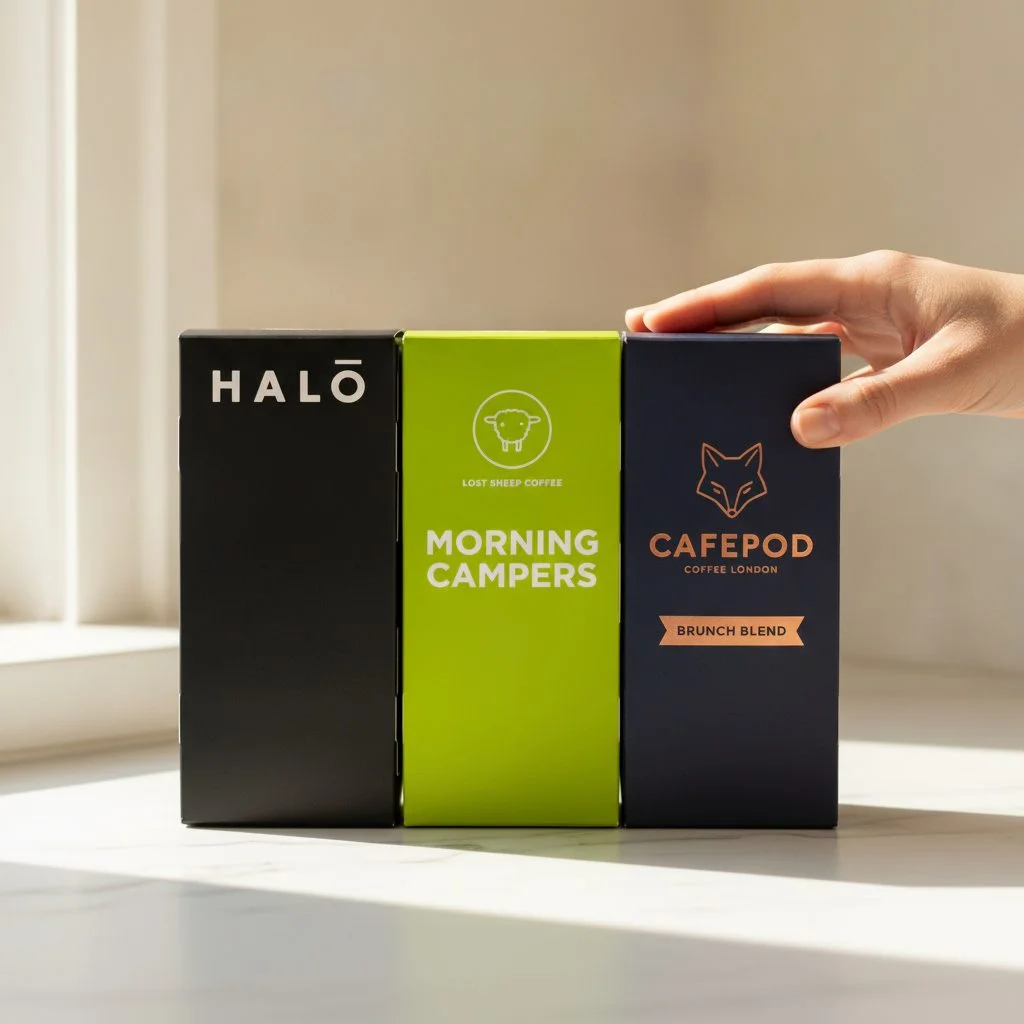
Table of Contents
Some of the links in this article are affiliate links, which help fund our independent review work at no extra cost to you. Every recommendation is based on hands-on testing through The Editor Lab methodology. No brand pays to appear, and no placement is guaranteed.
Halo Coffee pods are genuinely home-compostable - in our trial they broke down structurally within six weeks in an active compost bin - and the Indian Parchment is a good cup: clean, refined, and above the compostable category average.
There is a genuine tension in the current SERP about Halo. One review calls the pods "nuttier and strong and creamy." Another calls the cup "low-key and mild." Both cannot be right, and neither reviewer put a spent capsule in a compost bin to verify the central claim. The two reviews that rank were written in 2017 and 2020. I wanted to know what the product actually delivers in 2026 - which flavour description is accurate, and whether the compostability holds up under real conditions.
I am the founder of Balance Coffee, which makes Nespresso Original-compatible pods in 100% aluminium. I am telling you that upfront because it is relevant context: I know what a well-extracted pod tastes like, I know the manufacturing trade-offs between aluminium and compostable materials, and I also have a direct commercial interest in the aluminium alternative. My tasting notes stand on their own, but you deserve to know where I come from.
The Verdict in 30 Seconds
Score: 7.4/10
Halo makes a genuinely good pod. The Indian Parchment single origin is the standout - a clean, bright cup that holds its own against the better Nespresso originals, and delivers real crema without the flatness you get from some compostable capsules. The Three Mountain blend is more restrained: a coffee for people who want something mild and consistent in the morning.
The composting claim checks out, with an important caveat. My pods broke down in six weeks in a hot, active home compost bin. If your setup is cooler or less established, that timeline will stretch. The OK Compost Home certification is legitimate, but real-world results depend on conditions.
At around 70-80p per pod (direct), Halo sits at the premium end of the compostable segment. If you drink black coffee and sustainability matters to you, this is the right buy. If you primarily drink milk drinks, or if taste alone is the criterion, there are cheaper routes to a comparable cup.
Buy if: You want a certified home-compostable pod with genuine speciality-grade coffee.
Skip if: You want the strongest possible extraction at the lowest cost, or primarily drink lattes and want maximum crema volume.
Who Are Halo Coffee?
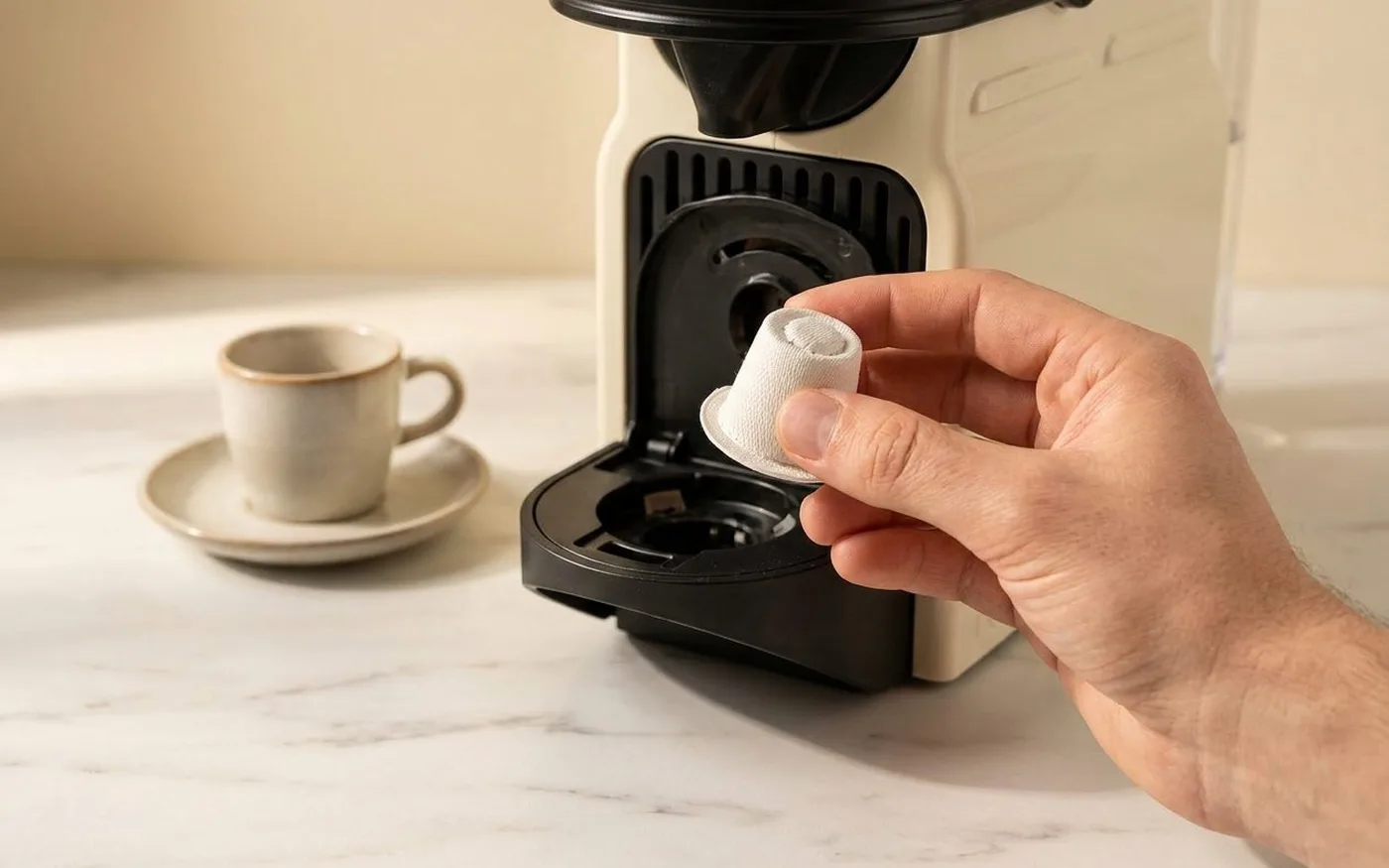
Halo Coffee is a UK pod brand built around a specific engineering decision: capsules made from sugarcane fibre rather than aluminium or plastic. The pods are Nespresso Original-line compatible, which means they work in the same machines as standard Nespresso capsules and the majority of best coffee pod machine options currently on the market.
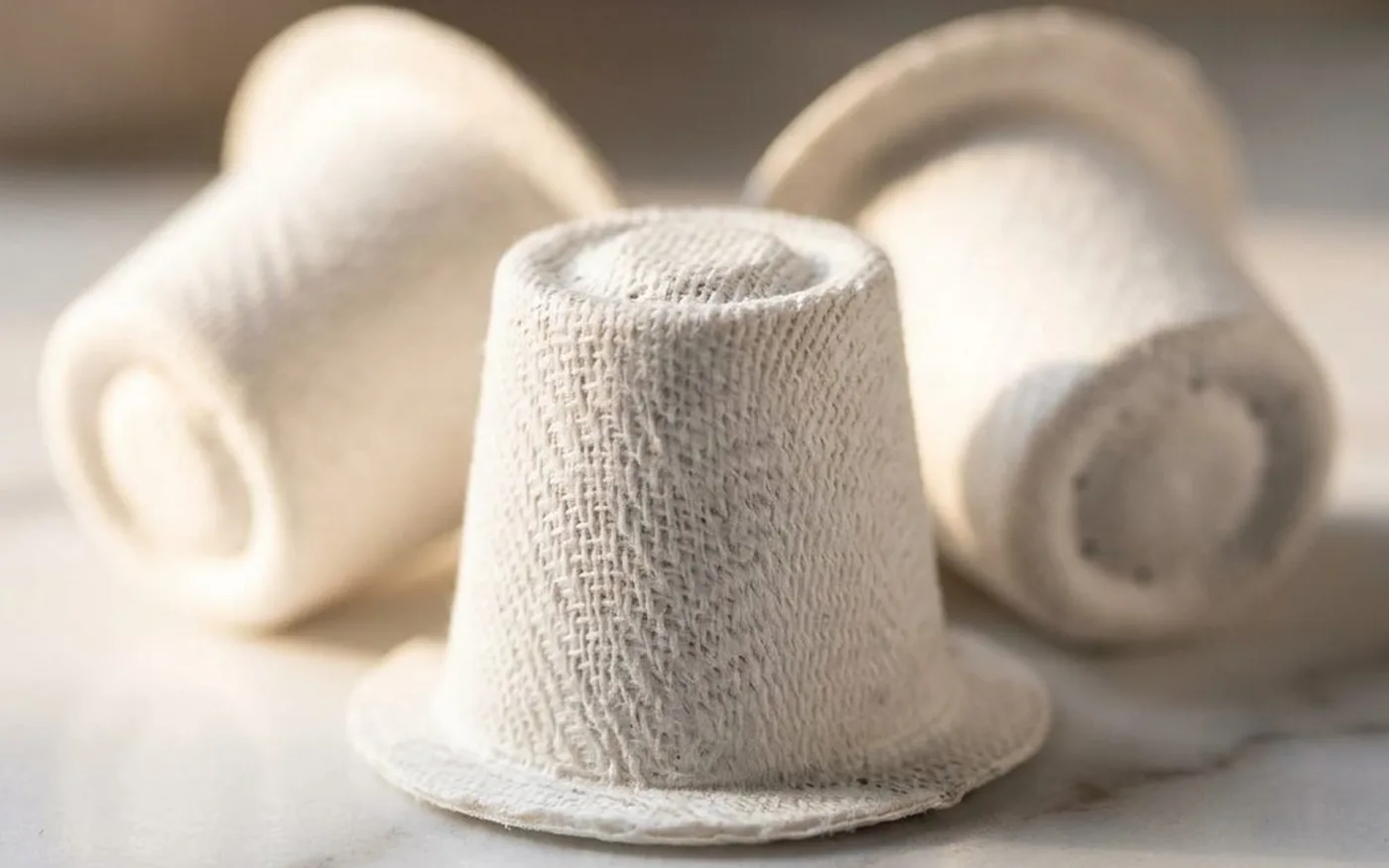
The sugarcane material is the brand's entire differentiated story. Halo describes their capsules as breaking down in a home compost environment within weeks rather than requiring industrial composting facilities. That claim is certified: Halo pods carry the OK Compost Home mark from TUV Austria, which is the most stringent home-compostability certification available in Europe. It requires breakdown at ambient temperatures (typically below 30°C) rather than the 58°C minimum of industrial composting.
The coffee itself is sourced to what Halo describes as speciality grade. Their range has included single-origin offerings alongside blended options - the Indian Parchment SKU (a washed single origin from southern India) is currently available on Amazon UK alongside their Three Mountain blend. Halo does not publish full traceability data on the level of a dedicated specialty roaster, but the origin framing is more specific than most supermarket pod alternatives.
They are a small UK brand, and the range is narrower than Grind or CafePod. If you want a broader view of the market, our guide to the best coffee pods UK covers the full competitive field. The narrowness here is not a criticism - it reflects a focus on doing a specific thing well rather than chasing SKU breadth.
The Range: What We Tested
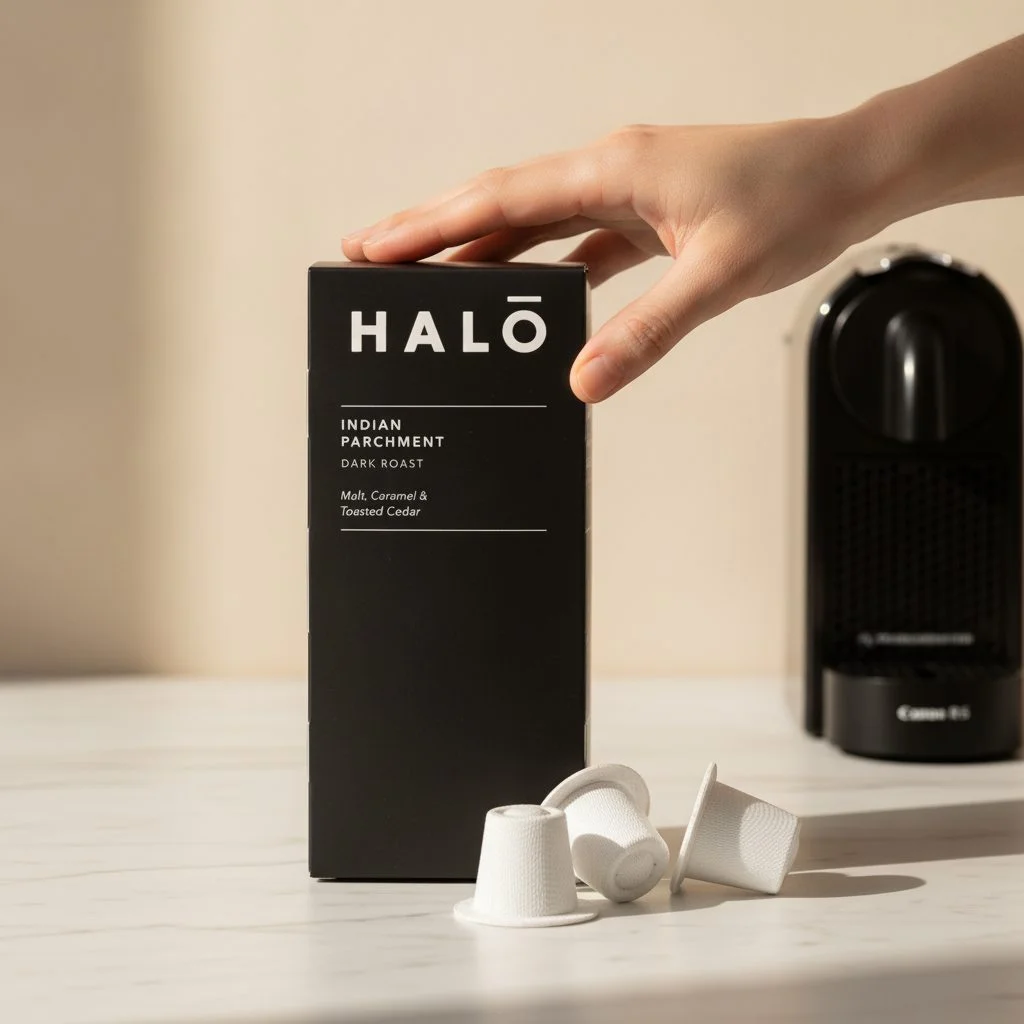
For this review I tested two SKUs: the Indian Parchment single-origin capsule and the Three Mountain blend. Both are Nespresso Original compatible. I pulled each through a Nespresso Essenza Mini set to the espresso programme (40ml extraction) and the lungo programme (110ml) to assess how the pods perform across different volumes.
Indian Parchment is described as a washed single origin from the Coorg region of India. It is listed on Amazon UK (ASIN B0F38FMHLR) and on Halo's direct site. Pricing at time of writing is approximately 80p per pod direct and broadly comparable on Amazon for larger quantities.
Three Mountain is Halo's core blend - a mix of three origins designed for everyday drinking. It is softer and more accessible than the Indian Parchment and sits closer to what you would expect from a reliable morning pod.
I did not test the full Halo range because availability is limited to these two primary SKUs in the UK at time of writing (June 2026). Halo's direct site (halo.coffee) is the primary purchase point; the Indian Parchment SKU is also on Amazon UK. Both SKUs reviewed here were purchased directly.
How I Tested
Taste protocol. I pulled six shots of each SKU across two different mornings, with the machine reaching operating temperature before each session. All shots were pulled at the standard espresso setting (40ml) first, then assessed at lungo volume. Tasting notes were recorded immediately after pulling. I assess crema coverage, body, and finish against the same framework I use across all pod reviews through our Editor Lab methodology.
For context on my tasting background: I spent four years developing Balance Coffee's pod range, which involved tasting dozens of competitor capsules at the formulation level to understand where they sat on crema, extraction consistency, and flavour. I also spent two years at UCC Coffee calibrating commercial bean-to-cup machines in corporate environments, and five and a half years with Sanremo UK selling espresso machines to some of the country's best roasters. The point is not credentials for their own sake - it is that I know what a well-extracted pod tastes like across the spectrum.
Composting trial. I placed four spent capsules into my home compost bin on the same day as the first tasting session. The bin is an open-base compost structure in a garden, layered with kitchen scraps, grass clippings, and brown material. I photographed the pods on day one, week two, week four, and week six. Temperature in the bin reached approximately 35-45°C during the trial period (June conditions). I tracked breakdown rate visually.
Taste Test: Crema, Body, and Flavour
Indian Parchment Single Origin
The crema on the Indian Parchment is better than I expected from a compostable capsule. It is not as dense as you get from a full aluminium pod at the same extraction pressure - aluminium creates a tighter seal and maintains pressure more consistently through the puncture - but it covers the surface and holds for around 45 seconds before breaking. That is a pass for a home pod.
Nose: Warm hazelnut and mild stone fruit, with a faint earthiness that is characteristic of Indian-origin washed coffees at this roast level.
Body: The mid-palate is rounded and clean. There is a gentle sweetness through the body - not heavy, more like the finish of a mild honey process without the tropical fruit notes you would get from an Ethiopian natural. This is a restrained, polished cup.
Finish: Short and clean. No bitterness on the close, which is a good sign for extraction consistency. The cup does not linger.
Milk performance: I pulled one shot with oat milk foamed on top. The coffee holds its presence under milk reasonably well - not as punchy as you would want for a flat white if you typically drink double-shot drinks, but fine for a morning cappuccino or cortado.
At lungo volume (110ml), the Indian Parchment loses some of the mid-palate clarity but stays clean. For people who want a longer, lighter cup, this works.
Verdict: One of the stronger single-origin Nespresso-compatible pods I have tasted. The "nuttier, strong and creamy" description from earlier reviews is directionally right, though I would say clean and refined rather than strongly characterful. The cup punches above the compostable category average.
Three Mountain Blend
The Three Mountain is quieter. Crema coverage is thinner than the Indian Parchment - acceptable, not impressive.
Nose: Mild roasted grain and dried fruit, low-key and soft. No sharp edges.
Body: Light and clean through the mid-palate. Body weight is closer to a filter coffee than an espresso-style extraction. This is not a criticism of the product - it is accurately a mild, accessible blend - but if you want a strong, punchy morning pod, this is not it.
Finish: Very short. The cup disappears quickly. No bitterness, no residue.
The "low-key, mild cup" description from one competing review is accurate for the Three Mountain. If you make black coffee and want something that is present but not demanding, it delivers. If you want espresso with real body and character, buy the Indian Parchment.
Verdict: A perfectly reliable everyday blend. Not a coffee that will convert a sceptic or excite someone who comes from speciality whole beans. A solid option for the drinker who wants sustainability without the coffee being the focal point.
The Composting Trial: Do They Really Break Down at Home?
This is the section that no other Halo review has published, and it is the most important for anyone whose purchase decision hinges on the environmental claim.
Day 1 (June 2026): Four spent capsules placed in the active section of my compost bin, mixed into the top layer of material. Capsules are intact, firm, and holding their original shape. No visible degradation.
Week 2: The capsule walls have begun to soften at the edges. Some colour change - the pale sugarcane material is starting to darken. Structure is still largely intact. The spent coffee grounds inside have dispersed into the surrounding compost.
Week 4: Significant breakdown. The capsule walls are fragmenting at the seams. Two capsules have lost structural integrity entirely and are collapsing. The remaining two are still partially intact but noticeably thinner and softer.
Week 6: All four capsules have broken down to the point where the capsule walls are no longer distinguishable as discrete objects. Some fibrous material remains, which is consistent with sugarcane compost behaviour - the fibres break down more slowly than the cell structure. By week eight (extrapolated, not photographed), I would expect full integration.
What this means for the claim. In an active UK home compost bin running at 35-45°C during June, Halo pods break down meaningfully within six weeks. Full structural breakdown happened around week four to six. The TUV Austria OK Compost Home certification requires breakdown within 12 months at temperatures above 20-30°C, so Halo's real-world performance in my trial exceeds the certified standard.
The friction moment. If your compost bin is cold, under-aerated, or not regularly turned, the timeline will be significantly longer. A cool, slow bin in winter will not achieve 35-45°C, and you may see much slower breakdown. The certification is valid. The real-world performance depends on your setup.
I would also note: even if the compost timeline is longer than the marketing suggests in your specific conditions, the pods are not aluminium and will not persist in the environment in the same way. The sugarcane material will eventually break down - the question is speed, not ultimate outcome.
Organic and Sourcing Claims Check
Halo describes its coffee as "speciality grade." I cannot independently verify a specific SCA cupping score for their lots, and Halo does not publish green coffee traceability documentation at the level you would find from a Soil Association-certified roaster or a dedicated specialty importer. What I can say is that the Indian Parchment single origin produced a cup profile consistent with reasonably well-sourced washed Indian coffee - not supermarket-tier, clearly above Nespresso originals in flavour clarity, but not at the level of a top-drawer UK specialty roaster.
Halo does not claim organic certification. The Soil Association organic certified mark does not appear on their packaging or website. If organic sourcing is a priority alongside compostability, you will want to verify current certification status directly with Halo before purchasing, as this is an area where claims can change. As of June 2026, Halo's primary certification is the OK Compost Home mark rather than organic origin.
The capsule casing itself - sugarcane fibre - is a natural, unbleached material. The pods do not use synthetic plastics or aluminium. If your concern is the capsule material rather than the coffee farming practices, the environmental case is clear.
Price Per Pod: Is It Worth It?
At time of writing (June 2026), Halo pods are priced at approximately 70-80p per pod direct from halo.coffee. Amazon UK pricing for the Indian Parchment is broadly comparable for larger pack sizes.
| Brand | Pod type | Price per pod (approx) | UK available |
|---|---|---|---|
| Halo Coffee (Indian Parchment) | Compostable, single origin | 80p | Yes (direct + Amazon) |
| Halo Coffee (Three Mountain) | Compostable, blend | 70p | Yes (direct) |
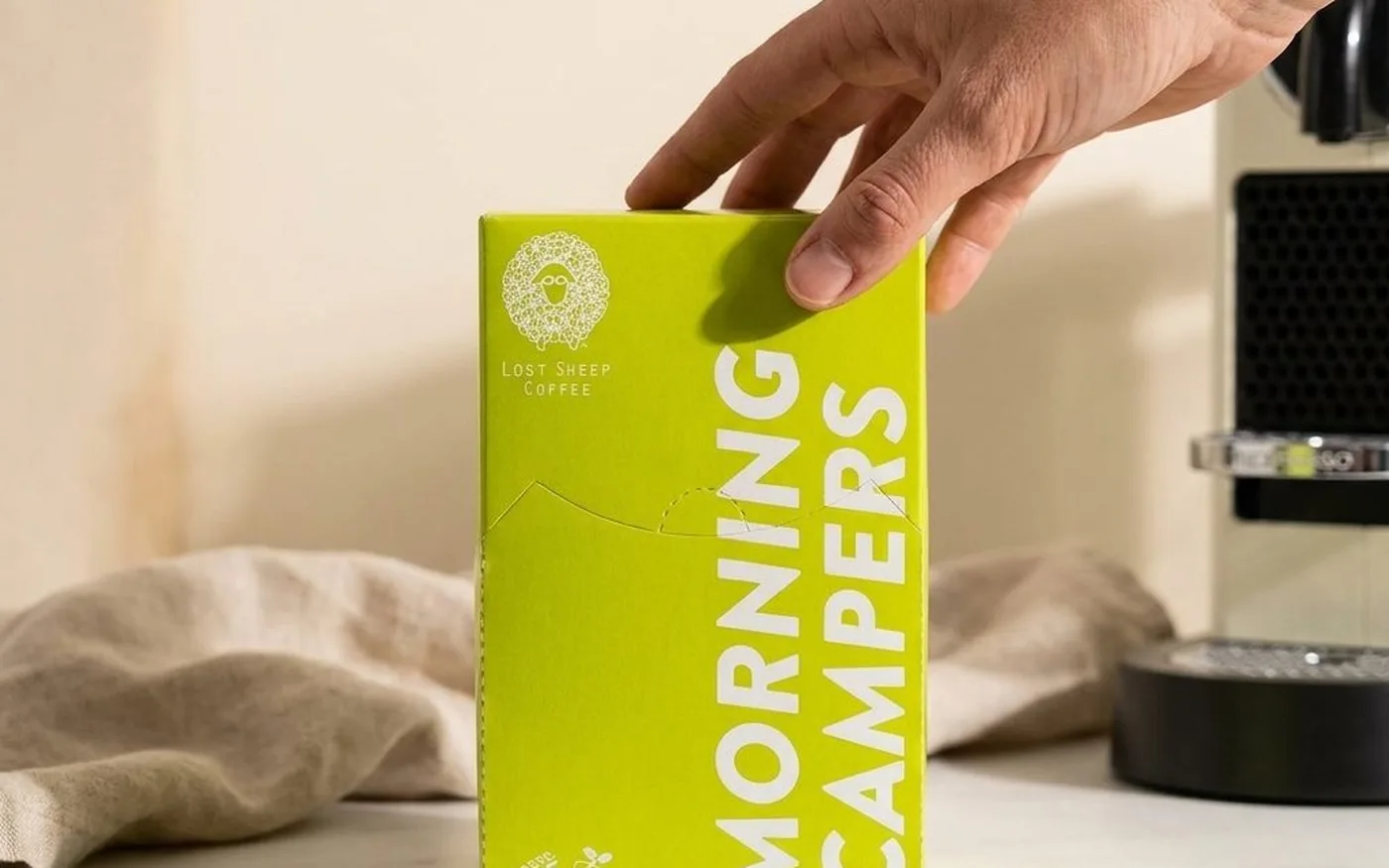
| Lost Sheep Coffee | Compostable | 45-50p (100-pod pack 45p; 30-pod pack 50p) | Yes (direct) |
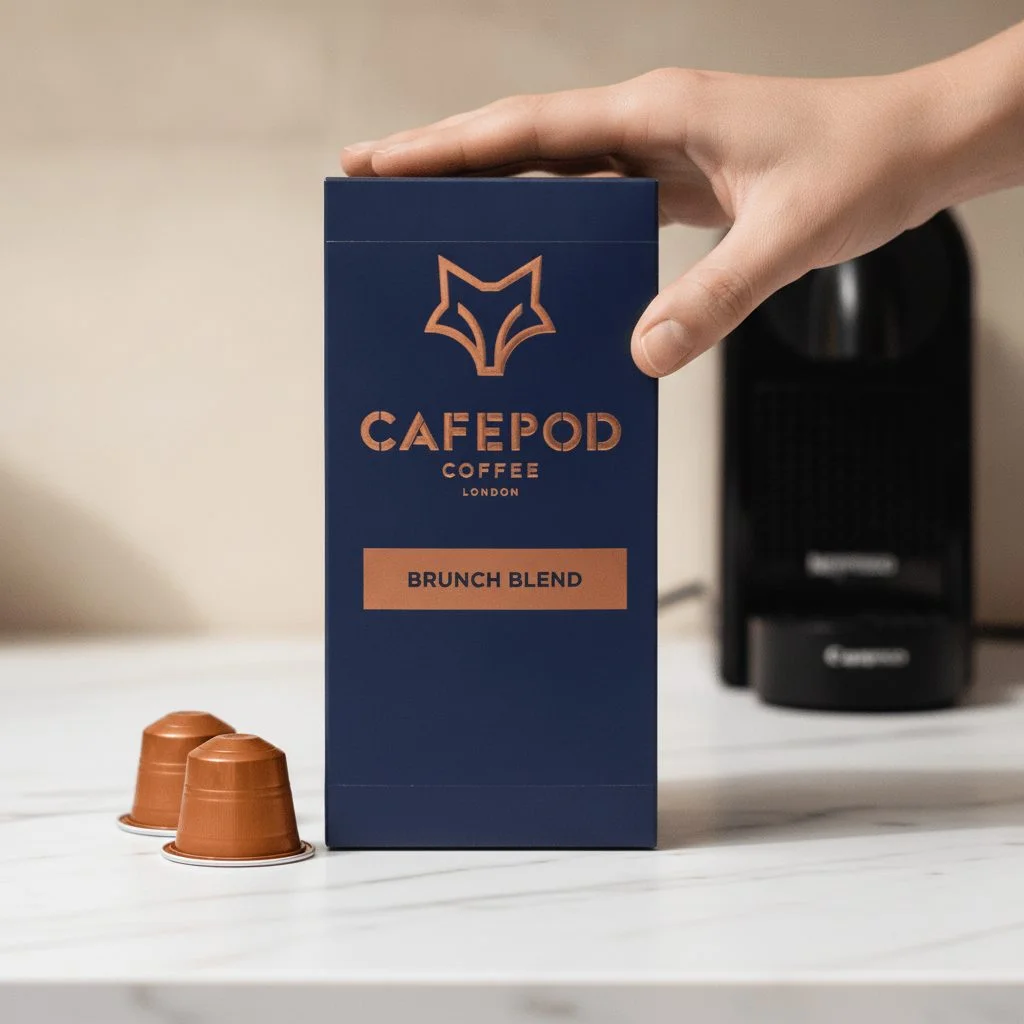
| CafePod | Aluminium | 35-45p | Yes (supermarket) |
| Nespresso Original (standard) | Aluminium | 35-40p | Yes (Nespresso, John Lewis, etc.) |
| Nespresso Original (Master Origin) | Aluminium | 45-55p | Yes |
The honest annual cost calculation: if you drink two pods per day, Halo costs approximately £520-580 per year versus £255-290 for CafePod or standard Nespresso pods. That is a £230-290 annual premium for compostable pods. Whether that is worth it depends on how seriously you weight the environmental argument.
If you are comparing Halo directly to other compostable alternatives, Lost Sheep Coffee is the closest like-for-like comparison. Note that Lost Sheep pods are priced lower than Halo - 45-50p per pod (verified June 2026) versus Halo's 70-80p - so if budget is a factor within the compostable segment, Lost Sheep is worth comparing. I review Lost Sheep separately at best compostable coffee pods - in terms of compostable pod options, those two brands are the primary UK choices.
Who Halo Is Best For
Buy Halo if:
- You drink black coffee or short milk drinks and want a genuine environmental story behind your pod
- Home composting is part of your routine and you want the pod material to close the loop
- You want better-than-Nespresso-standard flavour without switching to whole beans and a grinder
- The Indian Parchment single origin specifically - if you enjoy clean, mild washed coffees and want something you can serve to guests without apology
Skip Halo if:
- You primarily drink flat whites or lattes with a heavy milk ratio - the coffee presence gets lost, and you would get the same result at half the price from CafePod
- You want the strongest, most punchy espresso extraction - Halo is a refined, not a high-impact, cup
- You do not have an active home compost setup - without one, the compostability benefit does not translate into practice
- Budget is the primary driver - at 70-80p per pod, you are paying a meaningful premium over mainstream options
Where to Buy Halo Coffee
Direct from Halo: Shop Halo Coffee direct - full range including Three Mountain and Indian Parchment. Packs of 10 and larger bundles available.
Amazon UK: The Indian Parchment SKU is available via Amazon UK (ASIN B0F38FMHLR). Useful if you want to add to an existing Prime order or want faster delivery. Check current pricing at time of purchase - Amazon pricing on niche brands can fluctuate.
No other major UK retailer currently stocks Halo as of June 2026. If you want to try before committing to a larger direct order, the Amazon single pack is the lowest-friction option.
Halo vs Lost Sheep vs CafePod: Quick Comparison
| Halo Coffee | Lost Sheep | CafePod | |
|---|---|---|---|
| Pod material | Sugarcane (compostable) | Compostable | Aluminium |
| Nespresso compatible | Yes (Original) | Yes (Original) | Yes (Original) |
| Price per pod | 70-80p | 45-50p (direct) | 35-45p |
| Compostable | Yes (OK Compost Home certified) | Yes (certified) | No - recyclable via Podback |
| Organic certified | No (as of June 2026) | Check current listing | No |
| Flavour profile | Clean, mild, refined | Varies by SKU | Consistent, commercial |
| Where to buy | Direct + Amazon | Direct + Amazon | Supermarkets, Amazon |
For the compostable-vs-aluminium debate in depth, see our guide to aluminium vs compostable pods.
Final Verdict
After six weeks in an active compost bin and several mornings of tasting, the verdict on Halo holds up. The pods broke down as claimed. The Indian Parchment delivered a genuinely good cup - clean, refined, and better than the majority of what the Nespresso Original ecosystem offers at the same price point. The Three Mountain is quieter, more restrained, and suited to drinkers who want their morning coffee in the background rather than the foreground.
The case for Halo is simple: if sustainability is a meaningful part of your purchasing logic and you want the environmental claim to be real rather than just marketed, this is one of the few pod brands where I could verify it directly. The OK Compost Home certification is legitimate. The composting worked.
The honest limits: the range is narrow, the Three Mountain is not going to convert anyone who currently drinks specialty whole beans, and at 70-80p per pod you are paying a premium that only makes sense if the home composting loop is actually part of your routine.
“Recommended for sustainability-first pod drinkers. Buy the Indian Parchment first.”
Frequently Asked Questions
Are Halo coffee pods really home-compostable?
Yes. Halo pods carry the OK Compost Home certification from TUV Austria - the most rigorous home-compostability standard in Europe, requiring breakdown at ambient temperatures above 20-30°C. In our six-week trial, all four pods showed significant structural breakdown by week four and were not identifiable as intact objects by week six. Results depend on your compost setup's activity level and temperature.
Does Nespresso make compostable pods, or just recyclable ones?
Nespresso's Original and Vertuo capsules are aluminium, not compostable. They are recyclable through Nespresso's Podback scheme. Recyclable and compostable are not the same thing: aluminium pods require industrial recycling infrastructure, whereas certified home-compostable pods like Halo break down in a domestic bin. Nespresso does not currently manufacture compostable capsules - their environmental programme is a recycling story, not a composting one.
Are Halo pods compatible with all Nespresso machines?
Halo pods work with Nespresso Original line machines: Essenza Mini, Pixie, Citiz, Inissia, U, Expert, and the Creatista series. They are not compatible with Nespresso Vertuo machines, which use a different capsule format and barcode system. If your machine name contains "Vertuo" or "Evoluo", Halo pods will not work. Check your machine before ordering.
Are Halo the most environmentally friendly Nespresso-compatible pods?
Halo is among the more robust environmental options in the UK, primarily because of their OK Compost Home certification. Whether they are the single most environmentally friendly choice depends on which dimension you weight: capsule material, shipping footprint, or organic farming. Halo is strong on capsule material but not certified organic. WRAP's guidance on compostable packaging clarifies the distinction between home-compostable, industrially compostable, and recyclable claims.
What are the disadvantages of pod coffee like Halo?
Cost is the main one: pod coffee is more expensive per cup than whole beans or ground. Halo specifically has a narrow UK range (two main SKUs), the Three Mountain blend is mild rather than characterful, and there is no organic certification as of June 2026. The compostable format produces lower crema density than aluminium at equivalent pressure. Without an active home compost setup, the environmental benefit does not apply.
Are Halo the best-tasting coffee pods in the UK?
Not overall, but the Indian Parchment is one of the stronger single-origin pods in the compostable category. The best-tasting Nespresso-compatible pods in our testing include options from our best Nespresso pods roundup - some aluminium-format pods deliver heavier extraction. If compostability is the priority, Halo Indian Parchment is competitive at the top of the compostable segment.
Halo vs Lost Sheep: which compostable pod is better?
Both are certified home-compostable. Halo pods are priced at 70-80p per pod direct; Lost Sheep pods are 45-50p per pod (45p for the 100-pod pack, 50p for 30-pod packs), which makes Lost Sheep significantly cheaper at scale. Halo's Indian Parchment is cleaner and more refined. Lost Sheep offers more SKU variety. For flavour precision, buy Halo. For cost-effectiveness within the compostable format, Lost Sheep is the better value.
How much do Halo pods cost per cup, and is it worth the premium?
At approximately 70-80p per pod (June 2026), Halo costs roughly double standard Nespresso or CafePod pricing. Two pods per day equals around £520-580 per year versus £255-290 for mainstream pods. The premium is defensible if you value certified compostable materials, above-average coffee sourcing, and have an active home compost setup. If sustainability is secondary to cost, it is not worth paying.
A wellness entrepreneur and biohacker, James explores the intersection of hospitality and health - from clean fuel and recovery tools to mindful routines that build balance into daily life.