The Best Electrolytes UK: 10 Picks Tested and Ranked for 2026

Qualified Nutritionist
Most "hydration" sachets are sugar with a pinch of salt. We tested the UK's electrolytes on what actually matters - sodium dose per serving, what's sweetening it, and whether you're paying for performance or marketing.
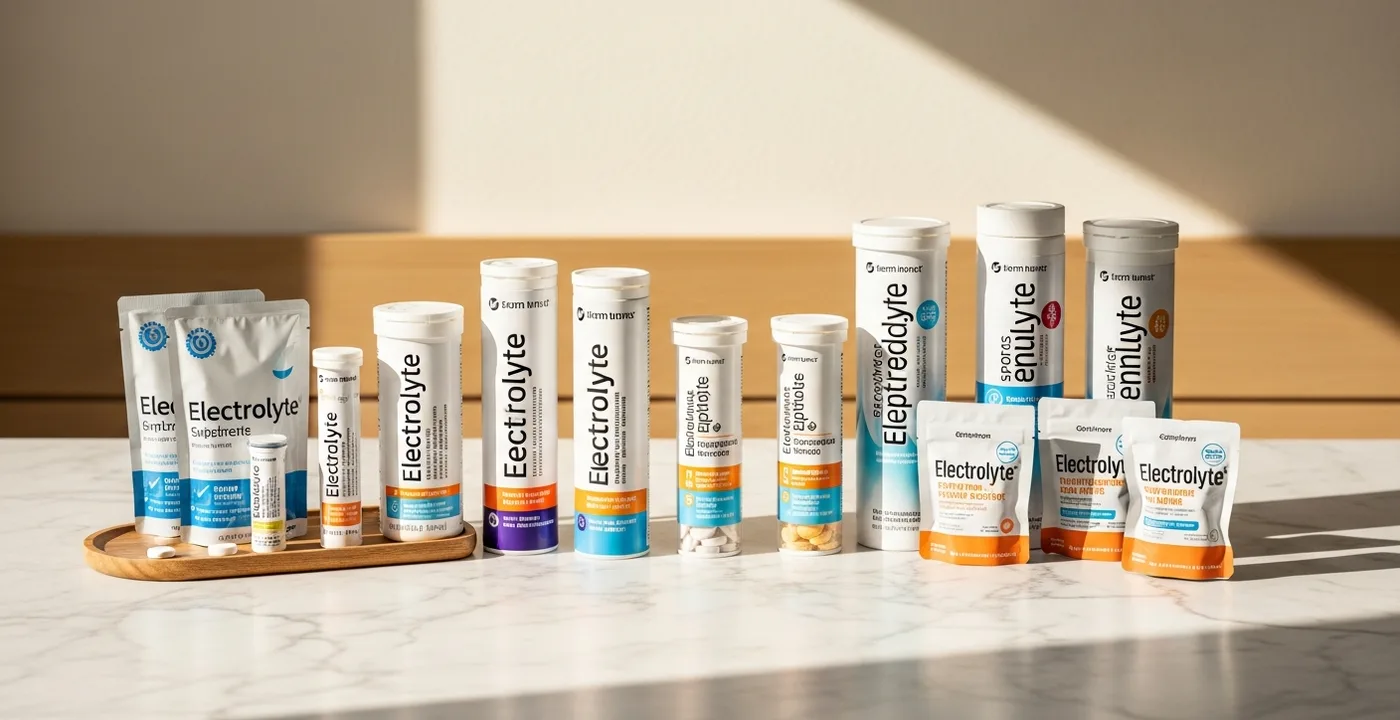
Table of Contents
Some of the links in this article are affiliate links, which help fund our independent review work at no extra cost to you. Every recommendation is based on hands-on testing through The Editor Lab methodology. No brand pays to appear, and no placement is guaranteed.
I used to think electrolytes were something you took after a marathon. Sports drink territory. Not something a health-conscious adult would need on a regular Tuesday. Then I started advising clients who were exhausted, cramping after workouts, and waking with headaches - and tracing the pattern back to what they were (and were not) replacing after sweating, fasting, or simply not drinking enough. The best electrolytes UK brands offer are not all created equal, and the difference matters more than the marketing suggests.
I have spent the past year recommending, testing, and auditing electrolyte supplements across formats - powders, tablets, sachets, and ready-to-drink - for clients ranging from weekend runners to women managing perimenopause fatigue. This is what I found, tested and verified for a UK audience in 2026. For the science behind why electrolytes matter, see our full guide to electrolytes and how they work.
Editor's Note
Editor's Insight: We evaluated each product on four criteria: sodium load (the electrolyte most UK adults are actually depleted in), absence of added sugars or artificial sweeteners, taste in plain water, and genuine price-per-serving transparency.
How We Tested and Chose
Clemmie Rose is a registered Nutritional Therapist whose nutritional therapy qualification is backed by BANT registration, bringing clinical insights from her role heading Google DeepMind's nutrition programme and running clinics at The Wellness Clinic at Harrods. For this roundup, she tested each product over a minimum of two weeks, using them across different contexts: post-workout, during fasting windows, in warm weather, and on long working days. Testing conditions were kept consistent: 500ml of water at room temperature, no food for 30 minutes before or after, and the same exercise intensity for workout comparisons.
The evaluation framework had four pillars: sodium content (the electrolyte most commonly depleted and most commonly skimped on by brands), sweetener and additive profile (flagging anything that may compromise gut health), flavour in plain water without food, and real price-per-serving calculated from the retail price - not the per-pack headline figure.
For the full methodology, see how we test supplements and nutrition products at The Editor Lab.
The Best Electrolytes UK at a Glance
1. Veloforte Hydration - Best Overall
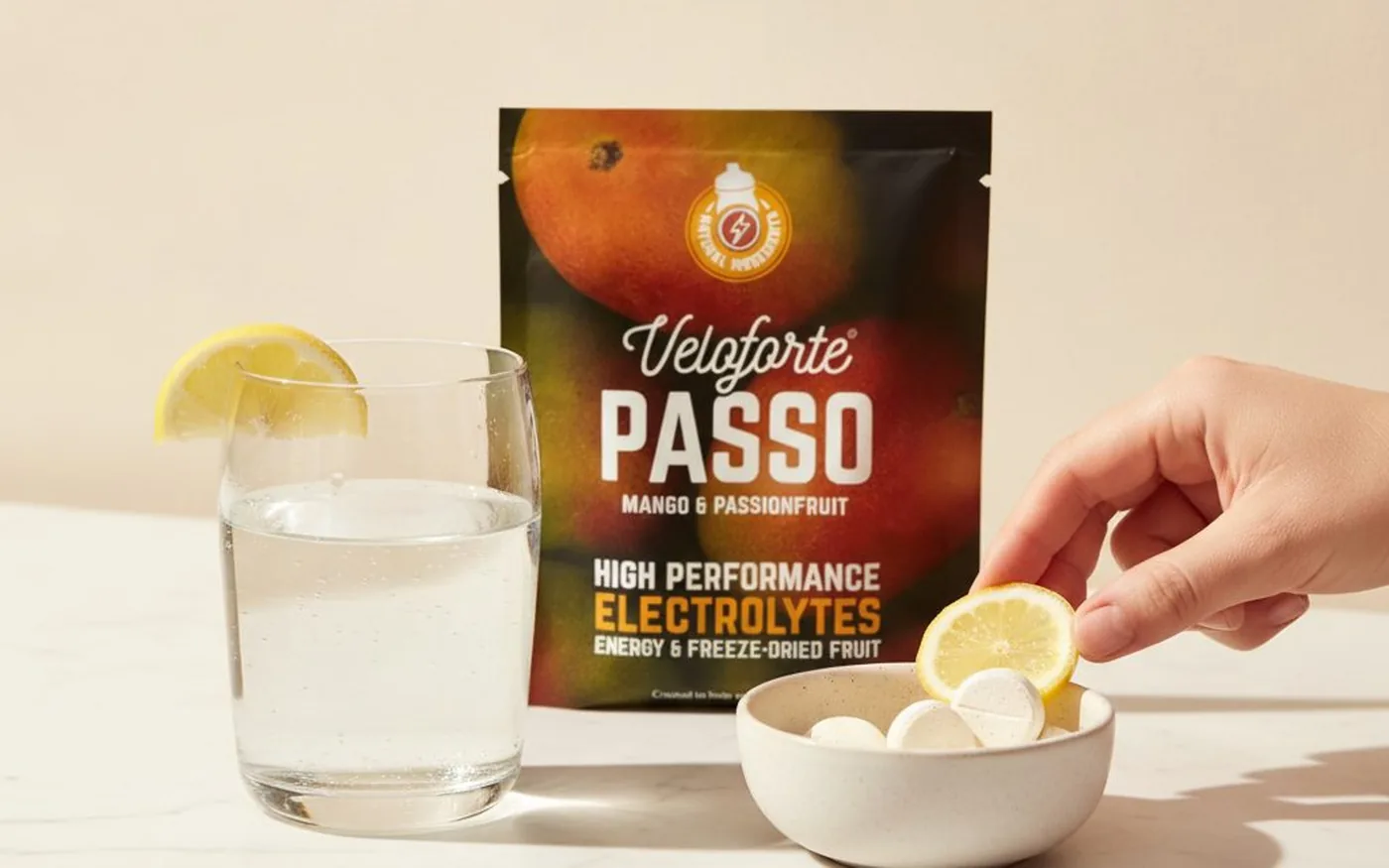
Quick verdict: The cleanest formula in this roundup. Real fruit, genuine sodium content, and no sweetener shortcuts. If you want one electrolyte product for everything from long runs to warm-weather hydration, start here.
Each sachet delivers 350mg sodium, 240mg potassium, and 40mg magnesium, alongside natural fruit flavours derived from real produce rather than flavour compounds. That formula reflects the same whole-food philosophy the brand built its reputation on through its natural energy bar range - no artificial anything, from the ingredient list through to the flavouring approach.
The sodium figure matters. Many electrolyte products in the UK deliver under 150mg sodium per serving, which is barely enough to replace what you lose in an hour of moderate exercise. Veloforte lands in a genuinely functional range without tipping into the ultra-high sodium territory that makes some formulas taste medicinal. In two weeks of testing - across cycling sessions, warm days, and one long walk in Bali-level humidity - it mixed cleanly, tasted of actual citrus (not artificial lemon), and left no aftertaste.
The price sits at around £1.00 per sachet, which puts it mid-range. You are paying for ingredient quality and a formula that passes the ingredient audit without any caveats.
“Editor's verdict: The cleanest electrolyte formula in this roundup - real fruit, no artificial sweeteners, and genuine sodium content that actually supports hydration.”
| Evaluation Criteria | Our Findings |
|---|---|
| Full review | Coming soon |
| Best for | Best Overall |
| Flagship product | Veloforte Hydration Sachet |
| Shop | Shop Veloforte |
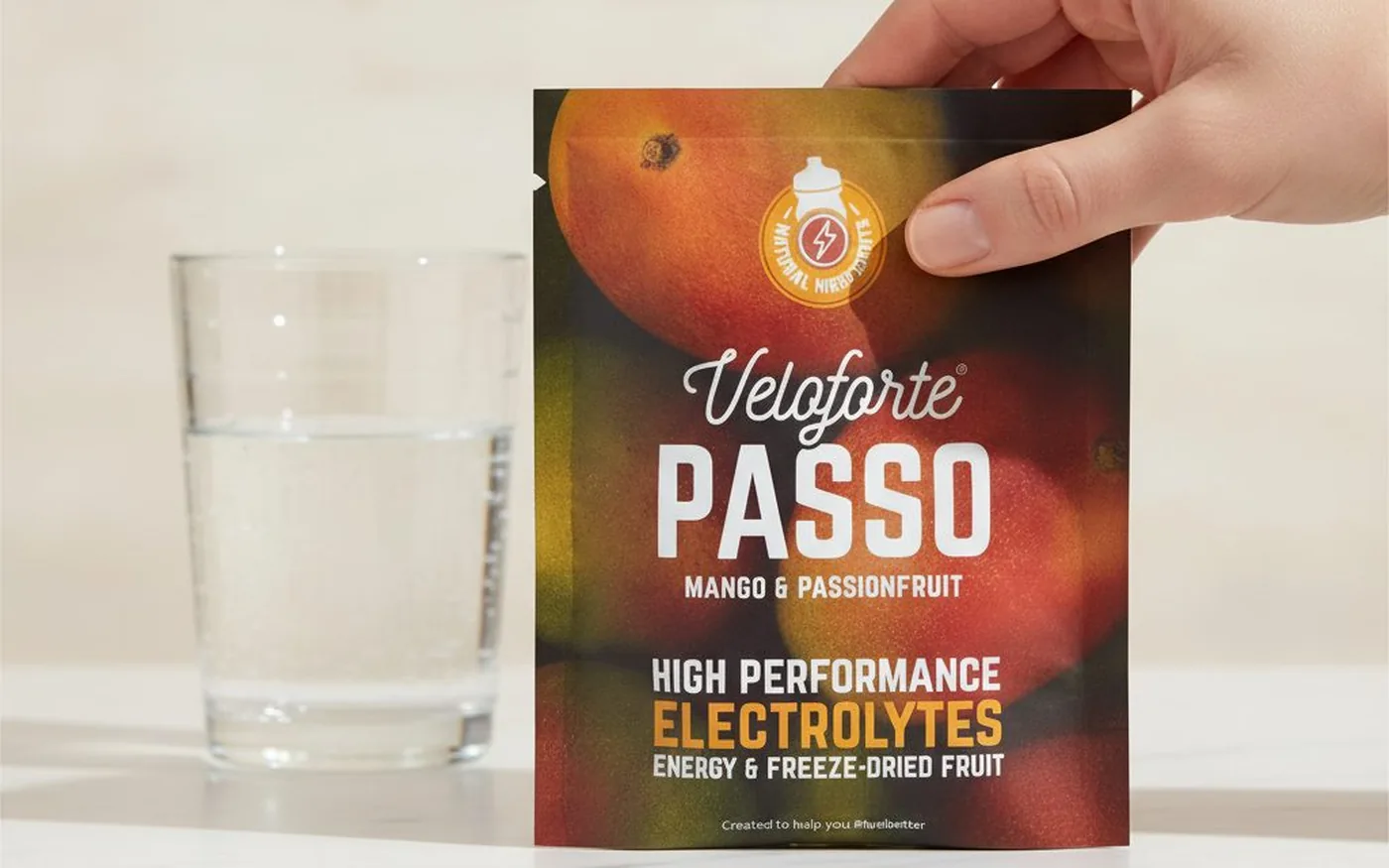
UK availability: Veloforte.com and Amazon UK. Price correct as of June 2026.
2. Science in Sport GO Hydro - Best for Endurance Athletes
Quick verdict: Purpose-built for endurance sport, well-priced, and widely available. If you are training for a half marathon or cycling sportive, this is what your kit bag needs.
Born out of British endurance sport - supplying Team Ineos (formerly Team Sky) and British Cycling - Science in Sport (SiS) built its hydration formula for sustained sweat replacement rather than acute rehydration. The GO Hydro tablet delivers 870mg sodium, plus potassium, magnesium, and calcium, at a price point that makes it viable to use before every training session without the cost calculation that premium sachets require.
What you get at this price point is hard to match. The tablet dissolves in two to three minutes in cold water, produces a light electrolyte drink with a mild citrus flavour, and contains no sugar or artificial colours. At 870mg sodium per tablet, SiS GO Hydro is a high-sodium product - closer to LMNT (1,000mg) than to the moderate-sodium options in this roundup. That makes it genuinely appropriate for endurance sessions over 90 minutes, heat training, and heavy sweaters who need aggressive sodium replacement without the premium sachet price.
I used GO Hydro during six runs over a two-week period. No gut issues, no aftertaste, and consistent performance. At around £0.25 per tablet, it is one of the best value options in the roundup for regular training use.
“Editor's verdict: Purpose-built for endurance sport with 870mg sodium per tablet - the highest in this roundup and exactly what long-distance athletes need to replace sweat losses.”
| Evaluation Criteria | Our Findings |
|---|---|
| Full review | Coming soon |
| Best for | Best for Endurance Athletes |
| Flagship product | SiS GO Hydro Tablet |
| Shop | Shop Science in Sport |
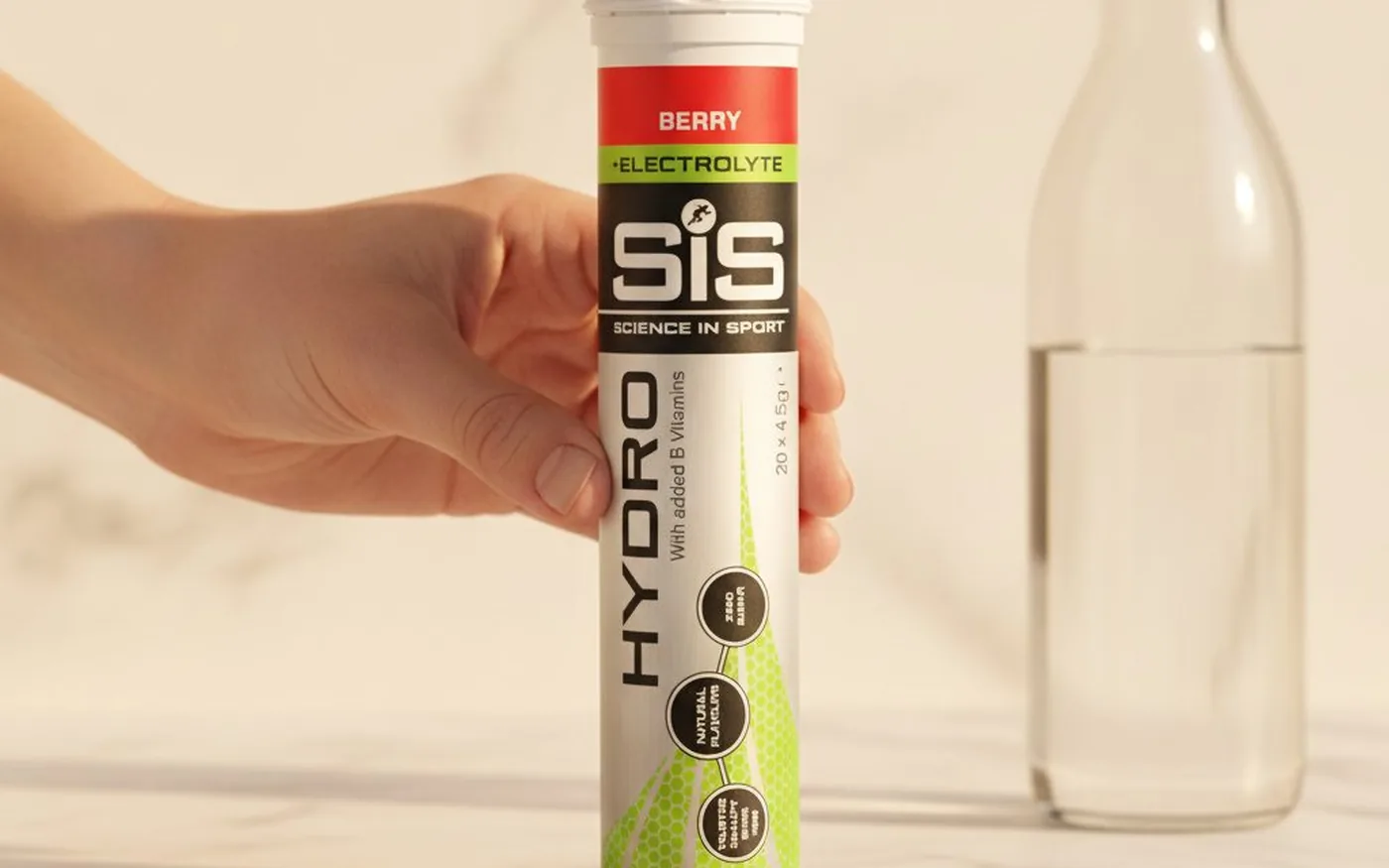
UK availability: scienceinsport.com, Amazon UK, Wiggle. Price correct as of June 2026.
A note on sucralose: SiS uses sucralose as a sweetener in GO Hydro. Sucralose is considered safe at approved levels, though emerging research suggests it may influence gut microbiome composition with regular use. If you have gut sensitivity, consider Veloforte or Healthspan Elite as alternatives.
3. Free Soul Hydration - Best for Women
Quick verdict: Formulated with a women's health lens, clean ingredients, and genuinely pleasant to drink. Ranked third on merit, and the only active affiliate product in this roundup.
Free Soul built its brand on women's wellness, starting with a protein powder designed around the hormonal needs of active women before expanding into hydration. The Hydration Blend delivers electrolytes alongside collagen peptides and vitamin C, targeting women who want hydration support alongside joint and skin benefits. The formula is sugar-free, sweetened with stevia, and available in pink lemonade and coconut flavours.
The electrolyte content (sodium 210mg, potassium 350mg, magnesium 28mg per serving) is moderate rather than aggressive, which suits everyday use and is appropriate for women who are not endurance athletes but want a daily hydration habit. The collagen addition - typically found in separate collagen supplements - makes this a useful two-in-one for clients who already take collagen daily and want to consolidate.
I tested this over 14 days as a daily morning drink before training. The pink lemonade flavour is the most natural-tasting stevia-sweetened product I have tried in this category. No bitter aftertaste, which is the most common complaint with stevia in hydration products. BBC Good Food named it their top pick - and based on my testing, that assessment holds for women using it daily.
“Editor's verdict: Formulated with a women's health lens - collagen peptides, vitamin C, and stevia sweetening in a genuinely pleasant drink that doubles as a daily hydration habit.”
| Evaluation Criteria | Our Findings |
|---|---|
| Full review | Coming soon |
| Best for | Best for Women |
| Flagship product | Free Soul Hydration Powder |
| Shop | Shop Free Soul |
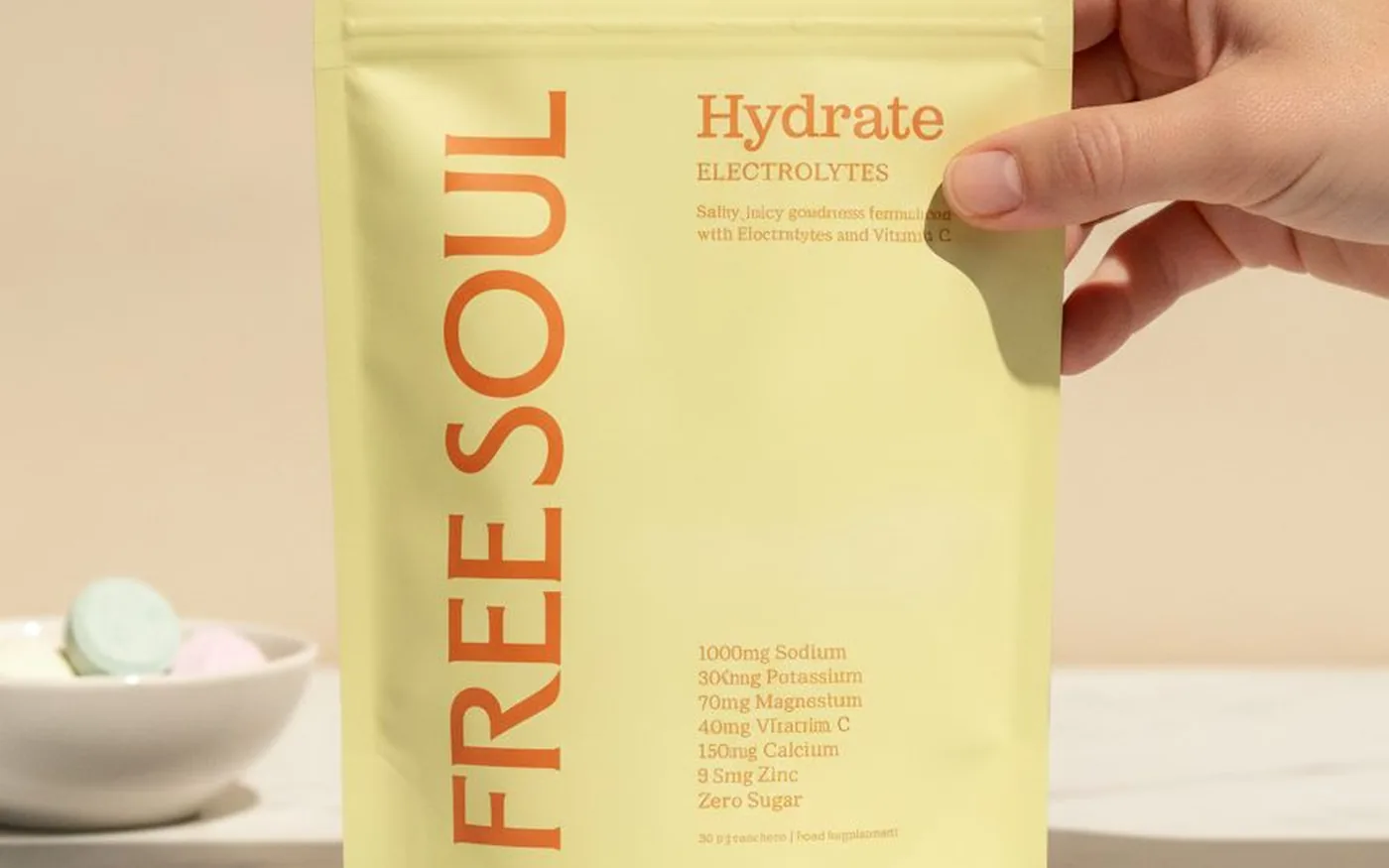
UK availability: Free Soul (affiliate link), Amazon UK. Price correct as of June 2026.
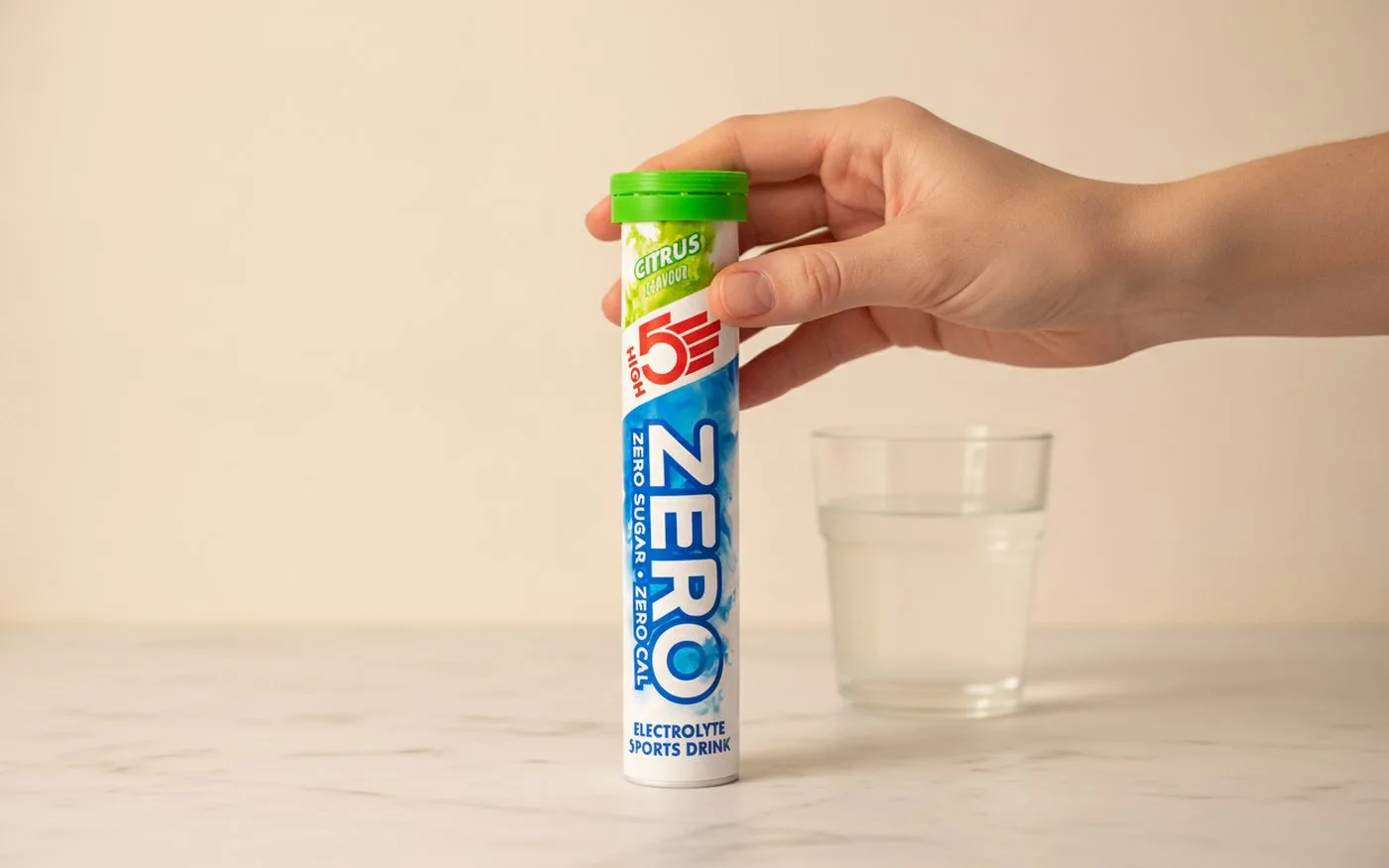
4. HIGH5 ZERO - Best Value
Quick verdict: If budget is the primary constraint and you do not want to compromise on the basics, this is the answer. Low price, sugar-free, and it works.
The dissolvability claim holds - two minutes in cold water and you have a lightly flavoured electrolyte drink with no residue. Sugar-free, calorie-free, and available in a range of flavours including tropical, berry, and caffeine-added variants, the ZERO tablet delivers sodium, potassium, magnesium, and calcium at dosages designed for moderate exercise replacement, backed by a long track record in British endurance sport.
The price - around £4.99 for 20 tablets - makes it one of the cheapest per-serving options in this roundup. The tablets dissolve within two minutes and produce a lightly flavoured drink. Taste is functional rather than premium, which is an honest trade-off at this price point. If you are using electrolytes for post-workout recovery three or four times a week, the cost difference between HIGH5 ZERO and a premium option represents a meaningful annual saving.
“Editor's verdict: At around 25p per serving, HIGH5 ZERO delivers functional electrolytes for budget-conscious athletes who don't want to compromise on the basics.”
| Evaluation Criteria | Our Findings |
|---|---|
| Full review | Coming soon |
| Best for | Best Value |
| Flagship product | HIGH5 ZERO Tablet |
| Shop | Shop HIGH5 |
UK availability: high5.com, Amazon UK, Wiggle, Halfords. Price correct as of June 2026.
5. LMNT - Best Sugar-Free (Fasting and Keto)
Quick verdict: Designed for people who take sodium seriously. If you are fasting, on a ketogenic diet, or find other electrolyte products underpowered, LMNT is the one worth trying.
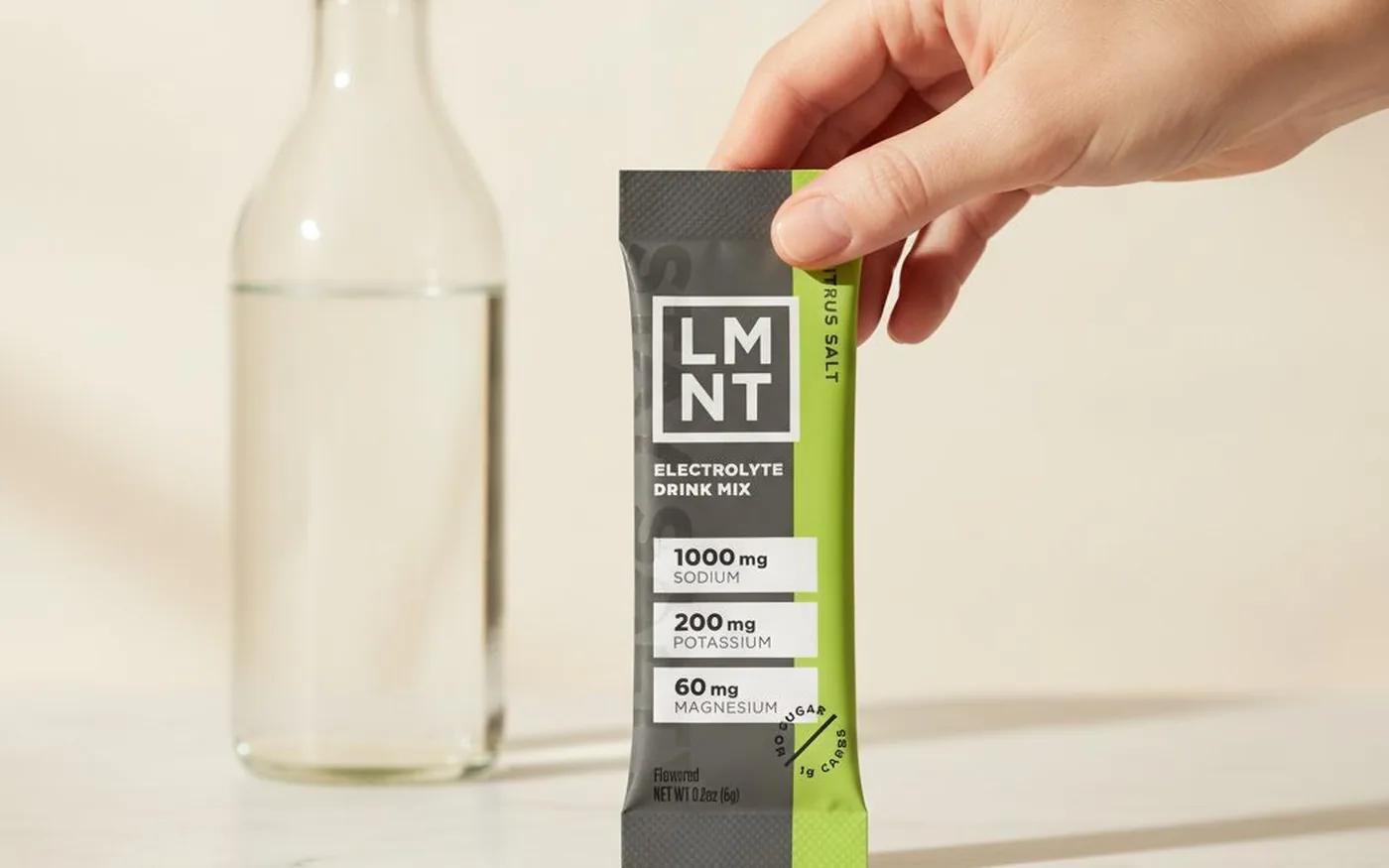
LMNT (pronounced 'element') is an American brand that arrived in the UK market with a deliberately extreme positioning: very high sodium (1,000mg per sachet), no sugar, no artificial sweeteners, and a short ingredient list. The rationale is that standard electrolyte products massively underdose sodium relative to what the body loses during fasting, keto adaptation, or extended sweating.
That 1,000mg sodium figure is the highest in this roundup by a significant margin, and it is the right number for specific use cases. The NHS guidance on water and hydration notes that sodium is the primary electrolyte lost through sweat, and people engaging in sustained exercise or following restricted eating patterns may need significantly more than everyday hydration products deliver. For my fasting clients, LMNT has been the most consistently effective recommendation.
The taste is saline and distinct - not everyone's preference. I would describe it as a functional drink rather than a pleasant one. The raspberry and citrus flavours are better than the plain. Price sits at around £1.30 per sachet, making it the most expensive per-serving option in the roundup. For daily fasting or keto users, the cost adds up; for occasional targeted use around long workouts or illness recovery, it is justified.
LMNT is not for everyday desk-based use. If you are hydrating for general wellness on a typical working day, the sodium load exceeds what you need. It earns its place around heavy sweating, illness, fasting, or ketogenic eating.
“Editor's verdict: With 1,000mg sodium per sachet and zero sugar, LMNT is the electrolyte built for fasting, keto, and anyone who needs serious sodium replacement without any carbohydrates.”
| Evaluation Criteria | Our Findings |
|---|---|
| Full review | Coming soon |
| Best for | Best Sugar-Free (Fasting and Keto) |
| Flagship product | LMNT Electrolyte Drink Mix |
| Shop | Shop LMNT |
UK availability: drinklmnt.com/uk, Amazon UK. Price correct as of June 2026.
6. Precision Hydration - Best for Personalised Hydration
Quick verdict: The only brand in this roundup that acknowledges people sweat differently and formulates accordingly. If you are a heavy or salty sweater who has never found standard electrolytes enough, this is worth investigating.
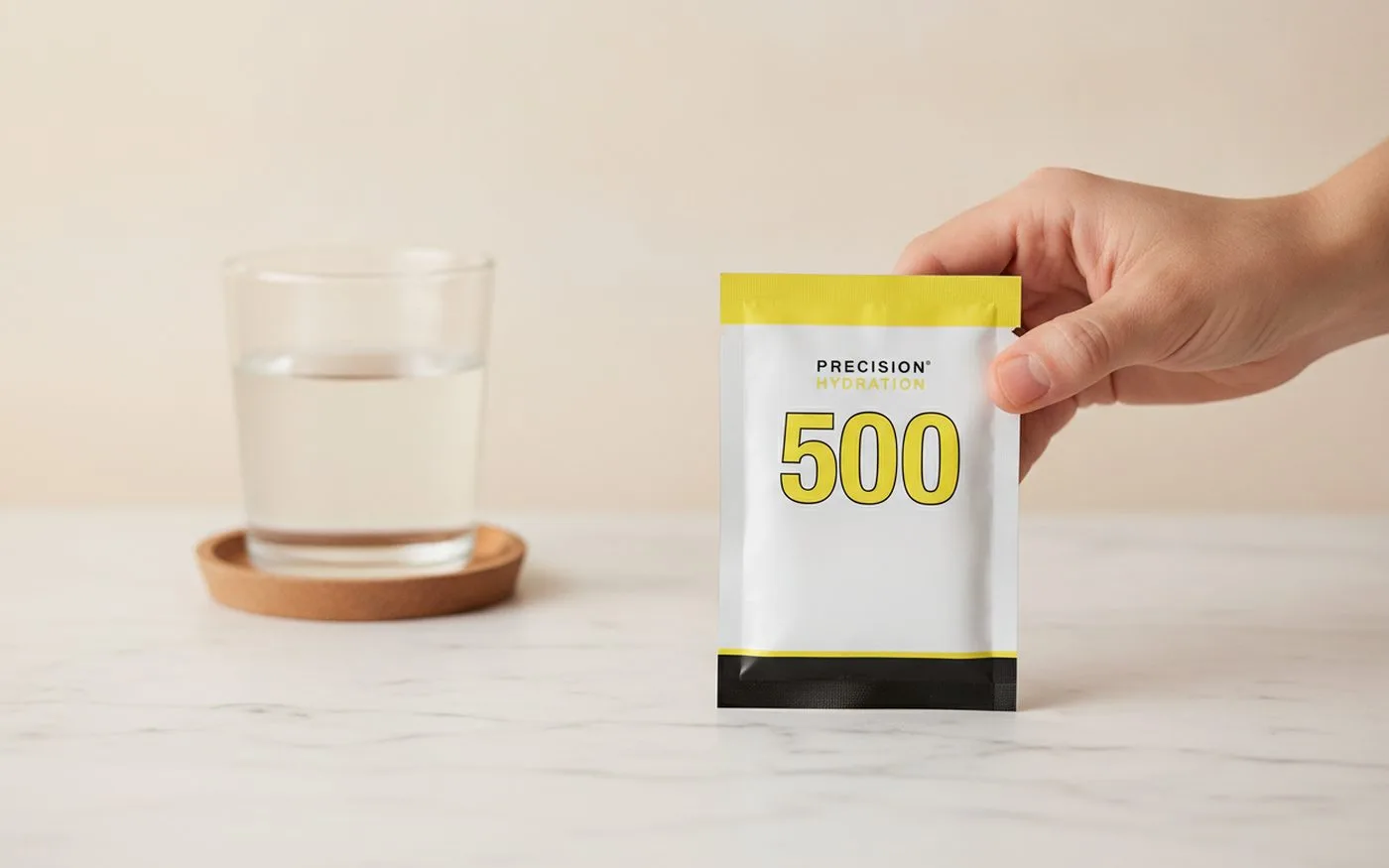
Precision Hydration (PF&H) was developed by Andy Blow (BSc), a sports scientist who worked with elite athletes including GB Olympic teams. The brand's differentiation is a tiered product range - PH 250, PH 500, PH 1000, and PH 1500 - each with progressively higher sodium concentrations to match individual sweat profiles. A free online sweat test helps you identify which tier matches your needs.
This level of product design is genuinely unusual in the UK supplement market. Most electrolyte brands produce one formula and market it to everyone. The reality, as the British Dietetic Association notes in its fluid guidance, is that sweat composition varies significantly between individuals - with sodium losses ranging from 200mg to over 2,000mg per litre depending on genetics, conditioning, and environment.
For clients who have tried standard electrolyte products and found them ineffective, I consistently recommend Precision Hydration as the diagnostic first step. Start with the online sweat test, work out your tier, and use the appropriate product. At around £1.20 per serving (for the higher-sodium variants), the cost is comparable to premium alternatives.
“Editor's verdict: The only brand here that acknowledges people sweat differently - tiered sodium options from 250mg to 1,500mg let you match your formula to your actual sweat rate.”
| Evaluation Criteria | Our Findings |
|---|---|
| Full review | Coming soon |
| Best for | Best for Personalised Hydration |
| Flagship product | Precision Hydration PH 1000 |
| Shop | Shop Precision Hydration |
UK availability: precisionhydration.com, Wiggle. Price correct as of June 2026.
7. Phizz - Best All-in-One (Electrolytes + Vitamins)
Quick verdict: The most versatile tablet in this roundup. If you want electrolytes plus a multivitamin hit in one product, Phizz offers a genuinely well-formulated option that works for travel, hangovers, and everyday use.
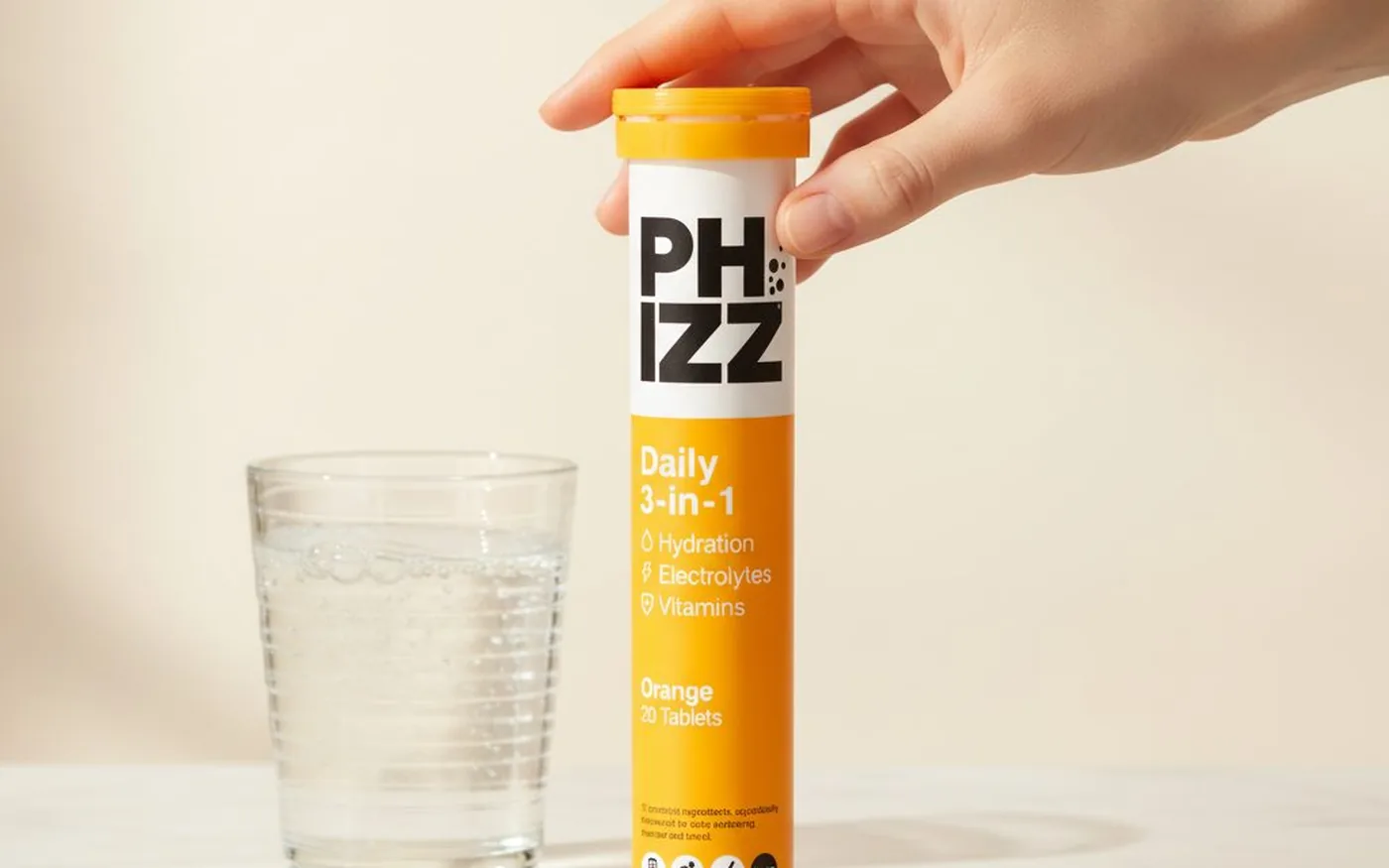
If you travel frequently, experience jet lag, or want a single daily supplement that covers hydration and nutritional gaps simultaneously, this is the product I recommend most to clients in that situation. The formula delivers 18 active ingredients in a single effervescent tablet - vitamin C, zinc, B vitamins, and electrolytes (sodium, potassium, magnesium) - built around a 3-in-1 concept: electrolytes, vitamins, and antioxidants.
The ingredient audit here is favourable. No artificial sweeteners, no synthetic colours, and the vitamin doses are in clinically meaningful ranges - not the token micro-doses that some combination products use to justify an ingredient list. The effervescent format works well in cold water and produces an orange-flavoured drink that I would rate as genuinely pleasant.
At around £0.40 per tablet (for the 30-count tube), Phizz sits between the budget tablets and the premium powders. For the breadth of what it covers, it represents strong value, particularly for magnesium supplement seekers who want electrolytes alongside rather than as a standalone product.
“Editor's verdict: The most versatile tablet in this roundup - 18 active vitamins and minerals alongside electrolytes makes this the best pick when you want hydration plus a daily multivitamin in one.”
| Evaluation Criteria | Our Findings |
|---|---|
| Full review | Coming soon |
| Best for | Best All-in-One (Electrolytes + Vitamins) |
| Flagship product | Phizz Rehydration and Multivitamin Tablet |
| Shop | Shop Phizz |
UK availability: phizz.com, Boots, Amazon UK. Price correct as of June 2026.
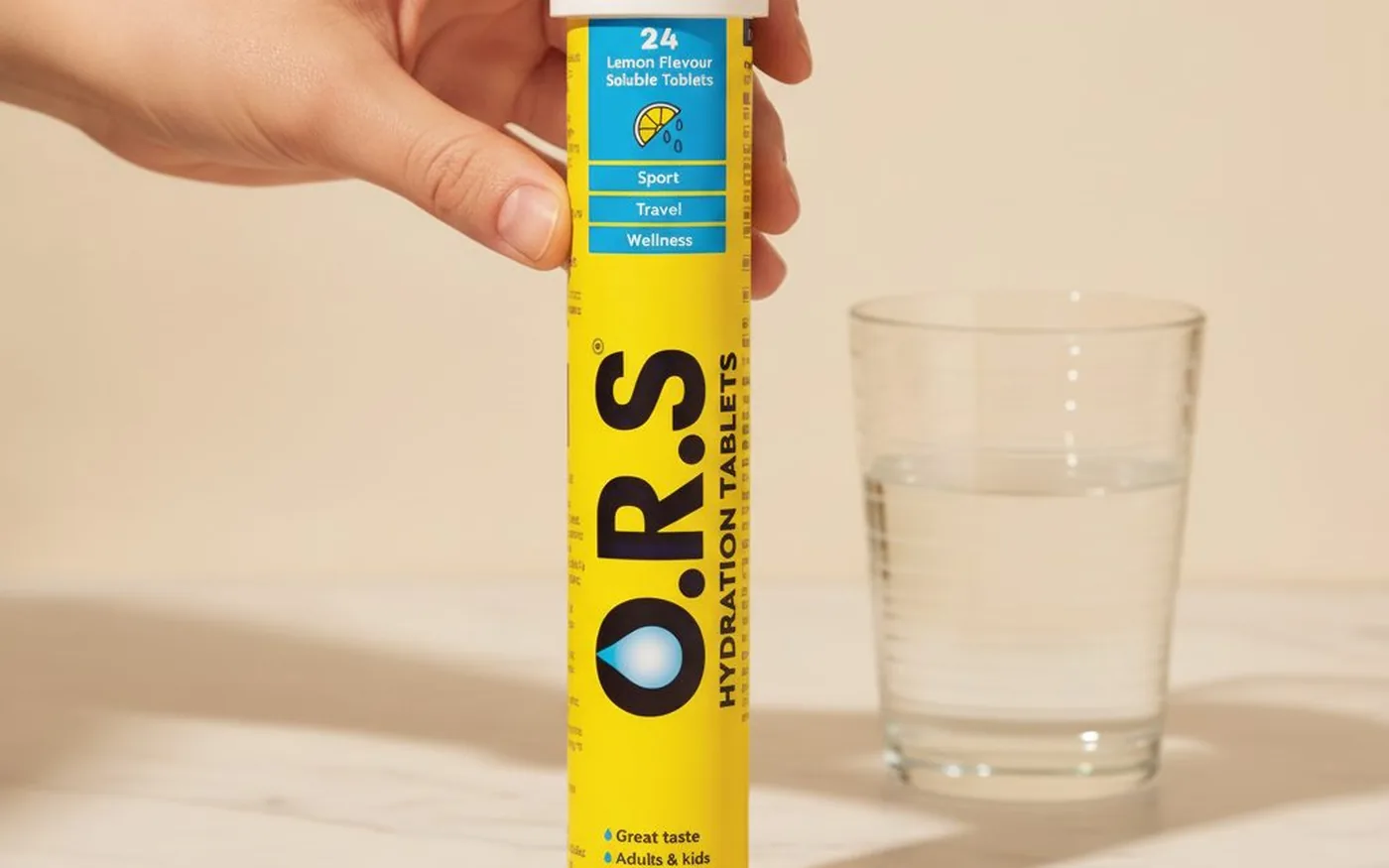
8. O.R.S Hydration Tablets - Best Clinical Rehydration
Quick verdict: Not a sports electrolyte in the conventional sense. This is oral rehydration therapy in a tablet format - the clinical approach to dehydration that the NHS uses in treatment protocols.
O.R.S stands for Oral Rehydration Solution. The formulation follows the World Health Organisation's reduced-osmolarity oral rehydration standard, which is the clinical benchmark for treating dehydration from illness, diarrhoea, or vomiting. The NHS recommends oral rehydration salts as the primary treatment for moderate dehydration, and O.R.S is one of the most widely available formats in the UK, stocked at Boots, Superdrug, and most independent pharmacies.
Each tablet delivers sodium, potassium, and glucose at the ratio designed for maximum intestinal absorption. The glucose component - absent in the sports-focused products above - is intentional here: glucose facilitates sodium absorption through the sodium-glucose cotransporter mechanism, accelerating rehydration in clinical contexts. For sport or everyday use, this makes it less appropriate than sugar-free alternatives. For illness recovery, travel diarrhoea, or hangover recovery, it is the most evidence-backed option in this roundup.
At around £5 for 24 tablets, it is among the most affordable options in the roundup and requires no specialist retailer.
“Editor's verdict: Not a sports supplement - this is WHO-standard oral rehydration therapy, making it the right choice for illness recovery, heat exhaustion, or any situation requiring clinical-grade rehydration.”
| Evaluation Criteria | Our Findings |
|---|---|
| Full review | Coming soon |
| Best for | Best Clinical Rehydration |
| Flagship product | O.R.S Hydration Tablets |
| Shop | Shop O.R.S |
UK availability: Boots, Superdrug, Amazon UK, most pharmacies. Price correct as of June 2026.
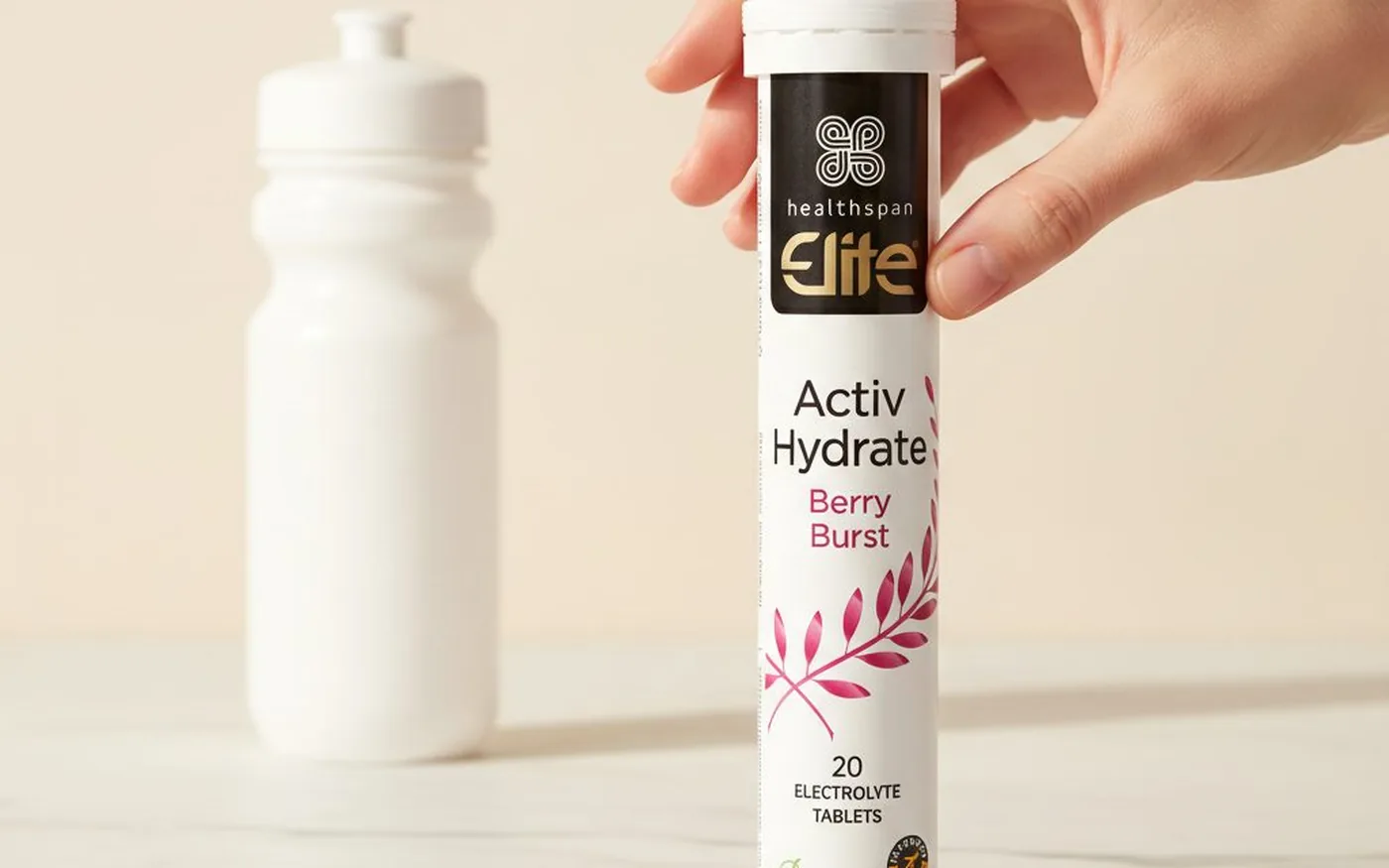
9. Healthspan Elite Electrolytes - Best Natural-Tasting Tablet
Quick verdict: If you want a tablet format without any sweetener concerns and prefer a subtle, natural taste, Healthspan Elite delivers where other tablets fall short.
Healthspan is a Guernsey-based supplement brand with a clinical heritage - they supply products to professional sports teams and have a peer-reviewed research programme that is unusual in the consumer supplement space. Their Elite Electrolyte tablets deliver a clean sodium, potassium, magnesium, and calcium blend without artificial sweeteners or colours.
The natural citrus flavour is subtle rather than pronounced, which makes it the easiest tablet in this roundup to drink in plain water without any sense of artificiality. If you have found other electrolyte tablets too sweet or chemically flavoured, this is the most likely to suit you.
At around £8 for 20 tablets, it sits in the mid-range. The brand's clinical credentials and sweetener-free formula justify the slight premium over HIGH5 ZERO if additive sensitivity is a concern for you.
“Editor's verdict: No sweeteners and a subtle natural citrus taste makes this the best pick if you want your electrolytes to dissolve cleanly without any aftertaste concerns.”
| Evaluation Criteria | Our Findings |
|---|---|
| Full review | Coming soon |
| Best for | Best Natural-Tasting Tablet |
| Flagship product | Healthspan Elite All Blacks Electrolytes |
| Shop | Shop Healthspan |
UK availability: healthspan.co.uk, Amazon UK. Price correct as of June 2026.
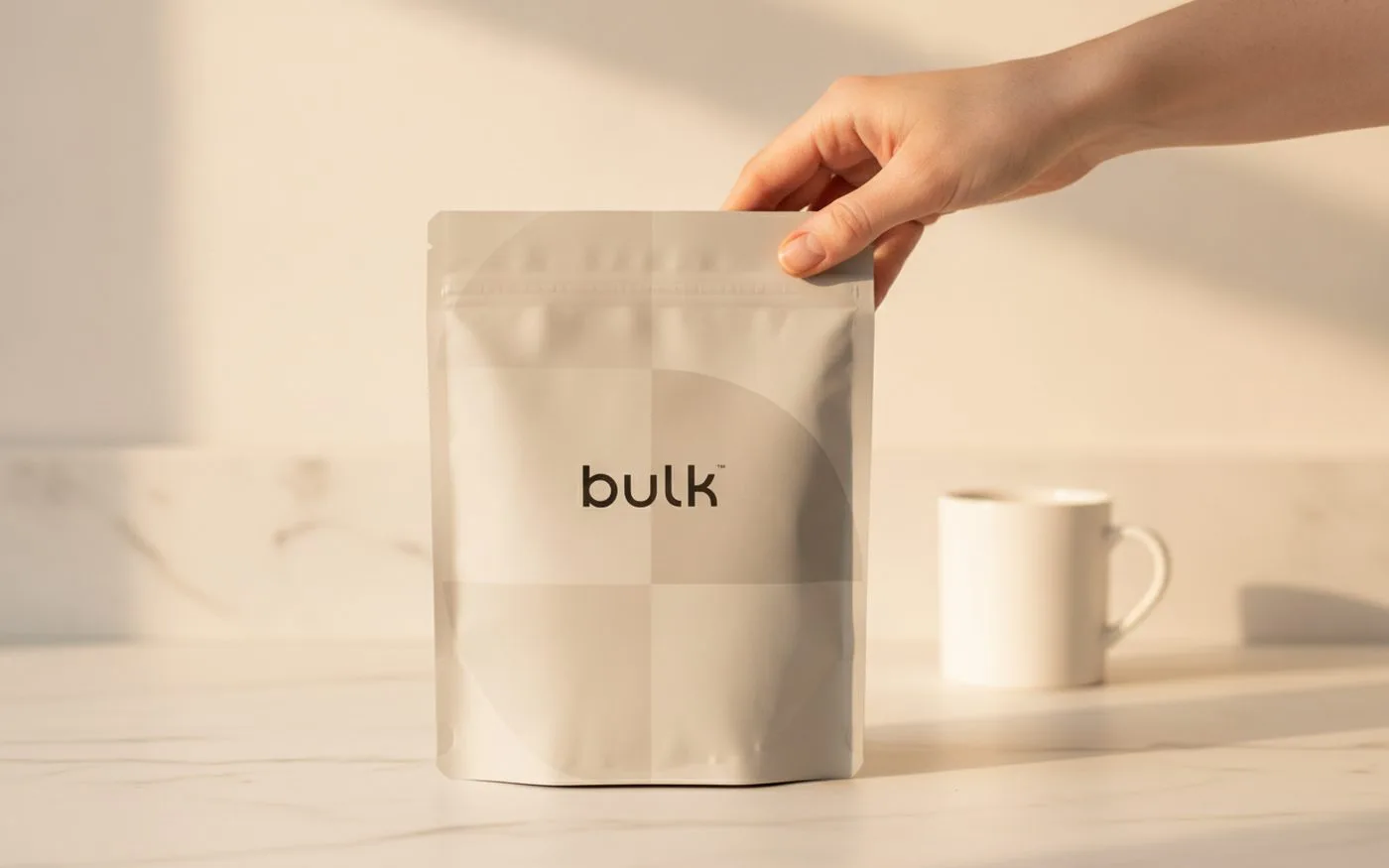
10. Bulk Electrolyte Powder - Best Budget
Quick verdict: The cheapest effective electrolyte option in this roundup, with a flavourless version available for mixing into smoothies or other drinks without affecting taste. Ideal if you want electrolytes without the supplement brand premium.
At around £0.08 per serving when bought in volume, the cost gap between this and a premium sachet represents a meaningful annual saving for anyone using electrolytes daily. The Electrolyte Powder from Bulk (formerly Bulk Powders) delivers sodium, potassium, magnesium, and calcium in a powder format that is either flavoured or completely unflavoured. The unflavoured option is genuinely useful - it mixes into anything without taste interference, which makes it an easy addition to a morning smoothie or water bottle.
The cost per serving sits at around £0.08 when you buy in volume, which is an order of magnitude cheaper than premium sachets. The trade-off is convenience - you measure from a tub rather than tearing a sachet. For people who are price-conscious and willing to accept slightly less convenience, this is the most cost-effective electrolyte source in the roundup.
The formulation is simple and does what it says. There is no marketing premium here and no branded packaging - just electrolytes at a functional dose.
“Editor's verdict: The cheapest electrolyte in this roundup at around 8p per serving - a flavourless, unfussy powder that delivers all the essential minerals without any frills.”
| Evaluation Criteria | Our Findings |
|---|---|
| Full review | Coming soon |
| Best for | Best Budget |
| Flagship product | Bulk Electrolyte Powder |
| Shop | Shop Bulk |
UK availability: bulk.com. Price correct as of June 2026.
Powder vs Tablets vs Sachets vs Ready-to-Drink: Which Format Is Right for You?
The format you choose has a practical impact on how consistently you use your electrolyte supplement. Here is an honest breakdown:
Powder (Veloforte, Free Soul, Bulk): Best if you want flexibility over dose or want to mix into something other than plain water. Bulk powder in particular suits people who already prepare smoothies or protein shakes. The drawback is that powders require measurement (or pre-portioned sachets), which adds a step. If you are the kind of person who travels light, sachets are more practical than an open tub.
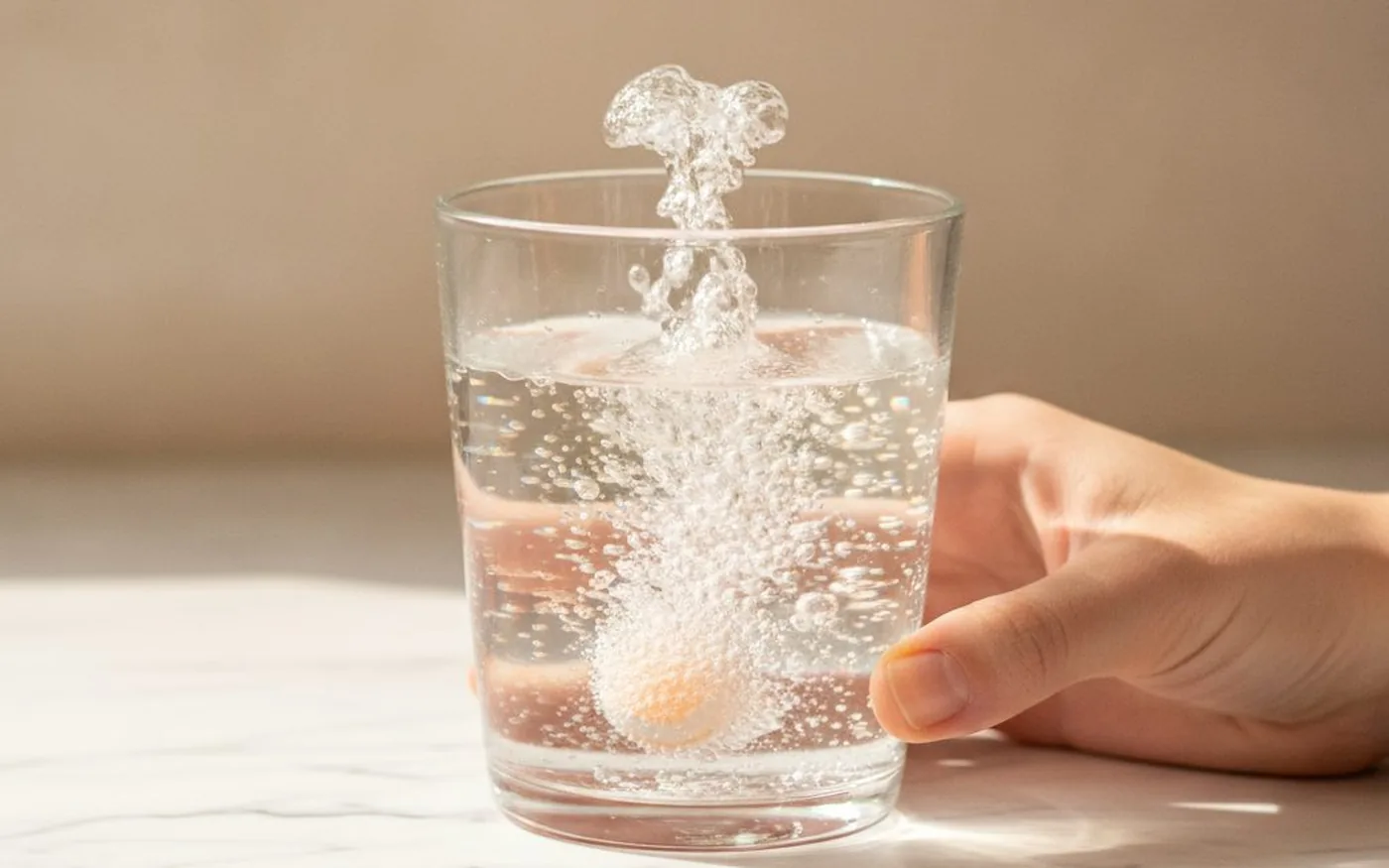
Tablets (SiS GO Hydro, HIGH5 ZERO, Phizz, O.R.S, Healthspan Elite): The most convenient format. Drop one into a water bottle, wait two to three minutes, and drink. No scoops, no mess, no preparation. The trade-off is typically a lower sodium ceiling - the tablet format limits how much active ingredient you can deliver per serving without the tablet becoming too large or the taste becoming too strong.
Sachets (LMNT, Precision Hydration): The premium format. Individually portioned, travel-ready, and typically holding the highest ingredient loads. The per-serving cost is higher, but the convenience and dose precision make sachets the choice for performance use.
Ready-to-drink (not reviewed here): RTD electrolyte drinks exist in the UK market (VitHit, Lucozade Sport variants) but do not meet the formula quality bar of the products above. Most RTD options contain sugar and lower sodium than equivalent powder or tablet formats. They have their place for acute hydration needs when preparation is not possible.
Do You Actually Need Electrolytes? What the Science Says
The honest answer is: it depends. For most desk-based days with a balanced diet and adequate water intake, you do not need a supplement. The EFSA dietary reference values for sodium set adequate intake at 2,000mg daily for adults, which is achievable through food alone for most people who eat regular meals.
Where electrolytes genuinely earn their place:

- Sustained exercise (over 60 minutes): Sweat losses deplete sodium, potassium, and magnesium faster than plain water can replace them. Drinking water alone in endurance contexts can dilute blood sodium - a condition called hyponatraemia that is genuinely dangerous in extreme cases.
- Fasting or ketogenic diets: Reduced insulin levels cause the kidneys to excrete more sodium. Many of the fatigue and headache symptoms people attribute to 'keto flu' are electrolyte depletion.
- Illness and GI disturbance: Vomiting and diarrhoea deplete electrolytes acutely. This is the most evidence-backed clinical use case for electrolyte supplementation.
- Hot weather and heat exposure: Sweat rate increases dramatically in heat; UK summers and overseas travel both increase depletion risk.
- Hormonal fluctuations (women): Oestrogen affects fluid and sodium regulation. Some women notice increased electrolyte needs around menstruation or perimenopause.
For most desk-based days, plain water and a balanced diet cover your electrolyte needs. Supplementation earns its place around heavy sweating, illness, fasting, or specific hormonal contexts - not as a daily habit for everyone.
The strongest evidence sits in the illness and endurance sport use cases. The everyday-wellness framing common in electrolyte marketing is softer ground - technically plausible given individual variance in sweat rate and diet, but not backed by the same clinical weight. I am not saying these products are not useful for daily use, but I want you to make that decision based on your actual context rather than marketing language.
How to Choose: Sodium, Sugar, Additives, and Price Per Serving
When you look past the packaging, four variables determine whether an electrolyte product is actually good for your specific situation:
Sodium content: Look for at least 200mg per serving for moderate exercise. For endurance sport over 90 minutes or fasting contexts, look for 500mg or above. Products that lead with potassium or magnesium but bury a low sodium number are formulating for marketing appeal rather than function.
Sugar content: Most of the products in this roundup are sugar-free. This is a genuine improvement in the category over the past decade. Sugar aids rehydration in clinical contexts (see O.R.S above) but adds unnecessary calories for everyday or fitness use. Check the per-serving carbohydrate figure on the label.
Sweetener profile: Stevia, sucralose, and acesulfame-K are the most common sweetener options. I flag sucralose in particular for clients with gut sensitivity, as emerging research published in journals including Nutrients suggests it may alter gut microbiome composition with regular use. Stevia is better tolerated by most people; some find the taste bitter. Healthspan Elite and Bulk Electrolyte Powder (unflavoured) are the options with no sweetener at all.
Price per serving (real): Always divide the total pack price by the number of servings, not the number of units. Some brands sell 40-tablet tubes that look cheap until you calculate the per-tablet cost. The honest price-per-serving range in this roundup runs from £0.08 (Bulk) to £1.30 (LMNT). The right choice depends on your frequency and use case - premium sachets for weekly long runs are a different calculation from daily electrolyte habits.
If you are exploring supplements more broadly, it is worth noting that best greens powders often include electrolytes as part of their ingredient stack - which may make a combined greens and electrolyte product cost-effective if you are already in the market for both. For a deeper look at the minerals and compounds you are actually consuming, see our guide to what's actually in your electrolyte drink.
Full Comparison Table
| Product | Format | Sodium | Sugar-free | Sweetener | Price/serving | Best for |
|---|---|---|---|---|---|---|
| Veloforte Hydration | Powder sachet | 350mg | Yes | Natural fruit | Around £1.00 | Best overall |
| SiS GO Hydro | Tablet | 870mg | Yes | Sucralose | Around £0.25 | Endurance athletes |
| Free Soul Hydration | Powder | 210mg | Yes | Stevia | Around £0.75 | Women |
| HIGH5 ZERO | Tablet | 270mg | Yes | Stevia | Around £0.25 | Budget |
| LMNT | Sachet | 1,000mg | Yes | Stevia | Around £1.30 | Fasting / keto |
| Precision Hydration | Sachet / tablet | 250-1,500mg | Yes | Varies | Around £1.20 | Personalised |
| Phizz | Tablet | 200mg | Yes | Natural | Around £0.40 | All-in-one |
| O.R.S Hydration Tablets | Tablet | 400mg | No (glucose) | None | Around £0.25 | Clinical / illness |
| Healthspan Elite | Tablet | 260mg | Yes | None | Around £0.40 | Natural taste |
| Bulk Electrolyte Powder | Powder | 238mg | Yes | None | Around £0.08 | Budget / unflavoured |
Final Verdict
The electrolyte market in the UK has improved significantly in the past few years. Cleaner formulas, more honest sodium dosing, and better-tasting products without artificial sweeteners are now within easy reach at multiple price points.
My recommendation: if you do not know where to start, start with Veloforte Hydration for general use or SiS GO Hydro if you are primarily motivated by sport and budget. Work out your actual use case - whether that is endurance running, fasting, travel, women's health, or daily low-level support - and use the comparison table above to match the product to the need.
For more on the science behind hydration and how individual electrolyte needs vary, see our guide to electrolytes. If you are exploring the wider supplement landscape, our roundups on best matcha brands uk and plant based protein cover adjacent nutrition categories worth considering alongside your hydration routine.
Life is genuinely better when you are properly hydrated. These products make that easier - and now you have enough information to choose the right one for your situation without relying on marketing copy to make the decision for you.
Frequently Asked Questions
What is the best electrolyte supplement in the UK?
Veloforte Hydration is the best overall electrolyte supplement in the UK for 2026, based on its sodium content (350mg per sachet), clean natural ingredients, absence of artificial sweeteners, and genuine mixability. For athletes specifically, Science in Sport GO Hydro delivers consistent performance at a fraction of the price. The right choice depends on your use case: Veloforte for general wellness and sport, SiS for endurance training on a budget, LMNT for fasting and keto, and Free Soul for women who want hydration plus collagen support.
What is actually the best electrolyte drink?
The best electrolyte drink format depends on your context. For sport and active use, a powder or tablet dissolved in water consistently outperforms RTD (ready-to-drink) electrolyte products because you can control the dose and avoid the sugars common in bottled electrolyte drinks. Veloforte Hydration sachets and Science in Sport GO Hydro tablets are the two strongest performers in this roundup for dissolved-drink use.
Are electrolytes good for you? What does the NHS say?
Electrolytes are essential minerals the body needs to function - sodium, potassium, magnesium, and calcium regulate muscle contractions, nerve signals, and fluid balance. The NHS supports adequate electrolyte intake through diet and, where needed, oral rehydration solutions during illness. Whether supplementing on top of a balanced diet provides additional benefit depends heavily on individual context - exercise intensity, sweating, diet, and health status all affect need.
What is the NHS electrolyte drink?
The NHS recommends oral rehydration solutions (ORS) for dehydration caused by illness, diarrhoea, or vomiting. These follow the WHO-standard formula that combines sodium, potassium, and glucose in proportions that maximise intestinal fluid absorption. O.R.S Hydration Tablets (reviewed above) use this clinical standard and are stocked at Boots and most UK pharmacies. NHS-branded sachets such as Dioralyte follow the same principle.
Is it worth drinking electrolytes every day?
For most adults eating a balanced diet without significant exercise, daily electrolyte supplementation is not necessary and the evidence for general wellness benefits is limited. It becomes worth it when you exercise regularly (particularly for over 60 minutes or in heat), follow a ketogenic or low-carbohydrate diet, have higher sweat rates than average, or are pregnant or breastfeeding. If you are considering a daily habit, start with a moderate-sodium product like Veloforte or Phizz rather than a high-sodium option like LMNT, which is calibrated for specific depletion contexts.
Why should you not drink electrolytes every day?
The main caution with daily electrolyte use is sodium intake. High-sodium electrolyte products (like LMNT at 1,000mg per sachet) are designed for specific depletion scenarios. Using them daily when you are not depleting that sodium through exercise, fasting, or illness means you are simply adding salt to a diet that may already meet your sodium needs. Excess sodium is associated with elevated blood pressure in sodium-sensitive individuals. Most people who do not fall into the high-depletion categories do not need high-sodium electrolyte products daily.
Do electrolytes help with POTS?
Postural Orthostatic Tachycardia Syndrome (POTS) involves dysfunction in blood pressure regulation, and increased sodium and fluid intake is often part of management. High-sodium electrolyte products (LMNT, Precision Hydration's stronger tiers) are frequently used by people with POTS to support blood volume. However, POTS management is highly individual - dosing requirements vary significantly between patients, and some people with POTS also have conditions that contraindicate high sodium intake. Always speak to your clinician before using high-sodium electrolyte products for POTS management.
Are sugar-free electrolytes better?
For most purposes, yes. Sugar in an electrolyte product adds calories without a hydration benefit unless you are in a clinical rehydration scenario (as with O.R.S, where glucose actively aids sodium absorption through the gut's sodium-glucose cotransporter). For sport, fasting, or everyday use, a sugar-free formula delivers the electrolytes without the caloric load. The relevant question for sugar-free products is the sweetener used - stevia is generally the best-tolerated option and is the one I recommend for clients with gut sensitivity.
A registered Nutritional Therapist and member of BANT, Clemmie blends science with a holistic approach to wellbeing.