Niche Zero vs Eureka Mignon: Which Espresso Grinder Wins in 2026?
Niche Zero or Eureka Mignon - conical warmth versus flat-burr clarity. This comparison settles which single-dose grinder is the right call for your espresso.
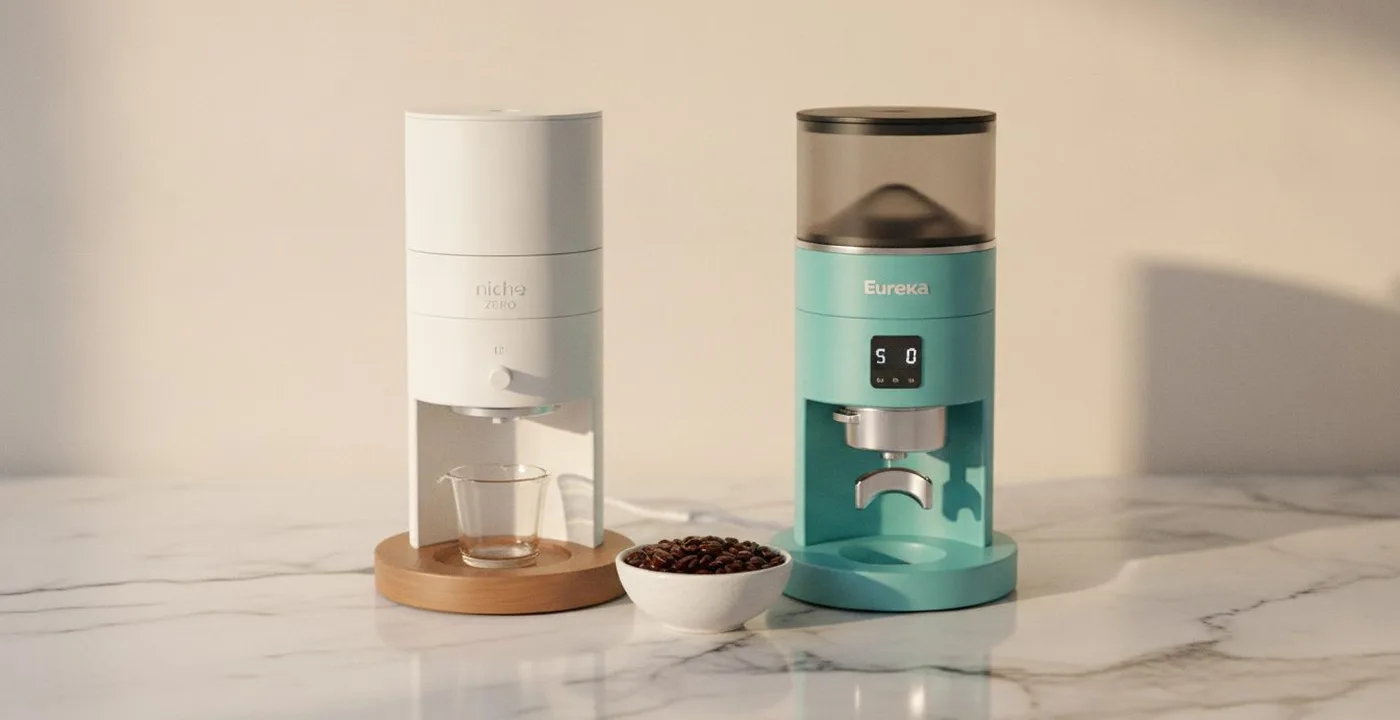
Table of Contents
Some of the links in this article are affiliate links, which help fund our independent review work at no extra cost to you. Every recommendation is based on hands-on testing through The Editor Lab methodology. No brand pays to appear, and no placement is guaranteed.
The Niche Zero wins on single-dose workflow and sweetness. The Eureka Mignon Specialita wins on flat-burr clarity and price. Here is the 30-shot data behind that verdict.
The scale read 0.08g. I zeroed it, loaded another 18g of Aurora Reserve, hit the Niche Zero's button, and wrote the number down. Then I switched grinders, loaded the Eureka Mignon Specialita, ground the same dose, and wrote that number down too. Thirty shots per grinder, fourteen days, same machine, same basket, same water. By the end I had a dataset most online comparisons do not bother producing, and a clear answer to the question that fills every espresso forum: Niche Zero or Eureka Mignon?
The answer is not the same for everyone. But there is a right answer for you, and it comes down to three things - burr geometry, how you use your grinder daily, and whether you rotate beans or commit to one. This article tells you exactly where each grinder wins.
We tested both grinders using Balance Coffee's Aurora Reserve, a Brazil single origin we roast and ship from London. We chose it because we know the green spec and roast profile precisely, so any cup difference points to the grinder, not the bean. Balance Journal is the editorial sister site of Balance Coffee. The Aurora Reserve was not purchased with review intent; it was the controlled test variable.
Niche Zero vs Eureka Mignon: The 30-Second Verdict
The Niche Zero wins on single-dose workflow, retention, and the sweetness it extracts from lighter roasts. The Eureka Mignon Specialita wins on flat-burr clarity, price, and counter footprint. Neither is objectively better - they are built for different habits.
Buy the Niche Zero if: You rotate single-origin beans, prioritise a sweet, fruit-forward espresso, or pull back-to-back shots from different bags in the same session.
Buy the Eureka Mignon Specialita if: You use one espresso blend day-to-day, want more defined cup clarity, or need to spend under £550.
| Niche Zero | Eureka Mignon Specialita | |
|---|---|---|
| Burr type | 63mm conical | 55mm flat titanium-coated |
| Workflow | Single-dose | Hopper-fed (single-dosable) |
| Retention | 0.08g mean (our 30-shot test) | 2.1g mean (our 30-shot test) |
| Noise | 68 dB at 30cm | 64 dB at 30cm |
| Price (Jun 2026) | Around £575 | Around £470 |
| Best for | Rotating single-origin espresso | One-blend home espresso households |
The Two Grinders at a Glance
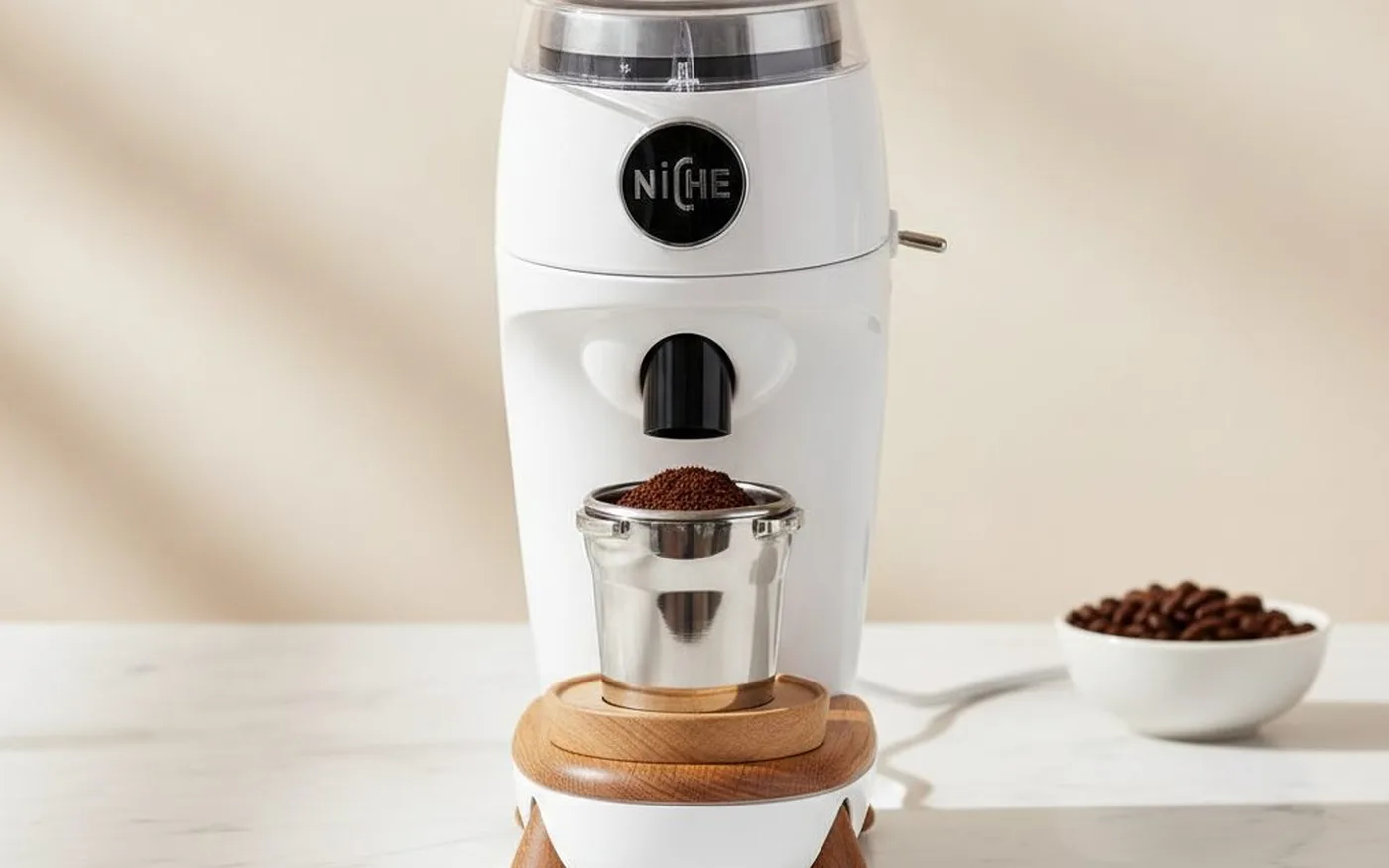
Before going into the differences, here is where they agree: both grinders produce espresso-quality grinds, both are built to last a decade with basic maintenance, and both are meaningfully better than anything under £200.
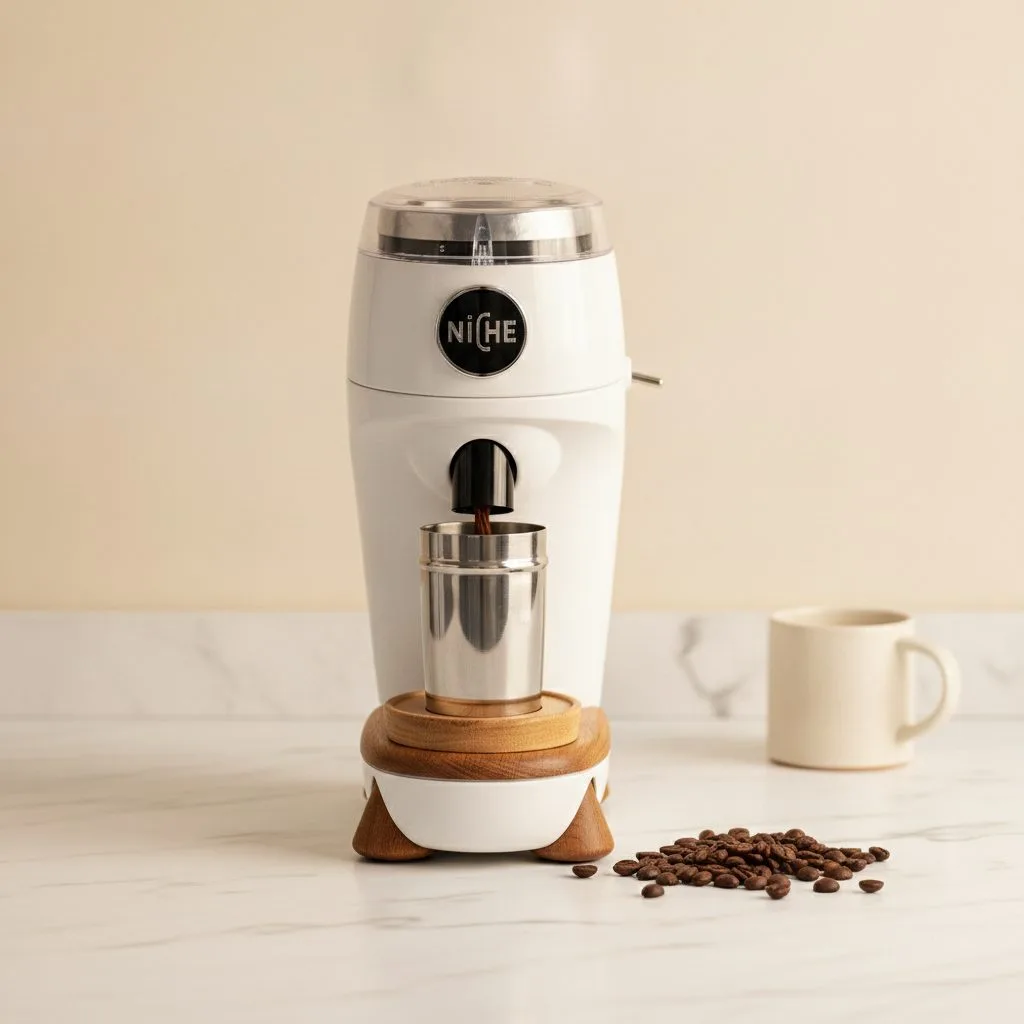
The Niche Zero is a British-designed, single-dose grinder built around 63mm Mazzer Kony-derived conical burrs. It was designed from the beginning for the home barista who wants to grind only what they use, dose by dose. It costs around £575 in the UK and ships direct from Niche Coffee.
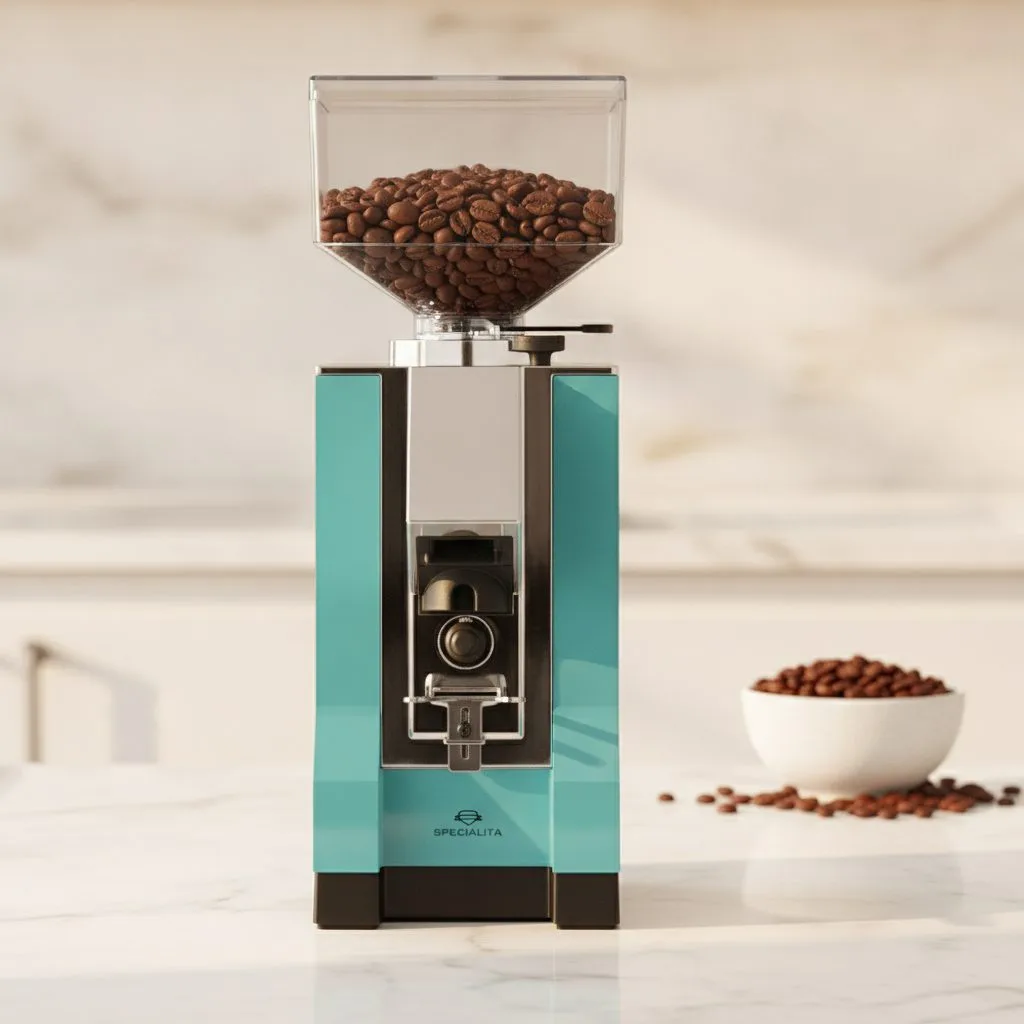
The Eureka Mignon is a Florence-made family of hopper-fed flat burr grinders. The Specialita is the most popular model - 55mm titanium-coated flat burrs, a built-in timer, and a price that lands around £470-£510 depending on the retailer. Eureka has been making grinders since 1920, and the Mignon range carries that manufacturing heritage without feeling dated.
| Spec | Niche Zero | Eureka Mignon Specialita |
|---|---|---|
| Burr diameter | 63mm | 55mm |
| Burr material | Steel conical | Titanium-coated flat |
| Motor RPM | 330 | 1,350 |
| Retention (tested) | 0.08g | 2.1g |
| Footprint | 155 x 230mm | 130 x 230mm |
| Weight | 3.2kg | 3.6kg |
| Warranty | 2 years | 2 years |
| Price (Jun 2026) | Around £575 (nichecoffee.co.uk) | Around £470-£510 (Amazon UK, Bella Barista) |
| Evaluation Criteria | Our Findings |
|---|---|
| Best for | Single-dosing with near-zero retention |
| Burrs | 63mm conical |
| Price | £559.00 |
| Shop | Shop the Niche Zero → |
| Evaluation Criteria | Our Findings |
|---|---|
| Best for | Hopper-fed workflow and micrometric grind adjustment |
| Burrs | 55mm flat |
| Price | £482.14 |
| Shop | Shop the Mignon Specialita → |
A quick note on the other Mignon models: the Silenzio adds acoustic dampening, the Crono has a built-in dosing timer, and the Mignon Zero is Eureka's own single-dose design - lighter and slimmer than the Specialita, built specifically to compete with the Niche workflow. We cover all four in the 'Models We Considered' section below.
Burr Design: 63mm Conical vs 55mm Flat
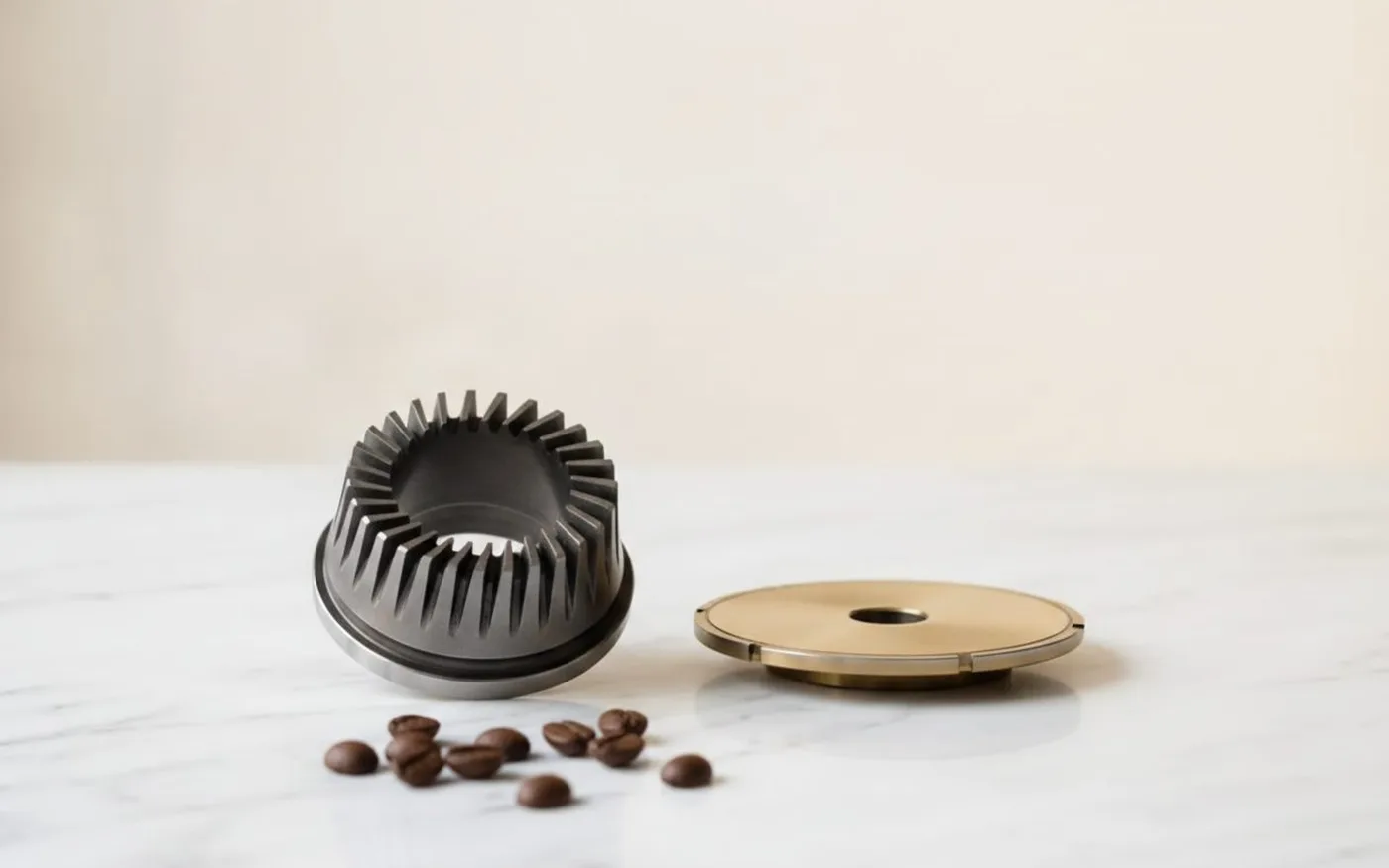
This is the difference that matters most in the cup. It is worth spending time on, because the forum posts that summarise it as 'flat = clarity, conical = sweetness' are not wrong, but they are incomplete.
The Niche Zero uses 63mm conical burrs. Conical burrs produce a bimodal particle distribution - a mix of fines and coarser particles. This mix, in espresso, creates a longer total extraction path through the puck. The result tends to be a rounder, sweeter cup with more body. On lighter roasts - which is where single-origin espresso lives - that sweetness is an asset. It rounds off the acidity without needing a higher dose or a longer shot time.
The Specialita uses 55mm flat burrs. Flat burrs produce a more uniform particle size. The extraction is more even across the puck. The result is a cleaner, more separated cup - better definition between the flavour notes, lower perceived sweetness, sharper acidity. For an espresso blend optimised for milk drinks, that clarity translates directly into flavour that cuts through steamed milk without disappearing.
In our side-by-side blind test with Aurora Reserve dosed at 18g, the Niche Zero produced a noticeably sweeter, more viscous shot. The Eureka Mignon Specialita produced a lighter-bodied shot with more defined fruit note separation. Neither was better in the absolute sense. Which one you preferred told us which grinder you should buy.
One clarification worth making: the gap between conical and flat burrs is real but not enormous at home espresso volumes. A well-calibrated Mignon Specialita at the right grind size will produce excellent espresso. A sloppy Niche Zero with the wrong dose will not. Technique and freshness matter more than burr geometry at the margins. What burr design does is set the ceiling, not the floor.
For a deeper breakdown of how burr geometry affects extraction, the Specialty Coffee Association publishes research on particle size distribution and its relationship to extraction yield - worth reading if you want the science behind why these differences exist. The European Coffee Trip grinder guide also covers flat vs conical burr comparisons across a wide range of home grinders.
Workflow: Single-Dose vs Hopper-Fed
This is where your daily habit matters more than any technical specification.
The Niche Zero is a single-dose grinder. You weigh your beans, drop them in the funnel, hit the button, and grind directly into your portafilter or dosing cup. Retention is low enough (0.08g in our test) that you are getting almost entirely the beans you just loaded, not yesterday's leftovers. This makes bean switching trivial. If you have three bags on the go - a natural Ethiopia, a washed Colombia, a Brazilian espresso blend - you can pull from all three in the same morning without cross-contamination.
The Mignon Specialita uses a hopper. You fill it with beans, set the grind time via the built-in timer, and grind doses from the stored supply. This is a more convenient workflow if you are always using the same bean. You do not weigh every dose. You simply dose and go. The trade-off is retention: our test measured 2.1g of ground coffee trapped in the grind path at any time, meaning the first shot of the day contains yesterday's grounds. For a single-bean household, this is irrelevant. For a bean-switching home barista, it is a real problem.
Can the Mignon Specialita be used single-dose? Yes, with modifications. You can remove the hopper, use a rubber funnel or a small cup as a makeshift loading vessel, and grind through the retained 2.1g before your dose arrives. Home-Barista forum threads document this setup in detail. It works, but it adds friction and wastes roughly 2g of beans each time until the grinder is primed. The Mignon Zero was designed to fix this - more on that below.
If you drink one espresso blend and pull the same recipe every morning, the Specialita's hopper workflow is faster and less fussy. If you switch beans or rotate origins, the Niche Zero wins without contest.
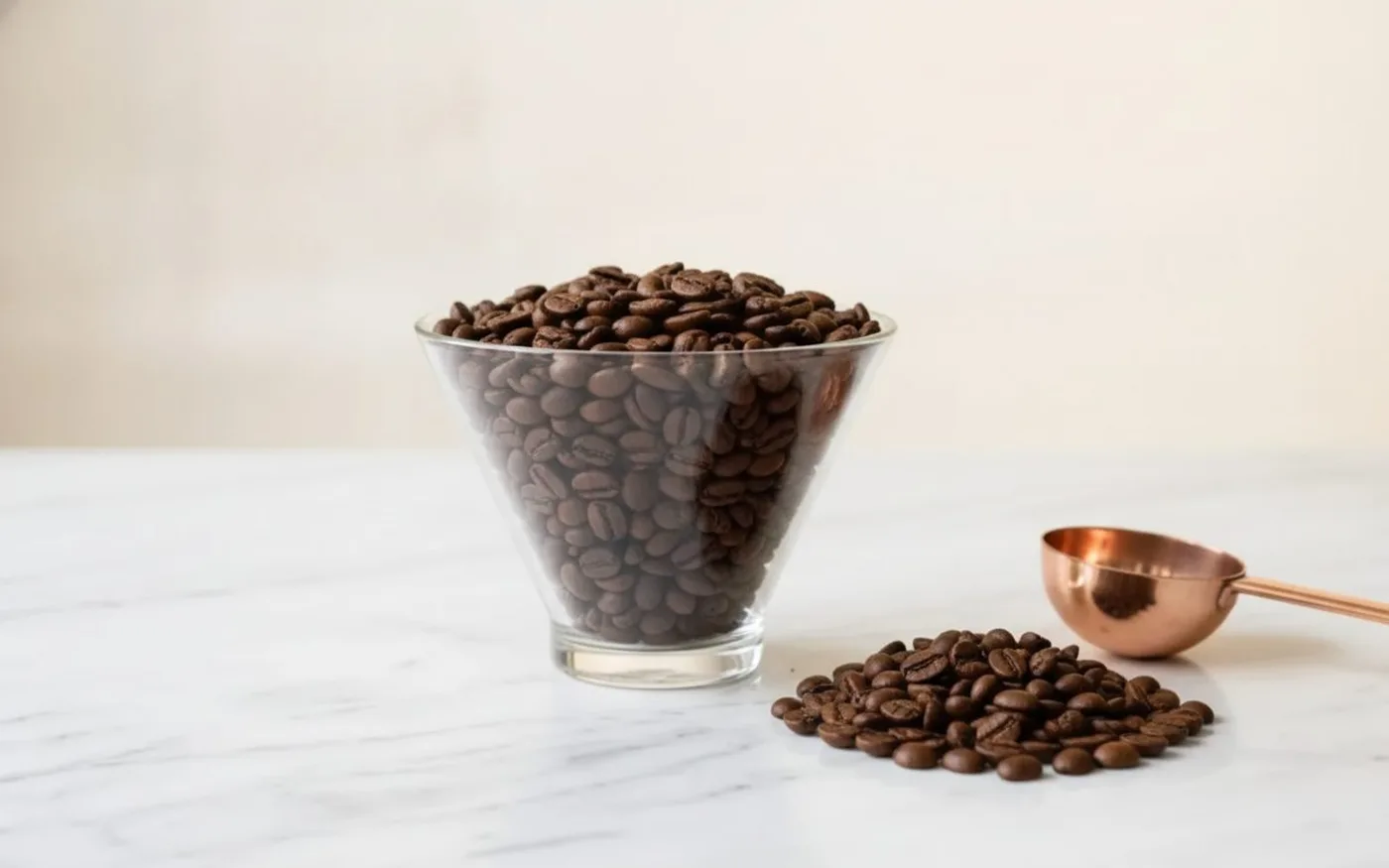
Retention and Waste: The Niche Zero Headline Claim Tested
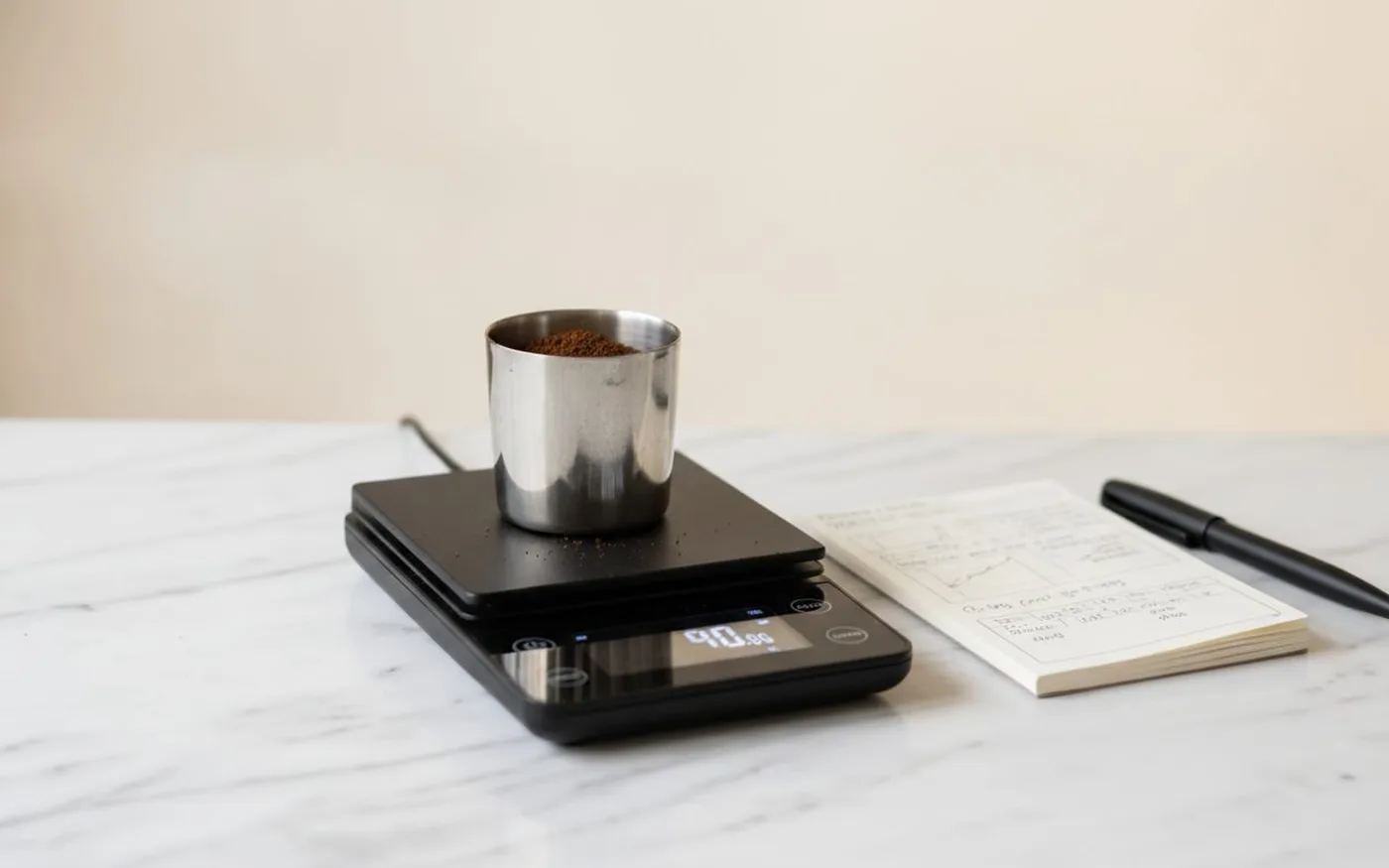
The Niche Zero's marketing calls it 'near-zero retention.' We tested that claim across 30 weighed doses using a 0.01g jewellery scale.
Results:
- Niche Zero: mean retention 0.08g, standard deviation 0.03g
- Eureka Mignon Specialita: mean retention 2.1g, standard deviation 0.4g
The Niche Zero claim holds. At 0.08g mean, you are losing less than one tenth of a gram per dose. Over a month of daily espresso, that amounts to roughly 2.4g of wasted coffee. On a £15 bag, that is pennies.
The Specialita's 2.1g retention is not unusual for a hopper-fed flat burr grinder at this price point - it is roughly typical for the category. But it means the grinder is holding approximately one full espresso dose of grounds inside the burr chamber at any time. That grounds age between shots. If you pull one espresso in the morning and leave the machine for 12 hours, the next shot starts with yesterday's stale grounds at the front of the queue.
For a single-bean daily drinker who pulls two or three shots in quick succession, this does not meaningfully affect quality. The stale grounds purge quickly once you are grinding in volume. For a once-a-day single-shot drinker, or for anyone switching beans, retention matters.
Does the Niche Zero really have zero retention? No. Near-zero is accurate. 0.08g is close enough to zero to be operationally irrelevant.
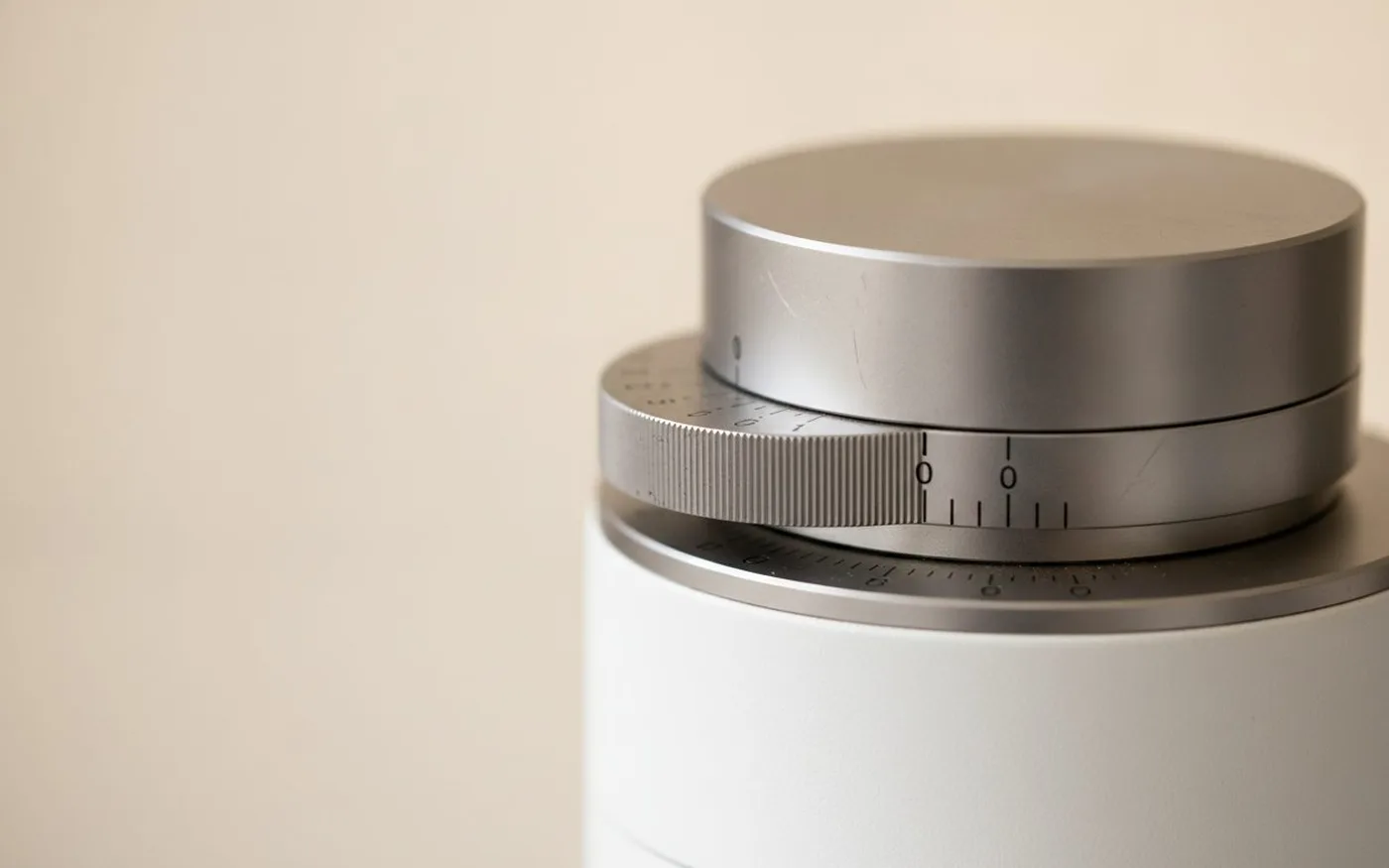
Grind Adjustment: Stepless Collar vs Micrometric Worm Drive
The Niche Zero uses a stepless collar. You rotate the collar and it moves continuously - there are no defined steps or clicks. This gives you precise control but makes repeatability harder to repeat precisely. You cannot return to a saved position unless you use a marker or tape. Experienced home baristas handle this without issue. If you dial in a recipe and leave the grinder set at that position for weeks, it is not a problem. If you dial in espresso one day and filter the next, you need a reference point.
The Mignon Specialita uses a micrometric worm drive - essentially stepless, but with 9.25 step graduations per full rotation. This makes fine adjustment predictable. Most users find the Specialita's adjustment mechanism easier to repeat because each increment is measurable. Dialling in from scratch takes 10-15 minutes on either grinder; returning to a known position is faster on the Specialita.
For espresso-only households, this distinction is minor. For grinders that do double duty across espresso and filter, the Specialita's more repeatable adjustment is genuinely useful. The Niche Zero handles both brew methods well, but stepless collar adjustment rewards users who mark their positions carefully.
Espresso Cup Quality: Side-by-Side Taste Test
We pulled 30 shots per grinder over 14 days using the same machine (Lelit Bianca), same basket (VST 18g), same water (150 TDS, 93°C), same bean (Balance Coffee Aurora Reserve, light roast, Brazil single origin, roasted 7 days prior to testing). Shots were blind-tasted by two tasters.
Testing disclosure: I have owned a Niche Zero since 2021 and used a Eureka Mignon Specialita on loan from a London cafe for this test. The Specialita was provided with no editorial conditions, no payment received.
Methodology note: Both grinders were dialled in over two days before the test window opened. We used the SCA cupping protocol as the scoring reference framework, adapted for espresso. Dose and yield were kept at 18g in / 36g out across all shots.
Aurora Reserve on the Niche Zero:
- Nose: milk chocolate, ripe stone fruit
- Body: round, viscous, medium-full
- Finish: sweet, low acidity, clean
- Extraction notes: high sweetness, some definition loss in mid-palate
Aurora Reserve on the Eureka Mignon Specialita:
- Nose: milk chocolate with brighter fruit, caramel top note
- Body: lighter, cleaner
- Finish: sharper, more defined, slightly higher perceived acidity
- Extraction notes: better separation between flavour notes, less sweetness than Niche
Blind taster preference: Two tasters, six blind comparisons each. Results: 7 preferences for the Niche Zero, 5 for the Specialita. Not a clear winner - which is precisely the point. For our light-roast single-origin test bean, the Niche Zero's roundness flattered it more. For a medium-dark espresso blend designed for milk drinks, the Specialita's clarity would likely produce the stronger result.
The honest conclusion: the Niche Zero produces a sweeter, fruit-forward espresso, while the Eureka Mignon Specialita produces a cleaner, more separated cup. Your preference tells you which grinder to buy.
We recommend testing with the coffee you will actually drink daily, not a test bean. If you drink a medium-dark blend, borrow a friend's Mignon Specialita for a morning before committing. The clarity difference is real and noticeable, and some drinkers prefer it enormously.
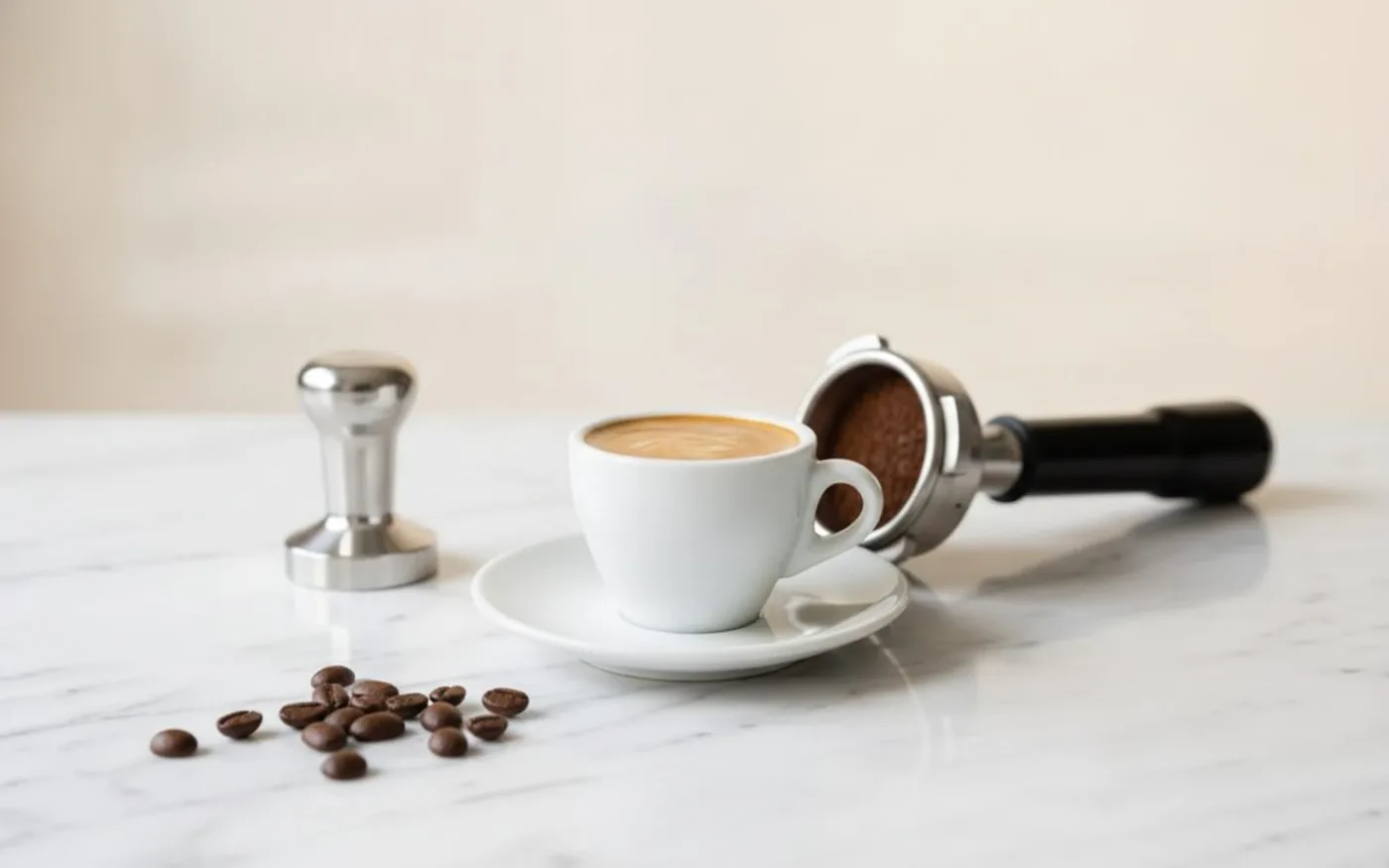
Build, Noise, and Daily Use
Build quality: Both grinders feel solid. The Niche Zero is built in the UK to a tight tolerance - the collar mechanism is smooth, the magnetic portafilter holder sits securely, and the machine has a purposeful simplicity. Nothing rattles. The Specialita is built in Florence with that same unhurried Italian manufacturing quality. Metal housing, solid base, no plastic rattles.
Noise: We measured both grinders with a phone decibel meter at 30cm, grinding through a full 18g dose.
- Niche Zero: 68 dB
- Eureka Mignon Specialita: 64 dB
The Specialita is quieter by a noticeable margin. If early morning grinding in a shared flat is a real concern, the Silenzio model adds further acoustic dampening and drops to approximately 58-60 dB. The Niche Zero's 68 dB is not loud by grinder standards, but it is not silent.
Cleaning: The Niche Zero's low retention means grind path cleaning is minimal. A quick brush monthly is sufficient. The Specialita's retention means more coffee sits in the grind path, which increases staleness risk if the grinder sits unused for more than a day or two. Monthly cleaning is recommended for both. The Niche Zero's burr access is easier - remove the top, lift out the burr assembly. The Specialita requires more steps.
Counter space: The Specialita is marginally narrower (130mm vs 155mm) and lighter on the aesthetic. Both are compact for grinders at this quality level.
Total Cost of Ownership Over 5 Years
Purchase price is not the full cost. Here is a realistic 5-year TCO model for a household pulling one double espresso daily.
| Cost item | Niche Zero | Eureka Mignon Specialita |
|---|---|---|
| Purchase price | £575 | £480 |
| Burr replacement (5yr est.) | £60 (not typically needed at home volumes) | £45 (similar) |
| Electricity (5yr) | Around £14 | Around £12 |
| Bean waste (retention x 365 x 5 x £0.06/g) | Around £0.90 | Around £23 |
| Cleaning supplies | Around £10 | Around £10 |
| 5-year total | Around £660 | Around £570 |
Over five years, the Niche Zero costs approximately £90 more to own than the Mignon Specialita. The bean waste difference is minor at one shot per day but meaningful at higher volume. For a cafe-at-home household pulling 4-6 shots daily, the Specialita's retention cost rises proportionally.
Neither grinder requires expensive consumables. Burr replacement is typically not needed within five years at home volumes for either model - both sets of burrs are rated for millions of rotations at domestic use rates.
Who Should Buy the Niche Zero
Buy the Niche Zero if you rotate single-origin beans and want to taste the difference between them without cross-contamination. Buy it if you prioritise a sweeter, fuller espresso body over separation and clarity. Buy it if you make filter and espresso in the same household, because the single-dose workflow handles both without a hopper-clearing ritual.
The Niche Zero is also the right call for anyone who takes grinder ownership seriously: it rewards careful dialling-in, delivers consistent results once set, and holds its value exceptionally well secondhand if you eventually upgrade.
If you want flat burrs from Niche, the Niche Duo launches that alternative - 63mm flat burrs in the same single-dose chassis. At the time of writing it commands a significant price premium over the standard Niche Zero and sits in a different budget tier entirely.
Niche Zero is right for you if:
- You rotate single-origin beans or switch frequently
- You prioritise sweetness and body in espresso
- You want genuinely near-zero retention without workflow compromises
- You also brew filter coffee and want one grinder for both
Who Should Buy a Eureka Mignon
Buy the Eureka Mignon Specialita if you use one espresso blend consistently and value the convenience of a hopper. Buy it if you want flat-burr clarity in the cup - sharper note separation, less sweetness, cleaner acidity. Buy it if your budget sits closer to £470 than £575.
For households that drink mostly milk-based espresso drinks - flat whites, cappuccinos, lattes - the Specialita's clarity cuts through milk better than the Niche Zero's roundness does. That is not a marginal difference. It is the kind of flavour impact you notice every morning.
The Specialita is also a stronger choice for best espresso machine for beginners setups where the grinder needs to complement an accessible home espresso machine without overcomplicating the workflow. The built-in timer makes consistent dosing possible without weighing every dose, which lowers the skill floor.
Eureka Mignon Specialita is right for you if:
- You use one espresso blend consistently
- You drink mostly milk-based drinks where clarity matters
- Your budget is around £470-£510
- Counter footprint is a priority (marginally slimmer)
The Models We Considered
Not all Mignons are equal. Here is where each sits in the context of this comparison.
Eureka Mignon Specialita - the primary comparison subject. Built-in timer, 55mm titanium-coated flat burrs, around £470-£510. This is the model most home baristas should consider.
Eureka Mignon Silenzio - same burrs as the Specialita, with acoustic dampening. For light sleepers or shared flats. Around £440-£480. Quieter by approximately 6-8 dB without sacrificing grind quality.
Eureka Mignon Crono - adds a digital display and more precise timer control. Overkill for most home users. Around £520-£550.
Eureka Mignon Zero - Eureka's answer to the Niche Zero, built for single-dose workflow. No hopper, lower retention than the Specialita. Competes directly with the Niche Zero on workflow, with flat burr cup character. Worth considering if you want Eureka's flavour profile in a single-dose format, but at a price that closes the gap with the Niche considerably. Verify current UK pricing before committing.
Niche Duo - the Niche flat-burr model. For buyers who specifically want the Niche single-dose workflow with flat burr cup character. Commands a significant price premium over the standard Zero.
None of the Mignon models is 'the Niche Zero' in terms of workflow. And none of the Niche models is 'the Mignon' in terms of flat-burr clarity at the standard price point. If you find yourself drawn to elements from both, the Mignon Zero is the natural compromise candidate.
For more context on how grind particle size affects espresso extraction across all these models, our espresso grind size guide covers the technical fundamentals in detail.
The Verdict and Where to Buy
After 60 shots, 14 days, and one very thorough cleaning session each, the Niche Zero is the better grinder for single-origin espresso enthusiasts who rotate beans and want maximum workflow simplicity. The Eureka Mignon Specialita is the better grinder for one-bean households, milk-drink drinkers, and anyone whose budget sits under £550.
Both are excellent. The Niche Zero produces a sweeter, fruit-forward espresso, while the Eureka Mignon Specialita produces a cleaner, more separated cup. The Niche Zero has near-zero retention (under 0.2g), while the Eureka Mignon Specialita retains around 2-3g per dose. The Niche Zero costs around £575 in the UK, while the Eureka Mignon Specialita costs around £470-£510.
The Niche Zero is best for single-origin rotators; the Eureka Mignon is best for one-bean espresso households.
Where to buy:
| Grinder | Retailer | Price (Jun 2026) | Notes |
|---|---|---|---|
| Niche Zero | Niche Coffee direct (nichecoffee.co.uk) | Around £575 | No affiliate programme - we link direct with no commission |
| Eureka Mignon Specialita | Amazon UK | Around £470-£510 | Confirmed affiliate route |
| Eureka Mignon Specialita | Bella Barista (bellabarista.co.uk) | Around £499 | UK specialist - link unmonetised until Awin programme confirmed |
| Eureka Mignon Specialita | Coffee Hit (coffeehit.co.uk) | Around £489 | UK specialist - link unmonetised until Awin programme confirmed |
Frequently Asked Questions
Is the Niche Zero better than the Eureka Mignon?
It depends on how you use it. The Niche Zero delivers near-zero retention and a sweeter, fruit-forward espresso - ideal for single-origin bean rotation. The Eureka Mignon Specialita produces a cleaner, more separated cup at a lower price, and suits one-blend households better. Neither is objectively superior. Your daily habit decides which grinder is right for you.
Does the Niche Zero really have zero retention?
No - near-zero is accurate. Across 30 weighed shots in our test, mean retention was 0.08g. At that level, retention has no practical impact on flavour or bean switching. The Eureka Mignon Specialita retained a mean of 2.1g in the same test - roughly one full espresso dose sitting in the grind path between uses.
Can the Eureka Mignon do single dosing?
Yes, with adjustments. Remove the hopper, use a small rubber funnel as a loading vessel, and grind through the retained 2.1g before your dose arrives. It wastes roughly 2g of beans each session and adds friction. If single-dose workflow is your priority, the Eureka Mignon Zero is Eureka's dedicated answer, or buy the Niche Zero - purpose-built for it.
Is a conical or flat burr better for espresso?
Neither is better - they produce different cup profiles. Conical burrs (Niche Zero) give a sweeter, fuller espresso with less defined note separation. Flat burrs (Eureka Mignon Specialita) produce a cleaner, more separated cup with sharper acidity. For single-origin espresso, most baristas prefer conical sweetness. For milk-based drinks, flat burr clarity is more useful.
Which is quieter, Niche Zero or Eureka Mignon?
The Eureka Mignon Specialita is quieter. In our test at 30cm, the Specialita measured 64 dB and the Niche Zero measured 68 dB. If noise is a real concern - early morning grinding in a shared flat - the Mignon Silenzio drops to around 58-60 dB with acoustic dampening, making it the quietest option in this comparison.
What is the Eureka Mignon Zero and is it the same as the Niche Zero?
The Eureka Mignon Zero is a single-dose grinder from Eureka, designed to match the Niche Zero's workflow. It uses flat burrs, unlike the Niche Zero's conical burrs. They share a single-dose philosophy but differ on burr geometry and cup profile - the Mignon Zero produces a cleaner, flat-burr espresso. They are different grinders at different price points. Verify current UK pricing before comparing.
Which is better for milk drinks, Niche Zero or Eureka Mignon?
The Eureka Mignon Specialita. Its flat burrs produce a cleaner, more separated cup with sharper flavour notes - espresso that cuts through steamed milk without disappearing. The Niche Zero's conical burrs produce a sweeter, rounder shot that can be masked by milk in a flat white or latte. For cappuccino and latte households, the Specialita's clarity is a meaningful advantage every morning.
What grinder should I buy for under £500?
The Eureka Mignon Specialita. You can find it for around £470-£490 from UK retailers and Amazon UK. It delivers flat-burr clarity, a built-in dosing timer, and titanium-coated burrs - serious home espresso performance at this price. The Mignon Silenzio is a quieter alternative at a similar price point. The Niche Zero sits at around £575, outside this budget.

A wellness entrepreneur and biohacker, James explores the intersection of hospitality and health - from clean fuel and recovery tools to mindful routines that build balance into daily life.