How to Make Iced Coffee at Home: 5 Methods That Work


Count the melt as water and every glass stays strong to the last sip.
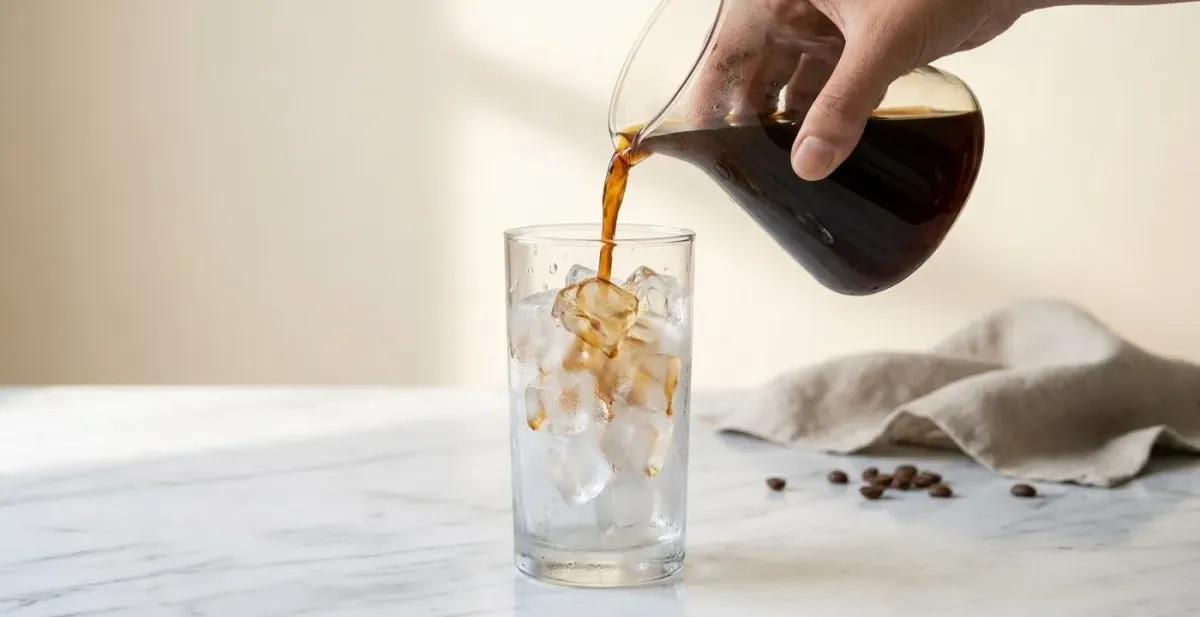
Table of Contents
Some of the links in this article are affiliate links, which help fund our independent review work at no extra cost to you. How we assessed these products is explained in this article and our Editor Lab methodology. No brand pays to appear, and no placement is guaranteed.
A watery glass is the usual iced coffee failure, and your ice is the reason.
Brew your coffee at double strength and pour it over a full glass of ice: 15g of coffee to 150ml of hot water over 100g of ice, with milk to taste. The melting ice dilutes it back to normal strength instead of watering it down.
Pick your route by what you own: instant, the instant method; a cafetiere or filter, the classic method; a pour-over cone, the flash brew; an espresso machine or pods, the iced latte section; happy to wait overnight, cold brew.
“The ratios below are the brew maths I used training baristas at UCC Coffee. I hold an SCA Barista certification.”
The Rule That Stops Iced Coffee Going Watery
Every recipe site tells you the same thing: brew it double strength. That is the right idea, but it leaves out half the equation, and the missing half is why your iced coffee still goes watery. None of them have tested whether the ice itself should count as part of the water, the one variable that decides whether your glass ends up balanced or diluted.
Brew half your usual water at double your usual coffee dose, then let the ice supply the other half as it melts. Skip that, and a double-strength brew poured over ice without accounting for the melt starts strong and finishes weak before you are halfway down it.
The table below gives you the numbers for five methods, adapted for a glass of ice: the step most recipes skip. Each treats the ice as liquid, not garnish. These are the same numbers I would hand a new barista before their first iced coffee shift.
| Method | Coffee | Hot Water | Ice | Grind | Time | Best For |
|---|---|---|---|---|---|---|
| Classic (cafetiere or filter) | 15g | 150ml | 100g | Medium | Brew 4 minutes | A strong black coffee with the kit already on your counter |
| Japanese (flash brew) | 20g | 150ml, poured through | 100g, in the carafe | Medium-fine | Pour over 2.5 to 3 minutes | Keeping a light roast's fruit and acidity |
| Instant | 2 tsp (about 4g) | 30ml, a splash | 150g | - | Dissolve 30 seconds | Speed, with no equipment at all |
| Espresso drinks (iced latte, americano, pods) | A double shot | - | 100g, plus cold milk or water to top | - | Pull the shot, pour over ice | Milk-based drinks, pods and machines |
| Cold brew (overnight) | 1:8 to 1:10 by weight | Cold water only | Added after, when diluting | Coarse | 12 to 18 hours, then dilute 1:1 | Batching a week in one go |
These ratios sit inside the brewing standards the Specialty Coffee Association publishes, adapted here for a glass with ice in it. The method changes section to section. The logic does not: work out your total liquid once the ice has melted, then brew half of it hot and double strength, and let the ice supply the rest.
Classic Iced Coffee With a Cafetiere or Filter
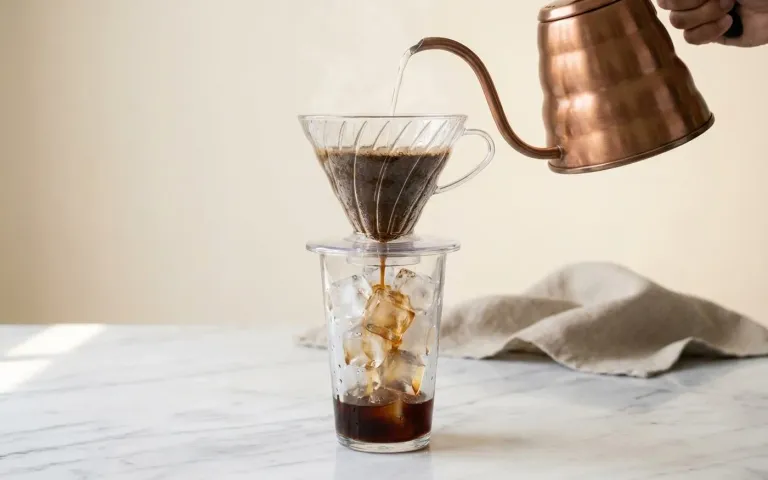
Weigh 15g of coffee into your cafetiere or filter and brew with 150ml of hot water, off the boil, for about four minutes, roughly double the strength of a normal cup, since the ice is about to dilute it back down.
Stir any sugar into your coffee while it is still hot, since it turns gritty rather than dissolving once the drink is cold. Then pour it straight over a full glass of 100g of ice.
Run a cafetiere brew through a paper filter first, or you will be drinking the sediment that settles at the bottom of every cafetiere pour along with it. A pour-over filter skips this problem entirely. If you have never used one, our guide to how to use a cafetiere covers the plunge technique.
Japanese Iced Coffee: Brew Hot Straight Onto Ice
Flash brew, sometimes called Japanese iced coffee, skips the separate cooling step: you brew directly through a pour-over cone onto a bed of ice in the carafe underneath, and the coffee chills the moment it lands.
Weigh 100g of ice into your carafe, then brew 20g of coffee with 150ml of hot water through a pour-over cone directly on top, the same 150ml hot water to 100g ice split as the classic method, delivered in one motion instead of two.
Hot coffee touches ice within seconds of dripping through the filter, so a light, fruity roast keeps its brightness rather than going flat waiting to cool. If you do not already own a cone, our best pour over coffee maker guide covers the options.
Instant Iced Coffee
Instant is a legitimate method for your glass, not a lesser one, though it has a ceiling: dissolved granules will never taste like a flash-brewed light roast, and it is worth saying so honestly.
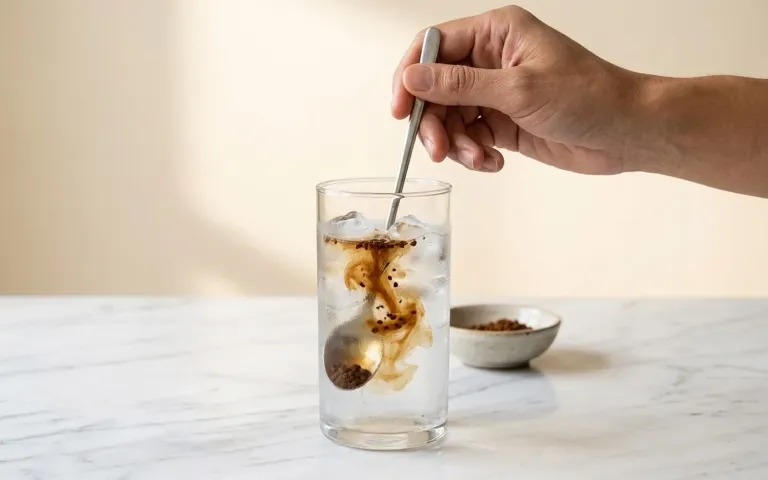
Stir two teaspoons, about 4g, into a splash of hot water first, no more than 30ml, until fully dissolved, since cold water alone leaves undissolved grains floating in your glass. Top up with ice and milk to taste. Our best instant coffee guide names which jars earn a place in your cupboard.
Iced Latte, Iced Americano, and Other Espresso Drinks
Iced Latte
Fill a glass with ice, pour in cold milk until about two-thirds full, then pull a double shot and pour it straight on top. The espresso sinks through the cold milk on its way down. If you have not pulled a shot before, our how to make espresso at home guide covers the basics, and our best coffee beans for espresso guide names which beans hold up under milk.

Iced Americano
An iced americano runs the opposite order: ice and cold water first, shot poured on last, so the espresso sits on top rather than diluting on the way in. If you want the full comparison, our americano vs long black guide covers the distinction.
An iced cappuccino is the same shot-over-ice base with foamed milk on top rather than cold milk stirred through; an iced flat white tightens the milk-to-coffee ratio further if that is what you prefer. See our latte vs cappuccino and how to make a flat white guides for both. Cold foam, whisked cold rather than steamed, works on any of these; our how to froth milk guide covers the technique.
Nespresso and Other Pods
Use an espresso-size pod, not a lungo, and go lighter on the ice. A lungo pod over a full glass of ice is a weak, watery drink twice over, so two espresso-size pods back to back get you closer to a real double shot than one lungo ever will. Our best Nespresso pods guide names which capsules hold up over ice.
Cold Brew: The Overnight Method
Cold brew never touches heat. Combine coarsely ground coffee with cold water at roughly 1:8 to 1:10 by weight, then leave it in the fridge for 12 to 18 hours. Filter it and you have a concentrate, not a finished drink.
Dilute the concentrate roughly 1:1 with water or milk over ice, landing your finished drink around 1:16 to 1:20, coffee to total liquid, close to a normal cup of filter coffee once the ice has melted in.
Cold brew and iced coffee are not the same drink wearing two names, so do not expect your usual iced coffee method to behave the same way. Iced coffee is brewed hot and chilled fast; cold brew is never heated and steeps for 12 to 18 hours.
The internet calls cold brew low-acid, and that overstates the evidence. A peer-reviewed comparison in Scientific Reports found cold and hot brew coffee have comparable pH, between 4.85 and 5.13, while hot brew carried higher titratable acidity. It tastes smoother because the extraction differs, not because it is gentler on your stomach; our low acid coffee guide covers the question properly.
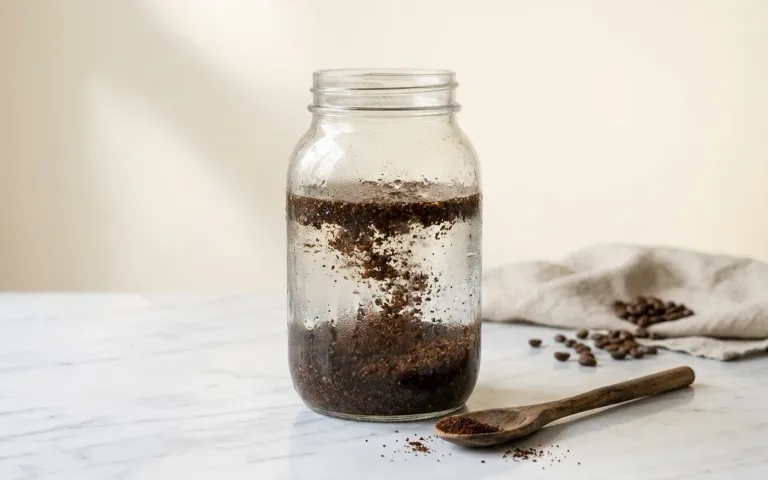
It keeps for about a week in your fridge, which hot-brewed iced coffee never does, so it is the right call if you want to batch a week at once. Beans suited specifically to an 18-hour steep are in our best coffee for cold brew guide.
Which Coffee to Use for Iced Coffee
Light roasts earn their keep in your black iced coffee and flash brew, where the fruit and acidity still come through; this is also where flash brew shows off a speciality coffee light roast best. Medium-dark roasts work better once you add milk, since cocoa and nut notes hold their own against cold milk and melting ice.
Balance Coffee's Darkfire Energy is one example you could try: a dark roast with rich cocoa depth and a touch of berry sweetness that holds up across an iced latte or flat white, lab-tested for mould, pesticides, and heavy metals. I founded Balance Coffee in 2020, so weigh that recommendation accordingly. For beans suited to black iced coffee generally, our best coffee beans UK guide covers the full range.
Why Your Iced Coffee Is Watery or Bitter
Watery. You brewed at normal strength and then added ice on top of that, instead of brewing double strength and letting the ice make up the difference. Go back to the ratio table above and recheck the numbers for your method.
Bitter. Your coffee sat on heat too long, over-extracted, or was ground too fine for the method. Pull the brew time back by thirty seconds and check your grind against the table.
Flat or stale. Pre-brewed hot coffee left in your fridge separates and loses its edge within a day or two. Brew fresh over ice each time, or switch to cold brew if you want to batch ahead.
Gritty. Sediment from an unfiltered cafetiere pour, or instant stirred into cold rather than hot liquid. Filter your cafetiere through paper, and always dissolve instant in a hot splash first.
Milk, Sweetener, and Coffee Ice Cubes
Dissolve sugar or syrup into the hot coffee before it meets any ice, since cold liquid will not take sugar into solution cleanly and you end up with grit at the bottom of the glass instead of sweetness through it. NHS guidance caps added sugar at about 30g a day for anyone over eleven, which a syrup-heavy shop-style iced drink can eat into fast.
Coffee ice cubes fix the dilution problem properly: freeze leftover brewed coffee in an ice tray and use those instead of water ice, so your glass never waters down as it melts. Oat milk is the milk named most often in the forum threads behind this guide, and barista editions behave differently under cold than standard cartons do in your fridge. Our best alternative milk for coffee guide covers the rest.
Frequently Asked Questions
Is iced coffee just hot coffee poured over ice?
Not exactly. Pouring hot coffee straight over ice without adjusting the recipe dilutes it as the ice melts, which is why it tastes thin. Brew at roughly double strength first, so the melt brings it back to normal strength instead.
Can I make iced coffee with regular coffee?
Yes. Any coffee you already drink hot works for iced coffee if you adjust the ratio: brew at roughly double the usual strength, then pour over ice so the melt dilutes it back to normal. There is no special iced-coffee bean, only a different ratio.
How to make iced coffee with instant coffee?
Stir two teaspoons, about 4g, of instant coffee into a small splash of hot water, no more than 30ml, until fully dissolved. Cold water alone leaves grains floating in the glass. Top up with ice and milk to taste, and it works perfectly well.
How do you make iced coffee at home without a machine?
A cafetiere, a filter cone, or a jar and a sieve all work. Brew 15g of coffee with 150ml of hot water for about four minutes, then pour it over 100g of ice. Run a cafetiere brew through a paper filter first to avoid sediment.
What is the best way to make iced coffee at home?
It depends what you own. A cafetiere or filter gives the classic version in two steps; a pour-over cone lets you flash-brew straight onto ice in one. Both follow the same rule: double strength, with the ice supplying the rest of the water.
How do I make an iced latte at home?
Fill a glass with ice, pour in cold milk until about two-thirds full, then pull a double shot and pour it on top. Use an espresso machine, a pod machine with an espresso-size pod, or a moka pot if you own neither.
What is healthier, iced coffee or cold brew?
Neither is clearly healthier. A peer-reviewed comparison in Scientific Reports found cold and hot brew coffee have comparable pH, between 4.85 and 5.13, while hot brew carried higher titratable acidity. Cold brew tastes smoother because the extraction differs, not because it is gentler on digestion.
What are the disadvantages of cold brew coffee?
Mainly time: cold brew needs 12 to 18 hours of steeping, so there is no making a glass on demand the way any hot-brewed method allows. It also needs an extra dilution step once the concentrate is ready, since the concentrate is far too strong to drink neat.
How long does homemade iced coffee keep in the fridge?
Hot-brewed iced coffee is best made fresh; it separates and tastes flat within a day or two. Cold brew concentrate is the exception, keeping for about a week once filtered. To batch ahead, make cold brew rather than a pot of hot coffee to chill later.
How much coffee and ice do I need for one glass of iced coffee?
For one glass using the classic method, weigh 15g of coffee, 150ml of hot water and 100g of ice. Brew at that strength for about four minutes, then pour it over the ice. That is the single-glass version of the ratio behind every method here: double-strength coffee, with ice supplying the rest.

A wellness entrepreneur and biohacker, James explores the intersection of hospitality and health - from clean fuel and recovery tools to mindful routines that build balance into daily life.