Best Milk Frother: A Barista-Tested 2026 UK Buying Guide
Nine frothers tested. Two make a silky flat white. The honest ranking of what actually works.
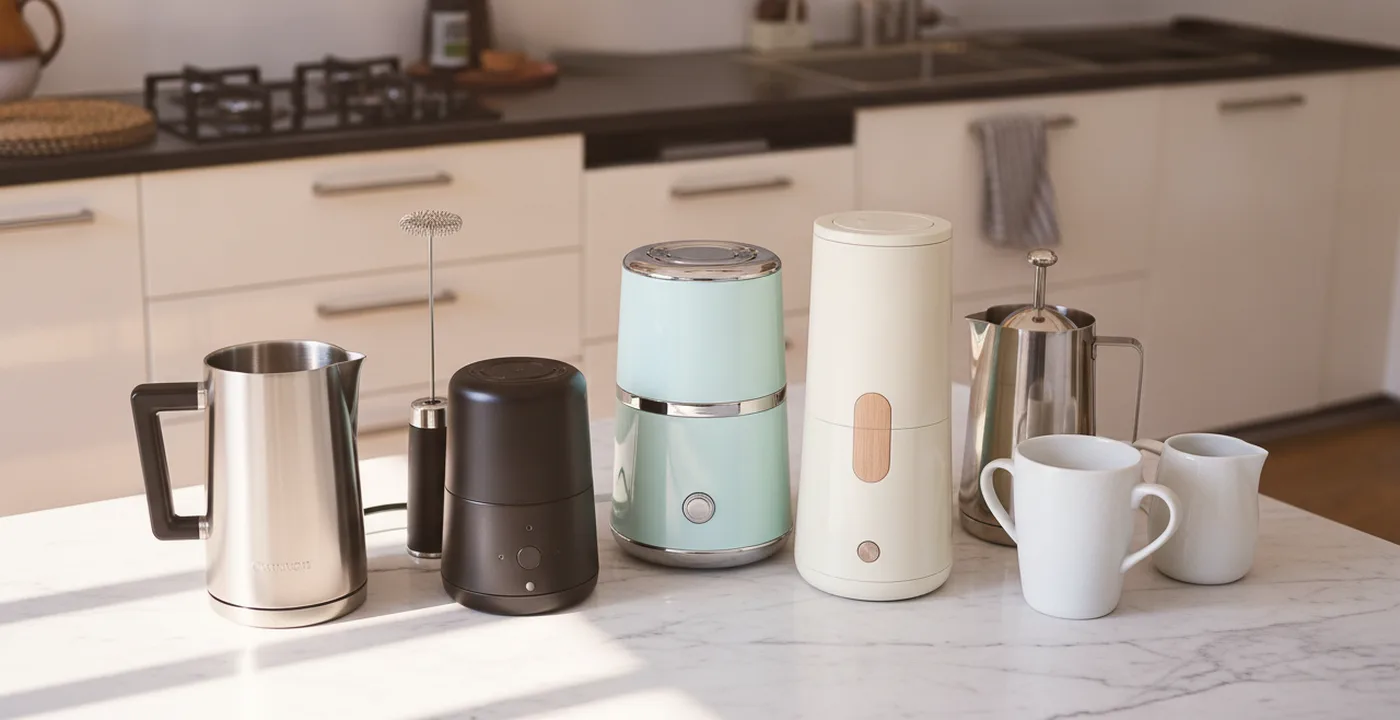
Table of Contents
Some of the links in this article are affiliate links, which help fund our independent review work at no extra cost to you. Every recommendation is based on hands-on testing through The Editor Lab methodology. No brand pays to appear, and no placement is guaranteed.
Picture nine milk frothers laid out on my kitchen counter, a probe thermometer in one hand, a fresh carton of Oatly Barista Edition in the other, and a Sage Barista Pro warming up in the background as the control. The question I wanted to answer was simple: can any of these machines pour milk that holds its shape on a flat white? After thirty-odd jugs of milk across two long mornings, the answer was that two get close, one is a cult classic that does one thing brilliantly, and the rest produce foam rather than microfoam. There is a real difference between the two, and almost no review of the best milk frother bothers to explain it. This guide ranks nine frothers, from a £20 handheld to a £199 automatic, and tells you honestly which one matches what you actually drink at home.
Editor's Note
Quick-Pick: The Best Milk Frothers at a Glance
| Brand | Best For | Price | Shop |
|---|---|---|---|
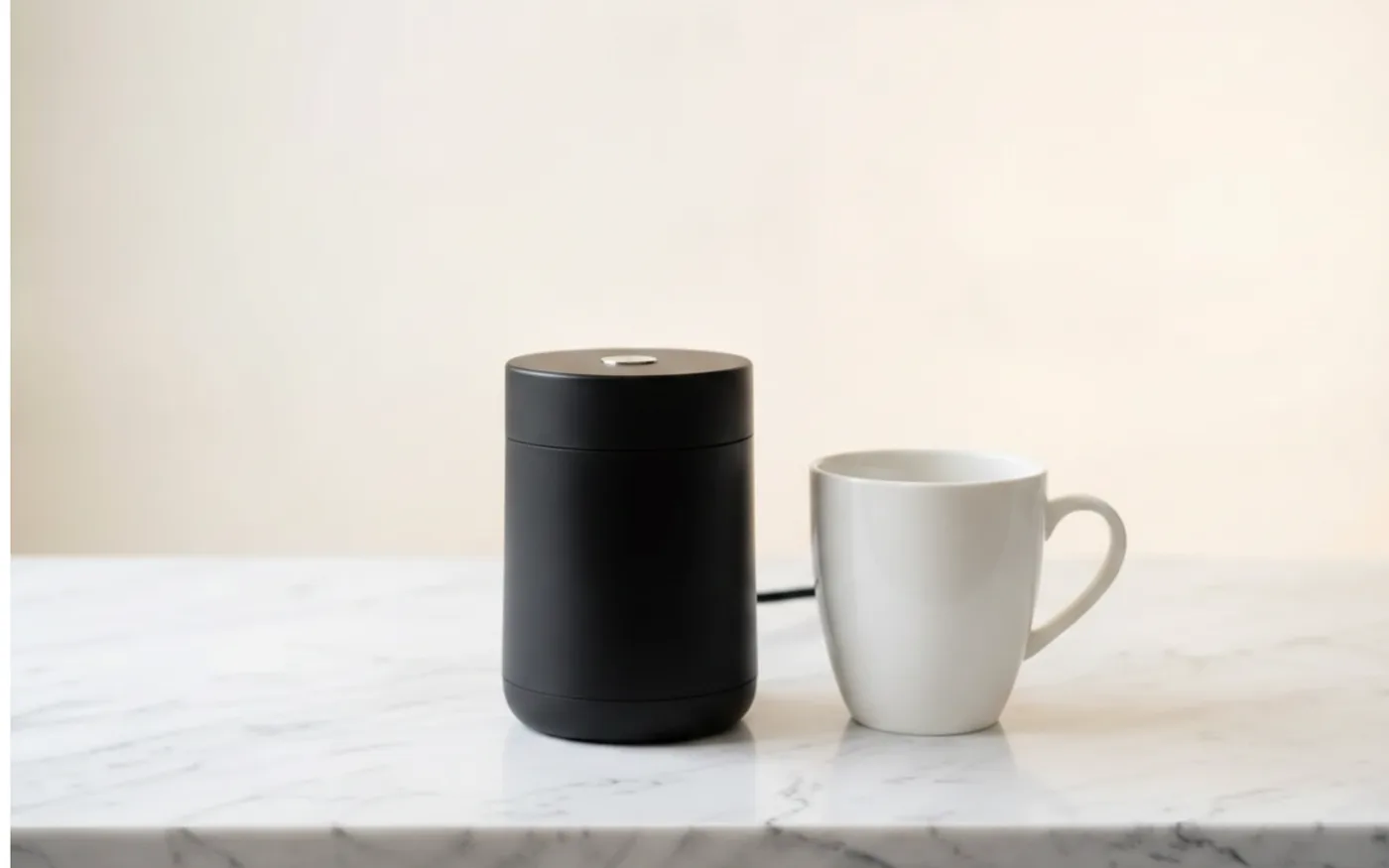 1st Place 1st Place | £75-85 | Shop | |
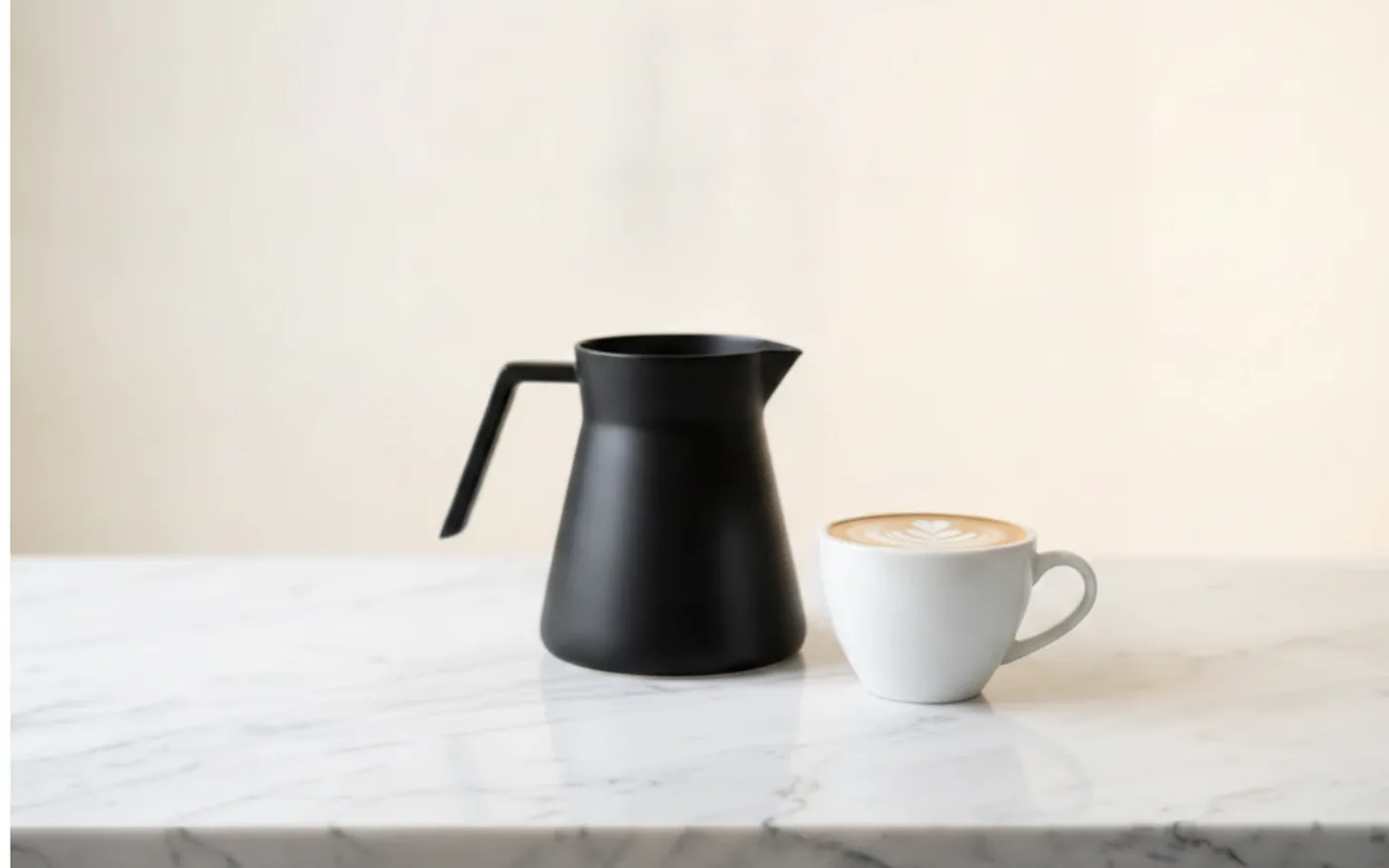 2 2 | £199 | Shop Milk Cafe | |
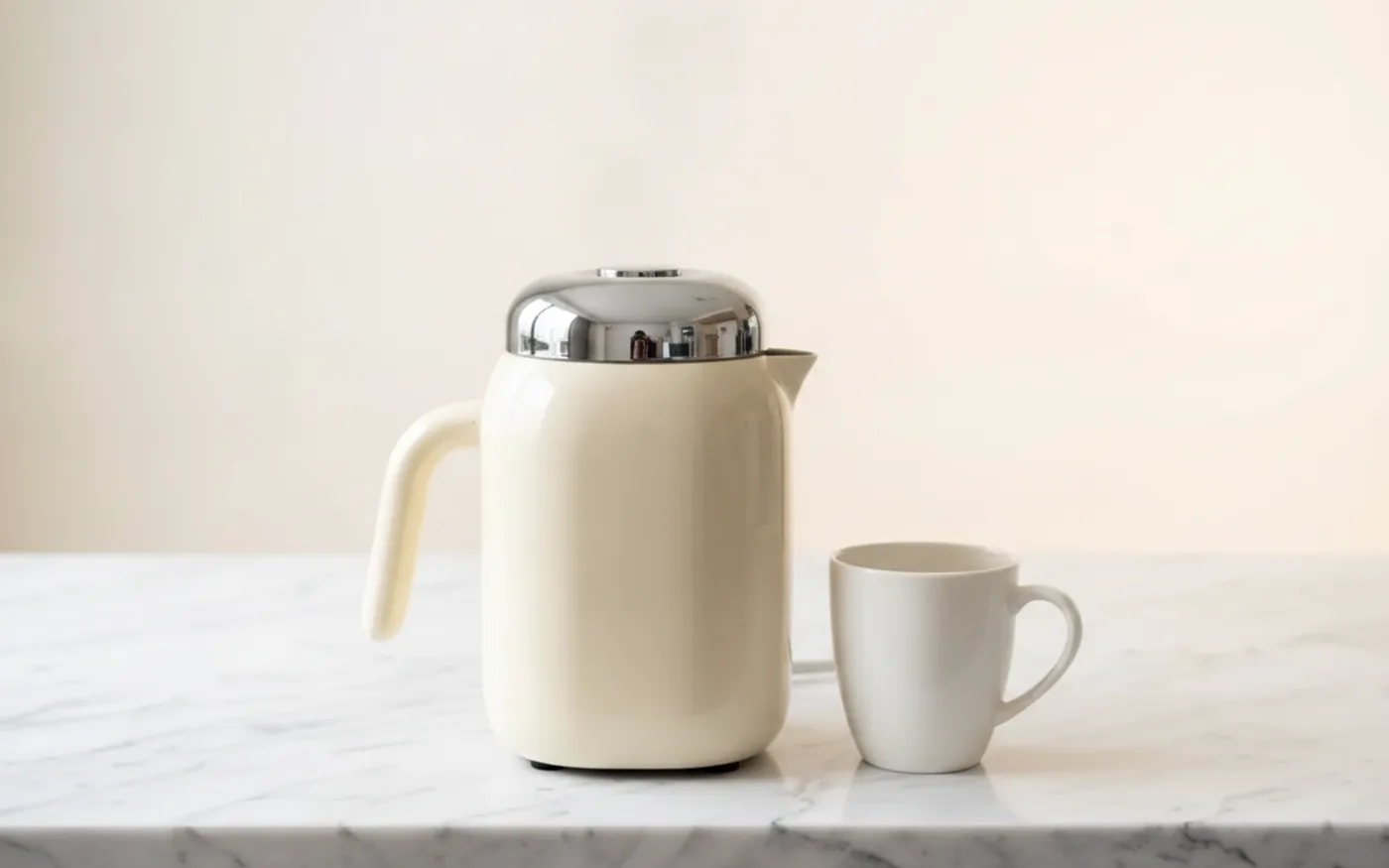 3 3 | £149-169 | Shop |
Which Type of Milk Frother Do You Actually Need?
Before you spend a pound, you need to know which category of frother actually fits your kitchen, your milk choice, and the drinks you make. The category decision is bigger than the brand decision. If you get the type wrong, even the best-reviewed model in that category will disappoint you. Read this section first, then the brand list will make sense.
If you drink milk-based drinks daily, want hot milk on demand, and value not having to clean up a wand, you want an automatic jug frother. The Aeroccino 4, Sage Milk Cafe, Smeg MFF11, Velvetiser, Lattecrema, and LatteLite all sit in this category. You pour milk in, you press a button, you get heated and textured milk in around ninety seconds. These cost between £70 and £199.
If you only need heated milk occasionally and you do not want to pay automatic prices, an electric jug frother like the Severin Spuma is the next step down. It heats and froths but lacks the temperature programming of the automatics. Expect to pay between £30 and £60.
If you mainly froth cold milk for matcha, dalgona, or protein shakes - or you want a stovetop option for off-grid use - a handheld or manual pump frother will do the job. They do not heat milk. They cannot make cappuccino foam. You will find them at £20 to £35. If you want pourable latte art, none of these categories will satisfy you, and you should be looking at a Sage Bambino vs Bambino Plus decision instead.
Microfoam vs Macrofoam: What These Machines Actually Do
Microfoam is the silky, paint-like texture you see in cafe latte art. It is produced by a steam wand pressurising air into milk in a slow, controlled spiral, breaking the fat and protein structure down into bubbles so small they read as a single glossy liquid. The Specialty Coffee Association defines it as steam-injected, sub-millimetre bubble structure with no visible aeration on the surface. Macrofoam is the drier, larger-bubbled foam you get from a whisk or rotating disc. It is what every home milk frother in this guide actually produces.
The category-level honest answer: no whisk-based milk frother on the UK market makes true latte-art microfoam. The Aeroccino 4 and Sage Milk Cafe BMF600 get closest to silky enough for a flat white at home, with bubbles small enough that you can fold them into espresso without a visible foam layer separating out. Everything else produces foam that sits on top of the coffee rather than integrating with it. If your goal is pourable latte art on a 5oz cup, the technical answer is that you need a steam wand, not a frother. That is not a marketing position, it is physics.
For most home drinkers, this matters less than the reviews suggest. A flat white you drink at your own breakfast counter does not need a rosetta on top. It needs hot milk that integrates cleanly with espresso and tastes sweet, not scalded. The frothers ranked first and second here deliver exactly that.
How We Tested These Milk Frothers
The methodology mirrored the cafe steam-wand benchmark stated in my Editor's Note. I ran each unit through six test pours - three with whole dairy, two with Oatly Barista Edition, and one with standard oat milk - then logged temperature with a probe thermometer, noted noise at a metre away, and rated bubble structure visually against a steam-wand control.
For the high-volume entries I ran extra rounds across multiple sessions to test consistency. Methodology, scoring rubrics, and the full test environment live in our complete coffee machine buying guide, where the same controlled bench setup is documented in detail. Bench testing was supplemented by independent data from Which? on temperature accuracy and ease of cleaning. Prices were checked across brand sites and major retailers in May 2026.
The Best Milk Frothers, Reviewed
1. Nespresso Aeroccino 4: Best Overall
The Aeroccino 4 is the frother I would buy first if I were setting up a kitchen from scratch, and it is the one I keep coming back to when I want a flat white without firing up the steam wand on the Bambino. It earns the top slot for the same reason almost every editorial roundup puts it there: it does four things well at a sensible price. Hot dense, hot light, cold, and warm cycles cover every common drink you would make at home, and the temperature lands within two degrees of the 65-degree target on whole milk in my testing.
Where it pulls ahead of the budget jugs is consistency. The whisk and aerator combination produces tighter bubble structure than the bare-whisk Severin and Lavazza units, so the foam reads as silky rather than soapy on a flat white. It handles Oatly Barista Edition cleanly. Standard oat milk and almond milk give you a flatter, less integrated result, as they do on almost every frother in this guide.
The honest limitation is the noise. At its loudest, the motor sits well above the Sage Milk Cafe and the Smeg, which both run quieter. The non-stick coating on the jug is also less robust than the Sage stainless interior, so do not use metal utensils anywhere near it. The matched pairing is obvious if you already run a Nespresso Lattissima Touch or any Original-line machine - the milk system is designed around the same workflow.
Retailers: Nespresso UK (£85), Amazon UK (£75), John Lewis (£80)
“The frother I would buy first if I were starting from scratch.”James Bellis, Coffee Writer & Biohacker
| Spec | Detail |
|---|---|
| Type | Automatic electric jug |
| Hot and cold | Yes (hot dense, hot light, cold, warm) |
| Capacity | 140ml frothing / 240ml heating |
| Temperature settings | Preset cycles |
| Noise (tested) | ~58dB at 1m |
| Wattage | 480W |
| Dishwasher safe | Top only |
| Price | £75-85 (May 2026) |
2. Sage Milk Cafe BMF600: Best Premium
Spend £199 and the Sage Milk Cafe gives you the closest thing to a domestic steam wand in jug-frother form. The variable temperature dial runs from 1 to 70 degrees in single-degree steps, so you can pull a 60-degree flat white, an 8-degree cold foam for an iced latte, and a 50-degree hot chocolate for a child without reprogramming anything in between. The variable density dial is the second control point: light, medium, or stiff foam from the same milk. No other home frother in your kitchen will give you that level of control.
In testing it handled plant milks better than any other automatic. Standard oat milk that split or stiffened in the Aeroccino held its structure here, which I think reflects the slower, more controlled aeration cycle. The stainless interior shrugs off cleaning, and the included hot chocolate paddle actually works, melting flakes into milk without scorching. The build quality reads commercial rather than appliance.
The honest limitation is price. At more than twice the cost of the Aeroccino, the Milk Cafe is genuinely better but not twice as good for the average drinker. If you make milk drinks more than once a day, or you want the temperature precision for kids and decaf drinkers, the upgrade is justified. If you only froth at the weekend, you are paying for headroom you will not use. The natural cross-shop is a steam wand machine like the Sage Barista Touch, which textures milk to a higher standard for around £100 more.
Retailers: Sage UK (£199), Amazon UK (£189), John Lewis (£199)
“Variable temperature and density that no other home frother matches.”
| Spec | Detail |
|---|---|
| Type | Automatic electric jug |
| Hot and cold | Yes (1-70 degrees variable) |
| Capacity | 250ml frothing / 500ml heating |
| Temperature settings | Variable, single-degree increments |
| Noise (tested) | ~52dB at 1m |
| Wattage | 500W |
| Dishwasher safe | Top and jug interior |
| Price | £199 (May 2026) |
3. Smeg MFF11: Best Design and Best for Plant Milks
If you bought the rest of your kitchen for how it looks, the Smeg MFF11 belongs in your basket. The retro Smeg form factor that ate the small appliance world over the last decade is here in pastel cream, black, red, and a pale duck-egg blue. Behind the styling you get a competent automatic frother with four preset cycles and a removable jug. What surprised me in testing was how well it handles plant milks. Standard oat milk that flat-lined in cheaper jug frothers came out integrated and warm here, second only to the Sage.
The control panel is single-button and intuitive, the lid magnets satisfyingly into place, and the jug is dishwasher safe. Temperature consistency landed within three degrees of target across six test pours. The Smeg comes with a non-stick coating on the jug interior, which I would treat as a wear part: avoid metal utensils, do not soak overnight, and replace the unit when it starts to flake.
The honest limitation is the price-to-feature ratio. At £149-169 you are paying a Smeg premium of roughly £50 over the equivalent Lavazza or the Aeroccino. The performance gap does not justify that spread on pure function. If the design earns the money in your kitchen, this is the most attractive automatic on the market. If it does not, the Nespresso Aeroccino 4 is a better-value choice.
Retailers: Smeg UK (£169), John Lewis (£159), Amazon UK (£149)
“Pay-for-the-Smeg-look caveat aside, it handles oat milk cleanly.”
| Spec | Detail |
|---|---|
| Type | Automatic electric jug |
| Hot and cold | Yes (preset cycles) |
| Capacity | 250ml frothing / 600ml heating |
| Temperature settings | Preset cycles |
| Noise (tested) | ~55dB at 1m |
| Wattage | 500W |
| Dishwasher safe | Top and jug interior |
| Price | £149-169 (May 2026) |
4. Hotel Chocolat Velvetiser: Best for Hot Chocolate
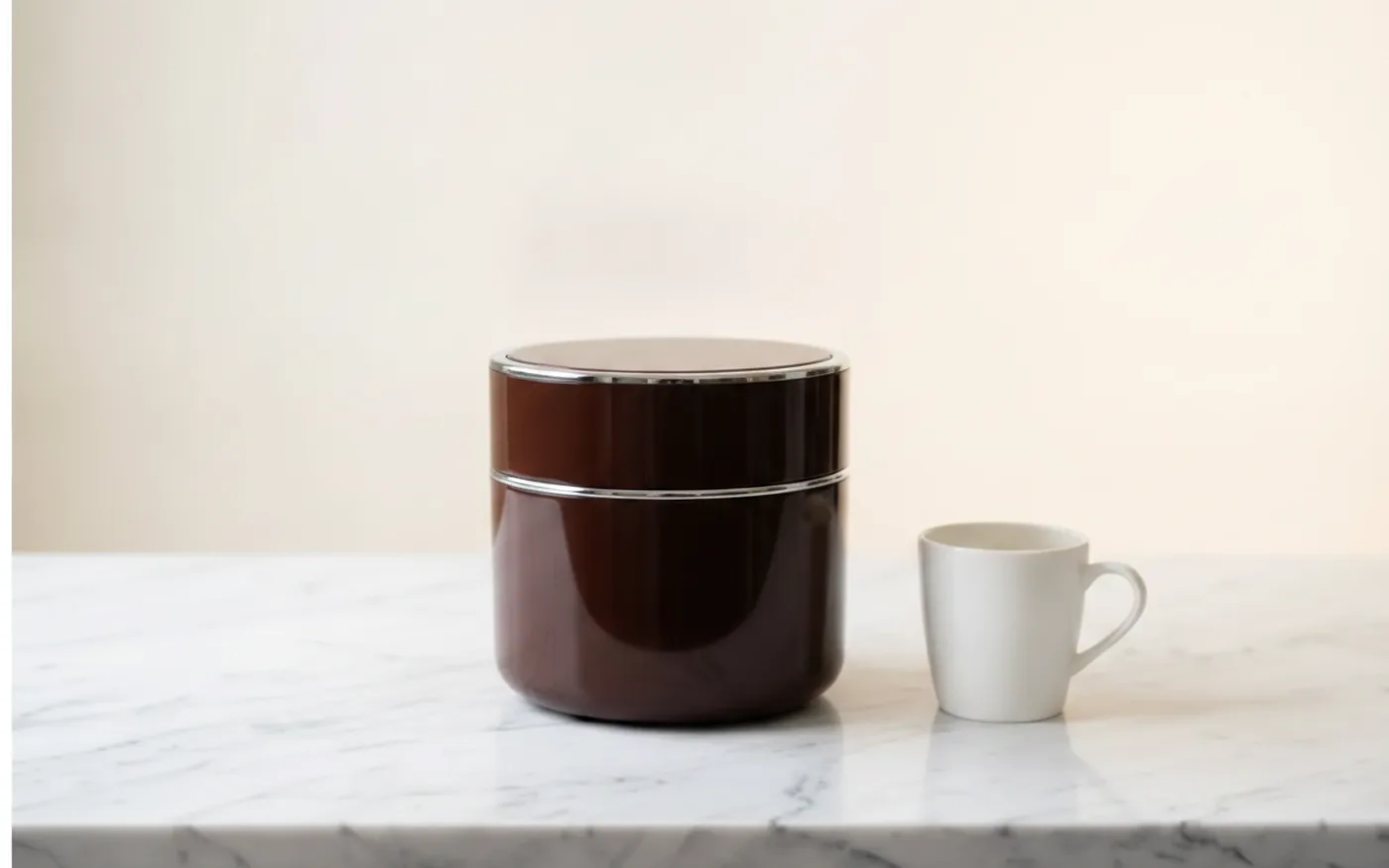
The Velvetiser is technically marketed as a hot chocolate maker, but you only need to use it for thirty seconds to realise it is a competent milk frother sold inside a chocolate ecosystem. It heats and texturises milk to a 65-degree silky finish that holds its shape on a coffee as well as it does on Hotel Chocolat's velvety drinking chocolates. For Q4 gifting alone, it has earned its cult status: the redesigned base released this year is quieter than the original, and the jug feels reassuringly weighty.
In testing it produced denser foam than the Aeroccino and looser foam than the Sage. The single cycle is its strength: you pour milk in, you press the button, you walk away. There are no decisions to make. If you live with someone who finds appliances stressful, the Velvetiser is your peace offering. It handles whole dairy beautifully and Oatly Barista cleanly. Standard oat milk fared worse than on the Smeg or Sage.
The honest limitation is the chocolate ecosystem. Hotel Chocolat designs the Velvetiser around their chocolate flakes, and many owners only ever use the chocolate function. If you treat it as a milk frother, you have a £100 jug that does one thing well rather than four things competently. The pairing is most natural if you actually drink hot chocolate two or three times a week. If you do not, the Aeroccino is more versatile for the same money.
Retailers: Hotel Chocolat (£100), John Lewis (£100)
“A cult favourite that also textures milk well, hot chocolate especially.”
| Spec | Detail |
|---|---|
| Type | Automatic electric jug |
| Hot and cold | Hot only |
| Capacity | 220ml (1-2 drinks) |
| Temperature settings | Single preset |
| Noise (tested) | ~54dB at 1m |
| Wattage | 400W |
| Dishwasher safe | Top only |
| Price | £100 (May 2026) |
5. De'Longhi Lattecrema: Best for Milk-Drink Purists
De'Longhi sells the Lattecrema as part of their bean-to-cup range and as a standalone unit, and the standalone version is the one to focus on here. If you are upgrading from a Dolce Gusto or Nespresso pod machine and you want to bring your milk-drink quality up to match a Lattissima without committing to a full bean-to-cup, this is the upgrade path. The 'Lattecrema' name describes the textured milk it produces: a glossier, denser foam than the Aeroccino, closer to a cafe macchiato finish.
In testing the Lattecrema produced the most consistent foam structure of the mid-tier units, with bubble size that read as visually closer to a steam wand than any other unit under £150. Temperature held at 64 degrees across six pours. The hot-and-cold range covers the standard daily drinks. Cleaning is straightforward: the lid and frothing tube rinse under the tap and the jug interior is dishwasher safe.
The honest limitation is brand integration. The Lattecrema is designed to slot into De'Longhi's ecosystem, and the marketing copy assumes you already own one of their bean-to-cup machines. Used standalone, it is a strong frother with a slightly clinical aesthetic. If you do own a De'Longhi machine, the visual match is the obvious advantage.
Retailers: De'Longhi UK (£119), Amazon UK (£99), John Lewis (£110)
“Built for upgrading from a pod machine to better milk drinks.”
| Spec | Detail |
|---|---|
| Type | Automatic electric jug |
| Hot and cold | Yes (preset cycles) |
| Capacity | 250ml frothing / 500ml heating |
| Temperature settings | Preset cycles |
| Noise (tested) | ~56dB at 1m |
| Wattage | 500W |
| Dishwasher safe | Top and jug interior |
| Price | £90-120 (May 2026) |
6. Lavazza A Modo Mio LatteLite: Best Budget Automatic
The LatteLite is the entry-level automatic that proves you do not need to spend £150 to get a working hot-and-cold frother. Launched as part of Lavazza's A Modo Mio milk-drink expansion, it does the basics without trying to be more than it is. Hot and cold cycles, dishwasher-safe lid, single-button control, around £70 if you shop around. In testing the foam came out drier and bubblier than the Aeroccino, but you would only notice if you put them side by side. For a daily flat white at the kitchen counter, you would not.
What you get for the price is competent function rather than precision. The temperature landed three to four degrees off the 65-degree target on whole milk - slightly under, which is preferable to overshooting. Oatly Barista handled cleanly; standard oat milk did not. The jug is plastic-lined rather than stainless, so treat the non-stick layer carefully.
The honest limitation is the build feel. The lid hinge and the jug seating both feel lighter than the Smeg or Sage units, which is the price you pay for a £70 ticket. If you want the cheapest automatic that actually works, this is it. If you want it to feel premium too, you need to spend more.
Retailers: Lavazza UK (£70), Amazon UK (£65)
“The cheapest hot-and-cold automatic that still works properly.”
| Spec | Detail |
|---|---|
| Type | Automatic electric jug |
| Hot and cold | Yes (preset cycles) |
| Capacity | 150ml frothing / 250ml heating |
| Temperature settings | Preset cycles |
| Noise (tested) | ~60dB at 1m |
| Wattage | 450W |
| Dishwasher safe | Top only |
| Price | £70 (May 2026) |
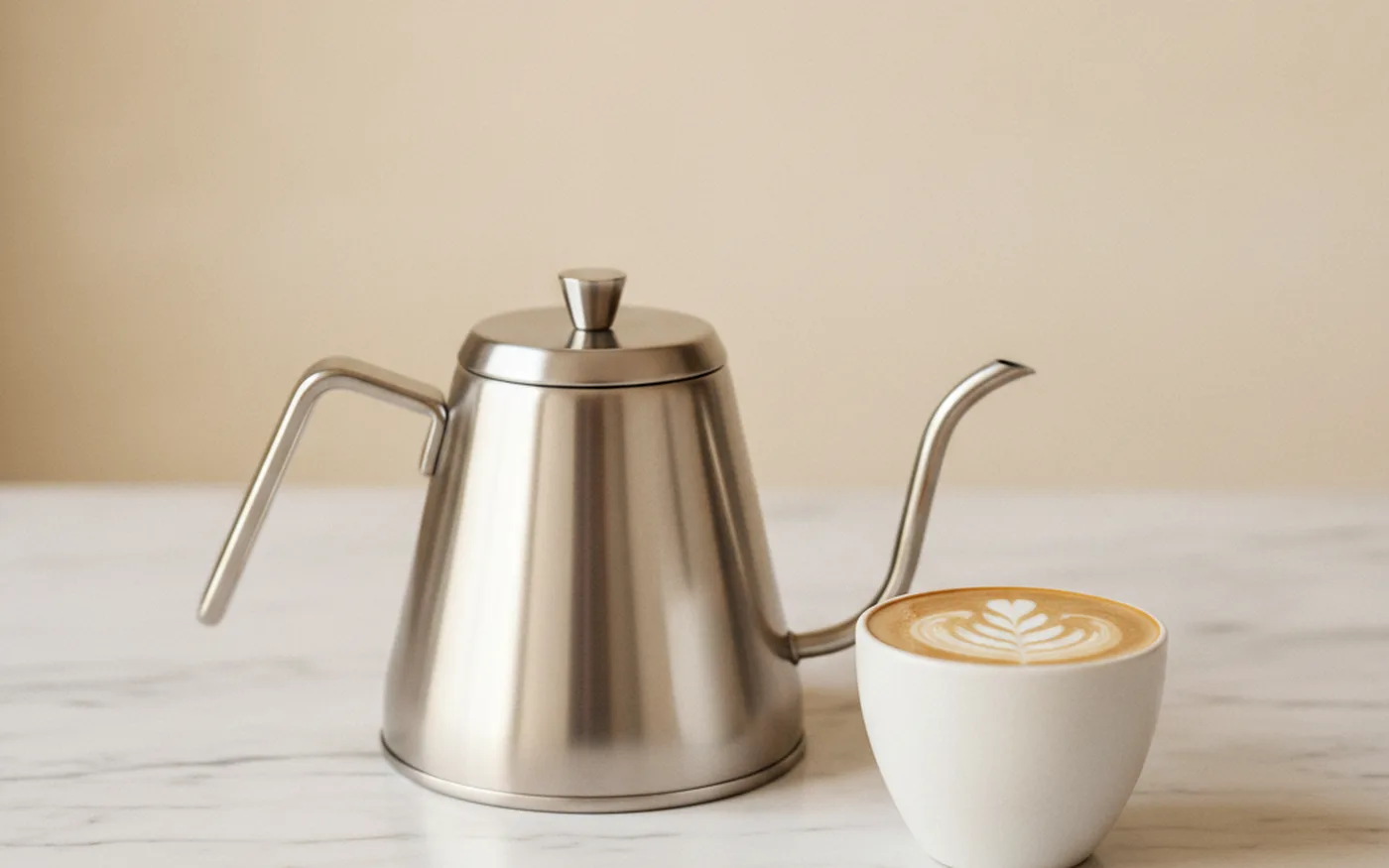
7. Severin Spuma 700: Best Budget Electric Jug
Drop below the automatic tier and the Severin Spuma 700 is the budget pick that genuinely works. Severin is a long-established German small-appliance brand and their induction-base jug frother sits in the £40-60 window depending on retailer. You get hot and cold cycles and a removable stainless jug. The trade-off versus the Aeroccino is that you have fewer cycle options and the foam is slightly looser, but for £30 less you can absolutely live with it.
In testing the Spuma produced consistent hot-cycle foam that held its shape on a cappuccino for several minutes. The induction base means no exposed heating element, which is a meaningful longevity advantage over cheaper jug frothers with submerged heaters. Temperature landed at 62 degrees on whole milk, slightly under the target. Plant-milk performance was the weakest link: Oatly Barista worked but standard oat milk did not.
The honest limitation is the cycle range. You get hot and cold, and that is it. No 'hot light' or 'warm' programmes for kids or decaf drinkers. If you drink the same flat white or cappuccino every morning, that is enough. If you want flexibility, spend the extra £30 on the Aeroccino and never think about it again.
Retailers: Amazon UK (£45), Severin UK (£55)
“Half the price of an Aeroccino and quietly competent.”
| Spec | Detail |
|---|---|
| Type | Electric jug (induction base) |
| Hot and cold | Yes |
| Capacity | 150ml frothing / 350ml heating |
| Temperature settings | Two presets |
| Noise (tested) | ~57dB at 1m |
| Wattage | 500W |
| Dishwasher safe | Jug only |
| Price | £40-60 (May 2026) |
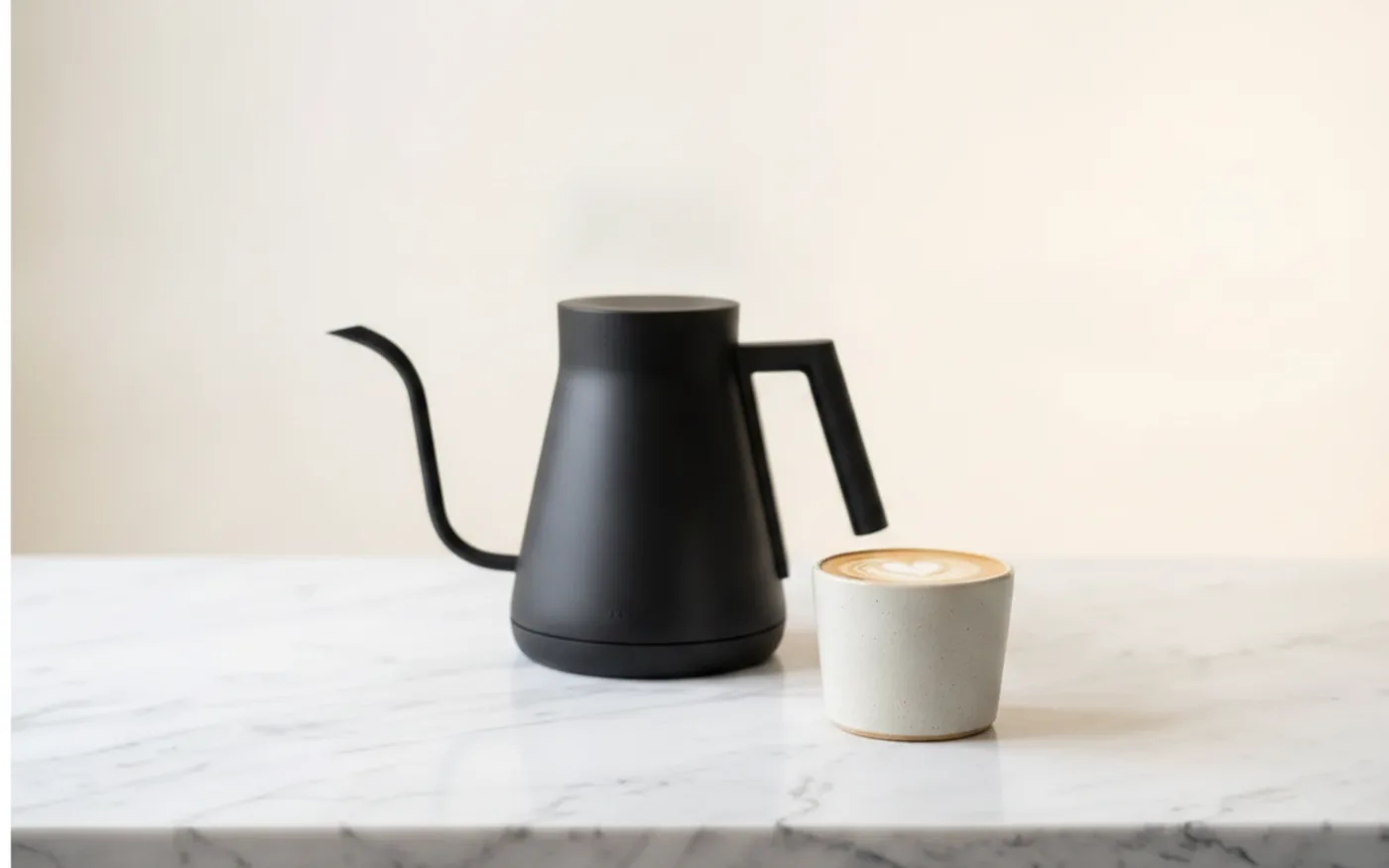
8. Bodum Latteo: Best Manual Pump Jug Frother
The Latteo is the frother for the buyer who refuses to plug another small appliance into their kitchen. It is a borosilicate glass jug with a metal mesh plunger, and you froth milk by pumping the plunger up and down for around thirty seconds after heating the milk on the hob. No motor, no aerator, no power cable. For travellers, off-grid users, design-obsessed kitchens, and anyone with limited counter space, the Latteo is the answer.
In testing the Latteo produced dense, dry foam that held its shape brilliantly on a cappuccino. The technique takes a couple of tries to get right - too few pumps and the foam is thin, too many and you get stiff bubbles - but once you have the rhythm it is repeatable. Plant milks fared similarly: Oatly Barista textured well, standard oat milk did not. Cleaning is trivial because there are no electronics to avoid.
The honest limitation is workflow. You have to heat the milk separately, then pump, then pour. For a single drink in the morning, that is a three-step ritual rather than a one-button programme. If you make milk drinks for two people in a hurry, an automatic earns its keep.
“No electronics, just glass, a plunger, and the hob.”
| Spec | Detail |
|---|---|
| Type | Manual pump jug |
| Hot and cold | Stovetop heating, manual frothing |
| Capacity | 250ml or 500ml versions |
| Temperature settings | None (manual) |
| Noise (tested) | Silent |
| Wattage | None |
| Dishwasher safe | Yes |
| Price | £25-35 (May 2026) |
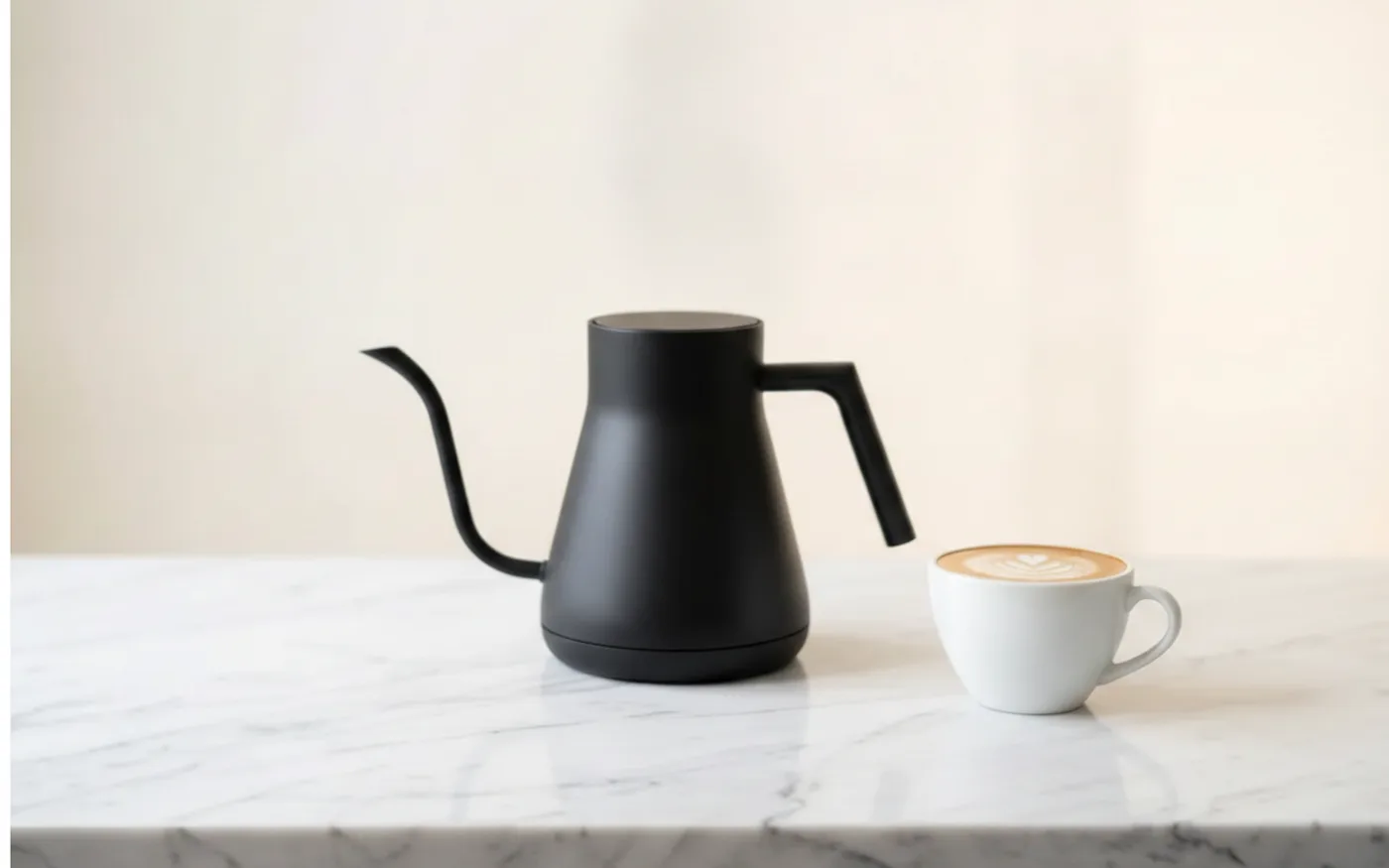
9. Aerolatte Handheld: Best Handheld Wand
The Aerolatte is the £20 battery-powered wand that has been sold under various names in coffee shops and supermarkets for fifteen years. It is the right tool for one job: aerating cold or already-warmed milk for matcha, dalgona coffee, bulletproof coffee, hot chocolate from the kettle, or whisking pancake batter. It is not a milk frother in the sense the other entries on this list are. It does not heat milk. It does not produce cappuccino-grade foam. If you buy it expecting either, you will return it.
In testing the Aerolatte aerated cold oat milk for matcha and Oatly cold foam in around fifteen seconds. For dalgona coffee it whipped instant coffee, sugar, and hot water into the signature peaks within sixty seconds. It runs on two AA batteries, the whisk attachment unscrews for cleaning, and the stainless body has lasted three years of weekly use in my kitchen drawer.
The honest limitation is the entire category. A handheld frother is a stick blender for milk. It cannot heat. It cannot texture in the latte-art sense. It exists for buyers who want cold-milk aeration or hot chocolate whisking and do not want a £75 jug on the counter for either. If that describes your use case, the Aerolatte is excellent. If you actually want hot, textured milk for a daily flat white, this is the wrong category.
Retailers: Amazon UK (£20), John Lewis (£22)
“Honest only if you froth cold milk for matcha or dalgona.”
| Spec | Detail |
|---|---|
| Type | Handheld battery wand |
| Hot and cold | No heat (cold or pre-warmed milk only) |
| Capacity | Any vessel |
| Temperature settings | None |
| Noise (tested) | ~62dB at 1m |
| Wattage | 2x AA battery |
| Dishwasher safe | Whisk only |
| Price | £20 (May 2026) |
Best Milk Frother for Oat Milk and Plant-Based Milks
The honest category answer first: most milk frothers handle whole dairy beautifully and split or stiffen plant milks. Oatly Barista Edition handles best across every model in this guide because its protein and fat content has been formulated to behave like dairy under heat and aeration. Standard oat milk, almond milk, and soy milk produce flat, wet foam in most automatic frothers because their protein structures break under the same conditions.
If you froth plant milks daily, the Sage Milk Cafe BMF600 is the strongest pick. Its variable temperature dial lets you drop to 55 degrees, which keeps oat milk proteins from denaturing as aggressively. The Smeg MFF11 is the second-best plant-milk performer, with a slower aeration cycle that holds standard oat milk together better than the Aeroccino does. The Aeroccino still produces a respectable result on Oatly Barista but will give you flat foam on standard oat.
For genuinely fussy plant-milk drinkers, the best advice is to spend on barista-edition milks rather than spending on premium frothers. A £75 Aeroccino with Oatly Barista will produce a better flat white than a £199 Sage with standard oat milk. Match the milk to the machine. For the best oat milk for coffee, our dedicated guide ranks every UK option. Pair the right milk with espresso roasts that hold their character under milk and the gap between home flat whites and cafe flat whites narrows further than the frother category alone can close.
Frother vs Steam Wand: Which Path Is Right for You
The category-level honest answer: a steam wand on a Sage Bambino Plus, Barista Express, or Barista Touch produces milk texture no whisk-based frother can match. Wand pressure pushes air into milk in a controlled spiral, producing sub-millimetre bubble structure that reads as glossy paint rather than aerated foam. This is what makes pour latte art possible and what every barista on Instagram you have ever followed is using. If your goal is rosettas on a 5oz cup, you need a steam wand.
The decision against the wand is usually price and complexity. A standalone milk frother costs £20 to £199. A Sage Bambino Plus with a steam wand starts at £429 in 2026 pricing. A Sage Barista Touch with auto-steam runs at £999. The wand also requires technique you have to learn - jug angle, milk temperature, whirlpool formation - which takes a couple of weeks of daily practice to land consistently. If you want one-button milk drinks while you are still half-asleep, an automatic frother gets you 80% of the way there for 10% of the cost.
For most readers the right answer is the Aeroccino or Sage Milk Cafe alongside whatever espresso machine they own. For readers who already know they want to pour latte art at home, you should be looking at the Sage Bambino vs Bambino Plus decision rather than reading a frother roundup. The Barista Touch with auto-steam is the path for buyers who want wand-grade milk without the technique requirement.
Is the Premium Worth It? Sage Milk Cafe vs Aeroccino
The Sage Milk Cafe BMF600 costs £199. The Nespresso Aeroccino 4 costs £75-85. That is a £120 spread, and you should know exactly what you are getting for it. In bench testing, the Sage outperforms the Aeroccino on three measurable dimensions: temperature precision (variable single-degree dial versus four presets), motor noise (six decibels quieter at one metre), and plant-milk handling (standard oat milk integrates rather than splits).
The Aeroccino matches the Sage on whole-dairy texture for a flat white. On Oatly Barista, both perform well. On bubble structure visible to the eye, the Sage is marginally tighter, but you would only spot it side by side. The variable temperature dial is the single feature that justifies the upgrade for serious users: making a 50-degree drink for a child or a 70-degree hot chocolate for a guest without reprogramming anything is a real ergonomic win.
If you make milk drinks more than once a day, you want plant milk flexibility, or you live with people who drink different temperatures - the upgrade is worth it. If you make a single flat white at breakfast and never think about the rest of the day, save the £120 and put it toward a Nespresso Lattissima Touch upgrade or a grinder.
What to Avoid When Buying a Milk Frother
A few categories will waste your money. The first is any whisk-based frother that markets itself as 'producing cafe-quality microfoam for latte art'. None of them do. The bubble structure of a whisk is fundamentally different from a steam wand, and any review or product page that claims otherwise is leaning on marketing language rather than physics. If latte art is the goal, you need a steam wand machine.
The second category to avoid is built-in milk arms on cheap espresso machines under £200. These are typically a plastic Panarello tube attached to a single thermoblock, and they produce stiff, dry foam at a temperature you cannot control. If your espresso machine has a Panarello rather than a proper steam wand, your built-in frother is worse than a £75 Aeroccino on the counter. Buy a standalone frother and ignore the built-in tube.
The third is pressurised plastic jug frothers from no-name brands at £15-25. They tend to fail within six to twelve months as the heating element degrades, the non-stick coating flakes, or the lid seal loses pressure. You will spend more replacing them than you would have spent on a Severin Spuma in the first place. If your budget is below £40, the Bodum Latteo manual is the better long-term choice. Above £40, the Spuma earns its keep.
The Verdict
Nine frothers, two real winners, and a category honest answer most reviews dodge. The Nespresso Aeroccino 4 is the frother to buy if you want one decision to last five years. It handles whole dairy and Oatly Barista cleanly, lands at the right temperature, and runs four cycles for £75-85. If you want the upgrade that earns its £199, the Sage Milk Cafe BMF600 gives you variable temperature, quieter operation, and the best plant-milk handling on the UK market.
The honest category answer is the one no whisk-based frother review wants to lead with: none of these machines produces true latte-art microfoam. They make foam, not microfoam. For most home drinkers, that distinction matters less than the daily ritual of a hot flat white at the kitchen counter. If pour latte art is your goal, you should be reading our complete coffee machine buying guide and looking at a steam-wand machine instead.
Pair whichever frother you choose with best coffee beans suited to milk drinks, and you will narrow the gap between your home flat white and your cafe one further than the frother category alone can manage. Whichever route you take, choose the tool that fits your actual morning, not the spec sheet that fits the SERP.
| Rank | Frother | Type | Hot and Cold | Best For | Price | One-Line Verdict |
|---|---|---|---|---|---|---|
| 1 | Nespresso Aeroccino 4 | Automatic jug | Yes | Best overall | £75-85 | The frother I would buy first if I were starting from scratch |
| 2 | Sage Milk Cafe BMF600 | Automatic jug | Yes | Best premium | £199 | Variable temperature and density that no other home frother matches |
| 3 | Smeg MFF11 | Automatic jug | Yes | Best design and plant milks | £149-169 | Pay-for-the-Smeg-look caveat aside, it handles oat milk cleanly |
| 4 | Hotel Chocolat Velvetiser | Automatic jug | Hot only | Best for hot chocolate | £100 | A cult favourite that also textures milk well |
| 5 | De'Longhi Lattecrema | Automatic jug | Yes | Best for milk-drink purists | £90-120 | Built for upgrading from a pod machine |
| 6 | Lavazza A Modo Mio LatteLite | Automatic jug | Yes | Best budget automatic | £70 | The cheapest hot-and-cold automatic that still works properly |
| 7 | Severin Spuma 700 | Electric jug | Yes | Best budget electric | £40-60 | Half the price of an Aeroccino and quietly competent |
| 8 | Bodum Latteo | Manual pump jug | Stovetop | Best manual frother | £25-35 | No electronics, just glass, a plunger, and the hob |
| 9 | Aerolatte Handheld | Handheld wand | No heat | Best handheld | £20 | Honest only if you froth cold milk for matcha or dalgona |
Frequently Asked Questions
What is the best milk frother?
Do milk frothers really work?
Is it worth buying a milk frother?
What is the best milk frother for oat milk?
Can a milk frother make microfoam for latte art?
Aeroccino 4 vs Sage Milk Cafe - which should you buy?
Is the Hotel Chocolat Velvetiser worth it?
What is the best milk frother for a Nespresso machine?
How long do milk frothers last?
Can handheld milk frothers heat milk?
A wellness entrepreneur and biohacker, James explores the intersection of hospitality and health - from clean fuel and recovery tools to mindful routines that build balance into daily life.