PhD Creatine Review 2026: Tested and Rated by a Nutritionist
Hands-on nutritionist verdict on PhD Nutrition: dose, sourcing, taste and whether it earns its price.
Table of Contents
Some of the links in this article are affiliate links, which help fund our independent review work at no extra cost to you. Every recommendation is based on hands-on testing through The Editor Lab methodology. No brand pays to appear, and no placement is guaranteed.
Our verdict: a correct-dose, clean-mixing monohydrate at a mid-market price, held back by the absence of Informed Sport certification.
The question most people type before buying PhD Nutrition creatine is not really "is it good?" It is "is it worth more than the cheaper tub next to it?" That is the honest version, and it is the one that a nutritionist can actually answer.
I am Clemmie Rose, holding a Diploma in Nutritional Therapy from the College of Naturopathic Medicine, with clinical roles at The Kyros Project at Google DeepMind. This review covers the PhD Nutrition creatine monohydrate on the only criteria that matter: clinical dose, form, third-party testing status, mixability, and price per serving. Brand recognition does not feature in the scoring.
PhD Nutrition Creatine: The Verdict
Score: 7.5 out of 10. PhD Nutrition Micronised Creatine Monohydrate gets the formula right - 5g of monohydrate, micronised, unflavoured, widely available - and then leaves certification on the table. That gap is the entire tension in this review.
The verdict depends on what you are comparing it against. Against other mainstream UK sports nutrition brands at a similar price, PhD Nutrition creatine holds its own. Against specialist monohydrate from dedicated supplement brands, the premium is harder to justify on formula alone.
Who it is for: gym-goers and recreational athletes who already buy PhD Nutrition protein and want a consistent brand experience across their supplement stack. Who it is not for: buyers whose only criterion is cost per serving, or competitive athletes who require certified batch testing.
Overall score: 7.5/10
| Criterion | Score | Notes |
|---|---|---|
| Dose | 9/10 | 5g monohydrate - clinically effective |
| Form | 9/10 | Monohydrate - strongest evidence base |
| Third-party testing | 4/10 | Not Informed Sport certified on standard tub |
| Taste and mixability | 8/10 | Unflavoured, dissolves cleanly |
| Price and value | 6/10 | Premium over specialist monohydrate without testing uplift |
How We Rated It
Every PhD Nutrition creatine review on this site follows the same rubric, applied consistently across the creatine cluster. Five criteria. No brand-loyalty weighting.
Dose asks a binary question: does the product deliver 5g of creatine monohydrate per serving? This is the dose supported by the International Society of Sports Nutrition position stand on creatine supplementation, published in the Journal of the International Society of Sports Nutrition. Products that under-dose, split the dose across multiple servings, or blend multiple forms get marked down here.
Form scores the creatine type against the evidence hierarchy. Monohydrate has the most clinical trial data by a significant margin. Proprietary forms (Kre-Alkalyn, creatine HCl, buffered creatine) carry a marketing premium without a consistent performance advantage in head-to-head trials. See the creatine monohydrate vs hcl comparison for the full form breakdown.
Third-party testing scores whether the batch has been tested by an independent body - Informed Sport, NSF Certified for Sport, or Cologne List. This matters for competitive athletes under WADA or UK Anti-Doping jurisdiction, but it also matters as a quality signal for anyone who wants verified purity rather than a label claim.
Taste and mixability scores the practical daily experience. Unflavoured monohydrate should dissolve in cold water without clumping or grit. Flavoured variants get scored on taste accuracy and sweetener choice.
Price and value is cost per serving compared to functionally equivalent alternatives - specifically unflavoured monohydrate at the same or similar dose.
Dose and Form
Does PhD Nutrition creatine hit the right dose? Yes - 5g of creatine monohydrate per serving, which is the clinically effective amount. The European Food Safety Authority has assessed creatine and concluded that 3g per day contributes to physical performance in short-duration, high-intensity exercise. The ISSN position stand sets daily maintenance at 3-5g, with 5g as the standard single-serving recommendation across clinical literature.
PhD uses micronised monohydrate. Micronisation reduces particle size, which improves water dispersal and reduces the gritty texture common in non-micronised powders. It does not change the creatine molecule or its uptake - the physiological effect is identical to standard monohydrate. The micronisation argument is one of practicality, not performance.
For anyone considering a different form, creatine monohydrate vs hcl is the comparison that comes up most often. The short answer: monohydrate has decades of peer-reviewed trial data behind it. HCl has a smaller dose-per-serving claim and some early studies, but the head-to-head evidence does not support paying the premium. PhD's choice of monohydrate is the correct one from an evidence standpoint.
One note on creatine loading: the loading protocol (20g per day for five to seven days) is supported by evidence as a way to saturate muscle creatine stores faster, but it is not required. The BDA position on creatine supplementation confirms that daily maintenance at 3-5g reaches the same saturation level over three to four weeks without the loading phase. PhD's recommended usage on the tub aligns with standard guidance.
Sourcing and Third-Party Testing
This is where the PhD Nutrition creatine story gets more complicated, and where buyers need to read carefully.
At the time of writing, the standard PhD Nutrition Micronised Creatine Monohydrate tub does not carry Informed Sport certification. Informed Sport batch-tests sports supplements at an accredited laboratory and screens for substances prohibited under WADA regulations. A certified product has a batch-specific test result attached to it, not a brand-level promise.
PhD Nutrition does offer Informed Sport-certified products across its range - including some protein powders. The creatine monohydrate in the standard tub does not currently carry that badge. This matters for two groups of buyers: competitive athletes who carry the legal burden of strict liability under anti-doping rules, and general consumers who use third-party testing as a proxy for purity verification.
The PhD Nutrition website lists GMP (Good Manufacturing Practice) manufacturing as a quality standard. GMP covers process controls, not product testing. It is a prerequisite for any legitimate supplement manufacturer, not a differentiator. If Informed Sport certification changes on this product, that would meaningfully upgrade the score in the testing category.
For competitive athletes, the best creatine roundup covers the full field including certified options. For recreational gym-goers, the absence of certification is less critical - the dose and form are correct regardless - but it is worth knowing.
Taste, Mixability, and Everyday Use
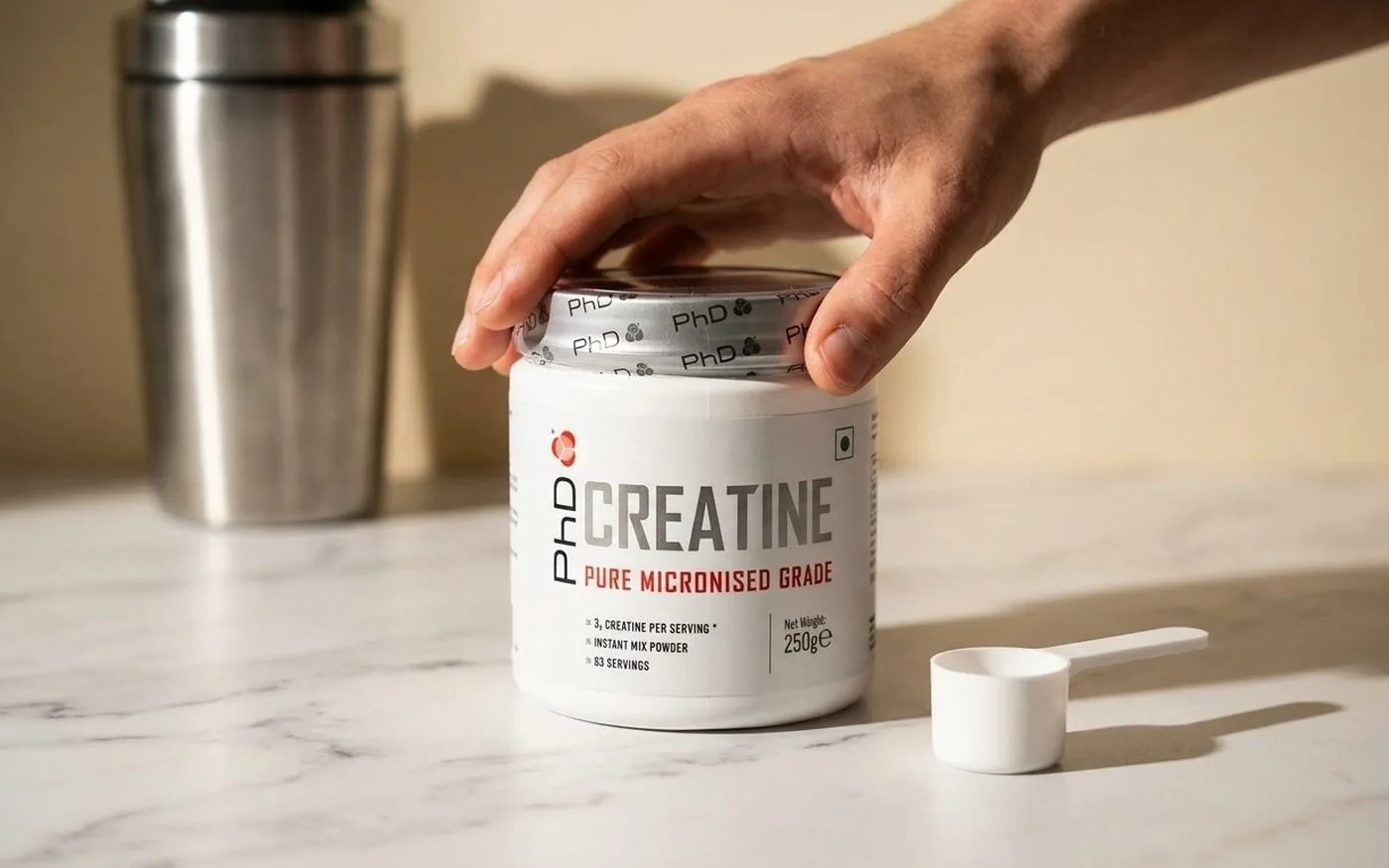

PhD Nutrition creatine comes in unflavoured format as the standard option. There are flavoured variants - including fruit punch - though unflavoured is the most widely stocked and the default for most buyers.
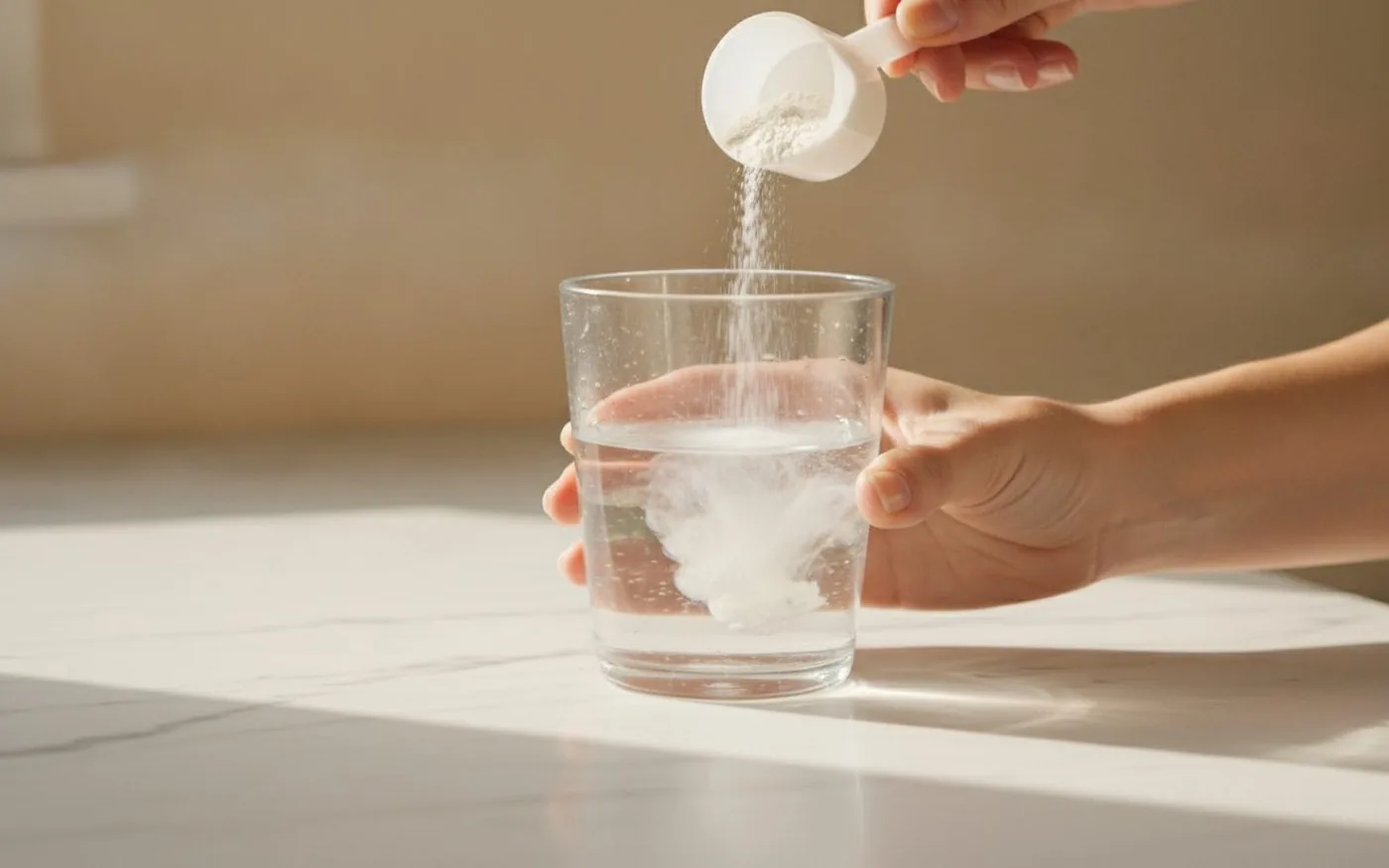
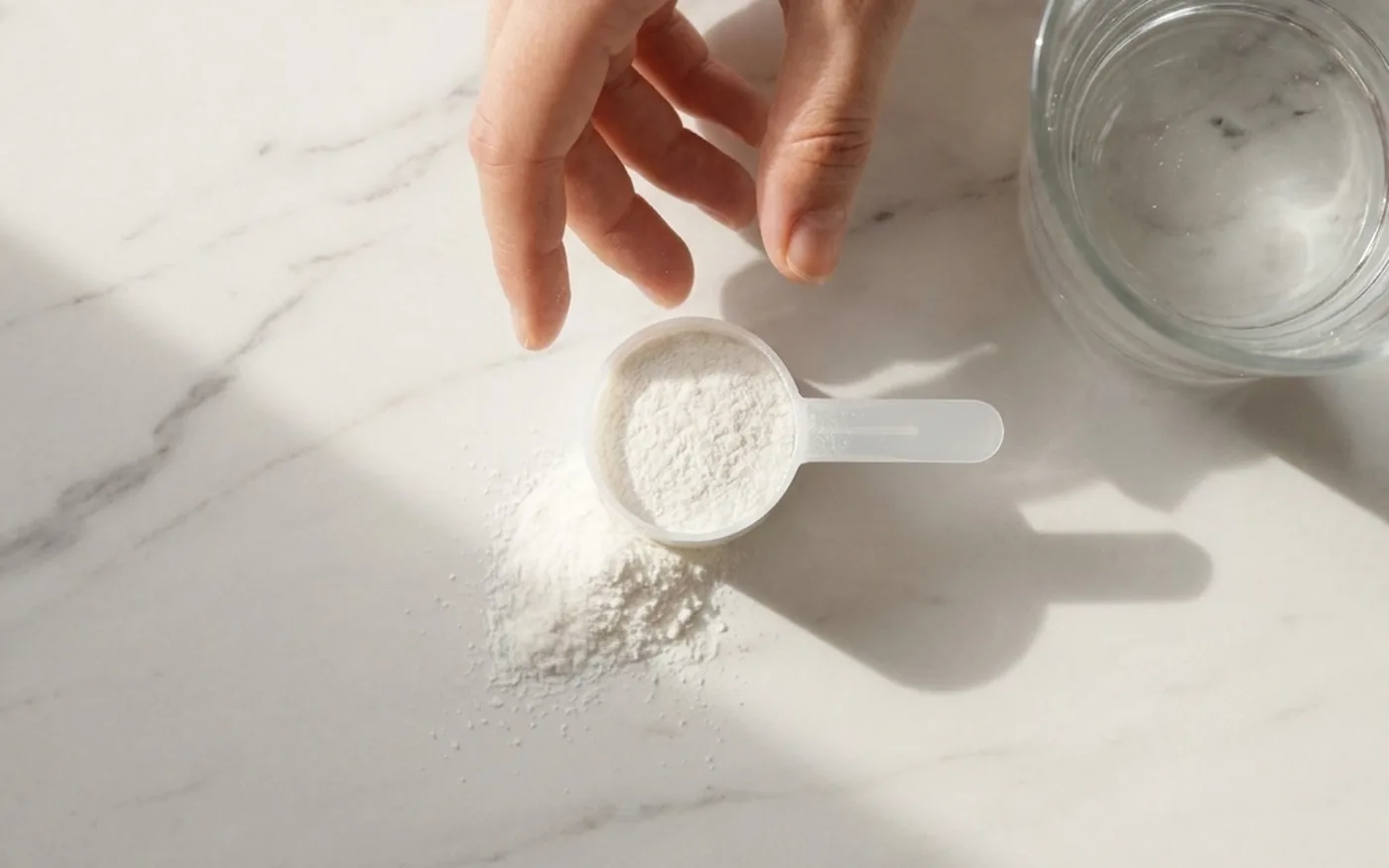
The unflavoured monohydrate dissolves reliably in cold water. A single 5g scoop mixed with 200-250ml produces a clear, slightly cloudy liquid with no grit and no detectable taste. It can be added to a protein shake, a glass of juice, or plain water without altering the flavour profile of the drink. For daily use alongside best lions mane coffee uk or a morning functional drink, the unflavoured format stacks cleanly.
One expectation to set: flavoured creatine is not a shake. It is a thin drink. Buyers who pick up a flavoured option expecting a thick, protein-shake-style texture will be disappointed. The powder volume is low (5g), the liquid volume is relatively high, and the result is a lightly flavoured water. That is normal for any monohydrate - PhD is not unusual here - but it catches some first-time creatine buyers off guard.
The scoop is included in the tub and is an accurate 5g measure. Consistent daily dosing is straightforward. The tub sizes available (250g and 500g depending on retailer) provide 50 and 100 servings respectively. The 500g format is the better value buy by serving cost.
Price and Value vs Alternatives
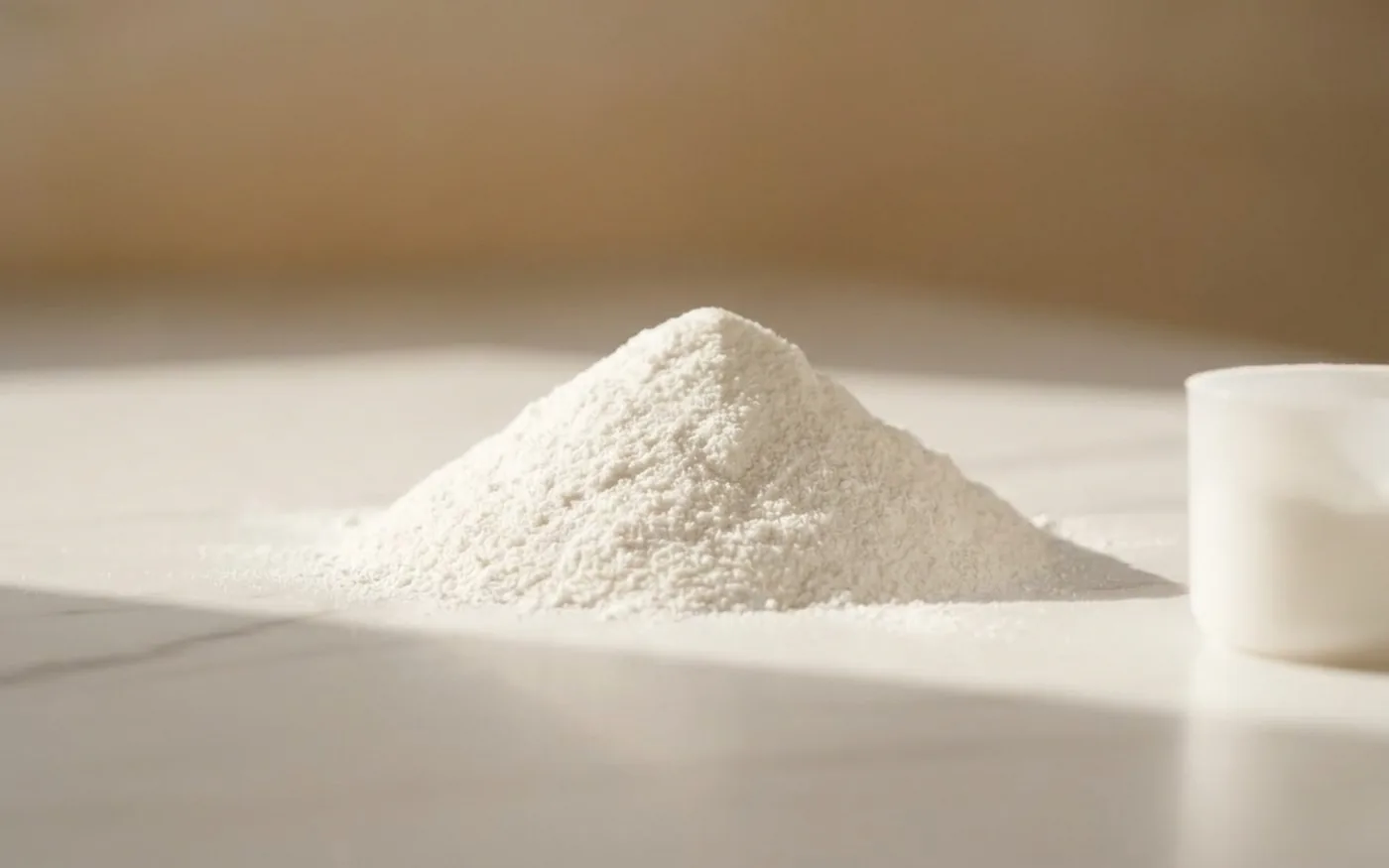
This is the section that decides whether PhD Nutrition creatine is the right choice for you.
At current UK retail prices, PhD Nutrition creatine monohydrate runs at approximately £0.25-0.30 per serving for the standard tub. This puts it in the mid-tier of the UK creatine market - more expensive than own-brand or basic monohydrate from warehouse-style supplement retailers, less expensive than specialist brands carrying Informed Sport certification or Creapure sourcing.
| Product | Form | Certified | Cost per Serving (est.) |
|---|---|---|---|
| PhD Nutrition Creatine | Monohydrate | No | from £0.26 |
| Bulk Creatine Monohydrate | Monohydrate | No | from £0.08 |
| Optimum Nutrition Creatine | Monohydrate | No | from £0.22 |
| MyProtein Creatine | Monohydrate | No | from £0.10 |
| Kinetica Creatine | Monohydrate | Informed Sport | from £0.35 |
The honest comparison: creatine monohydrate is creatine monohydrate. The active ingredient is identical across all unflavoured monohydrate products dosed at 5g. The PhD premium over budget options buys you brand consistency, a recognisable product on shelf, and the quality of a large UK manufacturer. It does not buy Creapure-sourced raw material - the standard powder does not carry the Creapure badge (PhD offers separate Creapure capsules, but that is a different product) - and it does not buy independent batch certification.
For the best creatine for women or anyone prioritising purity verification, the extra £0.05-0.10 per serving for a certified product is a better allocation of budget than paying for a mainstream brand name. For buyers who already have a trusted relationship with PhD Nutrition's other products and want to keep their supplement stack with one brand, the price is reasonable.
FRICTION MOMENT: The assumption that a bigger or more recognised brand equals better creatine is not supported by the evidence. Monohydrate is monohydrate. Value is the real differentiator, and on value alone, PhD Nutrition creatine sits in the middle of a crowded market.
Pros and Cons
- Correct 5g monohydrate dose per serving
- Micronised for clean mixability
- Widely available in UK (Superdrug, Holland & Barrett, Amazon UK, xMiles, and phd.com direct)
- Unflavoured option suitable for stacking with other supplements
- Trusted brand with consistent manufacturing quality
Cons
- No Informed Sport certification on standard tub
- Mid-tier price without the certification to justify it over budget alternatives
- Standard powder does not use Creapure-sourced raw material (Creapure capsules are a separate PhD product)
- Smaller tub options (250g) push the cost per serving higher
- Flavoured variants not for buyers expecting shake-style texture
Frequently Asked Questions
Is PhD Nutrition creatine effective?
Yes. PhD Nutrition Micronised Creatine Monohydrate delivers a 5g serving of creatine monohydrate, which is the clinically supported dose for improving high-intensity exercise performance. The form - monohydrate - has the strongest evidence base of any creatine type, with decades of peer-reviewed trials confirming it increases muscle creatine stores and supports performance in short-duration, high-intensity exercise bouts.
Is PhD Nutrition creatine Informed Sport certified?
The standard PhD Nutrition Micronised Creatine Monohydrate tub does not currently carry Informed Sport certification at the time of writing. PhD Nutrition does hold Informed Sport certification on some of its other products. Competitive athletes who require certified batch testing for anti-doping compliance should verify current certification status directly on the Informed Sport database before purchasing.
How does PhD Nutrition creatine compare to cheaper alternatives?
The formula is functionally equivalent to budget monohydrate: 5g of creatine monohydrate per serving. The PhD premium covers brand consistency, product availability, and manufacturing quality from a large UK sports nutrition company. It does not cover Creapure-sourced raw material (the standard powder does not use Creapure) or independent batch testing. On cost per serving, PhD sits above Bulk, MyProtein, and own-brand options without the certification uplift that would justify a premium over them.
What is a PhD Nutrition discount code?
PhD Nutrition discount codes are available through their official website at phd.com, through seasonal promotions, and through retailers including Superdrug and Amazon UK. Do not use codes found on unofficial third-party websites - PhD's own offers page and retailer listings are the reliable sources. At the time of writing, PhD runs promotional offers directly through its site and email list.
Does PhD Nutrition creatine require a loading phase?
No loading phase is required. The standard maintenance dose of 5g per day will saturate muscle creatine stores over three to four weeks, as confirmed by the BDA's guidance on creatine supplementation. A loading protocol (20g per day for five to seven days) can accelerate saturation but is not necessary for recreational athletes. PhD Nutrition's guidance on the product aligns with standard dosing recommendations.
Is PhD Nutrition a trustworthy brand?
PhD Nutrition is a long-established UK sports nutrition brand with a wide retail distribution and a consistent product range. It operates under GMP manufacturing standards. The main area where trust verification is incomplete is independent batch testing on the creatine monohydrate - Informed Sport certification, which is the gold standard for UK supplement purity assurance, is not confirmed on the standard creatine tub. GMP covers process quality, not product purity. For full trust verification, third-party batch certification is the standard to look for.
Can women take PhD Nutrition creatine?
Yes. Creatine monohydrate is safe and effective for women. The evidence base on creatine for women includes performance benefits consistent with those seen in men, alongside emerging research on cognitive function and hormone-related fatigue. The 5g daily dose is appropriate. PhD Nutrition creatine is unflavoured and suitable for women who want a plain monohydrate without flavourings or sweeteners. For a broader view of options, see the best creatine for women roundup.
Where can I buy PhD Nutrition creatine in the UK?
PhD Nutrition creatine is widely stocked across UK retailers. Available from: phd.com (direct), Amazon UK, Superdrug, Holland & Barrett, xMiles, and The Health Pharmacy. The 500g tub delivers the best cost per serving and is the recommended format for anyone planning consistent daily use.

A registered Nutritional Therapist and member of BANT, Clemmie blends science with a holistic approach to wellbeing.