Best Creatine for Women
A registered nutritional therapist assessed and ranked the best creatine for women in the UK - Creapure certified, transparent pricing, and no pink-tax blends.
Table of Contents
Some of the links in this article are affiliate links, which help fund our independent review work at no extra cost to you. Every recommendation is based on hands-on testing through The Editor Lab methodology. No brand pays to appear, and no placement is guaranteed.
I had a client last year who had been buying a "women's creatine" for eight months. Pink label, floral branding, double the price of the plain version sitting right next to it on the shelf. When I looked at the ingredients, it was identical monohydrate. Same molecule. Same dose. Same everything.
That moment is why I wanted to write this guide to the best creatine for women. Not because women need a special formula. They do not. But because the supplement industry has worked hard to convince you otherwise, and someone with a nutrition qualification and clinical background should say so plainly, then tell you exactly what to buy instead.
I reviewed over a dozen UK creatine products for this roundup, prioritising Creapure certification, third-party testing, price per 5g serving, and additive-free formulas. The methodology behind how we evaluate supplements is set out in full on The Editor Lab. You can read the creatine super-pillar - which covers everything from how creatine works in the body to the loading phase debate - at our complete creatine guide.
“"The best creatine for women is plain creatine monohydrate. I assessed over a dozen UK products and ranked them on purity, certification, and price per serving - not marketing claims."”Clemmie Rose, Registered Nutritional Therapist (dipNT, BANT)
Editor's Note
As a registered Nutritional Therapist holding a Diploma in Nutritional Therapy from the College of Naturopathic Medicine, and with clinical experience spanning Google DeepMind's nutrition programme and Harrods' Wellness Clinic, my approach to supplement review is straightforward: I look at what is actually in the product, whether the dose matches what the evidence supports, and whether the price reflects the quality. For creatine, the answers are often simpler than the market wants you to believe.
Shop from the Top 3 Creatine Options for Women
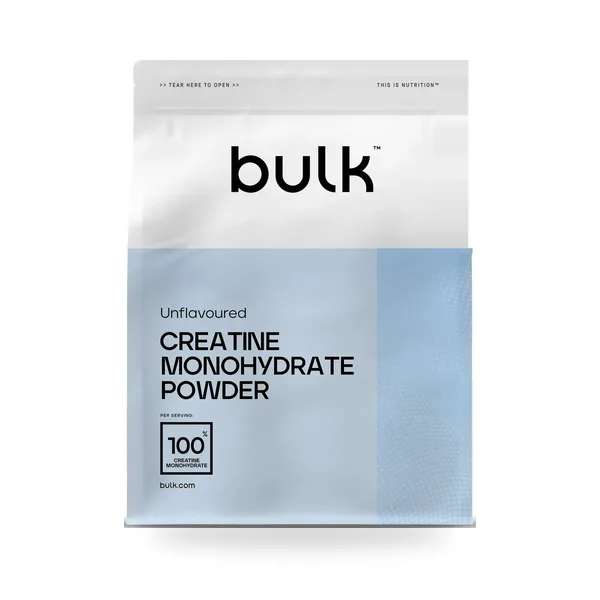
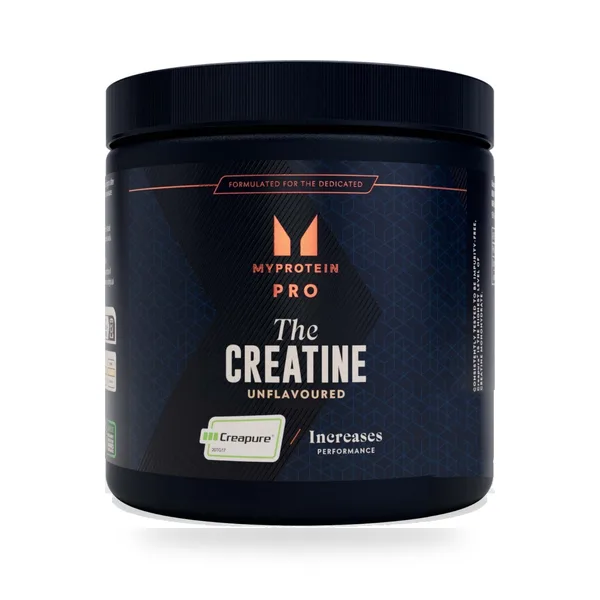
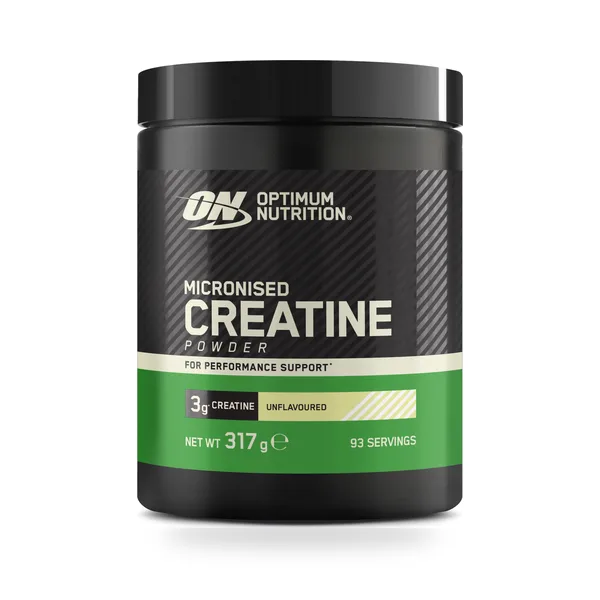
What separates the top picks from the rest is simple: Creapure certification or equivalent third-party testing, a clean additive-free formula, and a price per 5g serving that does not punish you for buying less than a kilo at a time. The top three all meet that bar. The products further down this list earn their place on specific criteria - value, flavour, or particular use cases - but if you want a single recommendation, start with Bulk Creapure.
Do Women Need a Special "Women's" Creatine
No. This is the most important thing I can tell you, and it is the thing the supplement industry spends significant marketing budget obscuring.
Creatine monohydrate is a single molecule: creatine. It has no gender. Your muscles do not absorb a women's-labelled version differently from the same compound in a plain white tub. When you see "women's creatine" on a label alongside terms like "hormone-supporting blend" or "collagen-boosting formula," what you are almost always looking at is a standard creatine monohydrate product with a pink label, a wellness-adjacent ingredient or two added at sub-clinical doses, and a price markup that can reach 40 to 60 percent above equivalent plain products.
I have audited several of the most prominent "women's creatine" products on the UK market. In every case, the creatine component was standard monohydrate. The additional ingredients were either present at doses too low to produce the claimed effect, or were simply cosmetic additions to justify the premium.
Best creatine roundups that do not address this are doing you a disservice. The most expensive option on a women's-creatine SERP is rarely the best option. It is simply the most expensive.
What you actually want: plain creatine monohydrate, ideally Creapure-certified, at 5g per day. That is it.
Benefits of Creatine for Women
Creatine research has historically skewed male, but the evidence base for women is building fast - and it is compelling in ways that go well beyond muscle.
Strength and lean muscle. The primary mechanism is well-established. Creatine increases phosphocreatine stores in muscle tissue, which replenishes ATP faster during high-intensity effort. For women doing strength training, this translates to more reps, heavier lifts, and faster recovery between sessions. The International Society of Sports Nutrition (ISSN) position stand confirms creatine monohydrate as the most effective ergogenic nutritional supplement currently available for increasing high-intensity exercise capacity and lean body mass.
Bone density. This is an underreported benefit, especially relevant for women in perimenopause and beyond. Emerging research suggests creatine supports bone mineral density when combined with resistance training, which has real clinical significance given women's elevated risk of osteoporosis post-menopause.
Cognitive function and menopause. This is the area generating the most interest in clinical nutrition right now. Creatine is not just a muscle supplement - the brain uses phosphocreatine as an energy buffer too. Several studies have looked specifically at creatine and cognitive function during sleep deprivation and hormonal transition, with promising results. For perimenopausal and menopausal women experiencing brain fog, this is worth knowing.
Mood and mental energy. The relationship between creatine and mood is increasingly discussed in the context of oestrogen fluctuation. This is an active area of research - I would not overstate the evidence, but the biological mechanism is credible and the emerging data is interesting.
Does creatine help with high cortisol? This is a question I get from clients regularly, especially from women managing stress alongside perimenopause. The honest answer is that the direct evidence is preliminary. What is clearer is that creatine reduces muscle damage and oxidative stress from intense training, which may indirectly support cortisol regulation in active women. I would not position it as a cortisol supplement, but the context matters.
How Much Creatine Should Women Take
The evidence points to 3 to 5 grams per day, taken consistently. That is the dose range the ISSN endorses and the dose range used in the research showing benefits for strength, bone density, and cognition.
You do not need to load. The loading phase - 20g per day for 5 to 7 days split across four servings - does saturate muscle stores faster, but the same endpoint is reached over three to four weeks at 5g per day. For most women, the slower approach is easier on the stomach and produces no meaningful difference in long-term outcomes.
Timing matters less than consistency. Some research suggests post-workout timing may have a slight advantage for muscle gains, but the effect size is small. Take it when you will remember to take it. Many of my clients stir it into their morning coffee (it is odourless and virtually tasteless in plain monohydrate form). Others take it pre-workout, or with a meal.
One practical note: if you are buying creatine monohydrate and the serving size listed is under 3g, check the label carefully. Some products list a 2g serving to make the tub appear better value than it is. You want a product with a clear 5g recommended daily dose.
Detailed Reviews: The Best Creatine for Women in the UK
1. Bulk Creapure Creatine Monohydrate - Best Overall
What does the purity gold standard look like in practice? For most women starting creatine - or switching away from an overpriced "women's" formula - it looks like this: one ingredient, independently certified, priced fairly. Bulk's Creapure creatine monohydrate is my top recommendation for most women starting creatine or looking to switch to a cleaner product. Creapure is a trademarked form of creatine monohydrate manufactured in Germany by AlzChem, widely regarded as the purity gold standard. It undergoes independent testing for contaminants, and Bulk publishes batch certificates on request.
The formula is exactly what you want: one ingredient. Creatine monohydrate. No sweeteners, no fillers, no flavourings. Plain monohydrate is odourless and virtually tasteless, so it stirs into water or your morning coffee without changing the flavour.
Bulk's price per 500g bag works out to around 15 pence per 5g serving (as of July 2026, bulk.com), which makes it one of the most competitive Creapure products on the UK market. Larger bags bring the per-serving cost down further.
The one friction point worth naming: Bulk has shifted some products toward blends and flavoured ranges over recent years, and some of their marketing language has moved toward wellness. The plain Creapure product itself remains exactly what it claims to be, but always check you are buying the plain unflavoured version and not a creatine blend.
“One ingredient, independently tested, priced fairly. This is what a creatine product should look like.”
| Evaluation Criteria | Our Findings |
|---|---|
| Full review | Pending - brand review brief in queue |
| Best for | Most women; first-time buyers; those switching from expensive "women's" formulas |
| Flagship product | Creapure Creatine Monohydrate (500g unflavoured) |
| Shop | bulk.com |
2. Myprotein Creapure Creatine Monohydrate - Best Value Creapure
If you are willing to wait for a sale, Myprotein Creapure can bring your per-serving cost below 10 pence - making it the most accessible Creapure product on the UK market. As the UK's largest sports nutrition brand by volume, they use the AlzChem Creapure source, so purity is independently verified. The plain unflavoured version is one ingredient, no additives.
Where Myprotein has an edge is availability and frequency of discounts. They run regular 30 to 40 percent promotions, which can bring the effective per-serving cost below 10 pence. If you are cost-conscious and willing to buy when there is a sale, Myprotein Creapure is hard to beat on value.
The word of caution: Myprotein also sells a flavoured creatine range and, at times, a "women's" product that is worth avoiding - it is a more expensive creatine blend with added ingredients at low doses. The plain Creapure product is clearly labelled. Do not confuse the two.
I should flag one ingredient audit note. Some flavoured Myprotein products contain artificial sweeteners including sucralose, which recent research has raised questions about in relation to gut microbiome composition. If you choose Myprotein, buy unflavoured.
“Wait for a sale, buy the unflavoured Creapure, ignore the flavoured range. Straightforward.”
| Evaluation Criteria | Our Findings |
|---|---|
| Full review | Read the full Myprotein creatine review |
| Best for | Value-focused buyers; those willing to bulk-buy on promotion |
| Flagship product | Creapure Creatine Monohydrate (250g/500g unflavoured) |
| Shop | myprotein.com |
3. Optimum Nutrition Micronised Creatine - Best for Mixability
Optimum Nutrition's micronised creatine monohydrate has been a benchmark product in the sports nutrition category for years. It is not Creapure-certified, but it is third-party tested via Informed Choice (a UK-based certification programme), which matters if you are a competitive athlete subject to testing for banned substances.
"Micronised" means the creatine particles have been milled to a smaller size than standard monohydrate. In practice, this makes it slightly easier to mix into cold water - there is marginally less settling at the bottom of your glass. Whether that justifies the price premium over Bulk or Myprotein Creapure is a personal call. If mixability is important to you, this earns its place. If you are mixing into coffee or a warm drink anyway, the difference is irrelevant.
Price per serving is slightly higher than the Creapure options at full retail price - around 17 to 20 pence per 5g (as of July 2026, Amazon UK). It is widely available through Amazon and most UK sports nutrition stockists.
“Third-party tested, reliable quality, dissolves well. A strong choice if Informed Choice certification matters to you.”
| Evaluation Criteria | Our Findings |
|---|---|
| Full review | Pending - brand review brief in queue |
| Best for | Competitive athletes subject to testing; those who prioritise mixability |
| Flagship product | Micronised Creatine Powder (317g unflavoured) |
| Shop | Amazon UK |
4. Naked Creatine - Best for Clean Label Buyers
Naked Nutrition has built its brand around single-ingredient transparency, and their Naked Creatine delivers exactly that. It is 100 percent creatine monohydrate, no additives, and the brand publishes third-party COAs (certificates of analysis) for every batch.
What distinguishes Naked Creatine from the Creapure options above is not purity - it is the transparency model. Naked makes their testing results publicly accessible, which is worth something for buyers who want to verify independently rather than take certification at face value.
The practical limitation is availability. Naked Nutrition ships to the UK but is primarily a US brand, which means import costs can affect the effective price per serving significantly. Worth checking at time of purchase whether the numbers still work out.
If you are already confident in Creapure and price is your priority, Bulk or Myprotein will serve you better. If maximum label transparency and independently verifiable batch testing are what you are looking for, Naked Creatine earns its place.
“Certificate of analysis published for every batch. If label transparency is your filter, this is the one.”
| Evaluation Criteria | Our Findings |
|---|---|
| Full review | Read the full Naked Creatine review |
| Best for | Clean-label buyers; those wanting verifiable batch COAs |
| Flagship product | Naked Creatine (500g) |
| Shop | nakednutrition.com |
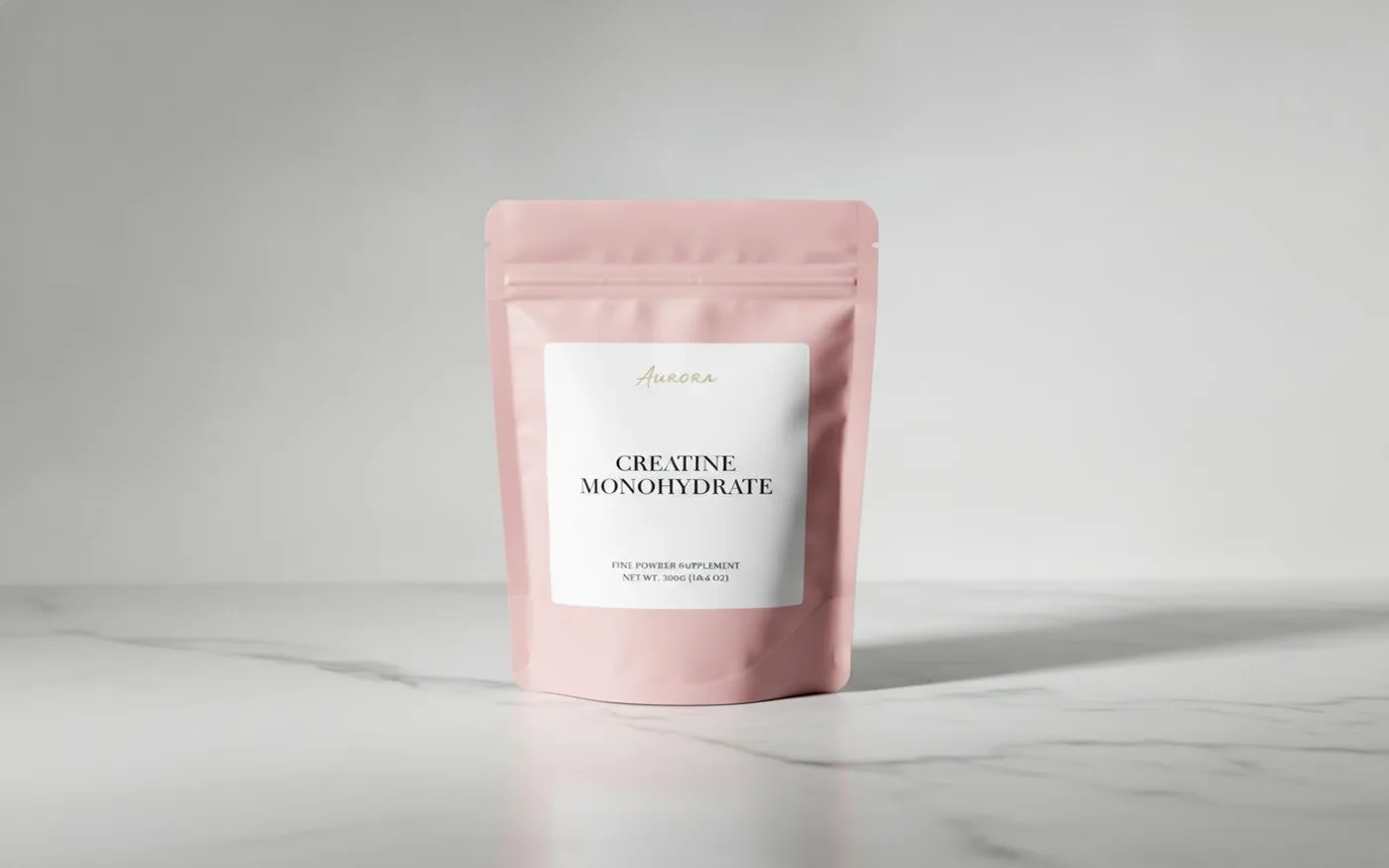
5. Women's Best Creapure Creatine - Best Flavoured Option (With a Caveat)
I am including Women's Best Creapure creatine here as the flavoured pick for taste-led buyers, while naming the caveat plainly: you are paying a premium for the branding and the flavour system. The creatine itself is Creapure-certified, which is why it makes the list. But the "women's" label is marketing, not nutrition.
The flavoured versions (lemon, berry, and others) use natural flavourings and include stevia as a sweetener, which sits better with me than artificial alternatives. Stevia is considered safe by the European Food Safety Authority, though some clients with sensitive digestion prefer to avoid sweeteners entirely.
If plain creatine tastes unpleasant to you (some people notice a subtle metallic note in warm water), or you simply find flavour helps consistency, Women's Best Creapure is a defensible choice. Just know you are paying around 40 percent more per serving than you would for plain Bulk Creapure with identical core ingredients.
“The creatine is genuine Creapure. The 'for women' on the label is not - price accordingly.”
| Evaluation Criteria | Our Findings |
|---|---|
| Full review | Pending - brand review brief in queue |
| Best for | Taste-led buyers who prioritise palatability and will pay for it |
| Flagship product | Creapure Creatine Monohydrate flavoured (300g) |
| Shop | womensbest.com |
Creatine Myths: Bloating, Bulking, and Water Weight
These are the objections that stop women from starting creatine, and they are worth addressing directly.
"Creatine will make me bulky." It will not. Creatine does not change body composition on its own. What it does is allow you to train harder, and harder training over time builds lean muscle. That is a good thing. "Bulky" is a specific aesthetic outcome that requires sustained progressive overload over months, a significant calorie surplus, and often genetic predisposition. Creatine is a tool that helps with the training quality. It does not produce the bulk independently.
"I will bloat and retain water." This is the most persistent myth, and it requires a distinction. Creatine does increase intracellular water retention - meaning your muscle cells hold slightly more water, which is how creatine functions. This is not subcutaneous water retention (the bloated feeling under the skin). You should not look or feel puffy. The scale may read marginally higher, but this is lean tissue hydration, not fat gain or visible puffiness.
The old loading-phase protocol at 20g per day could cause gastrointestinal discomfort in some people. At 3 to 5g daily maintenance dose, this is not a meaningful concern for most women.
"Why do doctors say not to take creatine?" The framing of this question tends to refer to rare historical warnings about kidney function. The current evidence is clear: creatine is safe for healthy adults at recommended doses. The caveat that exists is for people with pre-existing kidney conditions, who should consult a clinician before supplementing. The NHS position on supplements emphasises that most people do not need supplements if eating a balanced diet, but does not identify creatine as a risk for healthy people. ISSN's published safety review covers this in detail.
What to Avoid
Any "women's creatine" at more than 20 percent above plain monohydrate prices. You are paying for a label. The molecule is identical.
Products with proprietary blends. If the label says "creatine blend" or "performance matrix" and does not list the exact creatine content per serving, it is hiding information that affects the value equation.
Small tub trap. A 100g or 150g tub at a seemingly low price often has the worst price per serving on the market. Calculate cost per 5g before buying. Anything over 25 pence per serving is likely overpriced unless there is a meaningful certification or testing story.
Added sweeteners at undisclosed doses. Some creatine products add artificial sweeteners without flagging it prominently. Check the ingredients list.
Unclear certification claims. "Tested" without specifying the testing body means very little. Look for Creapure certification, Informed Choice, or NSF Certified for Sport as the meaningful benchmarks.
How We Chose
I evaluated UK creatine products against five criteria:
1. Purity and certification. Creapure-certified or independently third-party tested. No proprietary blends.
2. Formula transparency. Single or minimal ingredients. Additives flagged clearly.
3. Price per 5g serving. Calculated at standard retail price across comparable tub sizes.
4. Additive profile. Sweeteners, flavourings, fillers assessed and flagged where present.
5. UK availability. Products must be reliably available in the UK without import risk.
Affiliate status was not a ranking criterion. Products ranked in order of editorial merit. Where two products scored similarly on the above criteria, I noted which has an active affiliate arrangement, but this did not change position.
Full Comparison Table
| Product | Certification | Formula | Price per 5g | Sweeteners | UK Available |
|---|---|---|---|---|---|
| Bulk Creapure | Creapure | 1 ingredient | from 15p (as of Jul 2026) | None | Yes (bulk.com) |
| Myprotein Creapure | Creapure | 1 ingredient | 10-14p on sale | None (unflavoured) | Yes (myprotein.com) |
| Optimum Nutrition Micronised | Informed Choice | 1 ingredient | 17-20p | None | Yes (Amazon UK) |
| Naked Creatine | Third-party COA | 1 ingredient | 20p + import | None | Partial (US brand) |
| Women's Best Creapure | Creapure | Creatine + flavour | 22-25p | Stevia | Yes (womensbest.com) |
Final Verdict
The best creatine for women is plain creatine monohydrate. The best format is Creapure-certified or independently tested. The best price is found at Bulk or Myprotein when you buy plain and unflavoured. You do not need a women's formula. You do not need to load. You need 5g per day, consistently.
If I were recommending a single starting point, it would be Bulk Creapure. If budget is the priority and you are happy to buy on sale, Myprotein Creapure. If you are a competitive athlete, Optimum Nutrition's Informed Choice certification may matter to you.
If you are ready to go deeper on what creatine is, how it works in the body, and the complete evidence base behind it, the creatine guide is the next read.
Frequently Asked Questions
What kind of creatine should a woman take?
Plain creatine monohydrate is the correct choice for women, ideally Creapure-certified or independently third-party tested. Avoid "women's creatine" blends, which are almost always standard monohydrate at a significant price markup. The molecule is identical regardless of the label. Look for a single-ingredient product with a clear 5g serving size, no artificial sweeteners, and a certification from a recognised testing body such as Creapure or Informed Choice.
Is creatine good for women?
Yes. Evidence supports creatine for strength gains, lean muscle, bone density support, recovery, and cognitive function. The ISSN position stand identifies creatine monohydrate as the most effective ergogenic supplement for increasing high-intensity exercise capacity and lean body mass. Benefits for perimenopausal women around bone health and cognition are an active research area. There is no biological reason women respond differently to creatine than men.
What is the most popular creatine for women?
Among independent nutritionists and evidence-led sources, Optimum Nutrition Micronised and plain Creapure-certified products dominate recommendations. On the SERP, Thorne Creatine and Optimum Nutrition appear frequently. These are all plain monohydrate products. The "most popular" products by sales are often the most heavily marketed women's blends, which are generally not the best value or the most effective choices.
Why do doctors say not to take creatine?
Concerns typically stem from historical caution around kidney function. Current evidence is clear: creatine is safe for healthy adults at recommended doses (3-5g daily). The caveat applies to people with pre-existing kidney or liver conditions, who should consult a clinician first. The ISSN's safety review identifies no meaningful health risks at standard doses, and the NHS does not flag creatine as hazardous.
Does creatine help with high cortisol?
Direct evidence linking creatine to cortisol reduction is preliminary. Creatine reduces oxidative stress and muscle damage from intense training, which may indirectly support a healthier cortisol response in women doing regular strength work - particularly relevant during perimenopause, when hormonal fluctuation interacts with stress physiology. Treat it as an indirect training-recovery benefit, not a cortisol supplement.
How much creatine should a woman take each day?
3 to 5 grams of creatine monohydrate daily is the evidence-supported range, and where the ISSN and most clinical nutrition bodies land for the maintenance dose in women. You do not need a loading phase - 5g daily over three to four weeks reaches the same saturation point as a 20g loading week, with far less gastrointestinal stress. Take it consistently; timing matters less than daily habit.
Do women need a special "women's" creatine?
No. Women's creatine is a marketing category, not a nutritional one. Creatine monohydrate is a single molecule with no gender-specific formulation requirement. Every "women's" creatine product I have audited contained the same monohydrate as plain versions, usually with one or two low-dose additions designed to justify a premium. Buy plain, buy certified, and ignore the pink label.
Will creatine make women bulky or cause water retention?
Creatine does not cause visible bloating or subcutaneous water retention. It increases intracellular water in muscle cells - the mechanism through which it works - which is not the same as puffiness or weight gain. Scale weight may rise slightly as muscles hydrate, but body composition improves, not worsens. "Bulk" requires sustained progressive overload, a calorie surplus, and time; creatine supports training quality, it does not independently produce that outcome.
What is the best time of day to take creatine?
Timing matters far less than consistency. Some research suggests a slight advantage to taking creatine post-workout, but the effect size is small. Take it whenever you will actually remember - many women stir it into morning coffee, since plain monohydrate is odourless and virtually tasteless, while others prefer it pre-workout or with a meal.
Can creatine help with menopause or bone density?
Bone density support is an underreported benefit, especially relevant for women in perimenopause and beyond, where osteoporosis risk rises. Emerging research suggests creatine supports bone mineral density when combined with resistance training. Creatine is also being studied for cognitive function during hormonal transition, with early results suggesting it may help ease menopause-related brain fog.
A registered Nutritional Therapist and member of BANT, Clemmie blends science with a holistic approach to wellbeing.