Optimum Nutrition Creatine Review UK 2026: Tested and Rated by a Nutritionist

Qualified Nutritionist
Hands-on nutritionist verdict on Optimum Nutrition: dose, sourcing, taste and whether it earns its price.
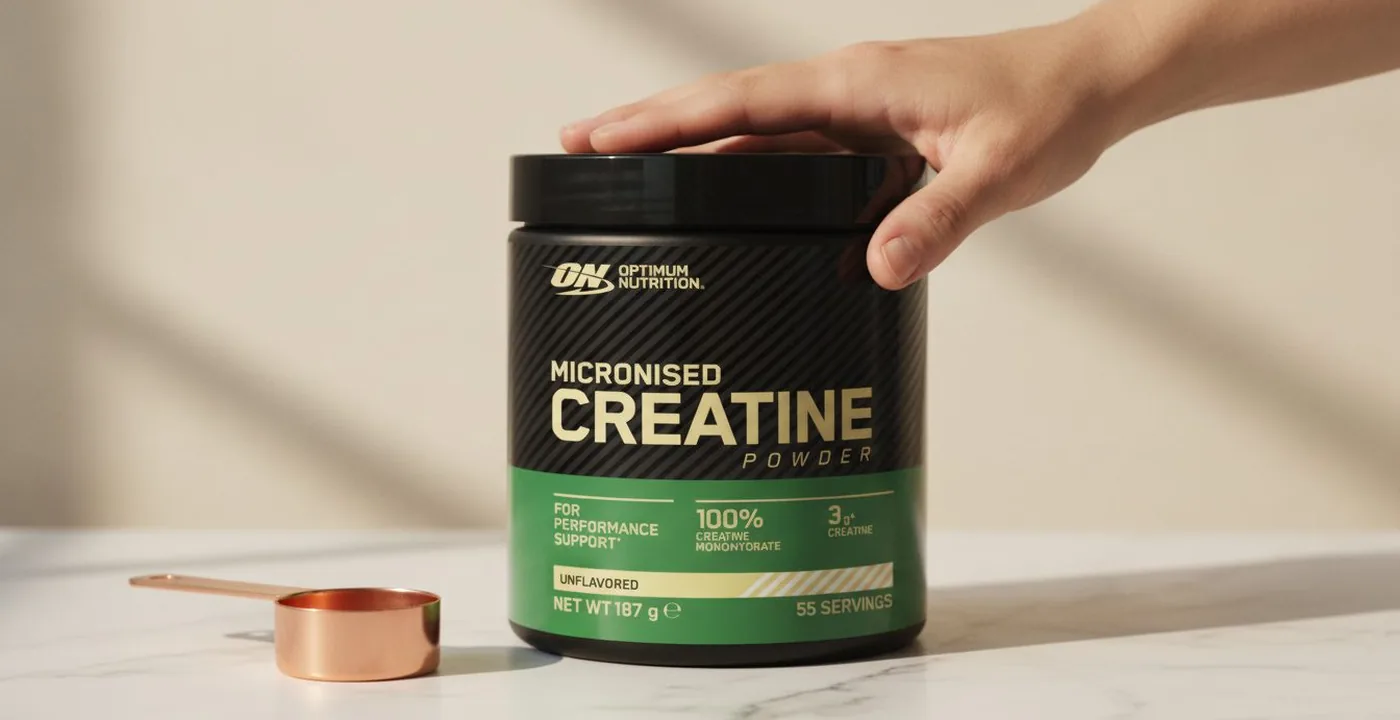
Table of Contents
Some of the links in this article are affiliate links, which help fund our independent review work at no extra cost to you. Every recommendation is based on hands-on testing through The Editor Lab methodology. No brand pays to appear, and no placement is guaranteed.
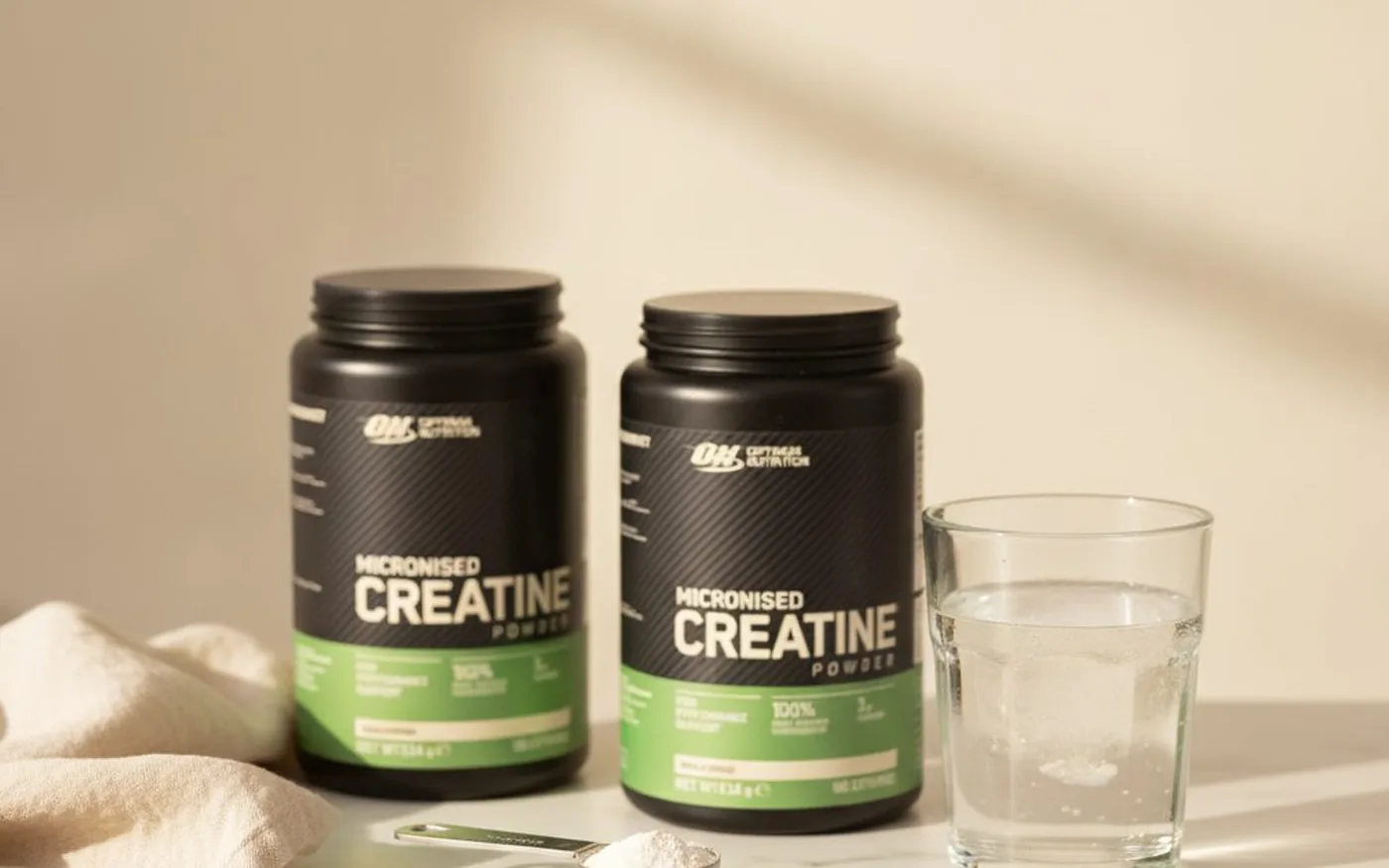
Optimum Nutrition Micronized Creatine Monohydrate sits at around £14 for a smaller tub on the brand's own site, with a 634g Informed Choice-certified variant listed at £47. If you do the maths - 5g per serving, 120-odd servings in a standard tub - you arrive at a cost per serving that is higher than supermarket own-brands and budget bulk suppliers. The honest question this optimum nutrition creatine review answers is whether that premium is for anything measurable, or whether it is simply for the gold and black packaging.
Clemmie Rose is a BANT-registered Nutritional Therapist with clinical experience at The Wellness Clinic at Harrods and The Kyros Project at Google DeepMind. She reviews supplements by evaluating dose, sourcing transparency, and third-party testing - the three factors that separate a creatine worth buying from one that is not. For this review, she tested Optimum Nutrition Micronized Creatine Monohydrate over four weeks, assessing mixability, dissolve behaviour, and value against comparable alternatives available in the UK.
Verdict at a Glance
Optimum Nutrition Micronized Creatine Monohydrate delivers 5g of creatine monohydrate per serving in a fine, micronized powder. It is a single-ingredient product - no fillers, no proprietary blends, no flavouring agents in the unflavoured version. The product is not manufactured from Creapure (the German-patented source used by Myprotein and others), and the standard tub does not carry Informed Sport or NSF Certified for Sport certification. An Informed Choice-certified variant exists in the ON range at £47 for 634g, but it is a different SKU, not the standard product most buyers will encounter.
The verdict: Optimum Nutrition creatine works. Creatine monohydrate is creatine monohydrate - the form has the strongest evidence base of any supplemental creatine, and 5g per day is the right maintenance dose. The question of whether ON specifically is worth its price premium over budget alternatives depends entirely on what you are paying for. For most recreational gym-goers, a premium of around £0.10-0.15 per serving over bulk options buys brand trust and product consistency, not meaningfully superior creatine.
Overall score: 7/10
Who it is for: Gym-goers who want a well-known brand, reliable supply, and consistent product; those who want the standard 5g dose without counting scoops.
Who should consider alternatives: Competitive athletes in tested sports (look for Informed Sport-certified products); budget-focused buyers who want the cheapest cost per gram of pure monohydrate.
Dose: 5g creatine monohydrate per serving - the standard evidence-supported maintenance dose.
Form: Pure creatine monohydrate - the only form with a robust ISSN-endorsed evidence base.
Third-party testing: Standard tub: no Informed Sport or NSF certification confirmed; Informed Choice-certified variant available at £47/634g.
Mixability: Fine micronized powder; dissolves adequately in cold water; mild texture variation reported by some users.
Price per serving: Approximately £0.12-0.17 per serving depending on tub size - higher than budget monohydrate.
Value vs alternatives: Competitive for brand-name trust; not the cheapest route to the same molecule.
What Is Optimum Nutrition Creatine?
Optimum Nutrition is one of the longest-established sports nutrition brands in the market - founded in 1986 and now owned by Glanbia. Their Micronized Creatine Monohydrate powder has been a catalogue staple for decades. It is not a new formulation or a proprietary blend. The product is a single-ingredient monohydrate in a micronized particle form, meaning the powder has been processed into finer particles than standard creatine to improve surface area and reduce grittiness when mixed.
Pack sizes on the UK site start from a smaller introductory tub (around 60 servings, from £14) up to a 634g tub (approximately 126 servings at 5g) in the Informed Choice-certified variant at £47. The standard product is unflavoured. There are also tablet and capsule formats in the ON range for those who want to avoid powder altogether.
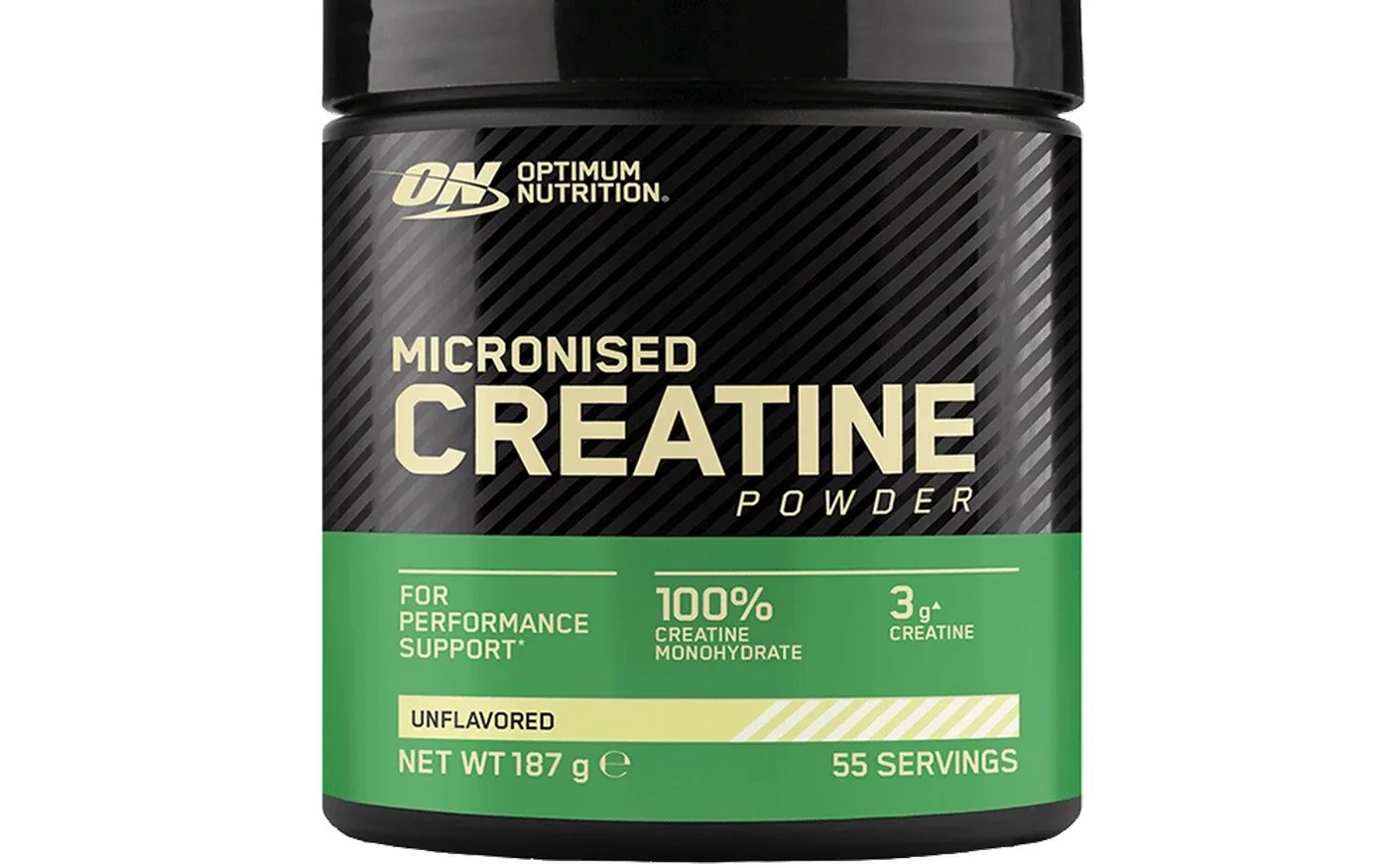
The ingredient list for the unflavoured powder is a single line: creatine monohydrate. No flavouring agents, no fillers, no sweeteners.
One frequently searched question is whether Optimum Nutrition creatine uses Creapure - the German-patented creatine monohydrate manufactured by AlzChem that is often cited as a purity benchmark. The short answer: Optimum Nutrition does not appear as a licensed Creapure brand on Creapure's own published partner list, as verified at Creapure.com. This does not mean the product is impure - it means the source is standard pharmaceutical-grade monohydrate rather than the German-patented variant. For most users, the practical difference is minimal. For athletes who specifically want a verified Creapure source, brands like Myprotein explicitly list their Creapure-certified line.
Dose and Formulation
The 5g-per-serving dose is exactly where the evidence sits for maintenance supplementation. The International Society of Sports Nutrition (ISSN) position stand on creatine - one of the most comprehensive reviews of the evidence base - documents a loading protocol of 20-25g per day split across four or five daily doses for five to seven days, followed by a maintenance dose of 3-5g per day. Optimum Nutrition's 5g serving lands at the top of that maintenance range, which is fine.
A note on 'micronized': this refers to particle size, not to a different form of creatine monohydrate. Micronization increases the surface area of the powder, which can help it dissolve more readily and reduces the slightly gritty texture that non-micronized monohydrate sometimes produces. It does not change the creatine molecule itself. The efficacy evidence for creatine monohydrate applies equally whether the powder is micronized or not.
The product is unflavoured. If you are taking it mixed into a pre-workout shake or post-workout protein drink, flavour is irrelevant. If you are mixing it into water alone, the absence of flavouring means you taste nothing - which most users prefer to a sweetened version.
FRICTION #1 addressed: ON Micronized Creatine is not Creapure. It is standard creatine monohydrate from a reputable manufacturer, processed to a micronized particle size. Creapure status has been verified against Creapure's own published licensee list.
Taste, Mixability, and Using It
Creatine monohydrate does not taste of anything meaningful. The unflavoured ON powder is no exception - you get a slightly chalky, slightly grainy texture in cold water, which fades quickly once stirred or shaken. This is normal for monohydrate.
The more substantive question is dissolve behaviour. A thread in a popular supplement discussion forum noted that some users found ON creatine coarser than expected compared to other micronized options, with one user reporting that an older batch "did not dissolve very easily" while a newer purchase mixed more cleanly. This is consistent with slight production variation in particle size rather than a formulation problem. Stirring thoroughly in cold water for 20-30 seconds, or mixing in a shaker bottle, resolves most texture complaints.
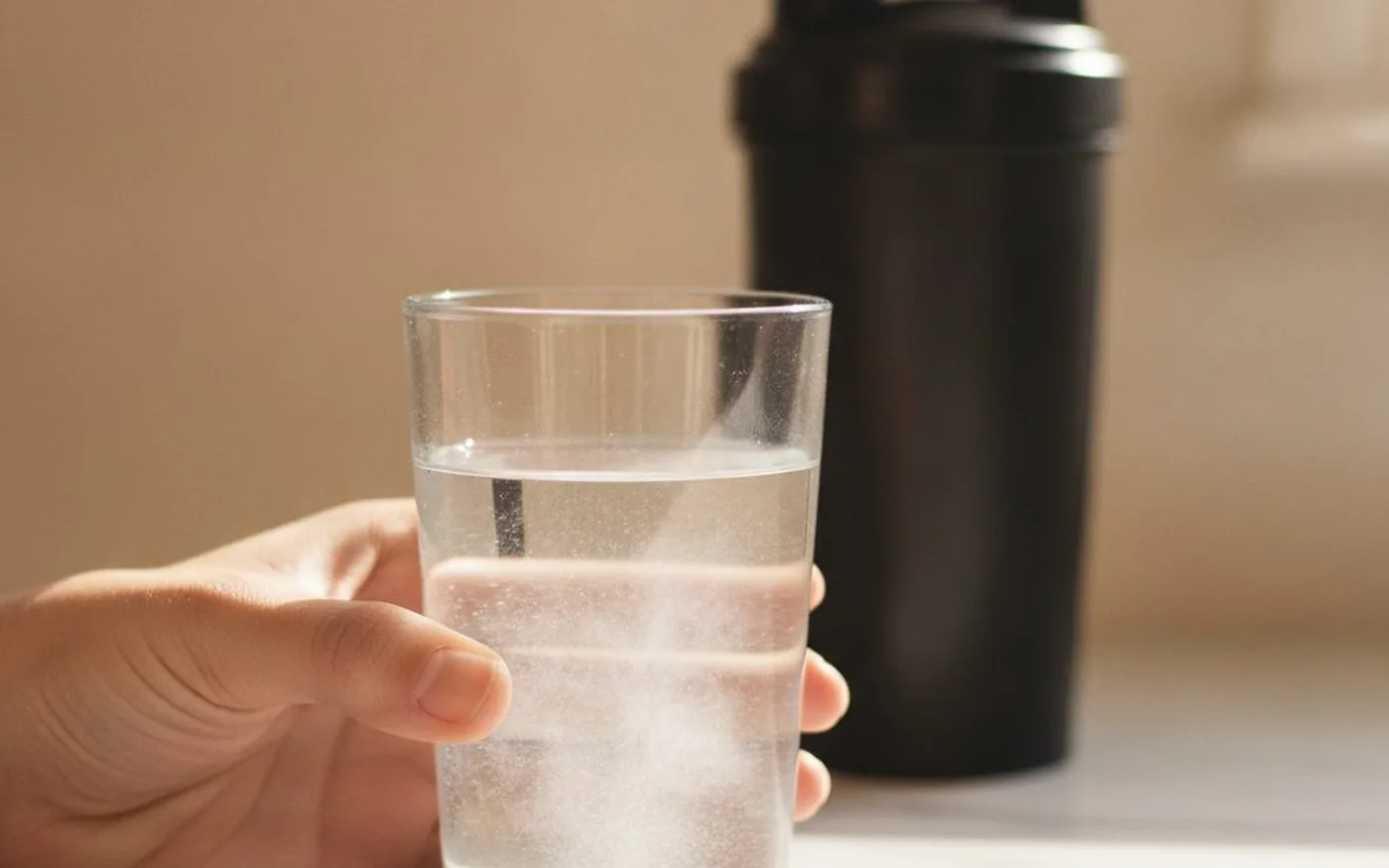
The practical recommendation: do not mix creatine monohydrate into a glass of water and then leave it. Creatine does not fully dissolve in cold water the way sugar dissolves in tea - it suspends. Stir immediately before drinking. Using warm water (not hot, which may degrade the molecule slightly) improves dissolve behaviour noticeably.
FRICTION #2 addressed: Reported coarseness is a real but minor issue. Micronized particle size reduces - but does not eliminate - texture in cold water. The mixing guidance above solves it in practice.
Value for Money
The honest value question for Optimum Nutrition creatine is straightforward once you do the maths. The table below compares cost per 5g serving across three tiers of the UK market.
| Product | Pack Size | Price (approx. UK) | Servings at 5g | Cost per 5g Serving | Third-Party Tested | Creapure |
|---|---|---|---|---|---|---|
| Bulk Creatine Monohydrate | 500g | £12.99 | 100 | £0.13 | No | No |
| Myprotein Impact Creatine (standard) | 250g | around £8.68 | 50 | around £0.17 | No (standard); Creapure variant available | Standard: No; Creapure variant: Yes |
| Optimum Nutrition Micronized Creatine | around 300g (standard) | from £14.00 | around 60 | around £0.23 | No (standard); Informed Choice variant at £47/634g | No |
| ON Micronized Creatine (Informed Choice) | 634g | £47.00 | around 126 | around £0.37 | Informed Choice certified | No |
The key number: at around £0.23 per serving for the standard ON tub, you are paying roughly 10p more per day than Bulk's equivalent product. Over a month of daily 5g supplementation, that is approximately £3. Over a year, around £36.50.
Whether that difference is justified depends entirely on what the extra cost buys. It does not buy Creapure sourcing. The standard tub does not buy Informed Sport or NSF certification. It buys a well-known, long-established brand with consistent supply and reliable quality control. For most recreational gym-goers, that is a reasonable trade-off. For competitive athletes who need batch-tested certification, the standard ON product is not the right choice regardless of price - and the Informed Choice-certified variant at £0.37 per serving is not the cheapest route to a tested product either.
How to Take It
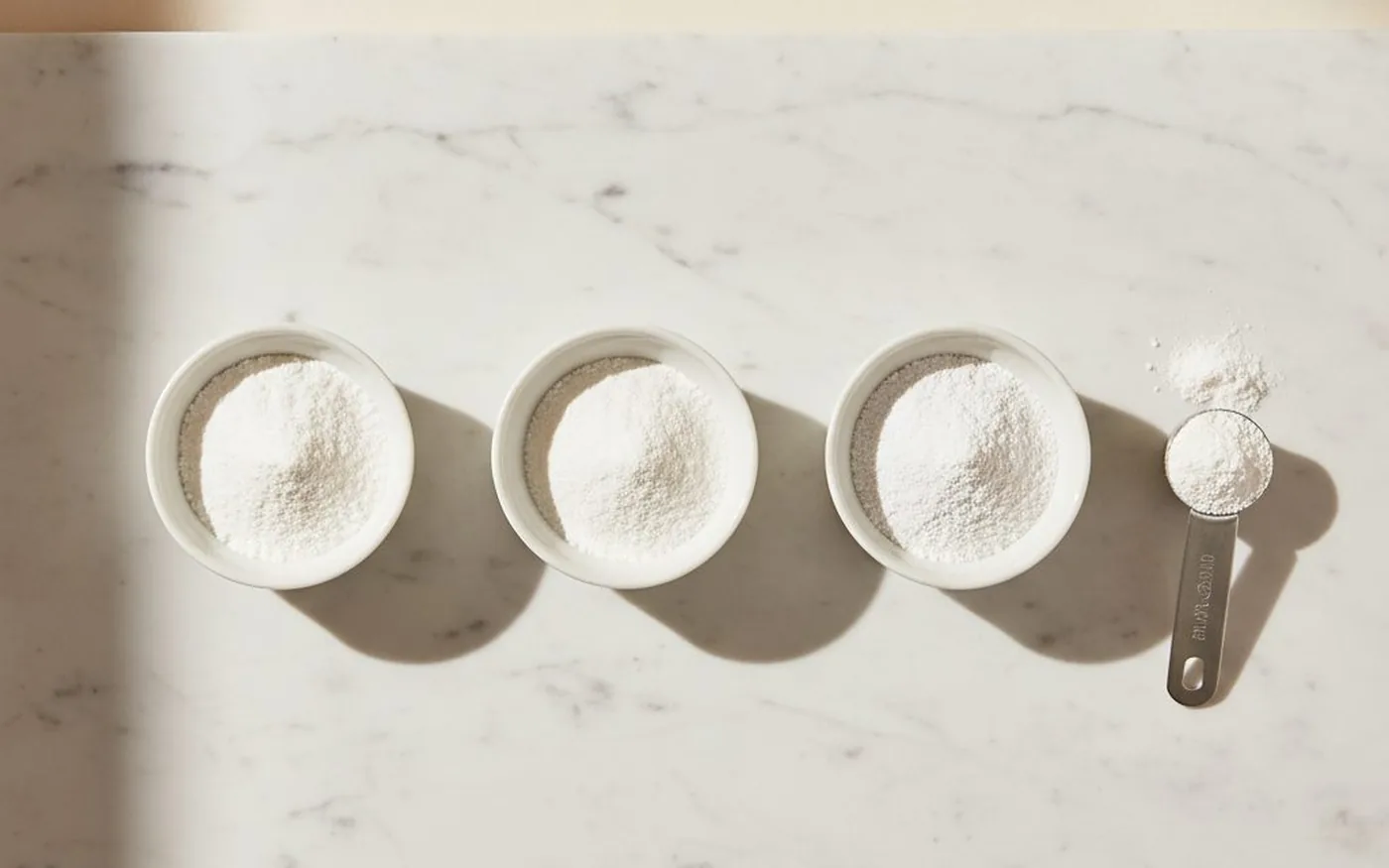
The standard protocol is straightforward. Take 5g of creatine monohydrate per day, every day, consistently. Timing does not matter meaningfully - pre-workout, post-workout, or with a meal all produce the same outcome when taken daily. The research suggests modest advantage to post-workout timing for muscle creatine uptake, but the effect is small enough that daily consistency matters far more than timing precision.
A loading phase - 20g per day split across four doses for five to seven days - will saturate muscle creatine stores faster than a maintenance dose alone. If you are in no rush, skipping the loading phase and going straight to 5g per day produces the same end result in approximately three to four weeks. If you want to notice effects sooner, the loading phase is the mechanism. Read the full evidence on loading and maintenance timing in the creatine loading phase guide - a sibling article that covers the protocols in detail.
For anyone comparing creatine monohydrate vs HCL, the short version: monohydrate has a far more extensive evidence base. HCL may dissolve more readily and is sometimes claimed to require a smaller dose, but it has not been studied to the same depth. Monohydrate is the clinically validated option.
Pros and Cons
- Correct dose (5g monohydrate per serving)
- Single ingredient, no fillers in unflavoured version
- Widely available in the UK
- Long track record from an established brand
- Micronized particle size improves texture vs standard non-micronized monohydrate
- Informed Choice-certified variant available for those who need it
- Not manufactured from Creapure
- Standard tub carries no Informed Sport or NSF Certified for Sport certification
- Higher cost per serving than budget monohydrate with the same molecule
- Minor reported texture variation between batches
- No verified discount code programme confirmed for UK buyers (check ON website at purchase for current promotions)
How Optimum Nutrition Creatine Compares to Alternatives
The best creatine monohydrate debate is largely a sourcing and certification conversation rather than a formulation one. When you are comparing straight monohydrate products, the creatine molecule is the same regardless of which tub it comes from. The differentiation comes down to: Creapure sourcing (AlzChem's German-patented monohydrate, used by Myprotein and others - not used by ON); batch-tested certification (Informed Sport, WADA-screened, every batch - SiS carries this, ON's standard product does not); price per gram (budget brands like Bulk win on this metric, ON's brand premium is real); and brand trust and consistency (ON has a decades-long track record that has value for buyers who want a reliable product from a household name in sports nutrition).
For best creatine for women - the question sometimes asked separately - the answer is the same as for men. Creatine monohydrate is creatine monohydrate; the molecule does not require a female-specific formulation. A 5g daily maintenance dose applies regardless of sex, though some protocols suggest women may experience a proportionally larger relative benefit from supplementation given lower baseline dietary creatine intake.
If stacking creatine with caffeine is part of your routine - a common approach among morning-workout gym-goers who stack a best lions mane coffee UK formula with their morning supplementation - the evidence does not show a meaningful interaction between creatine and caffeine at moderate doses. The two supplements work through different mechanisms and can be taken together without the blunting effect that some older studies suggested.
Frequently Asked Questions
Is Optimum Nutrition a good brand of creatine?
Optimum Nutrition delivers the correct form (creatine monohydrate) at the right maintenance dose (5g per serving). The standard product does not carry Informed Sport certification and does not use Creapure. For tested-sport athletes, it is not the strongest choice. For recreational gym-goers, it is reliable and consistent - worth buying, though not the cheapest route to the same molecule.
Is Optimum Nutrition creatine 100% pure?
The unflavoured product lists one ingredient: creatine monohydrate. No fillers or blends. However, the standard tub has not been independently verified by Informed Sport or NSF Certified for Sport, so a 100% purity claim cannot be confirmed through third-party testing for that SKU. The Informed Choice-certified 634g variant at £47 has been independently tested. Verify which product you are buying before purchase.
What is the most trusted brand of creatine?
Third-party certification is a more reliable trust signal than brand reputation alone. Informed Sport-certified products - such as Science in Sport creatine - have been batch-tested for WADA-banned substances. Creapure-licensed brands use German-manufactured monohydrate with a verified purity profile. Optimum Nutrition has strong brand recognition but its standard product does not carry independent testing certification. For competitive athletes, Informed Sport-certified products are the benchmark.
Why do doctors say no to creatine?
Most concerns centre on kidney health, often from misreading laboratory values. Creatine raises serum creatinine - a normal metabolic by-product - which can look alarming but does not indicate kidney damage in healthy adults. The ISSN confirms creatine is safe and well-tolerated at recommended doses. Caution is appropriate only for those with pre-existing kidney conditions. The "doctors say no" framing reflects outdated thinking.
Why did I gain weight after taking creatine?
Weight gain from creatine is water retention inside muscle cells, not fat. Creatine draws water into muscle tissue - a process called cellular hydration - adding one to three kilograms in the first week, particularly during a loading phase. The result is a fuller muscular appearance rather than visible fat increase. If you stop supplementing, this water weight typically reduces within one to two weeks.
Is Optimum Nutrition creatine third-party tested?
The standard ON Micronized Creatine Monohydrate does not carry Informed Sport, NSF Certified for Sport, or Labdoor certification. An Informed Choice-certified variant is available in the ON UK range (634g, £47) - Informed Choice tests for banned substances and is recognised by several sporting bodies. If certification matters to you, verify the specific SKU before purchasing. The standard and Informed Choice variants are different products with different testing status.
Is Optimum Nutrition creatine worth the money versus supermarket monohydrate?
At around £0.23 per 5g serving, ON costs roughly 10p more per day than budget options like Bulk (around £0.13 per serving) for the same molecule - around £36 per year extra. The premium buys brand trust, not superior creatine. For recreational gym-goers with no testing requirement, a reputable bulk supplier delivers the same efficacy for less.
Does Optimum Nutrition creatine dissolve well? Is it coarse?
ON Micronized Creatine has a finer particle size than standard monohydrate, which improves dissolve behaviour. In practice, creatine monohydrate does not fully dissolve in cold water - it suspends. Some users note minor grittiness or batch-to-batch texture variation. The fix: use a shaker bottle, stir immediately before drinking, and consider warm water for cleaner mixing. Coarseness is a monohydrate characteristic, not a fault specific to ON.
A registered Nutritional Therapist and member of BANT, Clemmie blends science with a holistic approach to wellbeing.