How to Take Mushroom Tinctures: Dosage and Timing
A nutritionist's evidence-based guide to how to take mushroom tinctures.
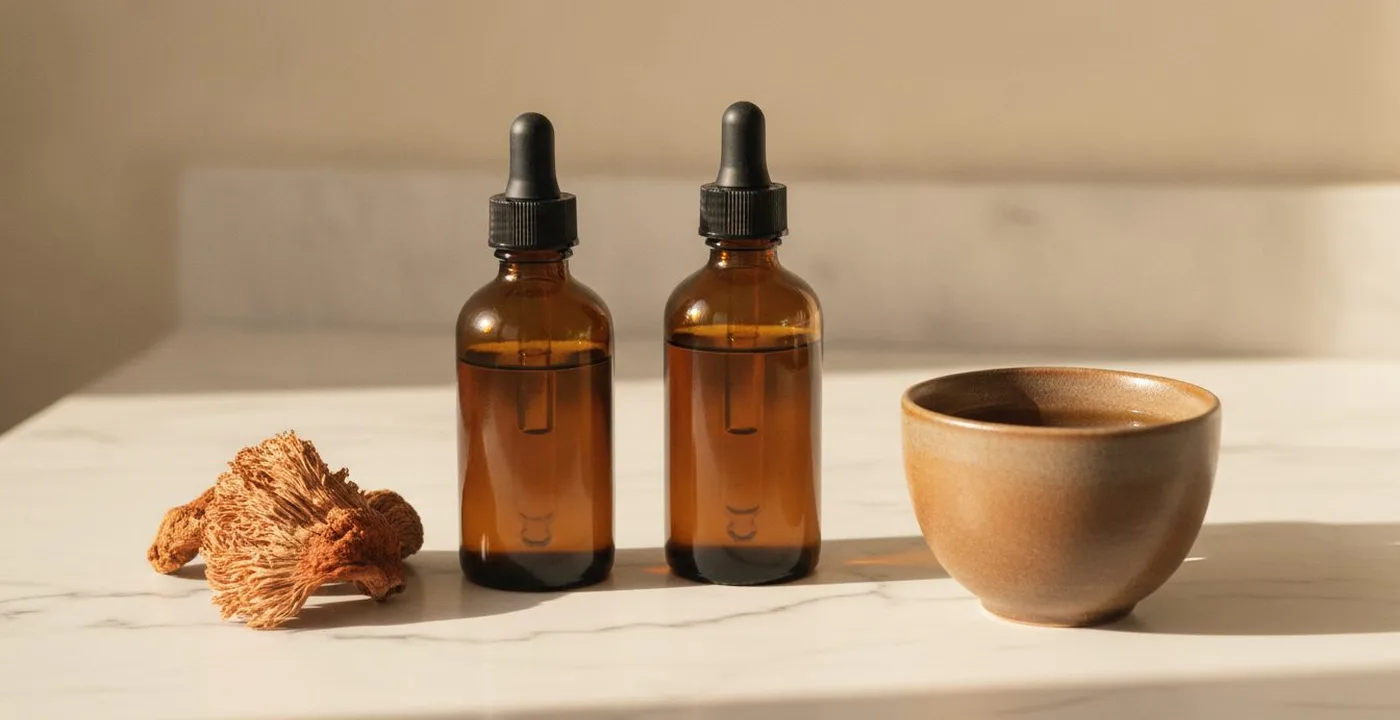
Table of Contents
Some of the links in this article are affiliate links, which help fund our independent review work at no extra cost to you. Every recommendation is based on hands-on testing through The Editor Lab methodology. No brand pays to appear, and no placement is guaranteed.
To take mushroom tinctures: place 10 to 30 drops (check your label) under your tongue, hold for 30 to 60 seconds, then swallow. Take cordyceps and lion's mane in the morning; take reishi in the evening. The most common mistake new tincture users make is not the number of drops. It is the timing. A year spent testing more than 30 mushroom tincture brands - and genuinely using them across different routines - taught Snita Pandoria, with more than a decade in London's hospitality scene and a year spent testing every mushroom tincture brand she could find, one consistent pattern: cordyceps taken at 9 PM, reishi taken before a morning meeting, lion's mane forgotten until midday. Getting how to take mushroom tinctures right means getting the timing right first, then the method second.
This guide covers exactly that. You will find the quick-start method, honest guidance on dose (without inventing a number that does not apply to your bottle), the sublingual versus in-drink debate, a per-mushroom timing table, and a genuine safety section. If you are looking for the best products to buy before diving into how to use them, our guide to the best mushroom tinctures in the UK covers the field in full.
Balance Journal is published alongside Balance Coffee, founded by James Bellis.

The Quick-Start Method
- Check your bottle label for the recommended serving size in drops (usually 10 to 30 drops per serving).
- Hold the dropper under your tongue for 30 to 60 seconds before swallowing.
- If the taste is too bitter, add the drops to your morning drink instead.
- Take your tincture at the time of day that matches the mushroom type (see the timing table below).
That is the core method. Everything else in this article explains the reasoning behind each step so you can adapt it to your own routine.
How Much to Take (Following the Label)
The question most new users want answered is simple: how many drops should I take? The honest answer is that it depends on your specific bottle.
Mushroom tinctures vary significantly in concentration. A 50ml bottle from one brand may contain 500mg of extract per serving, while another contains 2,000mg of the same mushroom. The number of drops that delivers a particular dose is set by the manufacturer based on their specific extraction ratio and liquid volume. There is no universal drop count that applies across brands.
Your label is the authoritative source here. Follow it. If the label says 20 drops twice daily, that is the serving size designed for that product's concentration. Taking more does not necessarily mean more benefit, and the label dose has been calibrated to the extract strength.
One point worth understanding: dosing guidance on functional mushroom supplements sits outside EFSA-authorised health claims, meaning no brand can legally state a specific dose produces a specific outcome in the EU or UK. What the label gives you is the manufacturer's recommended use based on their product - not a medically prescribed dose. For context on how the EFSA handles botanicals and functional ingredients, their ongoing review covers mushroom compounds among many others.
If your bottle is unlabelled or unclear, contact the brand before use. Do not guess.
Sublingual vs In a Drink
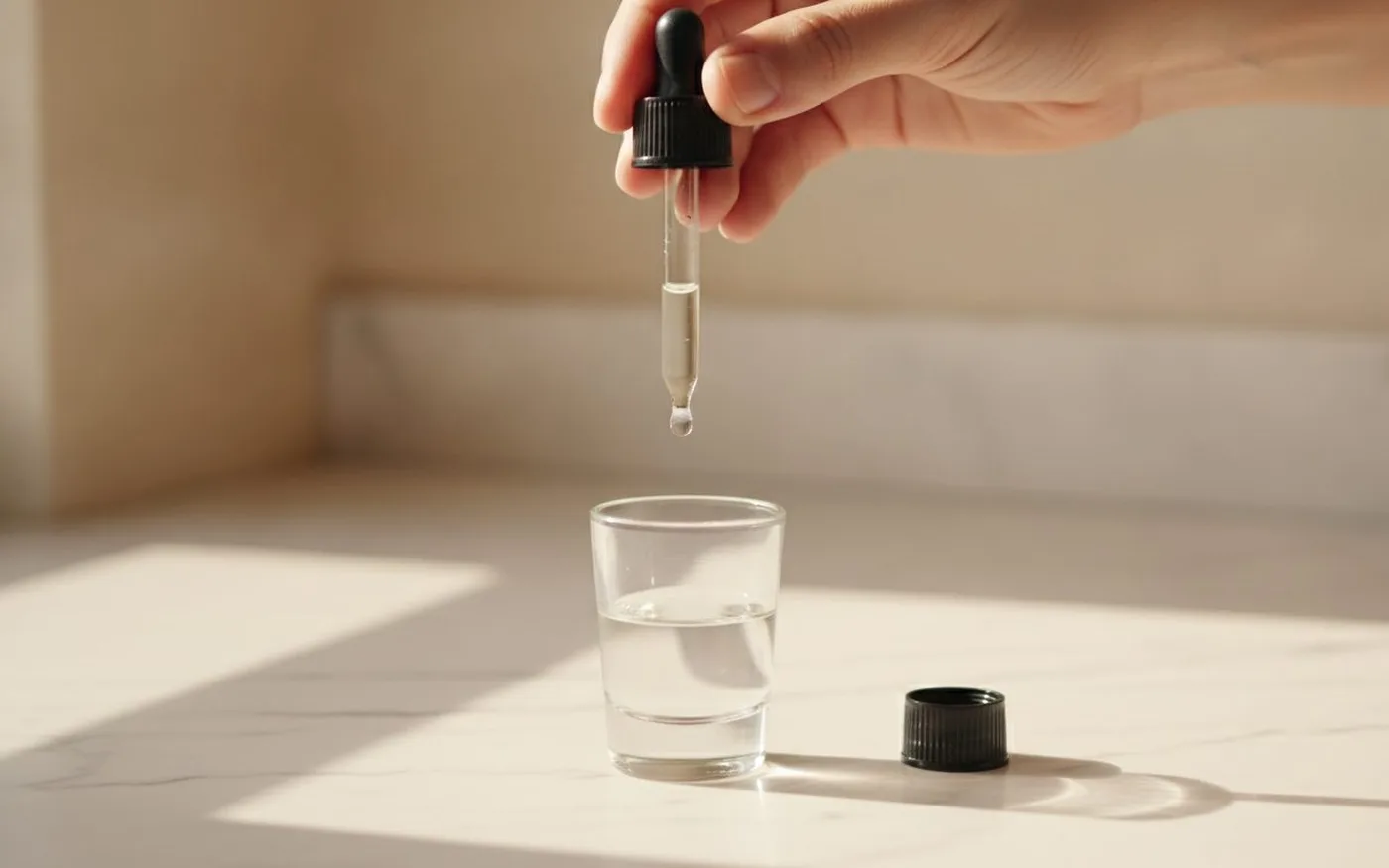
The two main ways to take a tincture are sublingual (holding drops under the tongue) and adding drops to a drink. Both work. The difference is speed and taste management.
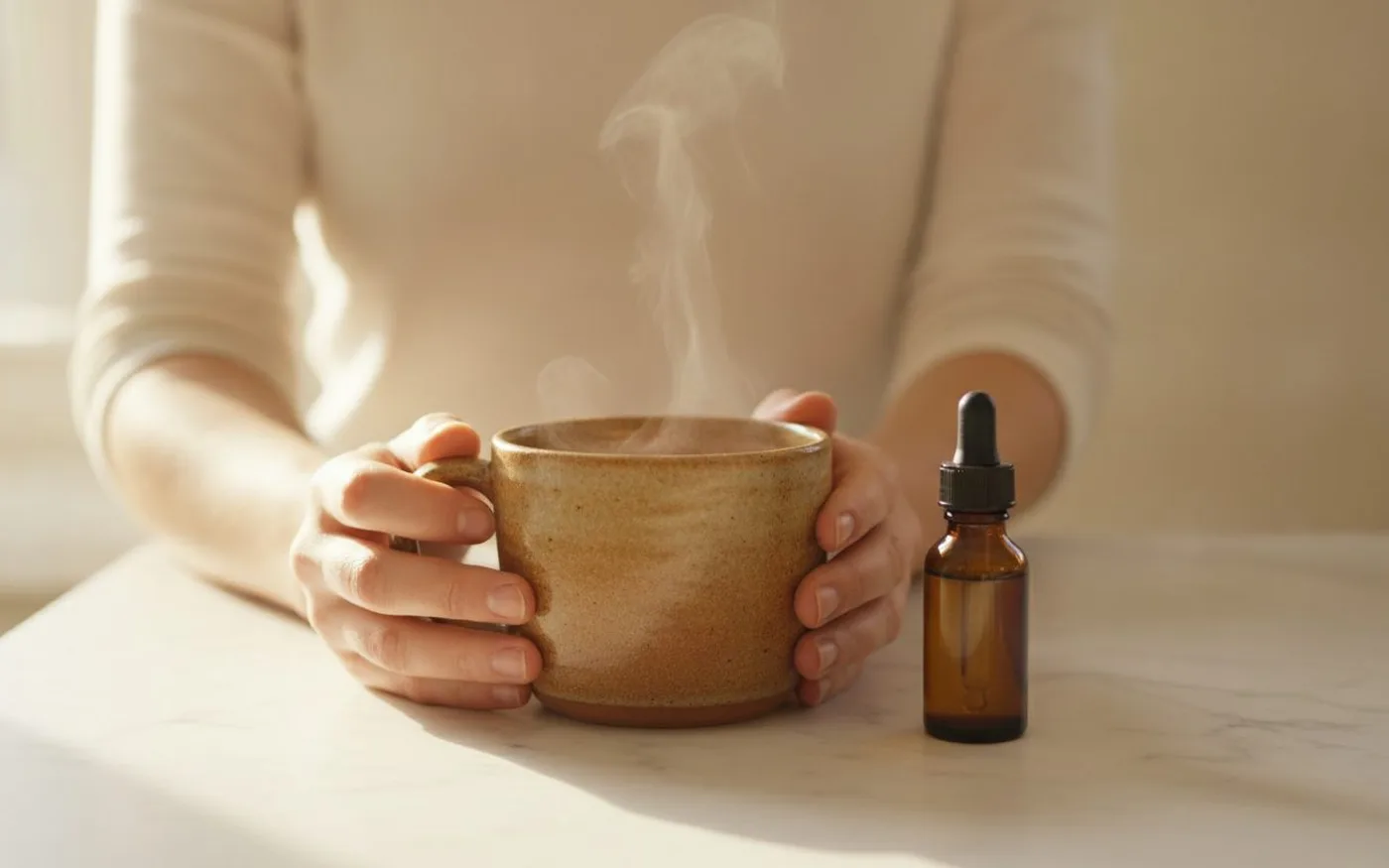
Sublingual (under the tongue): The tissue under your tongue is rich in small blood vessels, which means compounds can enter the bloodstream more directly than through the digestive process. Holding drops for 30 to 60 seconds before swallowing is considered faster-acting than swallowing immediately, though the degree of difference depends on the specific compounds and your individual digestion. If speed matters to you - particularly for cordyceps before exercise - sublingual is worth trying first.
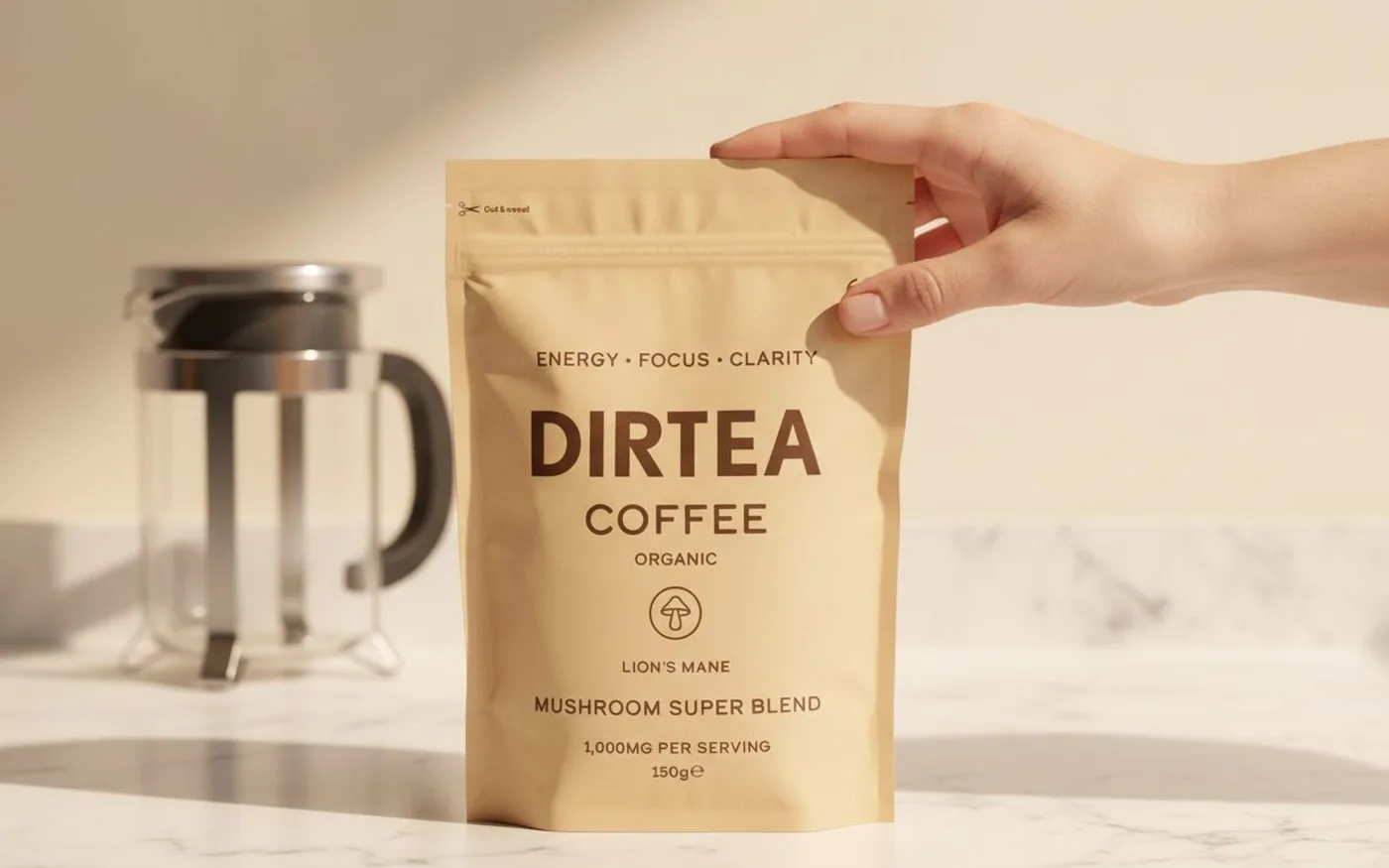
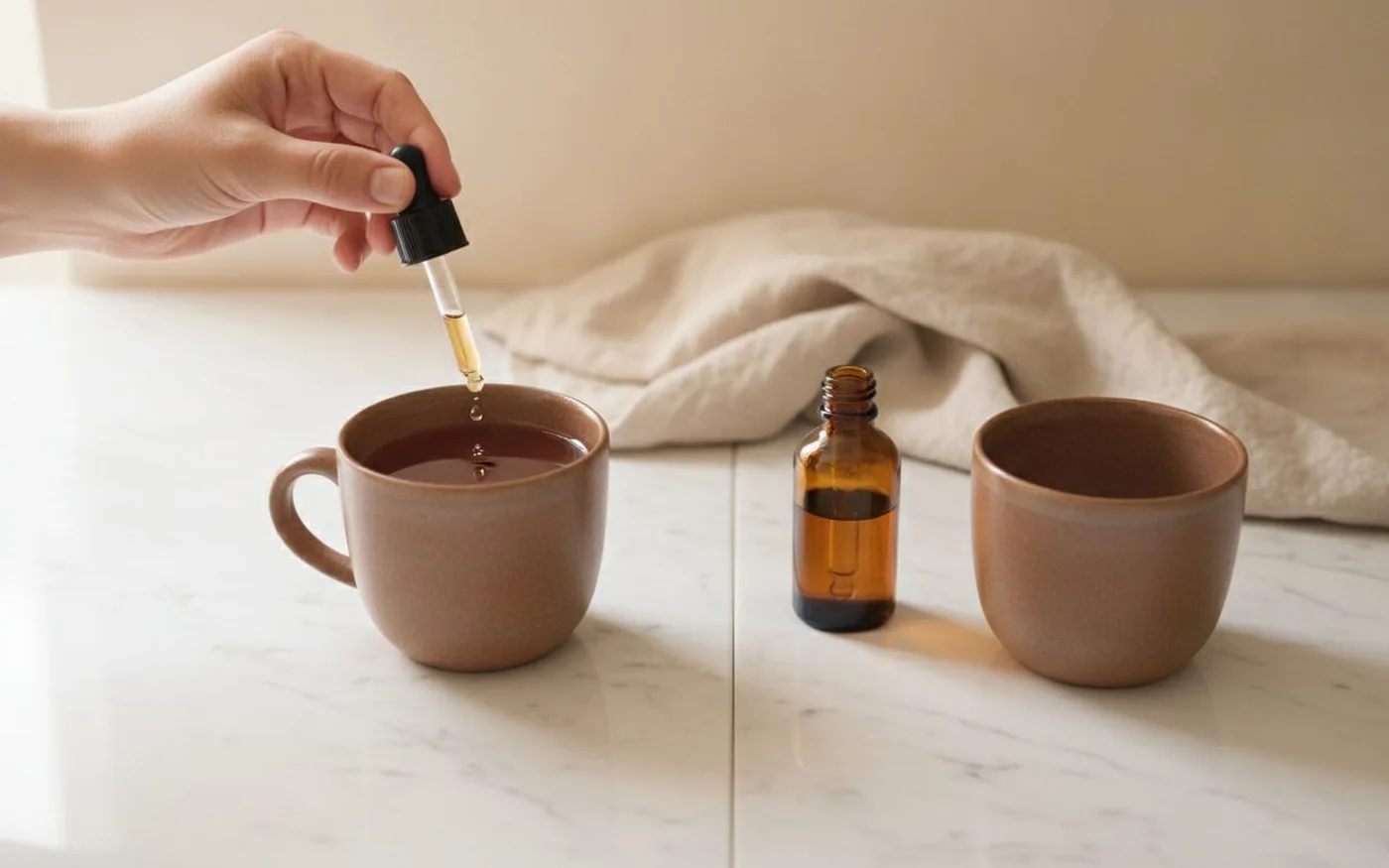
Added to a drink: This is the gentler option for taste. Many tinctures, particularly reishi, have a pronounced earthy or bitter note that some people find strong neat. Adding drops to coffee, tea, or warm water softens the profile considerably. Adding your lion's mane tincture to morning coffee is a genuinely practical combination - the ritual fits naturally. If you are curious about best lions mane coffee uk options that blend mushroom and coffee formats in a single product, that is a different format entirely but worth knowing about.
The trade-off is mild: the digestive process slows absorption slightly compared to sublingual. For most daily wellness routines, this difference is not meaningful. Choose the method you will actually maintain.
One practical note: alcohol-based tinctures (most use alcohol as the extraction solvent) can be added to warm drinks, which will evaporate some of the alcohol. This does not meaningfully affect the mushroom compounds. If you prefer to avoid alcohol entirely, look for glycerite (vegetable glycerine) formulations.
Best Timing by Mushroom
Timing by mushroom type is where most new users go wrong. The three most common tincture mushrooms - lion's mane, cordyceps, and reishi - each have different functional profiles, and taking them at the wrong time of day can work against you.
| Mushroom | Best Time | Why | Avoid |
|---|---|---|---|
| Lion's Mane | Morning | Associated with focus and cognitive support; pairs naturally with the start of a working day | Late evening if you find it stimulating |
| Cordyceps | Morning or pre-exercise | Associated with energy support and endurance; commonly used before physical activity | Evening - may interfere with winding down |
| Reishi | Evening or wind-down | Associated with calm and sleep support; often described as the most relaxing of the three | Morning if you find it sedating |
These are patterns from use, not medical instructions. Some people take reishi in the morning without any issue. Individual response varies, and the NHS guidance on herbal supplements is clear that individual reactions to any supplement can differ significantly. Start with one mushroom at a time so you can identify how your own body responds.
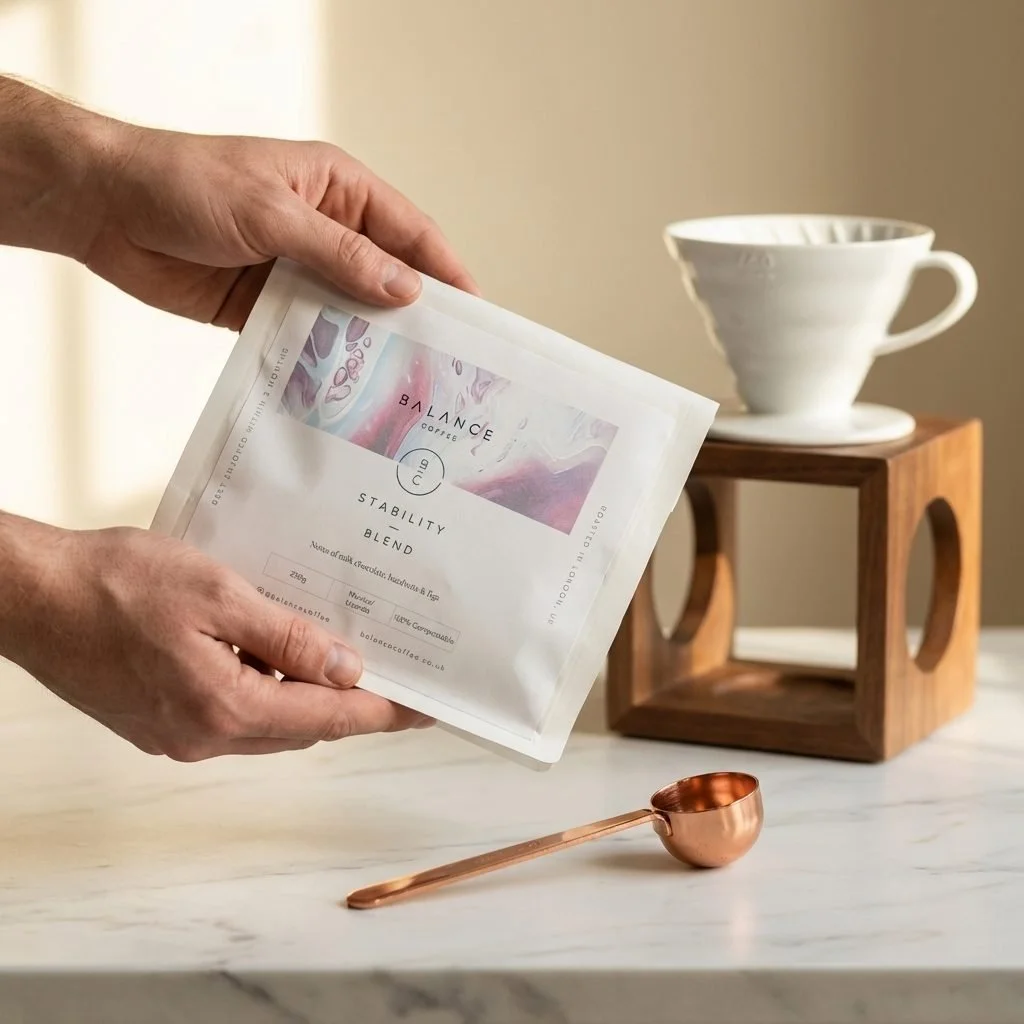
Balance Coffee's mushroom tincture range includes Lion's Mane, Cordyceps, and Reishi in 50ml glass bottles - a practical way to trial all three timing positions with single-mushroom products. Their mushroom elixir bundle covers all three in one order.
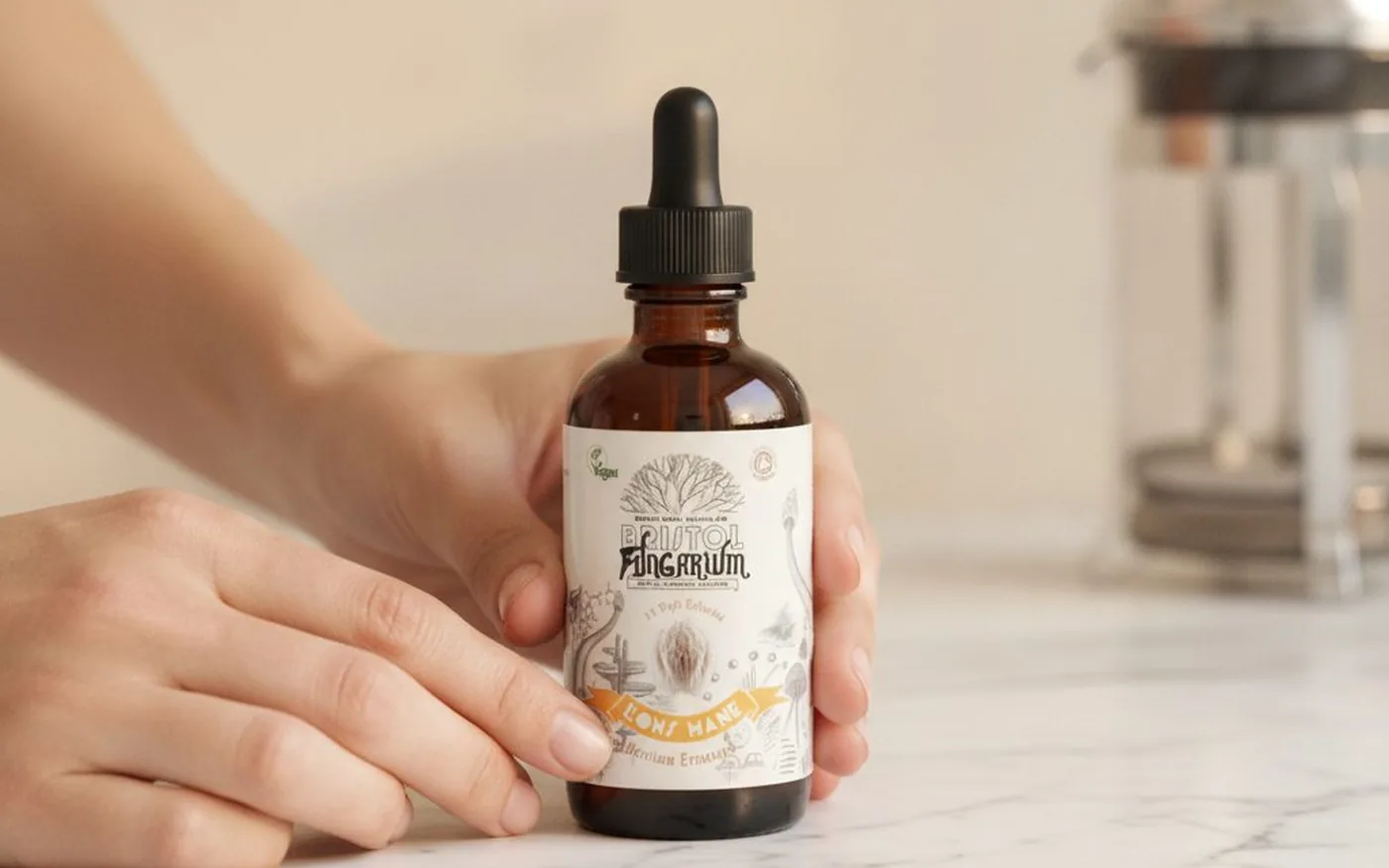
For brands with strong individual tincture ranges, the Bristol Fungarium review and the No Ordinary Moments review both cover single-mushroom products with clear timing guidance on their labels.
How Long Until It Works and Building a Routine
This is the section that needs the most honest framing. Functional mushrooms are not immediate in the way caffeine is. Most people who use tinctures regularly report that consistent daily use over two to four weeks is when they start to notice the effects they were looking for.
If you take a cordyceps tincture once before a run and feel nothing, that is expected. The compounds associated with mushroom benefits - beta-glucans, triterpenes, hericenones - are not stimulants. They work through pathways that require consistent presence in your system rather than a single spike.
The pattern that works is straightforward: same time, same dose, every day. Build it into an existing habit (morning coffee, evening wind-down) rather than treating it as a separate supplement ritual. The people who get the most from tinctures are the ones who make them boring - just part of what they do each morning or evening.
Set a four-week test window. Note how you feel at the start. Check in at week two and week four. Adjust the timing or switch mushroom type if the first choice does not match your needs. Do not expect a dramatic moment of clarity. Expect a quieter, steadier feeling over time.
If you are also interested in how best mushroom coffee uk formats compare to tinctures for daily use, the functional delivery is different - coffee format spreads the mushroom extract across a flavoured drink rather than concentrating it in drops - and that guide covers the comparison in more detail.
Safety, Interactions, and Who Should Be Cautious
Mushroom tinctures are widely used and generally well-tolerated for healthy adults, but there are specific groups who should check with a GP or pharmacist before starting.
Check with a healthcare professional if you:
- Are pregnant or breastfeeding. Safety data for most functional mushroom supplements during pregnancy is limited, and the conservative position is to avoid.
- Take prescription medication, particularly anticoagulants (blood thinners) or immunosuppressants. Some mushroom compounds may interact with these.
- Have a mushroom allergy or known sensitivity to fungi.
- Have an autoimmune condition. Some mushrooms may modulate immune function, which can be a concern for people managing autoimmune conditions with medication.
This is not a comprehensive medical warning - it is common sense. The NHS vitamins and supplements guidance applies the same principle to most supplements: if in doubt, talk to your GP before starting. Tinctures are supplements, not medicines, and they should not replace medical treatment or advice.
For most healthy adults with no contraindications, the risk profile of standard-dose mushroom tinctures from reputable brands is low. The main practical risks are taking a product with poor extraction quality (which delivers less of the relevant compounds) and mistiming (which reduces the functional benefit). Both are addressed earlier in this guide.
If you are using tinctures alongside other adaptogens or supplements, check ingredient overlaps. Some functional blends already contain mushroom extracts, and doubling up without knowing the total dose is worth avoiding.
Frequently Asked Questions
How many drops of mushroom tincture should I take?
Follow the serving size on your specific bottle label. Most tinctures recommend between 10 and 30 drops per serving, but this varies significantly by brand and extract concentration. There is no universal number that applies across products. Taking more than the label dose does not reliably increase the benefit, and the manufacturer has calibrated the serving to the extract strength of their specific formula.
Can I add mushroom tincture to coffee or tea?
Yes. Adding drops to coffee or tea is one of the most practical ways to take a tincture, especially if you find the taste strong neat. Warm drinks soften the earthy notes of most tinctures. The trade-off is a slightly slower absorption compared to sublingual use, but for a daily wellness routine this difference is not meaningful. Alcohol-based tinctures can be added to warm drinks without losing the active compounds.
What is the sublingual method and does it work better?
Sublingual means holding the drops under your tongue for 30 to 60 seconds before swallowing. The tissue under the tongue has a rich supply of small blood vessels, which allows some compounds to enter the bloodstream more directly than through digestion. Whether this makes a meaningful difference depends on the specific tincture and individual digestion. Many experienced tincture users prefer sublingual for speed, particularly before exercise with cordyceps.
When should I take lion's mane tincture?
Morning is the most practical time for lion's mane. It is associated with focus and cognitive support, which aligns with the beginning of a working day. Many people combine it with their first coffee. If you find it stimulating in a way that affects your sleep, move the dose earlier in the morning rather than stopping. Individual response varies, so a two-week trial of consistent morning use is the cleanest way to assess it for your routine.
Can I take mushroom tincture on an empty stomach?
Most tinctures can be taken on an empty stomach without issue. The sublingual method bypasses the stomach entirely for the initial absorption phase. If you experience any mild digestive sensitivity, add the drops to a drink and take with food. Some people find reishi in particular is more comfortable with a small meal, though this is not universal. Start with whatever fits your routine and adjust if needed.
How long does it take for mushroom tinctures to work?
Consistent daily use over two to four weeks is the realistic window for noticing effects. Functional mushroom compounds are not stimulants and do not produce an immediate response. They work through pathways that benefit from consistent presence in your system. If you are evaluating whether a tincture is right for you, set a four-week trial window at the same dose and timing before making a judgement on whether it is delivering.
Is it safe to take mushroom tinctures every day?
For most healthy adults with no contraindications, daily tincture use at the label dose is considered low-risk. Check with a GP or pharmacist if you are pregnant, breastfeeding, taking prescription medication (particularly anticoagulants or immunosuppressants), or managing an autoimmune condition. The NHS recommends discussing any new supplement with a healthcare professional if you are on regular medication.
Can I take lion's mane, cordyceps, and reishi together?
You can take all three, but starting with one at a time is a more useful approach. Taking multiple tinctures simultaneously makes it harder to identify which mushroom is producing an effect - or whether any discomfort is linked to a specific one. Once you have established how each mushroom sits with your system individually, combining them is a common practice. Follow label doses for each product and check total daily intake against the individual serving guidelines.

A seasoned food and lifestyle writer with over a decade in London's hospitality scene, Snita explores the culture of dining, drink, and connection.