Electrolytes on Mounjaro: What You Need to Know
GLP-1 jabs cut how much you eat and drink, so dehydration and low sodium creep up fast. Here is what is actually happening and the sugar-free electrolytes that help.
Table of Contents
Some of the links in this article are affiliate links, which help fund our independent review work at no extra cost to you. Every recommendation is based on hands-on testing through The Editor Lab methodology. No brand pays to appear, and no placement is guaranteed.
You start the jab, you feel less hungry, and you think: brilliant. But then a few days in, something feels off. Yes, electrolytes matter on Mounjaro - reduced appetite and GI side effects deplete sodium, potassium, and magnesium faster than most people realise. Tired in a way that a good night''s sleep is not fixing. A faint headache behind the eyes. Dizziness when you stand up too quickly. Maybe some muscle cramps at night.
This is one of the most common things I hear from clients who have recently started Mounjaro or another GLP-1 medication. And more often than not, the explanation is not complicated. It comes back to electrolytes - and what happens to your hydration when your appetite drops sharply and your body is adjusting to a new normal.
Editor's Note
Clemmie Rose is a registered Nutritional Therapist and BANT member with a clinical specialism in gut health, hormones, and weight management.
This article is general hydration guidance reviewed by our nutrition team. It is not medical advice. Always follow your prescriber''s instructions, and speak to your pharmacist before starting any new supplement.
Why GLP-1 Medications (Mounjaro, Wegovy, Ozempic) Leave You Dehydrated
GLP-1 receptor agonists - the class of medications that includes Mounjaro (tirzepatide), Wegovy, and Ozempic (semaglutide) - work primarily by reducing appetite and slowing gastric emptying. That is the mechanism behind the weight loss. But that same mechanism has a knock-on effect on hydration that does not always get explained at the point of prescribing.
Here is what happens. When your appetite drops significantly, your food intake drops with it. Food contributes around 20-30% of your daily fluid intake, and it also delivers sodium, potassium, and magnesium through the diet. Eat less food and you automatically take in less of all of these. Most people on a GLP-1 jab compensate by drinking more water - which sounds sensible, but creates a different problem.
Drinking large amounts of plain water without adequate sodium intake dilutes the sodium already in your bloodstream. The result is a condition called hyponatraemia - low blood sodium - which causes exactly the symptoms many people on Mounjaro report: fatigue, headaches, dizziness, and cognitive fog. You are not just low on fluid. You are low on sodium.
The second route to electrolyte depletion is through GI side effects. Nausea, vomiting, and diarrhoea are common in the early weeks of a GLP-1 medication, particularly as the dose increases. Each episode of vomiting or loose stools depletes sodium, potassium, and magnesium rapidly. If those losses are not replaced, the deficit builds quickly.
Plain water replaces fluid but not the sodium you are missing by eating less. An electrolyte drink or a pinch of salt in water addresses both, and this is why electrolytes for weight loss injections have become one of the fastest-growing supplement questions in the UK.
Signs of Low Electrolytes vs Normal Jab Side Effects (When to Worry)
The tricky part is that some of the signs of electrolyte depletion overlap with normal GLP-1 side effects. Nausea, fatigue, and headaches are common during dose escalation regardless of hydration status. Knowing the difference matters.
Signs that suggest low electrolytes specifically:
- Dizziness or lightheadedness when standing up (postural hypotension - a sodium marker)
- Muscle cramps, especially at night or in the legs (sodium and magnesium depletion)
- Fatigue that is disproportionate to how much you are eating or sleeping
- Headache that persists beyond the first day or two after your jab
- Brain fog or difficulty concentrating
Normal GLP-1 side effects that resolve without intervention:
- Nausea for 24-48 hours after each dose (especially in the dose-escalation phase)
- Reduced appetite
- Constipation in some people (GI motility change)
- Mild bloating
“Red-flag symptoms - seek medical advice if you experience: Persistent vomiting that prevents you keeping fluids down, severe dizziness that does not improve with rest, dark urine (sign of significant dehydration), irregular heartbeat, or confusion. These require medical review, not a sachet of salts.”
The overlap area is fatigue and headache. If those symptoms persist beyond 2-3 days or are severe, look at hydration first. If you are unsure whether what you are experiencing is routine side effects or something that needs attention, your prescriber or pharmacist is the right first call. Not a supplement label.
How to Rehydrate Without Sugar That Stalls Appetite or Nausea
Before reaching for a product, the fundamentals matter more than the format.
The most important thing is consistent fluid intake throughout the day - not large volumes at once, which can worsen nausea. Sipping water, diluted herbal teas, or broth steadily across the day works better than three large glasses at mealtimes. Aim for pale yellow urine as your guide; dark yellow means you are behind.
Bone broth or vegetable broth is one of the most practical options for someone on a GLP-1 jab who is struggling with food. It delivers sodium and some potassium without requiring a large meal. It is also warm, which many people with nausea tolerate better than cold drinks.
Sugar is worth avoiding here for two reasons. First, the blood sugar spike from a sugary sports drink can worsen nausea in some people on GLP-1 medications. Second, you are working with reduced appetite - calories from drinks compete with the nutrients you should be getting from food. A 250ml sports drink is fine once in a while but is not the right daily rehydration strategy.
The practical alternatives:
- Water with a small pinch of sea salt and a squeeze of lemon (the DIY baseline)
- Broth (bone or vegetable - both work)
- Coconut water in small amounts (natural potassium source; moderate sugar)
- A sugar-free electrolyte sachet on high-nausea days
Mounjaro dehydration is not a crisis for most people if caught early and managed simply. The goal is to stay consistent rather than to intervene dramatically.
Sodium, Potassium, Magnesium - What to Look for, What to Avoid
These are the three electrolytes that matter most on a GLP-1 medication.
| Electrolyte | Why it matters on GLP-1 | UK reference intake | Food sources | When to supplement |
|---|---|---|---|---|
| Sodium | Depleted by reduced food intake and GI losses; plain-water overload worsens deficit | 2,000mg/day (EFSA, 2019) | Salt, broth, olives, cheese, miso | On nausea/vomiting days; if symptoms of dizziness or lightheadedness |
| Potassium | Lost in vomiting and diarrhoea; regulates muscle function and fluid balance | 3,500mg/day (UK NHS) | Banana, potato, spinach, avocado, lentils | Cautiously - see contraindications below |
| Magnesium | Supports muscle function and sleep; often low in restricted diets | 300mg/day (women), 375mg/day (men) - EFSA | Leafy greens, nuts, seeds, dark chocolate | If experiencing cramps or disturbed sleep |
What to avoid:
Sugary sports drinks (glucose-heavy, calorie-dense, not designed for the GLP-1 context). High-potassium supplements if you have kidney disease or are taking ACE inhibitors or ARBs - these medications already raise potassium levels, and adding a supplement can push it higher than is safe. This is not a general caution; it is a specific contraindication. If you are on any of these medications alongside your GLP-1 jab, speak to your prescriber before taking potassium supplements.
The EFSA sodium reference value of 2,000mg/day is a useful benchmark, but someone on a GLP-1 jab who is eating significantly less than usual may be getting considerably less than this through food alone. That gap is where a light electrolyte supplement or a food-first approach (extra broth, lightly salted meals) fills in.
Do You Need a Branded Product, or Will Food and a DIY Mix Do?
Honestly? Most people do not need a daily electrolyte supplement on Mounjaro. If you are managing your GI side effects reasonably well, eating a broadly varied diet (even in smaller portions), and staying hydrated throughout the day, your electrolyte levels are unlikely to drop to a level that causes significant symptoms.
The people who genuinely benefit from a supplement are those experiencing:
- Frequent nausea, vomiting, or diarrhoea (especially during dose escalation)
- Symptoms of depletion - dizziness, cramps, persistent fatigue - that are not explained by anything else
- Very low food intake (under 800 kcal/day consistently) where dietary electrolytes are insufficient
For those people, a sugar-free electrolyte product can help. The ones to look for: zero or very low sugar, meaningful sodium content (at least 300mg per serving), and a formula that does not include artificial sweeteners if your gut is sensitive - some people find sucralose and sorbitol worsen GI discomfort.
Three products that come up regularly in the UK GLP-1 community and fit these criteria:
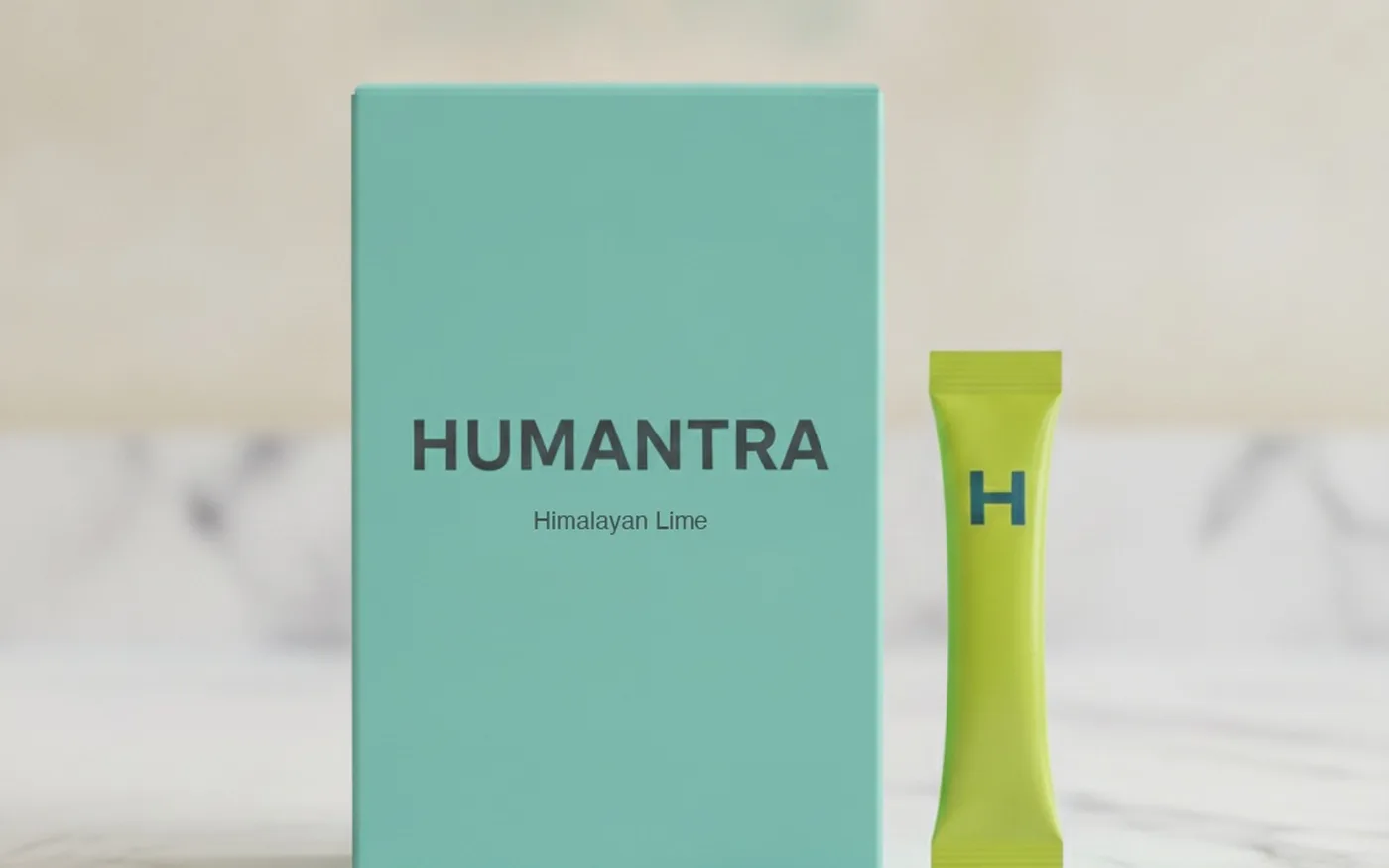
Humantra is designed specifically for the GLP-1 jab context, with a formulation built around the hydration gaps that Mounjaro and Wegovy users report. It is sugar-free and light enough to sip on a nausea day without making things worse.
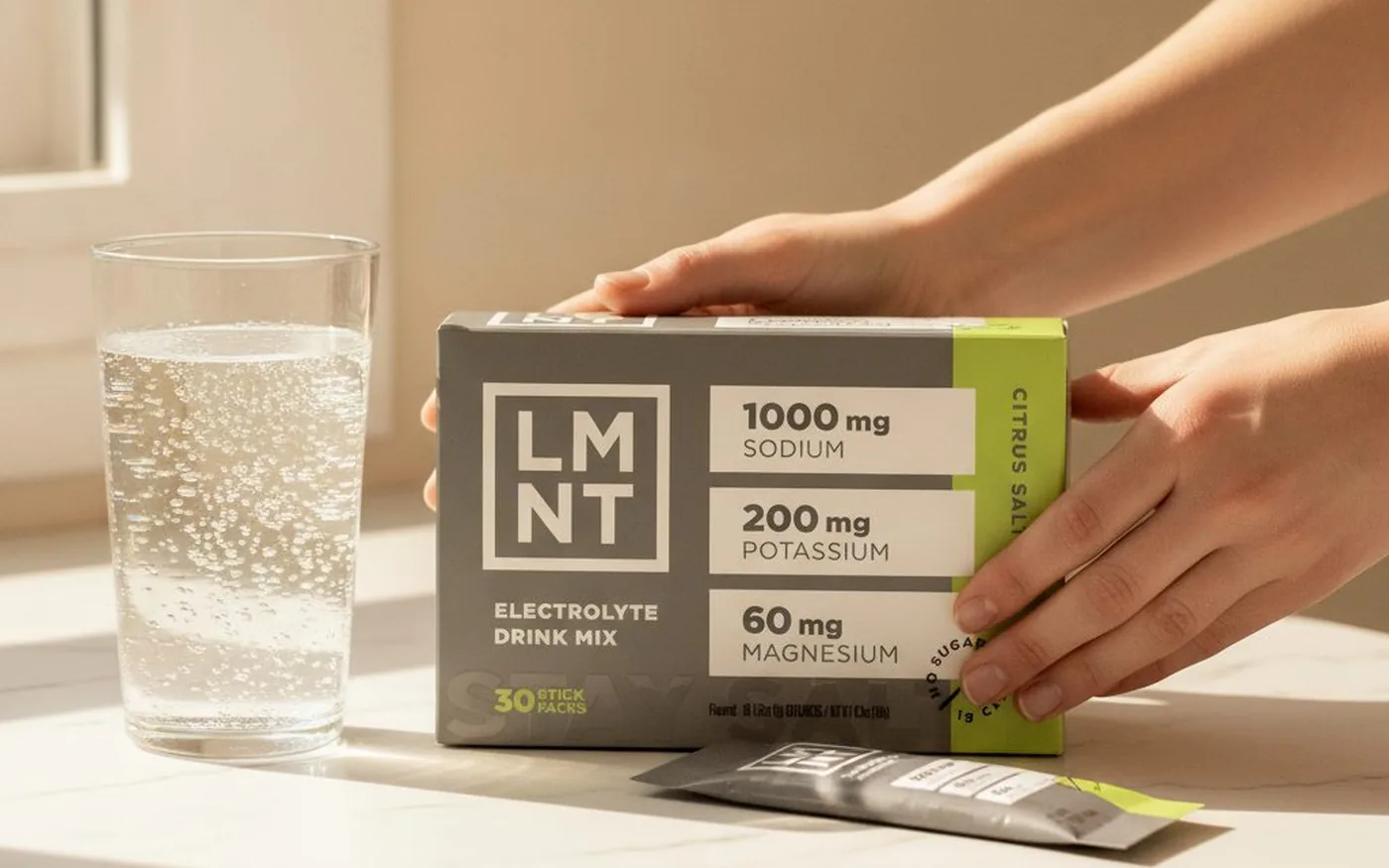
LMNT is sodium-forward - each sachet contains 1,000mg sodium, 200mg potassium, and 60mg magnesium. That is a meaningful dose, particularly useful on days when GI losses have been significant. It is unflavoured or lightly flavoured, which some people tolerate better when nausea is present.
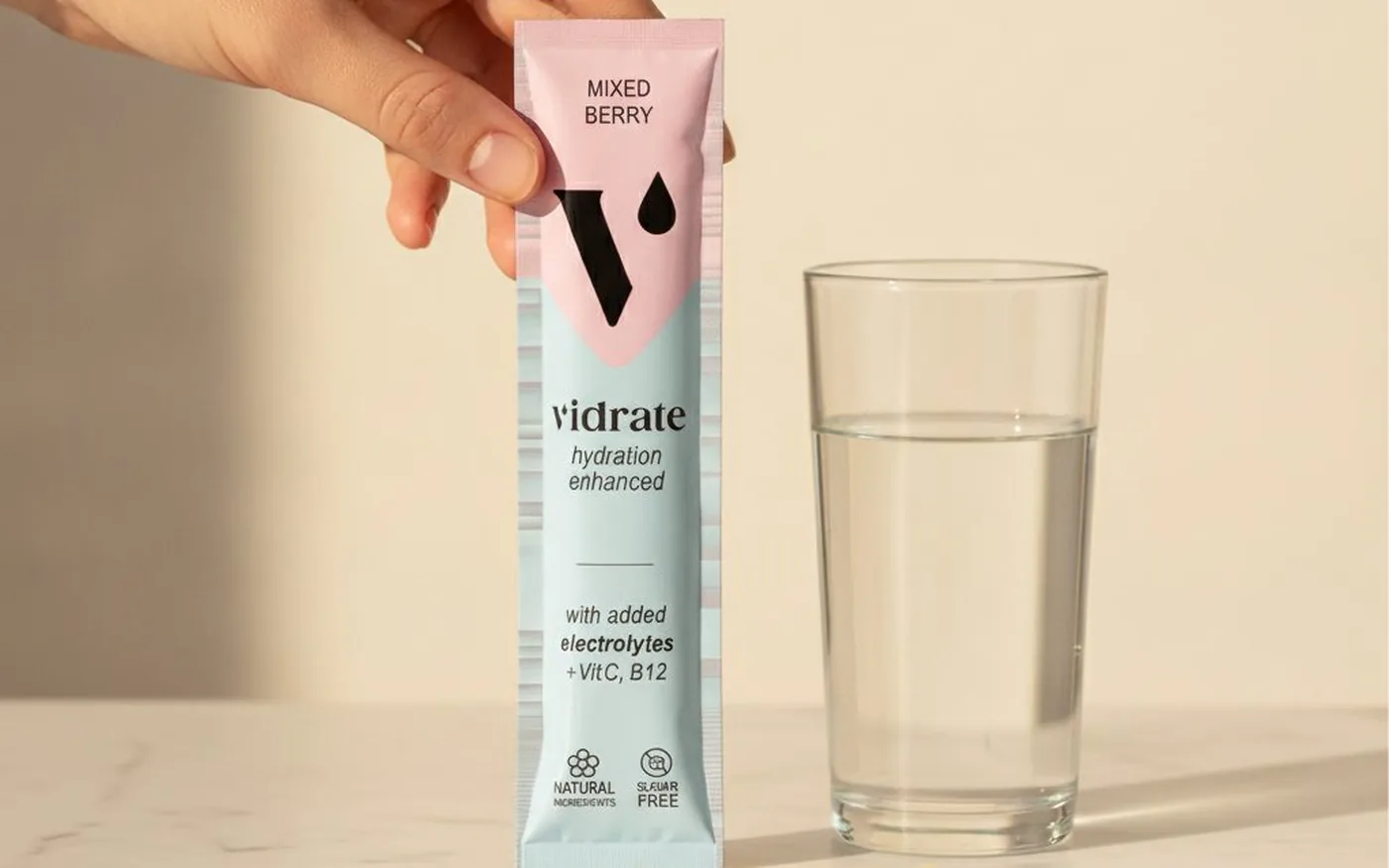
ViDrate is a lighter option with a broader flavour range. Lower sodium than LMNT but more palatable as an everyday drink if symptoms are mild.
If you would rather not spend on a product, the DIY approach is genuinely effective: a 500ml bottle of water with a quarter-teaspoon of sea salt, a squeeze of lemon juice, and a small amount of honey (optional, to taste). It covers the sodium gap at almost no cost. For a full recipe and ratios, the make your own electrolyte drink guide covers everything you need.
The honest answer is that for most people on GLP-1 electrolytes, food first - broth, varied meals, lightly salted cooking - does most of the work. Supplements fill the gap on difficult days, not every day.
For a full breakdown of the best sugar-free electrolyte options available in the UK, including independent testing results, the best electrolytes UK guide is where to go next.
Frequently Asked Questions
Can Mounjaro cause an electrolyte imbalance?
Yes, through two main routes. First, reduced appetite on Mounjaro means you eat less food, which means you take in less sodium, potassium, and magnesium through your diet. Second, GI side effects - nausea, vomiting, and diarrhoea - cause direct losses of these electrolytes. Drinking large amounts of plain water without sodium replacement can also cause hyponatraemia (low blood sodium), which worsens symptoms rather than relieving them. The risk is higher during dose-escalation weeks.
How often should you take electrolytes on Mounjaro?
Not every day by default. Electrolytes are most useful on days when you are experiencing nausea, vomiting, diarrhoea, dizziness, or muscle cramps - the days when losses are highest and intake is lowest. On days when you are eating and drinking normally, food sources of sodium, potassium, and magnesium are typically sufficient. A broth or lightly salted meal often covers the gap without needing a supplement at all.
What supplements should you not take with Mounjaro?
The main caution is with potassium supplements if you have kidney disease or are taking ACE inhibitors, ARBs, or potassium-sparing diuretics - these medications already raise potassium levels, and adding a supplement risks hyperkalaemia. Avoid high-sugar sports drinks, which can worsen nausea. Beyond electrolytes, always check any new supplement with your prescriber or pharmacist before starting, as Mounjaro affects gastric emptying and can alter how supplements are absorbed.
Do I need electrolytes on GLP-1?
Most people on a GLP-1 medication do not need a daily electrolyte supplement if they are eating a broadly varied diet and staying hydrated. You are more likely to benefit from supplementing if you are experiencing significant GI side effects (vomiting, diarrhoea), eating very little during dose-escalation weeks, or noticing specific symptoms such as dizziness, cramps, or persistent fatigue that do not resolve with rest and steady fluid intake. Start with food and broth first. Supplement on difficult days only.
What are 5 symptoms of electrolyte imbalance?
The five most common signs are: fatigue that is disproportionate to activity or sleep, muscle cramps (especially in the legs or at night), dizziness or lightheadedness when standing up, persistent headache, and in more severe cases, an irregular heartbeat. On Mounjaro, the first three are the most common presentation, and all three can be improved by restoring sodium and potassium through food, broth, or a sugar-free electrolyte drink. If symptoms are severe or persistent, speak to your prescriber.
Can you take water tablets (diuretics) while on Mounjaro?
This combination needs prescriber oversight. Diuretics work by increasing fluid and electrolyte excretion through the kidneys. Mounjaro already creates a dehydration risk through reduced intake and potential GI losses. Combining the two increases that risk significantly, particularly for sodium and potassium depletion. If you are currently taking a diuretic for blood pressure or another condition, do not adjust or stop it without speaking to your prescriber - but do raise the question of your hydration and electrolyte status with them.
Should you take electrolytes on Mounjaro?
Most people on Mounjaro do not need daily electrolyte supplements if they eat a balanced diet and stay hydrated, but electrolytes help if you have nausea, vomiting, diarrhoea, dizziness, weakness, or cramps. The practical approach: prioritise broth and lightly salted meals on harder days, drink fluids consistently rather than in large amounts at once, and use a sugar-free electrolyte sachet on days when GI side effects are significant. Always follow your prescriber''s guidance first.
Can I drink electrolyte water during weight loss?
Yes - sugar-free electrolyte drinks are safe to use during a weight loss programme, including while on Mounjaro. They support hydration without adding significant calories and do not interfere with the medication''s mechanism. They do not themselves drive fat loss; their value is replacing what you lose through reduced food intake and GI side effects. Avoid products with high sugar content (over 5g per serving), as these add calories and can worsen nausea in some people on GLP-1 medications.

A registered Nutritional Therapist and member of BANT, Clemmie blends science with a holistic approach to wellbeing.