Best Protein Powder for Weight Loss UK 2026: 10 Tested for Satiety, Macros and Value
Ranked by satiety, not marketing claims. Our nutritional therapist tested 10 UK protein powders for weight loss.
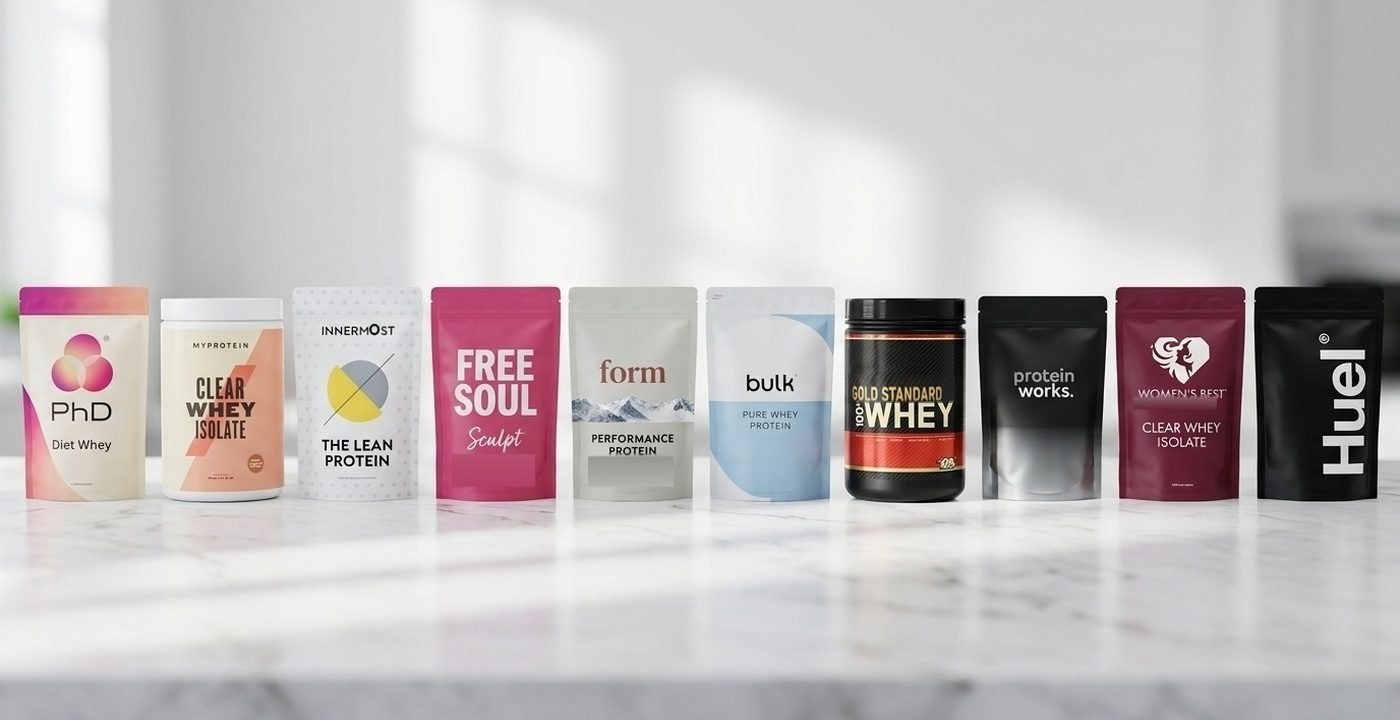
Table of Contents
Some of the links in this article are affiliate links, which help fund our independent review work at no extra cost to you. Every recommendation is based on hands-on testing through The Editor Lab methodology. No brand pays to appear, and no placement is guaranteed.
Most protein powders for weight loss are marketed on the thing they cannot actually deliver. You will see phrases like "fat-burning formula" and "metabolic support blend" on shakes that are, in practice, just protein with a clever label. Here is the honest version: protein powder does not burn fat. What it does do - and what matters for weight loss - is keep you full for longer, help preserve lean muscle while you are eating less, and make hitting a high daily protein target far more manageable.
That is worth a great deal. Done right, a protein powder can be the difference between a calorie deficit that holds and one that collapses at 4pm. But only if you choose one that actually keeps you full, fits your calorie budget, and tastes acceptable enough to use every day.
I tested ten UK protein powders specifically with weight loss in mind: assessing protein-per-calorie ratio, sugar and fat content, satiety (how filling they genuinely were, not how the label describes them), mixability, and taste. The brands below are ranked on those criteria - not on marketing claims or commission rates.
“Ten brands tested over four weeks, scored on satiety, protein-per-calorie efficiency, ingredient quality, and real-world usability. The ranking question was simple: which one actually keeps you full and fits a calorie deficit?”
Editor's Note
I am a BANT-registered Nutritional Therapist holding a Diploma in Nutritional Therapy from the College of Naturopathic Medicine, with clinical experience spanning the nutrition clinic at The Kyros Project with Google DeepMind and The Wellness Clinic at Harrods. Weight management is one of my core clinical specialisms, and I work regularly with clients navigating the gap between what protein supplements promise and what they actually deliver in a calorie deficit. I also write for Purition UK on protein and satiety science, and my book on family nutrition is available on Amazon.
This article was produced in line with The Editor Lab methodology: structured testing, sourced claims, and no sponsored rankings.
How We Tested and Ranked
Every brand on this list was assessed across five criteria:
- Protein-per-calorie efficiency - grams of protein per 100 calories. Higher is better for weight loss.
- Sugar and fat content - both add calorie cost without improving satiety meaningfully.
- Satiety performance - how full each shake left testers feeling at two hours post-consumption.
- Mixability and texture - a shake you dread making is a shake you will skip.
- Price-per-serving - value matters when you are buying a product you use daily.
Brands were excluded if they made unsubstantiated fat-burning claims without mechanism, relied on extreme calorie restriction framing, or failed basic label transparency checks.
The NHS advises that healthy weight loss comes from a sustainable calorie deficit supported by adequate nutrition - not from supplements alone. Protein powder supports that process; it does not replace it.
Top 3 Best Protein Powders for Weight Loss
These three sat at the top of our testing because each solved a different version of the same problem. PhD Diet Whey delivers around 17g of protein at roughly 98 calories per serving, with a fibre boost that meaningfully extends fullness - it is the most practical all-round choice for a calorie deficit. Myprotein Clear Whey earns its place for anyone who finds thick shakes hard to stomach: it is light, refreshing, and low in calories, which makes it a useful deficit tool even if the protein-per-serve is lower. Innermost The Lean Protein is the most considered formulation: transparent ingredient doses, a short and legible ingredient list, and functional additions (acetyl L-carnitine and inulin) that are at least plausibly relevant to body composition.
What separates a genuinely useful weight-loss protein from a standard one is satiety, not the lowest calorie count. Several shakes in this test came in under 100 calories per serving and left testers hungry again within an hour. A higher-protein, slightly higher-calorie shake that keeps you full until your next meal is a better deficit tool than a watery 80-calorie shake that sends you to the biscuit tin at 11am.
The Best Protein Powders for Weight Loss, Ranked
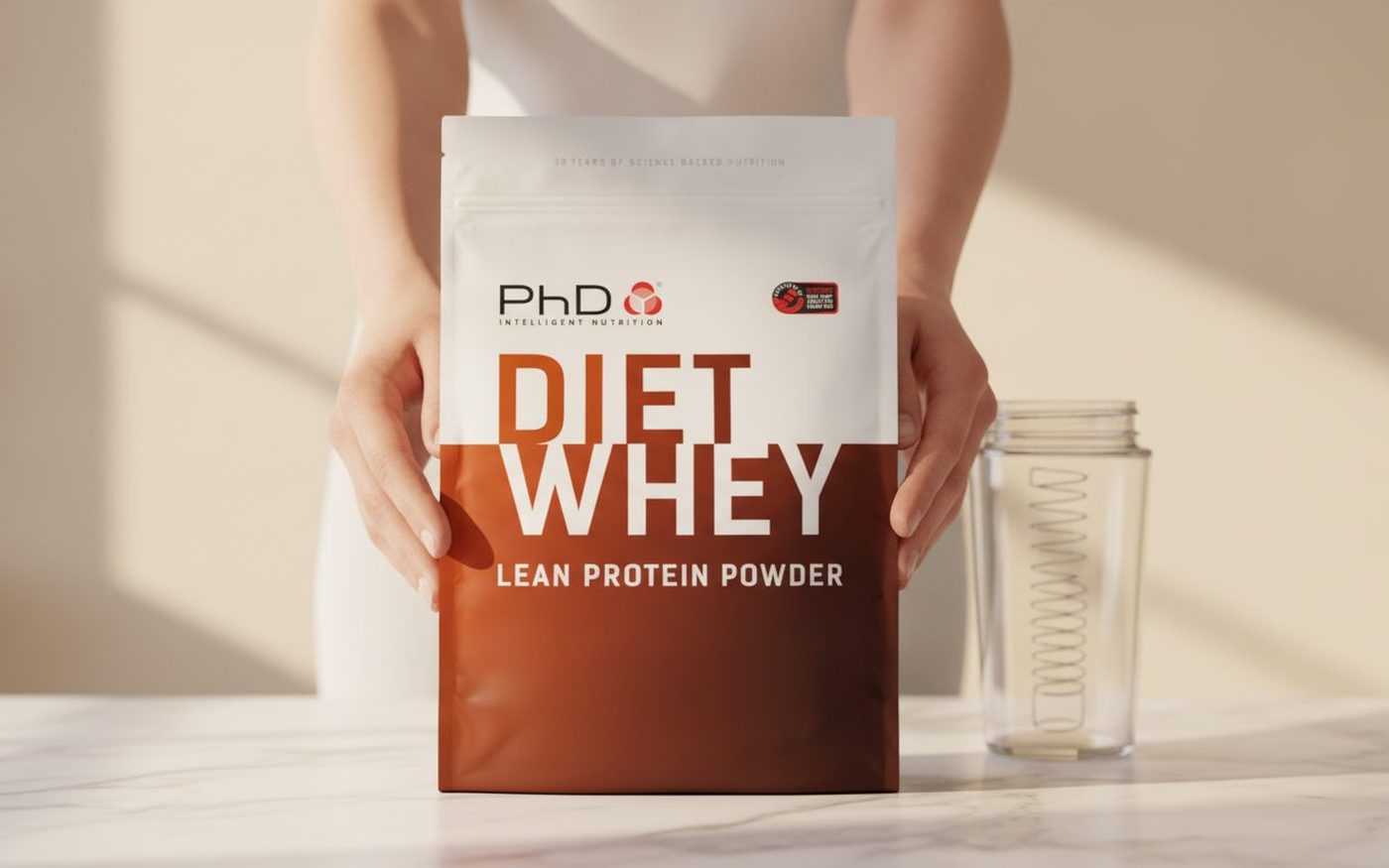
1. PhD Diet Whey - Best Overall
PhD Diet Whey has been the benchmark UK diet protein for over a decade, and it earns that position. At around 17g of protein per 30g serving at roughly 98 calories, with added fibre (flaxseed), L-Carnitine, CLA, and green tea extract, it is formulated specifically for weight management rather than general muscle building. The protein-per-calorie ratio is solid rather than category-leading, but what earns it the top spot is the combination: a fibre and protein blend built deliberately for satiety. The added fibre is not decorative - testers consistently reported staying full for longer compared to standard whey shakes at comparable calorie counts.
One honest note: PhD Diet Whey does contain sucralose. If you are sensitive to artificial sweeteners or concerned about their potential impact on gut microbiome composition - an area of emerging research - that is worth knowing before you buy.
Flavour-wise, the Chocolate Fudge Brownie is the most popular for good reason: rich without being cloying, and it mixes well with 200-300ml of water or unsweetened almond milk. Per-serving calorie cost leaves enough room in a 1,200-1,500 calorie day to use it regularly.
“PhD Diet Whey is the most complete diet protein we tested. A solid protein-per-calorie ratio, meaningful fibre content, and a satiety performance that held up consistently across four weeks of testing.”
| Evaluation Criteria | Our Findings |
|---|---|
| Full review | PhD Diet Whey review (coming soon) |
| Best for | Overall weight-loss use; calorie-deficit dieters who want fibre and protein combined |
| Flagship product | PhD Diet Whey Protein, 30g serving, 98 kcal, 17g protein |
| Shop | from £24.99 | phd-supplements.com |
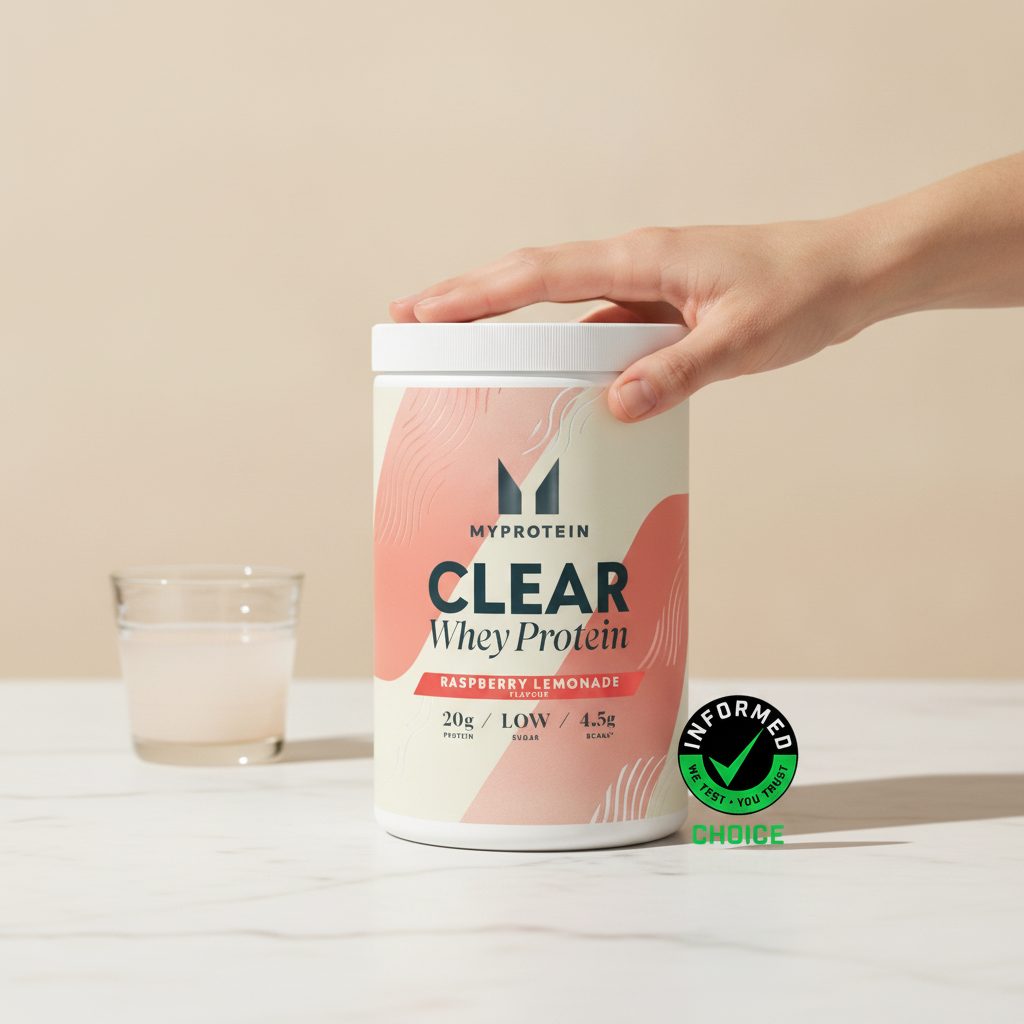
2. Myprotein Clear Whey Isolate - Best Low-Calorie Refreshing Option
Clear whey is a different category to standard whey, and it is worth understanding the trade-off before you buy. Myprotein Clear Whey Isolate is a filtered whey protein that mixes like a juice drink rather than a shake: light, transparent, and refreshing rather than thick and milky. Per serving it delivers around 20g of protein at approximately 90 calories, with very low fat and minimal carbohydrate.
The trade-off is satiety. Clear whey is lower in protein-per-serve than a concentrated diet whey and it lacks the fat and fibre that extend fullness. Testers found it effective as a between-meal protein top-up on hot days or after training, but weak as a meal replacement. It is not a shake you drink instead of lunch and expect to feel fed.
Myprotein is the UK's largest sports nutrition retailer by volume, which means you benefit from consistent quality control, regular discounts through their website directly, and a large flavour range. The Peach Tea and Watermelon flavours are genuinely good - refreshing without the synthetic sweetness that haunts some clear-whey products.
“Excellent for hot days and as a low-calorie protein top-up. Not a meal swap - if satiety is your primary need, this sits below PhD in the ranking, but it fills a real gap that standard thick shakes cannot.”
| Evaluation Criteria | Our Findings |
|---|---|
| Full review | Myprotein Clear Whey Isolate review (coming soon) |
| Best for | Low-calorie refreshing top-up; summer use; after training when a thick shake is unappealing |
| Flagship product | Clear Whey Isolate, 90 kcal per serving, 20g protein |
| Shop | from £21.99 | myprotein.com |
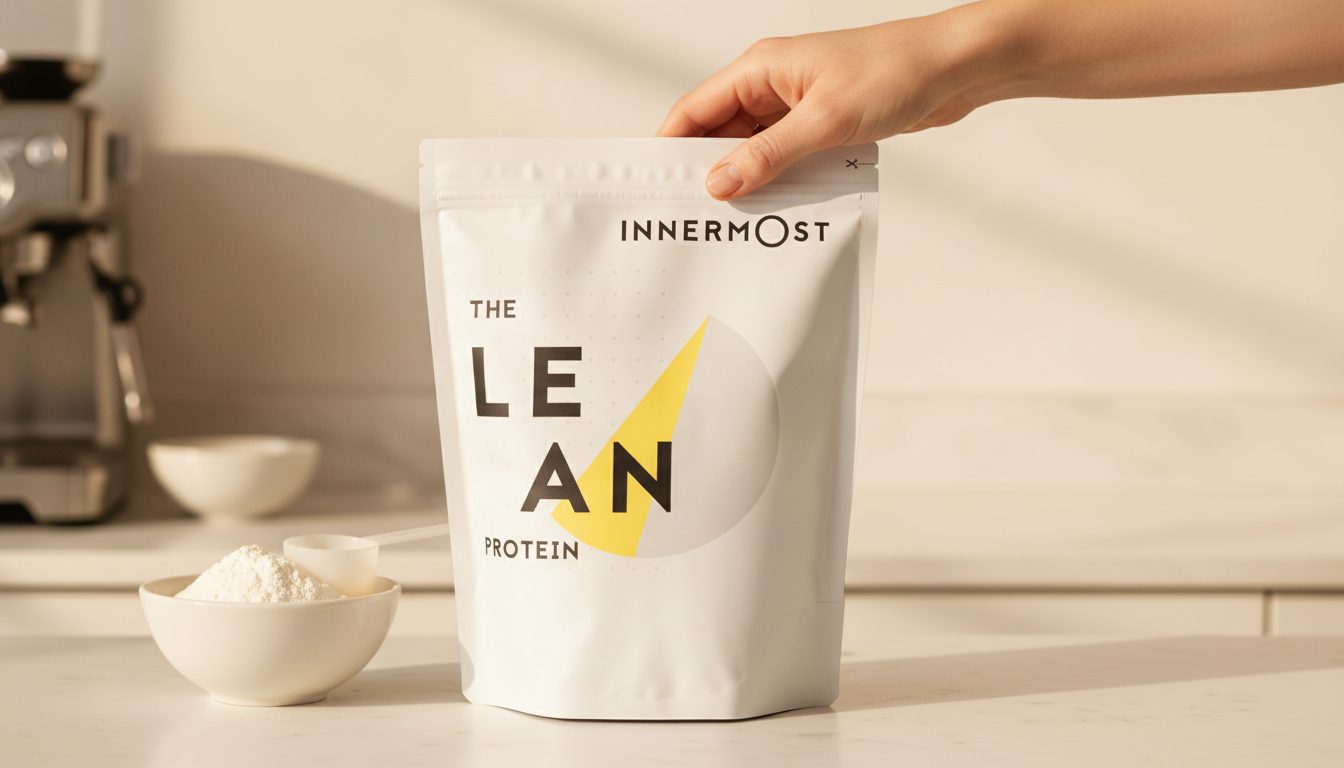
3. Innermost The Lean Protein - Best Formulated for Fat Loss
A transparent ingredient label and functional additions that are at least clinically grounded - Innermost The Lean Protein stands apart from most diet wheys on those counts. The formula combines whey protein concentrate and isolate with acetyl L-carnitine (750mg, which supports the breakdown of fat for energy), inulin (1g of prebiotic fibre), pomegranate, yerba mate, and bilberries. Where most diet proteins add functional extras without publishing doses, Innermost does not.
At 148 calories and 31g of protein per serving, the protein-per-calorie ratio is strong. The ingredient list is short and legible. Whether you need the functional additions depends on your situation and your existing supplement stack, but they are at least clinically grounded - this is not a proprietary blend listing ingredients without doses.
The price is the honest limitation: Innermost sits at around £40 per 520g bag, which is considerably more than PhD or Bulk. If budget matters in your decision - and for most people in a calorie deficit it does - that gap is real.
“The most transparently dosed formulation in this test: every functional addition is published with its exact amount, and the ingredient list is short enough to read in ten seconds. Premium priced, and the premium is genuine.”
| Evaluation Criteria | Our Findings |
|---|---|
| Full review | Innermost The Lean Protein review (coming soon) |
| Best for | Buyers who want transparent ingredient doses and clinically grounded functional additions; those wanting strong protein-per-calorie alongside short ingredient lists |
| Flagship product | The Lean Protein, 148 kcal per serving, 31g protein |
| Shop | from £40.00 | liveinnermost.com |
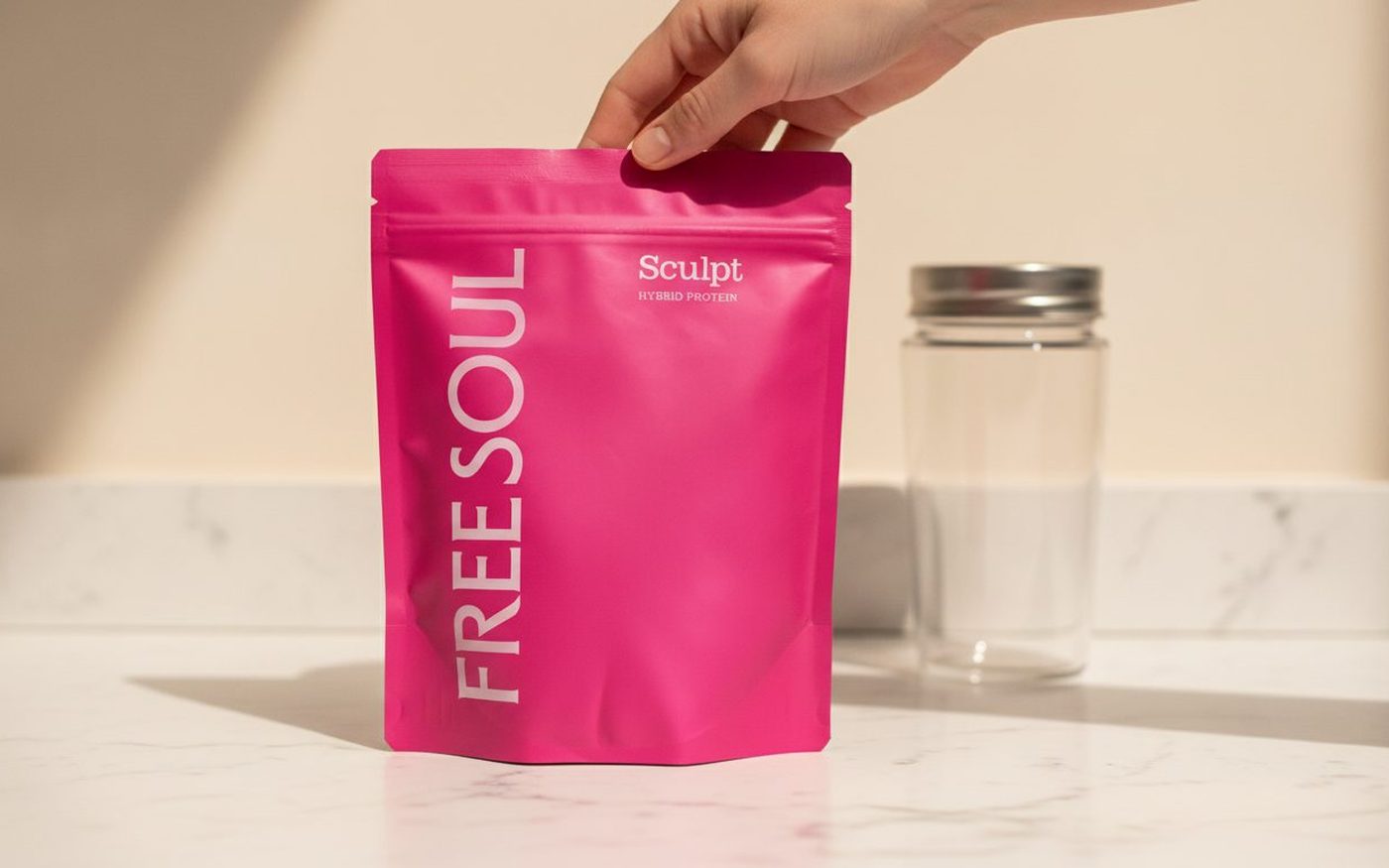
4. Free Soul - Best Formulated for Women
Most protein powders that claim to be "for women" are standard whey in a pink tub. Free Soul is the exception. The Sculpt Protein Blend for Women is built around a whey and pea protein combination with added iron, vitamin B6, and vitamin B12 - nutrients that women, particularly in perimenopause or during high-activity phases, are most likely to be short on. At 99 calories and 20g of protein per serving, the macros are solid rather than exceptional on pure protein-per-calorie terms.
What it does exceptionally well is address the hormonal and micronutrient context that standard protein powders ignore entirely. Iron deficiency is common in women of reproductive age and affects energy in a deficit; vitamin B6 and B12 both support energy metabolism, which matters when you are eating less. For a woman using protein to support fat loss, that wider nutritional context is not irrelevant.
Free Soul uses stevia and sucralose as sweeteners and contains no artificial colours or preservatives. The chocolate and vanilla flavours are both genuinely good. The brand has a strong community following on social media, which can be useful for recipe ideas and accountability - a non-trivial feature for long-term adherence.
“The micronutrient additions make this more than a protein shake for the right buyer. If you are a woman in your 30s or 40s using protein to support fat loss, the iron and B-vitamin additions are worth the slightly lower protein-per-serve ratio.”
| Evaluation Criteria | Our Findings |
|---|---|
| Full review | Free Soul review (coming soon) |
| Best for | Women 30-50; perimenopause; anyone prioritising micronutrient support alongside protein |
| Flagship product | Sculpt Protein Blend for Women, 99 kcal per serving, 20g protein |
| Shop | from £29.99 | freesoul.co |
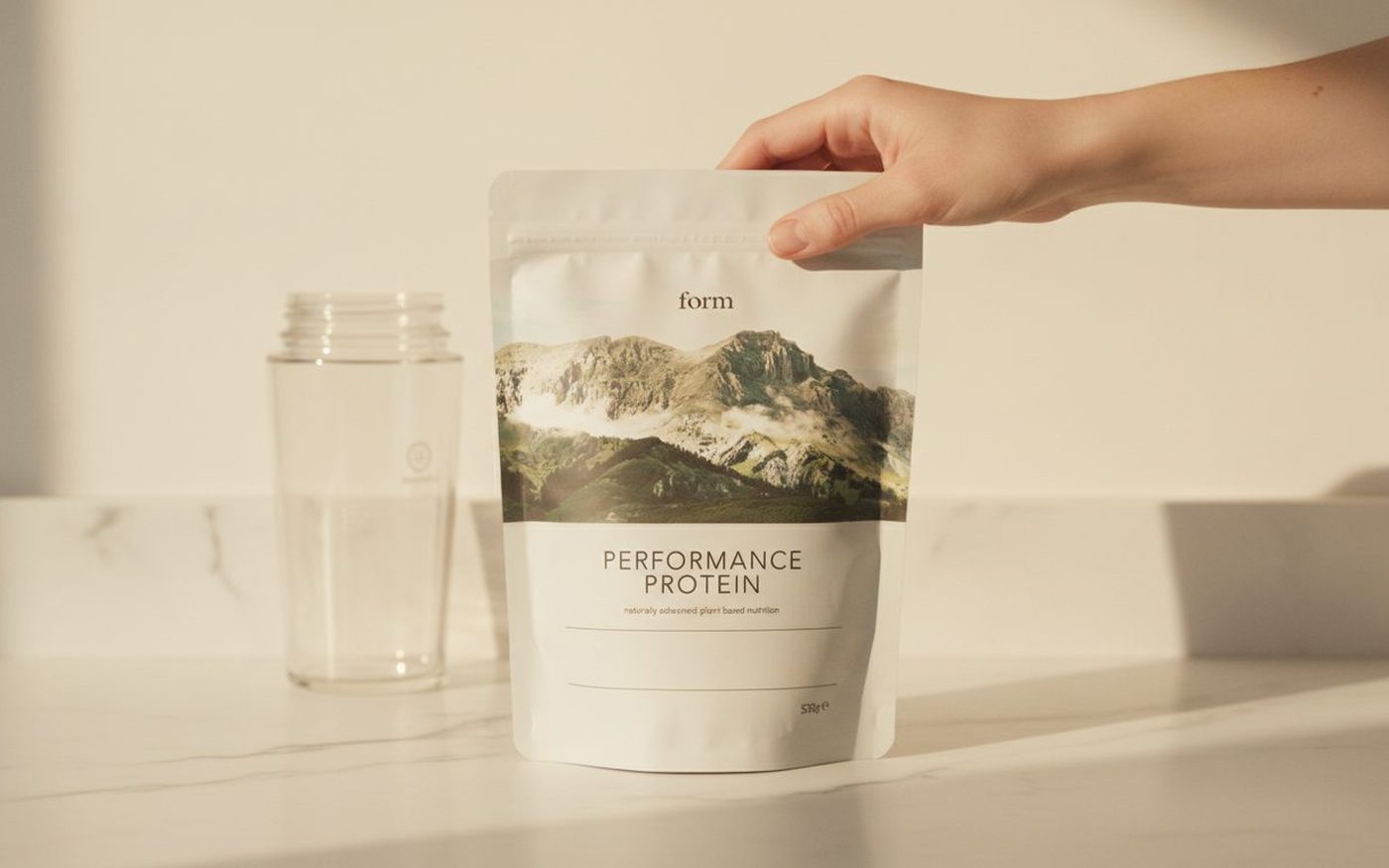
5. Form Performance Protein - Best Plant-Based Pick for Weight Loss
The pea-protein problem is real: chalky texture, incomplete amino acid profile, and a flavour that rarely survives honest tasting. Form Performance Protein solves all three. The formulation pairs pea, brown rice, and pumpkin seed protein - together they cover the full amino acid profile that single-source plant proteins miss. Per serving it delivers 30g of protein at 154 calories, a protein-per-calorie ratio that holds up directly against mid-table whey options.
The ingredient list is genuinely clean: no artificial sweeteners (stevia and thaumatin only), no synthetic flavours, and third-party tested. The Salted Caramel and Chocolate Peanut flavours are the best-tasting plant proteins I have assessed on a commercial basis - they do not carry the dry, chalky mouthfeel that puts people off pea protein. That is not a small consideration when satiety and enjoyment are both factors in long-term adherence.
If you are vegan, lactose intolerant, or simply prefer plant sources, Form is the best plant based protein powder UK option for a weight-loss context. It competes directly with whey on protein-per-calorie terms, which most plant proteins cannot say.
“Form closes the gap between plant protein and whey more convincingly than any other plant option I have tested. The ingredient quality is exceptional and the flavours actually work.”
| Evaluation Criteria | Our Findings |
|---|---|
| Full review | Form Performance Protein review (coming soon) |
| Best for | Vegan and plant-based buyers; lactose intolerant; clean-label priority |
| Flagship product | Performance Protein, 154 kcal per serving, 30g protein |
| Shop | from £32.00 | formnutrition.com |
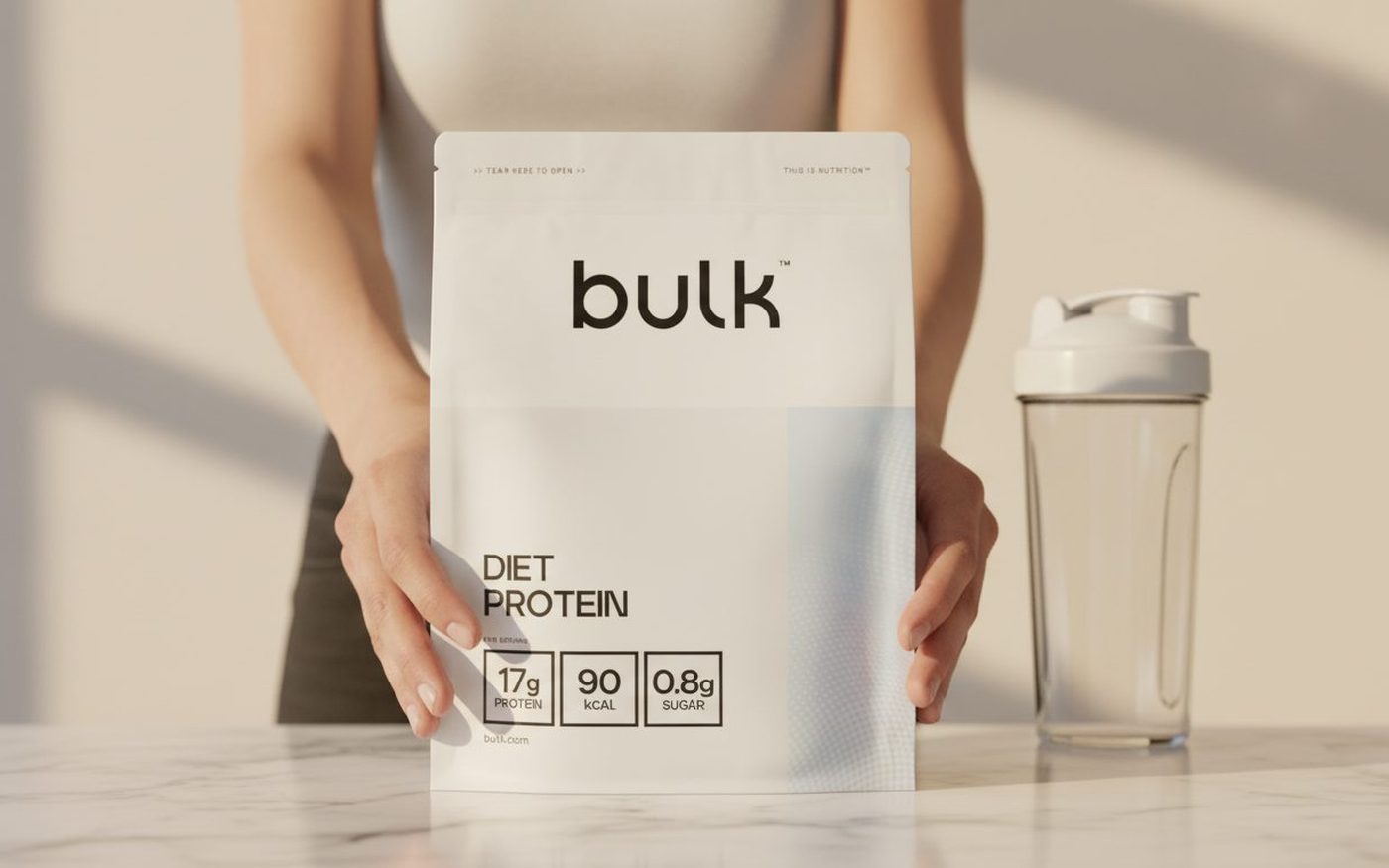
6. Bulk Diet Protein / Pure Whey - Best Value
Ninety pence per serving is a difficult price to argue with. Bulk (formerly Bulk Powders), the second-largest UK sports nutrition retailer, sits well below PhD and Innermost on cost without falling over on the fundamentals. The Diet Whey delivers 17g of protein at 90 calories per serving, with added fibre (glucomannan), green tea extract, and green coffee extract - a functional lineup at a price point that makes daily use financially realistic.
Be honest about what you are getting: Bulk's formulation is solid and practical, but the functional additions are present at doses lower than in more premium products, and the fat-burning language on their packaging overreaches what the evidence supports. Green tea extract has modest thermogenic evidence at clinical doses; at the doses typical in a diet protein serving, the effect is marginal. You are buying a good-value, high-protein, fibre-boosted whey - and that is plenty.
The Pure Whey Protein is also worth considering as the cleaner alternative if you want to skip the functional additives and pay for protein alone.
“Bulk wins on value. The Diet Whey is practical, well-formulated, and considerably cheaper than the premium tier.”
| Evaluation Criteria | Our Findings |
|---|---|
| Full review | Bulk Diet Protein review (coming soon) |
| Best for | Budget-conscious buyers; high-volume users; those wanting fibre and protein without the premium price |
| Flagship product | Diet Whey, 90 kcal per serving, 17g protein |
| Shop | from £19.99 | bulk.com |
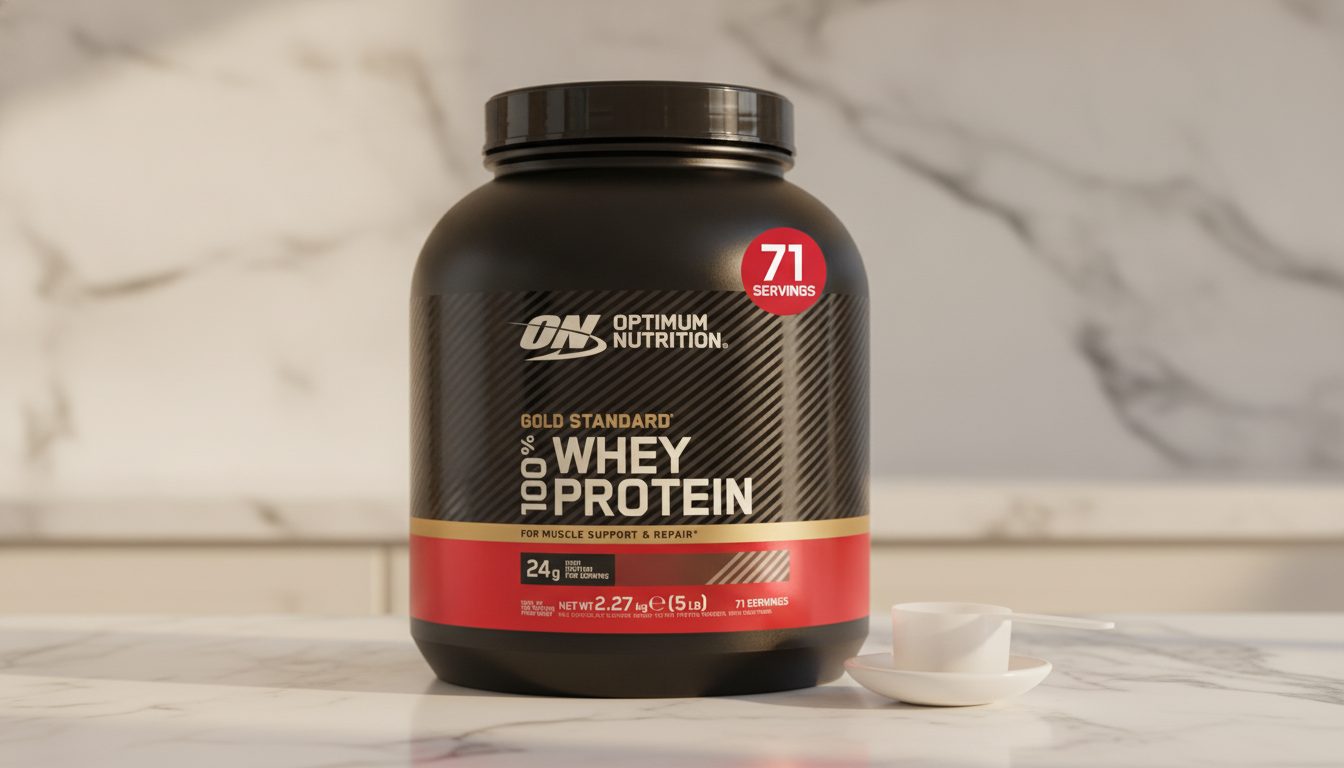
7. Optimum Nutrition Gold Standard / Lean - Best Standard Whey
Twenty years of third-party testing and a presence in every major UK retailer: Optimum Nutrition Gold Standard Whey earns its benchmark status through consistency, not marketing. The Gold Standard 100% Whey is positioned as a low-fat, low-carbohydrate option suitable for a cutting phase - 24g of protein at 116 calories per serving, with minimal sugar. What it does not offer is the specialised diet-whey formulation you get from PhD or the functional additions of Innermost. The trade-off is deliberate: this is the low-risk choice, not the highest-performing one.
The key advantage ON brings is track record. This is a product that has been independently tested and validated over twenty years. Third-party testing is robust, the amino acid profile is complete, and the mixability is excellent. For anyone who is uncertain about newer brands or simply wants a reliable option from a category leader, ON Gold Standard Lean is the low-risk, high-credibility choice.
The price sits in the mid-range - not as cheap as Bulk, not as premium as Innermost - and it is widely available on Amazon UK.
“The global benchmark for good reason. Not the most specialised diet-whey formulation, but the most consistently reliable - if you want a product you can trust without researching the brand, start here.”
| Evaluation Criteria | Our Findings |
|---|---|
| Full review | Optimum Nutrition review (coming soon) |
| Best for | First-time buyers who want a reliable, well-tested global brand; anyone who prefers wide retail availability |
| Flagship product | Gold Standard 100% Whey, 116 kcal per serving, 24g protein |
| Shop | from £26.99 | amazon.co.uk |
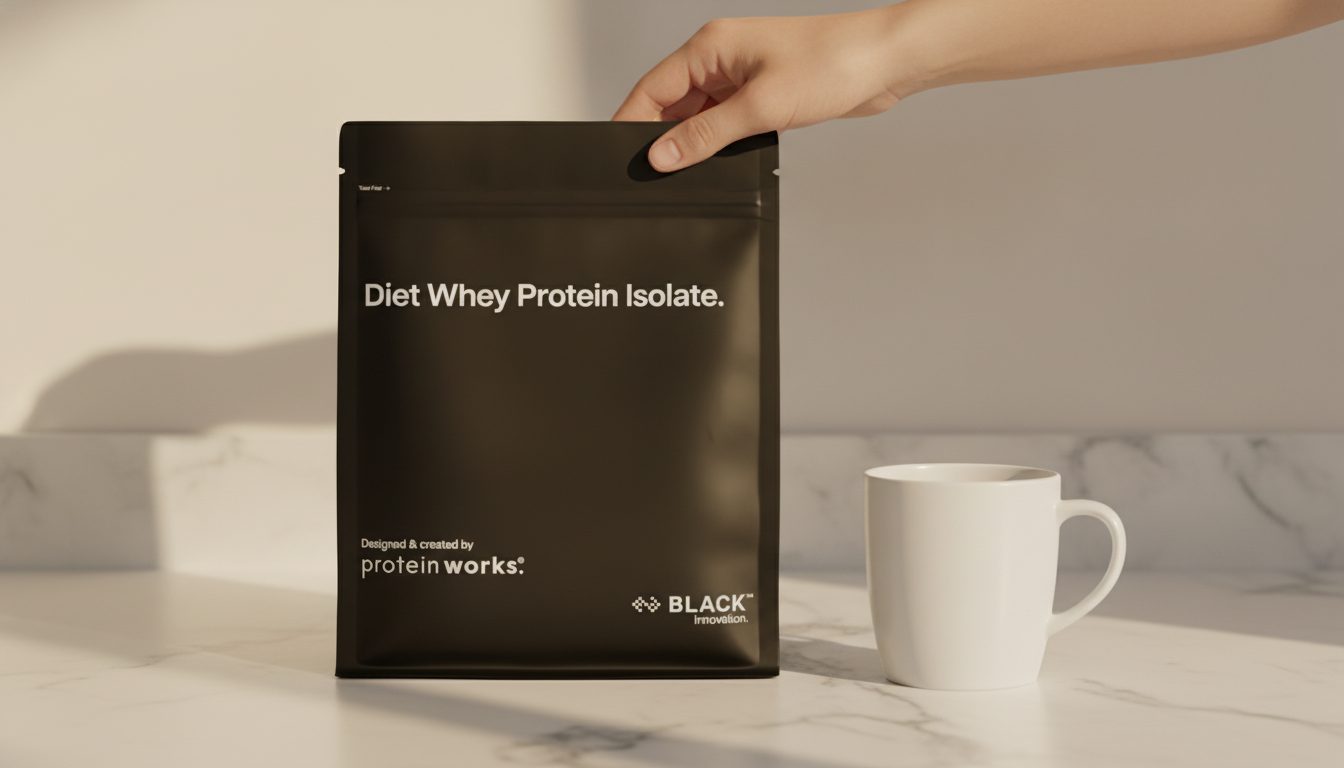
8. The Protein Works Diet Whey Isolate - Best Texture for Price
Texture kills adherence. If a protein shake clumps, leaves grit, or sets like cement in the shaker bottle, you stop using it - and a protein you stop using delivers zero satiety benefit. The Protein Works Diet Whey Isolate solves that specific problem: the texture is notably smooth at 22g of protein per serving and 92 calories, and the mixability held up consistently across four weeks of daily testing without fatigue.
The Protein Works also offers a Clear Diet Whey, which sits in the same refreshing-and-low-calorie category as Myprotein Clear Whey Isolate and is worth considering if you want variety between styles. The brand uses sucralose in most products, which is worth noting for sweetener-sensitive buyers.
Price-per-serving is competitive - typically £1.00-1.20 depending on flavour and promotion - which slots it between Bulk and the premium tier.
“Excellent texture and strong protein-per-serve for the price. The Diet Whey Isolate is a practical everyday option that competes closely with Optimum Nutrition on value.”
| Evaluation Criteria | Our Findings |
|---|---|
| Full review | The Protein Works review (coming soon) |
| Best for | Daily users who prioritise mixability and texture; value-seekers wanting isolate quality |
| Flagship product | Diet Whey Isolate, 92 kcal per serving, 22g protein |
| Shop | from £21.99 | theproteinworks.com |
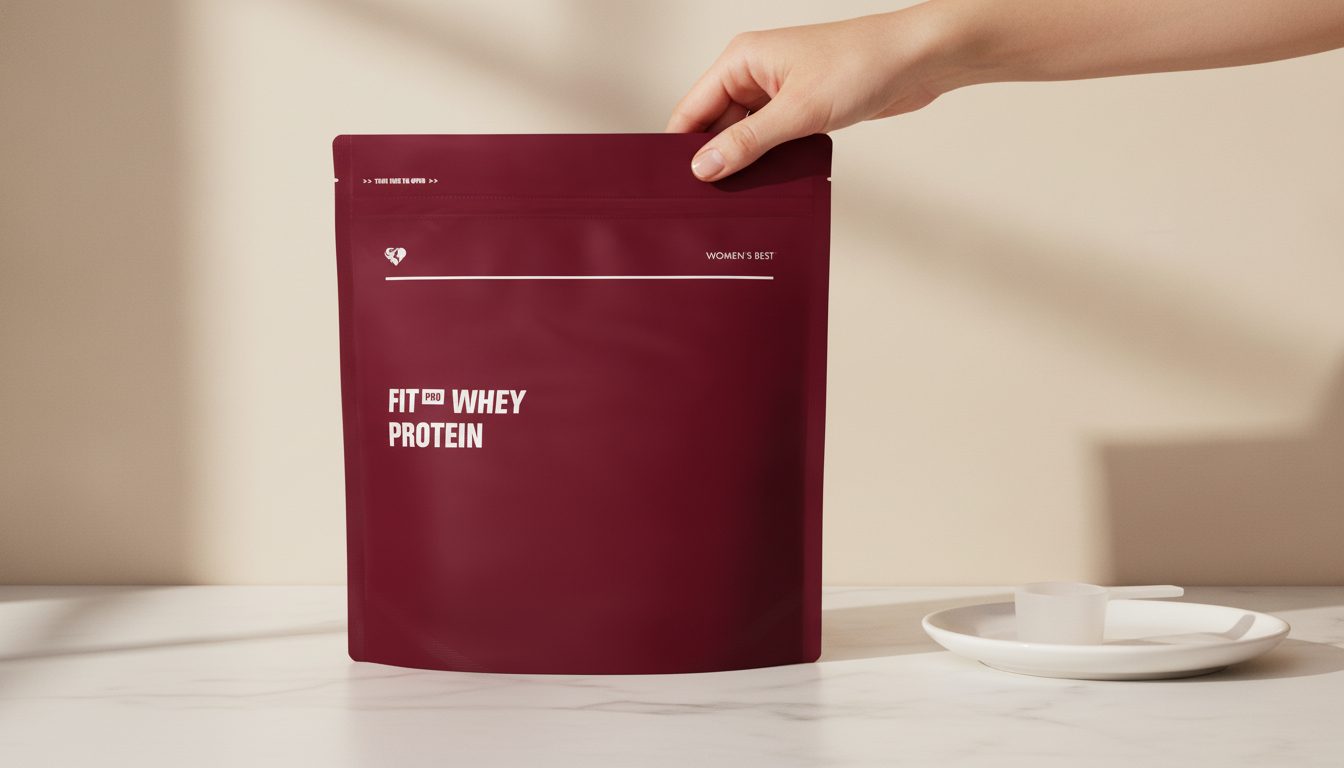
9. Women's Best Fit Pro Whey - Best Lean Whey for Women
If Free Soul is the nutritionally complete option for women in a deficit, Women's Best Fit Pro Whey is the practical everyday alternative at a lower price. The Fit Pro Whey is a whey protein concentrate and isolate blend delivering 24g of protein at 110 calories per serving - competitive on the core metric, without the micronutrient additions that make Free Soul specifically useful for perimenopause or iron-deficient buyers. That is not a weakness in itself: not every woman needs the additions, and the flavour range here is genuinely strong.
Where Women's Best differentiates from Free Soul is price: the Fit Pro Whey typically comes in at £28-32 per bag, slightly below Free Soul, and with flavours that are particularly popular (Chocolate Cinnamon Roll, Strawberry Shortcake). If those additions matter to you, Free Soul is the stronger choice. If you want a clean, good-tasting lean whey at a fair price, Women's Best delivers on the basics without overcomplicating them.
“Solid lean whey at a fair price with flavour options that work. Not as nutritionally complete as Free Soul for the hormonal health context, but a reliable everyday protein for women in a calorie deficit who do not need the micronutrient additions.”
| Evaluation Criteria | Our Findings |
|---|---|
| Full review | Women's Best review (coming soon) |
| Best for | Women who want a lean whey without the premium price; strong flavour range a priority |
| Flagship product | Fit Pro Whey, 110 kcal per serving, 24g protein |
| Shop | from £28.99 | womensbest.com |
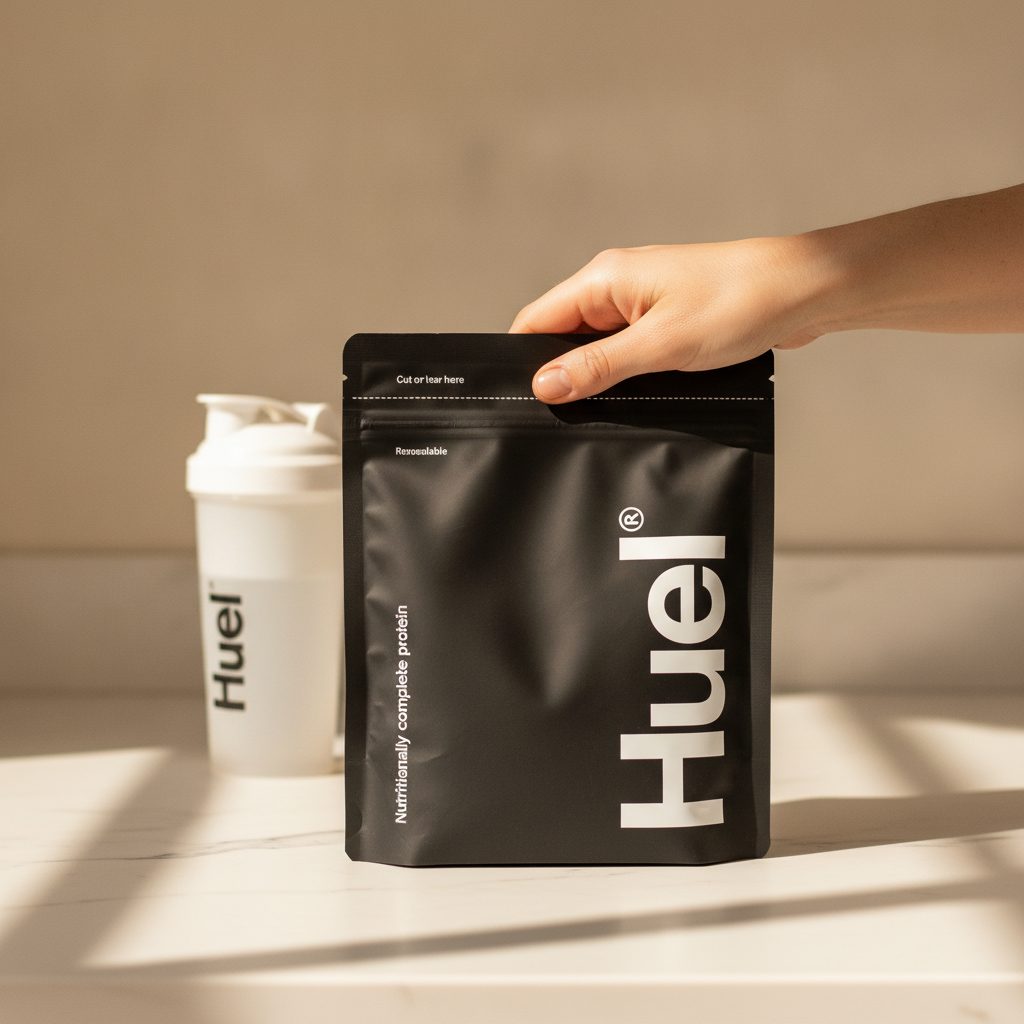
10. Huel Complete Protein / Black - Best Meal-Replacement Option
There is a version of weight-loss eating where you stop thinking about what to make and simply replace a meal with something complete, controlled, and guaranteed to fill you. That is Huel's proposition. Huel Complete Protein is not a lean protein top-up - it is a full meal-replacement system providing 26 essential vitamins and minerals alongside its protein payload. Huel Black Edition, the higher-protein lower-carbohydrate variant, delivers 40g of protein and 400 calories per serving.
This distinction matters for how you use it. A 400-calorie meal replacement that keeps you full for four hours is a different tool from a 100-calorie protein shake that tops up your daily protein total. If your goal is to simplify calorie counting by replacing one meal per day with something complete and genuinely filling, Huel Black is one of the most effective options on the UK market.
The caveat: Huel Black is not a protein top-up. If you are trying to keep calories low across the day and want a small protein addition, it is too calorically significant. Huel Complete Protein (the newer, standalone protein product) addresses this more directly at around 110 calories and 20g of protein per serving.
“Huel is not a protein powder in the conventional sense - it is a meal system. If you are looking for a complete meal replacement to anchor a calorie deficit, Huel Black is among the most nutritionally complete options available.”
| Evaluation Criteria | Our Findings |
|---|---|
| Full review | Huel review (coming soon) |
| Best for | Meal-replacement approach to calorie deficit; complete nutrition in one shake |
| Flagship product | Huel Black Edition, 400 kcal per serving, 40g protein (meal replacement) |
| Shop | from £45.00 | huel.com |
Brands to Avoid
Not every "diet" or "weight-loss" protein powder earns the label. Watch out for:
- Ultra-low-calorie shakes under 80kcal per serving that deliver under 15g of protein. These are volume plays, not satiety plays. Several testers reported being hungry again within an hour - the real-world equivalent of drinking a very expensive glass of water.
- Blends with more sugar than protein. They spike blood glucose, increase hunger shortly after, and provide no meaningful satiety benefit.
- Products that claim to burn fat without naming a specific mechanism and citing supporting evidence at an actual dose. "CLA supports fat metabolism" without a dose figure is marketing, not nutrition.
Does Protein Powder Help With Weight Loss
Yes - but not because it burns fat. That framing is the most persistent myth in sports nutrition, and it is worth dismantling clearly.
Research published in PubMed demonstrates that dietary protein increases satiety more than equivalent calorie amounts from carbohydrate or fat. It does this primarily by stimulating the release of satiety hormones (GLP-1, PYY) and by slowing gastric emptying - meaning you feel full for longer after a high-protein meal or shake. This is the mechanism. It is not magic, but it is real and well-documented.
The second mechanism is lean mass preservation. When you eat less, your body draws energy from both fat and muscle. Higher protein intake - particularly relevant for women, per this PubMed research - significantly reduces the proportion of weight loss that comes from muscle. That matters for long-term metabolic rate (muscle burns more calories at rest than fat does) and for body composition. You may lose the same amount of weight on a standard versus high-protein deficit, but the high-protein version leaves you with more muscle and less fat.
Protein powder makes it easier to hit a higher daily protein target without significantly increasing calories. The NHS guidance on healthy weight loss is clear that a sustainable calorie deficit - not a supplement - is what drives fat loss. Protein powder is a tool that supports that deficit; it does not replace it.
One note for anyone using weight-loss injections (GLP-1 agonists such as Ozempic or Mounjaro): the appetite suppression these medications produce can make it significantly harder to eat enough protein from food alone. Using a protein supplement alongside GLP-1 medication is a sensible strategy for protecting lean mass - a growing number of my clients do this - but speak to your GP or a registered dietitian about dosage and timing in your specific situation.
Best electrolytes UK and protein powder are a useful combination in a calorie deficit: electrolyte loss increases during calorie restriction, particularly if you are exercising at the same time. A well-chosen electrolyte supplement alongside your daily protein can prevent the fatigue and cramping that often derail weight-loss programmes in the first two weeks.
Whey vs Plant Protein for Weight Loss
The short answer is that the whey versus plant debate matters less than the protein-per-calorie ratio and satiety performance of the specific product you choose. A well-formulated plant protein (like Form, above) competes directly with whey on protein-per-serve. A poorly formulated whey with high sugar content loses to a clean plant blend every time.
That said, the practical differences are worth understanding:
Whey protein (concentrate and isolate) is derived from milk and digests quickly. It has the highest leucine content of any protein source - leucine is the key trigger for muscle protein synthesis - and generally delivers a higher protein-per-calorie ratio than most plant proteins. Whey isolate is 90%+ protein by weight and is naturally very low in fat and carbohydrate. If dairy is not a concern and your primary goal is the most efficient protein-per-calorie, whey still leads.
Plant protein (pea, rice, hemp) digests slightly more slowly, which some evidence suggests may marginally extend satiety. The limitation is amino acid profile: pea protein alone is low in methionine; rice protein is low in lysine. Blended plant proteins address this, which is why Form and Free Soul both use combined sources. If you are vegan, lactose intolerant, or prefer to avoid dairy, a well-blended plant protein is a completely viable weight-loss tool - not a compromise.
Clear whey is a filtered variant that sits apart on texture: it mixes like a juice drink and is very low in calories and fat. The limitation is protein-per-serve: clear whey typically delivers 15-20g of protein at 70-90 calories, which is lower than a standard concentrated whey. It is a refreshing supplement top-up, not a meal replacement.
If you are considering creatine alongside protein in a deficit - a combination that is increasingly well-supported for preserving lean mass during weight loss - creatine and protein work through different mechanisms and are safe to combine.
Best Picks by Need
Best protein powder for weight loss for women: Free Soul Sculpt Protein Blend for Women. The iron, vitamin B6, and vitamin B12 additions address the specific micronutrient gaps most common in women in a calorie deficit. For the best vegan protein for weight loss uk, Form Performance Protein is the clear pick.
Best protein powder for weight loss over 40 and menopause: Free Soul again, for the iron and B-vitamin support context. Protein intake becomes more important in perimenopause as muscle mass becomes harder to maintain; 25-30g of protein per shake, used consistently, is a meaningful tool. Speak to your GP about whether your overall daily protein target needs adjusting during this life stage.
Best protein powder for weight loss and toning: PhD Diet Whey or Innermost The Lean Protein. Both provide solid protein-per-calorie ratios, with Innermost adding acetyl L-carnitine (which supports the breakdown of fat for energy). Toning is a product of building or maintaining lean mass while losing fat - protein is the most important dietary variable in that process.
Best clear whey for weight loss: Myprotein Clear Whey Isolate. Refreshing, low-calorie, and genuinely drinkable on warm days. Use it as a top-up between meals, not as your primary protein source.
How to Use Protein for Fat Loss
Protein timing matters less than total daily protein intake, but timing has practical relevance:
- Morning: A high-protein breakfast or morning shake reduces hunger across the rest of the day more reliably than other meal timing strategies. If you are working within a 1,200-1,500 calorie daily budget, front-loading protein early gives you more flexibility later.
- Post-training: A protein shake within two hours of exercise supports muscle protein synthesis and recovery. During a calorie deficit this is particularly important because the muscle preservation effect is most active in the post-exercise recovery window.
- As a meal replacement: If you replace one meal per day with a protein shake, choose one that also provides fibre and a small amount of fat to extend satiety. A pure isolate shake is less effective as a meal replacement than a diet whey with added fibre (PhD, Bulk Diet Protein).
Will protein powder make you bulky? No. Building significant muscle mass requires a consistent calorie surplus and progressive resistance training over months. A protein shake in a calorie deficit, even combined with exercise, will not make you bulky - it will help you preserve the muscle you already have while losing fat. That is the opposite of bulk.
How much protein do you need? The British Nutrition Foundation and most clinical guidance suggests 1.2-1.6g of protein per kilogram of bodyweight per day for people in a calorie deficit who are also exercising. At 70kg, that is 84-112g of protein daily. Most people in a calorie deficit do not hit this from food alone, which is where a daily protein shake makes the most practical difference.
If you are on medically supervised weight loss, speak to your GP or a registered dietitian about your specific protein and calorie targets.
Full Comparison Table
| Brand | Type | Protein (g) | Calories | Sugar (g) | Price per serving | Sweetener |
|---|---|---|---|---|---|---|
| PhD Diet Whey | Diet Whey | 17g | 98 kcal | 1g | from £1.00 | Sucralose |
| Myprotein Clear Whey Isolate | Clear Whey Isolate | 20g | 90 kcal | 0.5g | from £0.90 | Sucralose |
| Innermost The Lean Protein | Whey Blend | 31g | 148 kcal | 2g | from £1.60 | Sucralose |
| Free Soul Sculpt | Whey and Pea Blend | 20g | 99 kcal | 1g | from £1.20 | Stevia and sucralose |
| Form Performance Protein | Pea, Rice and Pumpkin Seed (vegan) | 30g | 154 kcal | 0.1g | from £1.30 | Stevia and thaumatin |
| Bulk Diet Whey | Diet Whey Blend | 17g | 90 kcal | 0.8g | from £0.95 | Sucralose and stevia |
| Optimum Nutrition Gold Standard | Whey Isolate Blend | 24g | 116 kcal | 1.3g | from £1.10 | Sucralose |
| The Protein Works Diet Whey Isolate | Whey Isolate | 22g | 92 kcal | 2g | from £1.10 | Sucralose |
| Women's Best Fit Pro Whey | Whey Blend | 24g | 110 kcal | 1g | from £1.15 | Sucralose |
| Huel Complete Protein | Complete Meal Protein | 20g | 110 kcal | 1g | from £1.50 | Sucralose |
Prices as of June 2026. Protein and calorie figures based on standard serving sizes as listed on brand product pages. Verify at time of purchase.
Frequently Asked Questions
Which protein powder is best for weight loss?
PhD Diet Whey is the strongest all-round choice for most people. At around 17g of protein per serving and roughly 98 calories, it combines a solid protein-per-calorie ratio with added fibre that genuinely extends satiety. The key principle: the best protein for weight loss is the one that keeps you full long enough to maintain your calorie deficit, not the one with the lowest calorie count per scoop. Protein aids weight loss through satiety and lean mass preservation - not by burning fat directly.
Does protein powder help you lose weight?
Yes, through two well-documented mechanisms. First, protein is more satiating than carbohydrate or fat calorie-for-calorie: it stimulates satiety hormones including GLP-1 and PYY and slows gastric emptying, so you feel full for longer. Second, higher protein intake during a calorie deficit significantly reduces the proportion of weight loss that comes from muscle, which matters for long-term metabolic rate and body composition. Protein powder does not burn fat; it makes a calorie deficit easier to maintain.
Is whey or plant protein better for weight loss?
Neither is categorically superior. Whey delivers a higher leucine content and typically a stronger protein-per-calorie ratio than single-source plant proteins. However, well-blended plant proteins (pea plus rice) close that gap significantly and provide a slightly slower digestion rate that may marginally extend satiety. For vegans and those avoiding dairy, a quality plant blend like Form Performance Protein is a completely viable weight-loss tool. Choose based on dietary preference and formulation quality rather than protein source alone.
When should I drink protein for weight loss?
Total daily protein intake matters more than timing. That said, morning use - as a high-protein breakfast or alongside one - reduces hunger across the day more reliably than afternoon or evening timing. Post-exercise use within two hours supports the muscle preservation effect that is especially important during a calorie deficit. If you are using a protein shake as a meal replacement, choosing a diet whey with added fibre extends satiety and makes the meal swap more sustainable throughout the day.
Is clear whey or normal whey better for weight loss?
Clear whey is refreshing and very low in calories, typically 70-90kcal per serving, but delivers less protein per scoop (15-20g) than a standard diet whey (17-30g). It is a useful supplement top-up, particularly in hot weather or after training when a thick shake is unappealing, but it is weaker as a meal replacement. Standard diet whey, particularly options with added fibre like PhD Diet Whey, is more effective for satiety and therefore more useful as a primary weight-loss tool.
Will protein powder make me bulky?
No. Building meaningful muscle mass requires a consistent calorie surplus and sustained progressive resistance training over months. Using protein powder in a calorie deficit - the context most people reading this are in - will not make you bulky. It will help you preserve the muscle you already have while your body loses fat. The result is improved body composition: a higher proportion of lean mass at a lower total weight. That is the opposite of bulk.
What is the best protein powder for weight loss for women?
Free Soul Sculpt Protein Blend for Women is the best-formulated choice specifically for women. It adds iron, vitamin B6, and vitamin B12 to a whey and pea protein base - nutrients women are most commonly short on, particularly in a calorie deficit or during perimenopause. For women who want a vegan option, Form Performance Protein is the strongest plant-based pick. Women over 40 should note that protein requirements typically increase as muscle mass becomes harder to maintain; 25-30g per shake, used consistently, is appropriate.
Can I replace a meal with a protein shake to lose weight?
Yes, if you choose the right product. A pure protein isolate shake at 90 calories is not a meal replacement - it is a protein top-up and will not keep you full for a meal's worth of time. For a genuine meal replacement, choose a shake that also provides fibre, a small amount of fat, and ideally micronutrients: Huel Black (a complete meal system), PhD Diet Whey with added fibre, or Bulk Diet Protein Blend are the strongest options. If you are consistently replacing more than one meal per day with protein shakes, speak to your GP or a registered dietitian about overall nutritional completeness.
Balance Journal is published by the same company as Balance Coffee. Balance Coffee does not sell protein powder; any mention is contextual only. This article contains affiliate links - we may earn a commission if you buy through them, at no extra cost to you.

A registered Nutritional Therapist and member of BANT, Clemmie blends science with a holistic approach to wellbeing.