Best Electrolytes for Athletes
Most electrolytes are not built for athletes. Clemmie Rose ranks the best by sodium dose, not marketing claims.
Table of Contents
Some of the links in this article are affiliate links, which help fund our independent review work at no extra cost to you. Every recommendation is based on hands-on testing through The Editor Lab methodology. No brand pays to appear, and no placement is guaranteed.
Precision Hydration PH 1000 is our top pick for endurance athletes, with 1,000mg sodium per serving matched to real sweat losses. Most electrolytes are not built for athletes. They are built for the daily wellness market and dosed accordingly.
If you are running for more than 90 minutes, training in heat, or competing in endurance sport, you are losing sodium at a rate that a 200mg serving cannot address. The standard wellness formula tops up what a sedentary person might lose through normal daily activity. For athletes, that is roughly a quarter of what you actually need.
This article ranks the best electrolytes for athletes specifically - formulations with the sodium load to match genuine sweat losses, with picks by sport, format, and budget. I ranked every product against three criteria: sodium per serving, transparency on full electrolyte panel, and price-per-serving at training volume. Where relevant, I also looked at carbohydrate content and format suitability for different event types.
For the broader science behind electrolyte supplementation - what each electrolyte does, when to supplement, and how hydration fits into your overall nutrition plan - our electrolytes guide covers the full picture.
For a comparison across the wider electrolyte powder market, including options suitable for everyday use and not just athletic performance, see our roundup of the best electrolytes UK.
Reviews and detailed brand breakdowns are linked from each brand section below where live - brand review coverage is ongoing.
“Every product here was evaluated against sodium per serving first. If it does not deliver at least 500mg sodium, it does not belong in an athlete roundup.”Clemmie Rose, Registered Nutritional Therapist
Clemmie Rose is a Registered Nutritional Therapist whose clinical training at the College of Naturopathic Medicine is accredited by BANT, and who has brought data-driven nutrition insight to elite-level clients through her work with The Kyros Project at Google DeepMind and The Wellness Clinic at Harrods. She reviews supplements and performance nutrition for Balance Journal with a focus on clinical dosing, formulation transparency, and practical athlete application.
Our methodology: Every product was evaluated on sodium content per serving, full electrolyte panel disclosure, price-per-serving at training frequency (4 sessions/week), and format suitability by sport. Where third-party testing or certification was available, this was noted. Products failing to disclose a complete electrolyte panel were ranked lower regardless of other attributes. Target range for athlete-grade sodium: 500-1,000mg per serving.
Shop from the Top 3 Electrolyte Brands for Athletes
These three represent the clearest evidence base for athlete-grade sodium delivery. Precision Hydration sits at the top because the personalised approach to sweat-rate matching is the most sophisticated in this category. SiS Hydro earns its place for athletes who train high volume at a price point that makes daily use realistic. LMNT is the choice if you are training in significant heat or following a low-carbohydrate protocol where sodium retention is a priority.
None of these are cheap on a per-sachet basis. But the cost of cramp, hyponatraemia, or a blown performance session is higher. Viewed as performance insurance, the per-serving maths changes quickly.
How Much Sodium Athletes Actually Need
This is where the gap between the wellness electrolyte market and genuine athlete requirements becomes visible.
Sweat sodium concentration varies significantly between individuals - the Gatorade Sports Science Institute documents a range of roughly 200-2,000mg of sodium per litre of sweat, with a mean around 900mg/L. An endurance athlete losing 1.5-2 litres per hour in summer heat can lose 1,350-1,800mg of sodium in a single session hour.
Most mainstream electrolyte drinks sit at 200-400mg sodium per serving. That is appropriate for someone doing a 30-minute gym session or topping up daily mineral intake. It is not appropriate for a marathon runner, a triathlete, or a cyclist in a four-hour ride.
The athlete sodium threshold I apply clinically is a minimum of 500mg per serving for sessions over 90 minutes, with the target range at 750-1,000mg for high-intensity efforts or hot conditions. Products below 500mg per serving are excluded from this roundup. That disqualifies several popular daily-wellness formulas that frequently appear in generic electrolyte roundups.
One product worth naming directly: Nuun Sport sits at 300mg sodium per tablet. It is a good electrolyte product for active general use. For athletes with high sweat rates or long training blocks, it will leave you short. That is not a criticism of the product - it is a category positioning issue that matters if you are evaluating it for endurance sport.
The science on athlete sodium needs is well-established. The GSSI consensus position is that sodium replacement during exercise helps maintain plasma osmolality, reduces the urge to over-drink, and supports electrolyte balance throughout long efforts. If you want to explore the full evidence on sweat-loss physiology, the GSSI research library is the cleanest public resource on this.
With or Without Carbs: What Athletes Actually Need
The carbohydrate question splits the electrolyte market cleanly, and the answer depends on what you are doing.
For efforts under 90 minutes at moderate intensity, a carb-free electrolyte formula is appropriate. Your glycogen stores are not the limiting factor, and adding carbohydrate is unnecessary for most athletes in that range.
For efforts over 90 minutes, a combined carbohydrate-electrolyte formulation starts to matter. The best electrolyte powder options for endurance use often pair sodium with a 2:1 glucose-fructose ratio, which allows higher carbohydrate absorption rates than glucose alone - up to 90g per hour versus 60g with single-source carbohydrate. This is the rationale behind products like Maurten Drink Mix, which uses a hydrogel delivery mechanism to carry both carbohydrate and electrolytes.
For athletes following a low-carbohydrate or ketogenic protocol, the priority shifts. When insulin is low and carbohydrate intake is restricted, the kidney excretes more sodium - increasing baseline electrolyte requirements significantly. In that context, a high-sodium, zero-carb formulation like LMNT is not just a preference, it addresses a genuine physiological need. For a deeper look at electrolyte requirements on a low-carb protocol, our best electrolytes for keto guide covers the specific adjustments.
- Training under 90 minutes, moderate intensity: carb-free, 500-750mg sodium
- Endurance training over 90 minutes: carb-electrolyte mix, 750-1,000mg sodium
- Racing or high-heat events: sodium-forward formula, 1,000mg+ sodium, carbs per energy strategy
- Low-carb athletes: zero-carb, high sodium (LMNT or equivalent), supplement more frequently
Top 7 Electrolytes for Athletes: Detailed Reviews
1. Precision Hydration - Best Overall for Endurance Athletes
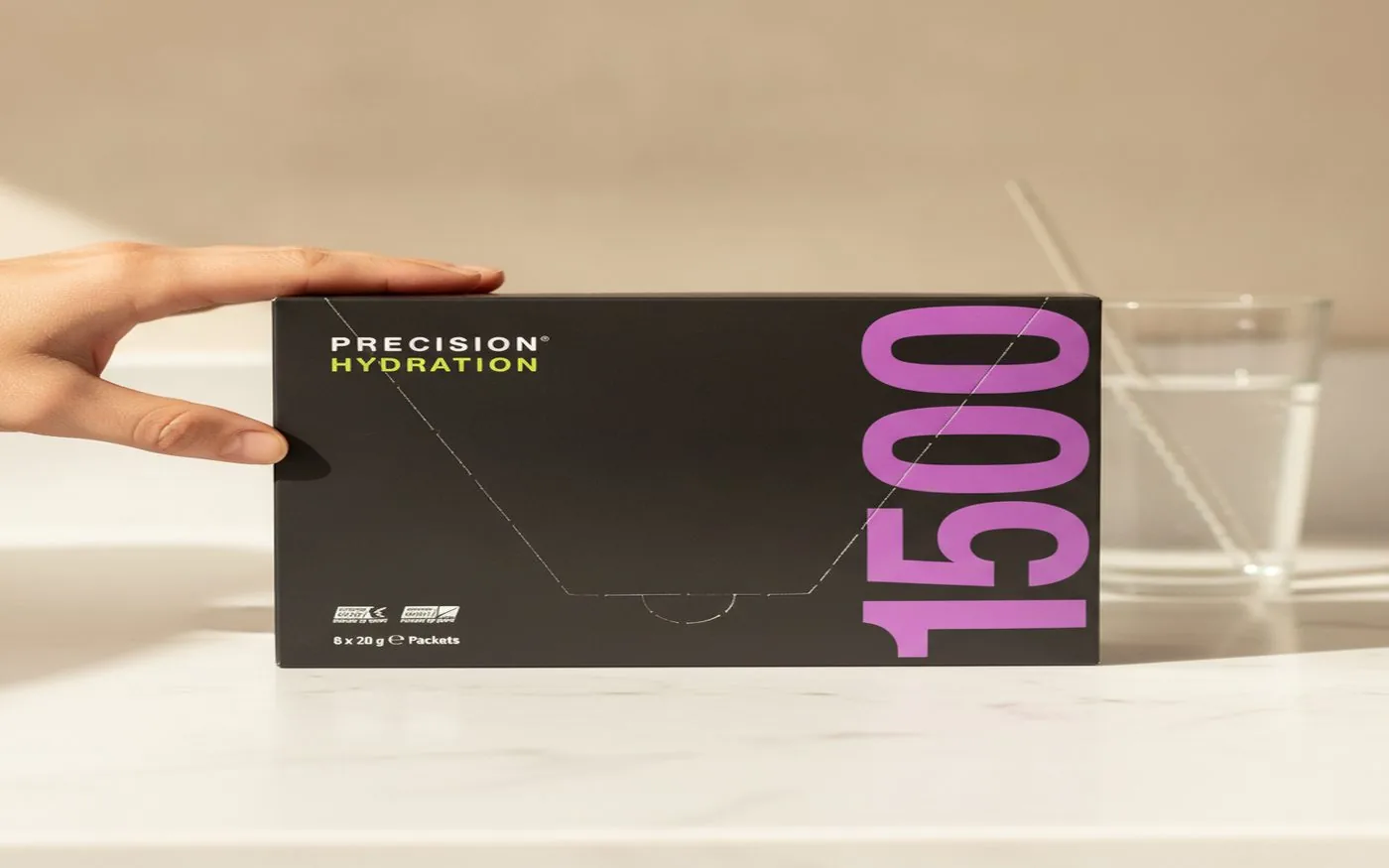
Precision Hydration's entire model is built around individual sweat-rate variation - specifically the insight that some athletes lose four to five times more sodium per litre of sweat than others. Their product range is structured around this: PH 500, PH 750, PH 1,000, and PH 1,500, each calibrated to a different sweat-rate profile.
For most endurance athletes, PH 1000 is the starting point. It delivers 1,000mg sodium per serving alongside 100mg potassium, 100mg magnesium, and 50mg calcium. The electrolyte panel is fully disclosed and the formulation is free from artificial colours and unnecessary fillers.
What separates Precision Hydration from most competitors is the optional Sweat Test - a real-time analysis of sweat sodium concentration that removes the guesswork from product selection. Not every athlete needs to test, but the option exists and it is clinically meaningful. Most electrolyte brands make no provision for individual variation at all.
One honest note on price: PH 1000 sachets run around £1.50-£2.00 per serving depending on pack size. For athletes training five to six days a week, that is a real cost. The multi-serve powder format reduces per-serving cost significantly and is worth using for training; sachets are the format for racing.
“The approach to sodium personalisation is the most scientifically grounded in this category. Precision Hydration built a product range around individual variation rather than a single average dose, and for athletes with high sweat rates that distinction is the difference between functional and functional enough.”
| Evaluation Criteria | Our Findings |
|---|---|
| Full review | Precision Hydration review - pending |
| Best for | Endurance athletes, high sweat-rate individuals, hot-weather events |
| Flagship product | PH 1000 Electrolyte Drink Mix (1,000mg sodium per serving) |
| Shop | Shop Precision Hydration PH 1000 |
2. Science in Sport (SiS) - Best Budget Option for Runners and Cyclists
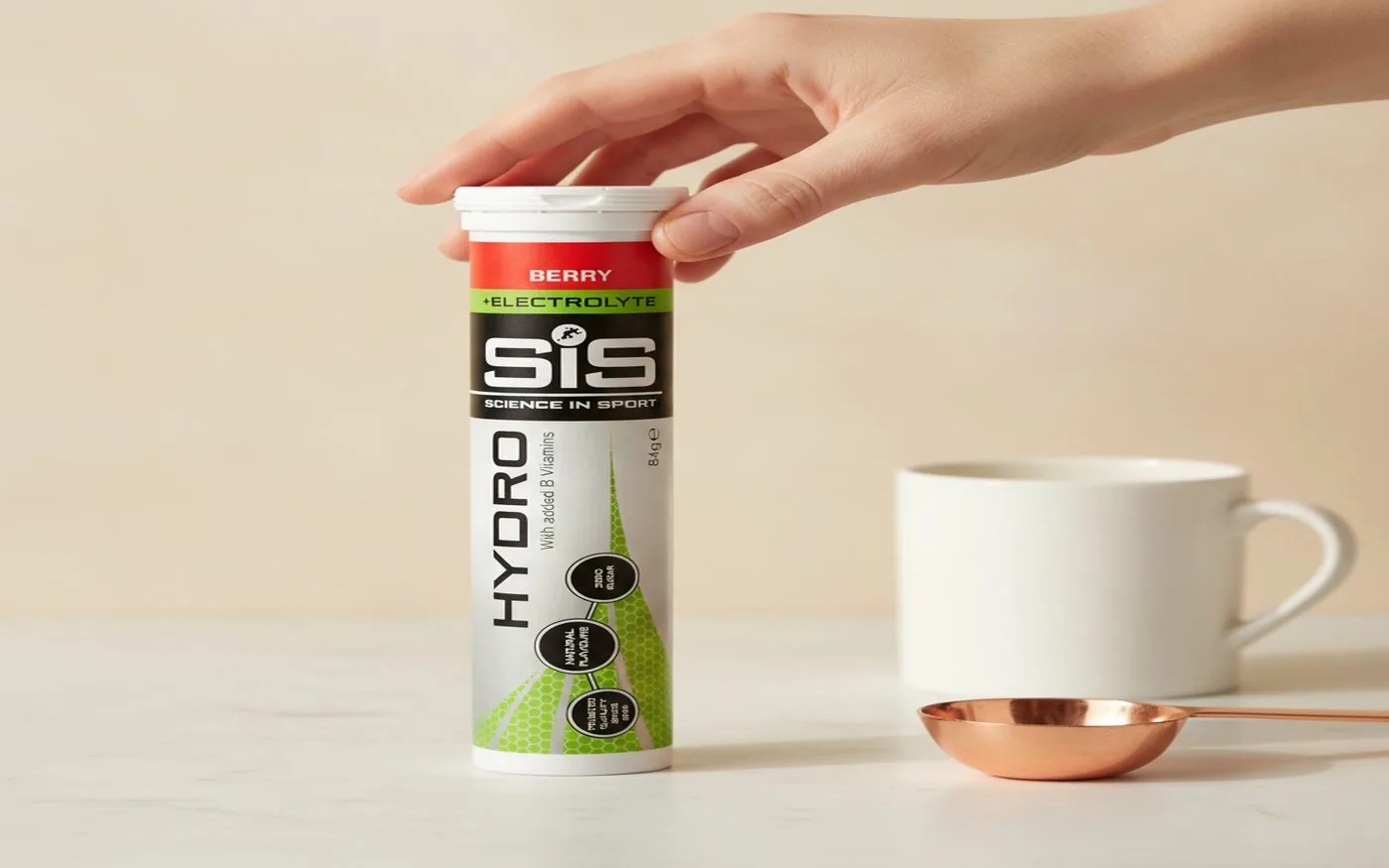
Science in Sport's Hydro tablets have been a staple in UK endurance sport for over a decade, and the formula holds up. Each tablet delivers 345mg sodium per tablet - below the 500mg single-serve threshold, but the standard two-tablet dose per litre delivers 690mg, which sits within the athlete-grade range for moderate conditions.
The format is practical for athletes: tubes of 20 tablets are portable, the tablets dissolve clearly in water, and the product comes in multiple flavours without reliance on artificial sweeteners. Price-per-serving at single-tablet use is approximately £0.55-£0.65, making it the most accessible athlete-grade option on a per-session basis.
SiS operates as a UK brand with a long association with professional cycling (previously official supplier to Team Sky). Their products are regularly included in anti-doping checks and carry Informed Sport certification, which matters for competitive athletes subject to testing.
The limitation is the electrolyte profile. The full panel - sodium, potassium, chloride - is functional but not as comprehensive as Precision Hydration's broader mineral disclosure. For most training purposes this is irrelevant. For athletes with specific magnesium or calcium requirements, a supplementary source may be needed.
You can find detailed notes on this product in our Science in Sport Hydro review.
“SiS Hydro is the product I recommend when athletes tell me the per-session cost of electrolyte supplementation is becoming a barrier. At roughly 60 pence per tablet, it removes the cost objection without sacrificing sodium delivery.”
| Evaluation Criteria | Our Findings |
|---|---|
| Full review | Science in Sport Hydro review |
| Best for | Budget-conscious runners and cyclists, high-volume training weeks |
| Flagship product | SiS Hydro Electrolyte Tablets (345mg sodium per tablet; 690mg at 2 tabs) |
| Shop | Buy SiS GO Hydro |
3. LMNT - Best for Heat Training and Low-Carb Athletes
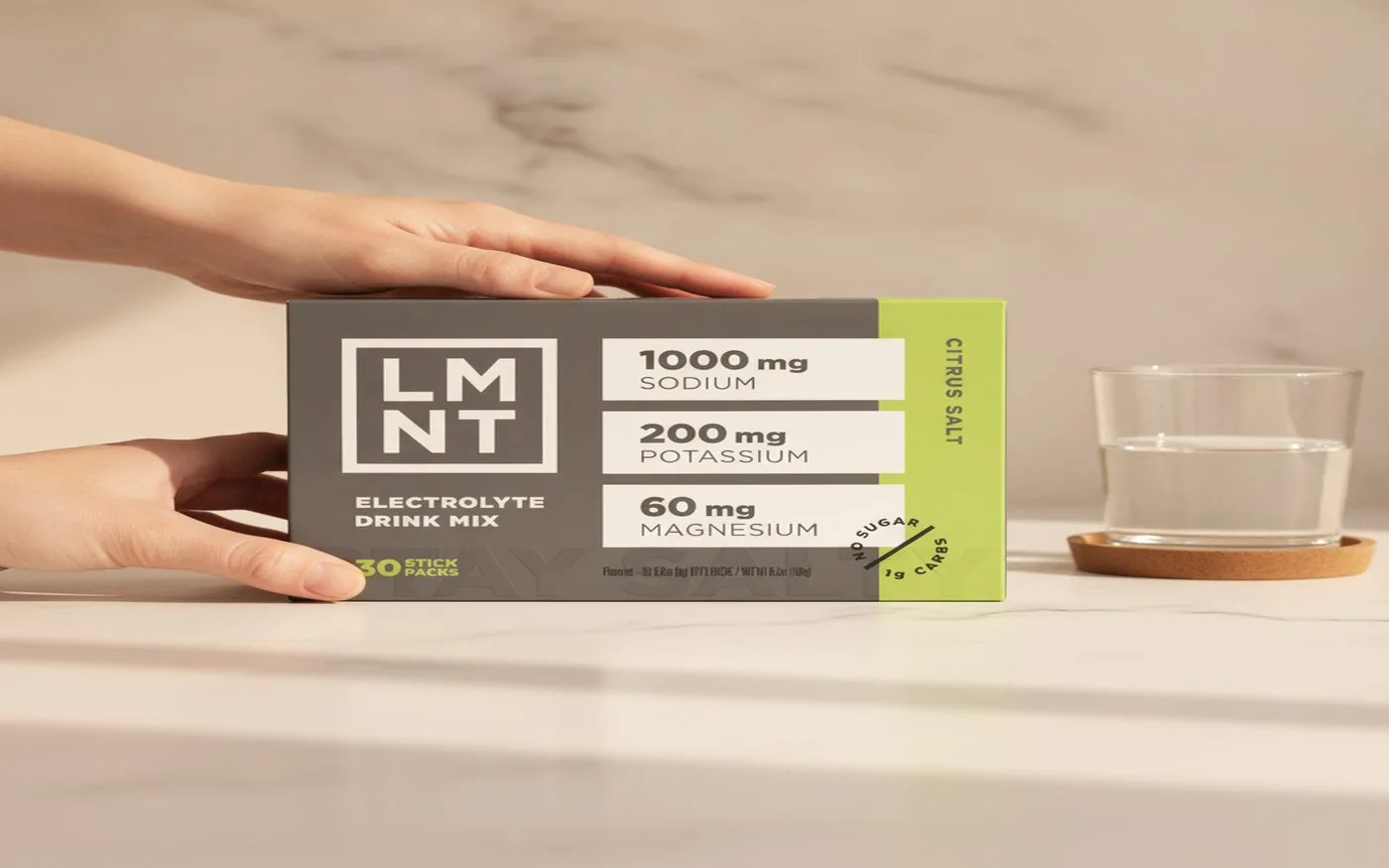
LMNT sits at the high end of the sodium spectrum: 1,000mg per sachet alongside 200mg potassium and 60mg magnesium, with zero carbohydrates and zero artificial sweeteners. The formulation is designed specifically for athletes who need maximum sodium delivery without carbohydrate load - a profile that suits low-carb athletes, heat-training protocols, and anyone who front-loads electrolytes before long efforts.
The product has a strong following in the triathlon and ultra-running communities, where sweat losses are prolonged and the need for sodium replacement is genuine rather than aspirational. The sachets are single-serve, mix well, and come in flavour options including a raw unflavoured version for athletes who want zero taste interference with their racing nutrition stack.
The price point - around £1.80-£2.00 per sachet - is the steepest on this list. For athletes who genuinely need the sodium load, that cost is justified. For athletes whose training intensity and duration do not warrant 1,000mg sodium per session, LMNT is over-engineered and overpriced. This is a product where accurate self-assessment matters.
Our LMNT review UK covers the full formulation analysis.
“The 1,000mg sodium dose is the right call for athletes training in heat or following low-carbohydrate protocols. For moderate-duration training in temperate conditions, you are paying a premium for sodium you do not need - know your context before you buy.”
| Evaluation Criteria | Our Findings |
|---|---|
| Full review | LMNT review UK |
| Best for | Heat training, ultra-endurance, low-carb athletes |
| Flagship product | LMNT Raw Unflavoured Electrolyte Drink Mix (1,000mg sodium per sachet) |
| Shop | Shop LMNT sachets |
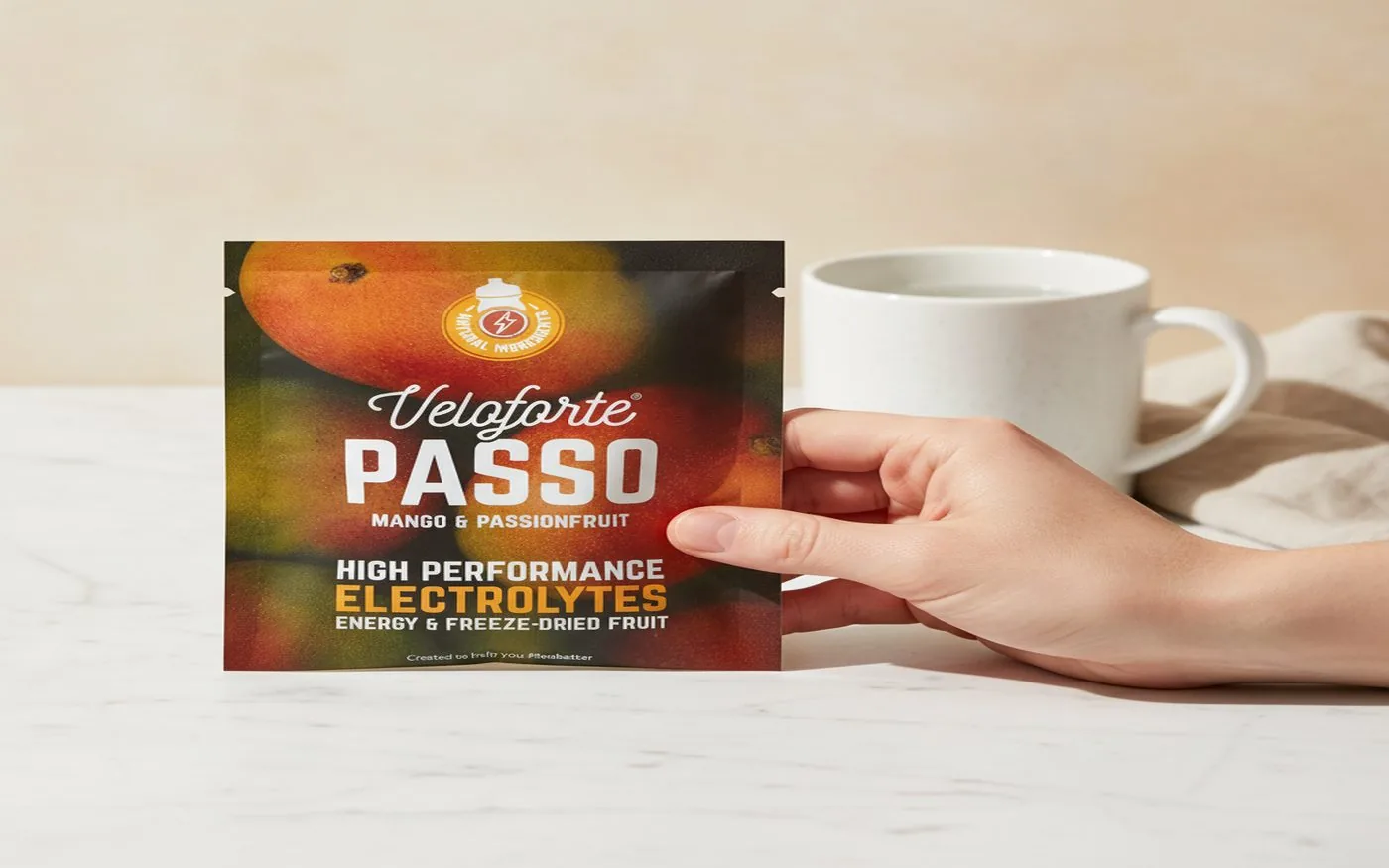
4. Veloforte - Best Natural-Ingredient Option
Veloforte is a UK sports nutrition brand with a genuinely different formulation philosophy: real food ingredients, natural flavours derived from fruit, and no artificial sweeteners or synthetic colours. Their Attivo hydration formula delivers 710mg sodium per serving alongside a carbohydrate blend from natural sources.
The natural-ingredient positioning does not come at the cost of performance. At 710mg sodium, Veloforte Attivo sits in the athlete-grade range and the full electrolyte panel - sodium, potassium, magnesium, calcium - is disclosed on the product page. The carbohydrate content (approximately 22g per serving) makes it a combined fuel-and-electrolyte option suitable for efforts over 90 minutes.
Where Veloforte earns its place in this roundup is formulation integrity. The ingredients list reads cleanly - you will not find a long tail of additives, binding agents, or flavour enhancers that suggest cost-cutting. For athletes who care about what they are putting in their body beyond just the electrolyte numbers, that transparency has genuine value.
The price sits around £1.80-£2.20 per serving, which is premium but not out of line with the natural-ingredient positioning.
“Veloforte Attivo is the product I recommend when athletes want sodium delivery without the additives that come standard with most sports drink formulations. The natural flavouring and real-food ingredient philosophy does not sacrifice electrolyte performance.”
| Evaluation Criteria | Our Findings |
|---|---|
| Full review | Brand review in progress |
| Best for | Athletes prioritising clean-label formulations, cyclists on long efforts |
| Flagship product | Veloforte Attivo Hydration Electrolyte Mix (710mg sodium per serving) |
| Shop | Shop Veloforte Attivo |
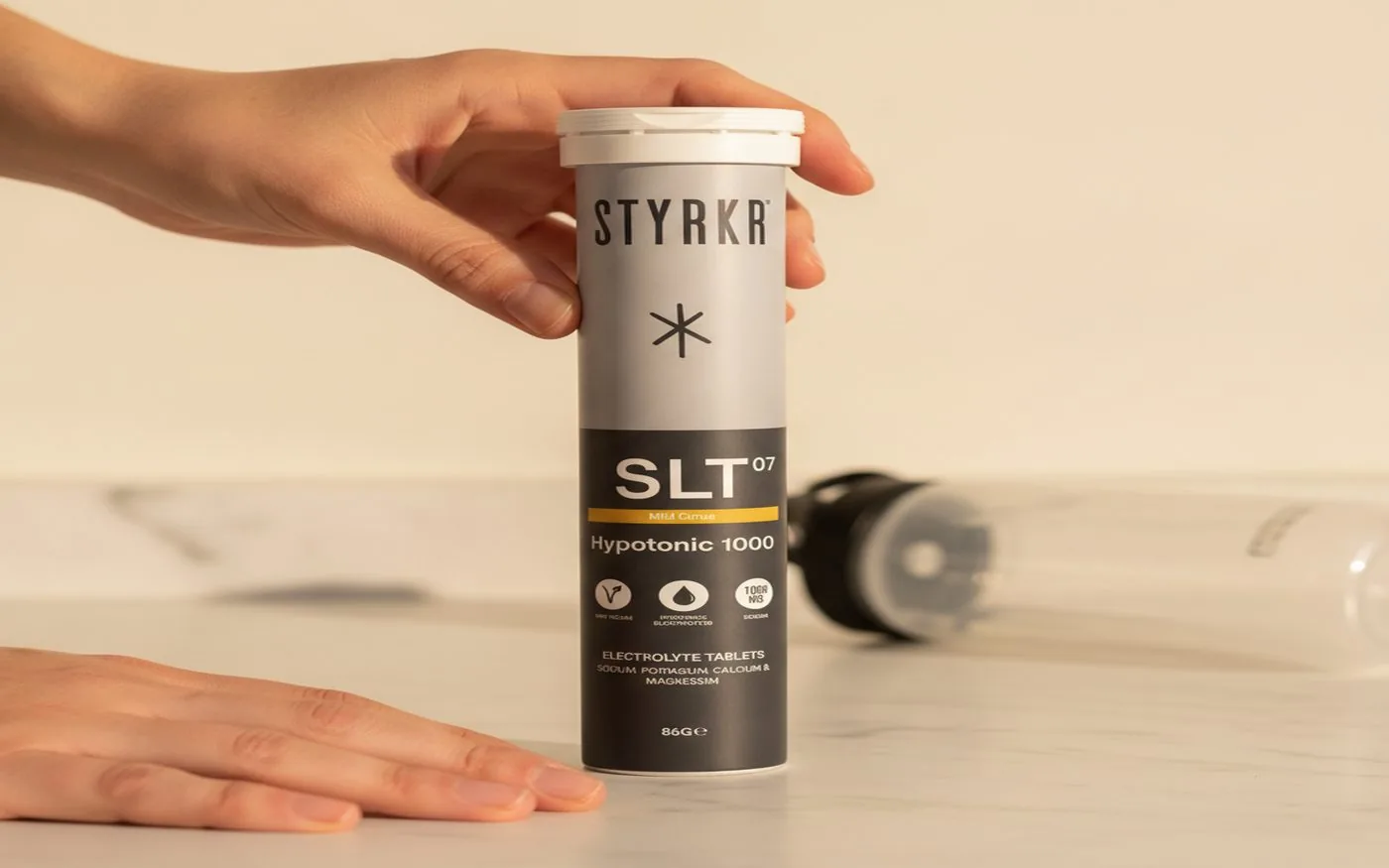
5. Styrkr - Best for Customisable Dosing
Styrkr is a UK sports nutrition brand that entered the electrolyte category with a tablet format designed specifically for athlete-grade sodium delivery. Their SLT07 tablets deliver 700mg sodium per tablet - a full athlete-dose in a single unit, which simplifies dosing significantly compared to products requiring two tablets per serving to reach the threshold.
The tablet format has a practical advantage for race-day use: no measuring, no sachets, and a compact carrying option for pockets, jersey pockets, or race belts. The product is Informed Sport certified, which matters for competitive athletes.
The weakness relative to the top three is electrolyte panel breadth. Styrkr SLT07 focuses primarily on sodium and potassium; the magnesium content is lower than some competitors. For athletes who manage magnesium separately through diet or supplementation, this is not a problem. For athletes relying solely on their electrolyte product to cover all mineral losses, it is worth noting.
Price-per-serving is competitive at around £0.90-£1.10 per tablet, positioning it between the SiS budget option and the premium sachets.
“Styrkr SLT07 solves the dose-clarity problem: one tablet, 700mg sodium, no maths required on race day. For athletes who find multiple-tablet dosing during racing unnecessarily complicated, that single-dose certainty is genuinely useful.”
| Evaluation Criteria | Our Findings |
|---|---|
| Full review | Styrkr review |
| Best for | Triathletes and cyclists who want single-dose simplicity, competitive athletes needing Informed Sport certification |
| Flagship product | Styrkr SLT07 Electrolyte Tablet (700mg sodium per tablet) |
| Shop | Shop Styrkr |
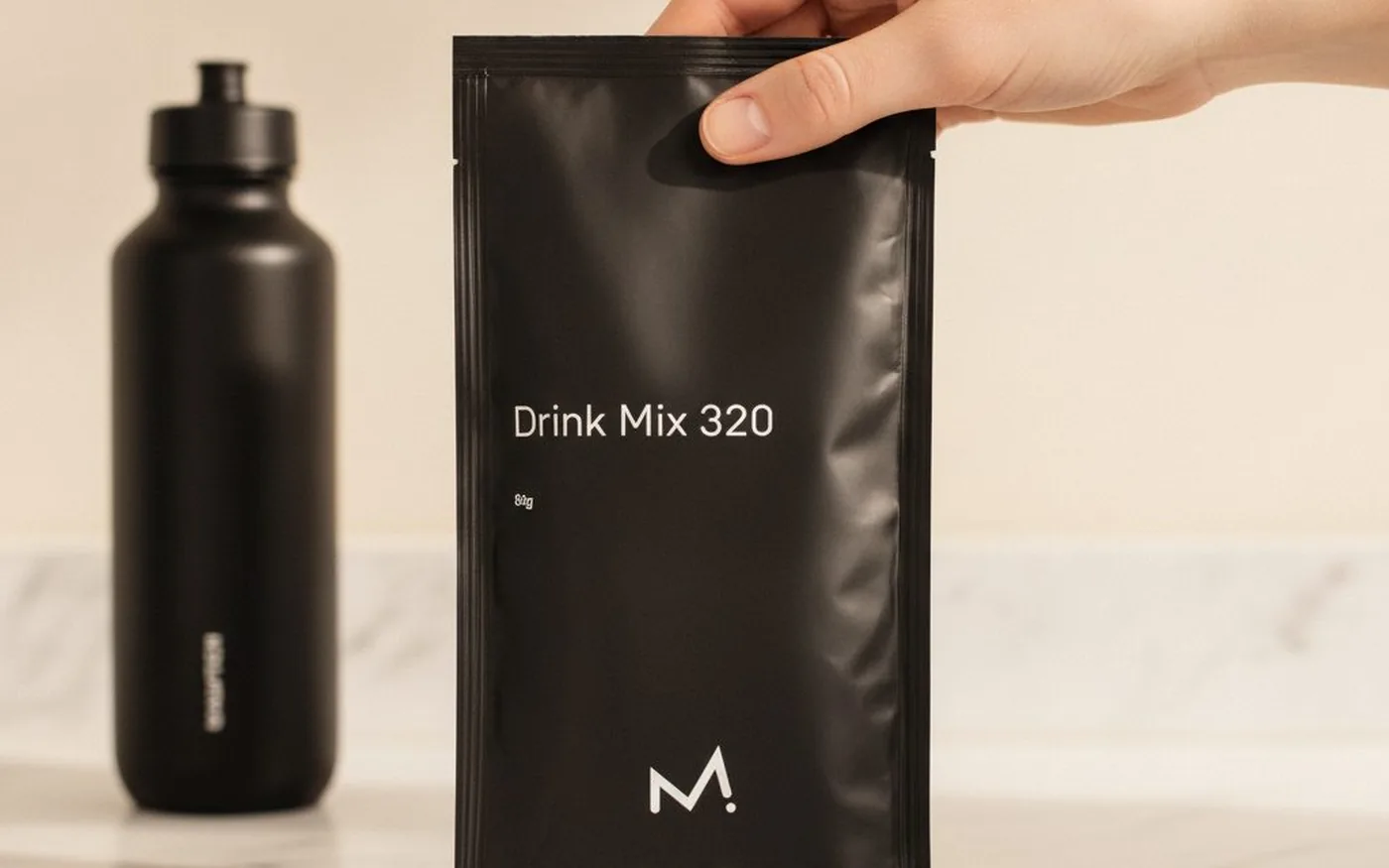
6. Maurten - Best for Race-Day Fuelling
Maurten is in a different conversation from most electrolyte products: it is a combined carbohydrate-electrolyte hydrogel, not a standalone electrolyte formula. The Drink Mix 320 delivers 320 kcal of carbohydrate alongside 200mg sodium per serving, using a pectin-alginate hydrogel mechanism that is designed to reduce gastrointestinal distress during high-intensity efforts.
For athletes competing in events where both fuelling and electrolyte replacement are simultaneous priorities - marathons, Ironman-distance triathlon, road cycling - Maurten removes one complexity from the race-day nutrition stack. You are not separately managing fuel and electrolytes; the product handles both.
The sodium dose at 200mg per serving is below the standard 500mg athlete threshold - Maurten is fundamentally a carbohydrate-delivery product, not an electrolyte replacement. In hot or humid conditions, or for athletes with very high sweat rates, Maurten is typically supplemented with additional sodium (many athletes use Precision Hydration sachets alongside). That combination is not a product failure; it reflects the difference between fuelling focus and electrolyte replacement focus.
The price is the steepest on this list - approximately £3.00-£3.50 per serving. This is a race-day and long-training-day product, not a daily training electrolyte.
“Maurten's value is the GI distress reduction during hard efforts, not the electrolyte profile alone - for athletes who have struggled with gut issues during long-distance racing, the hydrogel mechanism addresses a real physiological problem. Price it as race-day insurance, not daily supplementation.”
| Evaluation Criteria | Our Findings |
|---|---|
| Full review | Brand review in progress |
| Best for | Marathon runners, Ironman athletes, long-distance cyclists on race day |
| Flagship product | Maurten Drink Mix 320 (200mg sodium, 320 kcal carbohydrate per serving) |
| Shop | Shop Maurten Drink Mix |
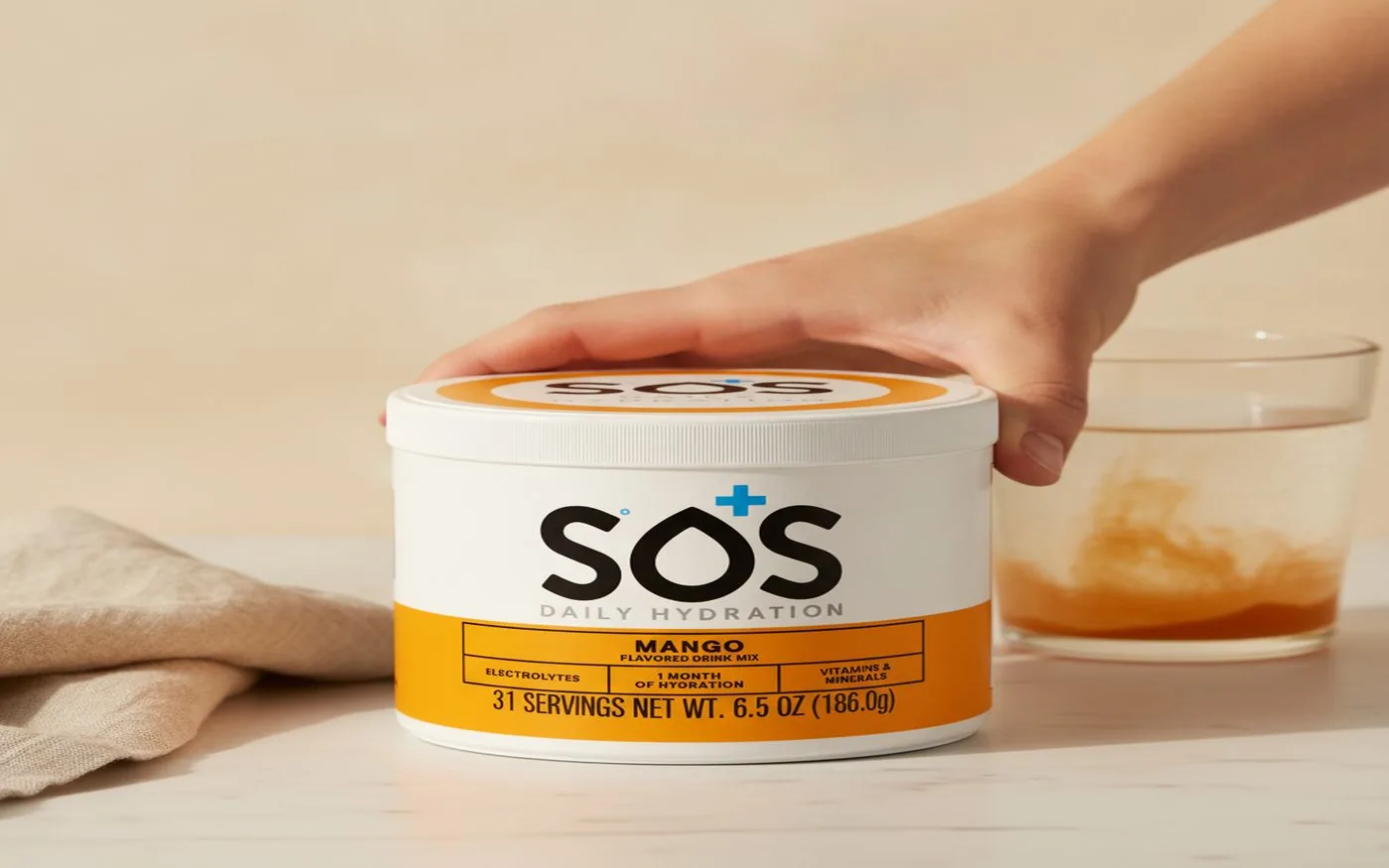
7. SOS Hydration - Best Value Per Serving
SOS Hydration deserves a place in this roundup precisely because it challenges the assumption that athlete-grade electrolytes must cost £1.50 per serving. Each SOS stick delivers 660mg sodium alongside potassium, magnesium, and a small carbohydrate dose, at a price point of approximately £0.70-£0.80 per serving.
The formulation is built around the WHO oral rehydration therapy standard - the clinical evidence base for rapid sodium and fluid absorption. That standard was developed for acute dehydration and diarrhoeal illness, but the underlying electrolyte ratios translate directly to athlete hydration needs.
SOS lacks the brand authority and independent certification profile of Precision Hydration or SiS, and the flavour options are more limited. For athletes who want a proven electrolyte formula at a lower cost without sacrificing sodium delivery, it is the most overlooked option in this roundup.
“SOS at 660mg sodium per serving challenges the narrative that effective athlete hydration requires a premium price - the ORS formulation basis is solid, and if budget is a genuine constraint, start here before assuming the expensive option is the only one that works.”
| Evaluation Criteria | Our Findings |
|---|---|
| Full review | SOS Hydration review |
| Best for | Athletes training at high frequency where per-session cost matters |
| Flagship product | SOS Hydration Electrolyte Drink Mix (660mg sodium per stick) |
| Shop | Shop SOS Hydration |
Electrolytes for Athletes by Sport
The sodium requirement is not uniform across sports. Here is the practical breakdown.
Running (road/trail/ultra): High sweat rates, especially in summer. For anything over 90 minutes, PH 1000 or LMNT. For budget-conscious daily training: SiS Hydro at two tablets per litre. Ultra-distance: consider Precision Hydration's higher-dose options (PH 1500 for those who know they are heavy sweaters).
Cycling (road/sportive/TT): Long duration is the primary challenge. Combined carbohydrate-electrolyte options (Maurten for racing, Veloforte Attivo for training) work well given the bike's capacity to carry more nutrition volume. Temperature control is better than running - moderate sodium doses suffice in cool conditions.
Triathlon: The multi-discipline format creates unique fuelling complexity. Many triathletes use different products by leg: a carb-electrolyte drink on the bike, transitioning to SiS tabs or Styrkr for the run where carrying volume is more restricted. Front-loading sodium before the swim is worth considering if the event is in warm water.
Team sports (football, rugby, hockey): Shorter sessions but high-intensity sprint patterns. The intermittent nature of team sport means sweat rates can be high but total session duration is often sub-90 minutes. SiS Hydro or Styrkr SLT07 is appropriate. Pre-session and post-session rehydration matters as much as in-session consumption.
Hot-weather training (any sport): When training in heat - whether travelling for competition, altitude camps, or summer training blocks - uprate sodium intake. LMNT at 1,000mg per serving, or double-dose SiS, for the first week of heat adaptation.
Safety: Understanding Hyponatraemia
Sodium supplementation is broadly safe for healthy athletes. But there is a genuine risk at the other extreme worth understanding.
Hyponatraemia - low blood sodium concentration - is the result of drinking too much water relative to sodium intake, not from taking too much sodium. The primary risk group is endurance athletes who over-drink plain water during long events without matching sodium intake. This is particularly documented in marathon running, where slower participants (longer time on feet, more opportunity to drink) are at higher risk than faster runners.
The NHS guidance on salt and hydration sets daily recommended limits for the general population that are not directly applicable to endurance athletes - the population-level ceiling of 6g per day is a public health target for sedentary adults, not an athletic performance guideline.
The exercise-associated hyponatraemia consensus statement published via PubMed research establishes that the primary prevention strategy is to drink to thirst rather than drinking to a schedule, and to ensure sodium replacement during events lasting over two hours. You can search PubMed for exercise-associated hyponatraemia to access the peer-reviewed literature directly.
In practical terms: if you are using athlete-grade electrolytes correctly - sodium-matched to your sweat rate, drinking to thirst - hyponatraemia is not a realistic risk. The danger is in drinking large volumes of plain water while ignoring sodium replacement, not in the electrolytes themselves.
If you have cardiovascular conditions, hypertension, or kidney disease, speak with your GP before significantly increasing sodium intake beyond normal dietary levels.
How We Chose
Every product in this roundup was evaluated against a consistent set of criteria:
1. Sodium per serving (mandatory minimum 500mg for inclusion). Products below this threshold were excluded. This removed several popular daily-wellness electrolyte formats from consideration, regardless of brand authority.
2. Full electrolyte panel disclosure. Products that disclosed only sodium without potassium, magnesium, and calcium were ranked lower. Transparency in formulation is a proxy for manufacturing integrity.
3. Price-per-serving at training frequency. Calculated at four sessions per week, fifty weeks per year. Products priced only for occasional use are noted as such.
4. Format suitability. Tablets, sachets, and multi-serve powder each suit different athlete use cases. Format was not a quality signal, but it was a matching signal for the use-case picks.
5. Certification and testing transparency. Informed Sport certification is the minimum standard for competitive athletes subject to drug testing. Products with this certification were noted. Products without it are not automatically excluded but their suitability for competitive athletes is flagged.
6. Absence of unnecessary additives. Artificial sweeteners, synthetic colours, and binding agents were noted where present. They are not a disqualifying factor but they are relevant information for athletes managing gut sensitivity.
Note: brand reviews for all products in this roundup are available where linked above. For brands still pending review (Veloforte, Styrkr, Maurten, SOS), detailed review coverage is planned in this cluster. Affiliate links will be added when programmes are confirmed.
Full Electrolyte Comparison Table
| Brand | Product | Sodium (mg) | Potassium (mg) | Magnesium (mg) | Carbs (g) | Price/serving | Certified |
|---|---|---|---|---|---|---|---|
| Precision Hydration | PH 1000 | 1,000 | 100 | 100 | 0 | from £1.50 | Yes (Informed Sport) |
| Science in Sport | SiS Hydro | 345 (690 at 2 tabs) | 150 | 25 | 0 | from £0.60/tab | Yes (Informed Sport) |
| LMNT | Raw Unflavoured | 1,000 | 200 | 60 | 0 | from £1.80 | No |
| Veloforte | Attivo | 710 | 170 | 40 | 22 | from £1.80 | Pending |
| Styrkr | SLT07 | 700 | 150 | 15 | 0 | from £0.95/tab | Yes (Informed Sport) |
| Maurten | Drink Mix 320 | 200 | 70 | 0 | 80 | from £3.00 | Yes (Informed Sport) |
| SOS Hydration | Electrolyte Sticks | 660 | 130 | 50 | 5 | from £0.75 | No |
What to Look For in Athlete Electrolytes
Sodium first, everything else second. The other electrolytes matter, but sodium is the rate-limiting factor for athlete hydration. A product with 300mg sodium and 200mg magnesium is still under-dosed for athletic use.
Look past percentage daily values. Most products display electrolytes as % NRV (Nutrient Reference Value) based on the sedentary population standard. A product showing 100% NRV for sodium delivers 600mg per serving - adequate for general use, borderline for athlete use. Do not use %NRV as your benchmark.
Third-party certification for competition. If you compete in a tested sport, Informed Sport certification is the minimum standard. It screens each batch for 200+ World Anti-Doping Agency prohibited substances. No certification is not necessarily a contamination red flag, but it is a gap in your due diligence.
Taste at training volume. An electrolyte product you stop reaching for because the flavour irritates you after three weeks is not doing its job. Choose a flavour profile - including unflavoured if taste fatigue is a concern - that you can sustain across a full training block.
Consider caffeine interactions. Athletes who combine pre-workout caffeine with electrolytes should be aware that caffeine is a mild diuretic and may increase sodium excretion marginally at high doses. If you are training with significant caffeine intake, err toward the higher end of the sodium range.
What to Avoid
Daily wellness formulas marketed to athletes. The crossover between daily maintenance and athletic performance is where most buying mistakes happen. If the product mentions 'daily top-up' or 'general wellness' in the same breath as 'athlete performance', read the sodium number. Most sit below 400mg.
Electrolytes with excessive added sugar. A small carbohydrate dose is useful for efforts over 90 minutes. Formulations with 20-30g of added sugar in a standalone electrolyte product (not a combined fuel-and-electrolyte like Maurten) are adding carbohydrate load without a corresponding fuelling rationale.
Proprietary blends without individual disclosure. If the product lists 'electrolyte blend' without breaking out individual mineral quantities, you cannot verify whether the dose is meaningful. Any product worth using discloses the numbers.
Over-expensive daily training options. Sachets at £2.00+ per serving are appropriate for racing. For four-sessions-per-week training blocks, the annual cost at that price point is over £400. Products like SiS Hydro at £0.60 per tablet deliver athlete-grade sodium at a cost that does not require a budget decision every session.
Final Verdict
The best electrolyte for athletes depends on your sport, your sweat rate, and whether your training context involves carbohydrate fuelling or not.
If you do one thing: check the sodium number before you buy. If it is below 500mg per serving, it is not formulated for athletic performance, regardless of what the marketing says.
Our top picks by use case:
- Best overall for endurance: Precision Hydration PH 1000
- Best budget for high-frequency training: Science in Sport SiS Hydro
- Best for heat and low-carb protocols: LMNT Raw
- Best natural-ingredient option: Veloforte Attivo
- Best for race-day fuelling: Maurten Drink Mix 320
- Best value per serving: SOS Hydration
- Best tablet format for racing: Styrkr SLT07
For the full science on what electrolytes do and when supplementation is warranted, the electrolytes guide on Balance Journal is the place to start before any product decision.
Frequently Asked Questions
What are the best electrolytes for athletes?
The best electrolytes for athletes prioritise sodium delivery above all else. Sweat is primarily a sodium loss, and most general wellness formulas are under-dosed for athletic use at 200-400mg per serving. Athlete-grade formulations deliver 500-1,000mg sodium per serving. Precision Hydration PH 1000, LMNT, and Science in Sport Hydro are the leading options across different price points and training contexts. Choose based on your sweat rate, training duration, and whether carbohydrate co-ingestion is part of your strategy.
How much sodium do athletes need in electrolytes?
Athletes need a minimum of 500mg sodium per serving for sessions over 90 minutes, with 750-1,000mg appropriate for high-intensity effort or hot conditions. Individual variation is significant - sweat sodium concentration ranges from roughly 200-2,000mg per litre of sweat. If you cramp consistently despite electrolyte use, you are likely a high sodium loser and should trial higher-dose formulations like Precision Hydration PH 1500 or LMNT.
Are electrolytes with carbs better for athletes?
Not universally. For efforts under 90 minutes, a carb-free electrolyte is appropriate and avoids unnecessary caloric load. For efforts over 90 minutes, a combined carbohydrate-electrolyte formulation starts to deliver genuine benefit - carbohydrate supports sustained energy output, and combined delivery reduces the number of products you need to manage. Maurten and Veloforte Attivo are both solid carb-electrolyte options. Low-carb athletes should choose zero-carb formulations regardless of duration.
What is the difference between electrolytes for athletes and everyday electrolytes?
The primary difference is sodium dosing. Everyday electrolytes are formulated for general wellness and deliver 150-400mg sodium per serving, appropriate for normal daily activity and minor perspiration. Athlete electrolytes are formulated to address sweat-rate sodium losses during training, delivering 500-1,000mg+ per serving. Athlete formulations also typically disclose a full electrolyte panel (sodium, potassium, magnesium, calcium) and may carry Informed Sport certification for competitive athletes.
Can athletes have too much sodium from electrolytes?
Yes, in principle - but this is rare in practice with athlete use. The greater risk is the opposite: under-replacement of sodium leading to hyponatraemia, which results from drinking large volumes of plain water during extended events without sodium replacement. This condition causes low blood sodium concentration and can produce symptoms from nausea and confusion to, in severe case, more serious neurological effects. Using athlete-grade electrolytes correctly - dosed to sweat rate, drinking to thirst - makes excessive sodium from supplements unlikely.
Are electrolyte tablets or powder better for athletes?
Both work. Tablets are more portable and faster to dose - relevant for racing and mid-session use where sachets or powder are impractical. Powder formats typically offer lower cost per serving and allow more flexibility in dilution ratio. The right choice depends on your sport: tablets suit running and triathlon (jersey pockets, race belts); powder is better suited to cycling or pre-session preparation where you have access to a shaker.
Do athletes need magnesium in their electrolytes?
Magnesium supports muscle contraction, nerve function, and sleep quality - all relevant for athletes. Sweat magnesium losses are modest compared to sodium losses, so magnesium supplementation via electrolytes is a secondary concern rather than the primary driver. Most athlete-grade electrolyte formulations include 30-100mg magnesium per serving. If you are experiencing muscle cramps specifically at rest (rather than during exercise), or sleep disruption, dedicated magnesium supplementation may be more appropriate than relying solely on electrolyte drinks.
Which electrolytes are best for running?
For running under 90 minutes: SiS Hydro at two tablets per 750ml is sufficient and cost-effective. For runs over 90 minutes: Precision Hydration PH 1000 or LMNT for sodium-prioritised fuelling. For marathon or ultra-distance: consider a combined carb-electrolyte approach from around 45-60 minutes into the run, or carry both electrolytes and a separate carbohydrate source. Hot conditions: uprate sodium to the higher end of the range regardless of duration.
Do I need electrolytes for every training session?
Not necessarily. For sessions under 60 minutes at moderate intensity in cool conditions, water is adequate for most athletes. The threshold where electrolyte supplementation becomes genuinely beneficial: sessions over 90 minutes, high-intensity sessions producing heavy sweating, back-to-back training days where cumulative sodium depletion is a factor, or training in hot or humid conditions. Daily use is appropriate for athletes training six to seven days per week in high volumes, particularly in summer.
Are Precision Hydration electrolytes worth the price?
For athletes with identified high sweat rates or those who regularly compete in conditions where sweat loss is significant, yes. The product range is well-formulated, the sodium delivery is athlete-grade, and the optional Sweat Test provides genuinely useful individual data. For recreational athletes training at moderate volume in temperate conditions, SiS Hydro delivers comparable sodium at a fraction of the cost. The decision point is whether you need the precision of a product designed around individual sweat-rate variation or whether a fixed-dose athlete-grade formula is sufficient.
A registered Nutritional Therapist and member of BANT, Clemmie blends science with a holistic approach to wellbeing.