Espresso Grind Size: A Practical Dial-In Guide

Coffee & Wellness Writer
Tested on a Sage Barista Express and Niche Zero. Exact grind settings, how to read a bad shot, and a step-by-step dial-in workflow.
Table of Contents
Some of the links in this article are affiliate links, which help fund our independent review work at no extra cost to you. Every recommendation is based on hands-on testing through The Editor Lab methodology. No brand pays to appear, and no placement is guaranteed.
Espresso needs a fine grind - 200-300 microns, the lower third of most stepped dials - with 18g of coffee producing 36g of liquid in 25-30 seconds. That is the answer. Everything else is how to get there.
The first time I moved from pre-ground espresso to a stepped grinder, I assumed the packaging would tell me what setting to use. It did not. I pulled shot after shot over the next two days, burning through about 150g of beans, before I understood what the grind was actually doing to the cup. That experience changed how I think about this variable. It is not a setting you dial in once. It is the main lever you reach for every time something tastes off.
If you are reading this, you are probably in a similar position: you have a machine, you have a grinder, and the shots are not landing where you want them. This guide covers what grind size actually does for espresso, how to read the signals your shot gives you, and the specific starting points I would use on the grinders most people own in the UK right now. For my full methodology, see how we test coffee gear at Balance Journal.
The Correct Grind Size for Espresso
Espresso requires a fine grind - finer than filter coffee, finer than AeroPress, and considerably finer than cafetiere. The working range for most home setups is 200-300 microns, which on a typical stepped grinder corresponds to the lower third of the dial.
In practical terms: you are aiming for a shot that yields roughly twice the weight of your dry coffee dose (a 1:2 ratio) in 25-30 seconds. Use 18g of ground coffee, and you want 36g of liquid espresso out. If the extraction runs faster or slower than that window, grind size is the first variable to check.
That single sentence is the answer to 80% of the questions that land on r/espresso every day. The problem is not usually the machine or the dose. It is the grind.
A coarser grind lets water through more quickly, producing a fast, under-extracted, sour shot. A finer grind creates more resistance, slowing extraction and producing bitter, chalky results if pushed too far. The ideal sits in the window where the flavour is sweet, the body is round, and the finish does not linger into ash.
One variable the grind size charts rarely mention: bean freshness matters. Beans roasted within the past two to four weeks extract more efficiently than stale beans and often need a coarser grind than you expect. Very fresh beans - under seven days from roast - sometimes need a day or two of rest before they settle into a predictable extraction pattern. If you are dialling in a new bag from a specialty roaster and the shots are tasting sour even on a fine setting, rest the beans and try again.
How to Tell If Your Grind Is Wrong
You do not need a refractometer to know your shot is off. The grind leaves visible evidence.
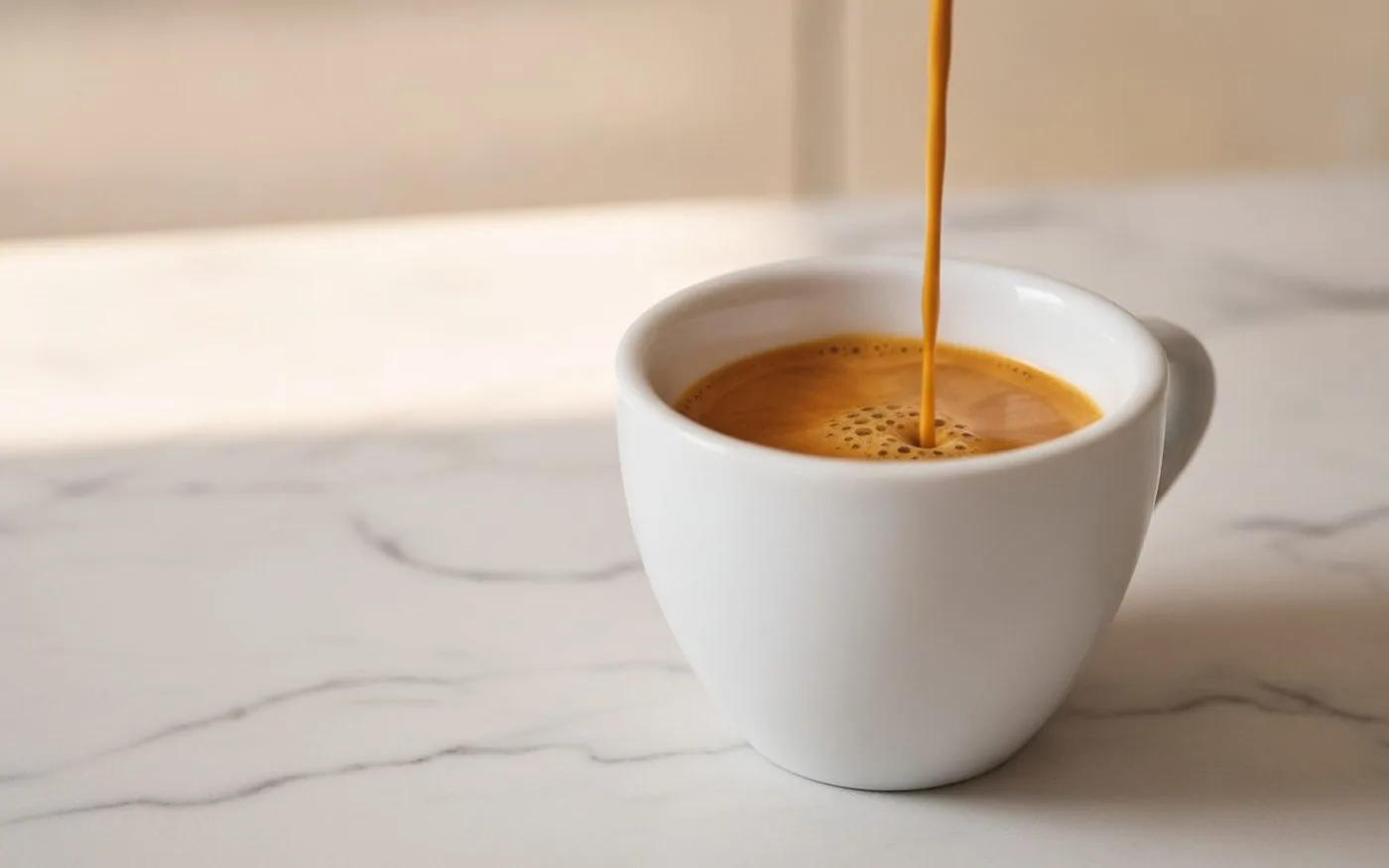
The pour tells you first. A correctly extracted shot pours in a steady, unbroken stream that resembles a mouse tail - narrow at the spout, thickening as the cup fills. It runs golden, transitioning from amber to a lighter honey as extraction progresses. The crema is reddish-brown and coats the top of the liquid.
Signs of too coarse a grind:
- Shot runs in under 20 seconds, sometimes in under 15
- Liquid pours pale and watery almost immediately
- A visible 'blonding' point where the pour turns pale within the first 10 seconds
- Taste is flat, thin, and sour at the finish - sharp and acidic without sweetness
- Shot weight exceeds your target before the timer hits 25 seconds
Signs of too fine a grind:
- Shot runs very slowly or stalls completely ('choked' machine)
- In some machines, the portafilter leaks around the seal under pressure
- Taste is bitter, ashy, or drying on the back of the palate
- Shot weight falls short of your target at 30 or more seconds
- Crema appears very dark, almost black, with little volume
What channelling looks like. Channelling happens when water finds a path of least resistance through the puck rather than extracting evenly. You see it as a pale streak running through the crema, or a shot that starts well and then blondes suddenly and early. Channelling is often a grind-and-distribution issue combined. Adjusting the grind finer will not fix it if the puck is unevenly distributed. A WDT tool and a levelled tamp address the distribution side. A consistent grind addresses the particle side.
The Dial-In Process: Shot by Shot
This is the workflow I use when starting with a new bag of beans or moving to an unfamiliar grinder. It is based on the same variable-isolation approach used in professional calibration: control one variable at a time, and change only one thing between shots.
Before you pull a shot:
- Weigh your dose. Use 18g as the starting point. Do not guess.
- Set a timer on your phone.
- Place a scale under the cup.
- Zero the scale with the cup on it.
Step 1: Pull a reference shot at your starting grind setting. Time from first drop to target weight (36g out). Note the number. Note the flavour.
Step 2: Assess the result.
- Under 25 seconds: grind finer. Move one step on a stepped grinder, or half a turn on a stepless.
- Over 30 seconds: grind coarser. Same increment.
- In window but sour: grind finer by one small increment.
- In window but bitter and ashy: grind coarser by one small increment.
Step 3: Run one shot at the new setting. The previous grinds need to be purged through the grinder before the new particle size reaches the portafilter. On a stepped grinder, run five to seven seconds of grinding and discard before dosing for the shot.
Step 4: Repeat until the shot lands in the 25-30 second window with a flavour you want to drink.
On bean cost: You will use roughly 50-100g of beans per dialling-in session with a new bag. On specialty beans at £15-£25 per 250g, that is one to two shots' worth of cost. It is not cheap, but it is not the disaster people fear. Once you are dialled in on a particular bean from a particular roaster, the setting is stable for the rest of the bag.
When to re-dial: Every time you open a new bag, even the same bean from the same roaster. Roast dates vary, moisture content varies, and the grind that worked on the last bag may not produce the same extraction on the new one. A half-step adjustment is often all that is needed.
Recommended Settings by Popular Grinder
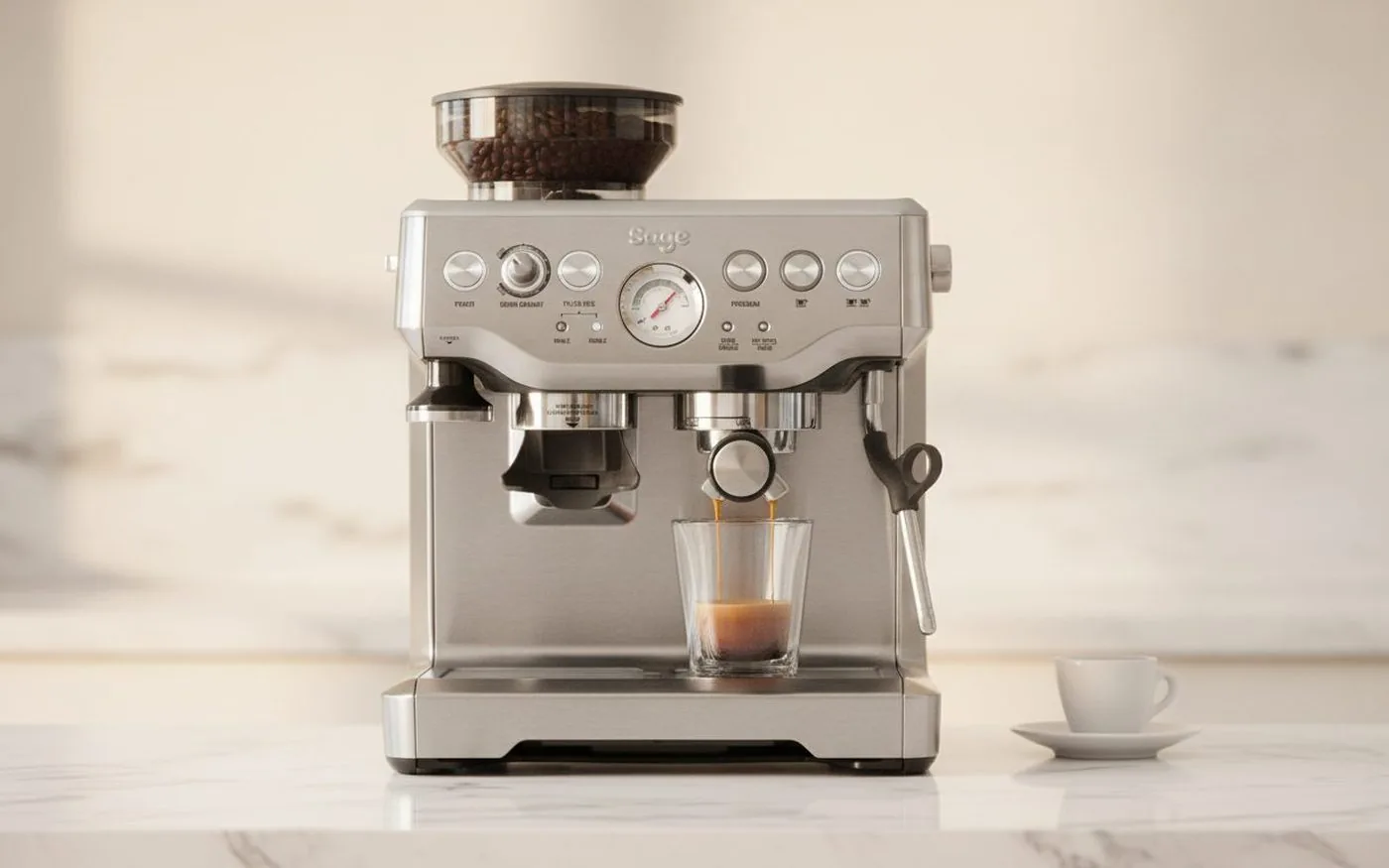
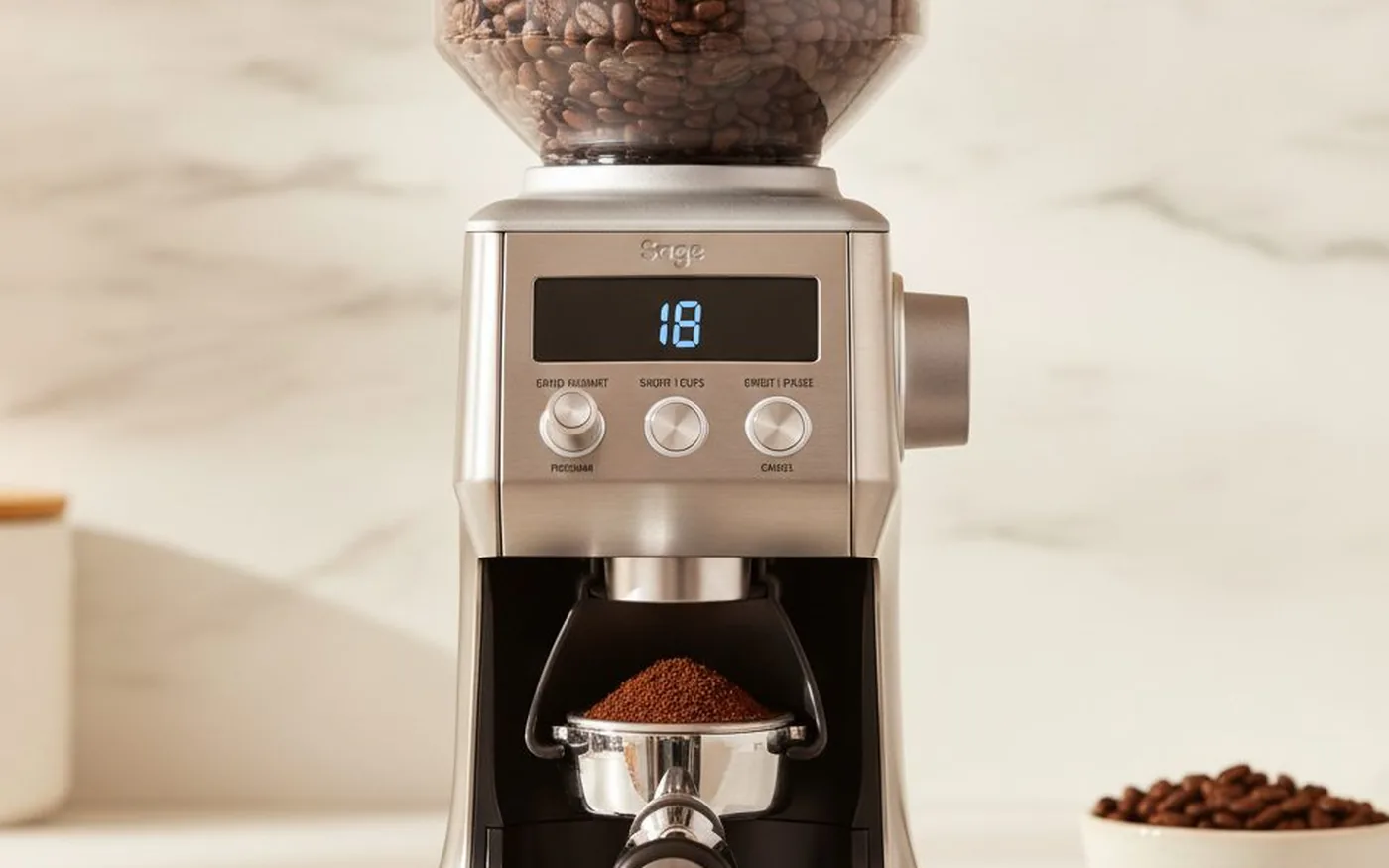
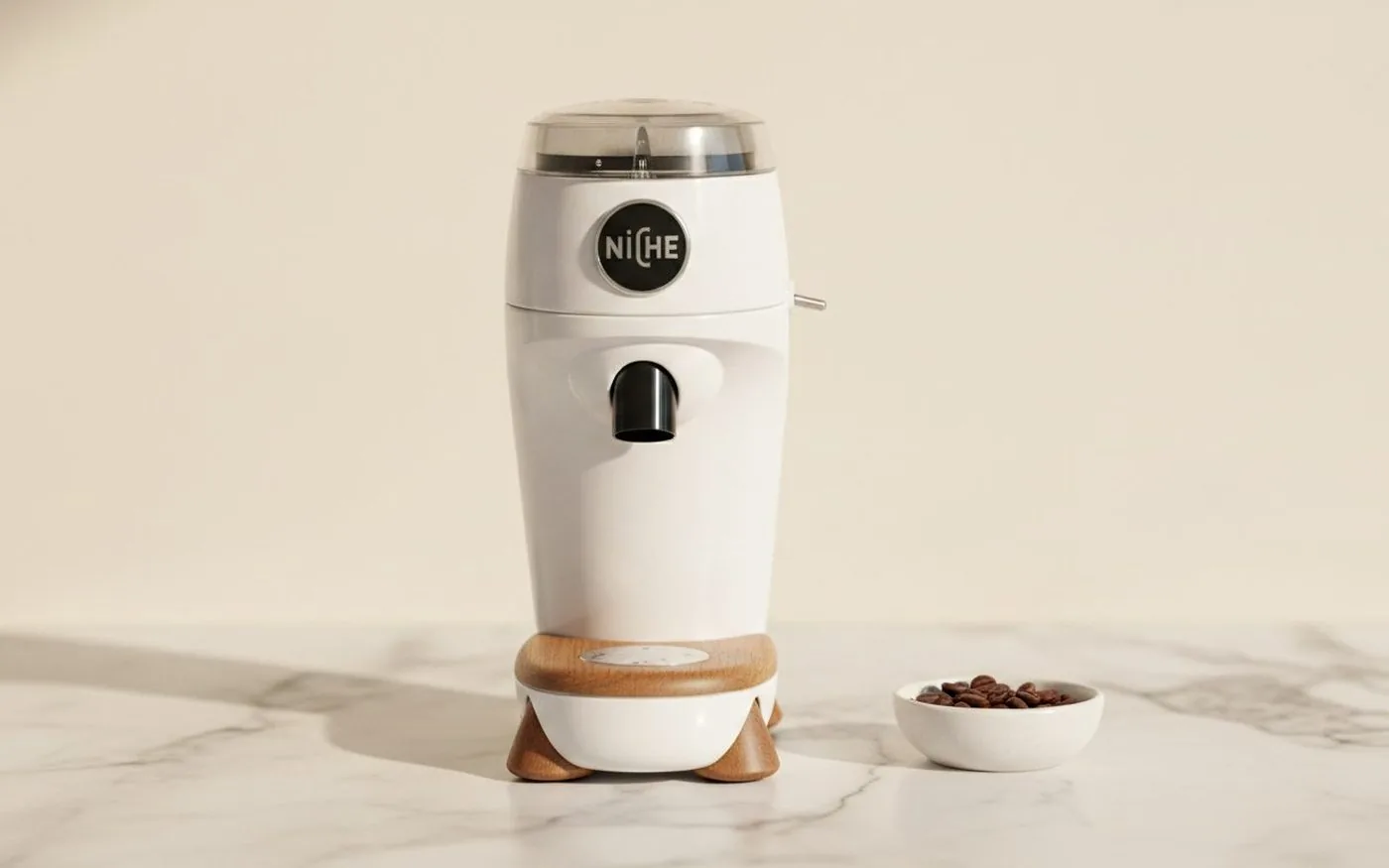
These are real starting points, not theoretical midpoints. I have tested on a Sage Barista Express and Niche Zero. The Sage Smart Grinder Pro settings come from a combination of direct testing and the consistent patterns across r/espresso threads covering 2024-2025. The other grinders reference forum-verified consensus from Home-Barista.com and dedicated community threads for each model.
The principle is the same across all of them: start here, then adjust one increment at a time.
| Grinder | Type | Espresso starting point | Notes |
|---|---|---|---|
| Sage Barista Express (integrated) | Stepped (1-16) | 4-5 | Setting 4 for light roasts; 5 for medium-dark. Integrated grinder requires 5-7g purge before new particle size reaches basket. |
| Sage Smart Grinder Pro | Stepped (1-60) | 8-12 | Granular scale with small steps. Start at 10, move two steps per trial. |
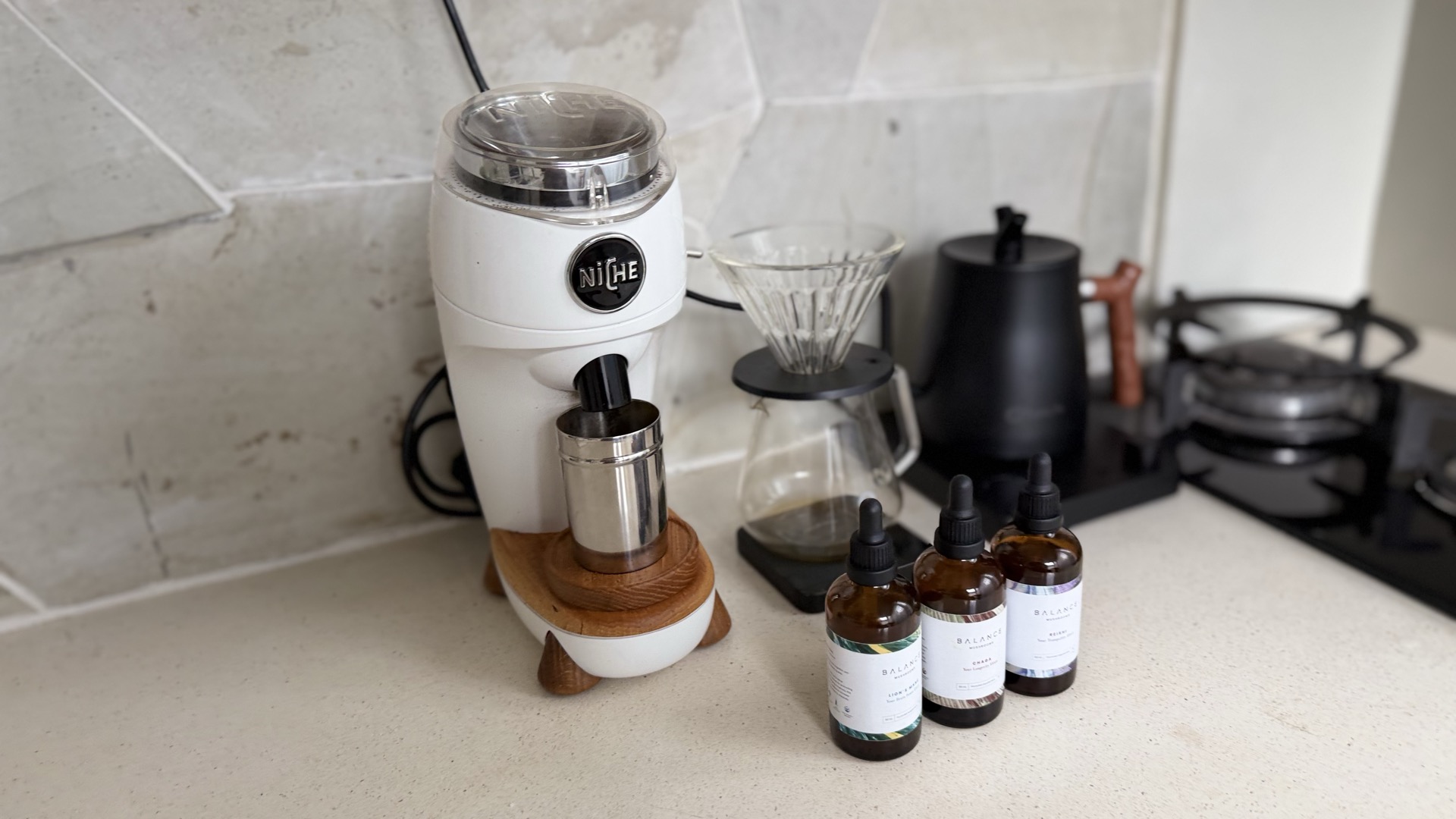
| Niche Zero | Stepless | 10-20 (on 0-50 dial) | Very retention-friendly. Purge 1-2g between grind changes. Consistent across roast levels. |
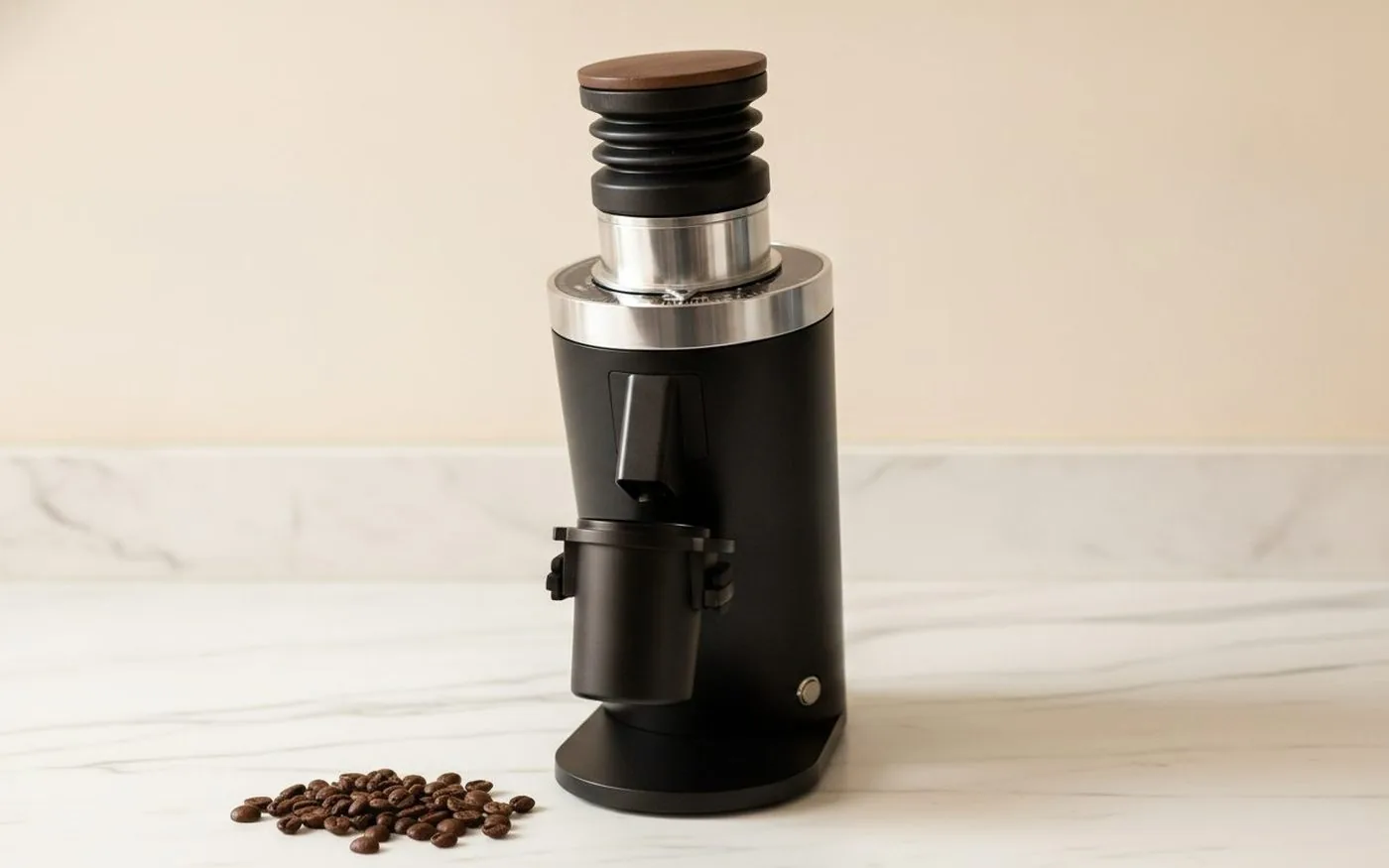
| DF64 / DF64 Gen 2 | Stepless | 30-50 (on 0-100 dial) | Wider adjustment range. Single-dose grinder - virtually zero retention. Dials in faster than most. |
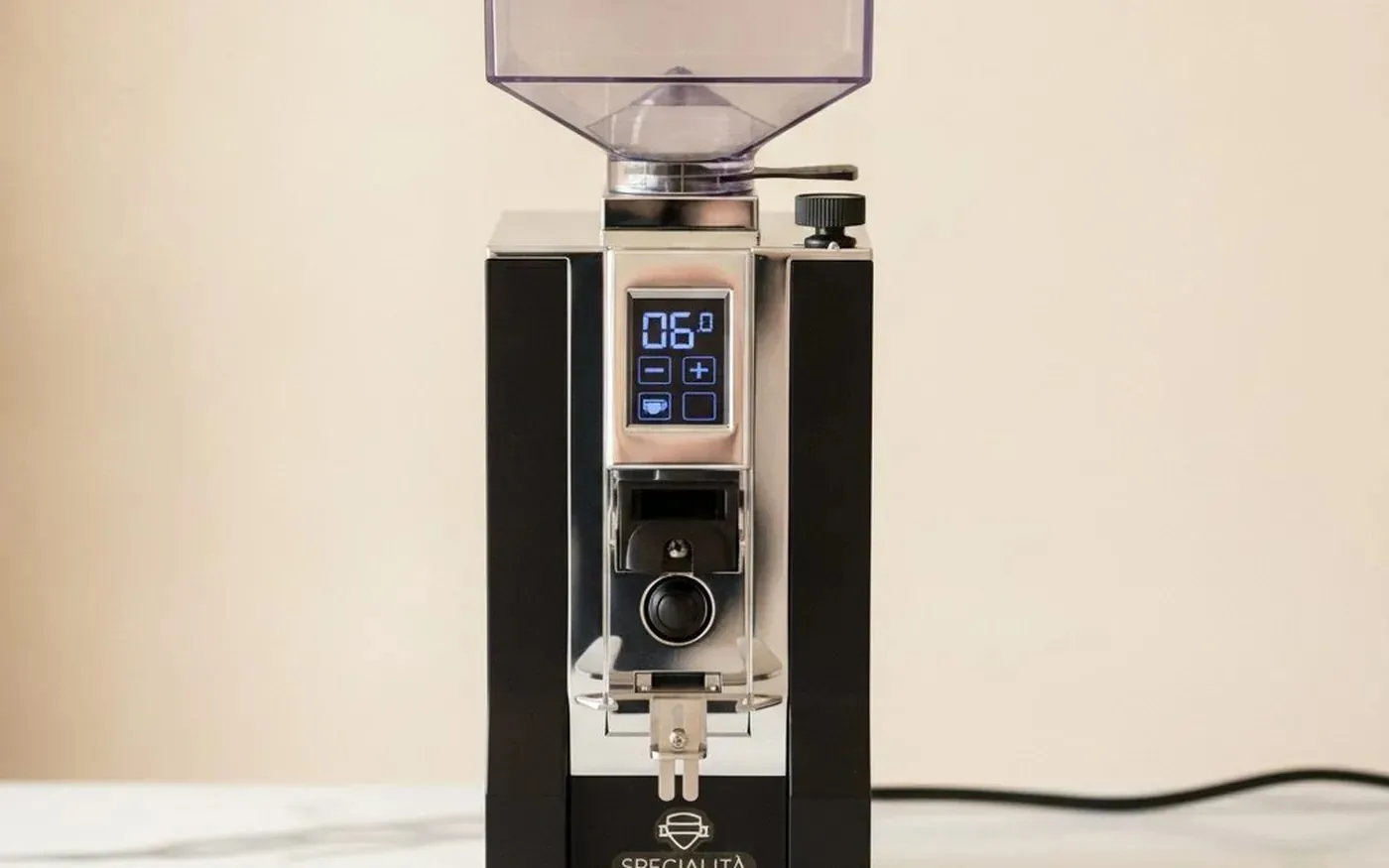
| Eureka Mignon Specialita | Stepless | 1.5-2.5mm on micrometric dial | Smooth adjustment. Start at 2.0 and adjust from there. Retention is low (0.2-0.5g). |
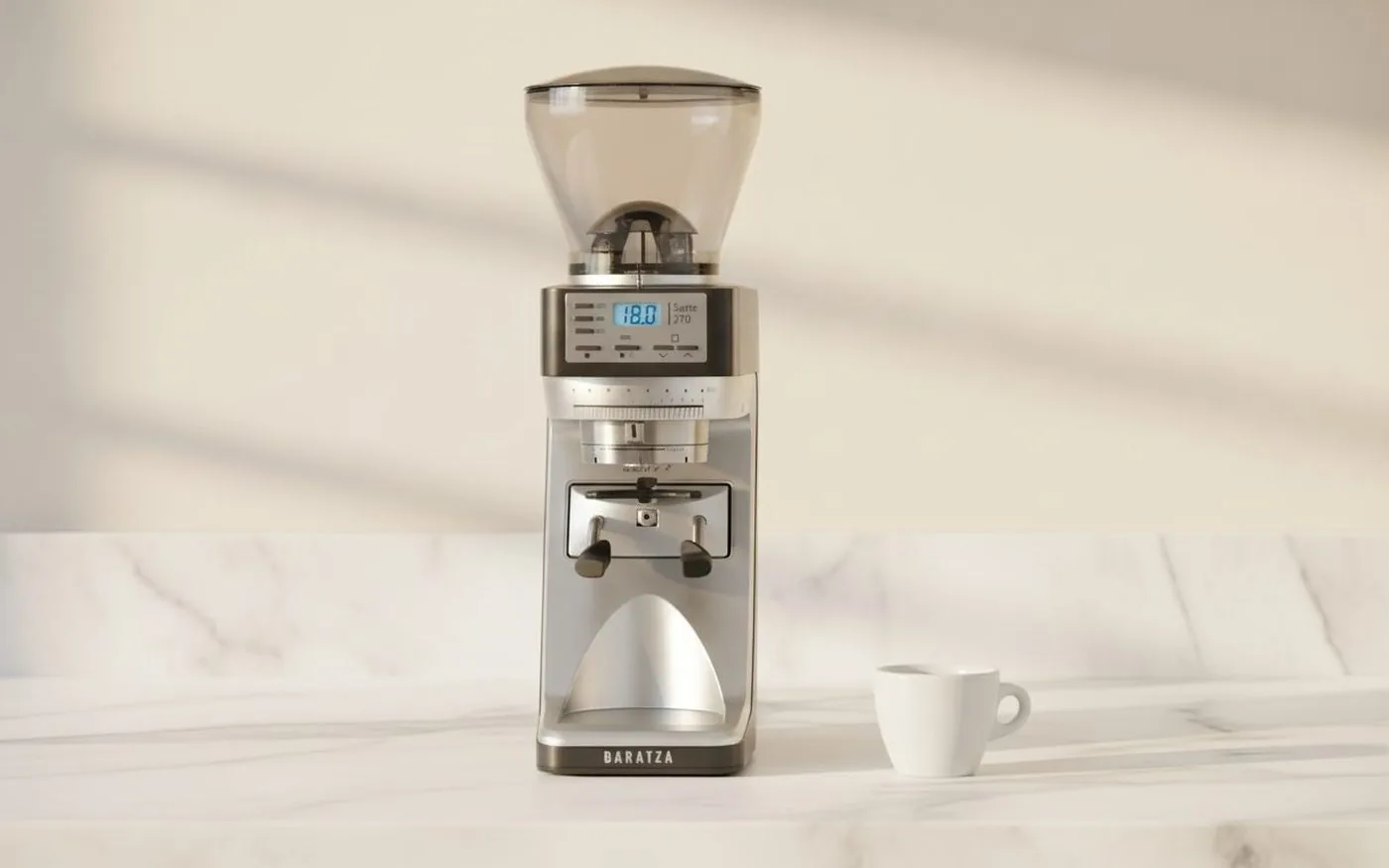
| Baratza Sette 270 | Macro stepped + stepless micro | Macro 6-8, micro 0-3 | Combine macro and micro for fine control. One macro step is a significant jump - use micro increments first. |
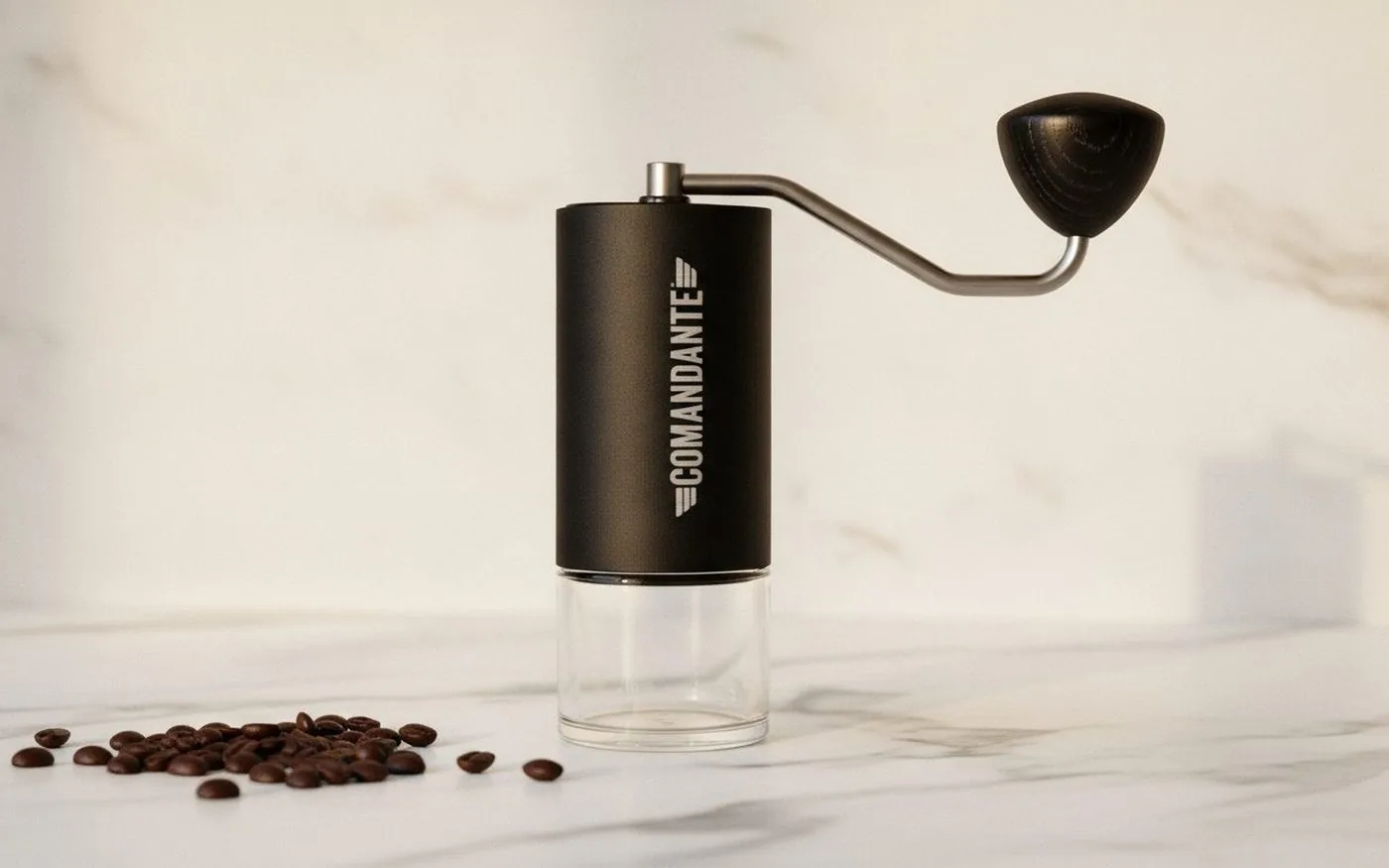
| Comandante C40 | Stepped (clicks) | 8-14 clicks from zero | Hand grinder. Lower click count equals finer grind. Slower to dial in than electric but consistent once found. |
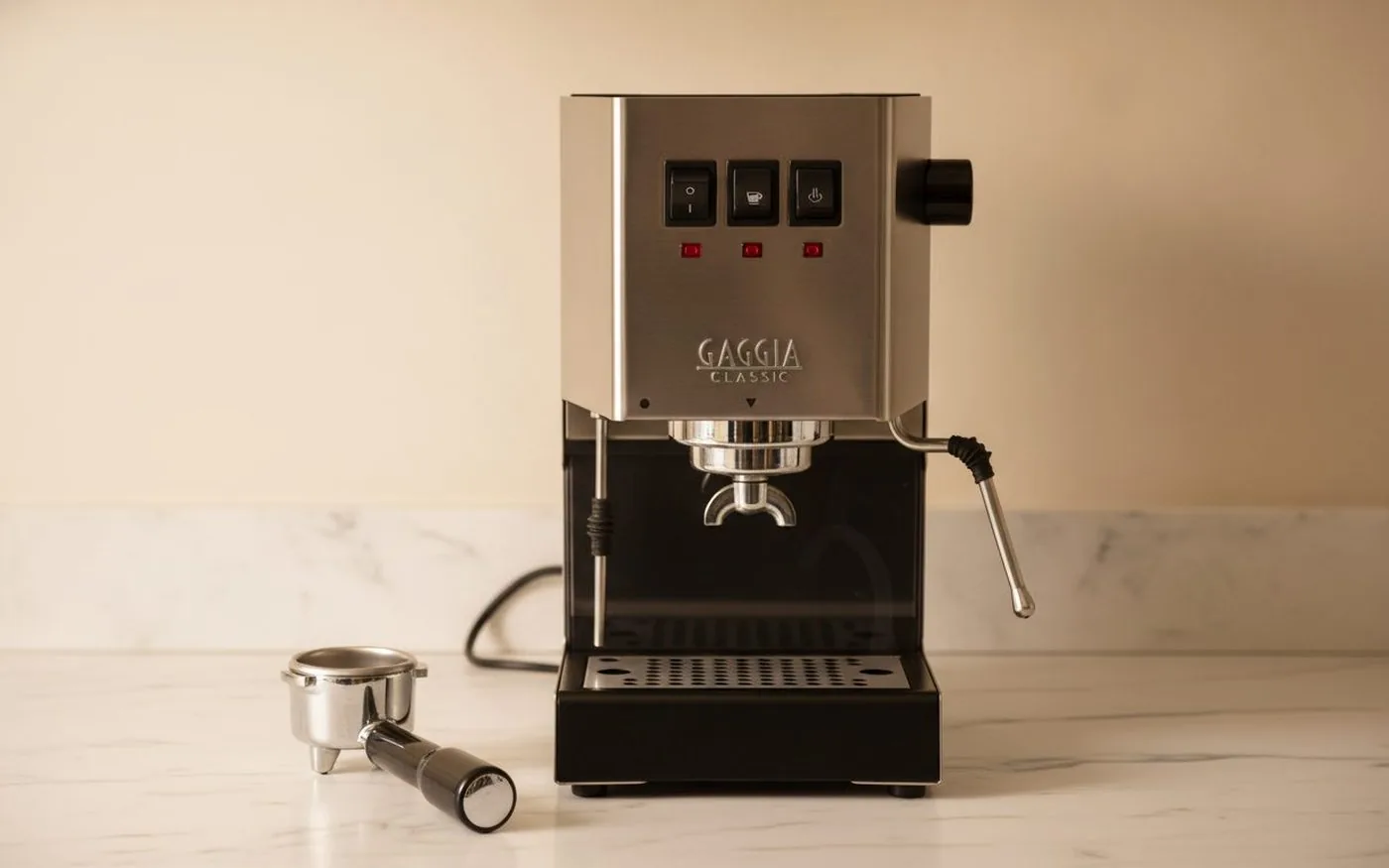
| Gaggia Classic Pro | Machine, not grinder | Use Niche or Eureka starting points for your external grinder | Non-pressurised basket as standard. Requires a proper espresso grinder. Do not use a blade grinder with this machine. |
On the Barista Express integrated grinder specifically: The internal grinder uses a numbered stepped dial. The relationship between steps and micron sizes is not linear - steps 1-3 represent large jumps, while 5-10 narrow considerably. Most users pulling specialty light roasts land between 4 and 6. I run at 4 with most Colombian and Ethiopian naturals, and move to 5 with anything medium-dark. The integrated design means grind changes take a short purge before the new particle size reaches the portafilter - worth noting when you are mid-dial-in and wondering why the second shot did not change.
Grind vs Dose, Tamp, and Pressure: Diagnosing the Real Problem
Not every bad shot is a grind problem. Before you change the grind, run through this quick diagnosis.
If your shot runs too fast:
- Is the grind coarser than the recommended starting range? Grind finer.
- Are you hitting 18g? Under-dosing produces a loose puck that water bypasses.
- Is your tamp level and consistent at around 15-20kg? A tilted tamp creates low-resistance channels.
- Is the basket clean? Old coffee oils create resistance variations that produce inconsistent extraction.
If your shot runs too slow or chokes:
- Are you below the recommended starting range? Grind coarser.
- Are you over-dosing? More than 18-19g in a standard 58mm basket leaves insufficient headspace and causes over-compression.
- Is your distribution even before tamping? Uneven distribution concentrates water in one area. A WDT tool resolves this.
If the shot is in the time window but still tastes wrong:
- Sour and thin at 25-30 seconds: grind slightly finer. The grind is in the time range but producing uneven extraction.
- Bitter and dry at 25-30 seconds: try a marginally coarser grind, or check water temperature. Some machines run hot, over-extracting even at correct timing.
- Flat and one-dimensional: bean freshness. Specialty coffee loses complexity quickly after opening. If the bag has been open more than four weeks, the grind cannot fix what staleness has taken out.
The honest truth about tamp pressure: Extraction science - well established in the SCA research community and tested extensively by home barista practitioners - shows that tamp pressure variation between 10 and 30kg has less impact on extraction than most home baristas assume. Distribution and particle size consistency matter more. A consistent 15kg tamp will outperform an inconsistent 30kg tamp on every shot.
Espresso Grind in Microns: The Reference Range
If you want to understand what is happening rather than just follow a dial number, the micron reference is worth knowing.
Espresso extracts in the 200-300 micron range. This is significantly finer than other brew methods:
| Brew method | Particle size (microns) |
|---|---|
| Espresso | 200-300 |
| Moka pot | 350-500 |
| AeroPress | 400-700 |
| Pour over / V60 | 700-1,000 |
| Cafetiere | 800-1,200 |
| Cold brew | 1,000-1,500 |
At 200-300 microns, water has less surface area to pass through, which is why espresso requires pressure - 9 bars on a standard commercial-specification machine - to extract at all. The combination of fine grind and high pressure is what produces espresso's characteristic intensity and body. Neither element works without the other.
Why does this matter practically? If you are considering a grinder marketed for filter coffee and wondering whether it reaches espresso territory, check the manufacturer's claimed finest setting in microns. A grinder with a finest setting of 400 microns will not produce true espresso results on a single-wall basket. The Specialty Coffee Association's brewing guide provides the technical basis behind these extraction parameters.
The micron range also explains why blade grinders fail at espresso. A blade grinder produces an inconsistent distribution - some particles at 150 microns, some at 800 - which means parts of the puck are over-extracted and parts are under-extracted simultaneously. The result tastes simultaneously sour and bitter. No adjustment to technique or tamp will fix it, because there is no consistent setting to adjust.
Grind Size Chart for All Brew Methods
For reference. The espresso range sits at the fine end of the spectrum.
| Brew method | Grind size | Particle size (microns) | Extraction time |
|---|---|---|---|
| Turkish coffee | Extra fine | 150-250 | 3-4 min simmered |
| Espresso | Fine | 200-300 | 25-30 seconds |
| Moka pot | Fine-medium | 350-500 | 4-6 min |
| AeroPress (pressure recipe) | Fine-medium | 400-700 | 1-2 min |
| Pour over (V60, Chemex) | Medium | 700-1,000 | 3-4 min |
| Flat-bottom filter | Medium | 750-900 | 5-6 min |
| Cafetiere | Coarse | 800-1,200 | 4 min steep |
| Cold brew | Extra coarse | 1,000-1,500 | 12-24 hours |
AeroPress recipes vary considerably - some practitioners use near-espresso grind sizes with short extraction windows; others use filter-range sizes with longer steep times. The table reflects the most common home use pattern for each method.
If you want to understand where your current grind sits on the spectrum without a particle analyser, pull the same dose through a pour-over dripper. If it flows through in under two minutes, you are in or near espresso territory. If it takes four minutes, you are in filter range.
The Bean That Actually Works in Your Setup
Grind size and beans are not independent variables. The same grind setting that produces a balanced shot on a medium roast will often under-extract a light roast, because lighter roasts are denser and require finer grinding or longer extraction to achieve the same yield.
If you are looking for best coffee beans for espresso that perform predictably across a range of grinder settings without demanding precision dialling, choose a medium roast from a specialty roaster. A 1:2 ratio in 25-30 seconds is achievable on most home setups with a medium roast and a grinder in the ranges covered above.
The best organic coffee beans for espresso are generally medium-roasted single origins from Central or South America. Colombia and Mexico produce consistent, balanced espresso profiles without the acidity spikes that can make lighter Ethiopian or Kenyan beans harder to dial in on a stepped grinder.
For a specifically designed espresso blend, Balance Coffee's Rotate Espresso is a 100% Mexico single origin roasted to a medium-dark profile - strength 4-5 out of 5, with dark chocolate richness and a cranberry sweetness underneath. Darker roasts extract faster than light roasts, so it sits comfortably at settings 5-6 on the Sage Barista Express rather than the lighter 4-5 range. It produces a full-bodied, smooth cup that is forgiving for home baristas still in the dialling-in learning curve, and it is the bean I use when testing grinder settings because its predictable extraction profile makes the variable easy to isolate.
Balance Coffee is the parent brand of Balance Journal. Where we mention Balance Coffee products, we apply the same evaluation criteria we apply to any brand.
Final Verdict
Grind size is not complicated. It is also not forgiving of imprecision, which is why it feels complicated until you have pulled enough shots to read the signals clearly.
Start in the range for your grinder in the table above. Pull a shot. Time it and taste it. Move one increment in the right direction. Repeat. You will dial it in within three to five shots on most setups, and the muscle memory for reading the pour builds quickly.
The work is in the early shots. Once you have it, the same setting will hold across an entire bag, and adjusting for a new bag takes five minutes rather than two days.
For the full guide to the machines these grinders pair with, start with our best espresso machine roundup. If you are specifically on the Sage ecosystem, the Sage Barista Express review and best Sage coffee machine guide cover the full range. If you are choosing between grinder options, the best manual coffee grinder guide covers hand-grinder options in depth, and the Gaggia Classic Pro review covers that machine's grinder pairing requirements in full.
Frequently Asked Questions
What grind size is best for espresso?
The correct range is 200-300 microns, which on most home grinders corresponds to the fine end of the dial. The practical target is 18g of ground coffee producing 36g of liquid espresso in 25-30 seconds. On a Sage Barista Express, that is typically settings 4-6. On a Niche Zero, around 10-20 on the stepless dial. Adjust one increment at a time until the shot lands in the window.
How do I know if my espresso grind is too fine?
Three signals indicate an over-fine grind: the shot runs very slowly or stalls; the taste is bitter, ashy, or drying on the palate rather than sweet; and in some machines the portafilter begins leaking at the group head seal under excessive puck resistance. If two of these appear together, grind one increment coarser and pull again.
Is espresso grind finer than filter coffee?
Yes, significantly. Espresso uses 200-300 micron particles. A standard V60 pour-over uses 700-1,000 microns. The coarser grind for filter allows water to flow through by gravity alone. Espresso requires 9 bars of pump pressure to push water through its finer, denser puck. A filter-range grind in an espresso machine produces a fast, thin, sour shot with almost no crema.
What grind setting should I use on a Sage Barista Express?
Start at setting 5 and adjust from there. Most specialty beans within two to four weeks of roast work at 4-5. Light roasts often land at 4; medium-dark roasts sometimes work at 5-6. Move one step at a time and pull a shot between each adjustment. The integrated grinder needs a short purge - five to seven seconds discarded - before the new particle size reaches the portafilter.
How long should an espresso shot take to pull?
The standard benchmark is 25-30 seconds from first drop to target weight in the cup. This assumes an 18g dose producing around 36g of liquid espresso. Shots under 20 seconds are extracting too fast. Shots over 40 seconds are over-tamped, over-dosed, or ground too fine. Note: you are timing from when liquid first appears at the spout, not from when the pump activates.
Does grind size affect espresso taste more than dose?
Grind size is the primary variable for controlling extraction rate. Dose primarily controls body and strength. A misdialled grind cannot be compensated for by adjusting dose - increasing dose to slow a fast shot also changes yield and strength, introducing new imbalances. Dial in grind size first against a fixed 18g dose, then adjust dose only once the grind is in range and you are tuning strength rather than fixing extraction faults.
If my espresso tastes sour, should I grind finer or coarser?
Grind finer. Sourness indicates under-extraction - not enough dissolved solids have made it into the cup. A finer grind increases surface area exposure to water and slows extraction, giving more time for sweetness and body compounds to dissolve. If dialling finer does not resolve the sourness after two adjustments, check bean freshness. Beans under five days from roast can taste sour due to outgassing CO2 interfering with water contact.
What is the espresso grind size in microns?
Espresso extracts at 200-300 microns. For context, a human hair is around 70 microns wide - espresso particles are two to four times that diameter. The fine particle size creates maximum surface area per gram of coffee, allowing the short extraction window to dissolve enough soluble material for a concentrated shot. This is consistent with extraction science documented by Barista Hustle and the broader SCA framework.
How often should I adjust grind size for the same beans?
Once dialled in on a bag, the same setting holds for the rest of that bag. You may need to adjust by half a step if shots begin running slightly faster as the bag ages and beans off-gas CO2. The main trigger for adjustment is a new bag - even the same bean from the same roaster will extract slightly differently bag to bag depending on roast date. A small one-increment adjustment at the start of each new bag is normal.
Can I use a blade grinder for espresso?
No. A blade grinder produces an inconsistent particle distribution - the same grind batch contains particles from 100 to 1,000 microns. The result in the espresso basket is a puck where part of the coffee over-extracts instantly and part barely extracts at all. The shot tastes simultaneously sour and bitter, and no technique adjustment fixes it. A burr grinder - even an entry-level one - produces the consistent particle distribution that espresso requires. The James Hoffmann YouTube channel covers this in accessible detail.
A wellness entrepreneur and biohacker, James explores the intersection of hospitality and health - from clean fuel and recovery tools to mindful routines that build balance into daily life.