Are Coffee Machines Worth It? A Coffee Founder's Honest Maths

Coffee & Wellness Writer
Fourteen years in the coffee industry. Here is whether the machine actually pays for itself.
Table of Contents
Some of the links in this article are affiliate links, which help fund our independent review work at no extra cost to you. Every recommendation is based on hands-on testing through The Editor Lab methodology. No brand pays to appear, and no placement is guaranteed.
If you have ever stood at the cafe counter handing over a fiver for a flat white and thought "is this really worth it though", you are not alone. I do the maths in my head every morning, and I have spent fourteen years in the UK coffee industry watching people talk themselves into machines they do not need, and out of machines that would have paid for themselves twice over. I founded Balance Coffee in 2020 after a decade selling espresso equipment to the country's best roasters, so I have skin in this conversation. But I do not sell machines, which means I have no reason to push you towards one if the numbers do not stack up.
This article shows the working. It names the UK cafe price, the energy cost per brew, the real cost per cup at home for every machine type, and the break-even point you can apply to your own habit. By the end, you should know whether a machine is worth it for you, which type fits your life, and what to spend.
Editor's Note
The Short Answer
A coffee machine is worth it when you drink at least one coffee a day, you care about the quality of the cup, and you are happy to spend two minutes making it. For a 2-cup-a-day cafe habit at UK chain prices, a 300-pound entry espresso machine pays for itself in roughly 12-15 weeks. A 100-pound pod machine pays back in under six. Below one cup a day or for a quick takeaway from a cheap office cafe, a machine usually is not worth the money or the counter space.
How I Worked Out the Numbers
The maths in this piece uses four inputs. First, a UK cafe price benchmark drawn from the MCA Insight UK Coffee Shop Report and weighted across chains and independents. Second, the current domestic electricity cost based on the ONS Prices Index and the Ofgem cap as of May 2026. Third, real bean and pod pricing taken from Balance Coffee, Nespresso UK, Grind, and Lavazza published rates. Fourth, machine RRPs verified against Currys, John Lewis, Sage Direct, and Caffeine Limited in May 2026. I have noted "as of May 2026" against every price because cafe coffee has risen 5-8 percent each year since 2024, and an article that quotes 2022 figures is already wrong.
The Real Cost of Buying Cafe Coffee Every Day
The UK national average for a flat white sits at around 3.85 pounds as of May 2026, according to MCA Insight's latest tracker. In central London, expect 4.50 to 5 pounds. In a regional independent, 3.50 to 3.80 is more typical. Use 4 pounds as your working number unless you live in zone 1.
At one cafe coffee a day, that is 28 pounds a week, 121 pounds a month, and roughly 1,460 pounds a year. At two a day, you are at 2,920 pounds a year. At three, you cross 4,300. None of that buys you anything other than a paper cup you throw away.
For comparison, a 4-pound flat white in London buys you the equivalent of 8-12 home espressos depending on machine type. A 1,500-pound prosumer espresso machine is therefore the cost of 375 London cafe coffees, which a 2-cup-a-day drinker burns through in six months. That is the framing the cafe-buying maths rarely shows.
Cost Per Cup at Home, by Machine Type
Here is the working. The "all-in" figure includes coffee and energy. It excludes water, descaling solution, and the cost of your time, all of which are pence per cup.
| Machine type | Avg machine RRP | Cost per cup (coffee) | Energy per cup | All-in cost per cup | Cups/week to break even on a £40 cafe habit |
|---|---|---|---|---|---|
| Pod (Nespresso Original compatible) | £80-100 | 35-65p | 1p | 36-66p | 3-4 weeks |
| Pod (Nespresso Vertuo) | £80-180 | 50-75p | 1p | 51-76p | 3-6 weeks |
| Manual espresso (entry) | £300-500 | 45-60p | 2-3p | 47-63p | 10-15 weeks |
| Bean-to-cup | £400-800 | 30-50p | 3-5p | 33-55p | 12-22 weeks |
| Filter (drip) | £100-225 | 25-35p | 1-2p | 26-37p | 3-7 weeks |
Two things stand out. First, the cheapest cup at home comes from a filter machine, not an espresso machine. If your habit is mug-of-black-coffee, you have been overpaying for the wrong category. Second, every machine type beats the cafe on cost per cup by a factor of five to ten. Speciality-grade pods sit at the top end of the pod range and still come in at roughly 65-75p all-in, against the 4 pounds you pay outside.
Energy per cup is genuinely small. A pod machine runs at around 1,200-1,500 watts and brews for roughly 30 seconds, which works out to about 1p per cup at current rates. A bean-to-cup with internal grinder pulls more power for slightly longer, hence the 3-5p figure. Anyone telling you energy makes a machine uneconomic is selling something else.
The Break-Even Point: When Each Machine Pays for Itself
The formula is simple. Weeks to break-even equals machine RRP divided by weekly cafe spend minus weekly home spend. Apply it to your own usage.
Worked example one - 1 cup a day, pod drinker. You spend 28 pounds a week at the cafe. A Nespresso Inissia (99 pounds) brewing speciality pods at 65p a cup costs you 4.55 pounds a week. Saving = 23.45 pounds. Break-even = 99 / 23.45 = 4.2 weeks. The machine pays for itself in just over a month.
Worked example two - 2 cups a day, espresso drinker. You spend 56 pounds a week. A Sage Bambino Plus (349 pounds, often 299) brewing speciality beans at 50p a cup costs you 7 pounds a week. Saving = 49 pounds. Break-even = 299 / 49 = roughly 6 weeks. Even at full RRP it pays back in just over seven weeks.
Worked example three - household of three, bean-to-cup. Three people drinking two cups each daily at home rather than at a cafe is 168 pounds of weekly cafe spend. A De'Longhi Magnifica Evo (429 pounds) at 45p a cup all-in for 42 cups a week is 18.90 pounds. Saving = 149 pounds. Break-even = 429 / 149 = 2.9 weeks. Less than a month for the household maths to flip.
If your numbers come in over 26 weeks, the machine is probably the wrong size for your habit. Drop a tier.
When a Coffee Machine IS Worth It
If you drink at least one coffee a day, the maths is already in your favour by the end of the second month. If there are two of you in the house drinking coffee, that timeline halves. If you genuinely enjoy black espresso or flat whites and you are buying them anyway, the only question is which machine, not whether.
The case strengthens further if you care about what is in your cup. Cafes change blends, swap roasters, and dial in to volume not flavour. At home, you control the bean, the dose, and the grind. For anyone who reads ingredient labels and asks where the green coffee came from, the machine is not a luxury, it is the only way to drink coffee you actually trust.
It also makes sense if you work from home and your old commute coffee has quietly become four cafe visits a week. That is 16 pounds, which means a 200-pound machine breaks even by autumn. And finally, if you live with someone who drinks tea while you drink coffee, a machine removes the friction of two separate cafe stops on weekend mornings. The dailyness is what makes a machine pay - the more it sits there waiting for you, the harder the maths bites.
When a Coffee Machine is NOT Worth It
One coffee a day from a cheap office cafe at 2.50 pounds is 12.50 pounds a week. A 300-pound machine takes 30-plus weeks to break even, and you still have to clean and descale it. Stick with the office machine.
If you have no kitchen counter space, do not buy a machine. Bambino-class espresso machines need 30cm of free counter plus a grinder, and a prosumer setup wants twice that. A machine that lives in a cupboard gets used three times then quietly retired. I have seen it on Reddit, in friends' kitchens, and in my own house in 2019.
The gear-acquisition trap is real. If you suspect you will keep upgrading - Bambino, then Barista Express, then prosumer, then Lelit, then a Niche grinder, then a second basket - the maths is gone. Cafes start to look cheap again. Honest test: are you buying because you want better coffee, or because you want a hobby? Both are fine answers, but one of them is not a money decision.
Skip the machine if you want speciality-grade espresso without the time to learn. A Bambino with a cheap pre-ground bag will not give you what the cafe gives you. The machine works for you only if you invest five minutes per cup, or you buy bean-to-cup or pod for convenience.
Here is the side-by-side.
| Scenario | Machine worth it? | Why |
|---|---|---|
| 1 cup a day, cafe is 2.50 pounds | No | Break-even past 6 months |
| 2 cups a day, 4 pounds each | Yes | Pays back in under 2 months |
| Household of 2-3 coffee drinkers | Yes | Even faster payback |
| WFH, no commute, 3-4 cafe trips/week | Yes | Quiet daily saving |
| No counter space | No | Cupboard machines die |
| Want speciality without learning | No | Buy a pod machine or skip |
What You Put In Matters More Than the Machine
The honest part. A machine is the boring part of a great cup of coffee. The exciting part is what you load into it. The numbers above assume decent coffee going in. If you are pulling stale supermarket beans through a 1,500-pound machine, you are buying expensive disappointment. The Specialty Coffee Association puts roughly 80 percent of cup quality on the green coffee and the roast, not the brewer.
Full disclosure: I founded Balance Coffee, a UK speciality roaster, so I have skin in the game on which beans and pods you put in your machine. I have no commercial stake in any of the machines named here. Whatever beans or pods you choose, including ours, the quality of the input drives most of the cup. A 300-pound Bambino with fresh, traceable best coffee beans uk outperforms a 1,500-pound prosumer machine running on month-old supermarket bags. This is the bit the gear-focused buyer's guides skip.
The corollary matters. If you are buying a machine purely on cost-per-cup, factor in the bean budget. Speciality beans run 25-35 pounds per kilogram, which is roughly 45-55p per 18g espresso shot. Supermarket beans cost less but lose freshness in days. Account for the coffee, or the cost-per-cup figure flatters the spreadsheet and disappoints the cup. The cafes you are comparing against use freshly roasted beans, so the home comparison only holds if you do too.
Recommended Machines by Budget and Use Case
I am not ranking these. Each tier serves a different buyer, and within each tier there are two machines I would consider before any others as of May 2026.
Under 100 pounds - pod machines. The Nespresso Vertuo Pop (80 pounds, Currys) covers the wider pod range including larger cup sizes and is the lowest-friction entry. The Nespresso Inissia Original (99 pounds, Amazon UK) opens up the Original-line pod ecosystem, which means you can use third-party pods including Balance Coffee, Grind, and Lavazza. Worth it for someone who wants speciality coffee without the learning curve and including best espresso pods uk in their rotation.
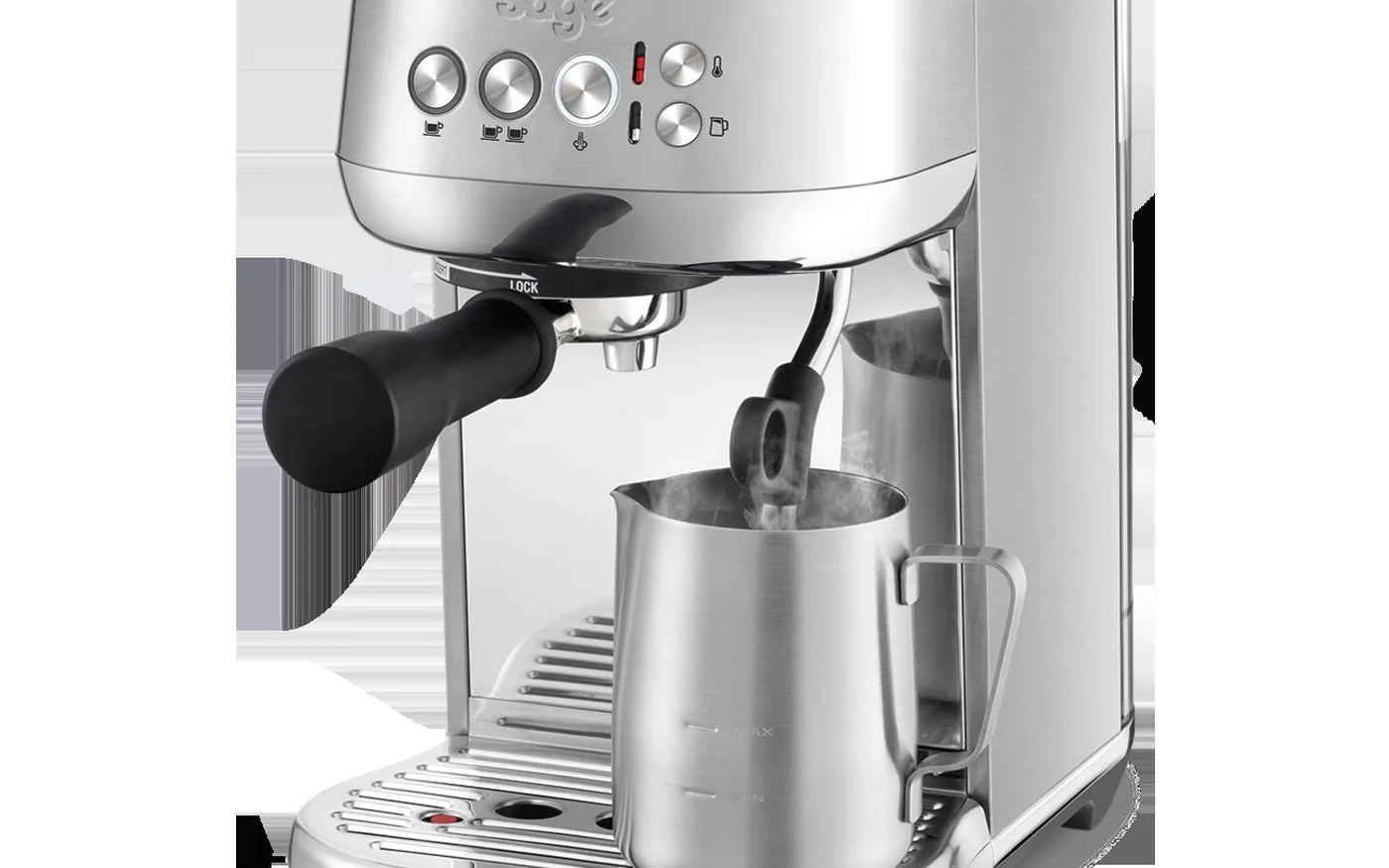
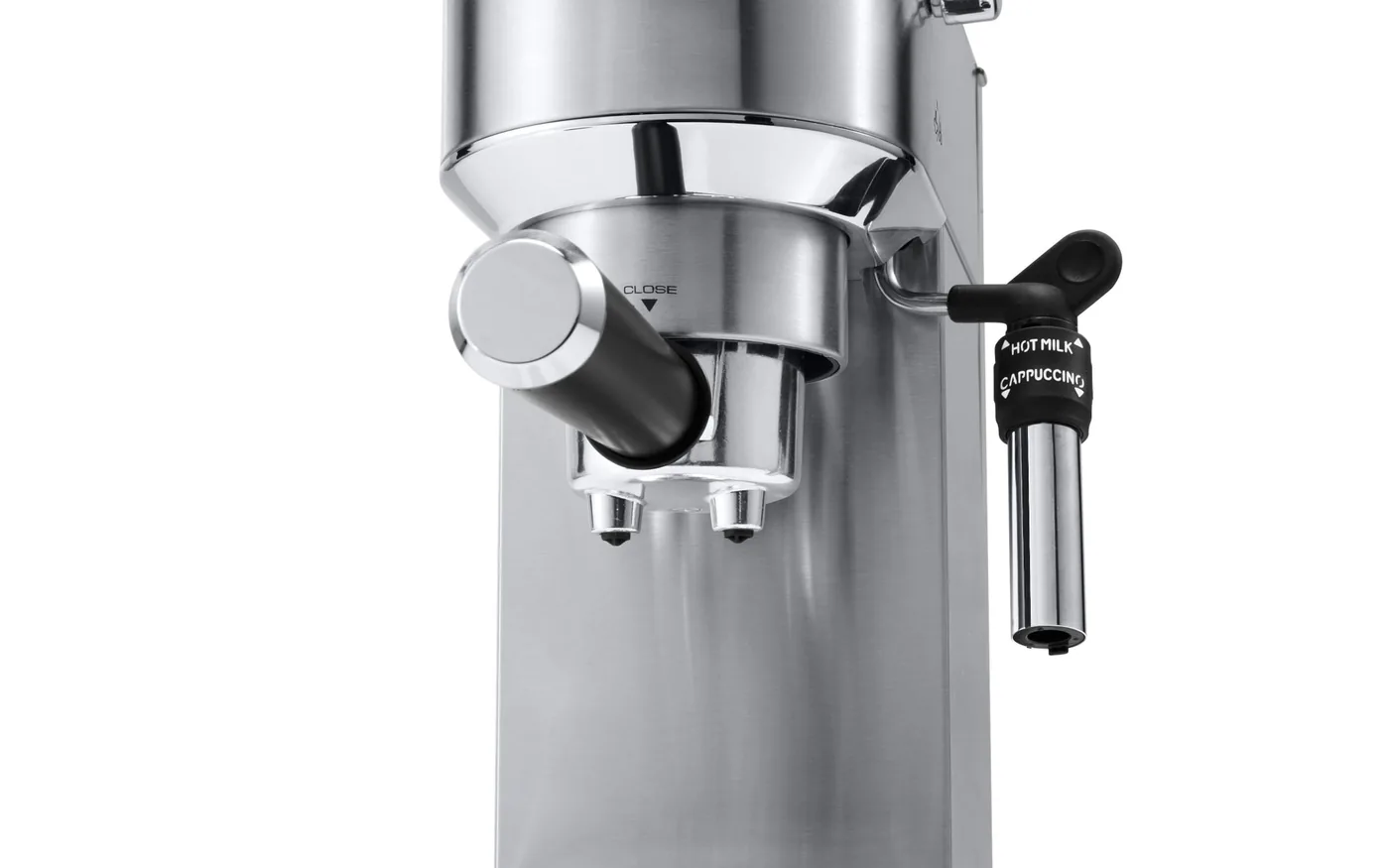
100-300 pounds - entry espresso. The Sage Bambino Plus (349 pounds RRP, often 299 at Currys or John Lewis) is the most-used home espresso machine in the UK for a reason - three-second heat-up, automatic milk steaming, and real shot quality. Worth it for someone who wants to learn espresso properly and is ready to buy a grinder. The De'Longhi Dedica Style (often 99 pounds at Currys) is the budget option, but understand it is more of a pod-machine-with-portafilter than a true espresso machine.
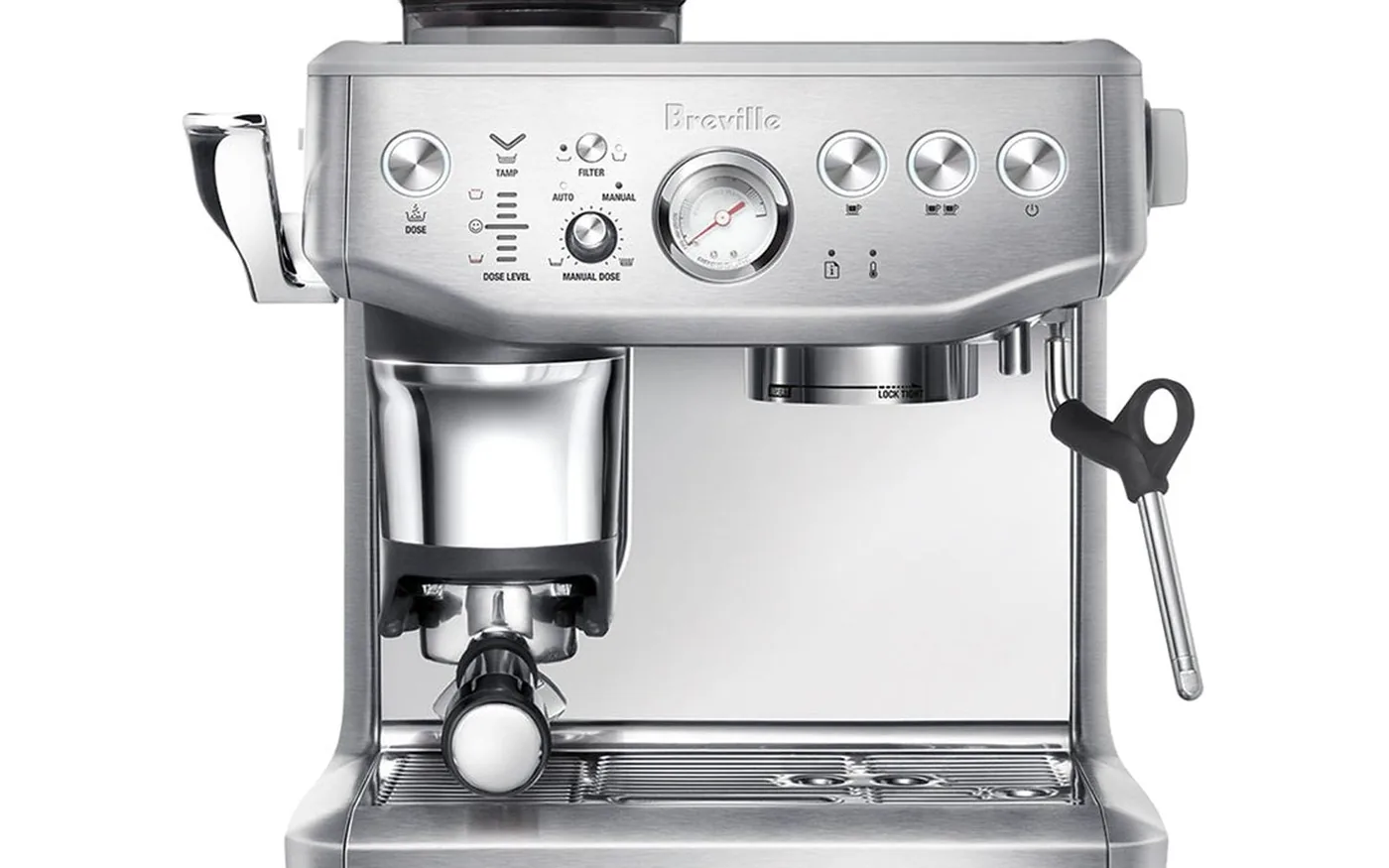
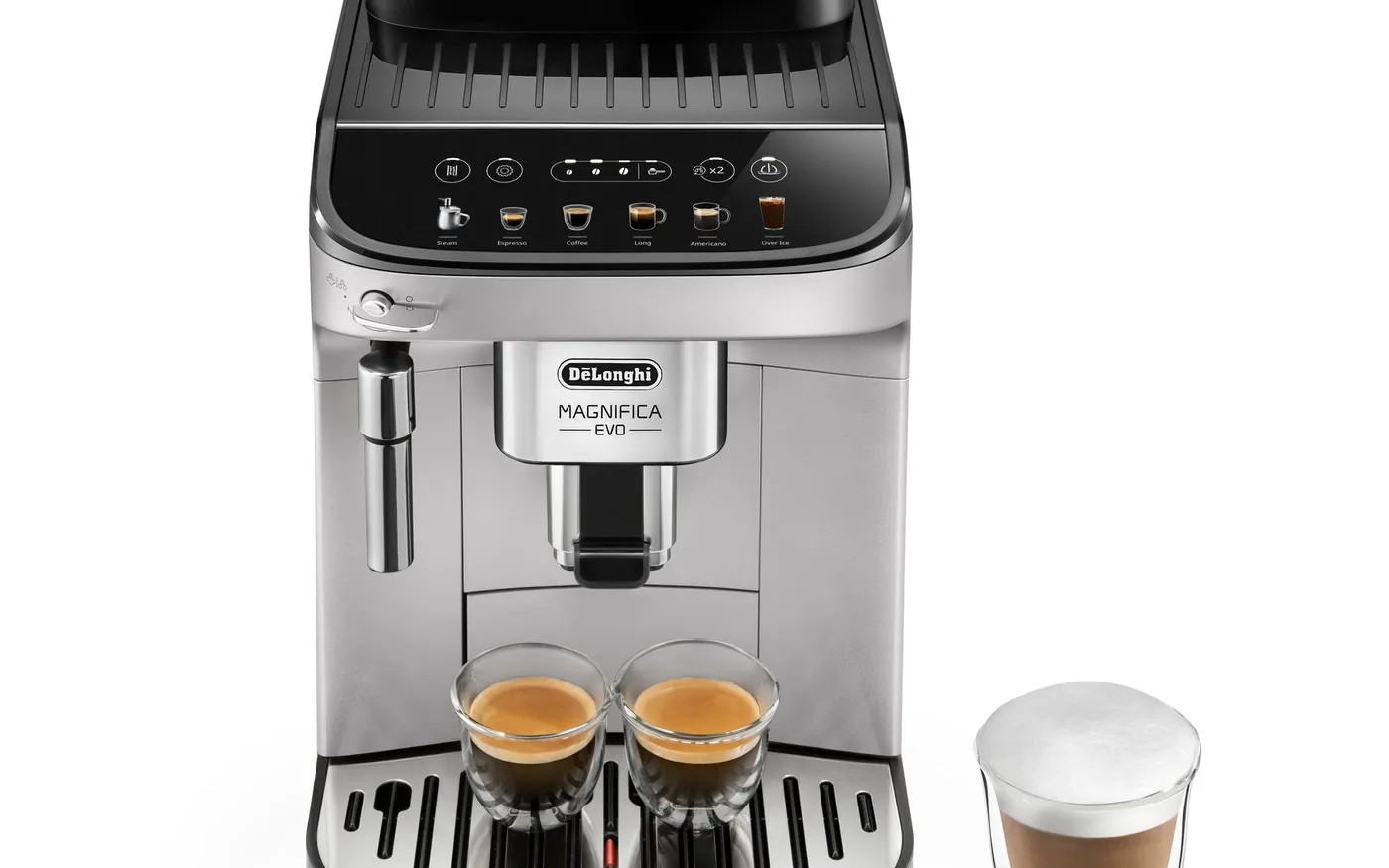
300-700 pounds - bean-to-cup. The De'Longhi Magnifica Evo (429 pounds, John Lewis) is the UK volume seller for a reason. One button, fresh-ground, milk drinks at decent quality. Worth it for the household that wants a cafe-style menu with no technique. The Sage Barista Express Impress (799 pounds, Sage Direct) is the better cup if you accept it is hands-on espresso with assist tamping rather than fully automatic.
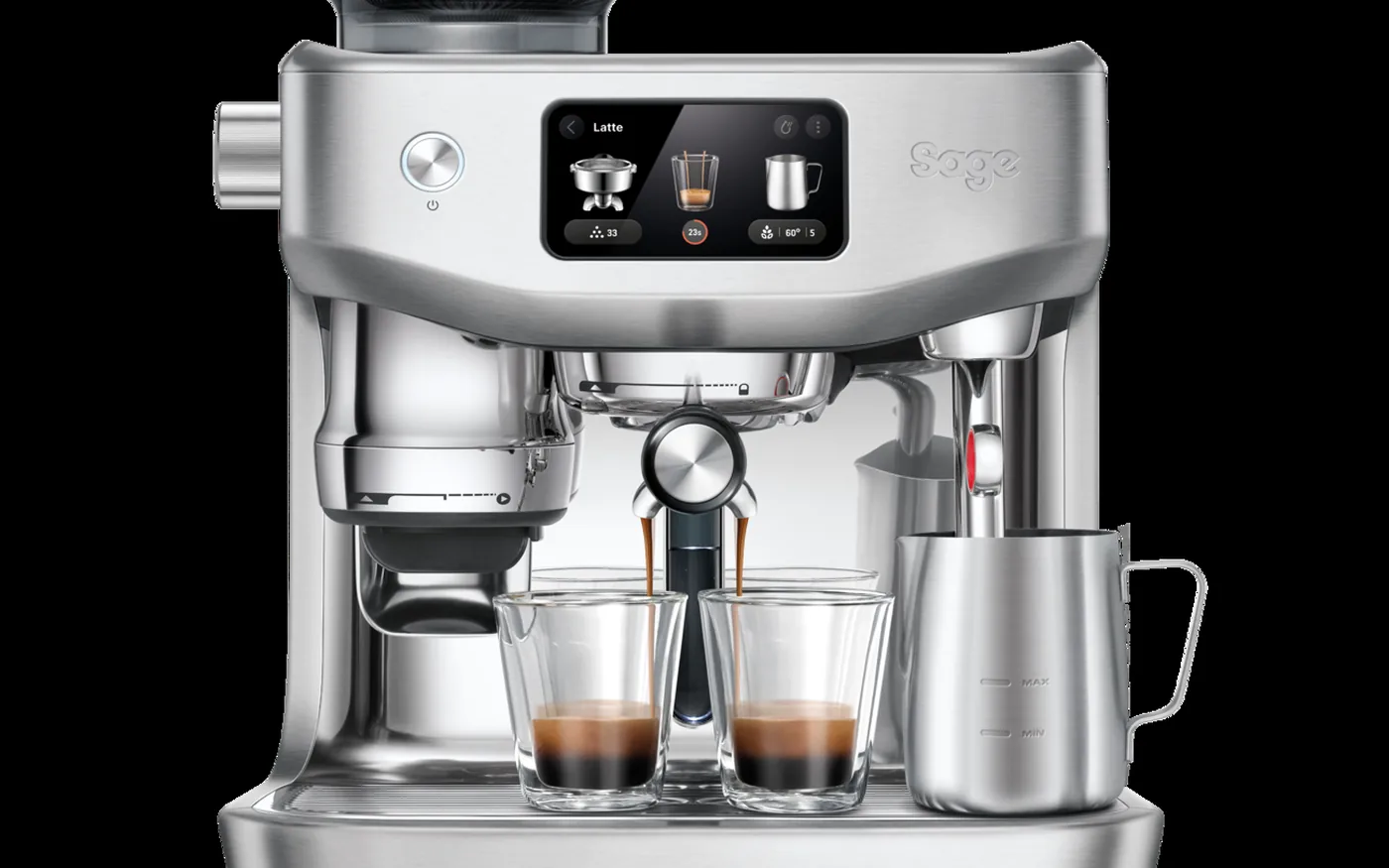
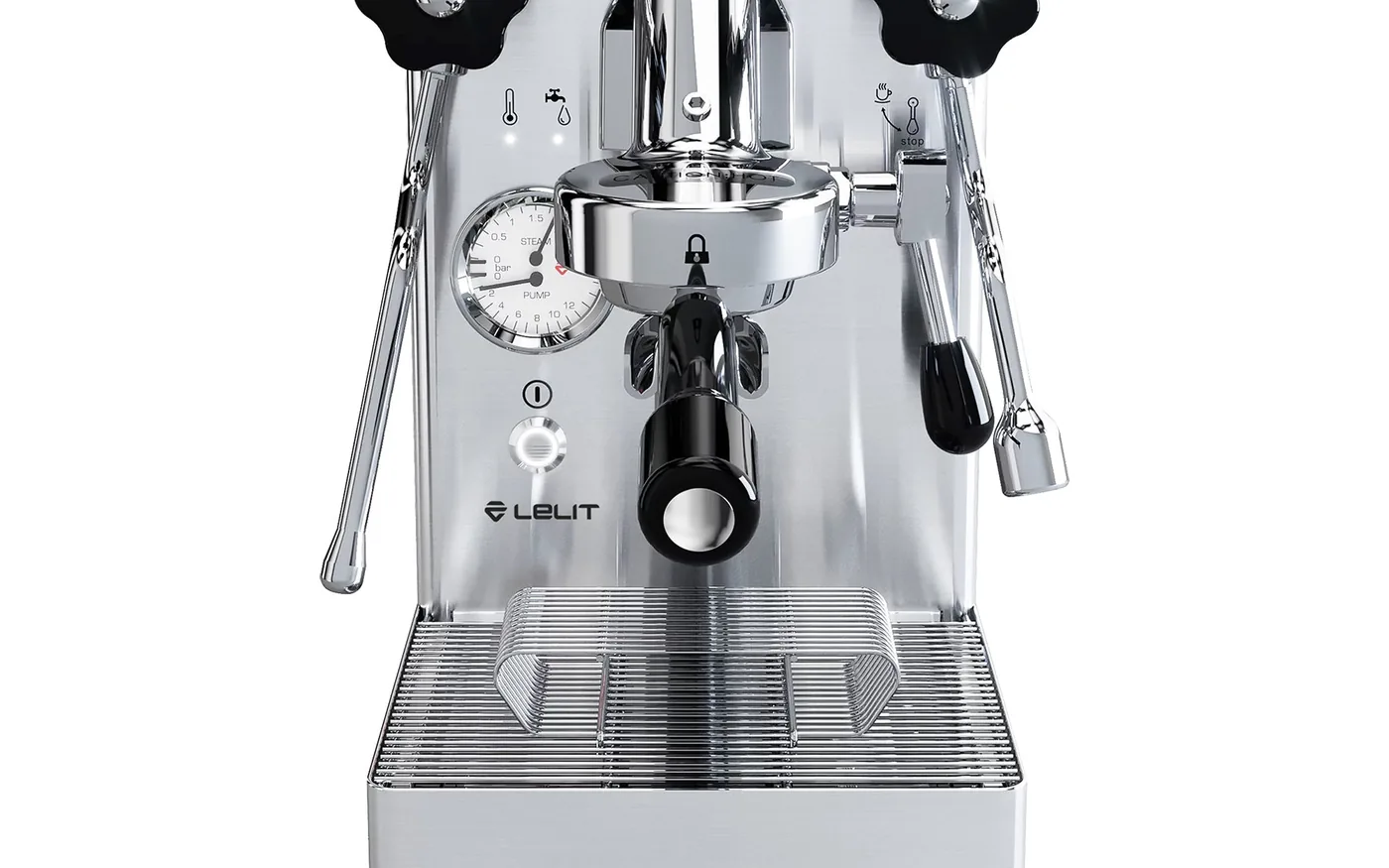
700 pounds-plus - prosumer. The Sage Oracle Jet (1,799 pounds, Sage Direct) automates grind-to-cup espresso with prosumer features and a touch screen. Worth it for the buyer who wants cafe-grade results without learning the manual workflow. The Lelit Mara X (1,499 pounds, Caffeine Limited) is the specialty community pick - rotary pump, single-boiler with PID, no built-in grinder. Worth it for the home barista who wants longevity and repair-friendly design.
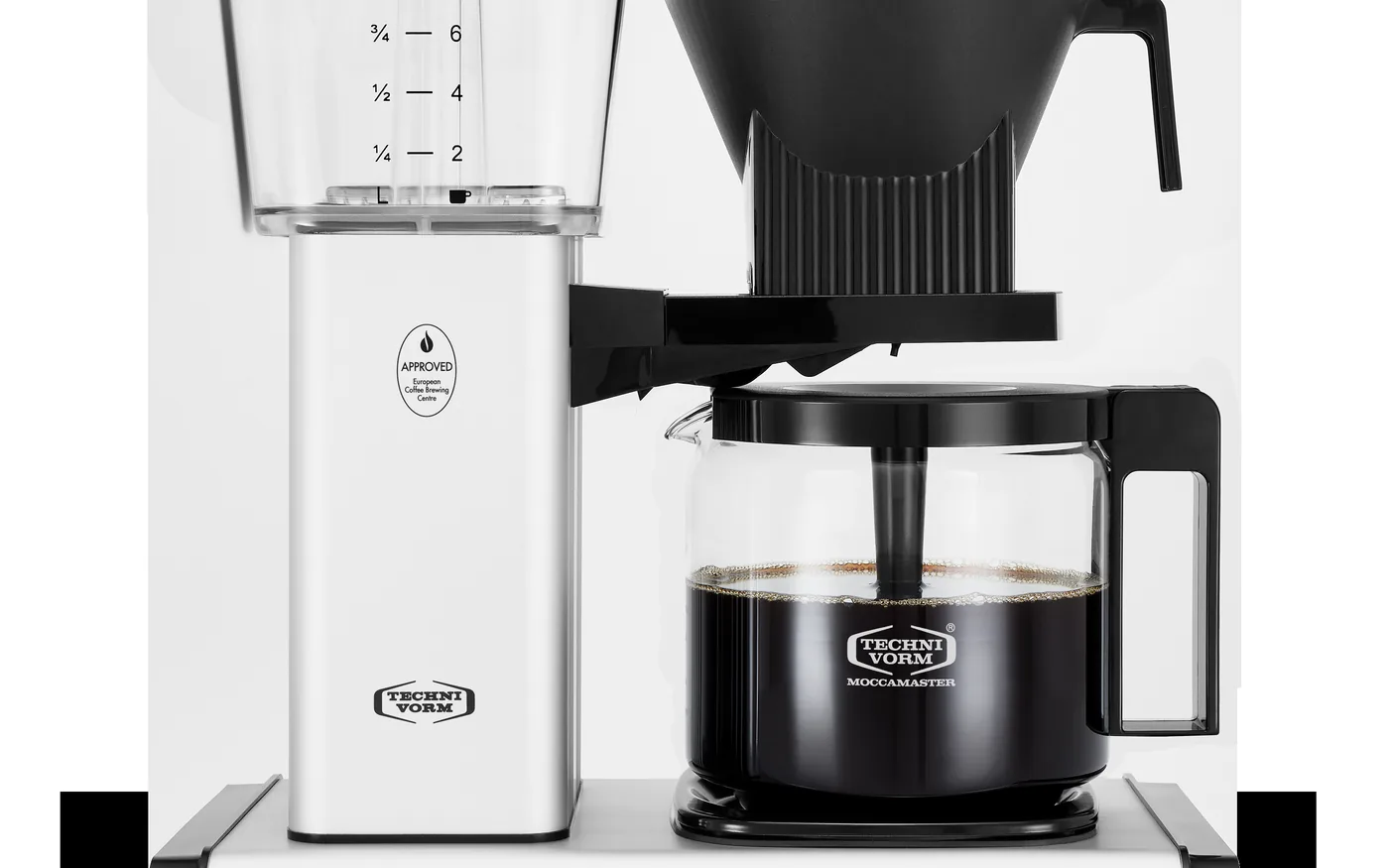
Filter, separate category. The Moccamaster KBG Select (225 pounds, John Lewis) is SCA-certified and the only filter machine I would put in front of someone who drinks black coffee at home. Worth it if your habit is mug not cup.
For deeper comparisons across these tiers, see the best coffee machine hub guide and the best bean to cup coffee machine, best espresso machine, best coffee pod machine, and best Nespresso machine guides for category deep-dives.
The Verdict
Coffee machines are worth it for the dailyness of the habit, the control over the cup, and the cost-per-cup gap against UK cafe prices. If you drink one coffee a day or more, the maths backs the spend, and a Bambino-tier machine pays back inside three months. If you drink less, or you only buy coffee at the office, save the money. The honest founder take is this - the machine is the easy decision. The harder one is whether you will actually buy good beans, dial it in, and make the cup count. If you will, buy the machine. If you suspect you will not, buy better pods instead.
Frequently Asked Questions
Are coffee machines actually worth the money?
Yes, if you drink at least one coffee a day and you are otherwise buying cafe coffee at 3-4 pounds a cup. An entry pod machine pays for itself in under six weeks at one cup daily. An entry espresso machine pays back in around three months at two cups daily. Below one cup a day, the maths is harder to justify.
How much money do you save by making coffee at home vs buying it?
A 2-cup-a-day drinker spending around 56 pounds a week at the cafe drops home coffee costs to roughly 7-9 pounds a week, saving around 47-49 pounds. Over a year that is more than 2,400 pounds saved after the machine has paid for itself. The exact saving depends on machine type, bean choice, and your local cafe price. London savings are highest because the cafe baseline is highest.
What is the cheapest type of coffee machine to run?
Filter coffee machines have the lowest cost per cup at around 26-37p all-in, including beans and energy. They are also the cheapest to buy outright, with quality SCA-certified models starting at 225 pounds. The trade-off is they only make filter coffee, not espresso or milk drinks. Pod machines come second on running cost if you stick to mid-priced pods, but speciality-grade pods bring the cost closer to bean-to-cup.
How long does it take a coffee machine to pay for itself?
The formula is machine RRP divided by weekly cafe saving. For a 2-cup-a-day drinker at 4 pounds a cup, a 99-pound pod machine pays back in two weeks, a 300-pound entry espresso machine in six to seven weeks, and a 1,500-pound prosumer machine in roughly 30 weeks. Anything beyond 26 weeks suggests the machine is too expensive for your usage tier, and you should consider dropping down a category.
Are pod machines or espresso machines cheaper to use?
Pod machines are cheaper to buy and have lower running costs at the entry pod price, but speciality-grade pods can cost up to 75p each, closing the gap with espresso. A manual espresso machine with speciality beans sits at 45-60p per cup, slightly lower than premium pods. Pod machines win on convenience and entry cost. Espresso machines win on per-cup cost at scale.
Is a bean-to-cup machine worth it?
Yes, for households of two or more who want cafe-style milk drinks at one button. A De'Longhi Magnifica Evo at 429 pounds pays back in under a month for a 3-person household, and the cost per cup of 33-55p all-in is competitive with everything except filter. The downside is repair cost and lifetime - bean-to-cup machines typically last 5-8 years against 10-plus for a well-maintained manual espresso machine.
What is the average cost of a cup of coffee at a UK cafe in 2026?
The UK national average for a flat white sits at around 3.85 pounds as of May 2026, with central London running 4.50 to 5 pounds and regional independents 3.50 to 3.80. Black filter coffee averages 2.80 to 3.20. Prices have risen roughly 5-8 percent each year since 2024 due to green coffee market pressure and operating cost inflation, which has shortened machine break-even timelines compared to older comparable articles.
Is it worth buying a coffee machine if I only drink one cup a day?
Yes for a pod machine, no for an entry espresso machine, and definitely not for prosumer gear. At one cup a day from a 4-pound cafe, a 99-pound pod machine pays back in roughly four weeks. A 300-pound espresso machine takes around 15 weeks, which is fine if you commit, but the daily ritual needs to land. Below 2.50 pounds per cafe coffee, skip the machine entirely.
A wellness entrepreneur and biohacker, James explores the intersection of hospitality and health - from clean fuel and recovery tools to mindful routines that build balance into daily life.