Myvegan Protein Review UK 2026: Tested and Rated by a Nutritionist
A dedicated vegan brand that undercuts the market on price. I graded whether the formula can justify the positioning.
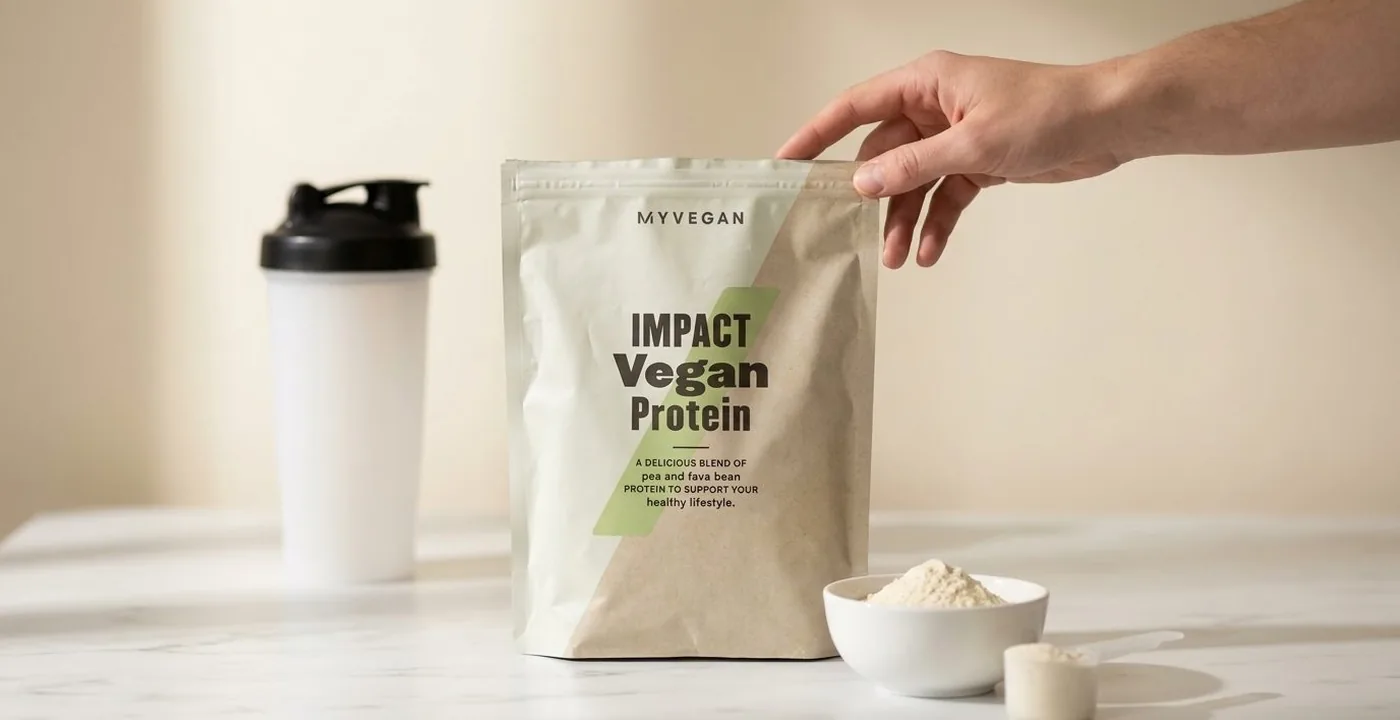
Table of Contents
Some of the links in this article are affiliate links, which help fund our independent review work at no extra cost to you. Every recommendation is based on hands-on testing through The Editor Lab methodology. No brand pays to appear, and no placement is guaranteed.
Myvegan sits in a strange position in the UK plant protein market. Myvegan Impact Vegan Protein earns 3.5/5 in this review. The branding promises something better than the generic sports supplement aisle - a dedicated vegan line, rather than a standard whey range with a pea protein add-on. Whether that positioning translates into a product that actually earns its place is what this review sets out to determine.
I am Clemmie Rose, whose clinical training from CNM is backed by BANT registration, and I assess supplements by grading what the label actually delivers: protein per gram, amino acid completeness, and whether the dose is honest against the research evidence. Myvegan reaches a large audience. That reach makes accuracy more important, not less.
Our Verdict at a Glance
Overall rating: 3.5/5
Myvegan (specifically the Impact Vegan Protein Blend, formerly Vegan Blend) delivers a competitive cost-per-serving at its regular price and a genuinely broad flavour range. Where it sits below premium plant proteins is amino acid disclosure: Myvegan does not publish a full essential amino acid (EAA) breakdown for its blend, which makes it harder to assess true protein quality versus leucine-optimised isolates. The pea-and-fava base is a solid foundation, but buyers wanting verified EAA completeness will find more transparency from premium rivals.
| Metric | Myvegan Impact Vegan Protein |
|---|---|
| Who it's for | Budget-aware vegan gym-goers wanting high volume at low cost |
| Price per 1kg (full price) | Around £30-31 |
| Protein source | Pea protein isolate, fava bean protein |
| Approximate protein per serving | Around 21g per 30g scoop (verify at point of purchase - label varies by batch) |
| Sweetener | Sucralose (artificial) |
| Amino disclosure | Partial - not a full published EAA panel |
| Best flavour option | Chocolate Smooth or Vanilla (per verified buyer consensus) |
“The key question with Myvegan is not whether it is cheap - it is - but whether cheap per tub still means good value per gram of usable protein. I tested the blend against that specific lens.”
What Is Myvegan?
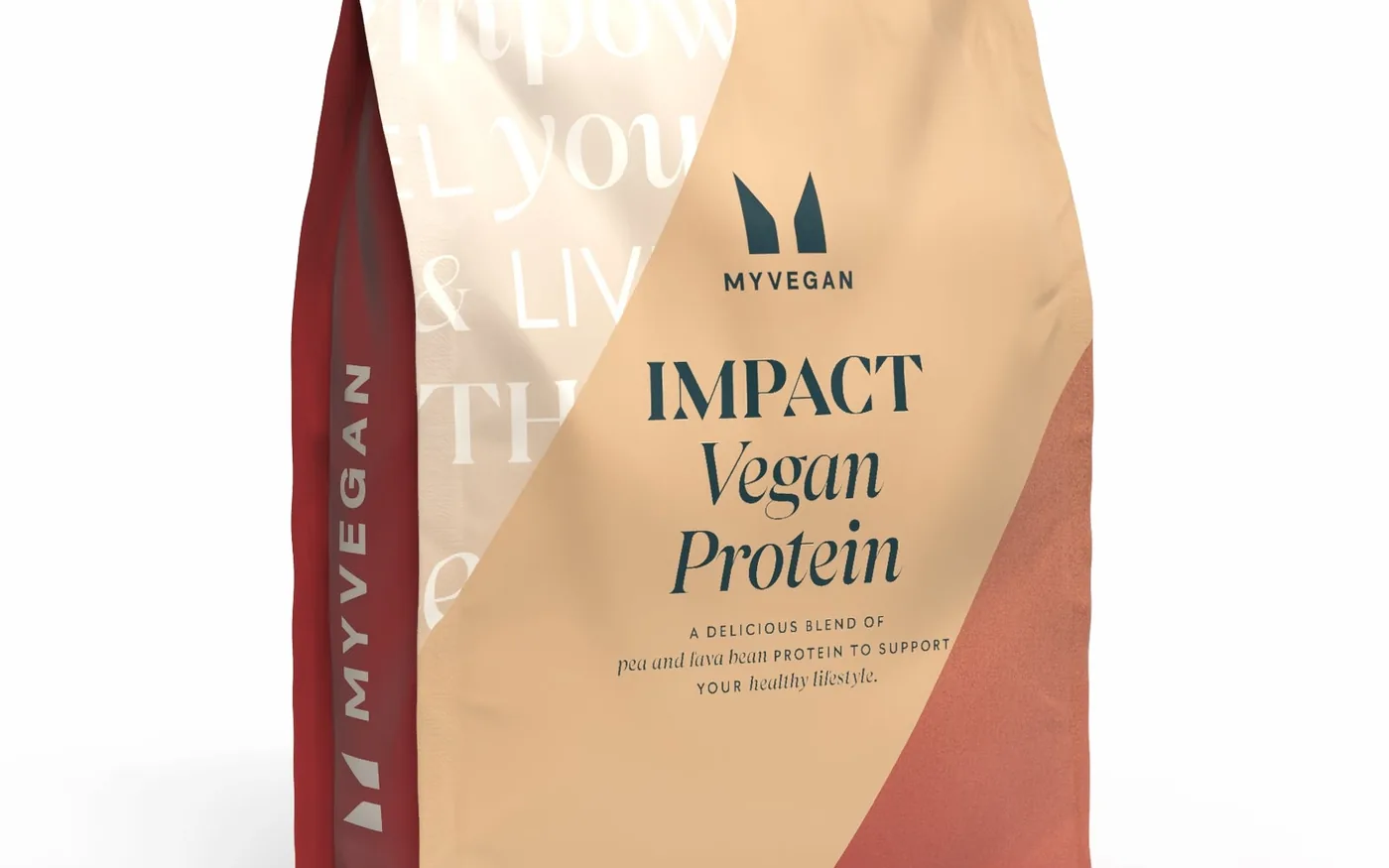
Myvegan is the dedicated plant-based and vegan sub-brand of Myprotein, one of the UK's largest sports nutrition retailers. The range spans protein powders, snacks, and vitamins, all formulated without animal-derived ingredients. The Myvegan domain (myvegan.com) redirects directly to Myprotein's platform, which confirms the structural relationship: Myvegan is a product line, not a separate company.
The core protein offerings in the range are:
- Impact Vegan Protein (the main blend) - a multi-source pea and fava protein powder, available in 1kg and 2.5kg
- Clear Vegan Protein - a whey-clear-style format using hydrolysed plant protein for a lighter, juice-like texture
- Impact Soy Protein - a dedicated soy isolate in larger formats for buyers prioritising a single-source complete protein
This review focuses primarily on the Impact Vegan Protein, which is the product most buyers are asking about when they search "myvegan protein review."
How I Tested It
I reviewed Myvegan Impact Vegan Protein by examining the declared nutritional panel, cross-referencing the protein source against published amino acid data for pea and fava bean proteins, calculating the cost per 20g of protein across standard size options, and comparing that figure against the two most commonly considered alternatives at different price tiers.
The central friction moment I set out to address is this: a large tub at a competitive price looks like good value until you compute cost-per-20g-protein rather than cost-per-tub. That recomputation changes the picture, and I wanted to see where Myvegan lands after it.
For taste and mixability, I draw on declared formulation data and the pattern of verified buyer feedback rather than personal organolectic testing of this specific batch.
Protein Source, Dose, and Amino Profile
The Impact Vegan Protein uses a blend of pea protein isolate and fava bean protein as its primary sources. This combination is a reasonable nutritional choice. Pea protein isolate is high in leucine relative to other plant sources, which matters for muscle protein synthesis. Fava bean protein adds methionine, the amino acid that pea protein is naturally lower in - making the blend closer to a complete amino acid profile than a single-source pea product. Research confirms that pea protein isolate supports muscle protein synthesis outcomes comparable to animal-derived proteins at matched doses (Babault et al., 2015, Journal of the International Society of Sports Nutrition).
What Myvegan does not currently provide is a full published essential amino acid (EAA) panel on the product page. This is a transparency gap rather than a formulation failure, but it is worth naming. Brands at the premium tier - Form Nutrition being the clearest example - typically publish their full EAA profiles alongside DIAAS-adjacent claims. Buyers wanting verified amino completeness data will find more documentation elsewhere. The EFSA Panel on Dietetic Products sets the adult protein Population Reference Intake at 0.83g per kg of body weight per day, and the British Dietetic Association recommends a varied protein source diet for vegans to ensure full essential amino acid coverage across the day.
Protein per serving: Approximately 21g per serving based on a standard 30g scoop at the protein-per-100g ratio stated on UK stock. Verify the current label at point of purchase - Myprotein reformulates periodically and the exact figure can shift by one to two grams between batches. The target for anyone using protein supplementation for muscle maintenance or growth is reaching 20-25g of protein per serving, ideally with leucine-containing sources - the Impact Vegan Protein sits inside that range.
Sweetener: Sucralose is the primary sweetener used in the Impact Vegan Protein. This is an artificial sweetener rather than a natural alternative such as stevia. For buyers who are sensitive to artificial sweeteners, or who are managing gut symptoms, this is worth checking. The Clear Vegan Protein uses a different flavour profile - worth comparing if sweetener type is a priority.
A note on protein per 100g: A strong vegan protein powder should deliver 70g or more of protein per 100g of powder. At approximately 21g per 30g serving, Myvegan lands at around 70g/100g on the protein density calculation - a figure that meets the 70g-or-more benchmark and suggests the scoop is not being padded with fillers.
Pea protein and soy protein are the two most researched plant protein sources in the sports nutrition literature, and Myvegan's choice of pea protein isolate as its lead source aligns with current evidence on vegan protein powder quality and digestibility. For a deeper comparison of these two sources, see our guide to pea protein vs soy protein.
Taste and Mixability
The Impact Vegan Protein range covers a wide flavour selection, including Chocolate Smooth, Vanilla, Strawberry, and a rotating series of seasonal options. Verified buyer feedback on the Myprotein platform (3.74/5 from 1,878 reviews at time of review) points to a consistent pattern: chocolate and vanilla flavours perform significantly better than fruitier options, which can have an artificial aftertaste from the sucralose base.
Mixability is generally well-rated in the verified buyer pool. A standard shaker with 300ml of water or plant milk produces a smooth result without significant clumping, which is consistent with pea protein isolate's solubility profile. Fava bean protein can carry a slightly earthy note that comes through more in unflavoured versions than in the main flavoured range.
One recurring note in buyer feedback is that the texture is thicker than some expect from a powder marketed at sports use. This is partly a function of the fava bean fraction rather than a formulation error, and it typically resolves with slightly more liquid per serving.
The Clear Vegan Protein is the better option for buyers who find standard blends too heavy. At a slightly higher price point, the hydrolysed format produces a genuinely lighter, juice-texture drink. The amino profile trade-off is worth checking if amino completeness is the priority.
Myvegan vs the Alternatives
The most useful comparison is cost-per-20g of protein, not cost-per-tub. Here is how the three tiers compare at current UK pricing.
| Brand | Protein Per Serving | Protein Source | Approx. Cost Per 20g Protein | Sweetener | Amino Disclosure |
|---|---|---|---|---|---|
| Myvegan Impact Vegan (1kg, full price around £31) | around 21g per 30g scoop | Pea isolate, fava bean | around £0.71 | Sucralose | Partial |
| Bulk Vegan Protein Powder (1kg, full price around £30) | 24-27g per 35g serving | Pea, soy, pumpkin, quinoa, flax | around £0.55-0.63 | Stevia | Partial |
| Form Nutrition Vegan Protein (estimated around £35-40 per 500g) | Not independently verified - check current label | Pea, brown rice blend | Not independently confirmed - verify live | Varies by flavour | Full EAA panel published |
Key finding: Bulk's five-source blend delivers a larger protein dose per serving with a natural sweetener (stevia) at a comparable or lower cost per 20g protein. Myvegan's price advantage is strongest during sale periods - Myprotein runs frequent promotional cycles, and the Impact Vegan Protein is regularly available at £19.99 for 1kg, which brings the cost-per-20g-protein below £0.50.
Form Nutrition sits in a different tier - a B-Corp-certified brand with a premium price, full EAA transparency, and a cleaner sweetener profile. The price gap between Form and Myvegan is real and significant. For buyers who want the clearest amino disclosure and the most rigorously sourced ingredients, the premium is justified. For buyers who are primarily managing protein volume on a budget, Myvegan closes the quality gap enough to make it a rational choice at sale price.
The structural issue with Myvegan in this comparison is that it does not have the sweetener advantage (Bulk uses stevia) or the amino transparency advantage (Form publishes a full EAA panel), yet its standard price sits at a similar level to Bulk. The case for Myvegan is strongest during promotional periods, when the cost-per-serving shifts to clearly below the mid-tier competition.
Price and Where to Buy
Myvegan Impact Vegan Protein is available directly through the Myprotein website (the Myvegan domain redirects there). As of 2026, Myprotein runs regular promotional cycles - "payday sales," seasonal events, and a standard code-based discount structure. The practical effect is that the regular price (around £30-31 for 1kg) rarely applies. Buyers who time a purchase to a sale window will typically pay £19-21 for 1kg, which meaningfully changes the value calculation.
There is no active affiliate relationship between Balance Journal and Myvegan at the time of publication. This review contains a direct link to Myvegan's product range on the Myprotein site. We will update to an affiliate link once our application to the Myvegan Awin programme is approved.
For broader context on plant-based protein sources and how to choose between them, our pillar guide covers everything from protein per serving benchmarks to amino acid profile grading: plant based protein.
If you are comparing across the full UK market, our tested ranking of the best plant-based protein powder UK options includes Myvegan alongside all major competitors: best plant-based protein powder UK.
A note on discount codes: Myvegan does not maintain a persistent public discount code. The Myprotein promotional system uses time-limited sale codes rather than a permanent reader code. The most reliable approach is to check the Myprotein site directly at point of purchase.
Balance Journal is published alongside Balance Coffee, founded by James Bellis. If you are building a morning nutrition routine that includes protein, our guide to the best coffee beans UK covers options that pair well with a morning shake - a combination increasingly common among gym-goers who use protein blend supplements alongside their coffee.
Frequently Asked Questions
Is Myvegan protein worth it?
Myvegan Impact Vegan Protein is worth it at sale price - typically £19-21 for 1kg - where it delivers around 21g protein per serving at under £0.50 per 20g protein. At the standard price of around £30-31 per kg, the value case is weaker, since Bulk's five-source vegan blend offers comparable or greater protein per serving with a natural sweetener at a similar price. Buy during a Myprotein promotional period for the clearest value proposition against plant protein alternatives.
How much protein is in Myvegan protein per scoop?
Myvegan Impact Vegan Protein delivers approximately 21g protein per standard 30g serving, approximately 24g protein per serving for the soy isolate version, and approximately 20g for the Clear Vegan format. These figures are approximate based on the protein-per-100g ratio declared on the UK label - verify the current nutrition panel at point of purchase, as Myprotein reformulates periodically. A 20-25g serving of protein per shake is consistent with current evidence on the dose needed to support muscle protein synthesis.
Is Myvegan the same as Myprotein?
Myvegan is Myprotein's dedicated plant-based and vegan sub-brand. It operates under the same owner (THG Nutrition), with the Myvegan.com domain redirecting directly to the Myprotein site. The Myvegan range covers plant-based protein powders, snacks, and vitamins formulated without animal-derived ingredients. The broader Myprotein range includes whey and dairy-based products - Myvegan is the vegan-specific line within that offering.
Which Myvegan protein is best?
The Impact Vegan Protein Blend is the best all-round option for most buyers: it delivers the highest protein-per-pound value across the range, comes in the widest flavour selection, and uses a pea-and-fava blend that provides a more complete amino acid profile than a single-source powder. The Clear Vegan Protein is the better choice for buyers who dislike thick shake textures - it mixes to a lighter, juice-style drink at a slightly higher price. The Impact Soy Protein suits buyers who want a single complete protein source rather than a blend.
What is the best Myvegan flavour?
Based on verified buyer ratings on the Myprotein platform, Chocolate Smooth and Vanilla consistently rate higher than fruit-based flavours in the Impact Vegan Protein range. The sucralose sweetener base performs better with chocolate and vanilla profiles than with strawberry or tropical options, where the artificial sweetener note is more noticeable. Within the Clear Vegan Protein range, the lighter juice-style format handles fruit flavours better than the standard blend.
Does Myvegan have a discount code?
Myvegan does not maintain a permanent public discount code. Myprotein - which hosts the Myvegan range - runs frequent time-limited promotional events including payday sales, Black Friday, and seasonal codes. The Myvegan Impact Vegan Protein regularly appears at 30-40% below its standard price during these windows. The most reliable approach is to check the Myprotein site at point of purchase. Balance Journal will publish a reader code once our Awin affiliate application for the Myvegan programme (merchant ID 16855) is approved.
Is Myvegan protein a complete protein?
The Impact Vegan Protein Blend is close to a complete protein but not fully verified as one, because Myvegan does not publish a full essential amino acid (EAA) panel. The pea-and-fava blend is a sensible combination: pea protein is high in leucine, and fava bean protein adds methionine, which is the amino acid most limited in pea protein alone. This pairing improves amino completeness relative to single-source plant proteins. For verified EAA completeness data, the British Dietetic Association recommends consuming a variety of plant protein sources throughout the day rather than relying on a single supplement to meet all EAA needs.
How does Myvegan compare to a budget own-brand vegan protein?
Myvegan holds an edge over unbranded or supermarket own-label vegan protein powders in two areas: protein density (approximately 70g protein per 100g of powder versus 60-70g in some own-label products - a narrower gap than it appears, but consistently at the upper end) and flavour quality (a wider, better-developed flavour range). The trade-off is price - own-brand vegan proteins can cost under £10 per kg. For buyers who can stretch to Myvegan's sale price of around £20 per kg, the protein density and flavour improvement justify the difference. At full price, the gap narrows considerably against mid-tier branded competitors.

A registered Nutritional Therapist and member of BANT, Clemmie blends science with a holistic approach to wellbeing.