Innermost Protein Review UK 2026: Tested and Rated by a Nutritionist
The Fit Protein is worth subscribing to. The Health Protein's mushroom doses fall short of clinical evidence.
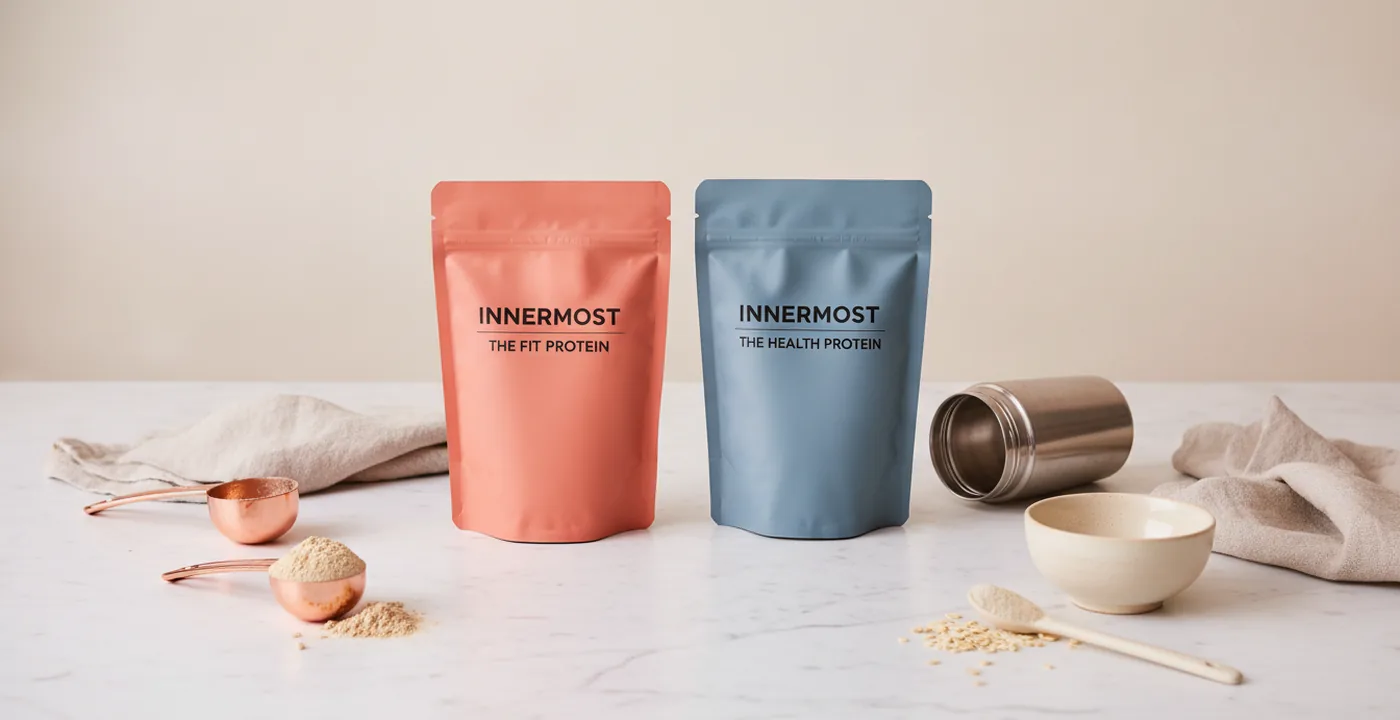
Table of Contents
Some of the links in this article are affiliate links, which help fund our independent review work at no extra cost to you. Every recommendation is based on hands-on testing through The Editor Lab methodology. No brand pays to appear, and no placement is guaranteed.
Our verdict: The Fit Protein is worth it on subscription; The Health Protein is not at current mushroom doses.
Innermost sits in an uncomfortable spot in the UK supplement market. It charges a premium — around £33 for 13 servings — and justifies that premium on the strength of functional add-ins that most protein powders do not carry. The question this review answers is whether those actives are dosed at a level that can actually do what the brand implies, or whether you are paying a design tax on an otherwise unremarkable protein powder.
I am Clemmie Rose, author of How to Talk to Kids About Nutrition, a registered Nutritional Therapist whose clinical experience includes The Kyros Project at Google DeepMind and The Wellness Clinic at Harrods. I have reviewed Innermost's two core protein SKUs — The Fit Protein and The Health Protein — against the current evidence base for each functional ingredient.
Quick Verdict
The Fit Protein: A well-formulated plant protein base with genuinely useful magnesium and electrolyte support. The rhodiola dose is below what clinical trials used, but the overall product is clean, mixes well, and delivers where it counts on protein quality. Worth the price if you subscribe.
The Health Protein: Impressive ingredients list on paper. On the label, however, each of the four mushroom actives comes in at 250mg per serving. Evidence-based studies on cordyceps performance benefits used 3–4.5g daily. At 250mg per functional add-in, this is not a functional mushroom supplement — it is a protein powder with token mushroom additions.
Overall rating: 7/10
| Criteria | Rating |
|---|---|
| Protein quality | 8/10 |
| Functional dosing | 5/10 |
| Taste and mixability | 8/10 |
| Value for money | 6/10 |
| Labelling transparency | 7/10 |
Who Innermost Is and How I Tested It
Innermost is a UK-founded supplement brand that positions itself as 'science-backed', with a range built around vegan protein blends enhanced by functional ingredients — adaptogens, mushrooms, electrolytes, and botanical extracts. The brand operates on a direct-to-consumer model through its own site, with a 20% subscription discount reducing the per-bag price from £33 to around £26.40.
The range includes four protein products: The Strong (whey), The Fit (vegan, performance), The Health (vegan, immune support), and The Lean (vegan, weight management). This review covers The Fit and The Health Proteins, which together represent the brand's highest-profile vegan lines.
I reviewed both products over four weeks, testing chocolate and vanilla flavours of each. I mixed them with water at the recommended 40g serving (four scoops per the brand's custom scoop size) and with oat milk. I assessed taste, mixability, satiety, and any subjective functional effects. I then reviewed every active ingredient against the published clinical literature and EFSA's position on health claims for each compound.
One methodological note: Innermost uses a four-scoop serving. Most protein powders use one or two. This is not a problem for dosing accuracy, but it does mean the bag empties at 13 servings rather than the 25+ servings you get from a competitor at a similar price point. That comparison matters when you run the per-serving cost.
Do the Functional Add-ins Actually Work?
This is the question the brand's premium pricing rests on. Here is the evidence position for each active, as it stands in 2026.
The Fit Protein Actives
Magnesium (250mg, 67% NRV)
This is the strongest inclusion. Magnesium's role in muscle function and energy metabolism is supported by EFSA-authorised health claims. At 250mg — covering two-thirds of the nutrient reference value — this is a meaningful dose, not a trace addition. For anyone with a borderline-low magnesium intake (common in people who train consistently), this provides genuine nutritional value.
Rhodiola Root (250mg)
A 2022 systematic review published in Nutrients (PubMed PMC9228580) found encouraging results for stress symptom reduction and mental fatigue. Trials showing measurable effects used doses ranging from 100–680mg daily; most higher-evidence trials used 200–400mg. Innermost's 250mg sits at the lower end of that range. EFSA did not authorise a rhodiola health claim under Article 13(5) of Regulation 1924/2006. The honest position: there is a biological rationale for rhodiola at 250mg, but you are at the lower end of where the data gets interesting.
Cocomineral (1g) and Pink Himalayan Sea Salt (150mg)
Dried coconut water and pink salt function as electrolyte sources — sodium, potassium, and trace minerals for rehydration support. This is a practical addition for post-workout use and distinguishes The Fit Protein from a plain plant protein powder in a way the mushroom inclusions in The Health Protein do not.
Maca (1g)
Maca is a Peruvian root vegetable with a reasonable evidence base for hormonal support and energy in some populations. EFSA has not authorised a specific health claim for maca. The 1g dose is consistent with what some trials have used, though higher-evidence studies used 1.5–3.5g. Mildly underdosed but not implausible as a complementary inclusion.
The Health Protein Actives
Four Mushrooms (Shiitake, Maitake, Reishi, Cordyceps — 250mg each)
The Health Protein's functional story centres on immune support and adaptogenic benefit from four medicinal mushrooms. Each comes in at 250mg per serving.
The dosing problem is significant. Cordyceps research on sports performance — including a 2025 narrative review published in Nutrients — used doses of 3–4.5g daily to demonstrate effects on VO2 peak and endurance. Innermost provides 250mg. That is a 12–20-fold gap between the evidence dose and the label dose. Reishi studies on immune modulation have used 1–5g. Shiitake immune research has used similar ranges.
I am not arguing these are inactive at 250mg. But the correct regulatory position is that EFSA has not authorised health claims for any of these mushrooms under EU Regulation 1924/2006, and the clinical data that exists used doses substantially higher than what Innermost provides. You cannot assert benefit from an add-in that is dosed at a fraction of the studied quantity and then cite 'science-backed' as your positioning.
Superfoods (Bilberries, Camu Camu, Acai — 250mg each)
These function as antioxidant additions. At 250mg, the vitamin C contribution from camu camu is negligible. These inclusions are not harmful, but they are largely cosmetic at this dose.
Glutamine (3g)
The glutamine addition in The Health Protein is the best-dosed active in either product. At 3g per serving, it sits within the range used in studies examining gut barrier support and post-exercise recovery. EFSA has not authorised a health claim for glutamine in healthy adults, but the dose is credible and the inclusion makes nutritional sense.
Nutrition and Protein Blend
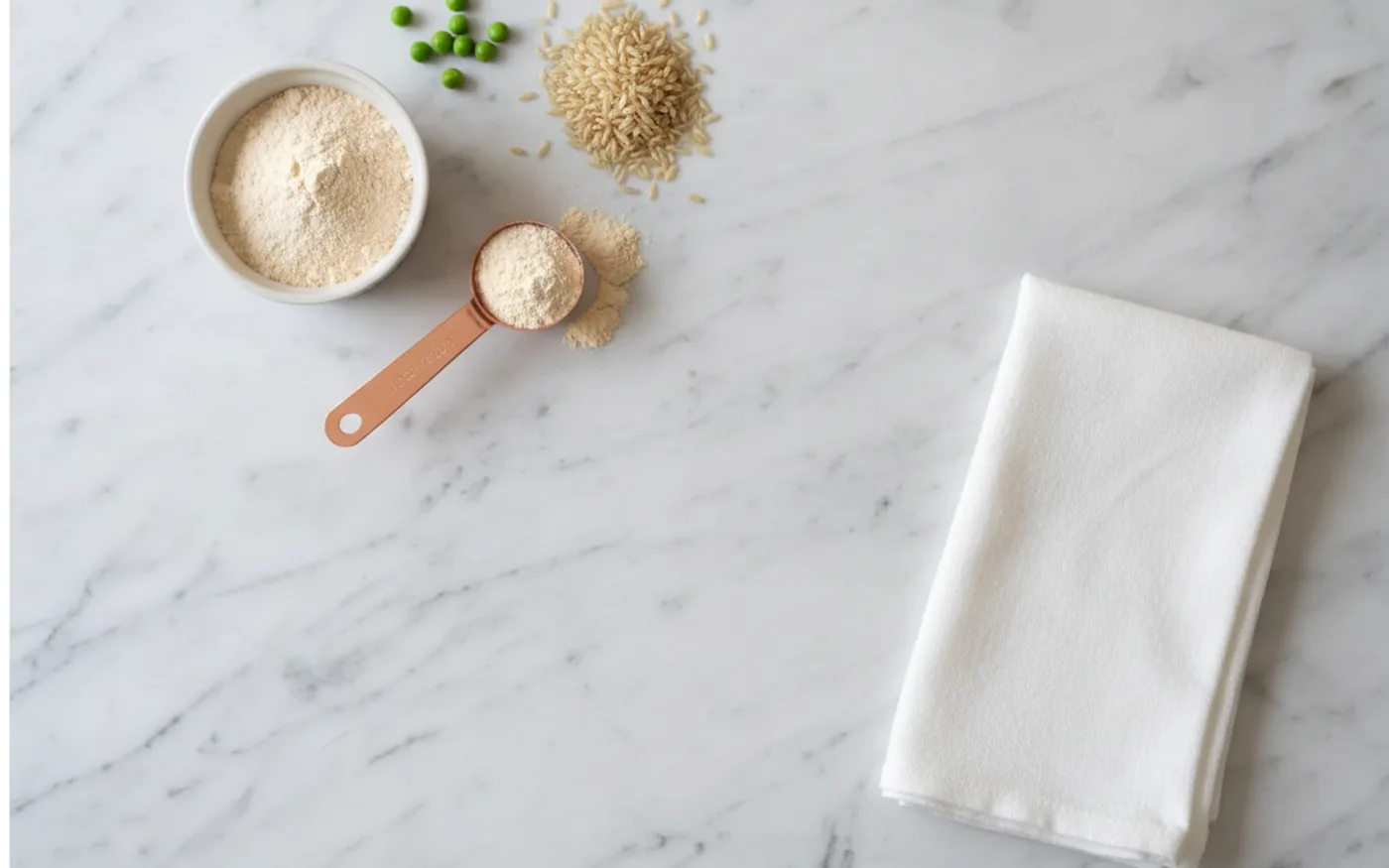
Both products use a pea and brown rice protein combination — a well-established approach for vegan protein completeness. Pea protein is high in leucine and lysine but lower in methionine; brown rice protein compensates on methionine. The result is a complete amino acid profile without soy, which is relevant for anyone managing soy intolerance or wanting to avoid phytoestrogen exposure.
The Fit Protein delivers 31g of protein per 40g serving, with leucine at 3.0g per serving — enough to approach but not guarantee the leucine threshold (approximately 2.5–3g) associated with maximal muscle protein synthesis in the published literature. This is meaningfully better than most single-source plant proteins and comparable to the better blends on the market.
If you are weighing up the protein base alone, The Fit Protein compares well to other blended vegan options. For a detailed head-to-head, the pea protein vs soy protein guide on Balance Journal sets out the amino acid comparison clearly.
Calories per serving: 144 kcal (Fit), around 150 kcal (Health)
Carbohydrates: 2.5g
Fat: 1.4g
Fibre: 1.1g
Macros are clean across both products. This is a lean profile that fits most diets and is appropriate for weight management and body composition goals.
Taste, Texture, and Mixability
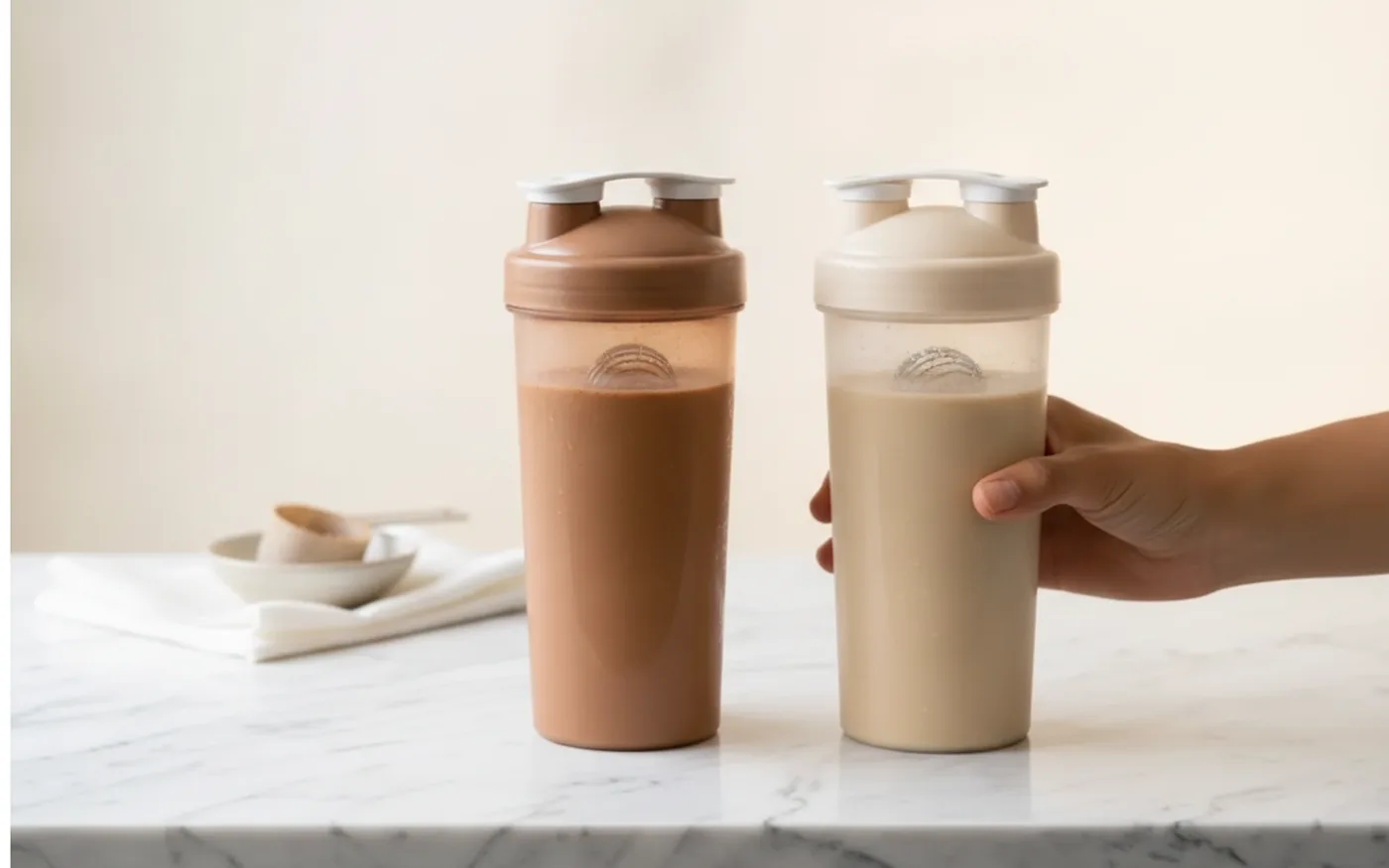
Innermost has invested in flavour development in a way that shows. The Fit Protein chocolate mixed with water produced a smooth, non-gritty texture with a rounded cocoa flavour and no perceptible pea protein earthiness on the finish. The vanilla was creditable — clean rather than artificial, without the synthetic edge that afflicts cheaper vegan proteins.
The Health Protein vanilla carried a faint earthiness that is almost inevitable with mushroom inclusions. It was not unpleasant, but it was identifiable. Chocolate masked it more effectively.
Both products mixed fully in 200ml of cold water with a standard shaker. No undissolved clumps. Graininess was minimal and resolved within 30 seconds of shaking. With oat milk, both products improved further — creamier texture, better sweetness balance.
The four-scoop serving is unwieldy if you are used to one-scoop proteins, but practically the scoops are small and the process takes the same time.
Price, Value, and Alternatives
| Product | Bag size | Servings | One-off price | Subscribe price | Price per serving |
|---|---|---|---|---|---|
| Innermost The Fit Protein | 520g | 13 | £33.00 | £26.40 | £2.03 (sub) |
| Innermost The Health Protein | 520g | 13 | £33.00 | £26.40 | £2.03 (sub) |
| Bulk Plant Protein | 1kg | ~25 | £18.99 | - | £0.76 |
| Vivo Life Perform | 1kg | ~25 | £44.99 | £38.24 | £1.53 (sub) |
The comparison forces a decision. At £2.03 per serving on subscription, Innermost is premium but not extraordinary for a branded functional protein. The question is what you are paying for. The protein base is good. The magnesium dosing in The Fit Protein is genuinely useful. The mushroom inclusions in The Health Protein are, at current doses, more of a branding signal than a functional supplement strategy.
If your goal is best protein powder for weight loss, a higher-protein-per-calorie formula at a lower price may serve you better; the best protein powder for weight loss compares the market across this lens. If you are a female athlete evaluating the protein base for body composition, the best protein powder for women UK guide includes Innermost alongside blends with stronger clinical justification for their actives.
There is no Innermost discount code consistently available for one-off purchases. The 20% subscription saving is the only reliable discount, and it requires a minimum two-order commitment. If you want to test the product first, the brand sells trial packs at a lower entry price.
Innermost's affiliate programme status was unconfirmed at time of writing. Shop directly from the Innermost website (direct link, no affiliate relationship active at time of publication).
Pros, Cons, and Who It Is For
- Genuinely good taste for a vegan protein — among the best I have tested at this price point
- Clean macro profile: lean, low-carb, no unnecessary fillers
- Meaningful magnesium dose in The Fit Protein (250mg, 67% NRV)
- Pea-rice blend provides a complete amino acid profile without soy
- Good solubility and texture across flavours
- Subscribe and save 20% brings per-serving cost into a reasonable range
- 13 servings per bag is low value at the one-off price
- Mushroom actives in The Health Protein are substantially underdosed versus clinical evidence
- Rhodiola dose (250mg) sits below the threshold used in most fatigue trials
- 'Science-backed' positioning overstates the evidence for the functional inclusions
- No independently published third-party batch testing visible on the website
Who Innermost is for:
Innermost makes most sense for someone who wants a well-tasting, clean-label vegan protein and is drawn to the functional ingredient story without expecting those ingredients to operate as standalone therapeutic supplements. The Fit Protein is the stronger buy: the magnesium dose adds real value, the electrolyte profile suits active use, and the taste quality is competitive with brands charging comparable prices.
The Health Protein is harder to recommend at full price. The protein base is the same quality, but you are paying a premium for mushroom inclusions that are effectively at trace levels. If you want medicinal mushroom supplementation with functional intent, a dedicated mushroom product — or a functional coffee like the best lions mane coffee uk options on Balance Journal — will deliver meaningfully higher doses per serving.
Frequently Asked Questions
Is Innermost protein worth it?
The Fit Protein is worth the subscription price for someone who values taste, a clean vegan protein base, and a genuine magnesium addition. At £2.03 per serving, the quality justifies the cost if you train daily. The Health Protein is harder to justify — the mushroom additions are substantially underdosed versus clinical evidence, which means you are paying for a protein powder with a functional branding overlay rather than a true functional supplement.
What protein does Innermost use?
Both The Fit Protein and The Health Protein use a blend of pea protein and brown rice protein. This combination is established in the vegan protein literature as a way to achieve a more complete amino acid profile than single-source plant proteins, particularly improving leucine and methionine balance. Neither product uses soy protein or whey. The Strong Protein is Innermost's whey-based option.
Is Innermost vegan?
The Fit Protein, The Health Protein, and The Lean Protein are all vegan. The Strong Protein is dairy-based (whey concentrate and isolate) and is suitable for vegetarians but not vegans. All products are listed as gluten-free, soy-free, and halal-certified. Always verify current labelling directly with the brand if you have an allergy or intolerance.
How much protein does Innermost contain per serving?
Both The Fit and The Health Proteins deliver 31g of protein per 40g serving (four flat scoops). This is a high protein-to-weight ratio for a vegan blend. Calorie content is around 144–150 kcal per serving, making it a lean option for body composition goals.
Does Innermost use a proprietary blend?
No. Innermost discloses individual ingredient doses on the label. This is worth noting because many functional protein brands hide doses within proprietary blends. Innermost's transparency allows an independent assessment of whether each active is meaningfully dosed — which is why this review can confirm that the magnesium is useful and the mushroom doses are low.
What does Innermost taste like?
In testing across chocolate and vanilla flavours of both The Fit and Health Proteins, I found the taste consistently above average for vegan plant protein. Chocolate (Fit) mixed with water: smooth, clean cocoa, no gritty finish. Vanilla (Fit): creditable, without a synthetic edge. The Health Protein vanilla carries a faint earthiness from the mushroom inclusions; chocolate handles it better. Both products mix well with water or oat milk in a standard shaker.
Is Innermost protein good for women?
The Fit Protein is appropriate for women training for performance or body composition. The leucine content per serving (3.0g) approaches the threshold associated with muscle protein synthesis stimulation. The magnesium dose addresses a micronutrient commonly underdosed in active women. For a broader comparison of protein powders suited to women's training goals, the best protein powder for women UK guide on Balance Journal covers the market in more detail.
What is an Innermost discount code?
There is no persistent public discount code for Innermost. The most reliable saving is the brand's own subscription programme, which reduces the price by 20% — from £33 to approximately £26.40 per bag. This requires a minimum commitment of two orders. Innermost also sells trial packs at a lower entry price point for first-time buyers who want to test a flavour before committing to a full bag.
Final Verdict
Innermost is a design-forward supplement brand that delivers on taste and base protein quality. The Fit Protein is the one to buy: magnesium at 67% NRV, a solid electrolyte profile, and a pea-rice blend that matches most competitors' protein quality at a comparable price on subscription.
The Health Protein is where the 'science-backed' claim meets its limit. Four medicinal mushrooms at 250mg each, in a category where clinical research used 10–18 times that dose, is not a functional supplement story — it is a label story. That is not a reason to avoid the product; the protein base remains good and the glutamine dose is legitimate. But it is a reason not to buy it specifically for the mushroom additions.
For where Innermost sits in the plant protein market, the best plant-based protein powder UK guide sets out the full competitive picture, and the plant-based protein super-pillar covers the category fundamentals if you are earlier in the research process.
Buy if: You want a well-tasting vegan protein with useful electrolyte and magnesium support, and you will subscribe to reduce the per-serving cost.
Skip if: You are buying The Health Protein expecting the mushroom actives to deliver functional benefit at the doses provided.

A registered Nutritional Therapist and member of BANT, Clemmie blends science with a holistic approach to wellbeing.