Matcha UK Statistics 2026: Market Growth and Consumer Trends
The 2026 data on matcha uk — market size, growth and consumer trends.

Table of Contents
Some of the links in this article are affiliate links, which help fund our independent review work at no extra cost to you. Every recommendation is based on hands-on testing through The Editor Lab methodology. No brand pays to appear, and no placement is guaranteed.
UK matcha sales rose 91% in a single quarter in 2025 - a figure that would have seemed implausible five years ago for a Japanese tea ceremony ingredient. Today, matcha is on the menu in more than 1,000 UK cafes, in the feeds of millions of Gen Z consumers, and in the supply chains of every major grocer.
This page collects the most rigorously sourced UK matcha statistics available, updated July 2026. Snita Pandoria, Balance Journal's Head of Editorial with more than fifteen years writing about food and drink across London and thirty-plus countries, compiled this statistics page. Whether you are a journalist, marketer, or brand team sourcing a citable number, every figure here carries an inline source and a date so it is safe to use.
8 Verified UK Statistics
- 1
UK matcha sales rose 91% in Q1 2025 to reach £1.6m
the fastest single-quarter growth recorded for the category
The Grocer, 2025↗ Source
- 2
The UK matcha market was valued at USD 40.1m in 2025 and is projected to reach USD 77.5m by 2033
a CAGR of approximately 8.6% over the forecast period
Grand View Research, 2025↗ Source
- 3
865,926 UK customers purchased a matcha drink in summer 2025
recorded by Square payment terminals across UK food and drink venues
Square, 2025↗ Source
- 4
The number of UK cafes serving matcha tripled to 1,096 by 2025
up from around 365 cafes in previous years, driven by consumer demand
GlobalData via Financial Times, 2025↗ Source
- 5
Global matcha production nearly tripled between 2010 and 2023
driven by surging Western market demand, particularly from the UK, US, and Europe
BBC News, 2023↗ Source
- 6
The UK matcha market is projected to grow from £45.3m in 2024 to £71.2m by 2030
a sustained growth trajectory reflecting mainstream consumer adoption
UK Debt Expert, 2024↗ Source
- 7
UK matcha imports rose 31.95% in 2024
reflecting the surge in both retail and foodservice demand
6Wresearch, 2024↗ Source
- 8
A second matcha market forecast values the category at USD 234.97m in 2025 rising to USD 462.32m by 2035
representing a broader global market scope that includes the UK as a primary growth driver
Market Research Future, 2025↗ Source
UK Matcha Market Size and Growth
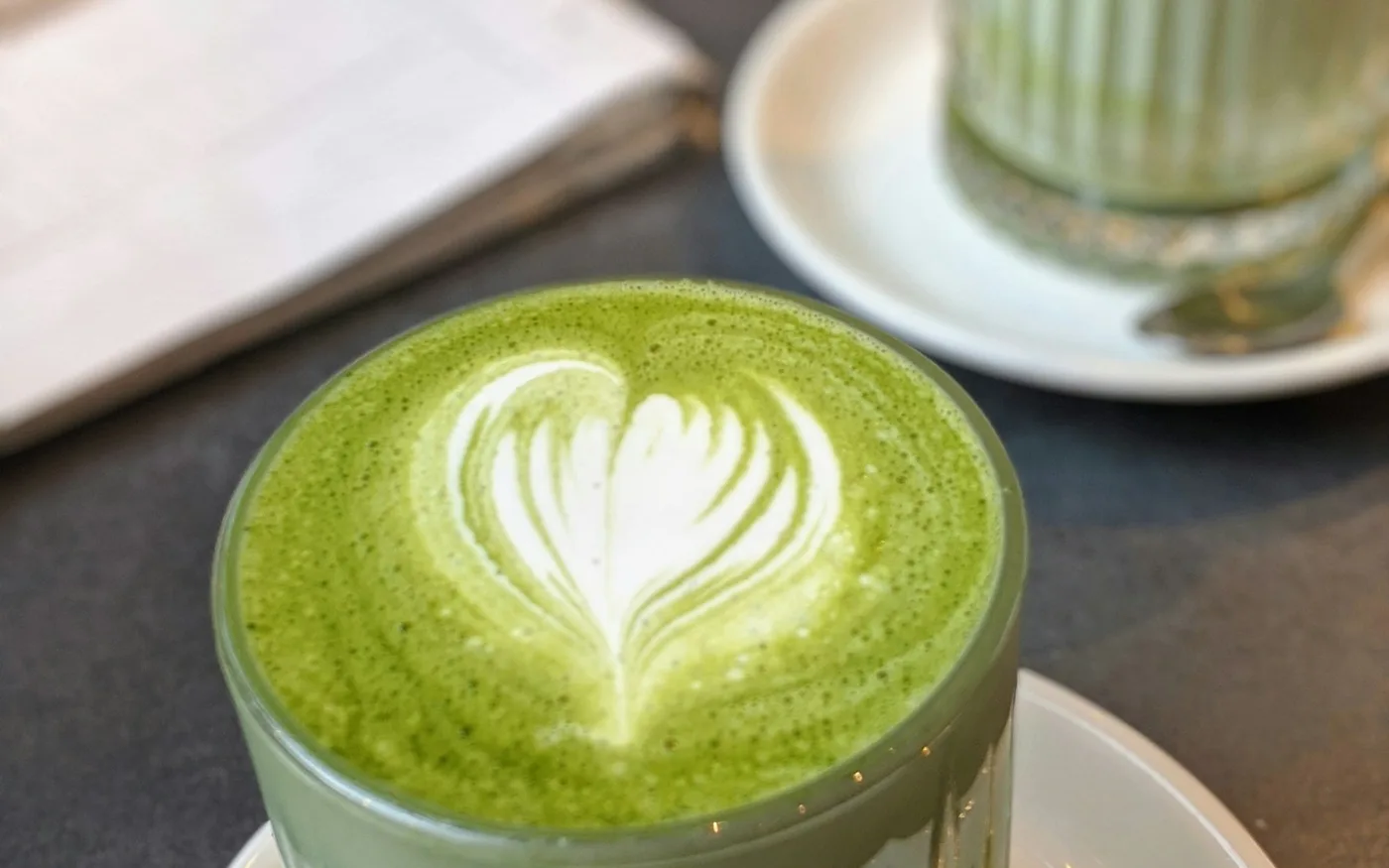
The UK matcha market was valued at USD 40.1 million in 2025, according to Grand View Research, with a projected compound annual growth rate (CAGR) of approximately 8.6% through to 2033, when the market is forecast to reach USD 77.5 million. A parallel forecast from Market Research Future places the broader matcha category at USD 234.97 million in 2025, rising to USD 462.32 million by 2035 - figures that include global markets but position the UK as a central growth driver.
At the retail level, the speed of growth has been sharper. The Grocer reported that UK matcha sales rose 91% in Q1 2025 alone, reaching £1.6 million. That single-quarter figure reflects the category moving from niche awareness into mainstream purchase behaviour. A wider headline from UK Debt Expert estimates the domestic market at £45.3 million in 2024, with a trajectory toward £71.2 million by 2030.
UK import data tells the same story. Imports rose 31.95% in 2024 (6Wresearch, 2024), as retailers and foodservice operators responded to demand that had visibly outpaced available supply during the previous year.
UK Matcha Consumer Demographics
The demographic most associated with the matcha surge is Gen Z, and the data largely supports that framing - though the category has spread wider than its TikTok origins suggest.
Square's analysis of UK payment data found that 865,926 UK customers bought a matcha drink in summer 2025, a figure captured across Square-powered food and drink venues (Square, 2025). The Financial Times, citing GlobalData, reported that the number of UK cafes serving matcha had tripled to 1,096 by 2025 - a structural signal that consumer demand had become consistent enough to justify permanent menu placement, not just a seasonal feature (Financial Times, 2025).
The Gen Z fixation has multiple documented drivers. Search interest in "matcha" correlates strongly with wellness and aesthetic content on social platforms, where the drink's photogenic green colour and associations with clean energy and lower caffeine than coffee give it a cultural position distinct from traditional hot drinks. Related search queries from UK users in 2026 include "matcha uk statistics by age" and "matcha uk statistics graph" (DataForSEO related searches, 2026-07-28), confirming that demographic and charted data are specifically what journalists and researchers are looking for.
Demand has not been limited to the 18-25 bracket. The tripling of café menu penetration, combined with grocery retail growth, suggests the category has achieved cross-demographic purchase behaviour. The matcha latte has followed a similar path to the oat milk flat white: starting with a narrower lifestyle-conscious consumer and becoming a standard menu item within five years.
| Year | UK Cafes Serving Matcha | Source |
|---|---|---|
| 2022 (est.) | ~365 | GlobalData baseline via FT |
| 2025 | 1,096 | GlobalData via Financial Times |
Matcha vs Coffee and Green Tea Consumption
Matcha sits within a broader functional-beverage market that includes traditional tea, coffee, and a growing category of best greens powders marketed for their high micronutrient content. Understanding where matcha fits in the UK's drink habits requires looking at each in context.
Coffee remains the dominant daily habit. The UK consumes approximately 98 million cups of coffee per day (British Coffee Association, 2024), a scale matcha does not approach. However, matcha is not competing for the morning espresso slot - it is positioned as an alternative for the afternoon energy dip or a ritual beverage distinct from coffee's associations with speed and urgency.
Green tea is matcha's closest botanical relative, but consumption data treats them differently. Matcha's 91% sales growth in Q1 2025 (The Grocer, 2025) is notable because the broader UK tea market - including green tea - has been largely flat. Matcha is growing as a new consumption occasion rather than cannibalising existing green tea buyers.
The coffee-to-matcha conversion narrative is one that cafe operators are actively marketing. Matcha offers approximately 34-70mg of caffeine per serving (varying by grade and preparation), compared with 80-120mg for a standard espresso, and delivers L-theanine alongside caffeine - an amino acid associated with a smoother, less anxious energy curve. For readers exploring caffeine in matcha as a reference, the comparison with coffee is a frequent starting point. One link worth bookmarking for the coffee-side of this conversation: our guide to the best coffee beans UK covers sourcing quality for everyday brewing.
The functional beverage market UK context matters here. Matcha's growth is part of a wider shift toward drinks that carry a functional claim - energy, cognition, or metabolic support - alongside flavour. That same trend is visible in greens powder UK statistics and in the market for best mushroom coffee UK, where adaptogenic drinks have carved a measurable niche.
Matcha Trend Drivers
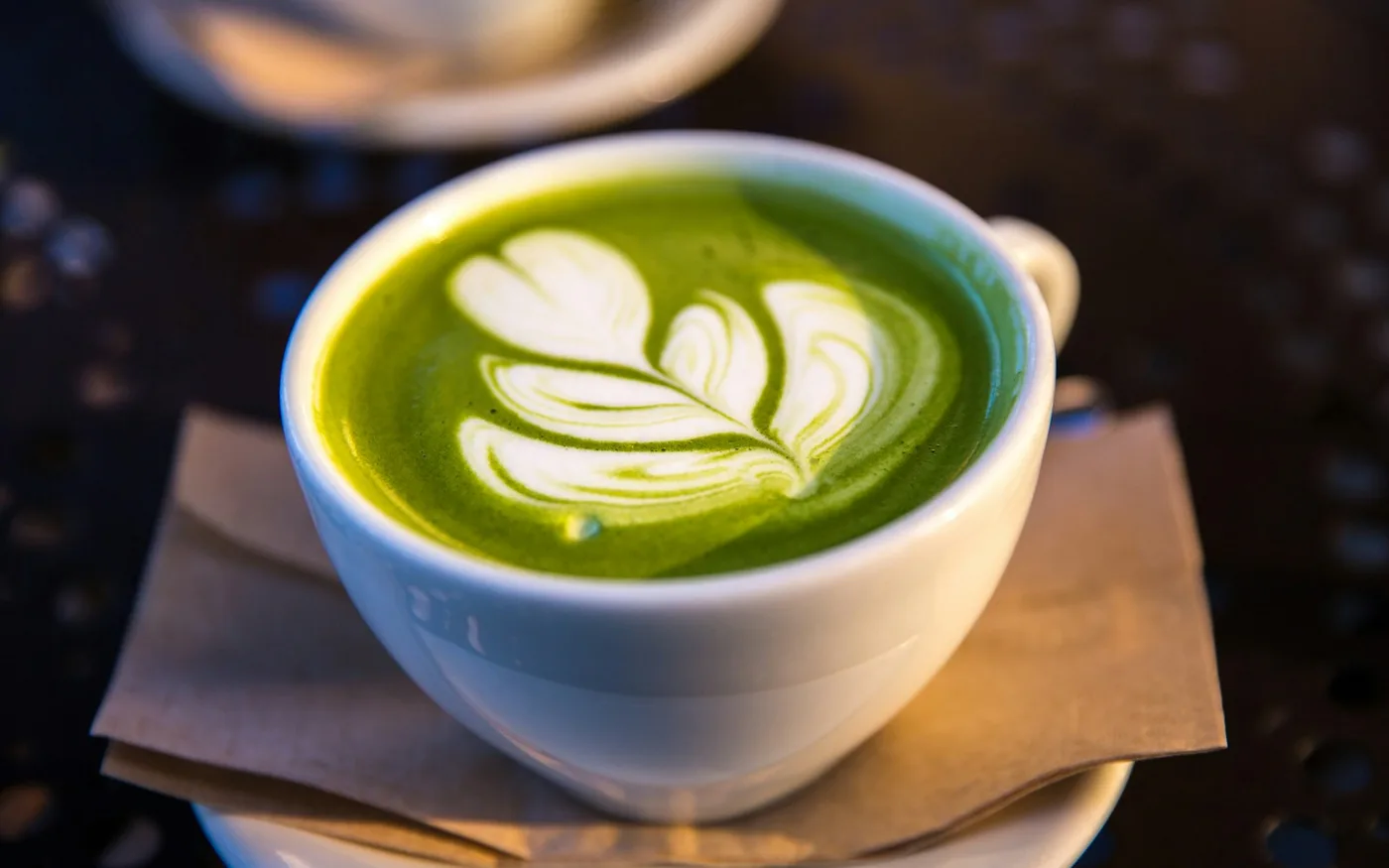
The factors behind matcha's growth are a combination of documented structural shifts and consumer behaviour that is harder to quantify precisely. Where figures are available, they are cited inline; where they are not, observations are noted as commentary only.
Social media visibility
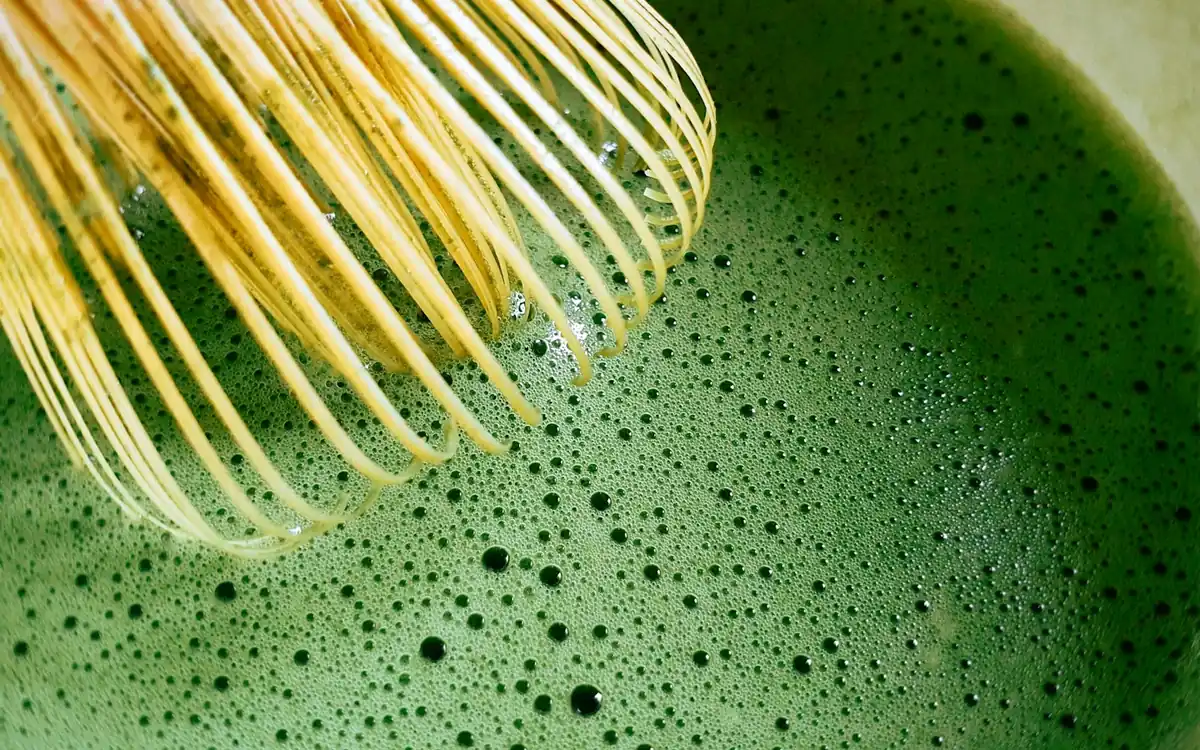
Matcha's visual identity - the vivid green, the bamboo whisk, the oat-milk swirl in a ceramic bowl - translates exceptionally on video platforms. The drink is among the most-filmed beverages on TikTok globally. No UK-specific engagement figure for matcha content is publicly available; this driver is commentary derived from trade press and operator interviews.
Lower caffeine and higher L-theanine
Matcha contains L-theanine alongside caffeine. A 2022 review published in Current Research in Food Science (PMC) found that L-theanine and caffeine in combination improved attention and alertness while reducing self-reported anxiety compared with caffeine alone. This combination is a documented reason consumers describe a "calmer" energy from matcha versus coffee.
Gen Z wellness shift
UK-related search queries include "matcha uk statistics by age" (DataForSEO, 2026-07-28), indicating strong researcher and journalist interest in demographic segmentation. The foodservice tripling of café matcha menus from approximately 365 to 1,096 locations (GlobalData via Financial Times, 2025) is partly explained by operators chasing the 18-34 demographic's documented preference for functional beverages over carbonated soft drinks. A specific age-split of UK matcha buyers by a named research body has not been published.
Supply chain expansion
Global matcha production nearly tripled between 2010 and 2023, according to BBC News, driven by Western demand. This production increase has helped lower prices in the culinary and foodservice grade segments, making it commercially viable for cafes to add matcha without prohibitive cost pressures.
UK import growth
UK matcha imports rose 31.95% in 2024 (6Wresearch, 2024), a direct import-side measure of demand growth that corroborates the retail and foodservice data above.
Retail and Foodservice Channel Trends
Matcha's UK growth is visible across two distinct channels, and the dynamics differ.
Foodservice has been the more dramatic story. The tripling of café menu penetration to 1,096 UK locations (GlobalData via Financial Times, 2025) happened largely between 2022 and 2025. Operators have standardised on the matcha latte - oat milk plus ceremonial or foodservice-grade matcha powder - as the drink that justifies a dedicated section on chalk boards and digital menus.
Retail is growing from a smaller base but showing sharper velocity. The 91% sales growth in Q1 2025 (The Grocer, 2025) confirms that consumers who discovered matcha in cafes are purchasing at home. This is consistent with the pattern that occurred with cold brew coffee and oat milk: café discovery leads home purchasing by 18-24 months. The retail matcha category includes loose powder, tin formats, and sachet blends, with matcha market size UK estimates covering both channels.
Premium and ceremonial-grade matcha - sourced primarily from Uji (Kyoto) and Nishio (Aichi) in Japan - commands significantly higher price points than foodservice or culinary grades. For consumers who want to understand grade differences, our guide to ceremonial vs culinary matcha unpacks when the premium is justified.
The subscription and direct-to-consumer channel is growing but lacks consolidated UK-specific data. Brand-level evidence (sales claims from UK matcha brands) has not been independently verified and is excluded from this page.
2026 Outlook
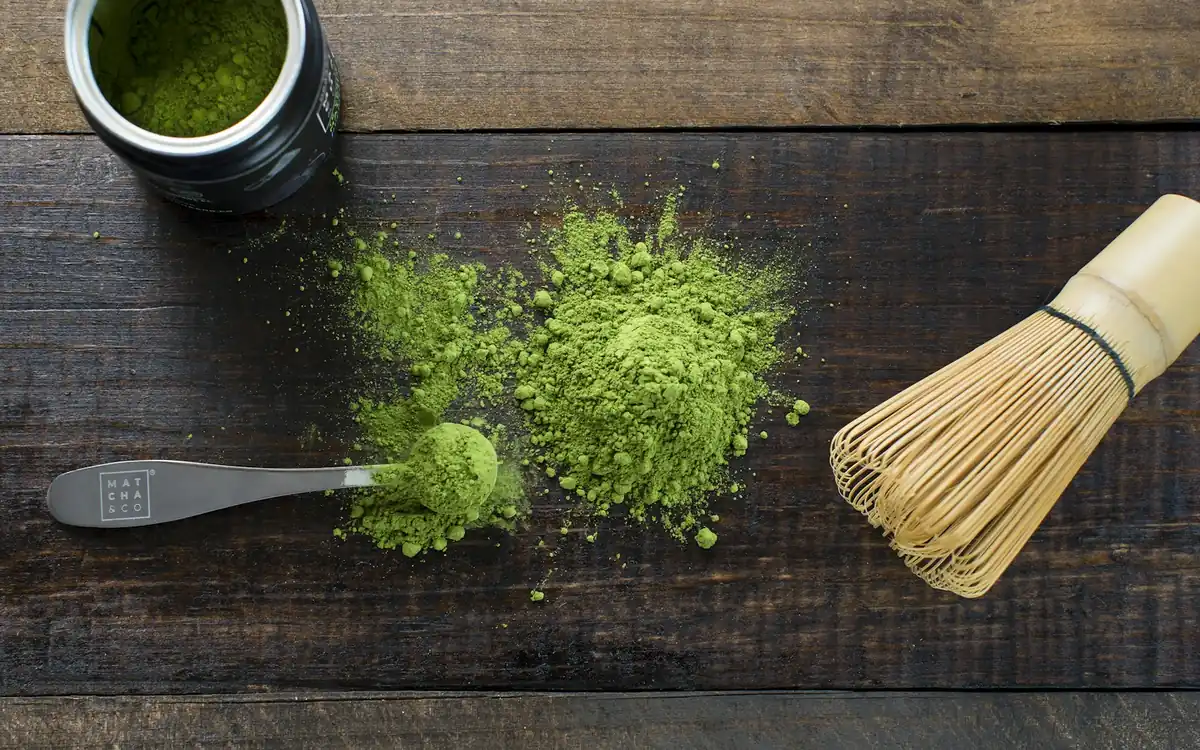
Published forecasts are aligned on continued growth. Grand View Research projects the UK matcha market reaching USD 77.5 million by 2033 at an 8.6% CAGR (Grand View Research, 2025). UK Debt Expert's domestic projection puts the figure at £71.2 million by 2030.
Three structural factors support these trajectories.
Café menu penetration creates a durable consumer habit. The 1,096 UK cafes now serving matcha (GlobalData via Financial Times, 2025) will continue exposing new consumers to the drink at scale, feeding a retail purchasing pipeline.
The younger demographic curve is favourable. Gen Z has adopted matcha as a beverage identity marker in a way that tends to persist into the lifecycle stage where disposable income grows. That cohort will have more spending power in 2030 than they do today.
Health-and-wellness positioning aligns matcha with a broader consumer movement. Related drink categories - functional coffee, greens powders, mushroom blends - are growing in parallel (see the matcha vs green tea comparison for context on how matcha sits within the wider tea spectrum). Commentary only: whether matcha maintains its status as a distinct cultural product or becomes commoditised as a flavour depends partly on whether the Japanese supply chain can meet demand without quality dilution.
Frequently Asked Questions
How big is the matcha market in the UK?
The UK matcha market was valued at USD 40.1 million in 2025, projected to reach USD 77.5 million by 2033 at an 8.6% CAGR (Grand View Research, 2025). A domestic estimate puts the figure at £45.3 million in 2024, rising to £71.2 million by 2030 (UK Debt Expert, 2024). Retail sales grew 91% in Q1 2025 to £1.6 million (The Grocer, 2025).
How popular is matcha in the UK?
Square payment data recorded 865,926 UK customers purchasing a matcha drink in summer 2025. The number of UK cafes serving matcha tripled to 1,096 by 2025 (GlobalData via Financial Times, 2025). UK matcha imports rose 31.95% in 2024 (6Wresearch, 2024). Sales rose 91% in Q1 2025, confirming mainstream adoption across both retail and foodservice channels.
Why is Gen Z obsessed with matcha?
Gen Z's adoption reflects a combination of aesthetics and function. Matcha's photogenic colour and association with calm, focused energy suit social platform content. UK café menu penetration tripled to 1,096 locations by 2025 (GlobalData via FT, 2025), making discovery easy. Matcha contains L-theanine alongside caffeine, shown to support attention while reducing anxiety versus caffeine alone (PMC/Current Research in Food Science, 2022). Demographic spending data is not publicly verified.
What is the 30/20/10 rule for matcha?
The 30/20/10 rule is a preparation guideline, not a market statistic. It refers to water temperature and gram ratios used when brewing different matcha grades - typically lower temperatures for ceremonial grade, higher for culinary. The exact ratio varies by source and is not standardised by any tea authority. If you are sourcing this figure for editorial use, flag it as preparation guidance rather than a verified standard.
Is there a downside to drinking matcha?
Yes. Matcha contains 34-70mg of caffeine per serving depending on grade and quantity; the NHS advises adults to stay below 400mg daily from all sources. It contains oxalates, which at high intake may affect kidney stone risk in susceptible individuals. It can reduce iron absorption from plant foods when consumed with meals. These are dose-dependent considerations, not reasons to avoid matcha for most healthy adults (NHS, 2024).
What does matcha do for you?
The strongest evidence relates to its L-theanine and caffeine combination. A systematic review in Current Research in Food Science (PMC, 2022) found this pairing improved sustained attention and alertness while reducing anxiety relative to caffeine alone. Matcha is also a source of EGCG, an antioxidant catechin studied for metabolic effects. Most individual studies are small-scale; extrapolating from green tea research to matcha requires caution given differences in concentration and preparation.
Methodology and Sources
Updated: July 2026. This page is reviewed and updated annually.
What this page covers: UK matcha market statistics covering market size, retail sales growth, consumer behaviour, import trends, and café menu penetration. Data range: 2020-2026 where available; earlier figures flagged where used.
Source selection: This page draws on published market research (Grand View Research, Market Research Future, UK Debt Expert), trade press (The Grocer, Financial Times), payment-terminal analysis (Square), government import data aggregators (6Wresearch), and peer-reviewed research (PMC/NCBI). Sources were selected on the basis of public accessibility, verifiable publication date, and named methodology.
Data gaps to flag explicitly:
- No UK-specific demographic breakdown of matcha buyers by age has been published by a named research body. The Gen Z association is well-attested in qualitative trade press but lacks a verified quantitative split.
- Grand View Research and Market Research Future figures are paywalled forecasts. Figures cited here are from the publicly accessible preview/abstract pages of each report.
- The Square figure (865,926 customers, summer 2025) reflects Square-terminal venues only. It is not a total market figure.
- Import figures from 6Wresearch are from a research aggregator; the underlying customs data source is not specified in their public summary.
- No post-2023 UK-specific production data from Japan's Ministry of Agriculture was publicly available at the time of writing. BBC News (2023) covers global production growth through 2023.
Per-stat sourcing note: Every stat in this article was traced to a publicly accessible page before inclusion. Any figure not traceable to a verifiable URL was excluded.
- Grand View Research - UK matcha market forecast: https://www.grandviewresearch.com/horizon/outlook/matcha-tea-market/uk
- The Grocer - UK matcha sales Q1 2025: https://www.thegrocer.co.uk/analysis-and-features/matcha-mania-how-big-can-the-trend-get/707114.article
- Financial Times / GlobalData - café menu penetration: https://www.ft.com/content/01c1661a-02a6-48fc-b05b-787bff183cb2
- Square - UK matcha customers summer 2025: https://squareup.com/gb/en/the-bottom-line/operating-your-business/britains-matcha-moment
- BBC News - global matcha production: https://www.bbc.co.uk/news/articles/cgq7w1n00xeo
- Market Research Future - global matcha market: https://www.marketresearchfuture.com/reports/uk-matcha-tea-market-46439
- UK Debt Expert - UK matcha market projections: https://ukdebtexpert.co.uk/blog/matcha-madness-the-uks-most-and-least-expensive-cities-revealed/
- 6Wresearch - UK matcha import growth 2024: https://www.6wresearch.com/industry-report/united-kingdom-uk-matcha-tea-market
- PMC/Current Research in Food Science - L-theanine and caffeine review: https://pmc.ncbi.nlm.nih.gov/articles/PMC9792400
- NHS - caffeine and dietary guidance: https://www.nhs.uk
- DataForSEO - PAA and related search data, UK, 2026-07-28

A seasoned food and lifestyle writer with over a decade in London's hospitality scene, Snita explores the culture of dining, drink, and connection.