AeroPress Review: Is It Still the Best-Value Coffee Maker in 2026?
All 5 AeroPress models tested at the Editor Lab. The one you should actually buy may not be the one you think.
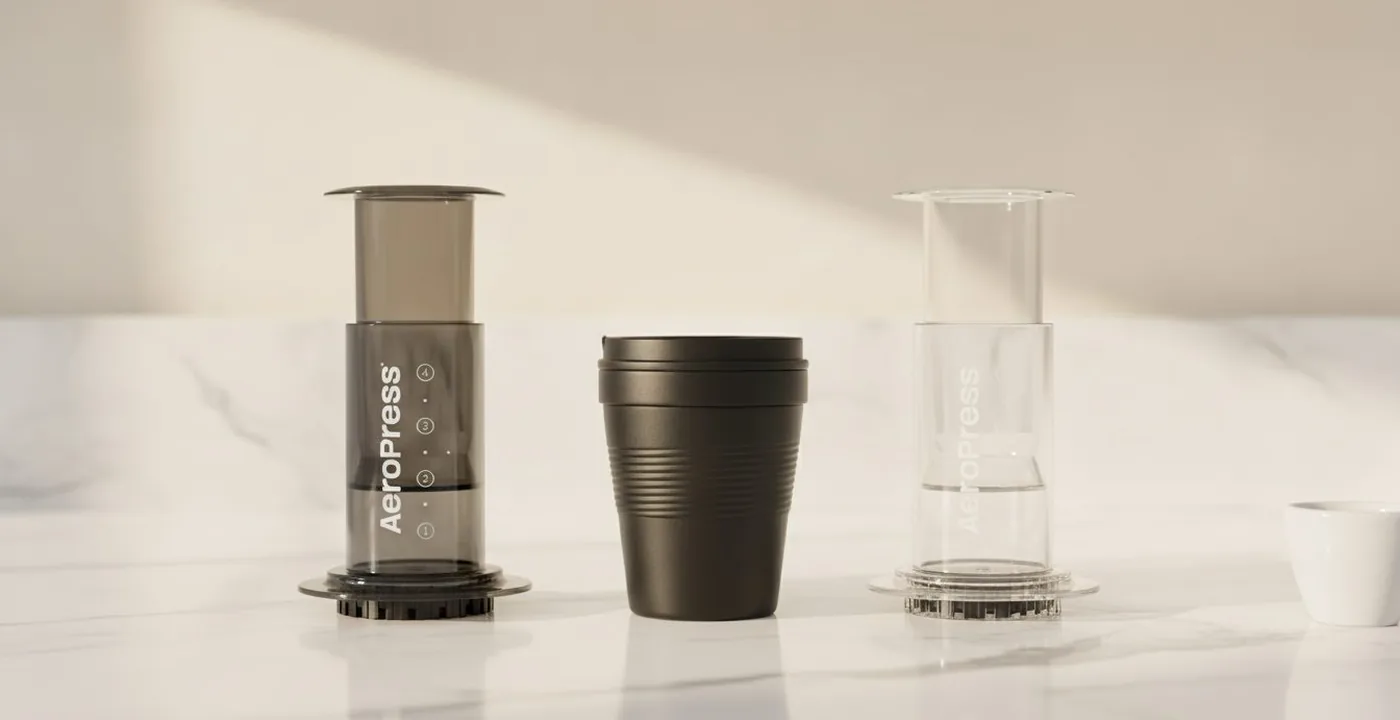
Table of Contents
Some of the links in this article are affiliate links, which help fund our independent review work at no extra cost to you. Every recommendation is based on hands-on testing through The Editor Lab methodology. No brand pays to appear, and no placement is guaranteed.
The answer is yes. I knew that before I finished my third week of testing, and I know it now after months of daily use. The AeroPress is the most forgiving, portable, and consistently rewarding manual brewer you can buy under £40. That verdict has not changed since Alan Adler invented the thing in 2005. This review answers the follow-up questions: which of the five current models to buy, how the coffee actually tastes, and which recipes are worth building into your routine.
I have used AeroPresses since my time at Sanremo UK, where specialty roasters reached for them as a fast-calibration tool between cuppings. I have also used a four-year-old AeroPress on a camping stove in Scotland. It belongs in both settings - which tells you most of what you need to know.
Editor's Note
At a Glance: Verdict, Rating and Price
Overall rating: 9/10
The AeroPress is the best single-cup manual brewer at this price. Fast, forgiving, easy to clean, clarity-forward in the cup. The only meaningful objection is the plastic body - and the Clear addresses that.
| Model | Price (as of June 2026) | Best for |
|---|---|---|
| AeroPress Original | From £29.99 | Everyday home use |
| AeroPress Go | From £34.99 | Travel and commuting |
| AeroPress Clear | From £44.99 | Those who want a glass-look body |
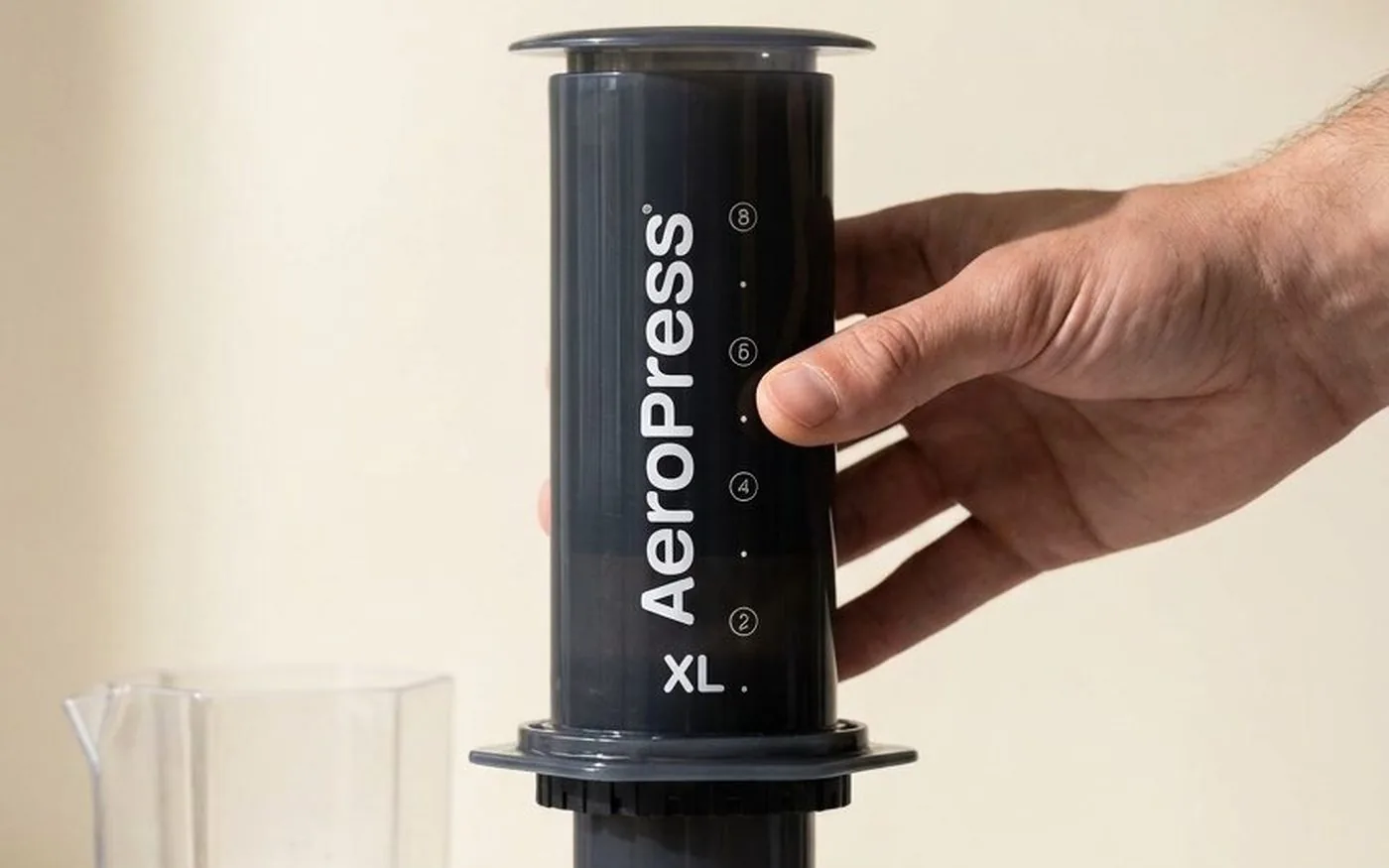
| AeroPress XL | From £49.99 | Brewing for two or carafes |
| AeroPress Clear Premium | From £54.99 | Upgrade pick with carry case |
Prices checked June 2026 via Amazon UK and aeropress.com.
Who it is for: Anyone who wants a great single cup with minimal faff, no electricity, and a brewer that fits in a bag.
What Is the AeroPress and How Does It Work?
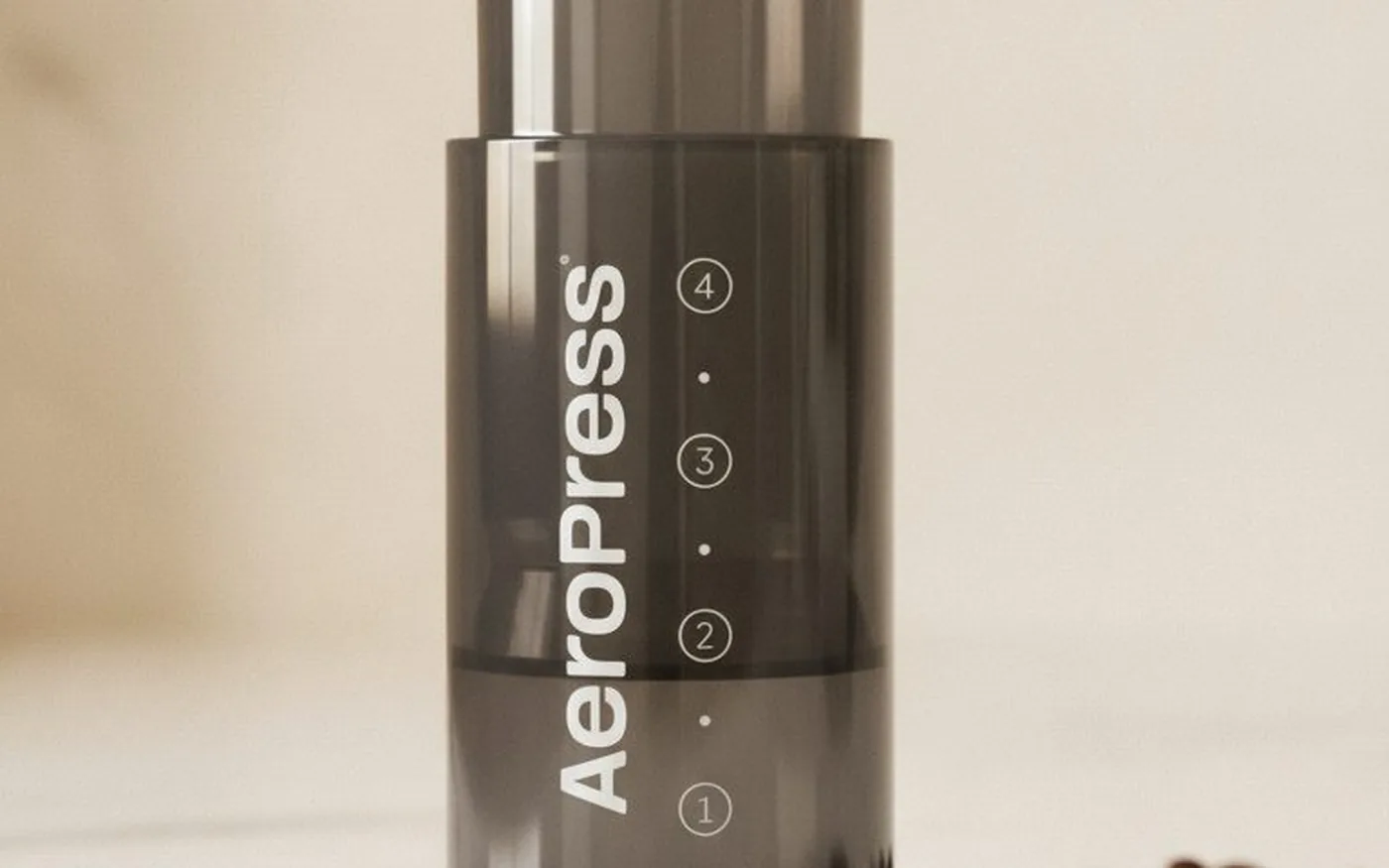
The AeroPress is a manual coffee brewer that combines immersion and pressure. You steep coffee grounds in hot water inside the cylindrical chamber, then press a plunger through them to force the brew through a paper or metal filter. The whole process takes under two minutes.
That combination gives the AeroPress its cup character. The immersion phase extracts body and sweetness. The pressure and filter clear the sediment you would find in a French press. The result sits between a filter coffee and a concentrated espresso-adjacent shot, depending on how much water you add.
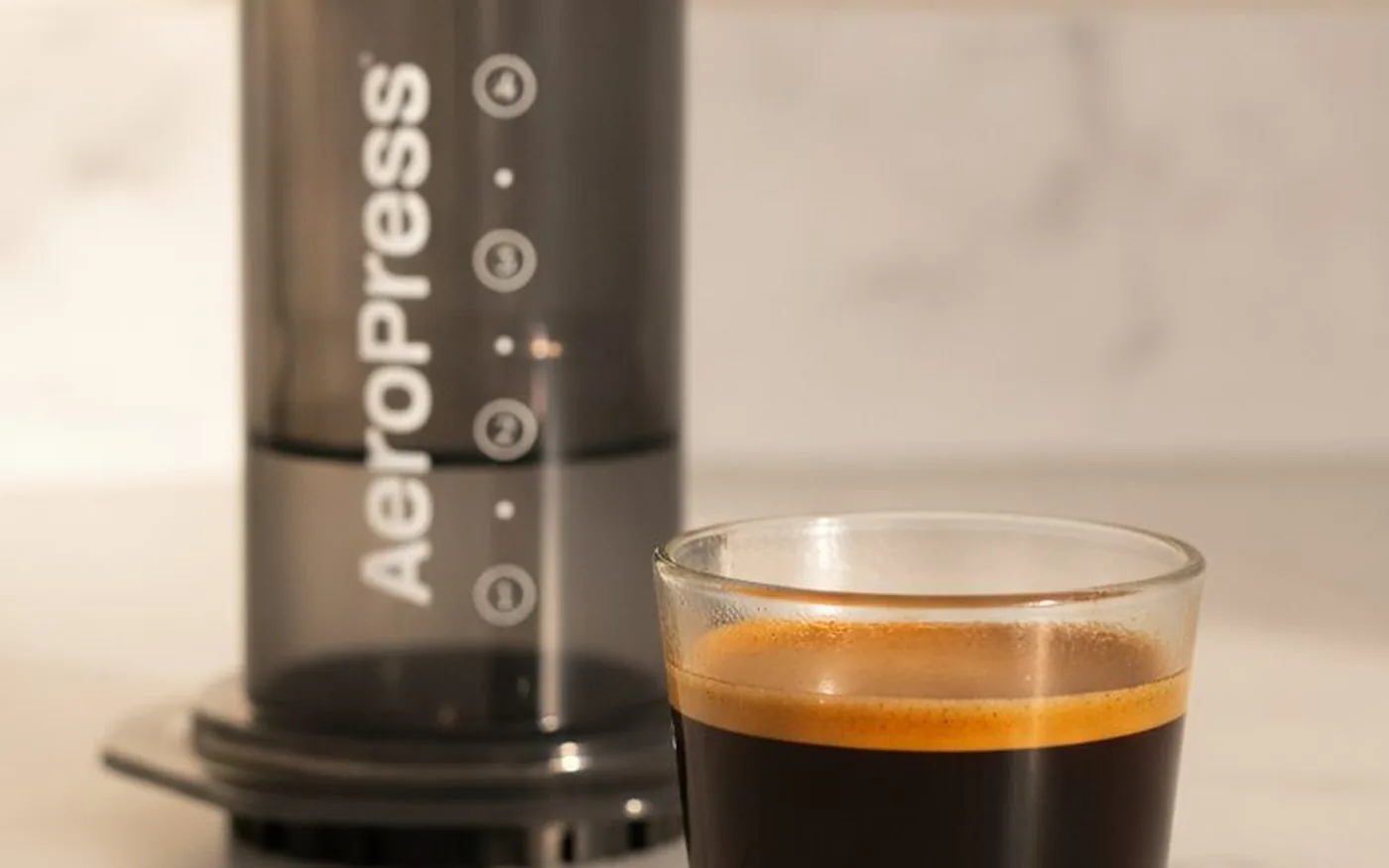
One thing to be clear about: the AeroPress does not make true espresso. It cannot generate the 9 bars of pressure a proper espresso machine produces. What it makes at lower water ratios is a concentrated coffee that resembles espresso in strength and colour - useful as a milk-drink base, but technically different.
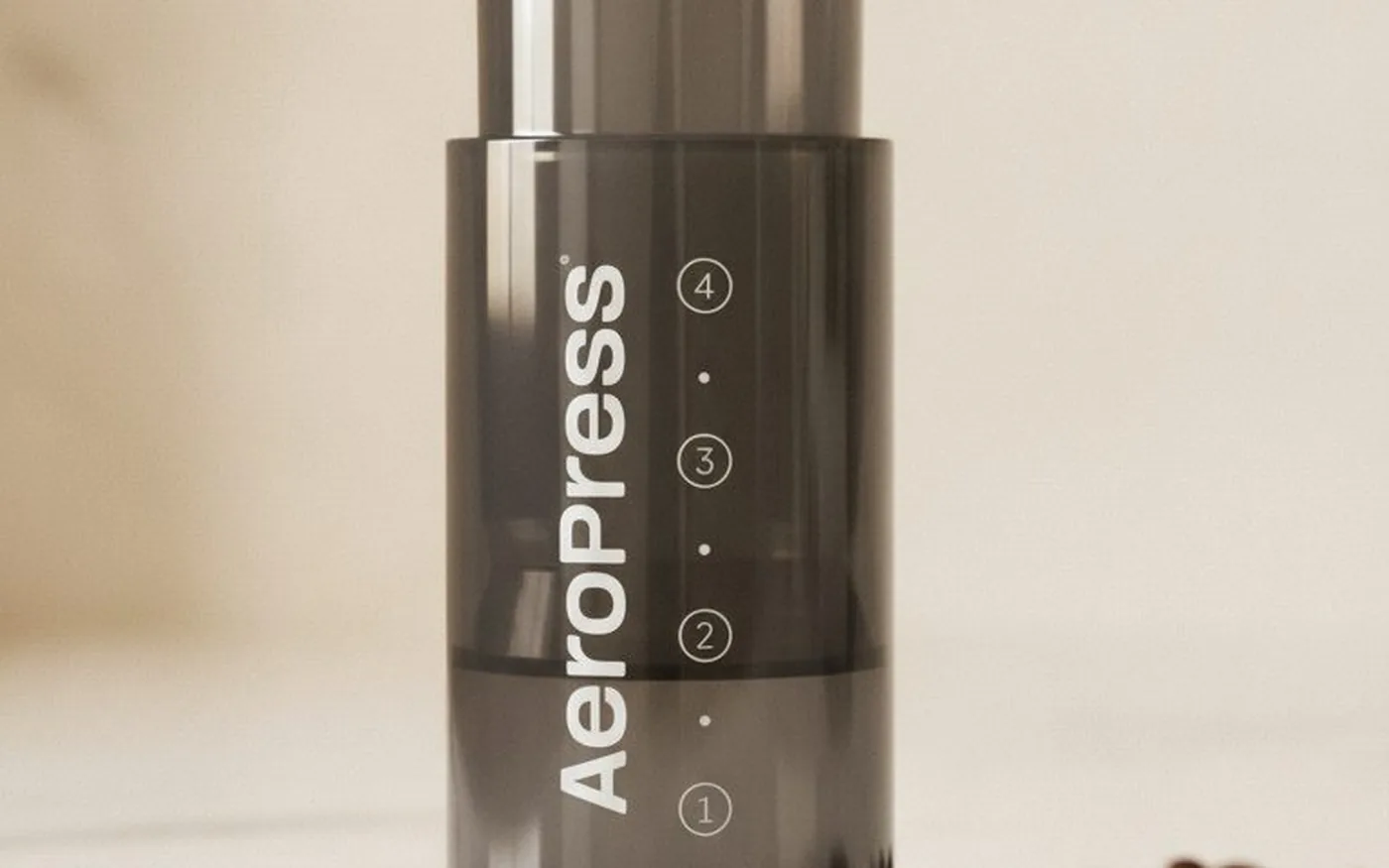
The AeroPress Range: Original vs Go vs Clear vs XL
Most AeroPress reviews cover the Original and ignore the rest. The model choice genuinely matters depending on how and where you brew.
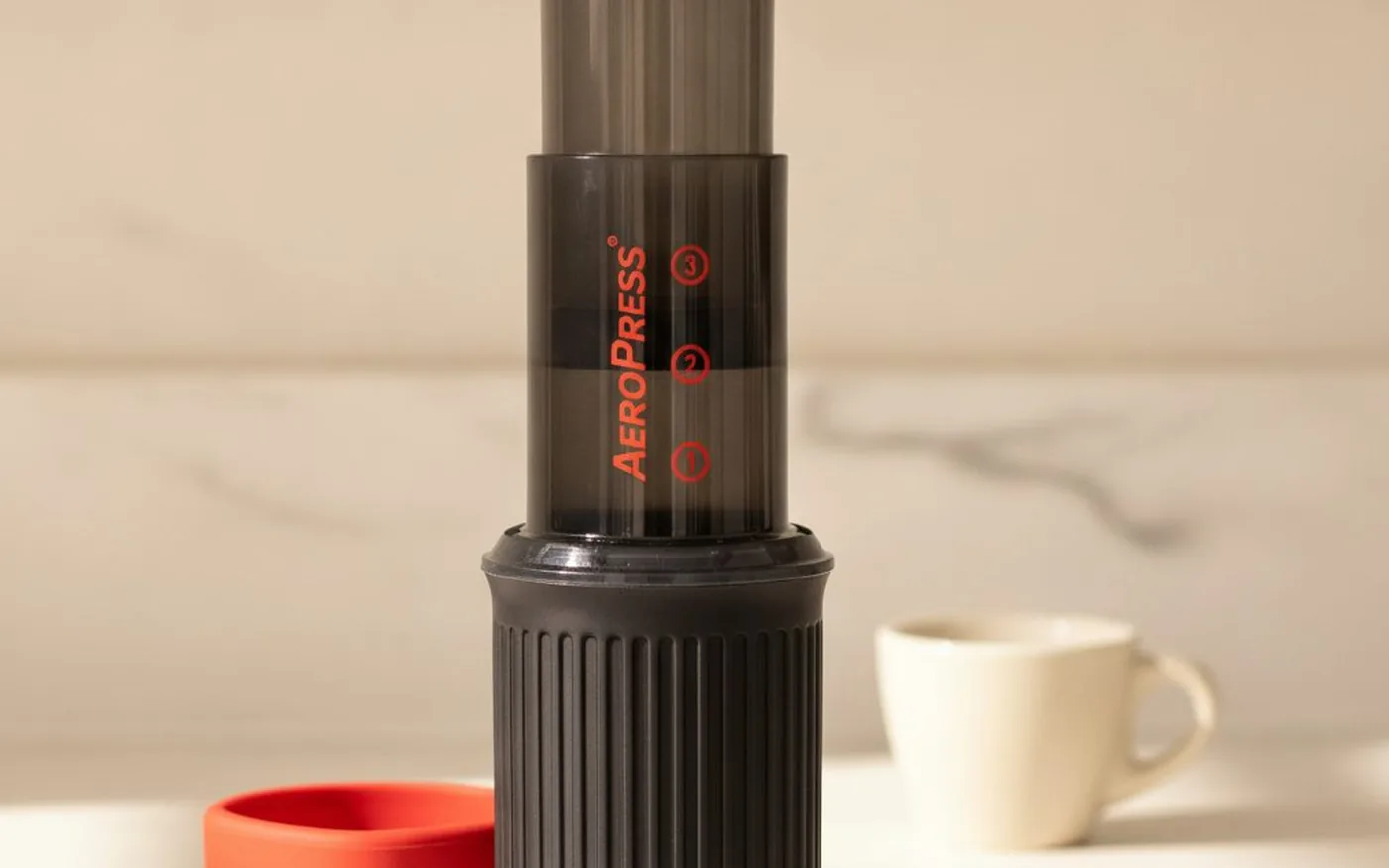
Model Comparison Table
| Model | Capacity | Material | Travel-ready? | Dishwasher safe? | Approximate price (Jun 2026) |
|---|---|---|---|---|---|
| Original | Up to 3 cups (or 1 concentrated) | Polypropylene (translucent) | Yes, but no built-in cup | Top rack | From £29.99 |
| Go | Up to 2 cups (slightly smaller chamber) | Polypropylene | Yes - includes mug, lid, carry pouch | Top rack | From £34.99 |
| Clear | Up to 3 cups | Tritan copolyester (clear, glass-look) | Yes | Top rack | From £44.99 |
| XL | Up to 4 cups | Polypropylene | Less suited | Top rack | From £49.99 |
| Clear Premium | Up to 3 cups | Tritan copolyester | Yes - includes carry case | Top rack | From £54.99 |
Which Model Should You Buy?
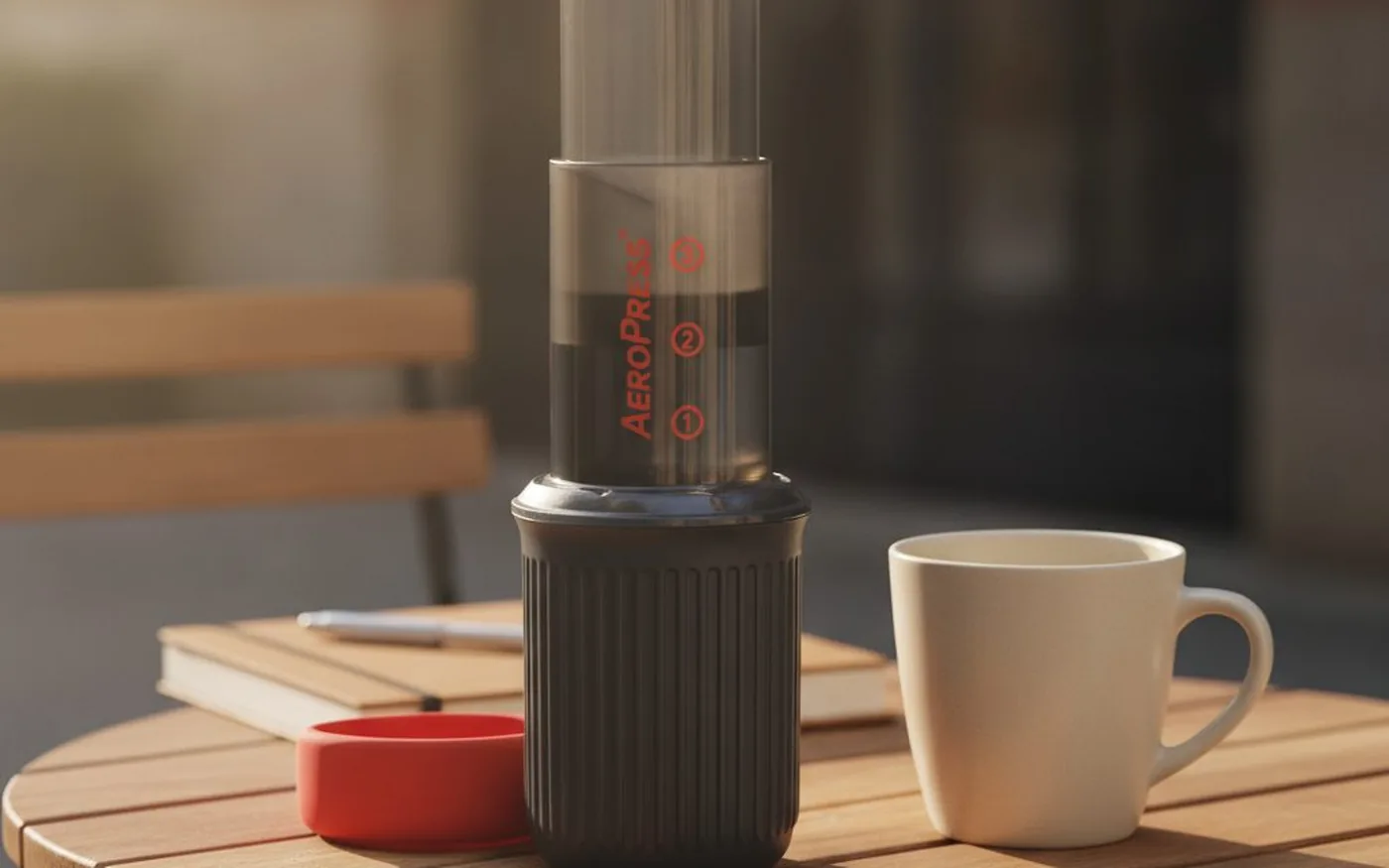
AeroPress Original: Buy this first. Widest accessories compatibility, lowest price, works for everything. AeroPress Go: Buy this if you travel - the built-in mug means one bag-item instead of two, though the slightly shorter chamber brews a marginally smaller maximum volume. AeroPress Clear: Buy this if the look of the brewer matters to you - same cup quality, Tritan copolyester body instead of polypropylene. AeroPress XL: Buy this if you regularly brew for two or want to fill a carafe. AeroPress Clear Premium: The Clear with a carry case - useful for frequent travellers who also want the glass-look body.
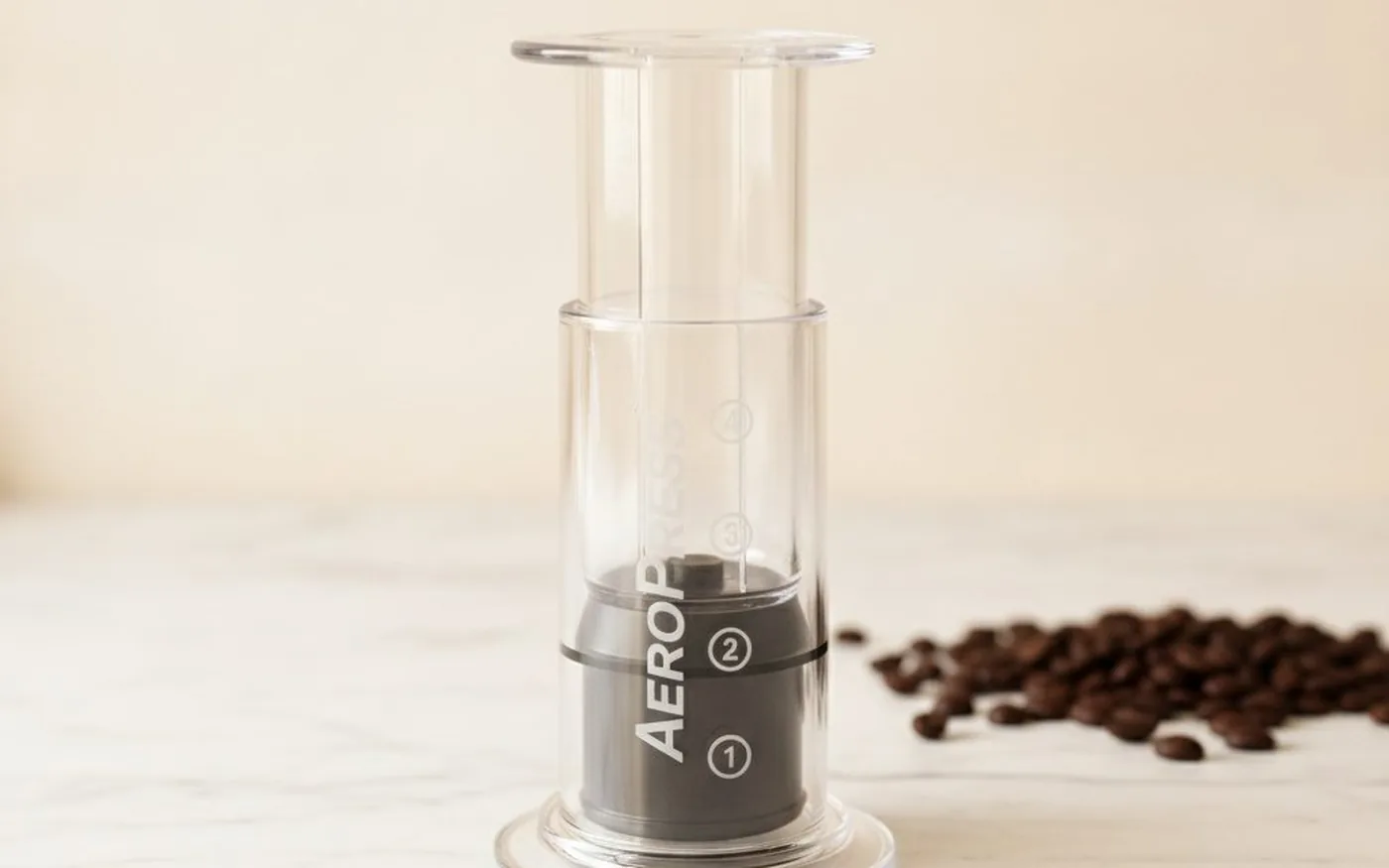
How We Tested This AeroPress
I ran the Original and Go for four months of daily use, pulling over 200 cups before writing this. Testing rig: Niche Zero grinder, Stagg EKG kettle, Acaia Pearl scale. I tested temperatures between 80C and 96C, four grind sizes from medium-coarse to medium-fine, and three recipes including the updated 2023 Hoffmann method. The Go was tested on three separate trips, including a week in southern Europe where it was the only brewer in my bag. The XL and Clear were tested over six weeks each to confirm they produce the same cup as the Original. They do.
Build Quality, Materials and the BPA Question
Every current AeroPress model is BPA-free, confirmed by AeroPress Inc. on their official site. The Original used polycarbonate until 2009, when the company switched to BPA-free materials. The current range has used BPA-free materials for over 15 years.
The Original and Go use polypropylene - the same food-grade plastic used in the majority of coffee brewing equipment. It is durable and heat-stable well above the temperatures used in AeroPress brewing. The Clear and Clear Premium use Tritan copolyester - clearer than polypropylene, scratch-resistant, and the same material used in many premium water bottles. It addresses the aesthetic objection without changing the brewing chemistry.
The plunger seal on all models is the component that wears first. Expect to replace it every 12-18 months with daily use. Replacement seals are inexpensive and widely available.
Brewing Performance: How the Coffee Actually Tastes
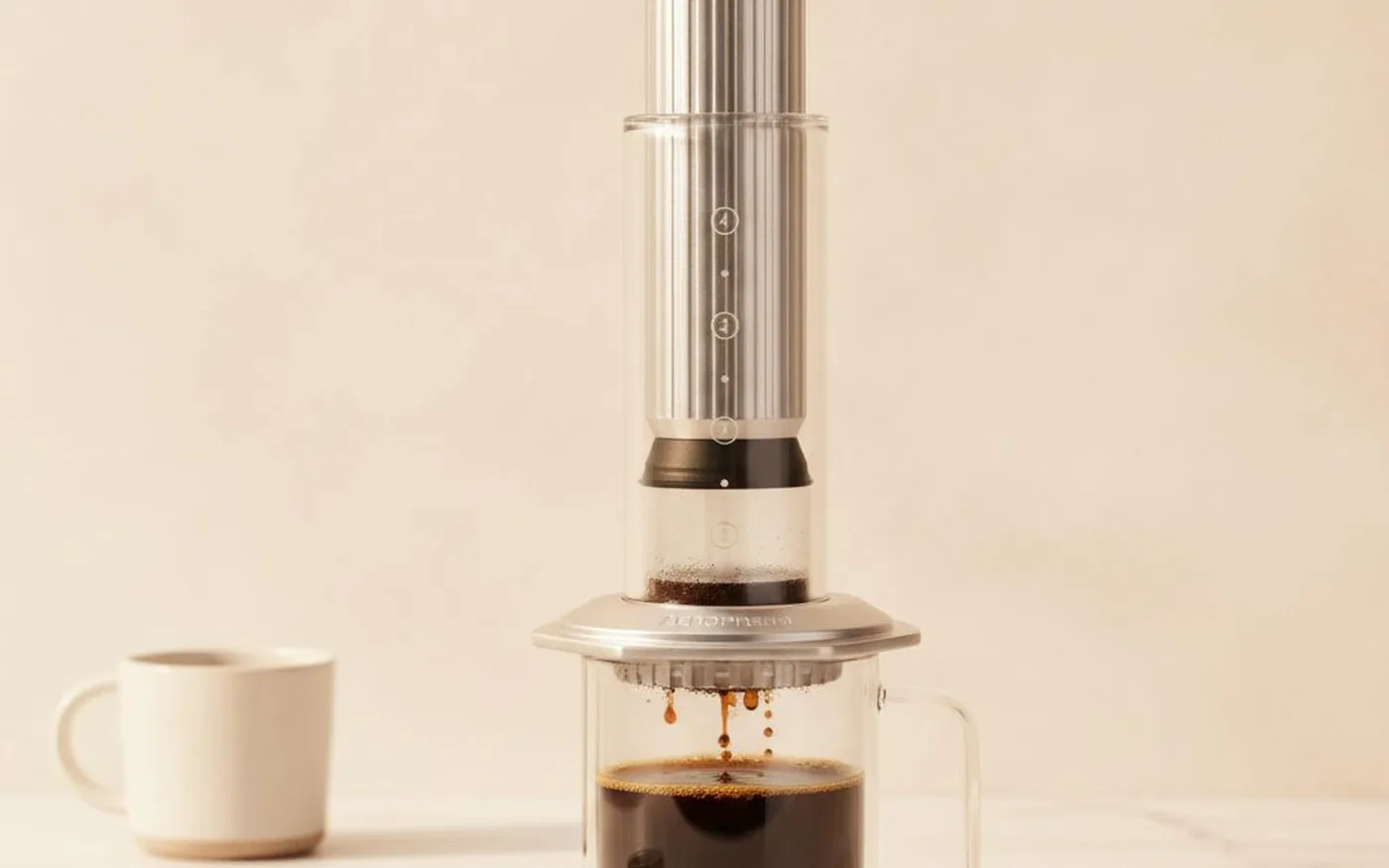
The AeroPress makes a clean, bright cup. The paper filter catches the oils and fine particles that give French press its heavier body. The result has more clarity than French press, more sweetness and body than a V60.
On the standard recipe (15g to 200ml at 88C, 2 minutes), the Aurora Reserve single origin I tested delivered milk chocolate on the nose, a clean fig sweetness through the body, and a short, clean finish with no bitter trailing note. Keep your water under 92C and your steep time under 2.5 minutes and bitterness stays out of the picture.
The inverted method produces slightly more body - the grounds spend longer fully immersed - but the difference is smaller than most AeroPress forums suggest. Standard vs inverted is distinguishable mainly in body weight, not in clarity or flavour character. The metal filter (Able Disk) shifts the cup meaningfully further toward French press territory - heavier body, longer finish, more oils. Use it if you want that character; stick with paper if you bought the AeroPress for its clarity.
Ease of Use, Cleaning and Travel
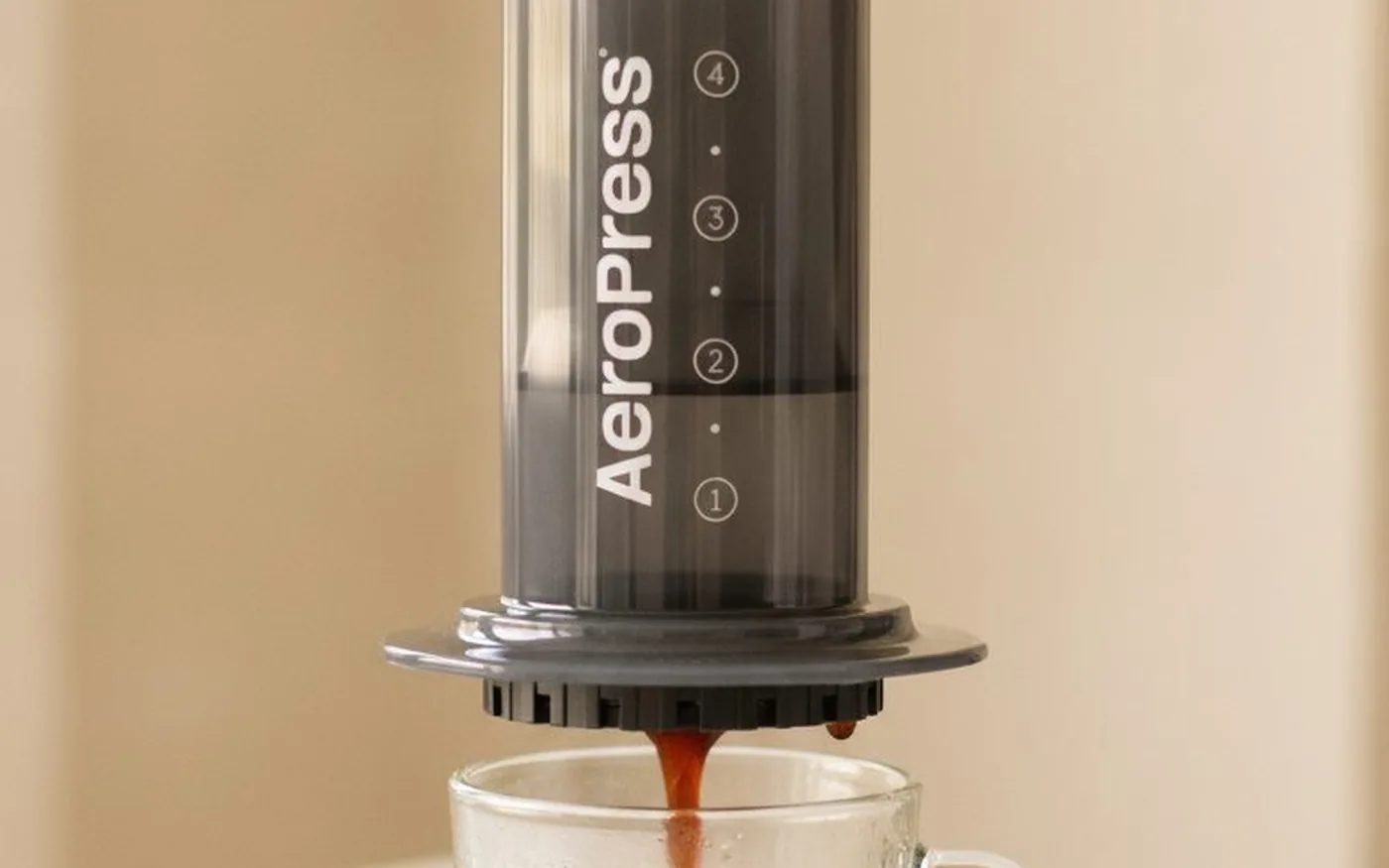
The AeroPress is faster to use than any other manual brewer I have tested. Grind, add coffee, add water, stir, press, rinse, done. Total time from grinding to rinsed brewer: under four minutes. The French press takes the same brewing time but requires careful pouring to avoid sediment. The V60 requires a pre-wet, a bloom, and a controlled pour rate. The AeroPress requires none of that.
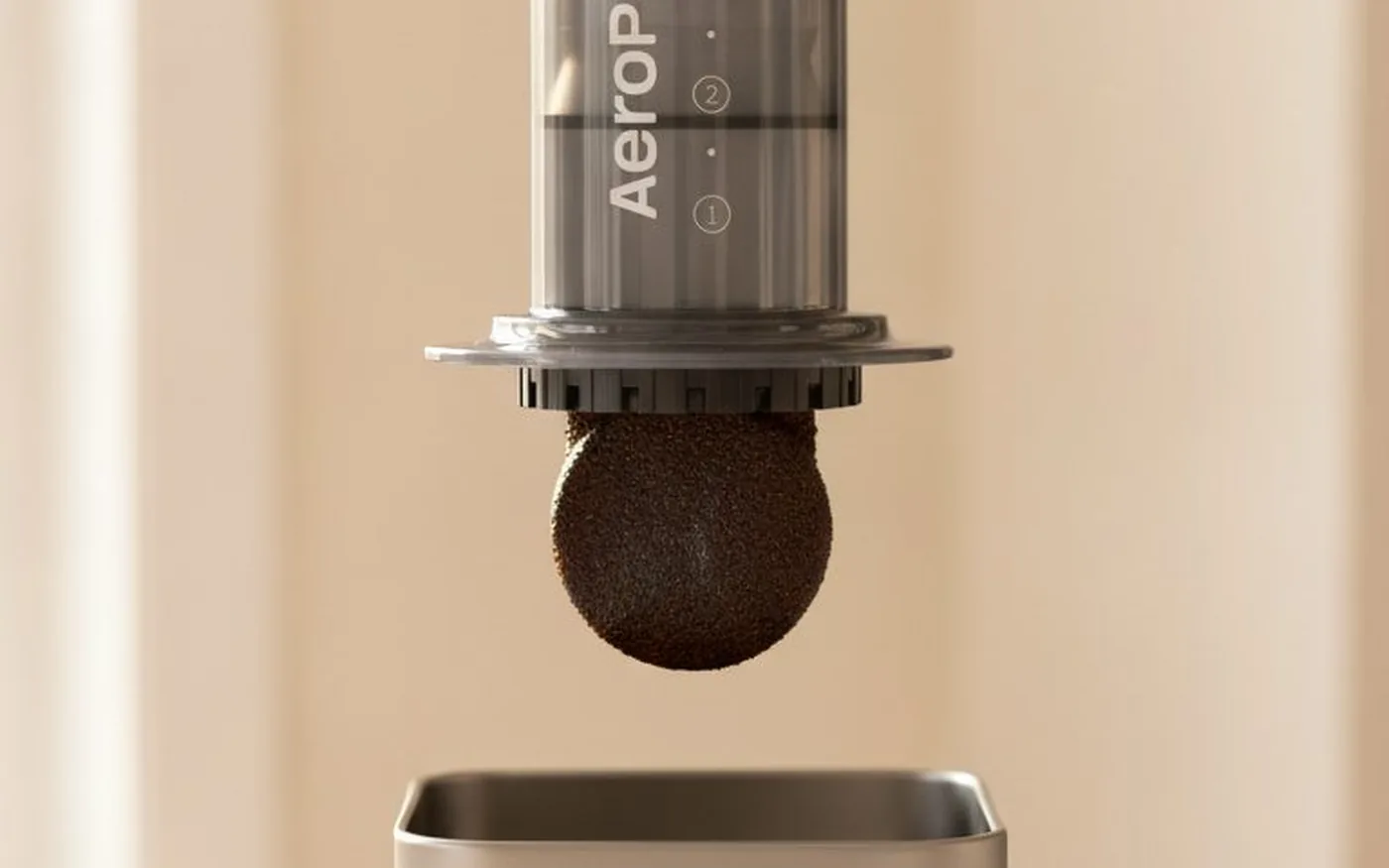
When you press out the puck, the grounds pop into the bin in one push. The chamber rinses clean under the tap in 20 seconds. There is no mesh to declog. It is the easiest manual brewer to clean.
For travel, the Go beats the Original. The built-in mug means one bag item instead of two. I used it in hotel rooms with a travel kettle on three trips and the results were identical to my home setup.
AeroPress Recipes That Actually Work
Standard Recipe (the starting point)
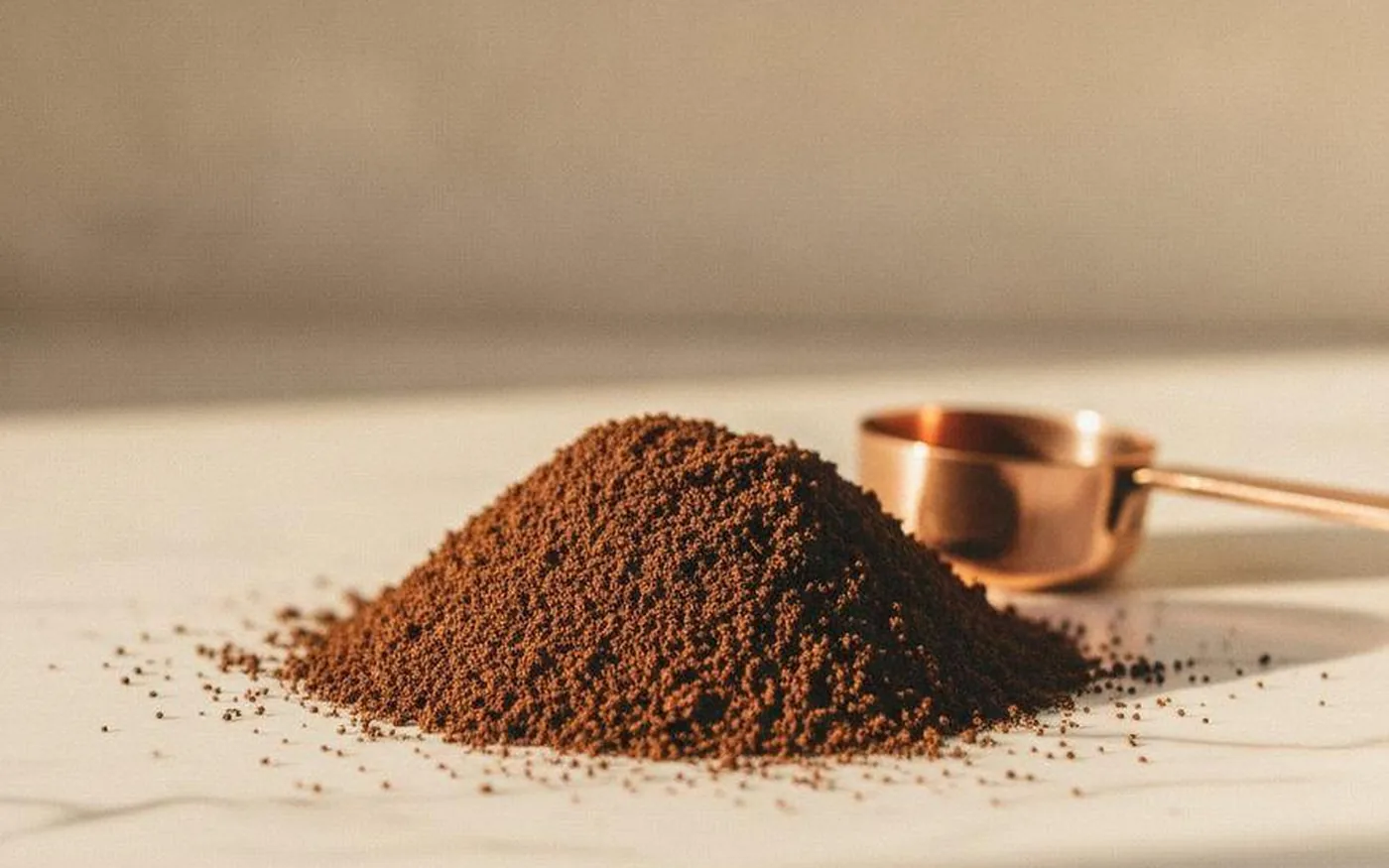
- Coffee: 15g, medium-fine grind
- Water: 200ml at 88C
- Method: Standard (right-way-up). Add coffee, pour water, stir 10 seconds, steep 1 minute, press slowly over 30 seconds.
- Yield: Around 170ml brewed coffee
This is the recipe I give anyone who asks how to use an AeroPress. It is forgiving, consistent, and produces a balanced, clean cup with good sweetness. Adjust grind finer if it tastes flat; coarser if it tastes harsh or drying.
The 2023 Hoffmann Recipe (for those who want to go deeper)
James Hoffmann updated his AeroPress recipe in 2023, moving to a lower-strength 1:16 ratio and near-boiling water. His argument: most AeroPress coffee is under-extracted.
- Coffee: 11g, medium-fine grind
- Water: 175ml at 99C
- Method: Standard. Bloom 30ml for 30 seconds. Add remaining water. Steep 2 minutes. Press slowly over 30 seconds.
- Yield: Around 150ml
The result is a more delicate, lighter-bodied cup with more defined acidity. On a quality single-origin - the Aurora Reserve I used throughout testing is a good example - this recipe rewards the bean more than the standard method does. On a darker roast, the near-boiling water can pull roasty notes you may not want. Full rationale on Hoffmann's YouTube channel.
Championship-Style (concentrated, for milk drinks)
The World AeroPress Championship favours high coffee-to-water ratios for a concentrated output. The general approach:
- Coffee: 18-20g, medium-fine to fine
- Water: 100-120ml at 85C
- Method: Inverted. Steep 2-2.5 minutes. Flip and press over 30 seconds.
- Yield: 80-100ml concentrated coffee
Add steamed or heated milk and you have a serviceable flat white base. It will not replace an espresso machine, but it is the closest approximation you will get from a manual brewer at this price.
Best Coffee to Use in an AeroPress
The AeroPress is most flattering to single-origin coffees with inherent clarity and sweetness - medium and light-medium roasts where the bean character can come through. Very dark roasts can work but the paper filter removes some of the body that makes a dark roast interesting.
What to look for: Light to medium roast - the paper filter does the heavy lifting on clarity, so you want the bean's flavour to come through, not the roast. Medium-fine grind for the standard recipe; coarser for the Hoffmann or longer steeps. Ethiopia, Colombia, Brazil, and Rwanda all suit the AeroPress well.
Throughout testing I used Balance Coffee's Aurora Reserve - a single-origin Brazil with a chocolatey base and a gentle citrus note that worked well with the Hoffmann recipe. Light roast, organic certified, traceable origin. Aurora Reserve - Balance Journal readers get 20% off (minimum £25 order). Balance Coffee is our parent brand; I only recommend it where it genuinely fits the brew method.
For alternatives: Assembly Coffee and Volcano Coffee Works are two of the UK's best specialty roasters and both offer single-origin filter coffees suited to AeroPress brewing.
AeroPress vs French Press vs V60 vs Moka Pot
This question comes up constantly. The honest answer is that each brewer suits a different type of coffee drinker.
Comparison Table
| Brewer | Clarity | Body | Ease of use | Cleanup | Travel-ready | Price |
|---|---|---|---|---|---|---|
| AeroPress | High | Medium | Very easy | Very easy | Yes | From £29.99 |
| French Press | Low-medium | High | Easy | Moderate (mesh) | Yes (with care) | From £15 |
| V60 | Very high | Low-medium | Requires technique | Easy | Possible | From £15 |
| Moka Pot | Medium | High | Moderate | Moderate | Stovetop required | From £20 |
AeroPress vs French press: The AeroPress makes a cleaner cup than a French press because its paper filter traps oils and fines that pass through a French press mesh. French press gives you more body and a richer mouthfeel. If you prefer heavy, oily, full-bodied coffee, keep your French press. If you want clarity and a cleaner finish, the AeroPress wins.
AeroPress vs V60: Compared with a V60, the AeroPress is more forgiving of grind size and harder to get wrong. The V60 produces a lighter-bodied, more delicate cup when dialled in well - but the technique gap is real. If you are new to manual brewing, start with the AeroPress.
AeroPress vs moka pot: The moka pot produces a stovetop brew with high body and intensity via steam pressure rather than manual pressure. The AeroPress is more versatile and does not need a heat source. If you want a stovetop brewer, the Bialetti Moka Express is the reference standard. If you want portability, the AeroPress wins.
Accessories Worth Buying
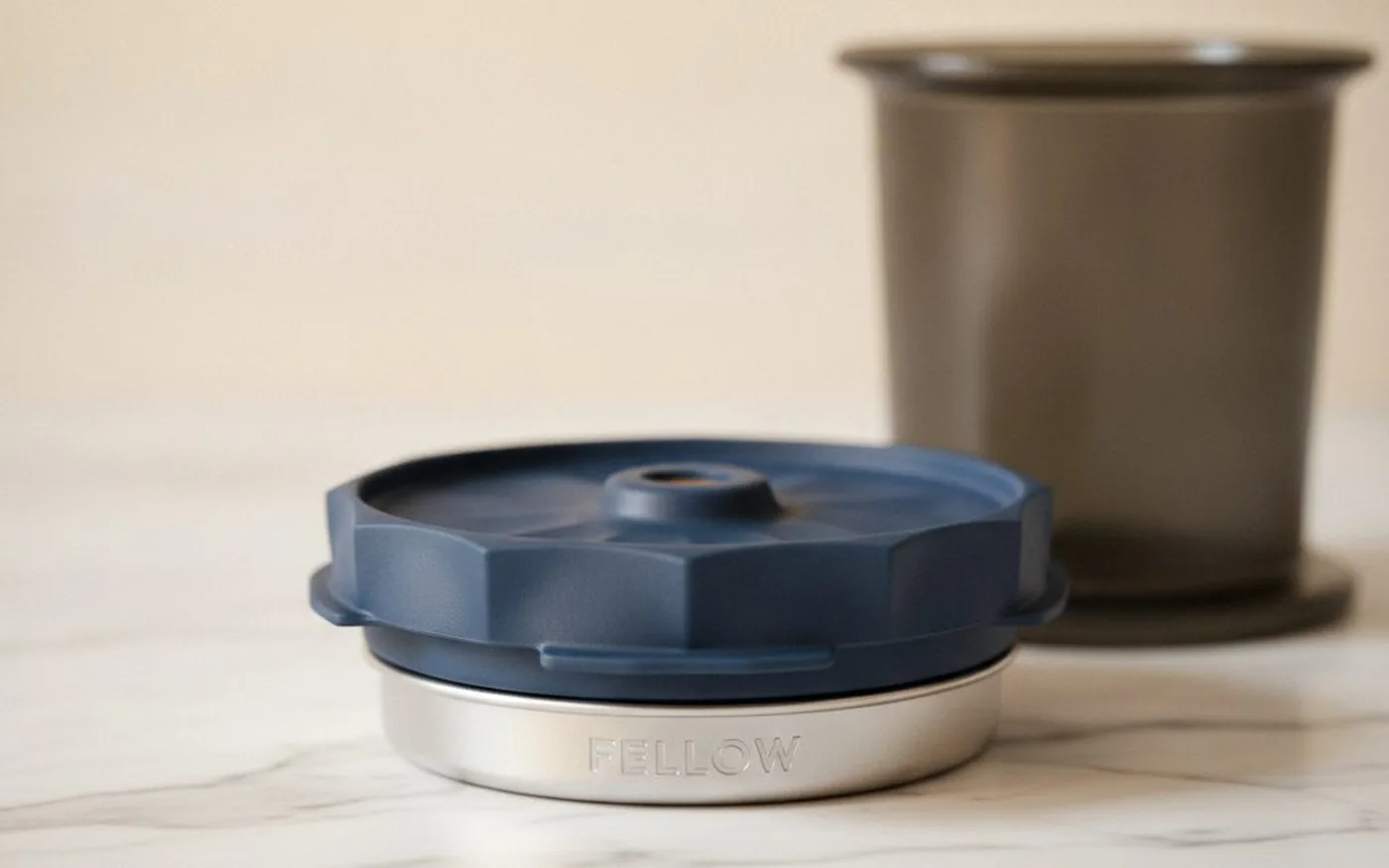
Fellow Prismo
The Fellow Prismo is a pressure-actuated cap that replaces the standard AeroPress filter cap. It builds pressure during the steep phase and only releases on the press, which produces a more concentrated output and prevents dripping during immersion. I use it specifically for making a milk-drink base when no espresso machine is available. For standard AeroPress brewing, the stock cap is fine. The Prismo does not close the gap to a real espresso machine - the pressure difference is too large - but it narrows it.
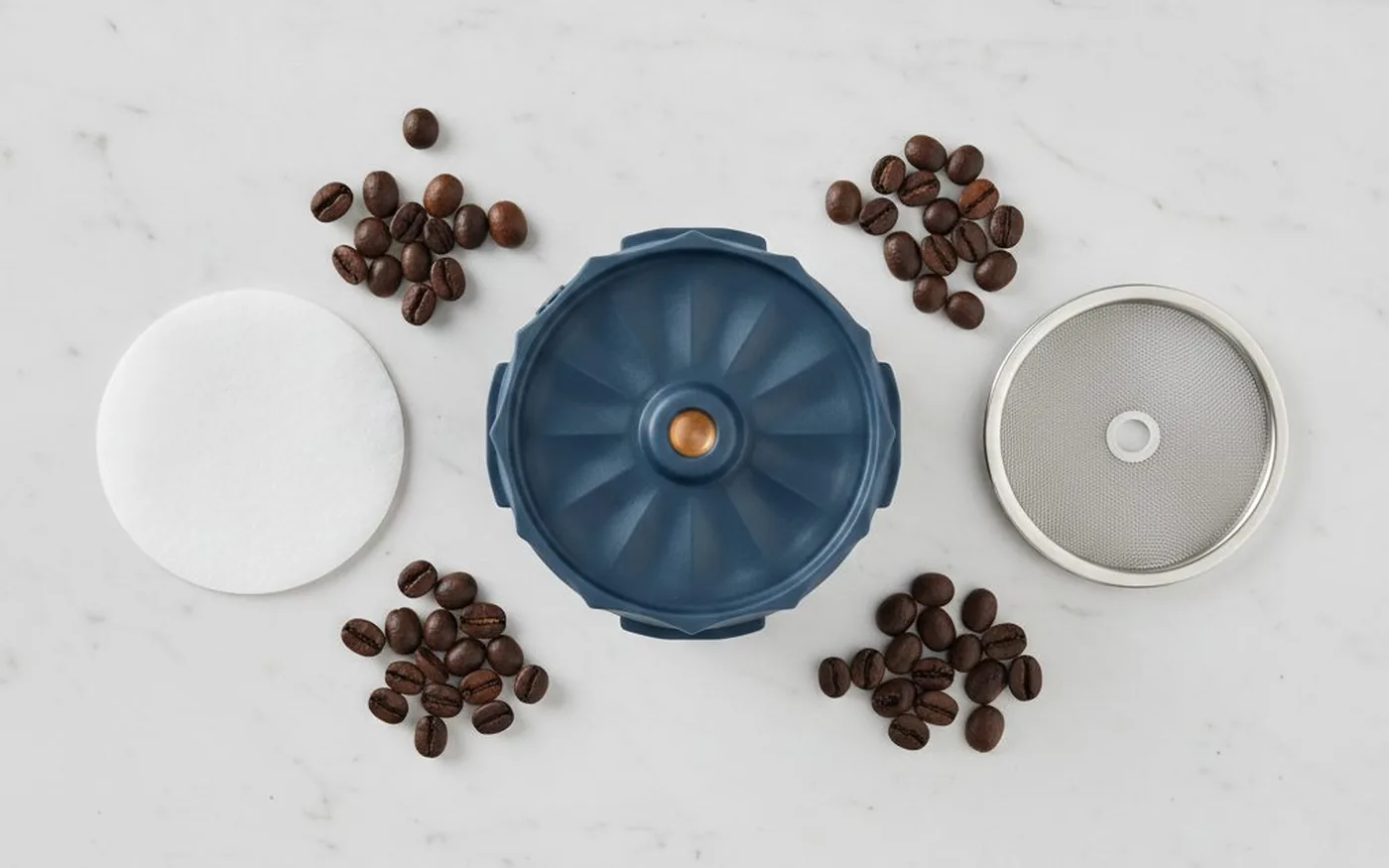
Reusable Metal Filter (Able Disk)
The Able Disk replaces paper filters with a reusable mesh. More oils pass through, the cup has more body, the mouthfeel shifts toward French press territory. It removes the paper filter cost and waste. Try the paper filter first. If you consistently find the AeroPress cup too light and miss the richness of a French press, the metal filter is worth adding.
A Scale
Any scale accurate to 0.1g with a tare function works. The difference between 14g and 16g of coffee in an AeroPress is meaningful enough to taste. Weigh your coffee. It takes 10 seconds and removes the primary variable in inconsistent cups.
Pros and Cons
- Pros:
- Consistent, clean cup with minimal technique required
- Cleans up in under a minute
- Travel-ready in every model
- Full range covers every use case, from solo home brewing to carafes for two
- BPA-free across the full current range
- Replacement parts are cheap and widely available
- Cons:
- Produces one cup at a time on the Original (XL addresses this)
- Not true espresso - the concentrated output is espresso-adjacent, not the real thing
- Paper filters are a recurring cost (though small)
- The plastic body is not everyone's aesthetic preference (the Clear addresses this)
- Plunger seal needs replacing roughly every 12-18 months with daily use
Verdict: Who Should Buy the AeroPress?
Buy the AeroPress if you want a manual brewer you will actually use. The learning curve is flat, the cleanup is the fastest of any brewer in this category, and the coffee quality at this price is the best available. It is not the most elegant object on a counter and it will not replace an espresso machine for serious milk drinks - but that is not what it is trying to be.
The Original for most people. The Go for travel. The Clear if the look matters. The XL for brewing two cups at once.
Frequently Asked Questions
Is the AeroPress worth it?
Yes, without reservation. At under £40 for the Original, the AeroPress is the best value manual brewer available. It produces a clean, consistent, balanced cup with less technique than a V60 and less cleanup than a French press. If you are buying your first manual brewer or looking for something that will not let you down on weekday mornings, this is the one.
Is the AeroPress better than a French press?
It depends what you prefer in the cup. The AeroPress makes a cleaner cup than a French press because its paper filter traps the oils and fines that pass through a French press mesh. French press gives you more body and a heavier, richer mouthfeel. If you prefer clarity and a clean finish, the AeroPress is the better choice. If you prefer heavy body, French press wins.
Can you make espresso with an AeroPress?
Not true espresso. A proper espresso machine generates 9 bars of pressure; the AeroPress generates around 0.5-0.75 bars. What the AeroPress produces at lower water ratios is a concentrated espresso-style coffee - useful as a milk-drink base, but technically different from a pulled espresso shot. The Fellow Prismo accessory gets you slightly closer by building more pressure, but the gap to a real espresso machine remains large.
Is the AeroPress dishwasher safe?
Yes. The Original, Go, Clear, and XL are all top-rack dishwasher safe according to AeroPress Inc. That said, hand-washing the plunger seal and chamber under the tap takes under a minute and extends the seal's life compared with repeated dishwasher cycles. For daily use, a quick tap rinse is easier and gentler.
AeroPress Original vs Go - which should I buy?
Buy the Original for home use - widest accessories compatibility, lowest price, slightly larger chamber. Buy the Go for travel and commuting - it includes a built-in mug, lid, and carry pouch so you carry one item instead of two. The Go's shorter chamber brews a marginally smaller maximum volume, which matters if you normally brew two cups at once. For home use, that trade-off is irrelevant.
Is AeroPress plastic safe - is it BPA-free?
Yes. Every current AeroPress model is BPA-free. The Original and Go use BPA-free polypropylene; the Clear and Clear Premium use Tritan copolyester, which is also BPA-free. AeroPress Inc. switched from the original polycarbonate body to BPA-free polypropylene in 2009 and has used BPA-free materials in every model since. The Tritan used in the Clear is the same material used in many premium reusable water bottles.
How long does an AeroPress take to brew a single cup?
Around 1-2 minutes from water contact to cup, which makes it faster than pour-over or French press in terms of active brewing time. Including boiling the kettle, grinding the coffee, and cleaning up, the full process takes around 4-5 minutes. If you are already heating water for something else, the AeroPress itself adds under 2 minutes to your morning routine.
What grind size should I use for an AeroPress?
Medium-fine is the most reliable starting point for the standard recipe - finer than a pour-over grind, coarser than an espresso grind. If your cup tastes flat or weak, grind finer. If it tastes harsh, drying, or overly intense, grind coarser. The AeroPress is more forgiving of grind variation than a V60, which is part of its appeal for everyday brewing.

A wellness entrepreneur and biohacker, James explores the intersection of hospitality and health - from clean fuel and recovery tools to mindful routines that build balance into daily life.