PerfectTed Matcha Review UK 2026: Tested and Rated
Fifteen years of food writing, four weeks of testing: PerfectTed matcha is genuine, but you are partly paying for Tesco shelf space.
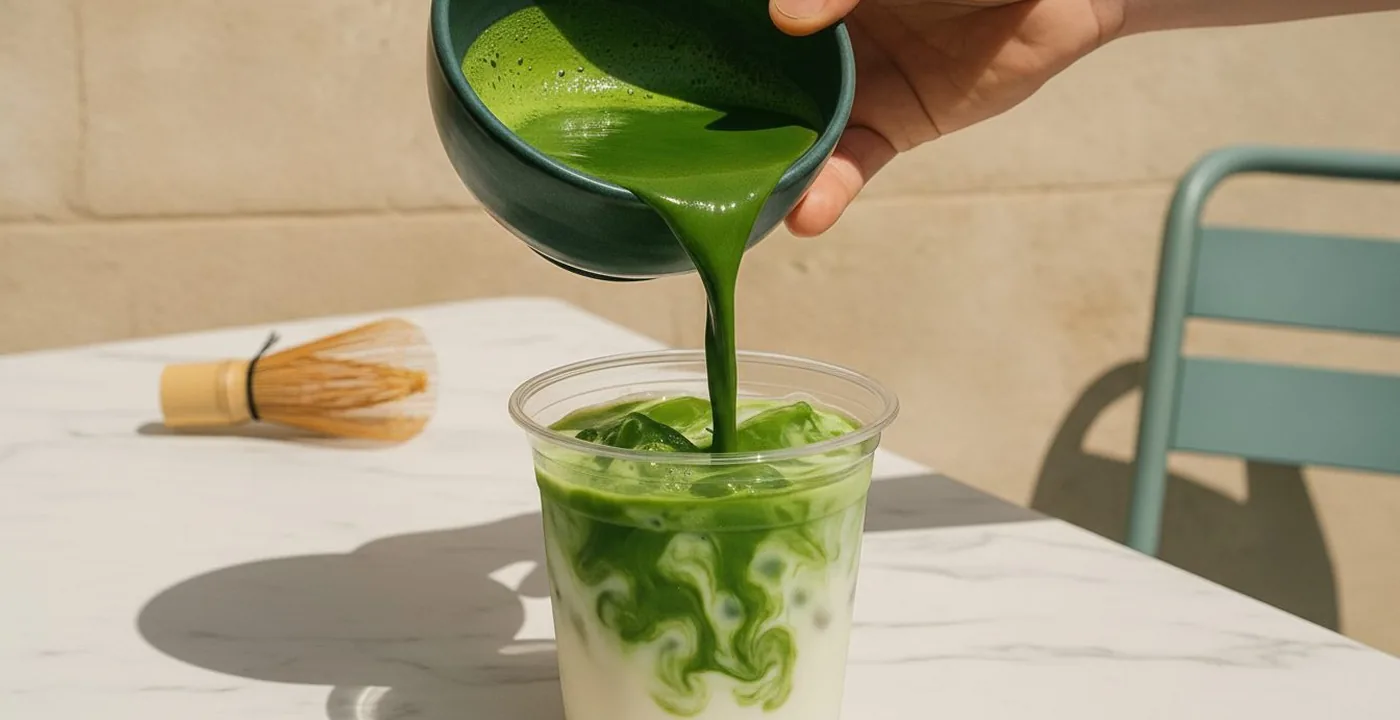
Table of Contents
Some of the links in this article are affiliate links, which help fund our independent review work at no extra cost to you. Every recommendation is based on hands-on testing through The Editor Lab methodology. No brand pays to appear, and no placement is guaranteed.
PerfectTed matcha is genuine ceremonial grade, and this review tells you whether the price is justified. The first thing you notice when you open a bag is the colour. It is a vivid, grassy green - not the dull khaki that shows up in budget powders and tells you everything you need to know before you have even lifted a whisk.
That first impression held up across four weeks of testing. But colour alone does not justify the price tag, and the question most people arrive here with is a sharper one: is PerfectTed matcha actually ceremonial grade, or is the brand riding its Dragons' Den moment further than the quality warrants?
“With more than fifteen years writing about food and drink spanning thirty-plus countries, Snita Pandoria personally tested PerfectTed's ceremonial matcha powder across four weeks - in lattes, whisked with hot water, and blended cold - before writing this review.”Snita Pandoria
Verdict at a Glance
PerfectTed delivers on its headline claim. The powder is genuine ceremonial grade, the colour is excellent, and the whip is clean. If you came from Dragons' Den expecting marketing dressed up as quality, you will find the quality is real.
The caveats are about price and positioning, not substance. At the 30g size, the cost-per-serving is among the highest in the UK matcha market. You are paying for accessibility - great branding, supermarket distribution, approachable flavour profile - as much as you are paying for Japanese leaf quality. Buyers who want maximum grade for minimum spend are better served by direct-import alternatives. Buyers who want a ceremonial matcha they can find in Tesco and trust immediately will find PerfectTed delivers.
Overall rating: 8/10
| Category | Score |
|---|---|
| Colour and grade | 9/10 |
| Taste and texture | 8/10 |
| Whip and ease of preparation | 8/10 |
| Caffeine and functional benefits | 8/10 |
| Value for money | 6/10 |
| Overall | 8/10 |
What Is PerfectTed and What Do They Sell
PerfectTed was founded in 2021 by two co-founders, Marisa Poster and Teddie Levenfiche, who appeared on Dragons' Den and secured investment from Steven Bartlett. The brand launched with ceremonial matcha powder as its core product and has since expanded into canned matcha energy drinks.
The flagship product range is ceremonial grade matcha powder sold in three sizes: 30g, 75g, and 250g pouches. The powder is sourced from Japan, with PerfectTed citing Kagoshima as their growing region - the southernmost tea-growing prefecture, known for its volcanic soil and high sunshine hours. This produces a brighter, slightly sweeter leaf compared to the shade-grown Uji styles that dominate the premium end of the UK market.
The canned energy drinks are a separate product line: matcha combined with other botanicals, sold as a ready-to-drink clean-energy format. They appear in supermarkets alongside the powder and have driven most of the brand's mainstream visibility. For this review, the focus is the powder - which is what the majority of searches for 'perfectted matcha review' are investigating - not the cans.
The powder range sits at the following price points as of July 2026 (verify before purchase as these change):
| Size | Approximate retail price | Servings (1g per serving) | Approximate cost per serving |
|---|---|---|---|
| 30g | from £12 | 30 | from £0.40 |
| 75g | from £22 | 75 | from £0.29 |
| 250g | from £55 | 250 | from £0.22 |
The 250g pouch brings the cost-per-serving down substantially and is the format that makes the most financial sense for daily drinkers.
How We Tested
Testing ran across four weeks using the 75g pouch - the mid-range size most likely to represent a real purchase decision.
The first friction moment arrived before the first sip: the powder clumped. Not severely, but enough that without a fine-mesh sieve the first whisked cup had visible flecks. Clumping is common with finely milled ceremonial matcha in a UK climate where ambient humidity affects powders quickly after opening. The fix is simple - sieve before whisking, store the opened pouch in an airtight tin - but the packaging does not mention it, and a buyer new to matcha might assume the product has degraded.
Once that step was added, preparation was clean. Water at 75-80 degrees Celsius - not boiling, which is the standard approach to avoid bitterness - and a bamboo chasen produced a consistently smooth surface in around 45 seconds. We also tested PerfectTed as a matcha latte with oat milk, blended cold over ice, and as a one-gram addition to a smoothie. The ceremonial format held across all three applications.
Taste, Colour and Texture
The colour is the standout. PerfectTed's powder is a deep, saturated jade green that renders into an equally vivid prepared cup. Genuine ceremonial grade - first-flush, shade-grown for the final weeks before harvest - produces this colour because shade increases chlorophyll production. Dull or olive-toned powders typically indicate older leaf material, a lower flush position on the plant, or storage degradation.
On the palate, PerfectTed reads as approachable ceremonial. The umami is present but not aggressive - a recognisable seaweed-and-grass note that you expect from ceremonial grade, but it does not dominate the way a high-end Uji single-origin might. This is deliberate flavour positioning, not a quality deficit. A matcha brand with supermarket distribution needs a profile that works for people transitioning from coffee or flavoured lattes, not just experienced tea drinkers who want maximum umami expression.
The bitterness is low and clean. It appears briefly at the back of the palate and resolves without leaving a harsh or tannic finish - the opposite of budget matcha, where bitterness is the dominant note throughout.
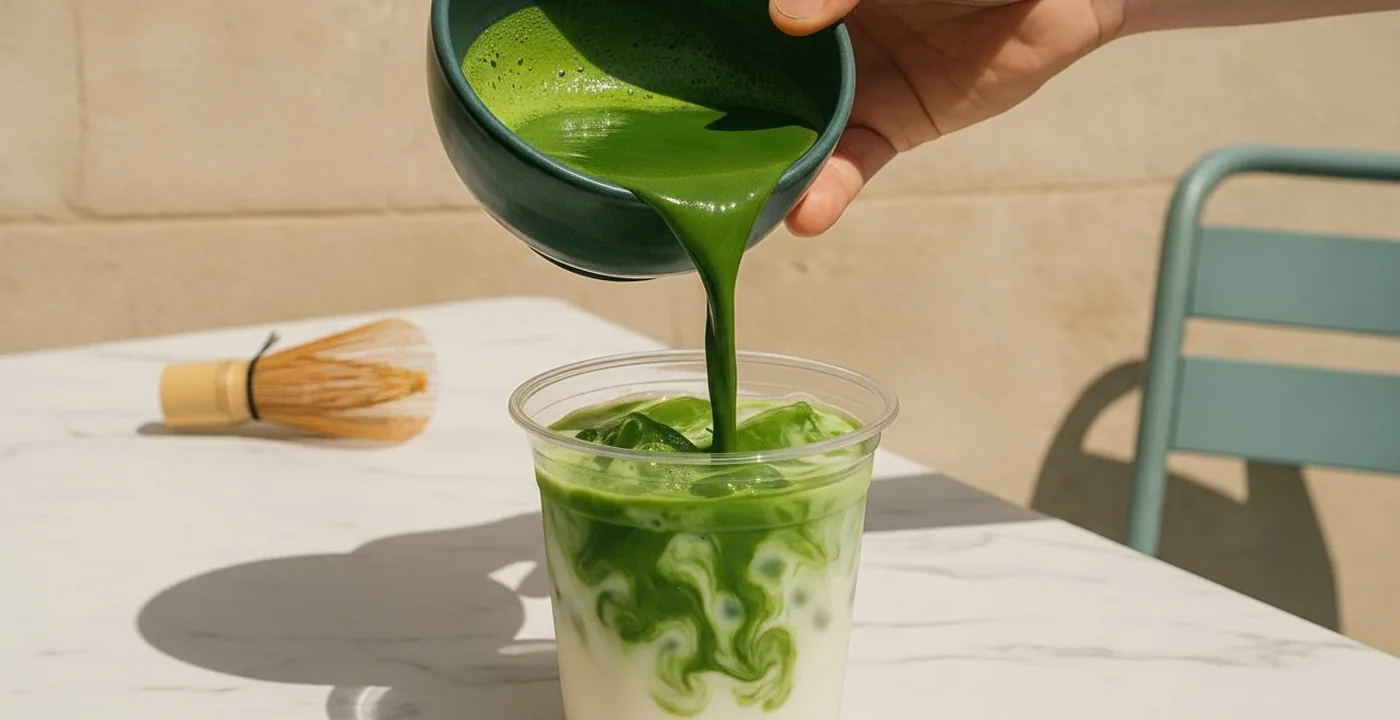
In milk, the powder performed well. The green pigment cut through oat milk clearly, the flavour balanced rather than disappeared, and the latte had body without requiring extra powder. Cold preparation worked equally well, which is unusual - many ceremonial grades develop an unpleasant grassy aftertaste when blended cold, but PerfectTed's profile stayed clean. Texture after whisking was fine and consistent, with no grittiness on the tongue and no residue at the bottom of the cup.
Quality and Caffeine
Grade Assessment: Is the Ceremonial Claim Real
PerfectTed describes their powder as 'ceremonial grade' sourced from Kagoshima, Japan. 'Ceremonial grade' is not a regulated term - there is no independent body that certifies it - but within the specialty tea industry it conventionally refers to first-flush, shade-grown tencha leaves stone-milled into a fine powder intended for drinking, as opposed to culinary grade, which uses later flushes and coarser milling.
The colour, texture, and taste profile all fall within what the specialist best matcha brands community would recognise as genuine ceremonial grade. The bright jade colour, low bitterness, umami presence, and fine stone-milled texture are consistent with first-flush sourcing. The sensory evidence is strong and the sourcing claim is plausible given the price point and product character.
Caffeine and L-Theanine
A one-gram serving of ceremonial matcha contains approximately 35-70mg of caffeine, depending on the leaf, harvest, and preparation. PerfectTed does not publish a specific per-gram caffeine figure on their packaging - a transparency gap compared to some competitors. Based on the standard range for ceremonial grade Japanese matcha, a two-gram serving would deliver approximately 70-140mg of caffeine.
The more functionally significant aspect is the combination with L-theanine. Matcha contains L-theanine at concentrations not found in most other caffeinated sources. According to the EFSA caffeine opinion, caffeine contributes to increased alertness and improved concentration at intakes of 75mg per serving. The combination of caffeine and L-theanine - both naturally occurring in green tea leaf - is why matcha drinkers often describe the energy effect as calmer and more sustained than an equivalent dose of coffee: the L-theanine modulates the stimulatory effect without reducing it. Research published in Nutritional Neuroscience has documented this synergistic effect in green tea consumption.
As a coffee alternative, matcha sits in a useful middle ground: meaningful caffeine for alertness, L-theanine for sustained focus without the spike-and-crash pattern some coffee drinkers find disruptive, and low acidity. For anyone switching from coffee to find a gentler energy source, ceremonial matcha is a well-evidenced option.
| Comparison point | PerfectTed Matcha | Standard filter coffee (200ml) |
|---|---|---|
| Caffeine per serving (approx.) | 70-140mg (2g serving) | 80-120mg |
| L-theanine | Yes - synergistic with caffeine | No |
| Acidity | Low | Moderate to high |
| Preparation time | 2-3 minutes | 3-5 minutes (drip) |
Price and Value: Is PerfectTed Worth It
PerfectTed sits at a premium price point for the UK matcha market, and whether that premium is justified depends on what you are buying it for.
At the 30g entry size, the cost-per-serving is high - from around £0.40 per gram. At the 250g pouch, it drops to from £0.22, which is competitive with other accessible ceremonial brands. The friction here is the 250g commitment: a significant upfront spend on a product you may be trying for the first time, and the 30g starter size is correspondingly expensive per serving. First-time buyers are effectively paying a trial premium.
Compare this to the sibling brands reviewed elsewhere on Balance Journal:
| Brand | Grade | Approximate cost per serving (mid-size) | Origin claim |
|---|---|---|---|
| PerfectTed | Ceremonial | from £0.29 (75g) | Kagoshima, Japan |
| Ritual & Flow | Ceremonial | Lower - single-estate direct | Japan |
| Bird & Blend | Ceremonial blend options | Varies by blend | Japan blend |
| Jade Leaf | Ceremonial | Lower - direct Japan import | Japan |
Jade Leaf and Ritual & Flow offer comparable or higher-grade ceremonial matcha at a lower cost-per-serving when ordered direct. The difference is distribution: those brands require an online order, while PerfectTed is on the shelf in Tesco and Sainsbury's. You are partly paying for convenience and brand infrastructure.
The second friction moment: if you drink matcha daily at a two-gram serving, the 75g pouch lasts around 37 days. At current prices, that is a monthly spend of from £22. Buyers who decide they love matcha and want to maintain the habit will need to commit to the 250g size to make the economics work.
Who Should Buy PerfectTed / Who Should Skip It
Buy PerfectTed if:
- You want ceremonial grade matcha available in supermarkets without pre-planning an online order
- You are new to matcha and want an approachable flavour profile that is easy to prepare
- You want a consistent performer for latte preparation with plant milks
- You came from Dragons' Den or social media and want reassurance the quality matches the profile
Skip PerfectTed if:
- Maximum grade for minimum spend is your priority - Jade Leaf or Ritual & Flow offer higher or equivalent grade at a lower cost-per-serving when ordering direct
- You want intense, traditional umami expression - PerfectTed's profile is approachable by design
- You need fully certified organic matcha - verify current certification status directly with PerfectTed, as this changes by product version
- You drink matcha powder daily at the two-gram standard and want to keep monthly costs under £15 - the maths does not work at the 30g or 75g sizes
Balance Journal is published alongside Balance Coffee, founded by James Bellis. Balance Coffee does not sell matcha products and is not featured in this review.
Frequently Asked Questions
Is PerfectTed matcha actually ceremonial grade?
PerfectTed claims ceremonial grade sourced from Kagoshima, Japan, and the sensory evidence supports that claim. The vivid jade colour, fine stone-milled texture, umami character, and low bitterness are consistent with genuine first-flush, shade-grown tencha. There is no third-party certification on the packaging. Based on the product's character and price positioning, the claim is credible, not marketing gloss.
What are the benefits of PerfectTed matcha?
PerfectTed matcha provides caffeine combined with L-theanine, which research in Nutritional Neuroscience suggests produces a calmer, more sustained alertness than caffeine alone. The European Food Safety Authority recognises caffeine's contribution to alertness at 75mg per serving. Matcha also contains catechins, particularly EGCG, consumed at higher levels than steeped green tea because the whole ground leaf is ingested.
Is PerfectTed a good matcha brand?
Yes. By the standards of accessible UK ceremonial matcha, PerfectTed is a genuinely good product. The powder quality is real, the sourcing is credible, and the flavour profile works for lattes and daily drinking. It is not the highest-grade or best-value ceremonial matcha available, but it reliably delivers what it claims. Rating: 8/10.
Is matcha healthier than coffee?
Neither is categorically healthier - it depends what you value. Both provide meaningful caffeine. Matcha adds L-theanine, which studies suggest moderates caffeine's stimulatory effect for a more even alertness curve. Coffee has higher acidity, which some people find digestively uncomfortable. For those sensitive to coffee's acidity, anxiety effects, or disrupted sleep, matcha is a well-evidenced alternative with a different functional profile.
Is there a downside to drinking matcha?
The main considerations are caffeine sensitivity (a two-gram serving contains approximately 70-140mg of caffeine) and lead exposure. Matcha uses the whole ground leaf, so lead intake per serving is higher than steeped green tea. EFSA's guidance on tolerable lead intake provides the relevant regulatory context. For most adults at one to two daily servings, food safety bodies consider the risk acceptable, but pregnant individuals should consult a doctor.
Is PerfectTed worth the price?
At the 75g size, PerfectTed costs from £0.29 per serving - competitive for accessible ceremonial grade in UK supermarkets. At the 30g size, the price is less good value. Direct-import brands like Jade Leaf offer comparable grade for less. The premium is for supermarket convenience and reliable availability. If that matters to you, it is worth it. If grade-per-pound is your priority, look elsewhere.
Is PerfectTed matcha good quality?
Yes. The powder shows the visual and sensory markers of genuine ceremonial grade: vivid jade colour, fine stone-milled texture, umami character without excessive bitterness, clean finish. The Kagoshima sourcing is credible and consistent with the flavour profile. It is not the most intensely traditional ceremonial matcha in the UK, but it is an honest product that delivers on its quality claim. The quality-to-marketing ratio is better than most mainstream brands.
Does PerfectTed offer a discount code?
PerfectTed occasionally offers discount codes via their newsletter and social channels, particularly for first-time buyers. Codes are not permanently available. The most reliable way to reduce cost-per-serving is to buy the 250g pouch, which brings the serving price down to from £0.22 compared to from £0.40 at the 30g size. Check PerfectTed's website directly for current promotional offers.
Further Reading
If you are exploring the wider matcha market, our reviews of Ritual & Flow, Bird & Blend, and Jade Leaf cover the key alternatives at different price and grade positions. For the full matcha category overview, see our best matcha brands UK guide. Readers exploring matcha caffeine and matcha vs green tea comparisons will find that article useful.
For readers considering a broader shift away from coffee, our guide to the best lion's mane coffee UK covers functional coffee blends with a different cognitive support profile alongside caffeine.
Related Guides
A seasoned food and lifestyle writer with over a decade in London's hospitality scene, Snita explores the culture of dining, drink, and connection.